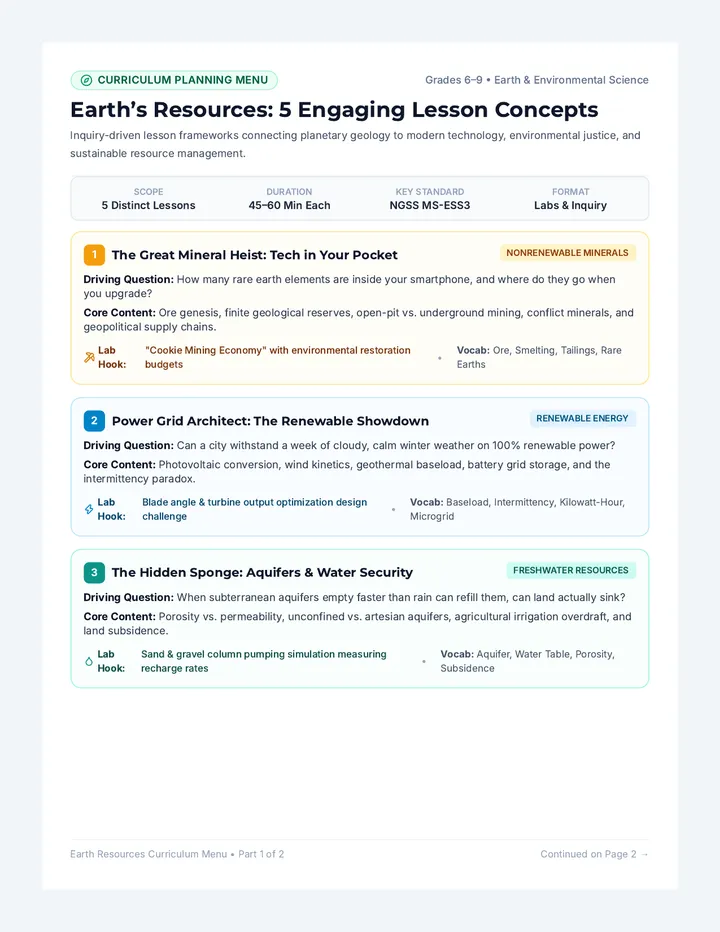
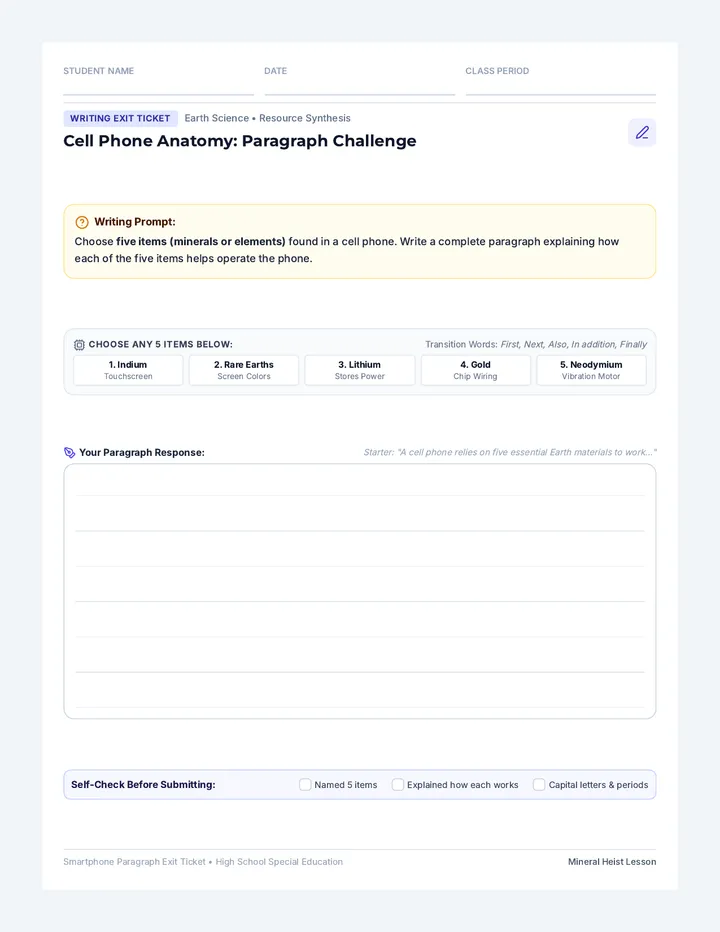
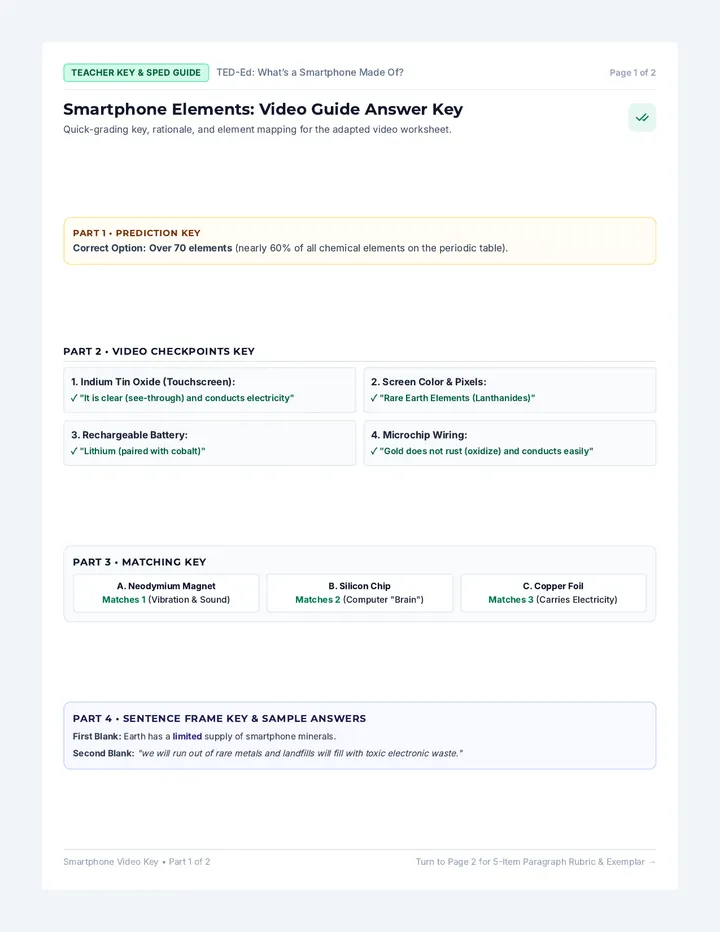
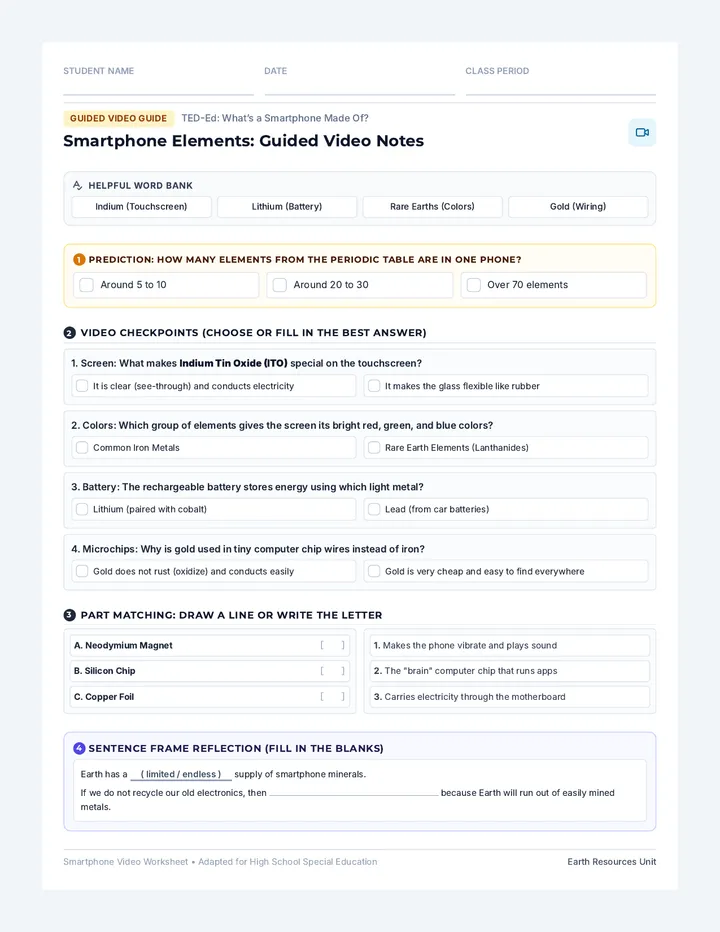
Internal Equilibrium Slides Body Balance
Navigating Feedback Loops & Homeostasis
9th Grade Biology
Today's Mission
Define Equilibrium
Understand how the body uses homeostasis to maintain internal balance.
Map the Loops
Diagram and distinguish between positive and negative feedback mechanisms.
Classify Scenarios
Apply definitions to real-world biological processes like clotting and cooling.
Warm-up: Cycle vs. Spiral
5 Minutes
The Screech
What happens when a microphone gets too close to a speaker?
The Thermostat
What happens when a room gets too cold in the winter?
Which one brings things back to normal? Which one pushes things further away?
The Science of Systems
Watch Closely
Embedded media
Focus Area: 4:45 - 6:13 (Feedback Loops)
Homeostasis
The process of keeping the body in balance regardless of changes.
Negative Loop
Inhibits change to return to balance (sweating, insulin).
Positive Loop
Increases or amplifies a process (clotting, childbirth).
Loop Diagramming
1
Pick a Scenario
Grab a scenario card with your partner.
2
Map the Flow
Draw the steps on your whiteboard using arrows. Identify the stimulus and the response.
3
Classify It
Is it inhibiting change (-) or amplifying change (+)?
Diagramming Tip:
Use a circular layout for feedback loops. Does the end step stop the first step (Negative) or make it happen MORE (Positive)?
The Rare Loop
Why is Positive Feedback rare?
Most biological systems aim for stability. Positive feedback is like a runaway train—it needs a definitive "stop" event (like a baby being born or a clot being finished).
Negative Feedback
"Keep things the same."
Positive Feedback
"Push to completion."
"Biology isn't just science, it's the way of life."
Loop Logic Scenarios Loop Logic
Feedback Scenario Cards
9th Grade Biology / Homeostasis Unit
Instructions: Cut along the dashed lines to create individual scenario cards. Provide one card to each student pair. Students will use these to draw their loop diagrams on whiteboards.
Scenario A: Childbirth
During labor, the baby's head pushes against the cervix. This pressure triggers nerve impulses to the brain. The brain then signals the pituitary gland to release the hormone oxytocin . Oxytocin causes the muscles of the uterus to contract even harder. These stronger contractions push the baby further, creating even more pressure on the cervix.
Loop Logic Scenario Card #1
Scenario B: Shivering
When your body temperature drops below 98.6°F, the hypothalamus in your brain detects the change. It sends signals to your skeletal muscles to begin rapidly contracting and relaxing (shivering). This muscular activity generates heat as a byproduct. Once the body temperature returns to 98.6°F, the brain stops the shivering signals.
Loop Logic Scenario Card #2
Scenario C: Blood Clotting
When a blood vessel is damaged, structures called platelets begin to stick to the site of the injury. As they stick, they release chemical signals. These chemicals attract even more platelets to the area. These new platelets release even more chemicals, causing a rapid build-up of platelets until the wound is sealed.
Loop Logic Scenario Card #3
Scenario D: Blood Sugar
After you eat a large meal, the level of glucose (sugar) in your blood increases. The pancreas detects this rise and releases the hormone insulin . Insulin tells the body's cells to take in the glucose and stores the extra in the liver. As the cells absorb the sugar, the blood glucose level falls back to its normal range.
Loop Logic Scenario Card #4
Scenario E: Dehydration
When the amount of water in your blood is low (dehydration), the brain releases Anti-Diuretic Hormone (ADH) . This hormone travels to the kidneys and instructs them to reabsorb more water back into the bloodstream instead of excreting it. This causes urine to become concentrated. Once water levels are restored, ADH release decreases.
Loop Logic Scenario Card #5
Scenario F: Lactation
When a baby suckles at the breast, nerve impulses are sent to the mother's brain. The brain stimulates the pituitary gland to secrete prolactin . Prolactin travels to the mammary glands and causes them to produce more milk. The more the baby suckles, the more prolactin is released, leading to even more milk production.
Loop Logic Scenario Card #6
Balance Blueprint Anchor Chart The Balance Blueprint
Anchor Chart: Homeostasis & Feedback Loops
Homeostasis
The process of maintaining a stable internal environment regardless of outside changes. Like a thermostat, the body is constantly adjusting to stay within a healthy range.
Negative Feedback
(-) Inhibits Change
"Reverse & Restore"
STIMULUS
RESPONSE
Stops/Slows Stimulus
Maintains Stability
Ex: Temperature Regulation
Ex: Blood Sugar Control
Positive Feedback
(+) Amplifies Change
"Accelerate & Complete"
STIMULUS
RESPONSE
Increases Stimulus
Creates Instability (Temporary)
Ex: Labor Contractions
Ex: Blood Clotting
Feedback Loop Master Guide Feedback Loop Master Guide
Teacher Resource: Scenario Analysis & Diagram Keys
CONFIDENTIAL: ANSWER KEY
Instructional Key Points
• Negative Feedback: Corrects a deviation; the response opposes the stimulus. (Most common).
• Positive Feedback: Reinforces a deviation; the response amplifies the stimulus. (Rare, specific goal).
• Stability: Negative loops create stability; positive loops create exponential change until a "stop" signal occurs.
• The "Loop" Test: Ask students "Does Step 4 make Step 1 happen more or less?"
Scenario Classification
Scenario Type Stimulus → Response Logic Key Event A: Childbirth Positive (+) Cervix pressure triggers oxytocin → Oxytocin increases contractions → More pressure. Birth of the baby (Stops the pressure). B: Shivering Negative (-) Body temp drops → Muscles shiver to make heat → Temp rises back to normal. Return to 98.6°F (Stops the shivering). C: Blood Clotting Positive (+) Vessel damage → Platelets stick → Release chemicals to attract more platelets. Wound is sealed (Chemical signals stop). D: Blood Sugar Negative (-) Glucose high → Insulin released → Cells absorb glucose → Glucose levels drop. Normal glucose range (Insulin release stops). E: Dehydration Negative (-) Water low → ADH released → Kidneys retain water → Hydration stabilizes. Hydration restored (ADH release stops). F: Lactation Positive (+) Suckling triggers prolactin → More milk produced → More suckling. Baby stops nursing (Nerve signal stops).
Closure Discussion Prompts
Q: If Negative Feedback is so good for stability, why do we need Positive Feedback at all?
A: Some biological processes need a "rapid-fire" response to reach a goal quickly (like stopping bleeding or pushing out a baby). Stability in these moments would actually be harmful or ineffective.
Q: What happens if a Negative Feedback loop breaks? (e.g., Diabetes)
A: When the loop breaks, the variable (like blood sugar) goes out of control, leading to illness or death. The body loses its ability to self-regulate.