Lenny.com
Explore
Create
ActivitiesNewMathEnglish Language ArtsScience & EngineeringSocial StudiesGlobal LanguagesHealth & Physical EducationSpecial EducationCounseling & Life SkillsArts & CreativityESL
Lenny.com
Lenny.com
Explore
Create
ActivitiesNewMathEnglish Language ArtsScience & EngineeringSocial StudiesGlobal LanguagesHealth & Physical EducationSpecial EducationCounseling & Life SkillsArts & CreativityESL
Lenny.com
Lenny.com

Solutions

Lenny for EducatorsLenny for SchoolsLenny for Districts

Product

ExploreSign inCreateSupportAbout

Resources

Getting startedMTSS Acceleration Program

Newsletters

School Funding Newsletter

© 2026 Lenny Learning Inc.

TermsPrivacyAccessibility
LinkedInInstagramX
Lenny

World Religions

Core tenets, historical origins, and cultural practices of major global faiths including Hinduism, Buddhism, Judaism, Christianity, and Islam. Examines ethical frameworks and ritual traditions across diverse civilizations.

Social StudiesSocial Studies PracticesLocation WordsMapsOrder EventsChronology and CausationEvaluating SourcesHistorical ThinkingGeography, Humans, & the EnvironmentAmerican Symbols and LandmarksCitiesStatesState CapitalsRegions of the United StatesGeographic SkillsPhysical GeographyHuman GeographyRegional GeographyGeography of AfricaGeography of AsiaGeography of EuropeGeography of OceaniaGeography of the AmericasSociety and Environment of EuropeSociety and Environment of AsiaSociety and Environment of The AmericasSociety and Environment of the Middle EastSociety and Environment of AfricaHistoryPrehistoryComparing Ancient River CivilizationsAncient MesopotamiaAncient Egypt and KushAncient South AsiaEarly ChinaGreeceRome and the Byzantine EmpireAncient World HistoryNative Peoples of North AmericaNative Peoples of Mesoamerica and South AmericaAfrican EmpiresMedieval AsiaMedieval EuropeThe Silk RoadMedieval HistoryIslamic EmpiresWorld ReligionsRenaissance PeriodAge of ExplorationThe Thirteen ColoniesThe American RevolutionUS History Early RepublicFounding of the United StatesUS History AntebellumUS Civil WarReconstruction PeriodThe Gilded AgeUS ImperialismWorld ImperialismWorld War IUS History 1920sGreat DepressionWorld War IIThe Cold WarUS History 1950-60sUS History 1960s-70sWorld History 20th CenturyContemporary US HistoryContemporary World HistoryHolidaysCivics and GovernmentCitizenshipGovernment FoundationsThe ConstitutionUS ConstitutionExecutive BranchLegislative BranchJudicial BranchState and LocalPolitical ParticipationPublic PolicyPolitical SystemsPower and AuthoritySocial MovementsDefining DevianceTheories of DevianceCrime and Criminal JusticeEconomicsBasic Economic PrinciplesSupply and DemandWhat is MoneyEconomic FundamentalsMicroeconomicsMacroeconomicsBanking and FinanceEconomic SystemsGlobal EconomicsCorporations and PowerThe Changing WorkplaceUnemployment and LaborClass and InequalitySocial MobilityGlobal InequalityPsychologyHistory of PsychologyPsychology as a ScienceBrain and Nervous SystemNeuroscience and BehaviorGenetics and BehaviorSleep and ConsciousnessSensory ProcessesPerceptual OrganizationClassical ConditioningOperant ConditioningObservational LearningCognitive LearningMemory ProcessesThinking and Problem SolvingLanguage and CognitionTheories of MotivationStress and CopingPrenatal and Infant DevelopmentChildhood DevelopmentAdolescent DevelopmentAdulthood and AgingSelf and IdentitySocial CognitionSocial InfluenceAttraction and RelationshipsGroup BehaviorPrejudice and DiscriminationAnxiety and Mood DisordersClinical PsychologyForensic PsychologyPhilosophy & EthicsIntroduction to PhilosophyMajor Philosophers & IdeasMind and Body ProblemFree Will vs DeterminismEthics & MoralityReligion & PhilosophyPolitical Philosophy

Videos

Understanding Culture: Hearths, Traits, and Landscapes

Understanding Culture: Hearths, Traits, and Landscapes

This educational video provides a comprehensive introduction to the concept of culture from the perspective of human geography. It begins with an engaging historical anecdote about the naming of the Yucatan Peninsula to illustrate language barriers, before diving into the formal definition of culture. The video breaks down complex sociological concepts into digestible segments, exploring how culture is not just food and clothing, but a shared system of beliefs, behaviors, and institutions passed down through generations. Key themes include the origins of culture in "cultural hearths" (early river valley civilizations), the process of cultural diffusion through trade and conflict, and specific cultural traits such as language, religion, and social organization. The video uses diverse examples ranging from the Sanskrit word for war to the removal of Confederate statues in the modern US to illustrate how culture is dynamic and reflected in the physical landscape. For educators, this resource serves as an excellent anchor for units on Human Geography, Sociology, or World History. It includes built-in pause points that prompt students to connect abstract concepts to their own local communities, encouraging critical thinking about their own cultural environment. The visual aids, maps, and real-world examples help students visualize invisible concepts like social structures and belief systems.

Miacademy & MiaPrep Learning ChannelMiacademy & MiaPrep Learning Channel

10mins 52s

The Great Schism: The Church's Historic Breakup

The Great Schism: The Church's Historic Breakup

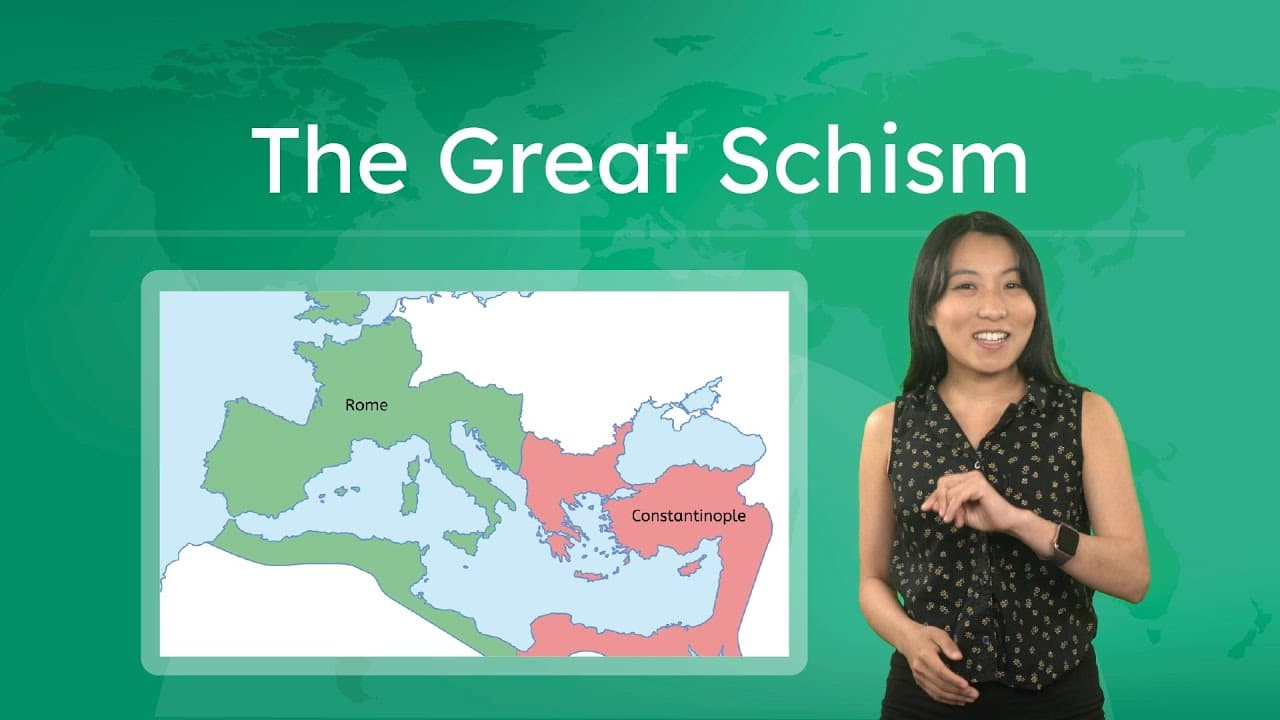
This engaging world history video breaks down the Great Schism of 1054, framing the historic split between the Roman Catholic and Eastern Orthodox churches as a "dramatic breakup" between two empires. Using relatable analogies like sibling rivalries and arguments between best friends, the narrator explains complex historical concepts such as excommunication, the role of the Pope versus the Patriarch, and the theological disputes over religious icons. The video traces the history from the initial split of the Roman Empire through the rise of Christianity, leading up to the formal separation and its long-term consequences. The content explores key themes of political power versus religious authority, cultural divergence, and cause-and-effect in history. It details how the Roman and Byzantine Empires drifted apart due to language, geography, and leadership disputes, culminating in mutual excommunication. Furthermore, it connects this religious divide to significant geopolitical shifts, specifically the weakening of the Byzantine Empire, the Crusades, and the eventual fall of Constantinople to the Ottoman Empire. For educators, this video serves as an excellent introduction to the Middle Ages and Church history. It transforms a potentially dry topic into an accessible narrative by using a "mystery question" format that encourages active viewing. The video includes built-in pause points for student predictions and utilizes clear maps and animations to visualize the geographic divide. It effectively scaffolds vocabulary like "schism" and "excommunicate," making it a valuable tool for middle school social studies curriculums focusing on World History and geography.

Miacademy & MiaPrep Learning ChannelMiacademy & MiaPrep Learning Channel

11mins 25s

The French Revolution: From Liberty to Terror

The French Revolution: From Liberty to Terror

This fast-paced educational video provides a comprehensive overview of the French Revolution, tracing its origins from the financial and agricultural crises of the late 18th century to the rise of Napoleon Bonaparte. Hosted by John Green, the video explores how a nation ruled by an absolute monarchy transformed into a republic based on the principles of liberty, equality, and fraternity, before descending into the violence of the Terror. It examines the complex interplay between Enlightenment ideals, class struggle, and political radicalism. Key themes include the shift from subjects to citizens, the tension between liberty and order, the role of women in the revolution, and the birth of modern political ideologies (left vs. right). The video highlights pivotal moments like the Storming of the Bastille, the Women's March on Versailles, and the execution of Louis XVI, while also discussing the intellectual reactions from figures like Edmund Burke and Mary Wollstonecraft. For educators, this resource serves as an excellent anchor for units on European history, revolutions, or civics. It helps students understand the chaotic nature of political change and challenges them to evaluate the cost of progress. The video connects historical events to modern concepts of human rights and nationalism, providing numerous entry points for class debates on whether violent revolution is justified to achieve democratic ends.

CrashCourseCrashCourse

15mins 29s

Why the Roman Empire Survived Until the 15th Century

Why the Roman Empire Survived Until the 15th Century

In this installment of Crash Course World History, John Green challenges the traditional narrative that the Roman Empire fell in 476 CE. Instead, he argues that the empire merely shifted its center of gravity eastward to Constantinople, where it survived and thrived as the Byzantine Empire for another thousand years. The video explores the strategic advantages of the East, the continuity of Roman law and culture, and the evolution of Christianity into the Eastern Orthodox tradition. Key themes include the fluidity of historical periodization, the intersection of religion and politics (specifically the concept of Caesaropapism), and the preservation of legal systems. The video highlights the reign of Emperor Justinian and Empress Theodora, detailing their contributions to Roman law through the Digest and Institutes, their massive building projects like the Hagia Sophia, and their handling of political unrest like the Nika Riots. For educators, this video serves as an excellent tool for AP World History or general high school history classes to discuss how historians define "empires" and "falls." It provides a clear contrast between the chaotic fragmentation of Western Europe and the centralized, wealthy stability of the Byzantine East. It also offers opportunities to discuss gender roles in history through the figure of Theodora and the long-term impact of Roman civil law on modern European legal systems.

CrashCourseCrashCourse

12mins 44s

How Trade and Learning Built the Empires of West Africa

How Trade and Learning Built the Empires of West Africa

This educational video explores the rich history of West African civilizations during the Middle Ages, specifically focusing on the empires of Ghana, Mali, and Songhai. It details how the trans-Saharan trade routes served as more than just economic arteries for gold and salt; they were superhighways for the exchange of ideas, religion, and technology. The narrative highlights the pivotal role of geography, specifically the Sahara Desert, and how overcoming its challenges led to prosperity and global connection. Themes include the economic mechanics of the gold-salt trade, the spread and impact of Islam, and the reverence for education in cities like Timbuktu. The video examines key historical figures such as Mansa Musa and Askia the Great, illustrating how their leadership styles and policies regarding trade and religion shaped their respective empires. It also delves into specific intellectual achievements in astronomy, mathematics, architecture, and medicine that flourished in centers of learning like the University of Sankore. For educators, this video is an excellent resource for World History units covering African civilizations or the Middle Ages. It moves beyond simple dates and names to explain the *causes* of the rise of these empires—specifically the interplay between economic control and cultural development. It provides natural pause points for critical thinking questions and connects historical events to tangible innovations that students can understand, making it a strong anchor for lessons on economic systems, cultural diffusion, or historical geography.

Miacademy & MiaPrep Learning ChannelMiacademy & MiaPrep Learning Channel

14mins 15s

How Ancient Trade Routes Connected the World

How Ancient Trade Routes Connected the World

This video explores the concept of global interconnectedness long before the advent of the internet or modern transportation. Starting with a relatable family dinner scene, the narrator challenges viewers to consider the origins of their food and clothing, using this as a springboard to introduce the historical mechanism of trade. The video defines cultural diffusion and illustrates how ancient trade routes like the Silk Road, Indian Ocean maritime routes, Trans-Saharan network, and Mediterranean Sea served as the "superhighways" of the ancient world, linking distant civilizations. Key themes include the definition and impact of cultural diffusion, the geography of major ancient trade networks, and the specific exchange of goods, ideas, technologies, and religions. The video highlights how the Indian Ocean trade facilitated the spread of Islam, how the Trans-Saharan route moved gold and salt, and how the Mediterranean connected Europe to ancient wisdom. It also details the "Four Great Inventions" of Ancient China—paper, printing, the compass, and gunpowder—and their profound effects on global society. For educators, this video serves as an excellent introduction to units on World History, global trade, or ancient civilizations. It features built-in "pause points" that invite students to check the tags on their own clothes, brainstorm inventions, and reflect on historical impacts, making it highly interactive. By connecting the abstract concept of cultural diffusion to tangible items like spices and clothing, the video helps students visualize how historical economic activities shaped the political, religious, and technological landscape of the modern world.
Miacademy & MiaPrep Learning ChannelMiacademy & MiaPrep Learning Channel

11mins 42s

Materials

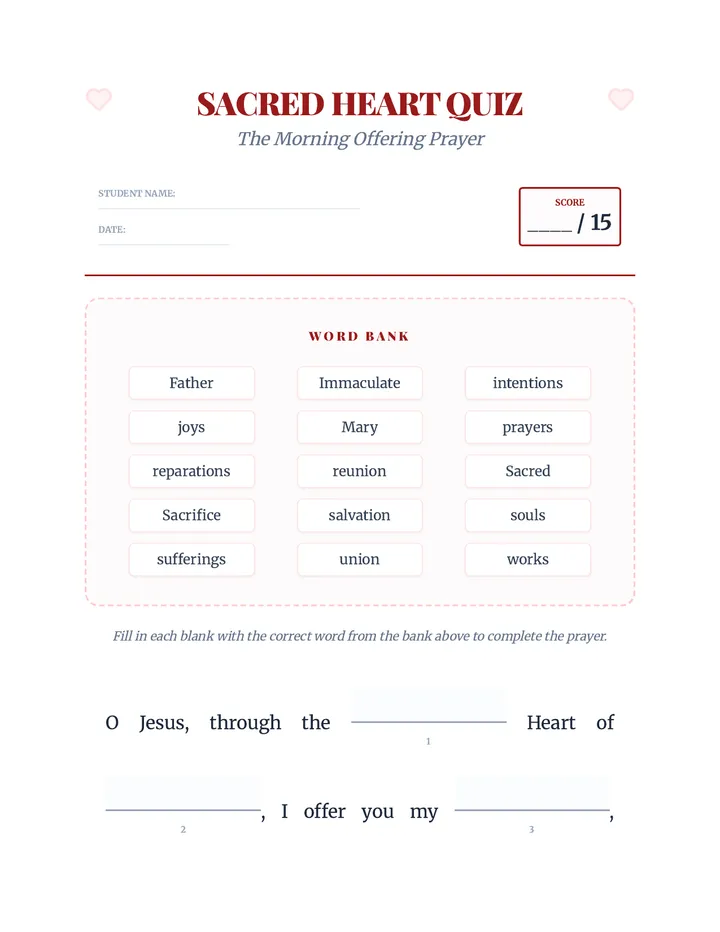
Sacred Heart Quiz

Sacred Heart Quiz

A polished 15-point fill-in-the-blank quiz for the Morning Offering prayer with numbered answer blanks, a word bank, and a Sacred Heart visual theme.

MK

Melodie Kabashima

Sequences

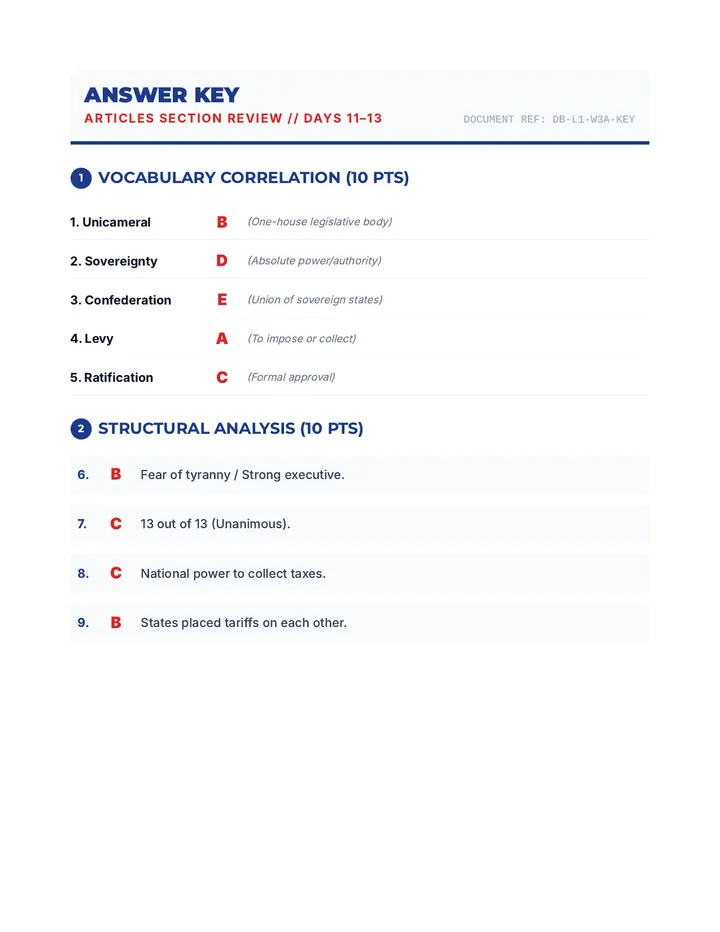
Articles Section Review Key

Democracy Blueprint

A comprehensive 90-day independent study program for high school government, covering everything from philosophical foundations to modern policy and civic participation.

LF

Lindsey Foulks

35
Roots of Republicanism Reader

Foundations of Freedom Remediation Packet

A 7-day comprehensive remediation sequence focused on the philosophical, historical, and individual foundations of American government. Designed for students needing mastery of TEKS 1 and 12B, the unit features structured readers, skill-building worksheets, and a cumulative assessment.

CE

Chelsea Elliott

16
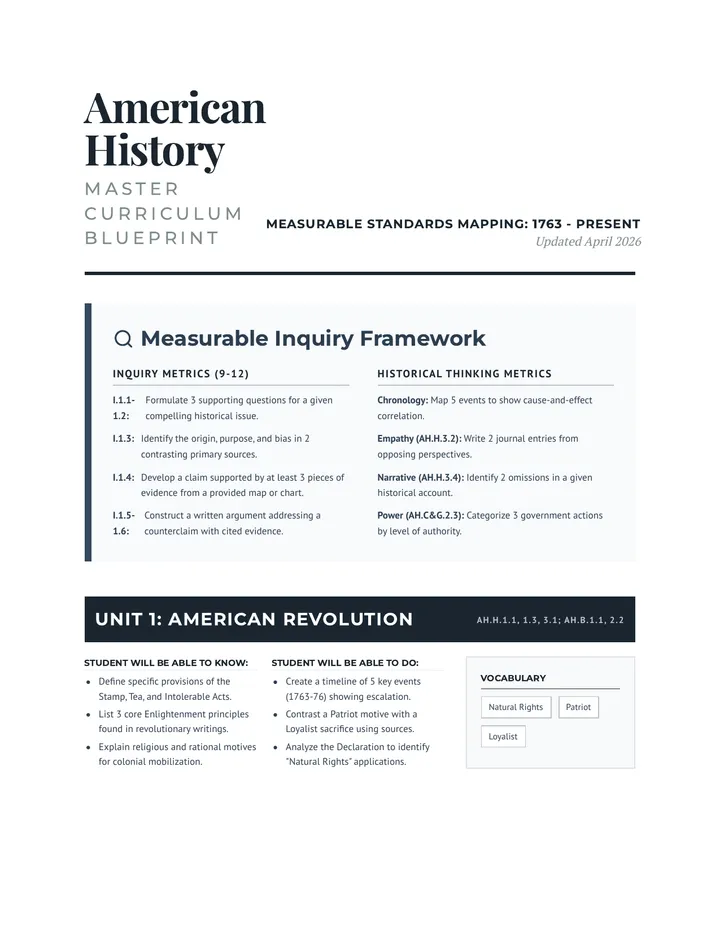
Curriculum Blueprint Document v2

History Horizon Sequence

A comprehensive high school curriculum plan for American History, covering 13 units from the American Revolution to the modern era, aligned with North Carolina Social Studies standards.

AK

Amity Kea

21
Foundations Comprehension Quiz

The American Ledger USH Remediation

A 25-day intensive remediation program for 11th Grade US History students, focusing on the Cold War, Civil Rights, Vietnam, the Reagan Era, and contemporary history. Each day features a 'Ledger' reader with embedded annotations and a review worksheet, aligned with Texas TEKS standards.

CE

Chelsea Elliott

62
Day 1 American Republic Reader

Global Governance Remediation

A comprehensive 7-day remediation unit covering various forms of government, comparing the U.S. constitutional republic to historical and contemporary systems, and analyzing executive structures.

CE

Chelsea Elliott

16
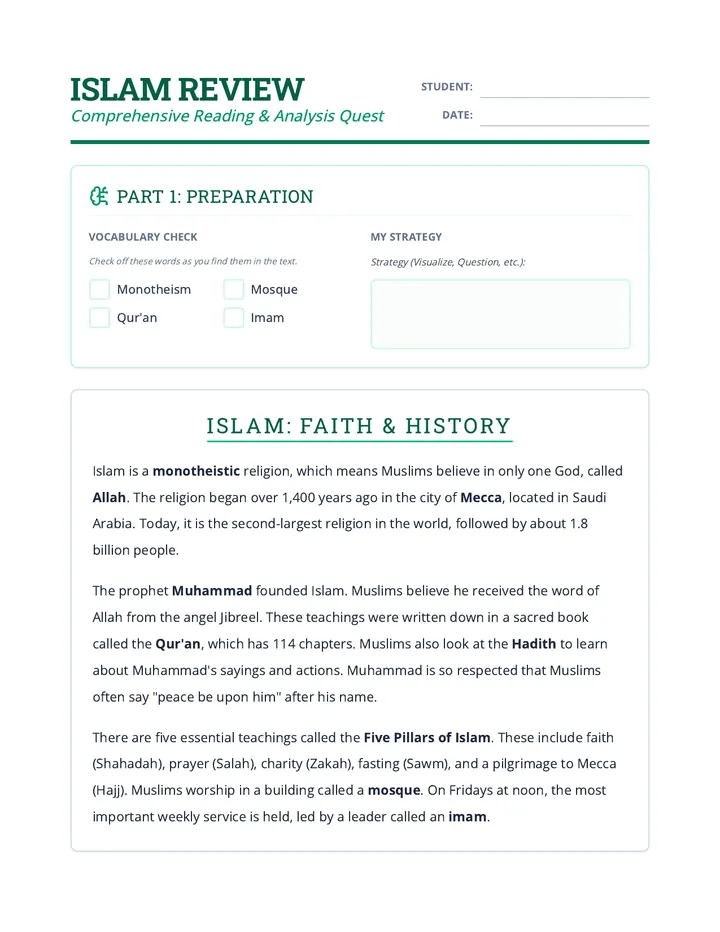
Islam Review Worksheet

Faith Foundations Review

A comparative and deep-dive review sequence exploring foundational teachings, sacred texts, and cultural practices of major world religions.

A

amanda_raboin

6

Lessons

History Sprint Pacing Guide

STAAR History Sprint

A comprehensive pacing guide and activity resource designed to cover the remaining 11th Grade US History TEKS before the STAAR test on April 16th. This lesson provides a day-by-day calendar for A/B block schedules and high-engagement activities for each remaining historical era.

BB

Bridgette Burdick

51
Explorer Epochs Wall Chart

Early World Explorers

A comprehensive lesson on early world exploration from 300 BCE to 1500 CE, focusing on the geographical, cultural, and religious impacts of key explorers across different continents.

J

jcasey

14
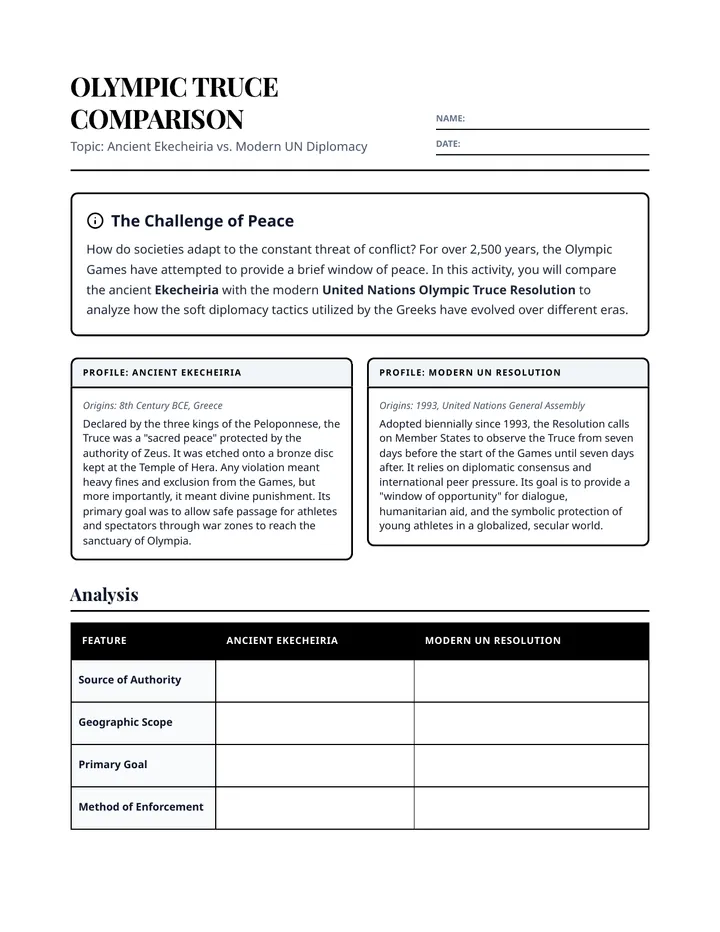
Olympic Truce Comparison Final Worksheet Final Final Expanded

Olympic Truce Diplomacy

A high school social studies lesson exploring the origins, evolution, and effectiveness of the Olympic Truce from ancient Greece to the modern United Nations era. Students analyze how this institution addresses societal and political challenges through international cooperation.

KK

Kathleen Kelsh

6
Shadows of Words Tracker

Words in Shadows

A comprehensive study of the film 'The Book Thief', focusing on the historical context of the Holocaust and WWII. Students track plot developments and analyze the impact of Nazi ideology on German civilians and Jewish people.

JA

Jasmine Atwal

4
Islam Foundations Slides

Islamic Origins

A foundational exploration of the origins of Islam, the life of Prophet Muhammad, the significance of the Quran, and the growth of the Islamic empire.

PB

Paula Bakerian

4
Islam Review Worksheet

Islam Review Quest

A comprehensive review lesson focused on the foundational teachings, sacred texts, and practices of Islam, emphasizing active reading and question type identification.

EV

Erin Venuti

2