Lenny.com
Explore
Create
ActivitiesNewMathEnglish Language ArtsScience & EngineeringSocial StudiesGlobal LanguagesHealth & Physical EducationSpecial EducationCounseling & Life SkillsArts & CreativityESL
Lenny.com
Lenny.com
Explore
Create
ActivitiesNewMathEnglish Language ArtsScience & EngineeringSocial StudiesGlobal LanguagesHealth & Physical EducationSpecial EducationCounseling & Life SkillsArts & CreativityESL
Lenny.com
Lenny.com

Solutions

Lenny for EducatorsLenny for SchoolsLenny for Districts

Product

ExploreSign inCreateSupportAbout

Resources

Getting startedMTSS Acceleration Program

Newsletters

School Funding Newsletter

© 2026 Lenny Learning Inc.

TermsPrivacyAccessibility
LinkedInInstagramX
Lenny

Holidays

Historical origins and cultural traditions of global celebrations, including religious, secular, and seasonal events. Connects specific customs to their geographical, social, and historical contexts.

Social StudiesSocial Studies PracticesLocation WordsMapsOrder EventsChronology and CausationEvaluating SourcesHistorical ThinkingGeography, Humans, & the EnvironmentAmerican Symbols and LandmarksCitiesStatesState CapitalsRegions of the United StatesGeographic SkillsPhysical GeographyHuman GeographyRegional GeographyGeography of AfricaGeography of AsiaGeography of EuropeGeography of OceaniaGeography of the AmericasSociety and Environment of EuropeSociety and Environment of AsiaSociety and Environment of The AmericasSociety and Environment of the Middle EastSociety and Environment of AfricaHistoryPrehistoryComparing Ancient River CivilizationsAncient MesopotamiaAncient Egypt and KushAncient South AsiaEarly ChinaGreeceRome and the Byzantine EmpireAncient World HistoryNative Peoples of North AmericaNative Peoples of Mesoamerica and South AmericaAfrican EmpiresMedieval AsiaMedieval EuropeThe Silk RoadMedieval HistoryIslamic EmpiresWorld ReligionsRenaissance PeriodAge of ExplorationThe Thirteen ColoniesThe American RevolutionUS History Early RepublicFounding of the United StatesUS History AntebellumUS Civil WarReconstruction PeriodThe Gilded AgeUS ImperialismWorld ImperialismWorld War IUS History 1920sGreat DepressionWorld War IIThe Cold WarUS History 1950-60sUS History 1960s-70sWorld History 20th CenturyContemporary US HistoryContemporary World HistoryHolidaysCivics and GovernmentCitizenshipGovernment FoundationsThe ConstitutionUS ConstitutionExecutive BranchLegislative BranchJudicial BranchState and LocalPolitical ParticipationPublic PolicyPolitical SystemsPower and AuthoritySocial MovementsDefining DevianceTheories of DevianceCrime and Criminal JusticeEconomicsBasic Economic PrinciplesSupply and DemandWhat is MoneyEconomic FundamentalsMicroeconomicsMacroeconomicsBanking and FinanceEconomic SystemsGlobal EconomicsCorporations and PowerThe Changing WorkplaceUnemployment and LaborClass and InequalitySocial MobilityGlobal InequalityPsychologyHistory of PsychologyPsychology as a ScienceBrain and Nervous SystemNeuroscience and BehaviorGenetics and BehaviorSleep and ConsciousnessSensory ProcessesPerceptual OrganizationClassical ConditioningOperant ConditioningObservational LearningCognitive LearningMemory ProcessesThinking and Problem SolvingLanguage and CognitionTheories of MotivationStress and CopingPrenatal and Infant DevelopmentChildhood DevelopmentAdolescent DevelopmentAdulthood and AgingSelf and IdentitySocial CognitionSocial InfluenceAttraction and RelationshipsGroup BehaviorPrejudice and DiscriminationAnxiety and Mood DisordersClinical PsychologyForensic PsychologyPhilosophy & EthicsIntroduction to PhilosophyMajor Philosophers & IdeasMind and Body ProblemFree Will vs DeterminismEthics & MoralityReligion & PhilosophyPolitical Philosophy

Videos

Understanding the U.S. Constitution and Bill of Rights

Understanding the U.S. Constitution and Bill of Rights

This engaging educational video provides a comprehensive and child-friendly introduction to the United States Constitution. It breaks down the document's structure into three main parts: the Preamble, the seven Articles, and the Amendments. The narrator simplifies complex civics concepts, explaining that the Constitution is the "highest law in the land" and establishes a government that is "for the people, by the people." A significant portion of the video is dedicated to the Bill of Rights, walking students through the first ten amendments with relatable examples and clear definitions of rights and freedoms. Key themes include the structure of the U.S. government, individual liberties, and the historical context of the nation's founding. The video highlights specific amendments, such as the freedom of speech (1st), the right to a speedy trial (6th), and the abolition of slavery (13th). It also covers the historical significance of the Constitutional Convention of 1787, introducing key figures like George Washington and James Madison, known as the "Father of the Constitution." The connection between Constitution Day and Citizenship Day is also explored, emphasizing the value of American citizenship. For educators, this video is a versatile tool for social studies and civics curricula. It transforms abstract political concepts into concrete examples students can understand, such as comparing the 4th Amendment to privacy in one's home or the 9th Amendment to the right to build a snowman. It serves as an excellent anchor for lessons on the three branches of government, the importance of laws, or commemorative activities for Constitution Day in September.
Homeschool PopHomeschool Pop

17mins 40s

The Symbols and Meaning of the American Flag

The Symbols and Meaning of the American Flag

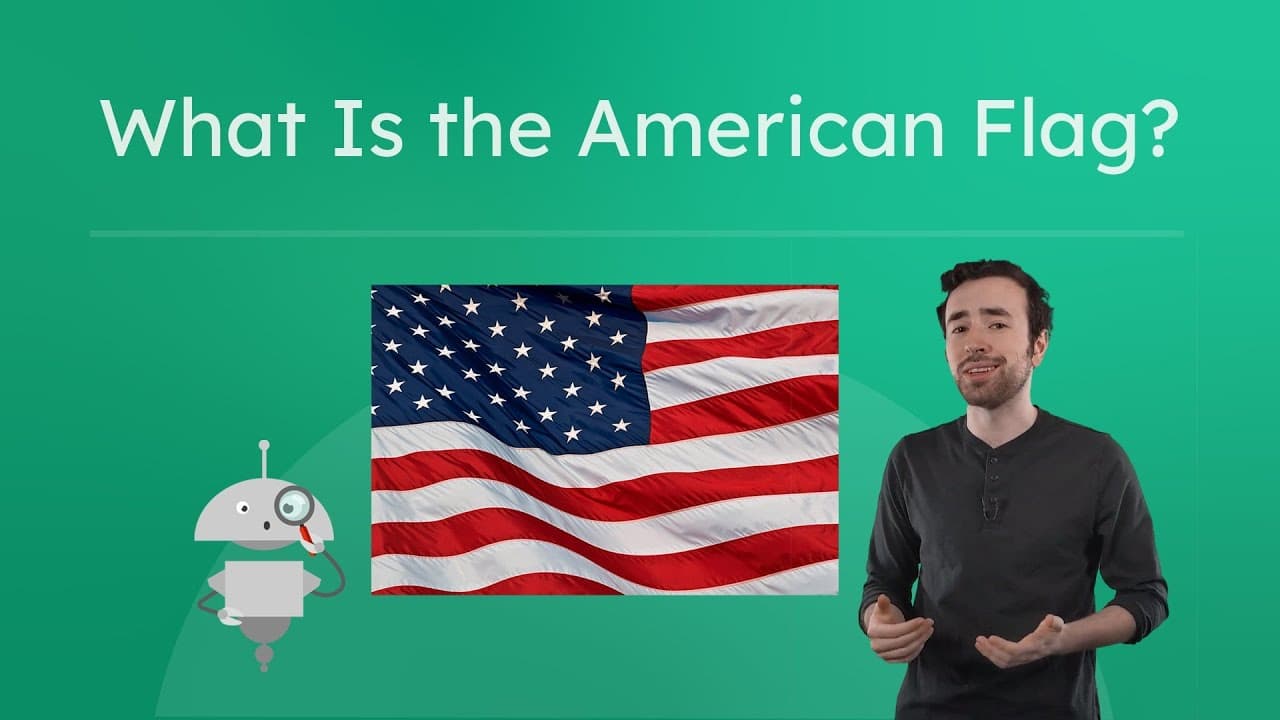
This engaging educational video introduces young learners to the American flag as a primary symbol of the United States. Through a friendly host and animated characters, the video breaks down the specific meanings behind the flag's colors (red for courage, white for purity, blue for justice) and its design elements (stars for the 50 states, stripes for the 13 original colonies). The video goes beyond just the physical description to explain abstract civics concepts in age-appropriate terms. It connects the flag to the concept of freedom—specifically the freedom to vote and practice religion—and briefly touches upon the historical sacrifices made for those freedoms. It also covers practical knowledge, such as where students might see the flag in their community (post offices, schools, the White House) and important dates like Flag Day. Ideal for early elementary social studies, this resource helps teachers explain national identity and symbolism. It includes a "man on the street" segment that models how different citizens interpret the flag's meaning, encouraging students to develop their own sense of civic pride and understanding. The video concludes with a brief introduction to the National Anthem, tying music and lyrics to the visual symbol of the flag.

Miacademy & MiaPrep Learning ChannelMiacademy & MiaPrep Learning Channel

6mins 10s

Why We Celebrate the 4th of July

Why We Celebrate the 4th of July

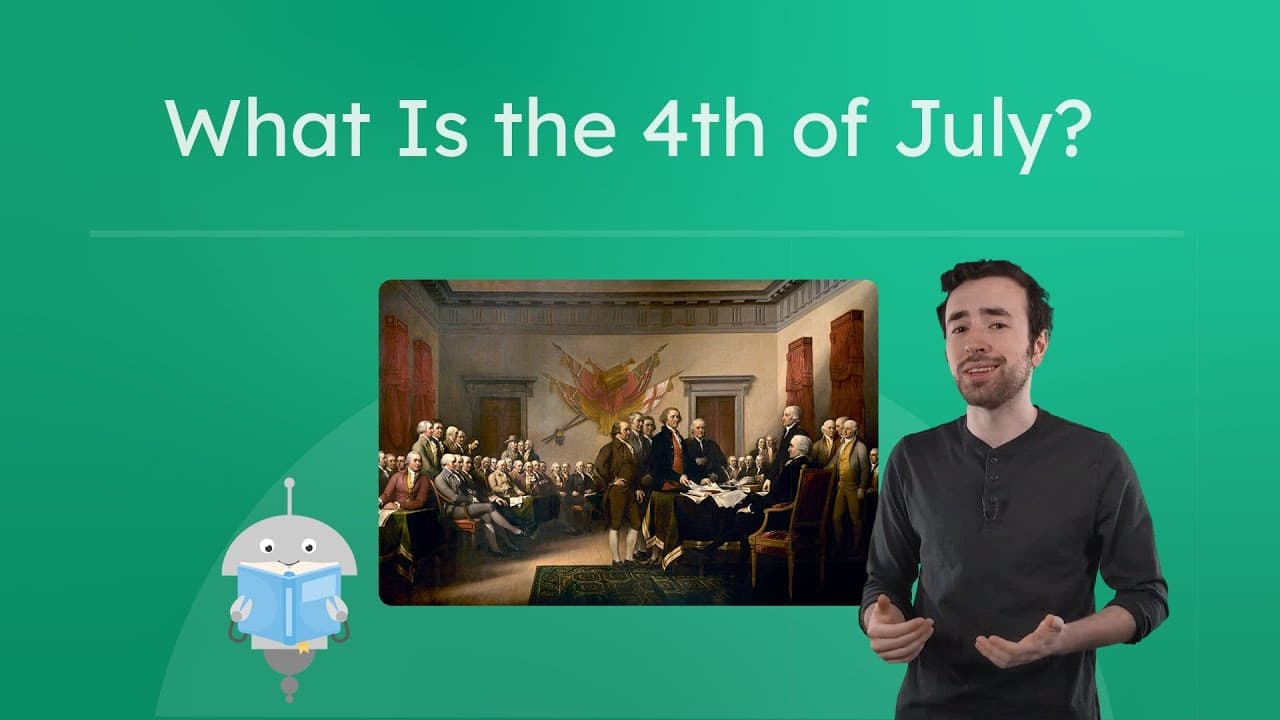
In this engaging episode of Clubhouse Social Studies, the host and his alien friend Plato explore the meaning and history behind the 4th of July. The video begins by explaining the concept of a birthday for a country, using Plato's confusion about personal birthdays as a humorous hook. It transitions into a simplified historical narrative explaining how the United States began, moving from being part of Great Britain to becoming a free and independent nation through the Declaration of Independence signed in 1776. The video highlights key themes of independence, freedom, and national identity. It introduces young learners to historical figures like King George and the Founding Fathers (visually represented through classic paintings) and explains the significance of the Declaration of Independence as a document that told the world America was free. The narrative connects past events to present-day traditions, illustrating how modern celebrations like parades, cookouts, and fireworks serve as a remembrance of the nation's "birthday." For educators, this video serves as an excellent introduction to American holidays and civics for early elementary students. It breaks down complex historical concepts like "independence" into age-appropriate analogies, such as a country having a birthday. The "Mia on the Move" segment provides diverse perspectives on how different community members celebrate, modeling how to ask questions and share traditions. This resource can spark discussions about family traditions, community events, and the basic history of the United States.

Miacademy & MiaPrep Learning ChannelMiacademy & MiaPrep Learning Channel

6mins 16s

Materials

Heritage Sparks Do Now

Heritage Sparks Do Now

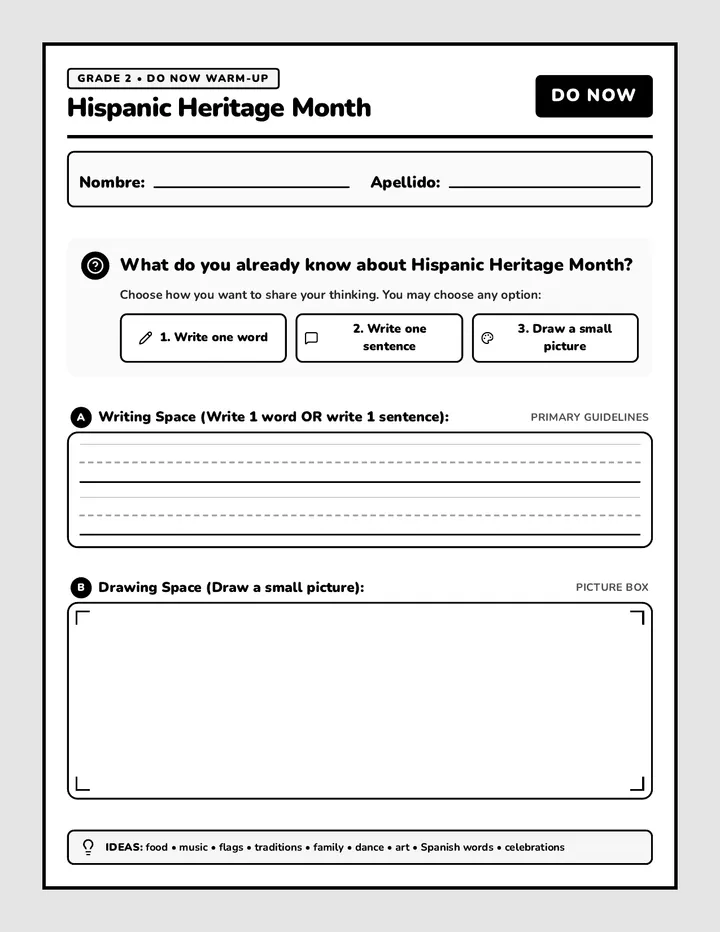
A high-contrast, black-and-white 2nd-grade Do Now activity featuring enlarged fonts, prominent Nombre and Apellido lines, and dedicated primary handwriting and drawing workspaces for Hispanic Heritage Month.

DC

Dulce Centeno

Equal Hearts Worksheet

Equal Hearts Worksheet

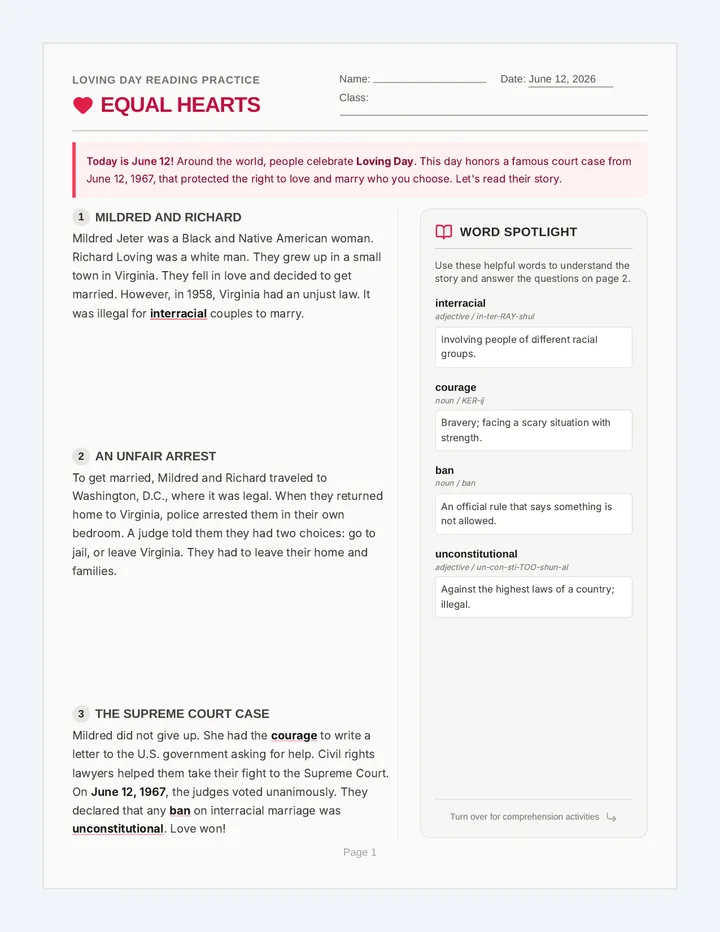
A standalone, double-sided printable reading worksheet designed for English Language Learners (ELL) focusing on Loving Day (June 12, 1967). Includes an accessible, scaffolded reading passage, a visual vocabulary spotlight, text-dependent comprehension questions with writing frames, and a creative reflection activity.

KO

Kelly Oshinnaiye

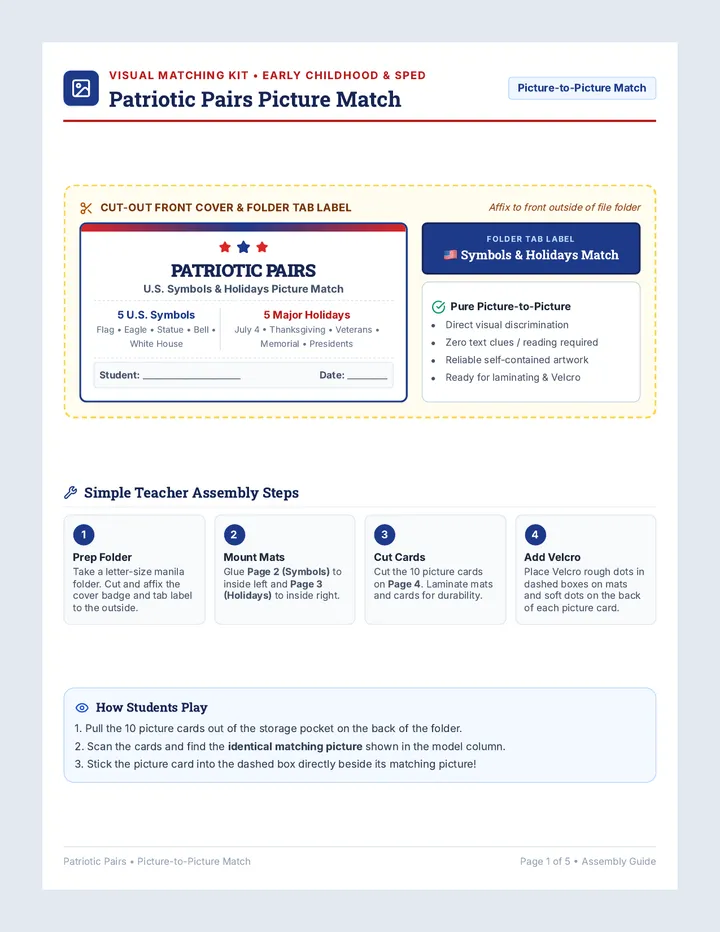
Patriotic Pairs Folder Activity

Patriotic Pairs Folder Activity

A real-picture matching file folder activity for 5 core US symbols and 5 major US holidays. Replaced all external image links with rich, high-detail, self-contained visual artwork that renders reliably with zero broken links. Picture-to-picture match with no text clues.

AV

April Van Houten

Sequences

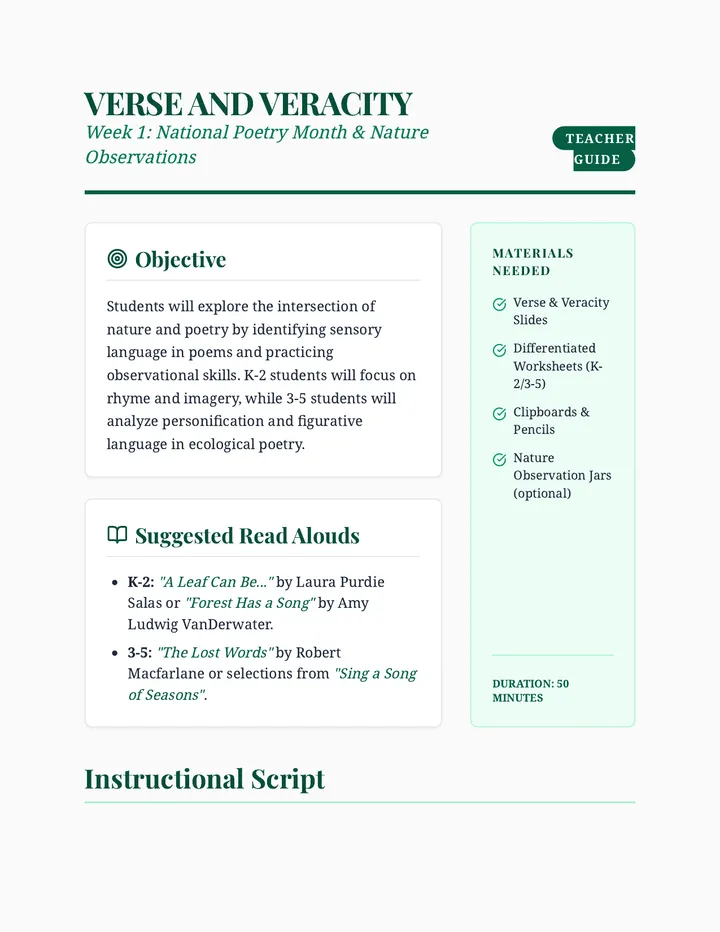
Verse and Veracity Teacher Guide

Media Center Year Curriculum

A comprehensive K-5 Media Center curriculum spanning August to May. Each month features a thematic unit integrating library skills (Dewey Decimal System, research, digital citizenship), literacy (poetry, biographies, informational texts), and STEM/Maker Space challenges. Resources are differentiated for K-2 and 3-5.

B

bethany.nied

50
Our Colorful Class Warm Up

Our Diverse World

A comprehensive 3rd-grade curriculum exploring global diversity through identity, traditions, food, music, and clothing, fostering empathy and cultural appreciation.

SB

Stacie Browne-Gallagher

56
Heritage Launch Teacher Guide

Viva Heritage

A 5-day multidisciplinary unit for grades K-4 celebrating Hispanic Heritage Month through identity, inspiring leaders, arts and music, cultural traditions, and community belonging.

DM

Delilah Murray

11
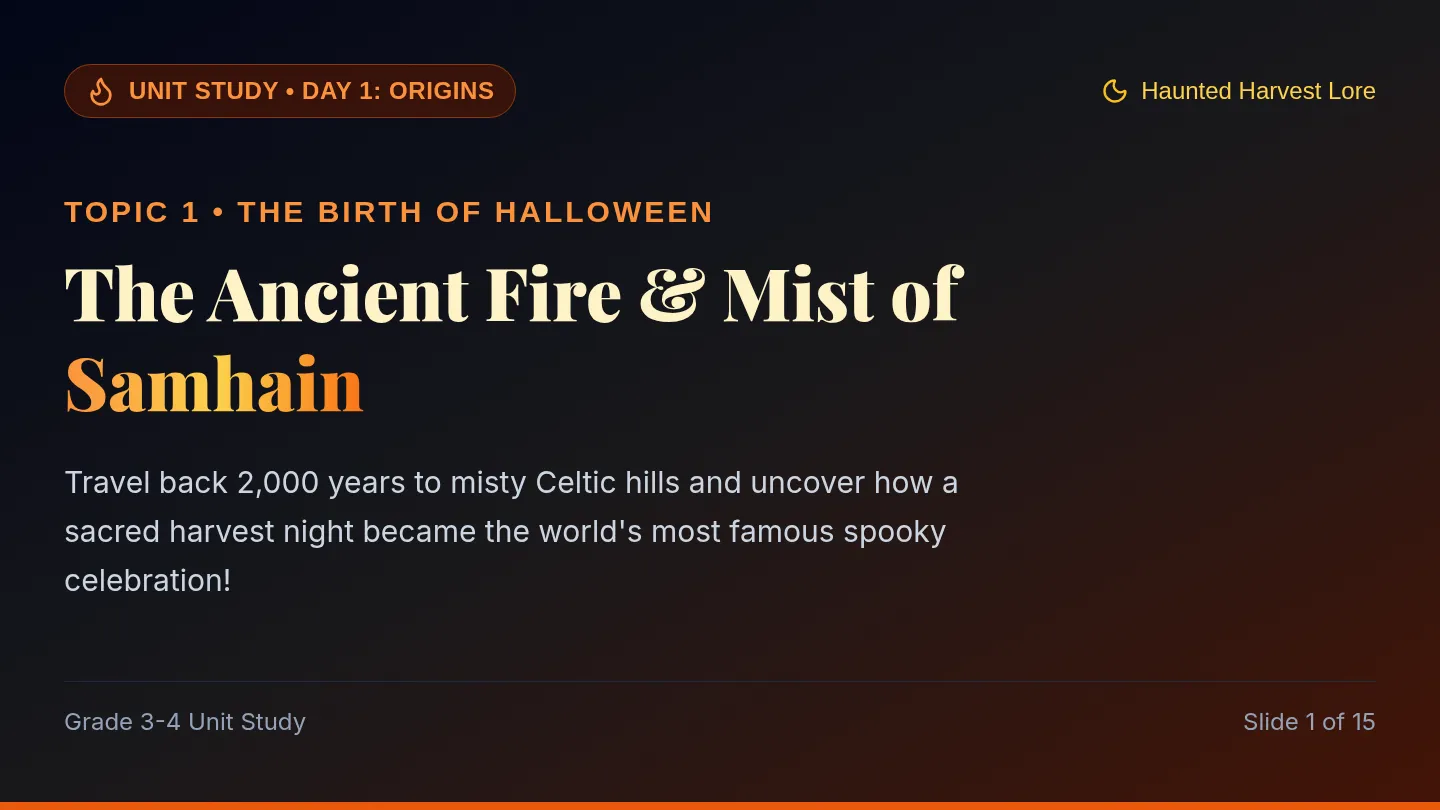
Samhain Origins Slides

Haunted Harvest Lore

A comprehensive 4-day spooky history and cultural unit exploring the ancient roots, costuming traditions, trick-or-treating customs, and modern evolution of Halloween.

AJ

Amber Jones

8
Southern Skies Slides

Postcards from the Pines

An immersive 5-day unit exploring the Southeastern United States, covering geography, climate, the Powhatan, Seminole, Cherokee, and Creek nations, and modern-day cultural traditions.

KM

Kristin McCoy

9
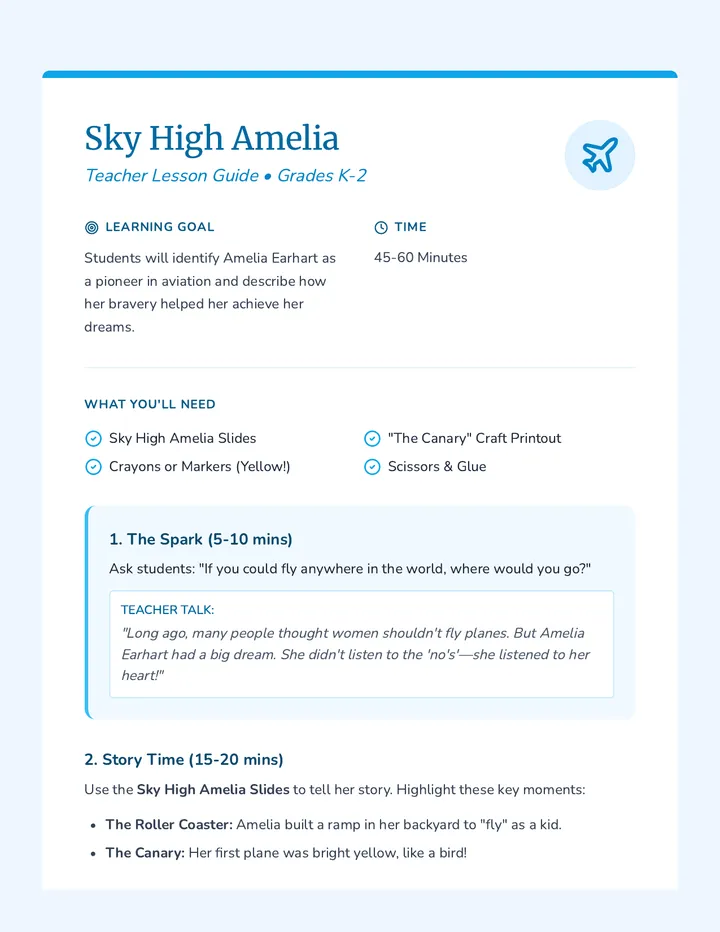
Sky High Amelia Teacher Guide

History Heroines

A series of lessons for K-2 students celebrating Women's History Month through the lives of Amelia Earhart, Rosa Parks, and Simone Biles. Students will explore bravery, fairness, and perseverance through storytelling, coloring, and hands-on crafts.

V

victoria.lesniak

9

Lessons

Celebration Match Worksheet

Party Time

A sensory-focused exploration of major celebrations designed for toddlers, focusing on visual recognition and tactile associations.

HC

Heather Cortez

13
Ancient Asia Match Review Sheet

Early Asian Civilizations

A vocabulary and domain knowledge review lesson for CKLA Grade 2 Domain 2, focusing on key historical concepts, geographical landmarks, and cultural traditions of Early India and Ancient China.

FT

Faith Timberman

2
Labor Day Legends Worksheet

Labor Day Legends

A comprehensive middle school lesson on the history and significance of Labor Day, written at an accessible 3rd-grade reading level. Includes a 5W color-coded reading analysis and a scaffolded 'Letter to a Worker' creative writing activity.

KS

Kathleen Suther

8
Olympic Profiles Passages

Chasing Gold

A lesson focused on the Winter Olympics through the lens of five participating nations: Norway, USA, Japan, Italy, and Canada. Students explore geography, culture, and athletic achievements to understand the global spirit of the games.

M

mkeohane

3
Jubilee Guide

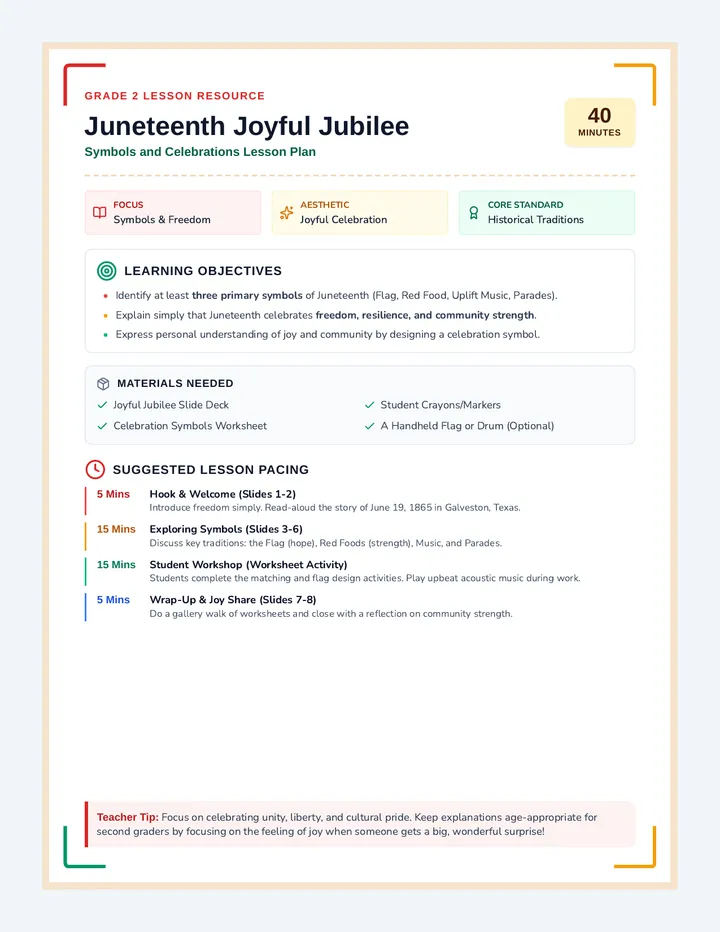
Juneteenth Joyful Jubilee

A vibrant 40-minute lesson for second graders focusing on the meaningful symbols and celebrations of Juneteenth. Through interactive slides, a visual worksheet, and structured teaching prompts, students learn about the Juneteenth flag, red food traditions, uplift music, and festive community parades.

MK

Megan Kolodny

3
History of Honor Slides

Memorial Day Remembrance

An informational lesson about the history and significance of Memorial Day, focusing on vocabulary development through context clues and identifying main ideas with supporting details.

MG

Melissa Gonzalez

8