Lenny.com
Explore
Create
ActivitiesNewMathEnglish Language ArtsScience & EngineeringSocial StudiesGlobal LanguagesHealth & Physical EducationSpecial EducationCounseling & Life SkillsArts & CreativityESL
Lenny.com
Lenny.com
Explore
Create
ActivitiesNewMathEnglish Language ArtsScience & EngineeringSocial StudiesGlobal LanguagesHealth & Physical EducationSpecial EducationCounseling & Life SkillsArts & CreativityESL
Lenny.com
Social StudiesSocial Studies PracticesLocation WordsMapsOrder EventsChronology and CausationEvaluating SourcesHistorical ThinkingGeography, Humans, & the EnvironmentAmerican Symbols and LandmarksCitiesStatesState CapitalsRegions of the United StatesGeographic SkillsPhysical GeographyHuman GeographyRegional GeographyGeography of AfricaGeography of AsiaGeography of EuropeGeography of OceaniaGeography of the AmericasSociety and Environment of EuropeSociety and Environment of AsiaSociety and Environment of The AmericasSociety and Environment of the Middle EastSociety and Environment of AfricaHistoryPrehistoryComparing Ancient River CivilizationsAncient MesopotamiaAncient Egypt and KushAncient South AsiaEarly ChinaGreeceRome and the Byzantine EmpireAncient World HistoryNative Peoples of North AmericaNative Peoples of Mesoamerica and South AmericaAfrican EmpiresMedieval AsiaMedieval EuropeThe Silk RoadMedieval HistoryIslamic EmpiresWorld ReligionsRenaissance PeriodAge of ExplorationThe Thirteen ColoniesThe American RevolutionUS History Early RepublicFounding of the United StatesUS History AntebellumUS Civil WarReconstruction PeriodThe Gilded AgeUS ImperialismWorld ImperialismWorld War IUS History 1920sGreat DepressionWorld War IIThe Cold WarUS History 1950-60sUS History 1960s-70sWorld History 20th CenturyContemporary US HistoryContemporary World HistoryHolidaysCivics and GovernmentCitizenshipGovernment FoundationsThe ConstitutionUS ConstitutionExecutive BranchLegislative BranchJudicial BranchState and LocalPolitical ParticipationPublic PolicyPolitical SystemsPower and AuthoritySocial MovementsDefining DevianceTheories of DevianceCrime and Criminal JusticeEconomicsBasic Economic PrinciplesSupply and DemandWhat is MoneyEconomic FundamentalsMicroeconomicsMacroeconomicsBanking and FinanceEconomic SystemsGlobal EconomicsCorporations and PowerThe Changing WorkplaceUnemployment and LaborClass and InequalitySocial MobilityGlobal InequalityPsychologyHistory of PsychologyPsychology as a ScienceBrain and Nervous SystemNeuroscience and BehaviorGenetics and BehaviorSleep and ConsciousnessSensory ProcessesPerceptual OrganizationClassical ConditioningOperant ConditioningObservational LearningCognitive LearningMemory ProcessesThinking and Problem SolvingLanguage and CognitionTheories of MotivationStress and CopingPrenatal and Infant DevelopmentChildhood DevelopmentAdolescent DevelopmentAdulthood and AgingSelf and IdentitySocial CognitionSocial InfluenceAttraction and RelationshipsGroup BehaviorPrejudice and DiscriminationAnxiety and Mood DisordersClinical PsychologyForensic PsychologyPhilosophy & EthicsIntroduction to PhilosophyMajor Philosophers & IdeasMind and Body ProblemFree Will vs DeterminismEthics & MoralityReligion & PhilosophyPolitical Philosophy

Basic Economic Principles

Fundamental concepts of scarcity, supply and demand, and opportunity cost. Examines how individuals and societies allocate limited resources to satisfy unlimited wants.

Lenny.com

Solutions

Lenny for EducatorsLenny for SchoolsLenny for Districts

Product

ExploreSign inCreateSupportAbout

Resources

Getting startedMTSS Acceleration Program

Newsletters

School Funding Newsletter

© 2026 Lenny Learning Inc.

TermsPrivacyAccessibility
LinkedInInstagramX
Lenny

Videos

From Earth to Cake: How We Use Natural Resources

From Earth to Cake: How We Use Natural Resources

This educational video from Crash Course Kids explores the fundamental relationship between human communities and natural resources. It begins by establishing that humans, like all animals, have basic survival needs—food, water, and shelter—which are met by resources provided by the Earth. The host explains how the availability of these resources dictates where communities form, illustrating why major cities are rarely found in deserts or on mountain peaks, but rather in locations rich with water and agricultural potential. The video introduces the concept of "transformation," explaining that raw materials from the Earth usually require processing to become useful products. Using the engaging example of baking a cake, the host breaks down the supply chain of everyday items. She traces ingredients like water, flour, and eggs back to their natural sources (reservoirs and farms) and explains how energy—derived from oil, gas, sun, wind, or water—is required to mix and bake these ingredients. This step-by-step investigation helps students visualize the invisible web connecting finished goods to raw natural resources. For educators, this video serves as an excellent bridge between geography, environmental science, and economics. It provides concrete definitions for key vocabulary like "resource," "community," "agriculture," and "cultivate." Teachers can use the "cake investigation" model to have students trace the origins of other common items, fostering a deeper appreciation for the environment and an understanding of supply chains, energy consumption, and human dependence on the natural world.
Crash Course KidsCrash Course Kids

3mins 15s

How Economics Affects Your Daily Life

How Economics Affects Your Daily Life

This introductory video demystifies the concept of economics, moving beyond stereotypes of complex math and stock markets to define it as the study of choices, resources, and societal impact. The host explains that economics is fundamentally about how individuals, families, and communities manage limited resources to meet their needs and wants. Through relatable examples like a family budget and a town council's tax decisions, students learn that every economic choice involves trade-offs and consequences.

Miacademy & MiaPrep Learning ChannelMiacademy & MiaPrep Learning Channel

10mins 53s

Understanding Economics: Resources, Production, and Money

Understanding Economics: Resources, Production, and Money

This engaging educational video introduces students to the fundamental concepts of economics, breaking down a complex subject into digestible components. Hosted by a lively presenter named Kylie, the video moves beyond the complicated dictionary definition of economics to focus on three core pillars: resources, production, and money. It uses relatable examples, including digital marketplaces and everyday items like ice cream and cars, to explain how goods and services are created, distributed, and consumed. Key themes explored include the three types of resources (natural, human, and capital), the distinction between tangible goods and intangible services, and the concept of productivity. The video also covers the history of trade by explaining the barter system versus modern currency, including digital forms of money. Special attention is given to the role of the consumer and the importance of efficiency in business production. For educators, this video serves as an excellent foundational tool for social studies and financial literacy units. It clarifies abstract economic terms through visual aids and concrete examples, making it easy for students to grasp how the economy functions around them. The content naturally leads into classroom activities involving resource identification, mock marketplaces, or discussions about how students earn and spend money in their own lives.

Miacademy & MiaPrep Learning ChannelMiacademy & MiaPrep Learning Channel

6mins 18s

How Market Economies Work: Producers, Consumers, and Choice

How Market Economies Work: Producers, Consumers, and Choice

This engaging educational video introduces students to the fundamental concepts of a market economy through the relatable analogy of a robot named Mia running a lemonade stand. The narrator guides viewers through the core mechanics of how market economies function, contrasting them with traditional economies by explaining who answers the three basic economic questions: what to produce, how to produce, and for whom to produce. The video uses the fictional political platform of "Mabel Marketforce" to frame these concepts, making abstract economic theory accessible and concrete. The video explores key themes including the interaction between producers and consumers, the role of supply and demand, and the driving force of competition and profit. It emphasizes individual freedom and choice while also critically examining the potential downsides of a pure market system, such as lack of government oversight, income inequality, and the failure to provide non-profitable public goods like roads. Visuals include animated characters, real-world stock footage, and clear on-screen text summaries. For educators, this resource serves as an excellent introduction to economic systems. It features built-in pause points with reflection questions that encourage active participation and critical thinking. Teachers can use the lemonade stand example to help students understand entrepreneurship, while the discussion on the pros and cons of market economies provides a springboard for deeper debates about government involvement in the economy and civic responsibility.

Miacademy & MiaPrep Learning ChannelMiacademy & MiaPrep Learning Channel

10mins 11s

How Natural Resources and Innovation Built US Wealth

How Natural Resources and Innovation Built US Wealth

This educational video explores the primary factors that contributed to the United States becoming one of the wealthiest and most populous nations in the world. It provides a historical and geographical overview of how the country utilized its vast landscape and innovative spirit to build a global superpower. The narrative structure breaks down this growth into four distinct pillars: natural resources, transportation, communication technology, and the economic system of free enterprise. The video delves into specific historical details, ranging from the crops cultivated by Indigenous peoples (including forgotten plants like goosefoot and sumpweed) to the evolution of American industry from timber and coal to modern renewable energy. It traces the technological timeline from keelboats and steam engines to the internet, illustrating how shrinking travel and communication times accelerated economic growth. Finally, it examines the role of the American political and economic philosophy in fostering a competitive market. For educators, this video serves as an excellent synthesizer of geography, history, and economics. It helps students understand the causal links between physical resources (like rivers and mineral deposits) and human innovation (like canals and telegraphs). It is particularly useful for units on U.S. Geography, the Industrial Revolution, or Introduction to Economics, offering clear visual maps and data points that explain regional specializations within the United States.

Miacademy & MiaPrep Learning ChannelMiacademy & MiaPrep Learning Channel

9mins 27s

How to Talk Like an Economist: Producers, Consumers, and Goods

How to Talk Like an Economist: Producers, Consumers, and Goods

This engaging video introduces students to the foundational vocabulary and concepts of economics, demystifying complex terms by connecting them to everyday life. The host begins by attempting to decipher a dense quote by Adam Smith before pivoting to a more accessible approach: learning to "talk like an economist." The video systematically breaks down three core pillars of economic understanding: the three basic economic questions that drive production, the roles of producers and consumers, and the distinction between goods and services.

Miacademy & MiaPrep Learning ChannelMiacademy & MiaPrep Learning Channel

10mins 45s

Materials

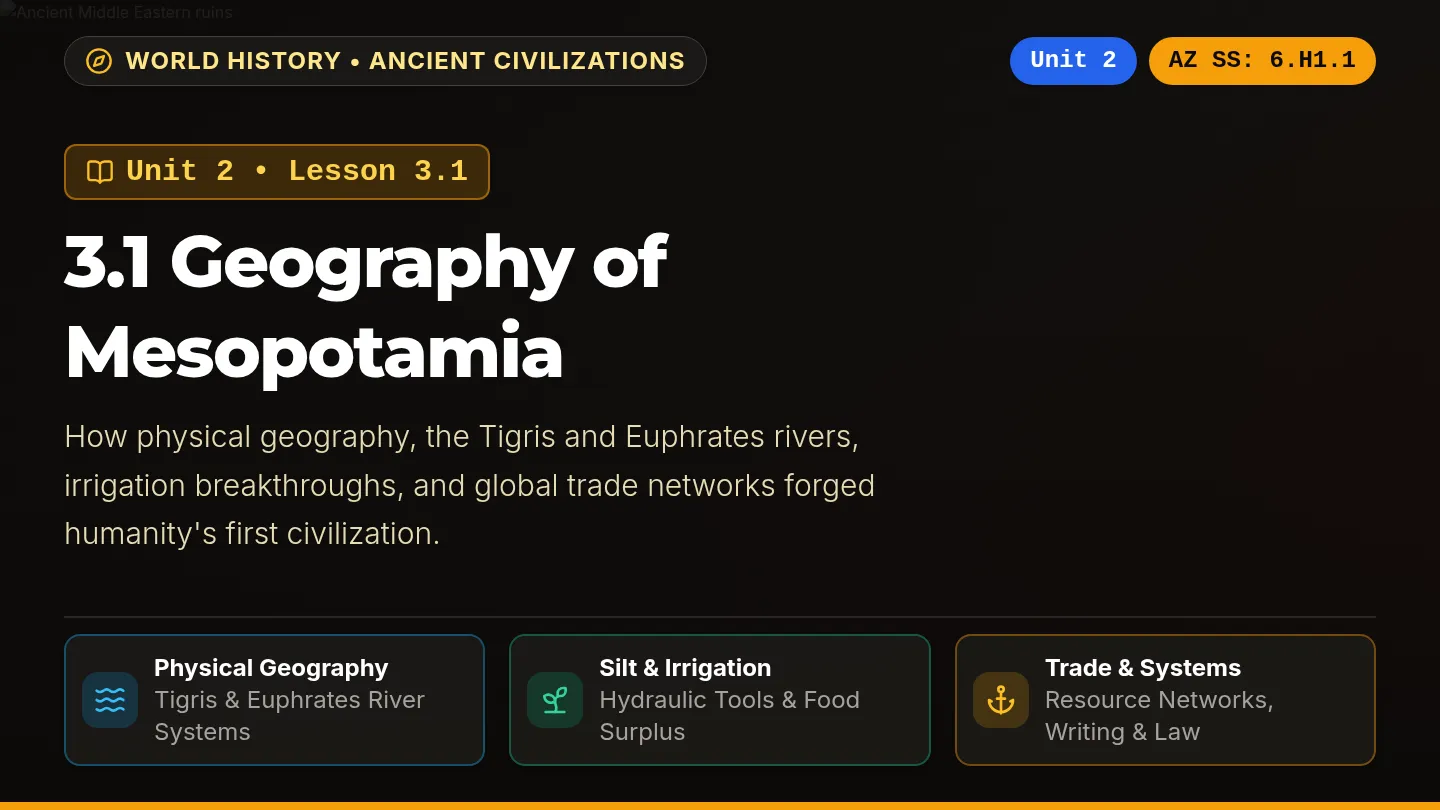
River Cradle Slides

River Cradle Slides

A dark-themed, visually vibrant classroom slide deck labeled Unit 2: Lesson 3.1 Geography of Mesopotamia, aligned with Arizona History and Social Science standards on every slide, featuring rich photography, high-contrast color-coded cards, and interactive review prompts.

SZ

Sandra Zoerhoff

Pocket Vocab Lab Activity Templates

Pocket Vocab Lab Activity Templates

A printable horizontal mini-composition notebook interactive vocabulary toolkit for Ohio 6th Grade Social Studies. Features wide horizontal inserts for dual-coding icon vaults, relational analogy engines, geographic semantic webs, and historical context decoders with cut lines and glue tabs.

MG

Mary Grose

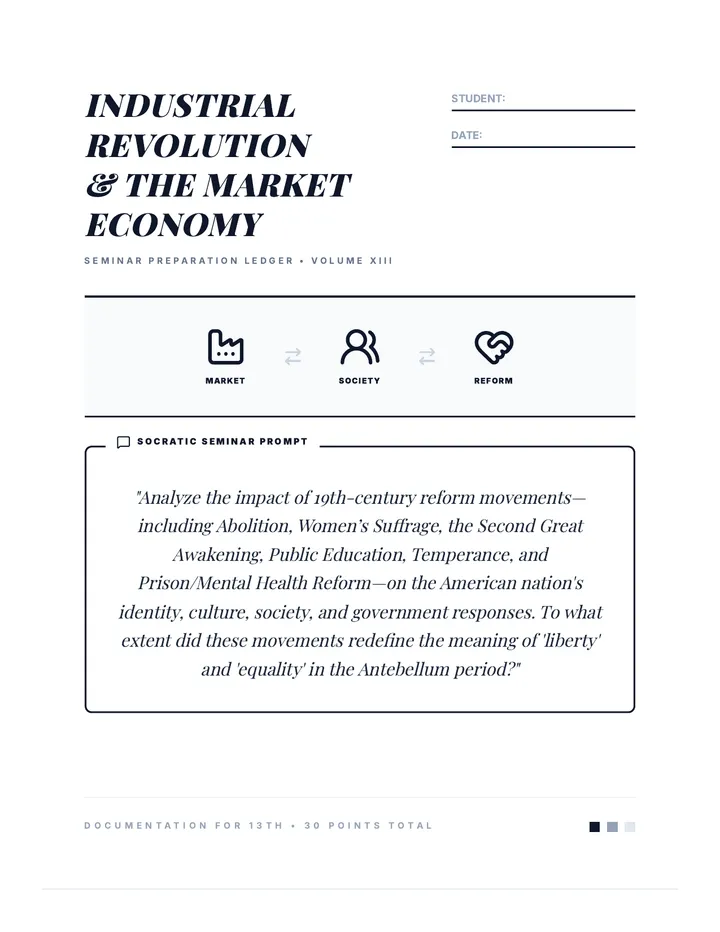
Market Economy Seminar Ledger

Market Economy Seminar Ledger

A detailed 5-page seminar preparation ledger for the Industrial Revolution and Market Economy lesson. Features a dedicated cover page with relevant historical icons and a prominent Socratic prompt, three separate article analysis pages, and a final synthesis evaluation. Writing lines are darkened for optimal print quality.

JG

Joshua Griffith

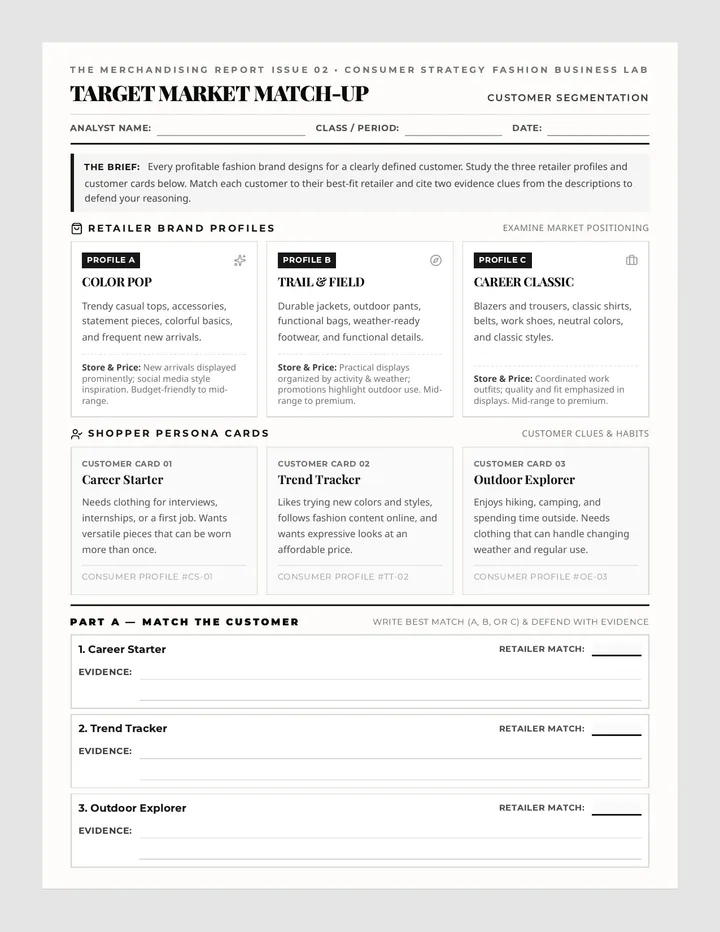
Target Market Match Worksheet

Target Market Match Worksheet

A two-page fashion merchandising student worksheet in an editorial magazine aesthetic. Retailer brand profiles and customer persona cards have been shuffled, and answer giveaways and category spoilers have been removed for an authentic deduction activity.

J

Jennifer.Leber

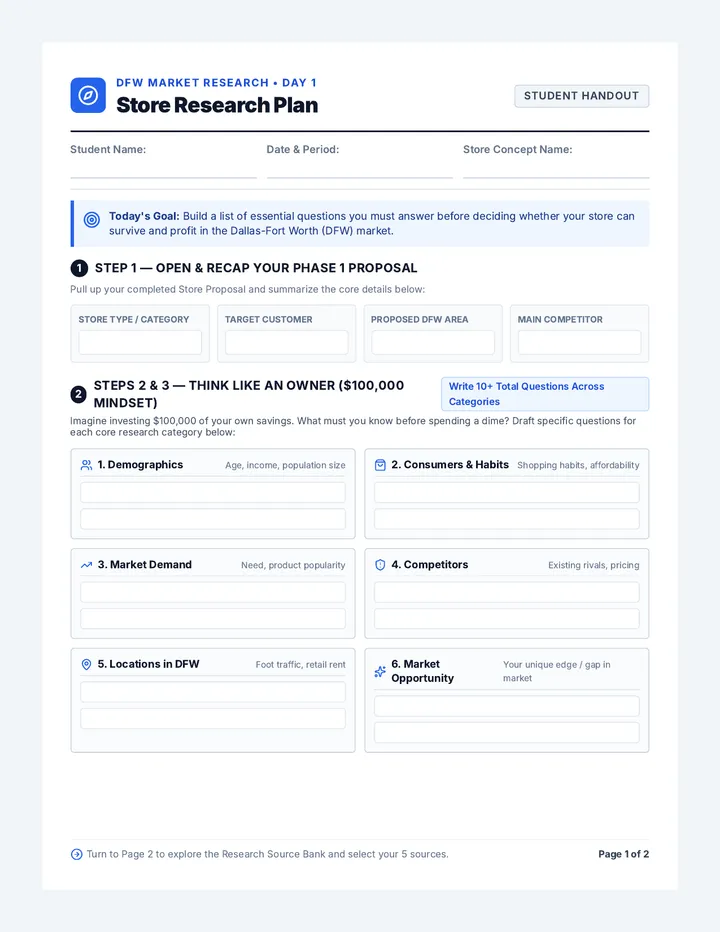
Market Research Plan Handout

Market Research Plan Handout

A clear two-page guided notes handout for students to map out their DFW store research questions, comprehensive credible source bank, and Phase 2 project milestones.

SB

Shanna Brady

US Communities Slides

US Communities Slides

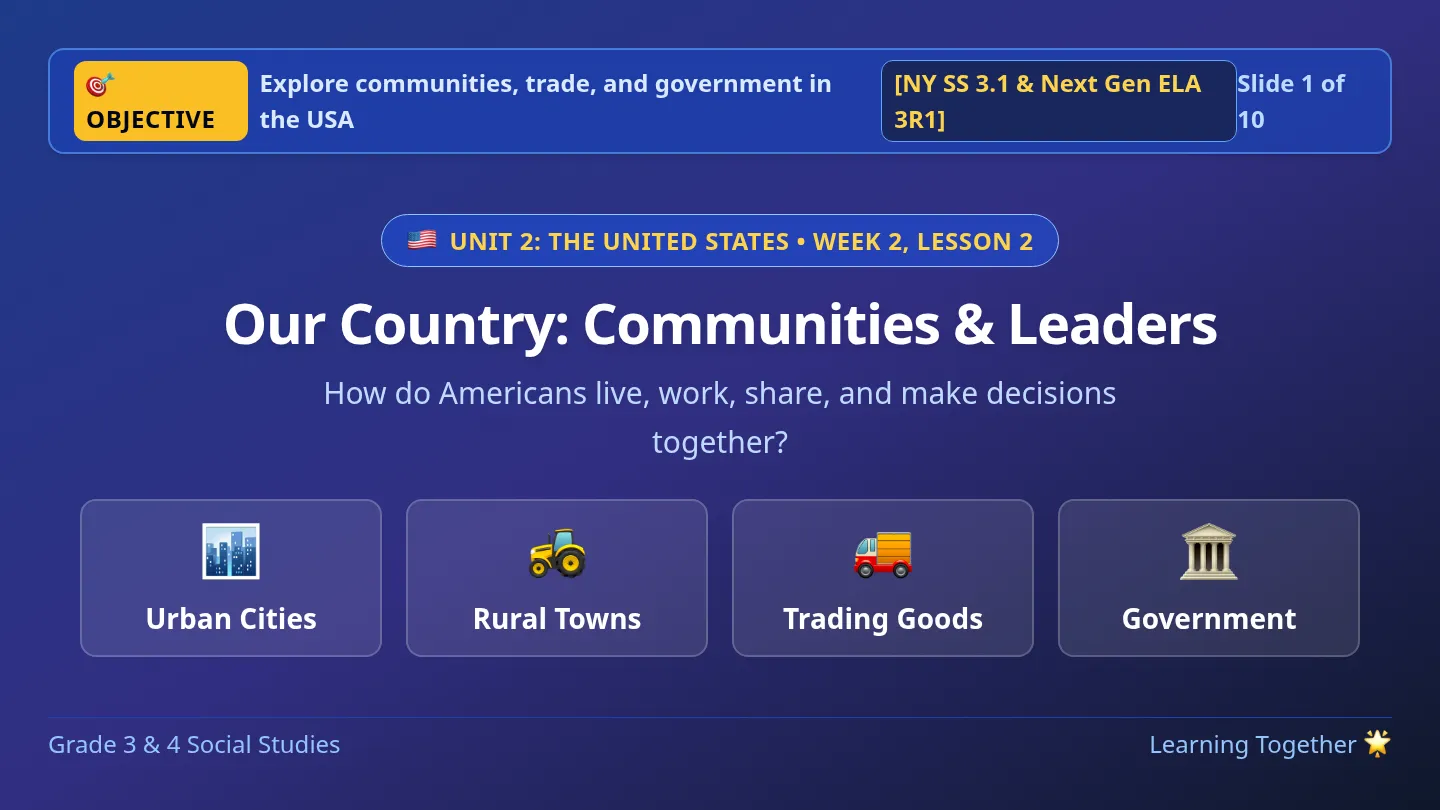
A 10-slide presentation designed for Grade 3-4 SWD students exploring U.S. communities (urban vs. rural), economic trade, and democratic government. Every slide features an accessible objective paired directly with New York Social Studies and Next Generation ELA learning standard numbers.

ML

Mrs Lindor

Sequences

Economics Essentials Facilitation Guide

Economics Essentials Packet

A 7-day remediation packet for 12th-grade economics focusing on fundamental concepts like scarcity, supply and demand, economic systems, and international trade, scaffolded for accessibility.

CE

Chelsea Elliott

29
Cotton Kingdom Slides

Divided Nation

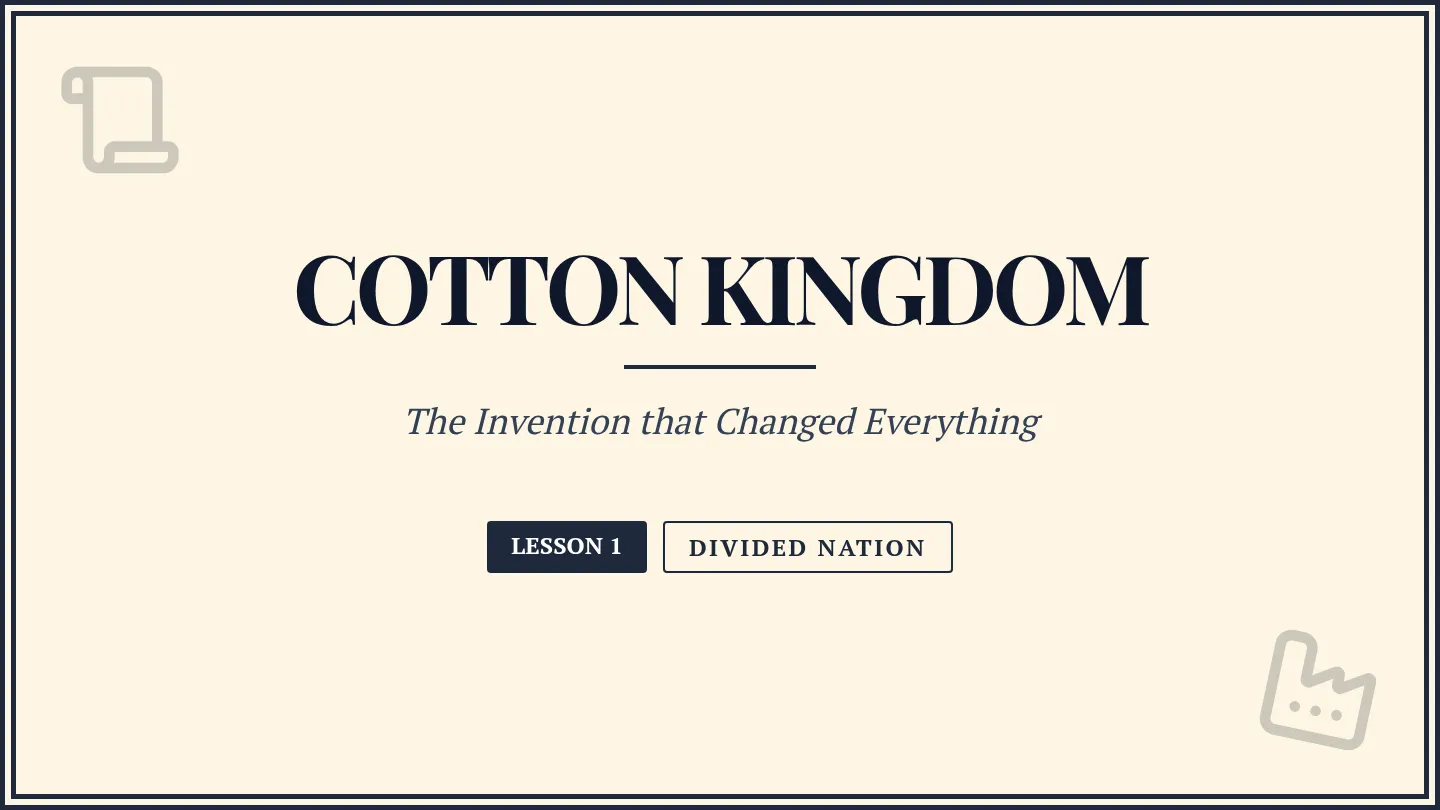
A 4-part exploration of the deep-seated tensions and pivotal events that led the United States to the brink of the Civil War, focusing on economic shifts, legislative compromises, and political flashpoints.

IA

Isabella Adkins

9
Enterprise Essentials Slides

Main Street Builders

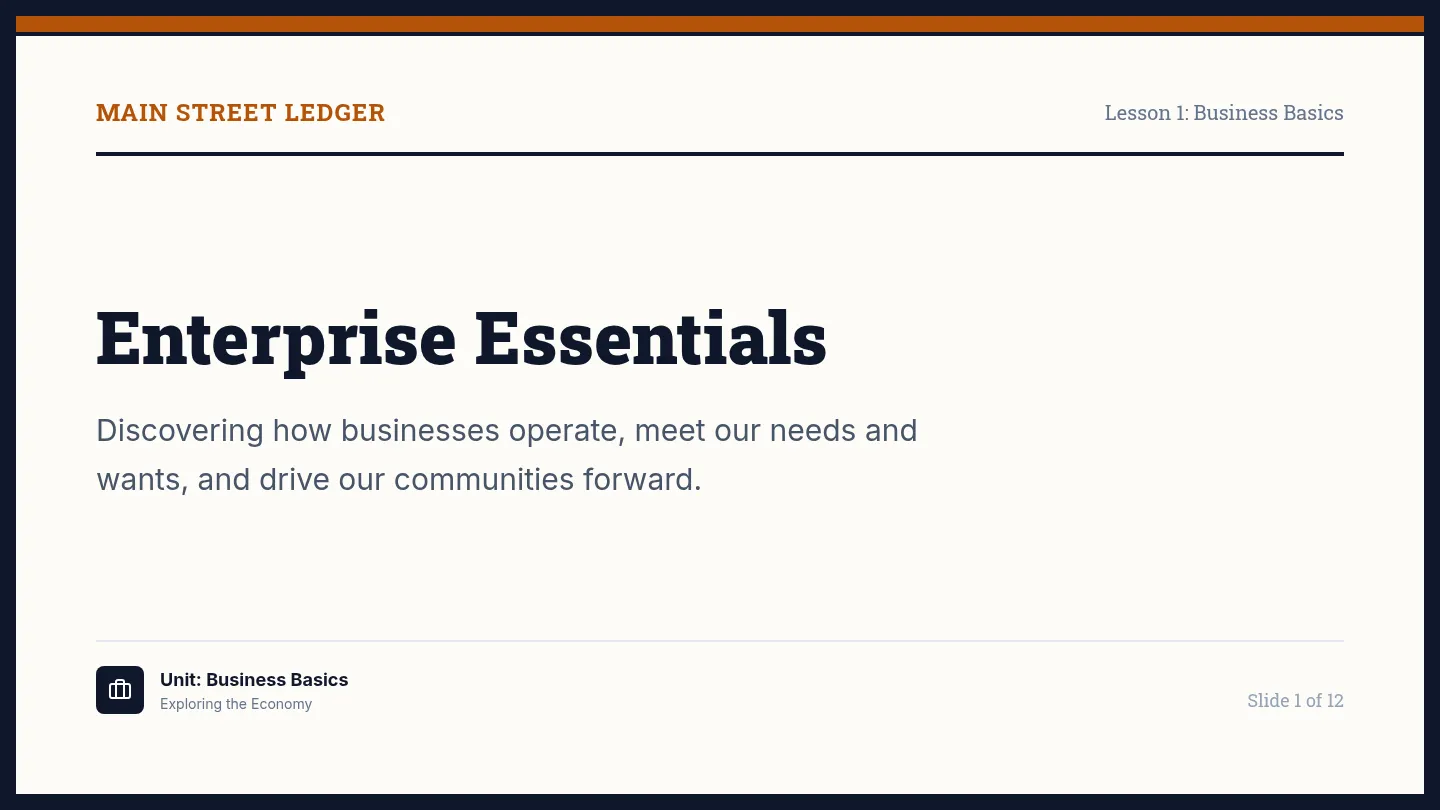
A comprehensive introduction to business fundamentals, financial literacy, and entrepreneurship. Students explore the core purpose of enterprises, navigate roles and decisions, build business plans, and master pricing and profit dynamics.

MK

Marlyce Kemp

13
Global Grid Student Handbook

Power of Position

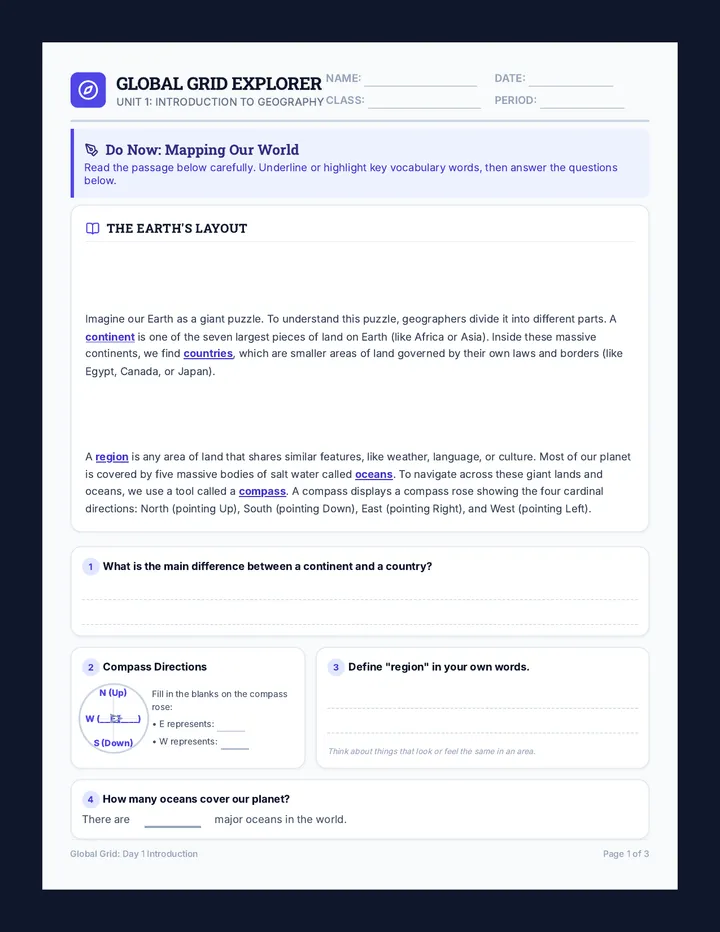
A 4-day introductory world history sequence exploring how geographic location, natural barriers, and famous trade routes shaped the rise, wealth, and power of global empires.

AG

Amina Gueye

14
Peaks and Valleys Teacher Guide

Copper State Chronicles

A 4-day social studies unit for 3rd grade focusing on Arizona's geography, history, and economy, specifically designed to meet standard 3.RI.9 by comparing and contrasting key details across multiple texts.

TD

Taylor Doucet

13
Mobilization Intro Slides

Global Conflict WWII

A comprehensive 2-day unit covering World War II for 11th Grade US History, aligned with TEKS. It focuses on the transition from isolationism to total war, the home front experience, major turning points in both the European and Pacific theaters, and the strategic decisions that ended the conflict.

BB

Bridgette Burdick

17