Lenny.com
Explore
Create
ActivitiesNewMathEnglish Language ArtsScience & EngineeringSocial StudiesGlobal LanguagesHealth & Physical EducationSpecial EducationCounseling & Life SkillsArts & CreativityESL
Lenny.com
Lenny.com
Explore
Create
ActivitiesNewMathEnglish Language ArtsScience & EngineeringSocial StudiesGlobal LanguagesHealth & Physical EducationSpecial EducationCounseling & Life SkillsArts & CreativityESL
Lenny.com
Lenny.com

Solutions

Lenny for EducatorsLenny for SchoolsLenny for Districts

Product

ExploreSign inCreateSupportAbout

Resources

Getting startedMTSS Acceleration Program

Newsletters

School Funding Newsletter

© 2026 Lenny Learning Inc.

TermsPrivacyAccessibility
LinkedInInstagramX
Lenny

DNA

Molecular structure of the double helix, base pairing rules, and the mechanics of replication. Connects genetic coding to protein synthesis and biological inheritance.

Science & EngineeringLife ScienceLiving ThingsAnimalsPlantsBody SystemsTraitsAdaptationsCellsEcosystemsHeredityGenes to TraitsCell DivisionPhysicsComparing MaterialsShapes and PropertiesMagnetsMagnetismLightSoundLight and SoundMatterStates of MatterChanges of StateMixturesPhysical and Chemical ChangeHeating and CoolingHeat and Thermal EnergyEnergyForce and MotionElectrical CircuitsAtoms and MoleculesPeriodic TableMotion in One DimensionMotion in Two DimensionsScalars and VectorsForces and Laws of MotionCircular Motion and GravityMomentum and ImpulseWork, Energy, and PowerWavesElectromagnetic WavesGeometric OpticsElectricity and MagnetismSimple Harmonic MotionThermodynamicsNuclear PhysicsEarth Science & AstronomyWeatherWater CycleRocks and MineralsFossilsEarth's FeaturesEarth's ResourcesEarth's StructureWeather and ClimateEarth EventsFossils and Geologic TimePlate TectonicsHuman ImpactsAstronomyChemistryUnits and MeasurementAtomic StructurePeriodic TrendsChemical BondingNomenclatureMolecular StructureIntermolecular ForcesThe MoleStoichiometryProperties of GasesSolutionsChemical ReactionsBalancing EquationsEnergy ChangesRates of ReactionsEquilibriumAcids and BasesQuantum ModelBiologyClassificationCell StructureThe Chemistry of LifeBiomoleculesCellular TransportCell EnergyCell Growth and DivisionDNAProtein SynthesisMeiosis and Sexual ReproductionPatterns of InheritanceMulticellular OrganismsEvolutionEcologyBiodiversityComputer ScienceAlgorithms and Computational ThinkingProgramming LanguagesComputing SystemsNetworks and InternetData AnalysisCybersecurityAI and Machine LearningSoftware Design and DevelopmentBlockchainEngineering & AIDesigning ExperimentsEngineering PracticesDesign ThinkingEngineering Design ProcessMechanical EngineeringElectrical EngineeringMaterials and StructuresCAD and 3D DesignRoboticsArtificial Intelligence BasicsVibe CodingMachine LearningAI Ethics and SocietySystems ThinkingEntrepreneurship & InnovationEntrepreneurial MindsetBusiness Idea DevelopmentBusiness Plan BasicsMarketing & Customer DiscoveryFinancial Management for Startups

Videos

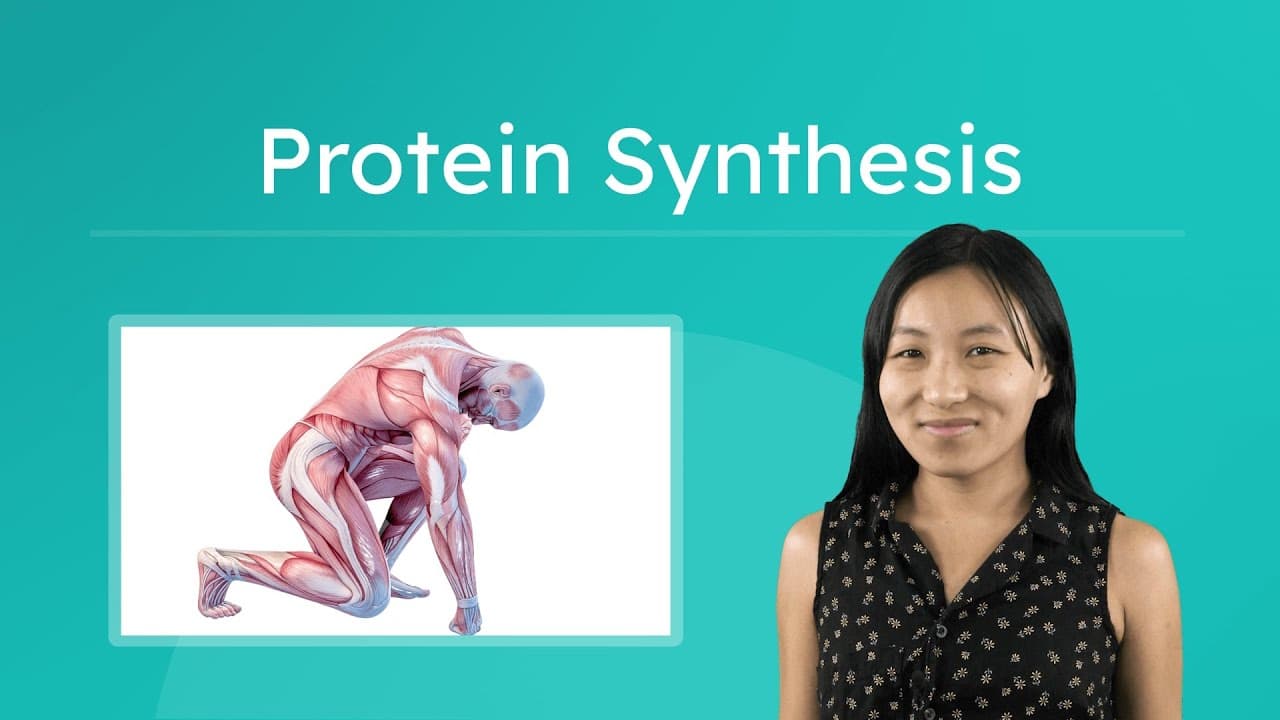
How Cells Build Proteins: The Process of Protein Synthesis

How Cells Build Proteins: The Process of Protein Synthesis

This educational video uses a relatable baking analogy to explain the complex biological process of protein synthesis. The presenter simplifies how cells utilize DNA instructions to build proteins, breaking the mechanism down into two understandable stages: transcription and translation. The video clearly illustrates the roles of DNA, mRNA, ribosomes, and amino acids in creating the structures that make up living organisms. Key themes explored include the function of proteins in the human body (beyond just muscles), the structure of amino acids, the difference between DNA and RNA, and the specific cellular machinery involved in synthesizing proteins. The video also touches upon cellular transport, metabolism, and the concept of denaturation, explaining why this continuous cycle is vital for homeostasis. This resource is highly valuable for biology teachers introducing genetics or cellular processes. By comparing the nucleus to a secure vault and mRNA to a copied recipe, it transforms abstract molecular concepts into concrete, memorable visualizations. It serves as an excellent foundational lesson for middle and high school students before diving into more advanced topics like genetics and heredity.
Miacademy & MiaPrep Learning ChannelMiacademy & MiaPrep Learning Channel

10mins 21s

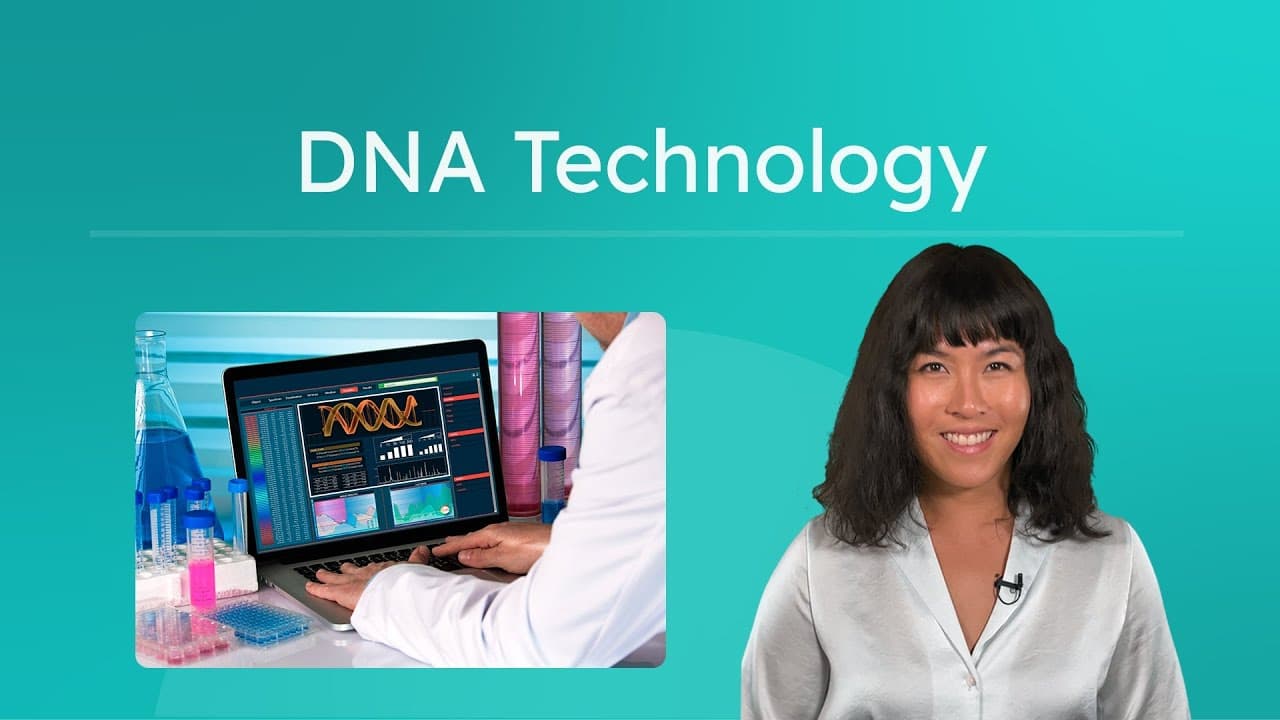
How DNA Technology Solves Crimes and Cures Diseases

How DNA Technology Solves Crimes and Cures Diseases

This educational video introduces students to the fascinating world of DNA technology through the lens of a crime scene investigation. Hosted by a presenter named "B", the video explains how forensic scientists use biological evidence to solve crimes. It breaks down complex laboratory techniques like Polymerase Chain Reaction (PCR) and Gel Electrophoresis into understandable concepts using effective analogies and animations. The narrative solves a hypothetical crime while simultaneously teaching the underlying molecular biology principles.

Miacademy & MiaPrep Learning ChannelMiacademy & MiaPrep Learning Channel

17mins 13s

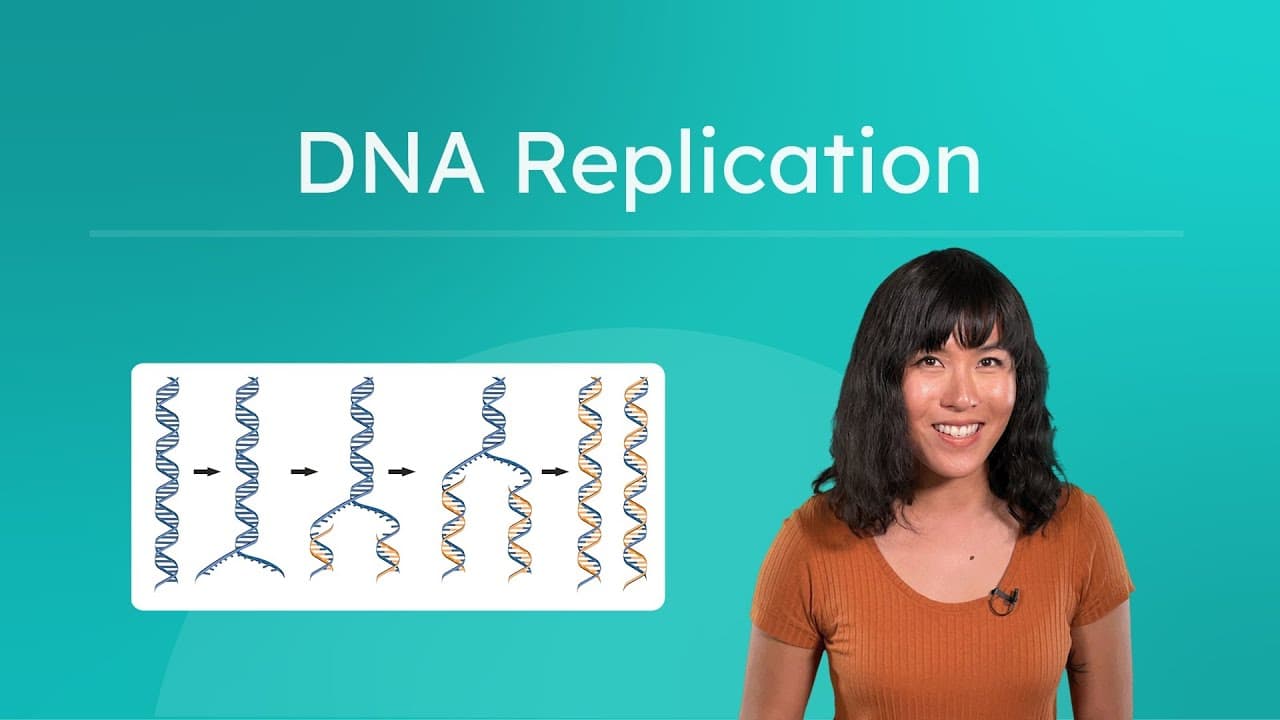
How DNA Replicates and Repairs Itself

How DNA Replicates and Repairs Itself

This comprehensive biology video breaks down the complex process of DNA replication, explaining how cells faithfully copy their genetic material before division. Using the analogy of copying tedious math formulas, the narrator introduces the sheer scale of cellular division in the human body—approximately 10 quadrillion times in a lifetime. The video visually demonstrates the semi-conservative nature of replication, where the double helix unwinds and unzips to create templates for new strands, ensuring genetic continuity.

Miacademy & MiaPrep Learning ChannelMiacademy & MiaPrep Learning Channel

10mins 57s

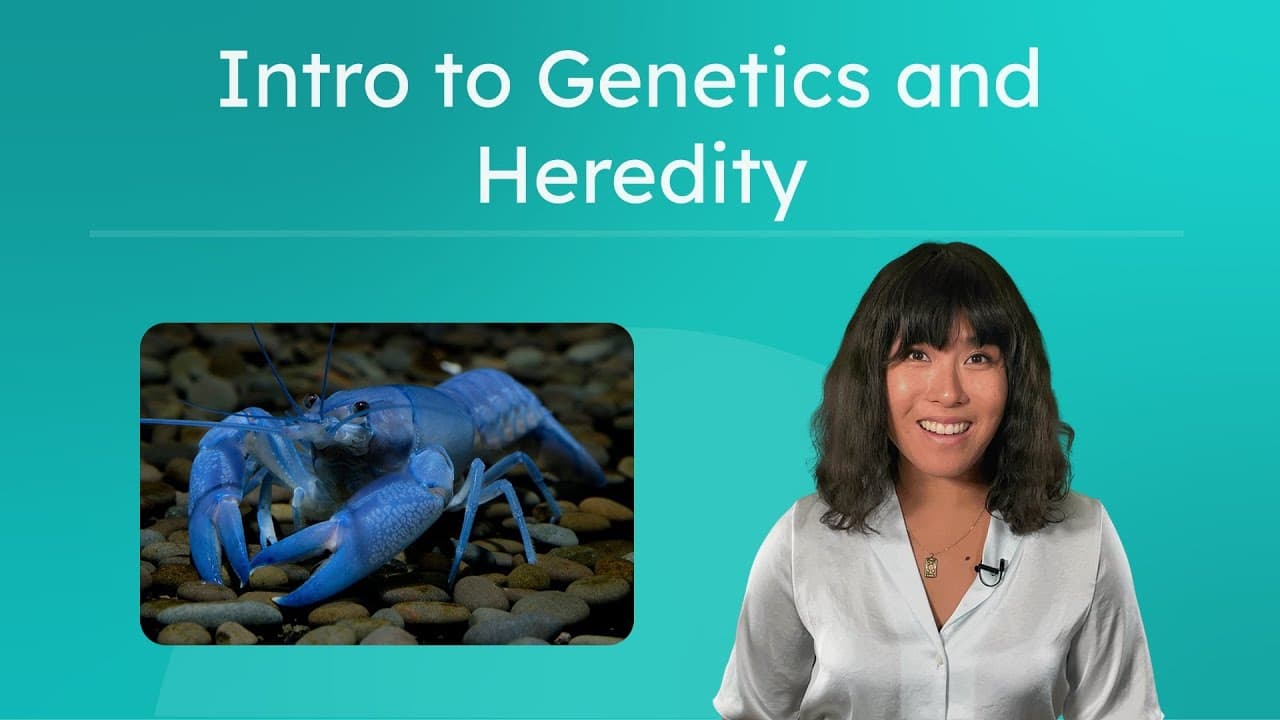
Introduction to Genetics: Blue Lobsters and Sickle Cell Traits

Introduction to Genetics: Blue Lobsters and Sickle Cell Traits

This engaging biology video serves as an introduction to genetics, bridging the gap between DNA structure and observable traits. The narrator, B, reviews the concept of meiosis and gametes to explain how offspring receive half their genetic material from each parent. The video defines key terms such as genes and alleles, laying the groundwork for understanding inheritance patterns before diving into specific case studies. Key themes include genetic inheritance, mutations, and adaptation. The video uses two distinct real-world examples to illustrate these concepts: the rare genetic mutation that causes blue coloration in lobsters and the human condition of sickle cell anemia. It explains how recessive traits (like the blue lobster) require two copies of an allele, while also introducing the complex evolutionary relationship between sickle cell traits and malaria resistance, highlighting how mutations can be harmful, neutral, or contextually beneficial. This resource is excellent for introducing a genetics unit in middle or high school classrooms. It moves beyond abstract definitions by providing concrete, memorable examples that demonstrate probability and natural selection. Teachers can use the blue lobster segment to discuss recessive inheritance and the sickle cell segment to explore adaptations and the interaction between genetics and the environment.

Miacademy & MiaPrep Learning ChannelMiacademy & MiaPrep Learning Channel

7mins 16s

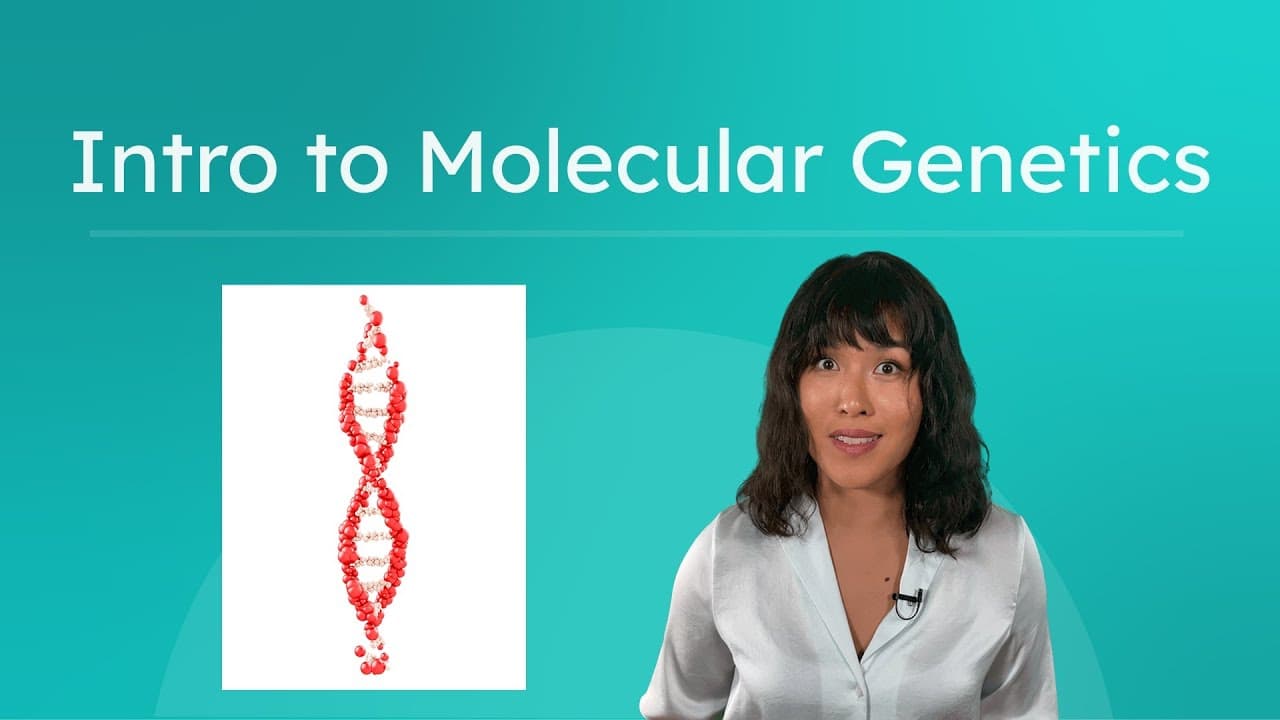
Introduction to Molecular Genetics: How DNA Builds Life

Introduction to Molecular Genetics: How DNA Builds Life

This educational video serves as a comprehensive introduction to a unit on molecular genetics, bridging the gap between basic cell biology and the complex molecular processes that drive life. The host, 'B', reviews foundational concepts like DNA and chromosomes before diving into the specific mechanisms of protein synthesis, explaining how DNA acts as the instruction manual for building proteins. The video clearly distinguishes between eukaryotic and prokaryotic cells in terms of DNA storage and introduces the central dogma of biology: DNA to RNA to Protein. Key themes include the structure of the DNA double helix, the relationship between DNA and chromosomes, the difference between transcription and translation, and the process of meiosis in inheritance. The video also touches upon genetic mutations—using a humorous visual of a giant frog—and real-world applications of genetics such as crime scene investigation and medical advancements. For educators, this video is an excellent hook or introductory resource for a middle or high school biology unit. It simplifies complex abstract concepts through clear animations and analogies (like the twisted ladder). It provides multiple natural pause points for checking prior knowledge about cells and setting the stage for hands-on activities regarding DNA modeling, protein synthesis simulations, or discussions about genetic engineering and forensics.

Miacademy & MiaPrep Learning ChannelMiacademy & MiaPrep Learning Channel

5mins 30s

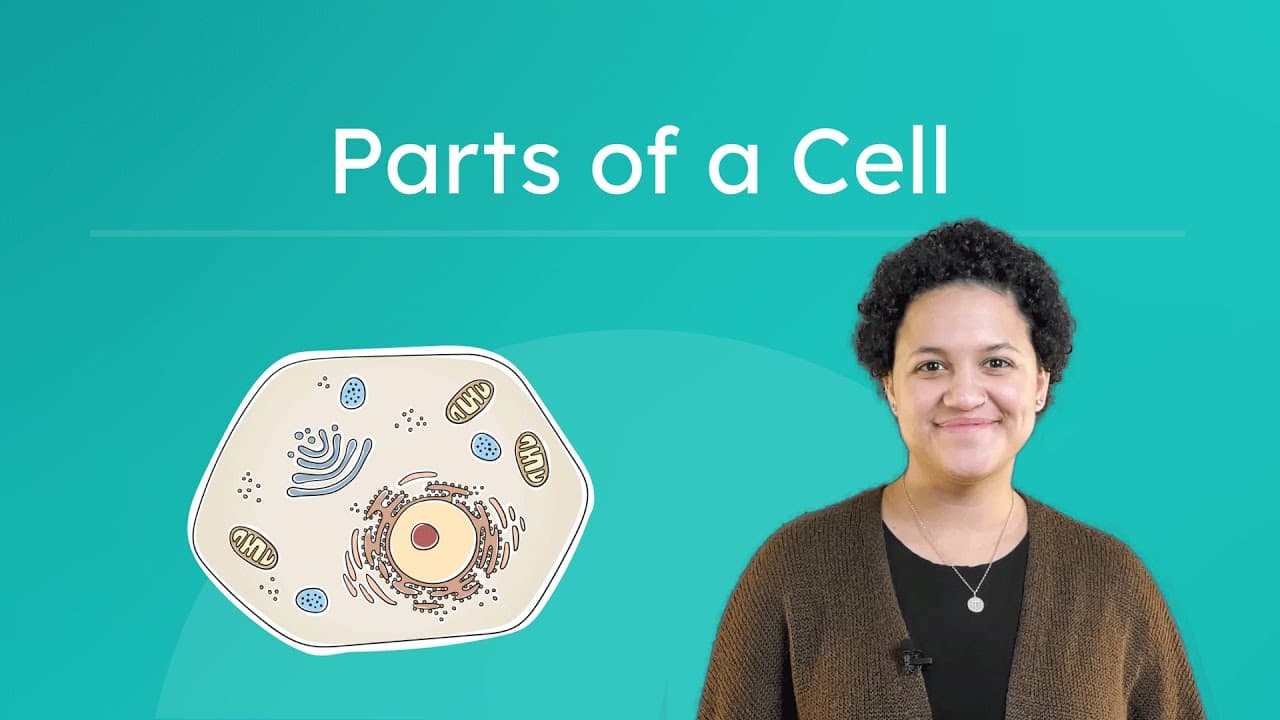
The Parts of a Cell and How We See Them

The Parts of a Cell and How We See Them

This educational video provides a clear and engaging introduction to the internal structure of cells and the technology used to study them. It begins by distinguishing between light microscopes and electron microscopes, explaining how the invention of the electron microscope allowed scientists to see beyond the limitations of light waves to discover the tiny structures inside cells. The video uses helpful analogies, such as ocean waves, to explain optical resolution and magnification limits in a way accessible to students. The core of the lesson focuses on the four fundamental components found in all cells: the plasma membrane, cytoplasm, DNA, and ribosomes. Each component is defined by its function and structure, with the narrator using metaphors like "gatekeeper" for the membrane and "jelly-like fluid" for cytoplasm to aid retention. The video visualizes these parts using both diagrams and real electron microscope imagery, helping students connect abstract models to real biological structures. Finally, the video updates the traditional Cell Theory with modern understandings, such as the role of DNA in inheritance and energy flow within cells. It concludes with an interactive review session that reinforces the key vocabulary and functions learned. This resource is excellent for introducing cell biology, the history of science technology, and the basic building blocks of life in middle school science classrooms.

Miacademy & MiaPrep Learning ChannelMiacademy & MiaPrep Learning Channel

7mins 28s

Materials

Trait Tracker Homework Extra Compact

Trait Tracker Homework Extra Compact

Final ultra-compact version of the Trait Tracker Homework, featuring a minimized header to maximize page space for student answers while retaining the engaging detective theme and core objectives. Question 4 has been moved to a separate page for easier printing.

AC

Aaron Conlin

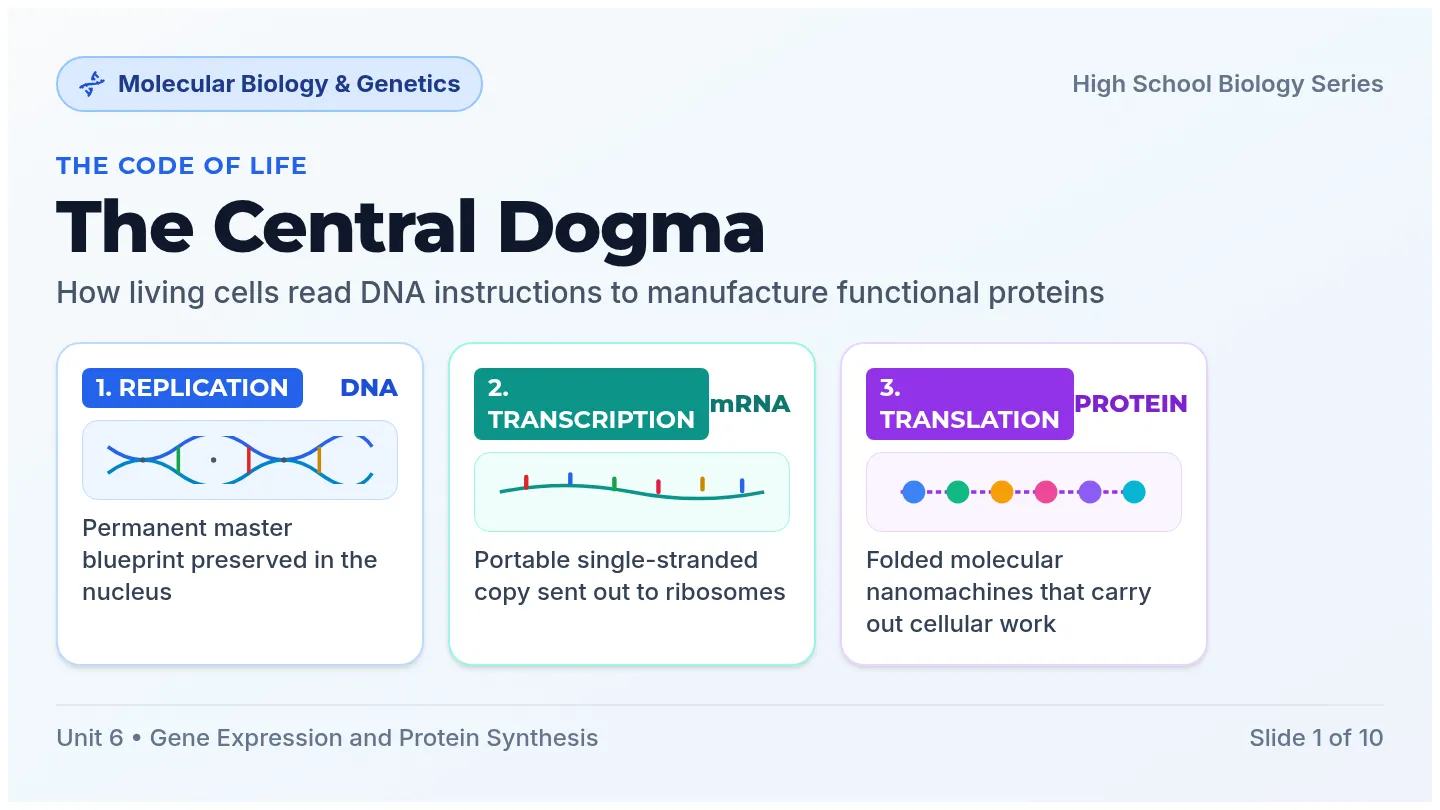
Central Dogma Slides

Central Dogma Slides

A light-themed, visually rich 10-slide presentation teaching the Central Dogma of Molecular Biology with detailed visual diagrams of DNA replication, transcription, RNA splicing, translation, and protein folding.

MM

Maureen Melanson

Bond Battles Warmup Slides

Bond Battles Warmup Slides

A 3-slide projected bell work presentation tailored for a Biology class, reviewing ionic, covalent, hydrogen, and carbon bonding through cellular examples, macromolecule structures, and living phenomena.

R

Rebekah.Rees

Biology Exam Record Sheet

Biology Exam Record Sheet

A professional, biotechnology-themed answer record sheet for a 50-question Biology Final Exam. Features organized entry columns, scoring sections, and an academic integrity statement.

MB

Marsha Bolden

Pathogen Showdown Anchor Chart

Pathogen Showdown Anchor Chart

A one-page infographic-style anchor chart comparing PCR testing and microbial culture testing, highlighting mechanisms, turnaround times, sensitivity, and clinical applications.

SZ

Sandra Zoerhoff

DNA Blueprints Reference Sheet

DNA Blueprints Reference Sheet

A visual one-page reference sheet for biology students covering DNA structure, base pairing rules, Chargaff's rule, and key terminology in a clear, diagram-heavy layout.

JD

Jonathan de la Fuente

Sequences

Climate Crisis Slides

Science Essentials Vault

A comprehensive collection of core science units covering Environmental Science, Biology, and Physical Science. This sequence provides high-impact instructional slides, hands-on lab experiences, guided notes, and differentiated assessments for five major scientific domains.

CB

Chloe Brown

25
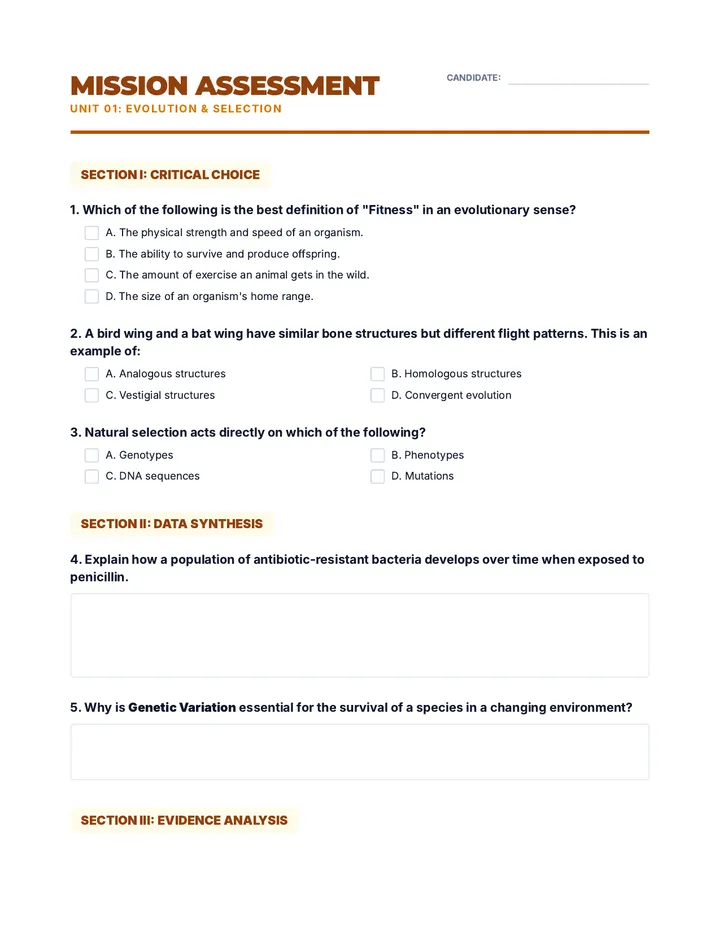
Evolution Assessment Quiz

Biology Recovery Sprint

A high-intensity biology credit recovery program focused on high-yield standards: Evolution, Systems, Viruses, and Cellular Genetics.

PB

Priyadarshini Bharath

15
Systems Sync Lesson Plan

System Synergy Unit

A comprehensive biology unit covering the complex interactions of animal and plant systems, the structural nature of viruses, and the application of these concepts to real-world disease outbreaks.

PB

Priyadarshini Bharath

15
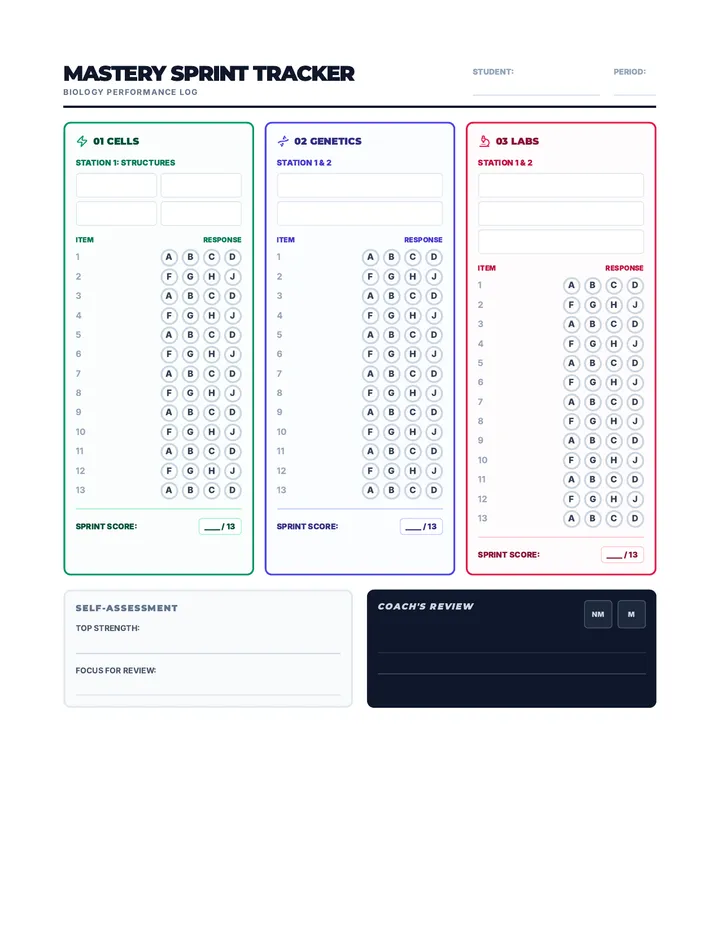
Sprint Mastery Tracker Worksheet

Biology Mastery Sprint

A high-intensity review sequence designed to move students from 'not met' to 'mastery' in Biology through vocabulary immersion and STAAR-style practice.

PB

Priyadarshini Bharath

10
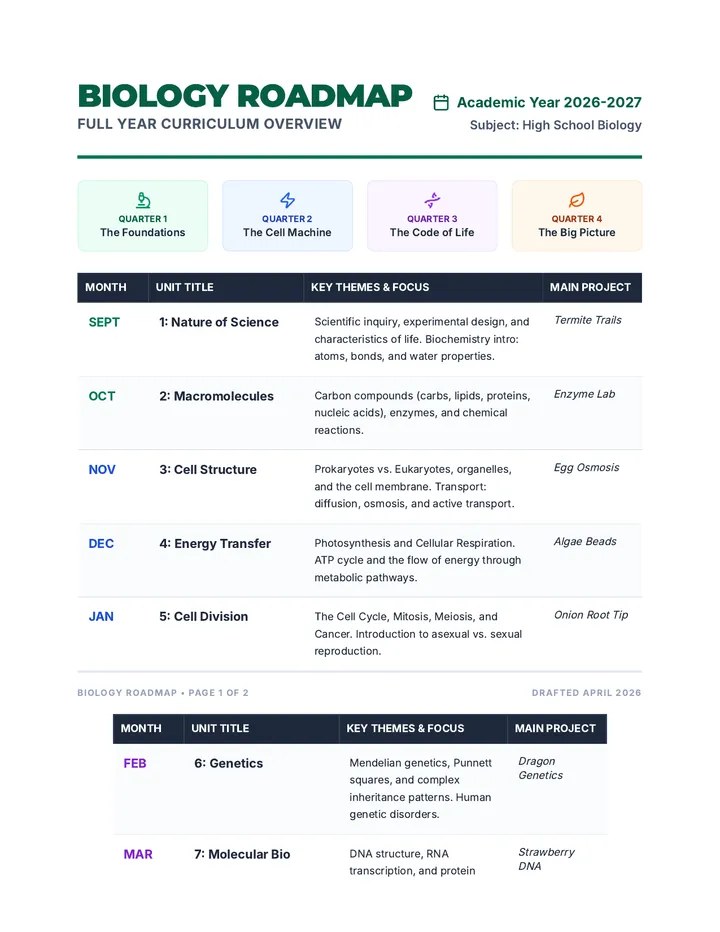
Biology Roadmap Document Trimmed

Biology Blueprint

A comprehensive full-year planning framework for high school Biology, including pacing, unit objectives, lab requirements, and assessment strategies.

A

AMY.MILLER

7
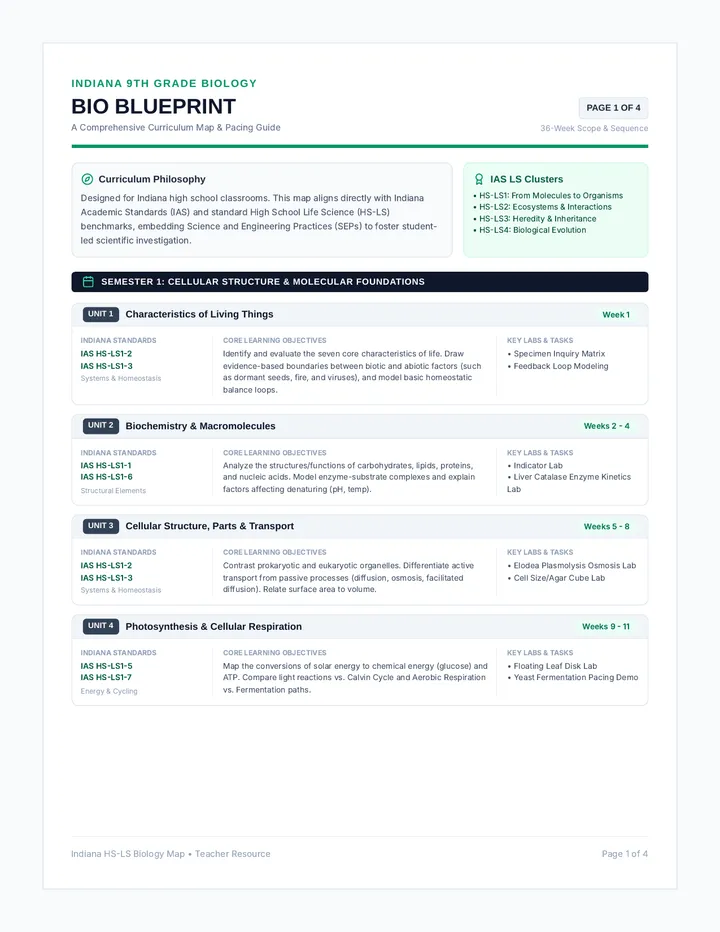
Bio Blueprint Curriculum Map

Indiana Biology Curriculum

A comprehensive biology curriculum aligned with Indiana Academic Standards, spanning twelve core units from the characteristics of living things to human impact, designed for 9th-grade on-level students.

M

MELANIE.ROBERTS

5

Lessons

Mutation Lab Teacher Guide

Mutation Lab

A comprehensive lesson on genetic mutations, exploring how changes in DNA structure affect protein function and organism traits through a high-tech laboratory lens.

D

david_malio

7
Biology Syllabus Infographic

Course Launch

An introductory framework establishing course policies, Indiana state biology standards, and the integrated biochemistry roadmap for the academic year.

M

MELANIE.ROBERTS

4
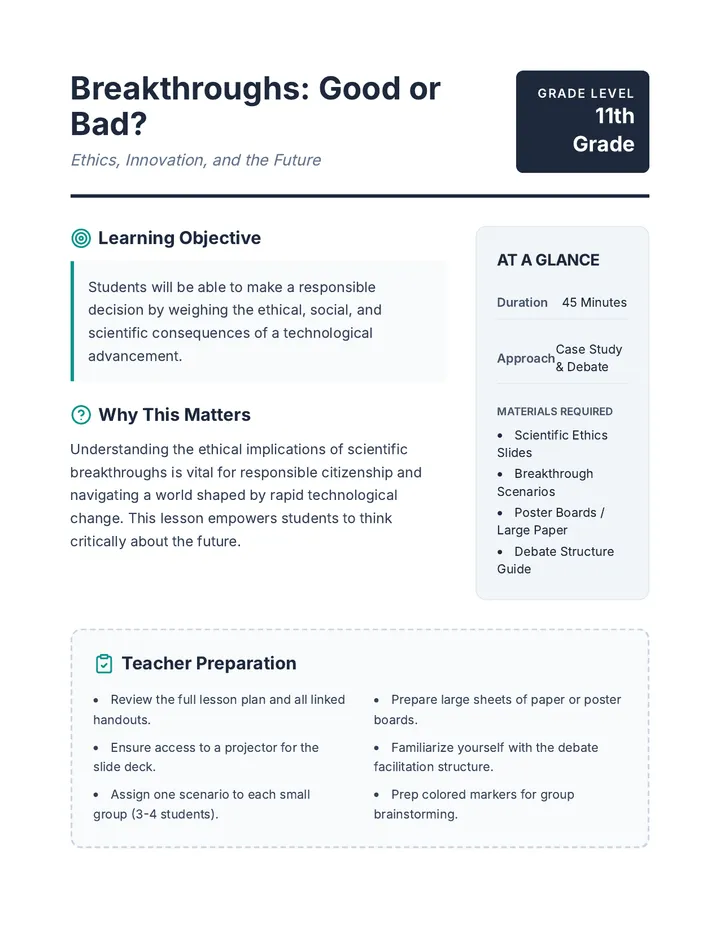
Breakthroughs Lesson Plan

Breakthroughs Good or Bad

An 11th-grade ethics and science lesson exploring the social and moral implications of technological advancements through case studies and debate.

J

jtoomey

6
Earth Systems Explorer Slides

Science Foundations

A foundational science lesson collection covering Earth systems and introductory biological concepts, life structures, and scientific organization.

SH

SaDiedrah Harris

9
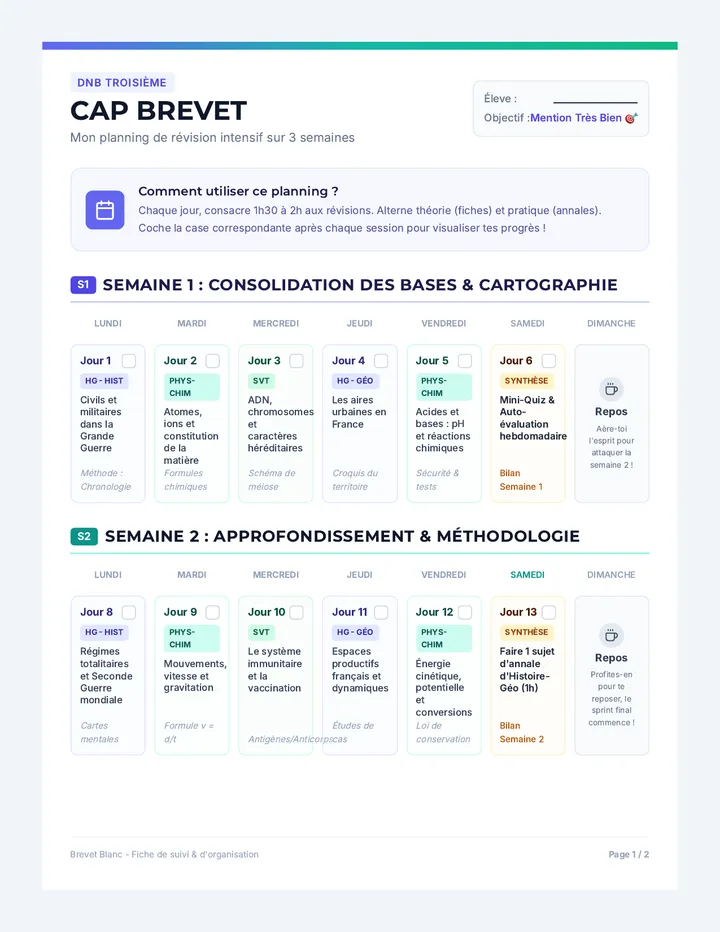
Planning Brevet Calendrier

Objectif Brevet

Un programme de révision intensif et structuré sur 3 semaines pour préparer sereinement les épreuves de SVT, Physique-Chimie et Histoire-Géographie du Diplôme National du Brevet.

MW

Myriam Wb

6
Biology Curriculum Map Document

Biology Course Blueprint

A comprehensive year-long curriculum map and planning guide for high school biology based on the 2026 Indiana Academic Standards.

J

Jennifer.Tetrick

9