Biology Vocabulary for Week of 11/2/26
Science Reference • Weekly Vocabulary Guide NGSS & Crosscutting Concepts
Biology Vocabulary for Week of 11/2/26
Key Scientific Definitions, Disciplines, and Authentic Science Examples
Weekly Focus Terms
9 Disciplinary Terms
1. biodiversity noun
Ecology & Evolution
The variety and variability of living organisms across genetic, species, and ecosystem levels in a biome. High biodiversity promotes ecosystem resilience, nutrient cycling, and food web stability against environmental stress.
Science Example: Coral reefs exhibit immense biodiversity, supporting diverse trophic niches and buffering coastal communities against wave energy.
2. components plural noun
Systems & Structures
The individual, interacting parts, variables, or functional subsystems that collectively assemble to constitute a complex mechanical mechanism, living organism, or engineered system.
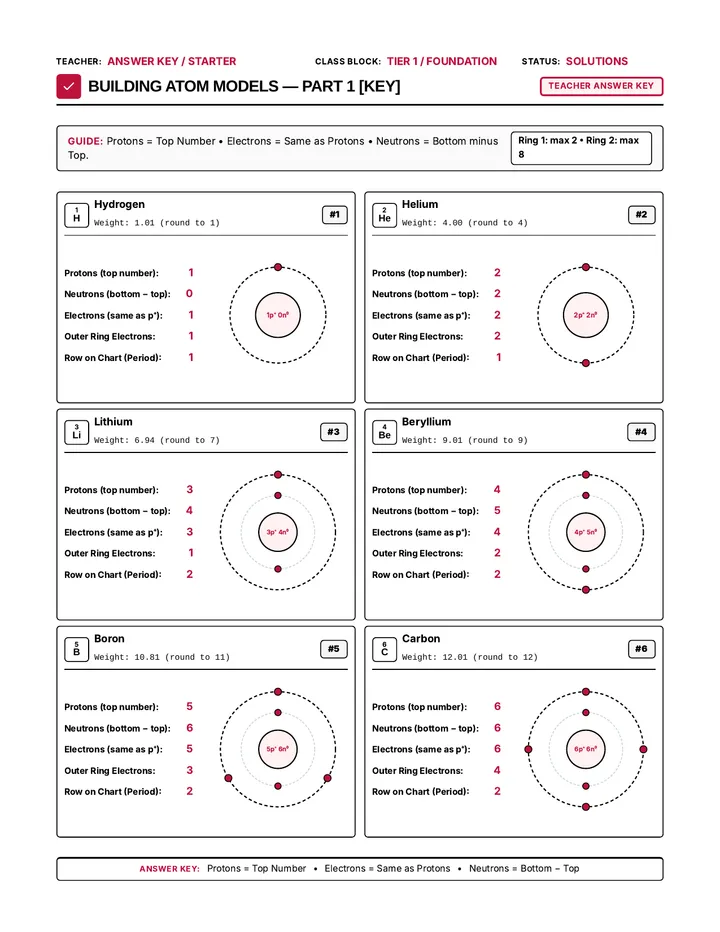
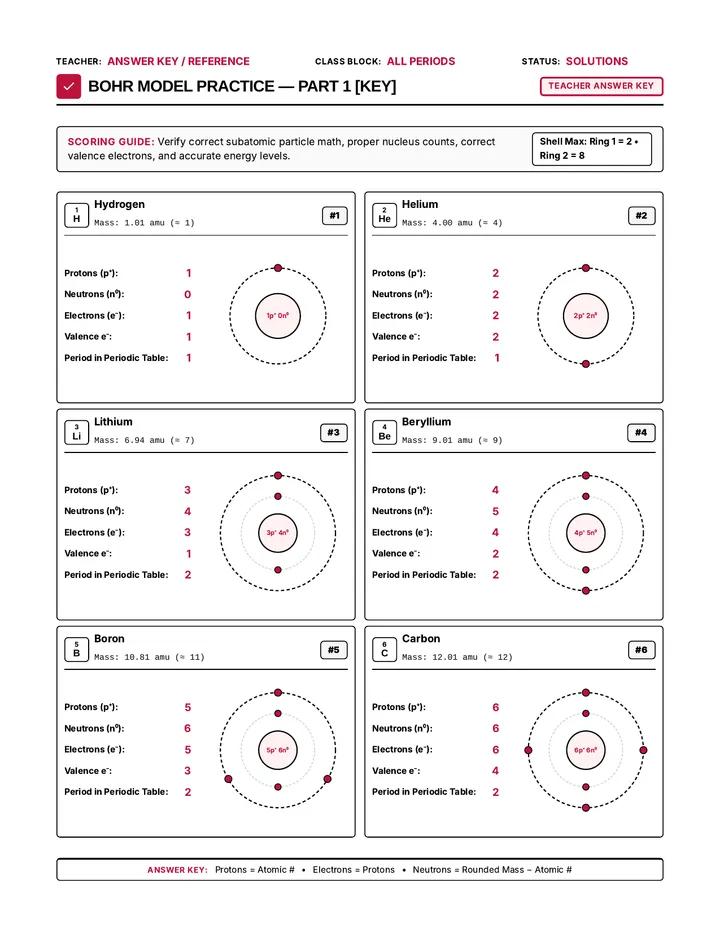
Science Example: Organelles in a eukaryotic cell (nucleus, mitochondria, ribosomes) act as interacting components that maintain homeostasis.
3. corresponding adjective
Data Analysis
Directly linked, paired, or equivalent in character, numerical magnitude, or functional position between two coordinated datasets, mathematical variables, or physical conditions.
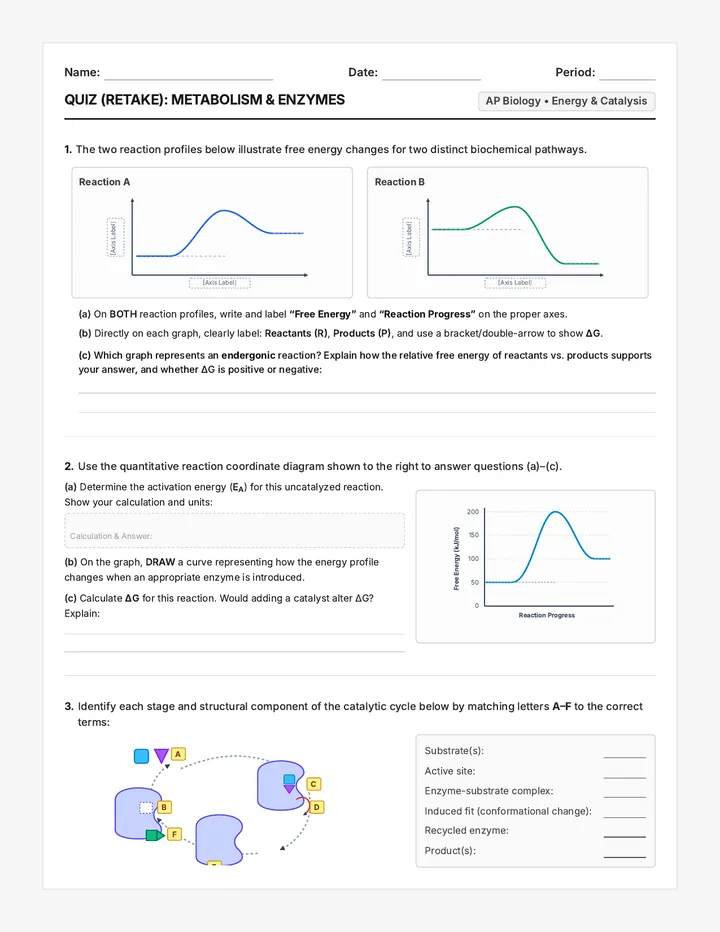
Science Example: In enzyme kinetics, an increase in substrate concentration results in a corresponding increase in reaction rate until saturation occurs.
4. deformation noun
Physics & Mechanics
The temporary (elastic) or permanent (plastic) change in the physical dimensions, geometry, or structural integrity of an object resulting from applied mechanical stress or kinetic energy absorption.
Science Example: During tectonic subduction, intense lithospheric stress causes ductile deformation, folding solid rock strata over geologic time.
5. engineering noun
Applied Science & Design
The systematic, iterative process of applying scientific knowledge, empirical evidence, and mathematics to design, test, optimize, and implement solutions to real-world problems under defined constraints.
Science Example: Environmental engineers design constructed wetlands to filter agricultural runoff before nutrients eutrophy sensitive aquatic habitats.
6. extrapolate verb
Mathematical Modeling
To estimate, project, or infer unknown values beyond the boundary of directly observed empirical data by mathematically extending an established function, regression line, or quantitative trend.
Science Example: Paleoclimatologists extrapolate atmospheric carbon trends from Antarctic ice cores to model future global climate scenarios.
7. aesthetics noun
Design & Visual Appeal
How pleasing, beautiful, or attractive an object or structure looks. In science and engineering design, creators often balance aesthetics (how nice something looks) with safety, cost, and how well it works.
Science Example: Architects love the shiny aesthetics of all-glass buildings, but designers must add patterns so birds see the glass and avoid crashing into it.
8. disoriented adjective
Animal Behavior & Senses
Confused, lost, or unable to figure out where you are or which direction you need to go. An organism becomes disoriented when its senses or natural navigation signals get mixed up.
Science Example: Bright city floodlights at night leave migrating songbirds disoriented, causing them to lose their flight paths and collide with skyscrapers.
9. simulate verb
Scientific Modeling
To replicate, model, or mimic the operational behavior, physical forces, or dynamic conditions of a natural phenomenon using a safe, controlled physical analog or computer simulation.
Science Example: Computational fluid dynamics models simulate aerodynamic airflow over wings to test lift and drag forces prior to physical testing.
Science Practices & Crosscutting Concepts
Scientific inquiry requires researchers to build controlled simulations to model natural phenomena, quantify mechanical deformation, balance human aesthetics to safeguard disoriented wildlife, and extrapolate trends to engineer solutions that preserve global biodiversity.
SEP: Developing & Using Models • CCC: Cause & Effect • Systems
Biology Vocabulary Reference • Week of 11/2/26 • Disciplinary Terminology & Conceptual Definitions
Next Generation Science Standards