Ethical frameworks, algorithmic bias, and data privacy in automated systems. Examines the societal impact of machine learning and strategies for responsible AI governance.
An updated high-impact rules and procedures poster for the Verizon Innovative Learning Lab, featuring six key safety and conduct rules with large icons and bold, simple text. Rule 5 has been updated to focus on digital safety and tech integrity.
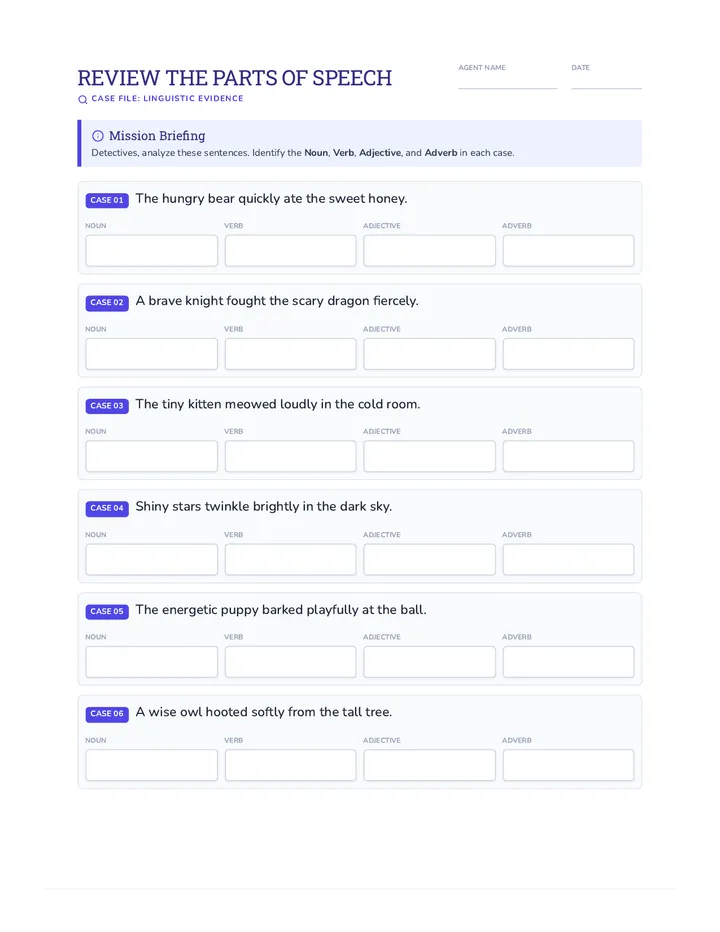
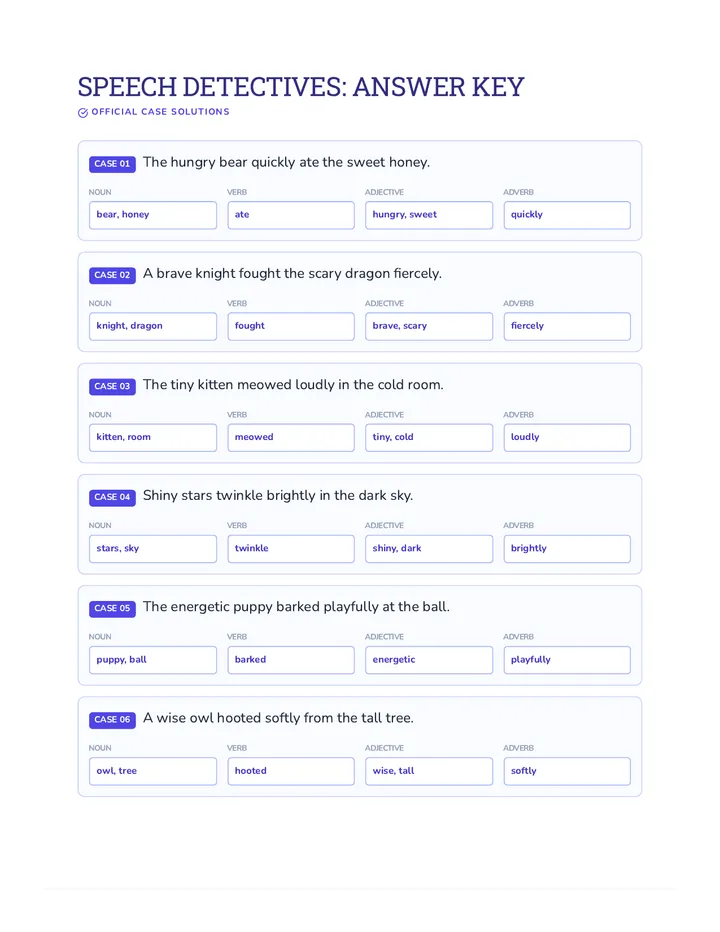
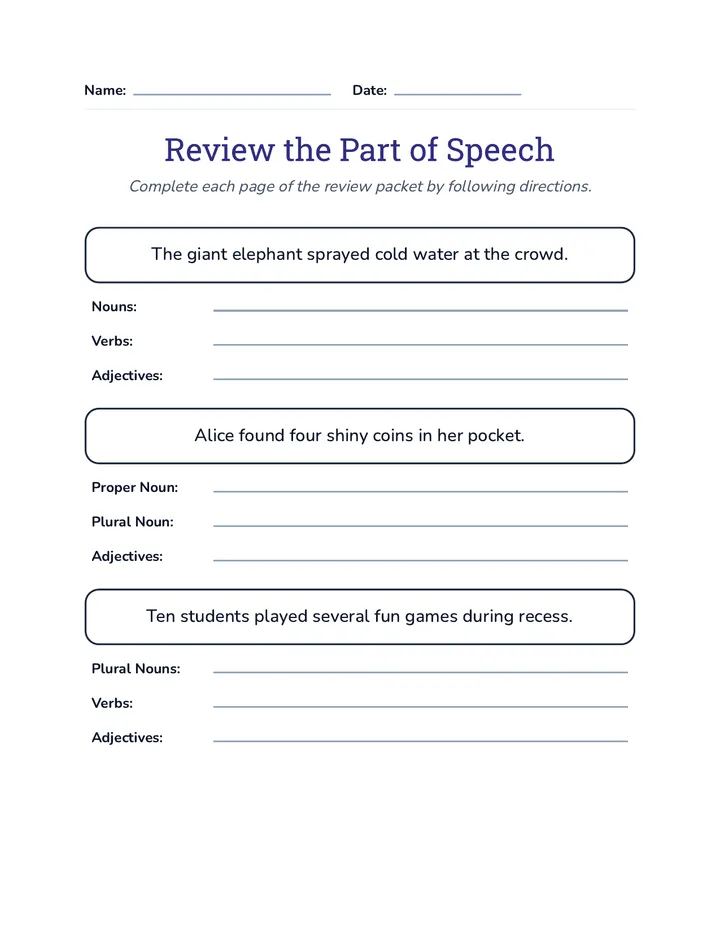
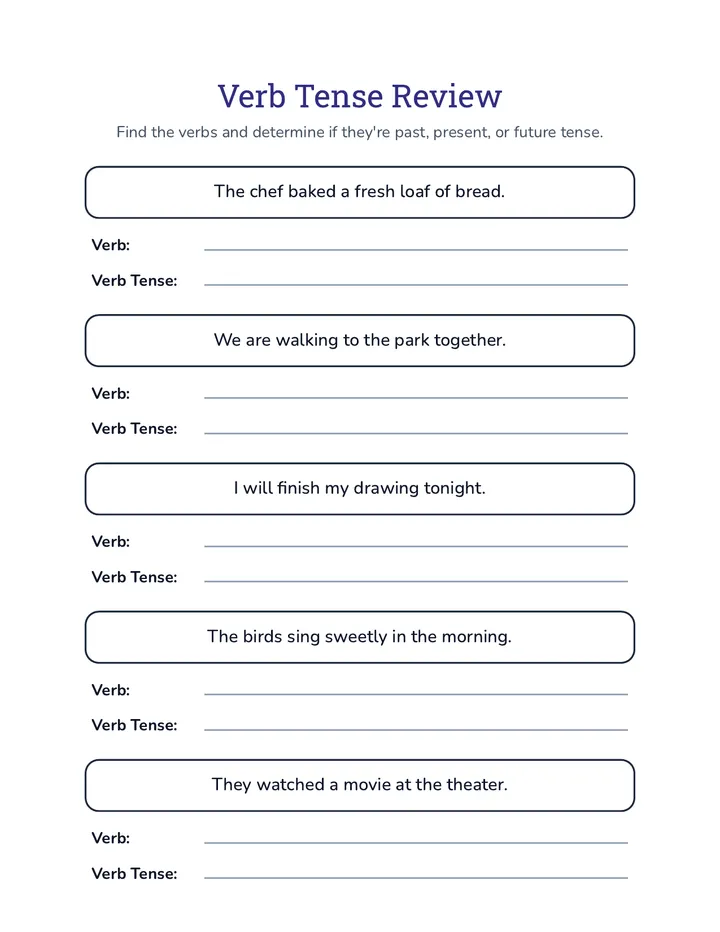
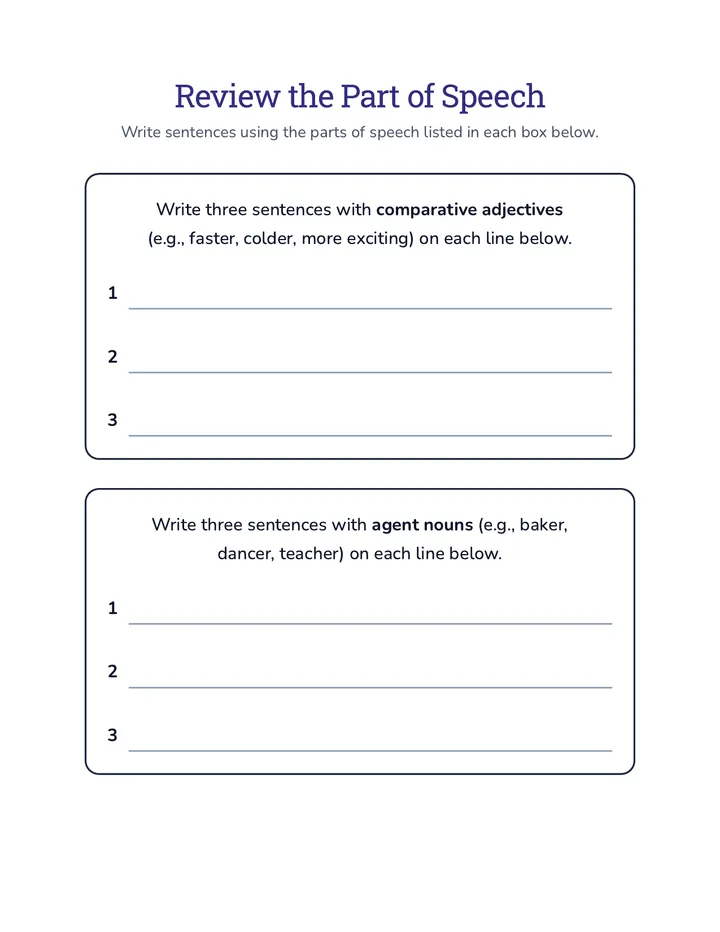
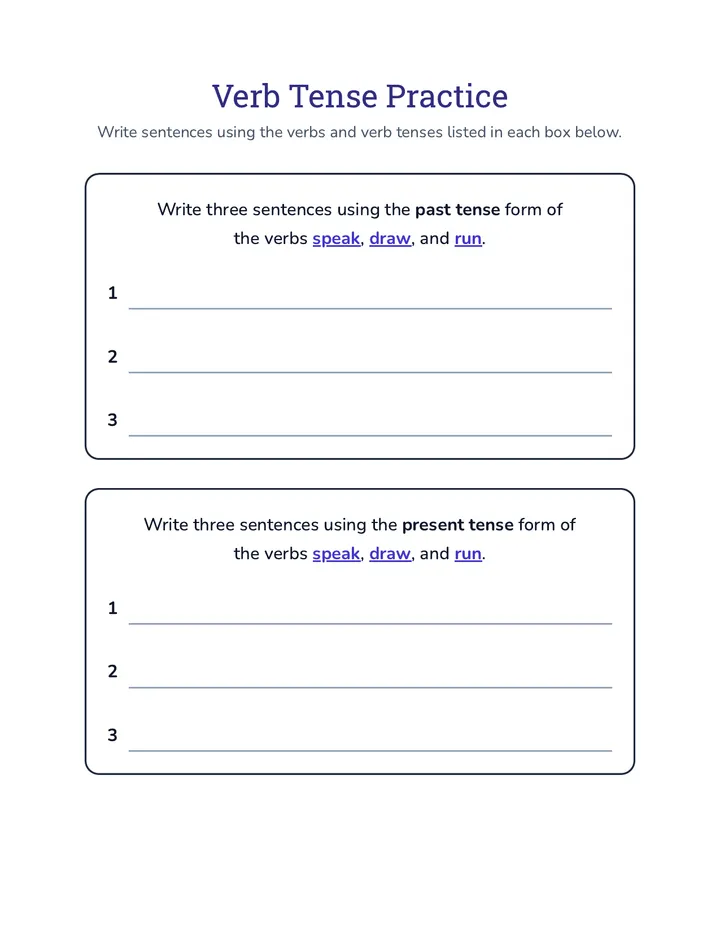
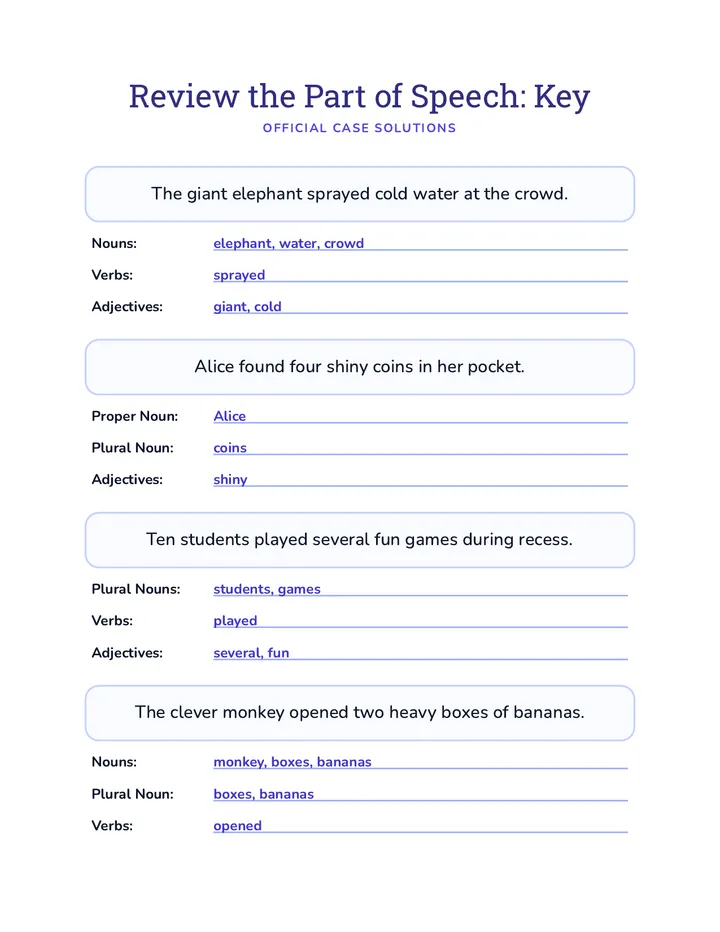
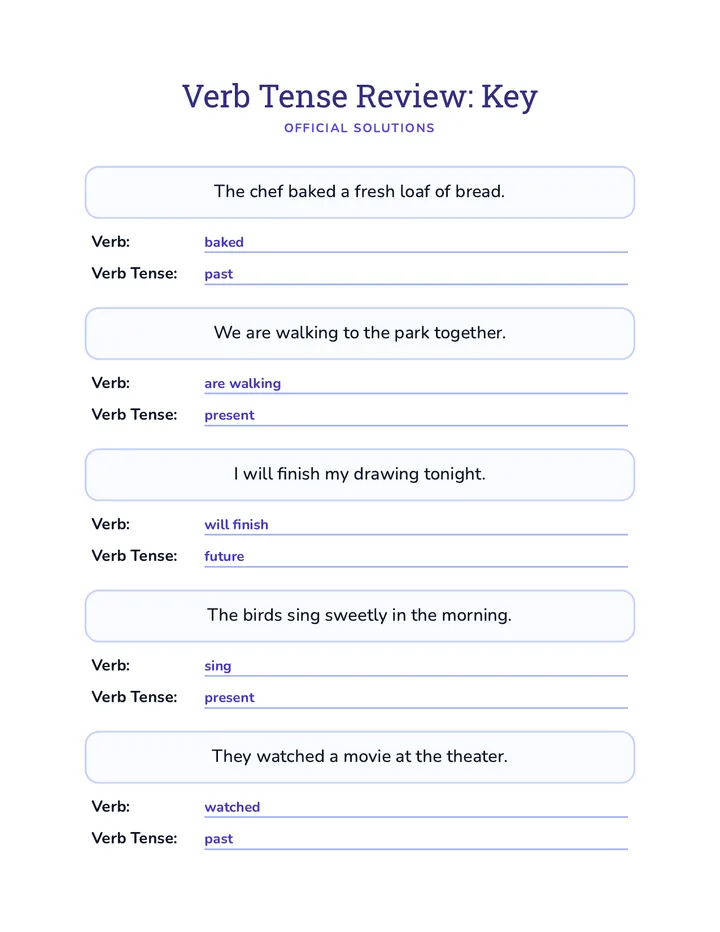
A collection of technology and language arts lessons exploring modern digital literacy and core communication skills.
Une séquence de formation pour les enseignants de l'enseignement agricole visant à développer un esprit critique face à l'IA, s'appuyant sur les rapports de l'inspection (2025) et les notes de service (2026). Elle explore les enjeux cognitifs, le cadre juridique et les mutations de l'évaluation par capacités.
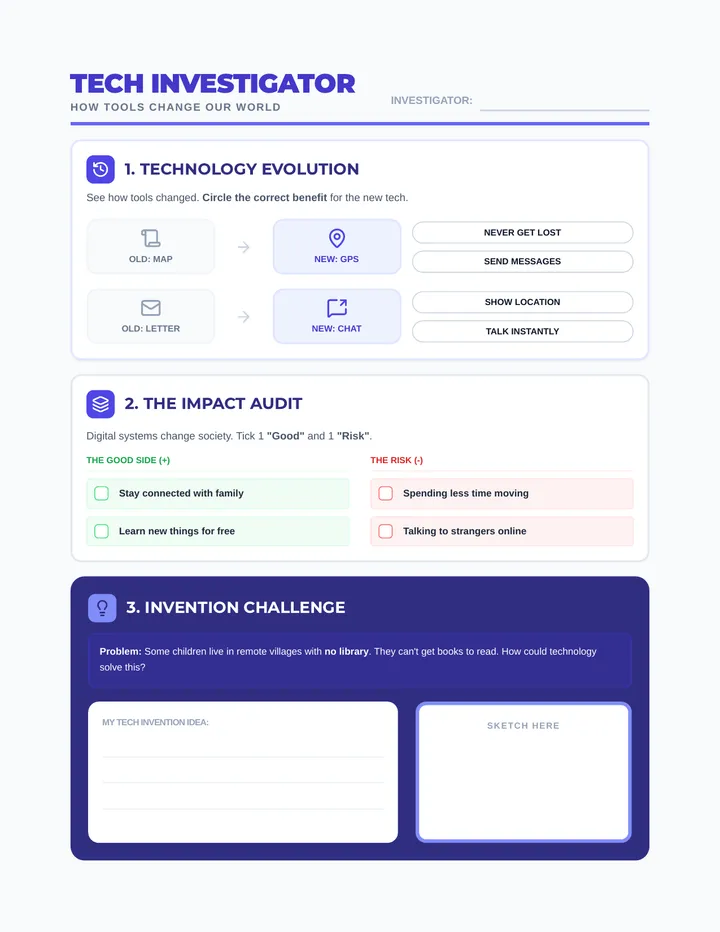
A multi-day project where students trace the lineage of household technology, culminating in a prototype design and a presentation on societal impact.
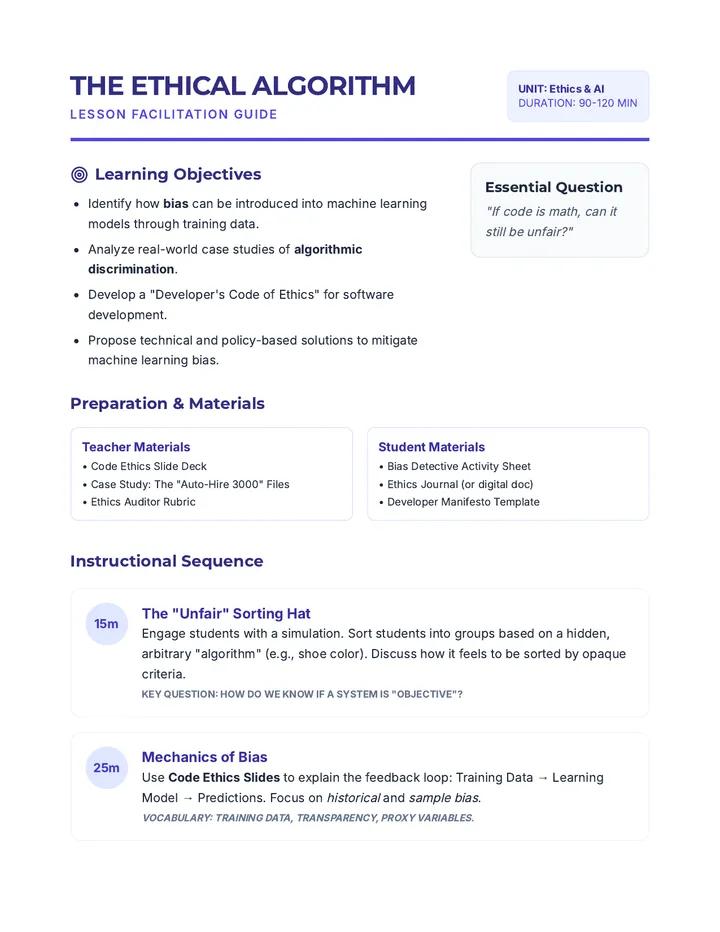
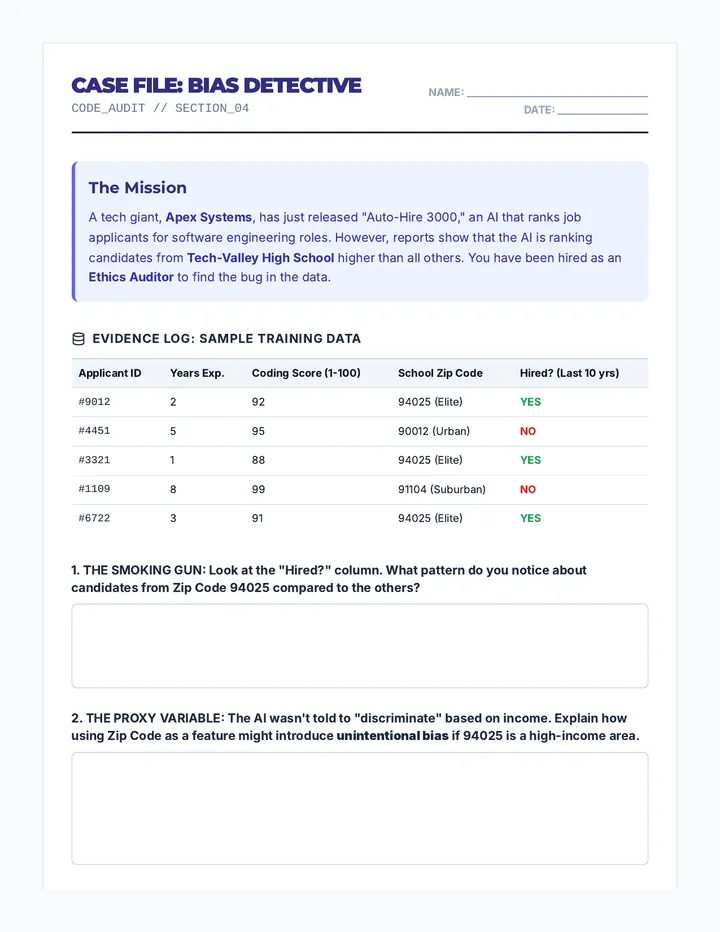
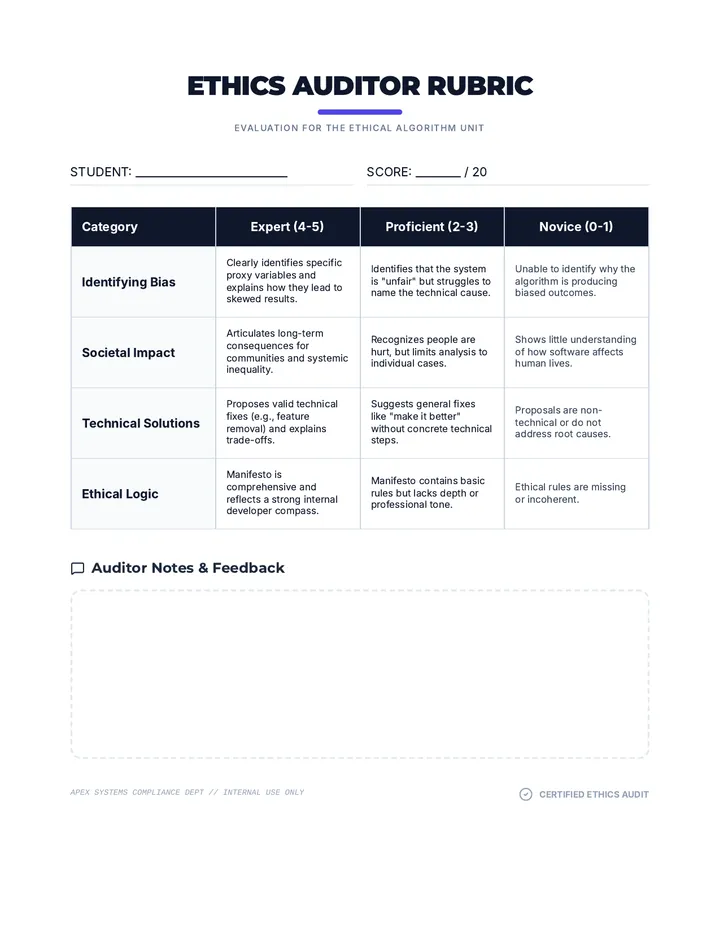
A capstone unit exploring the intersections of machine learning, data ethics, and the societal impact of algorithmic decision-making. Students transition from being technical builders to critical auditors of modern software.
A comprehensive unit focused on understanding how data is collected, stored, and analyzed in various computing environments, specifically aligned with North Carolina CS10 Objective 3.01.
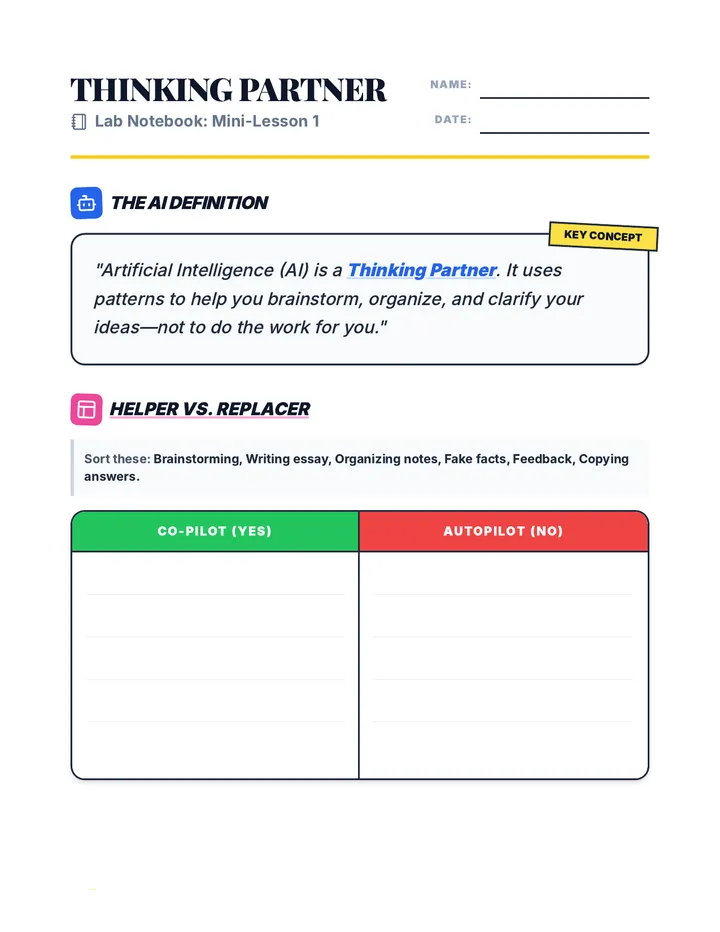
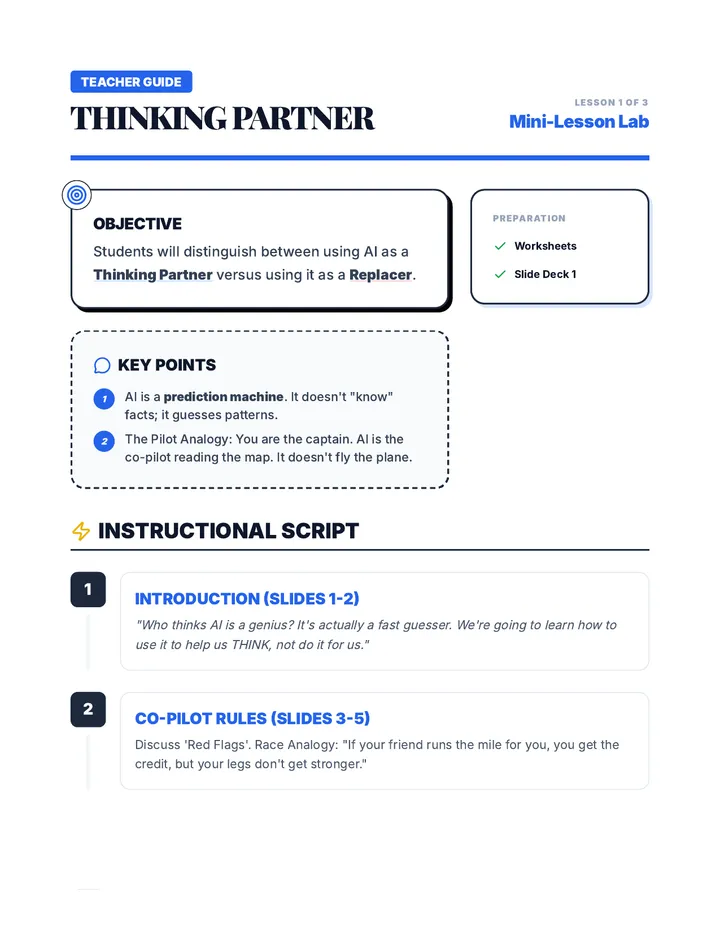
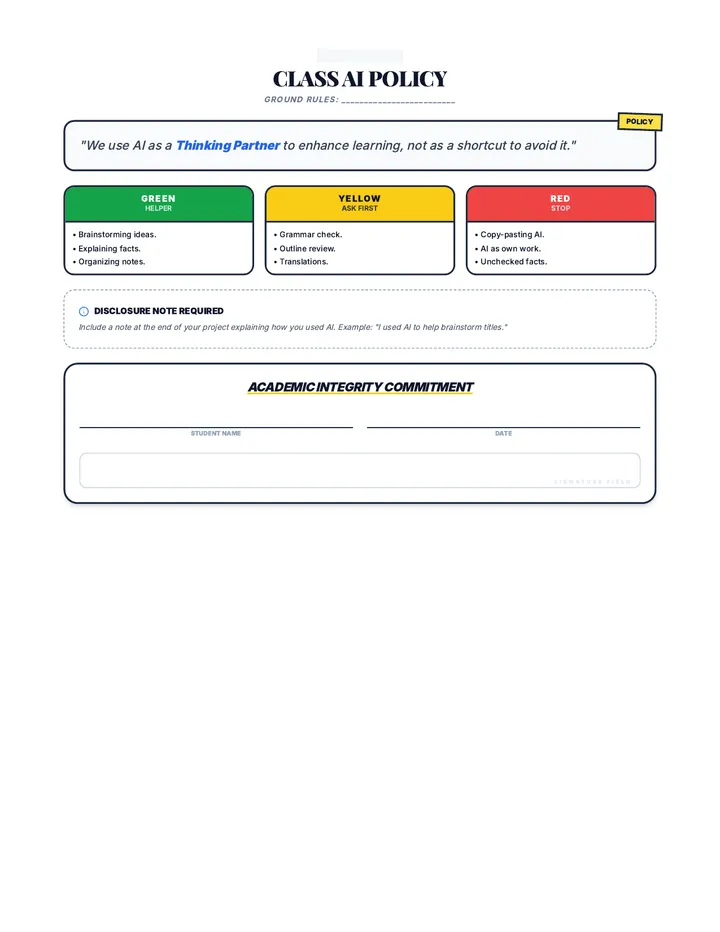
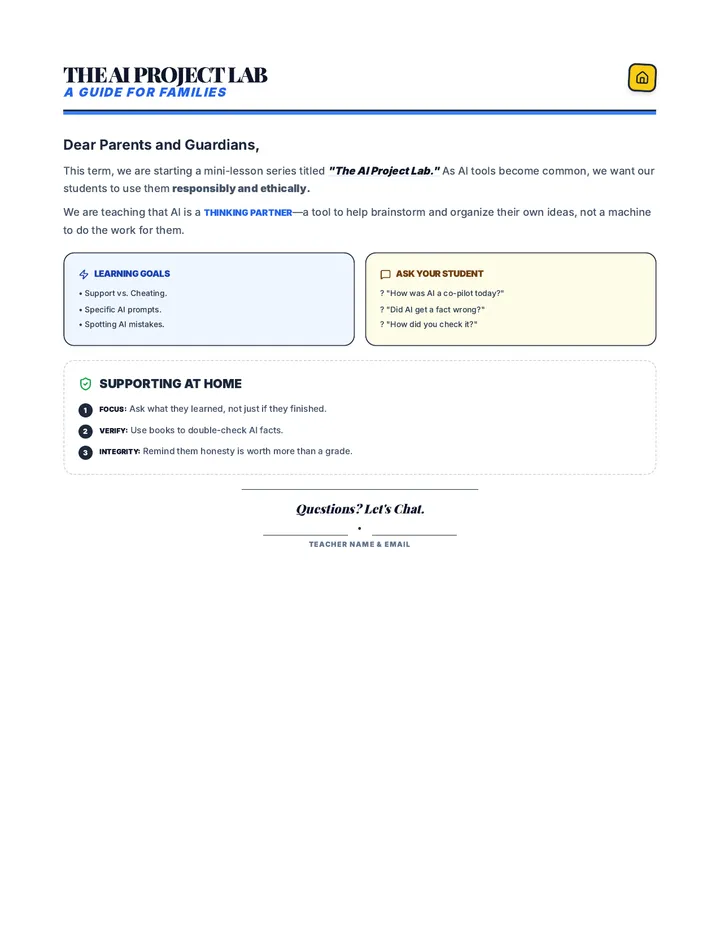
A 3-part mini-lesson series designed to teach middle schoolers how to use AI tools responsibly for final projects. The series focuses on AI as a thinking partner, prompt engineering, and critical fact-checking through a modern 'Notebook/Sketch' aesthetic.
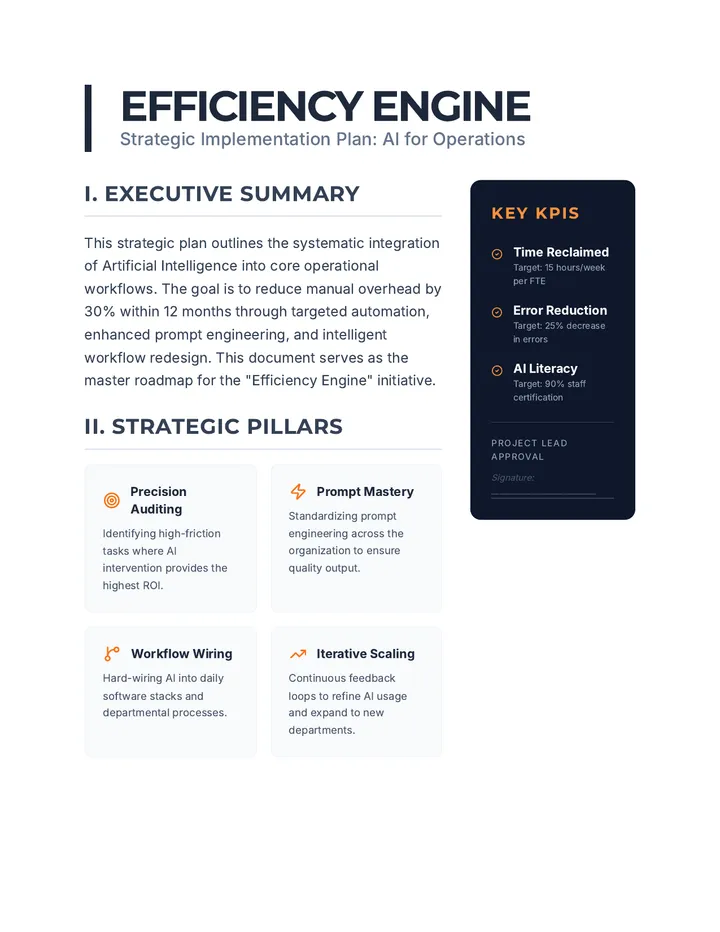
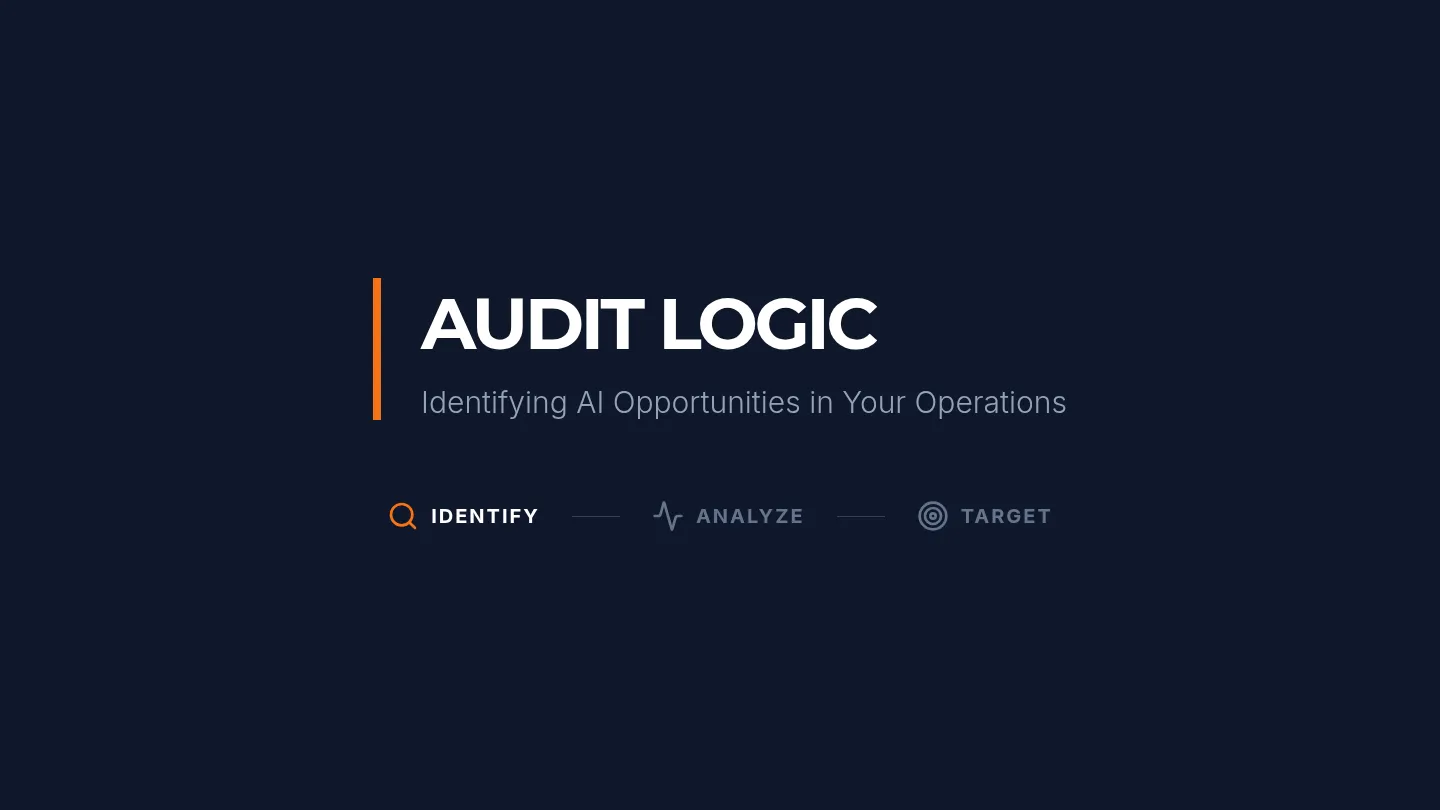
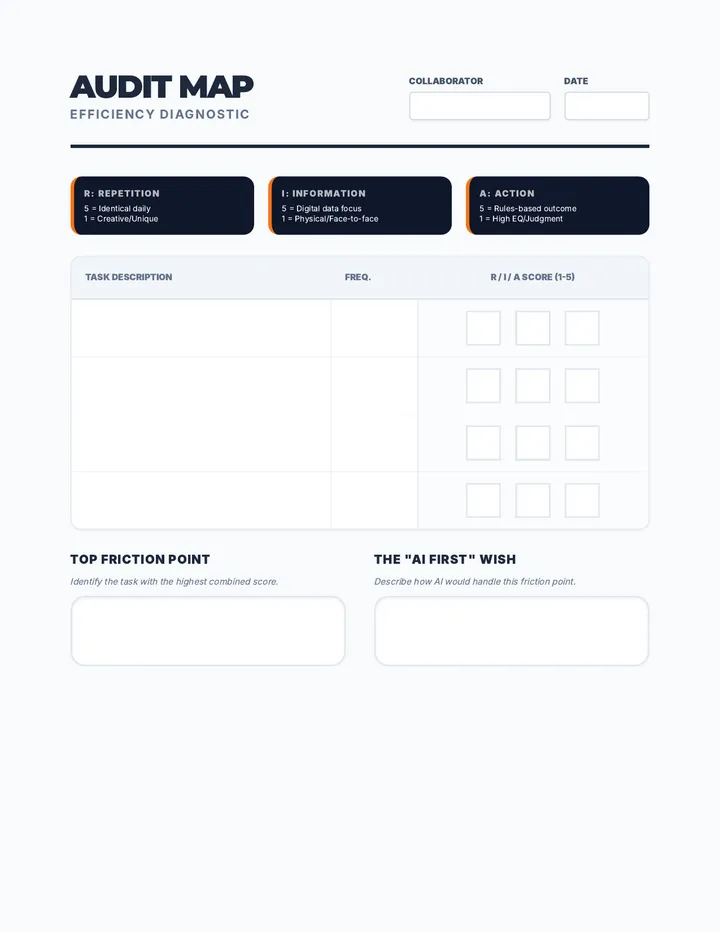
A comprehensive training sequence designed to help organizations leverage AI for operational efficiency, covering everything from initial audits to full-scale workflow integration.
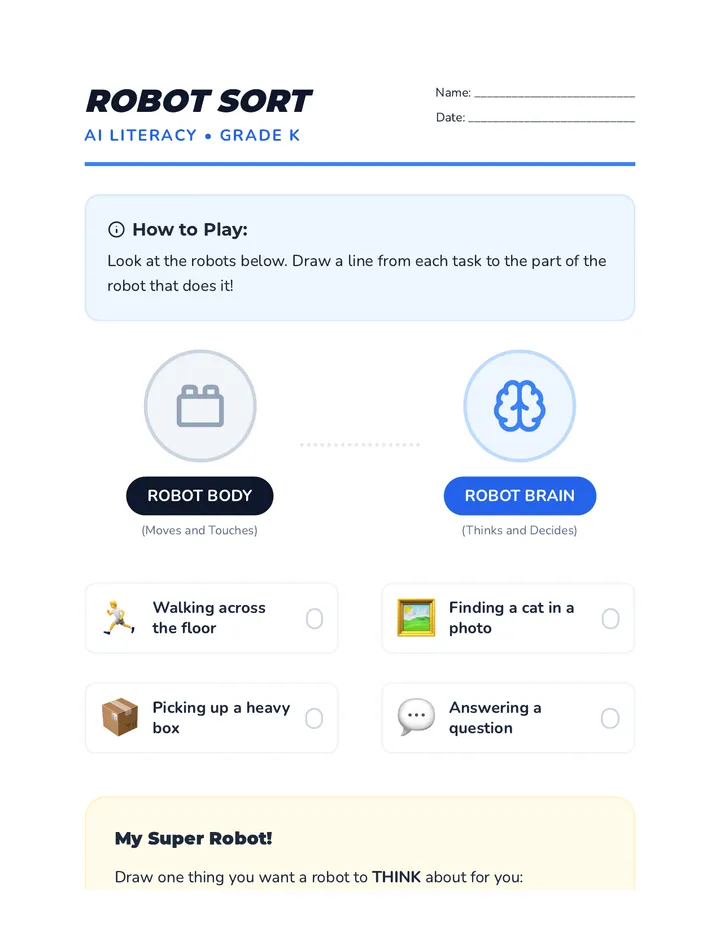
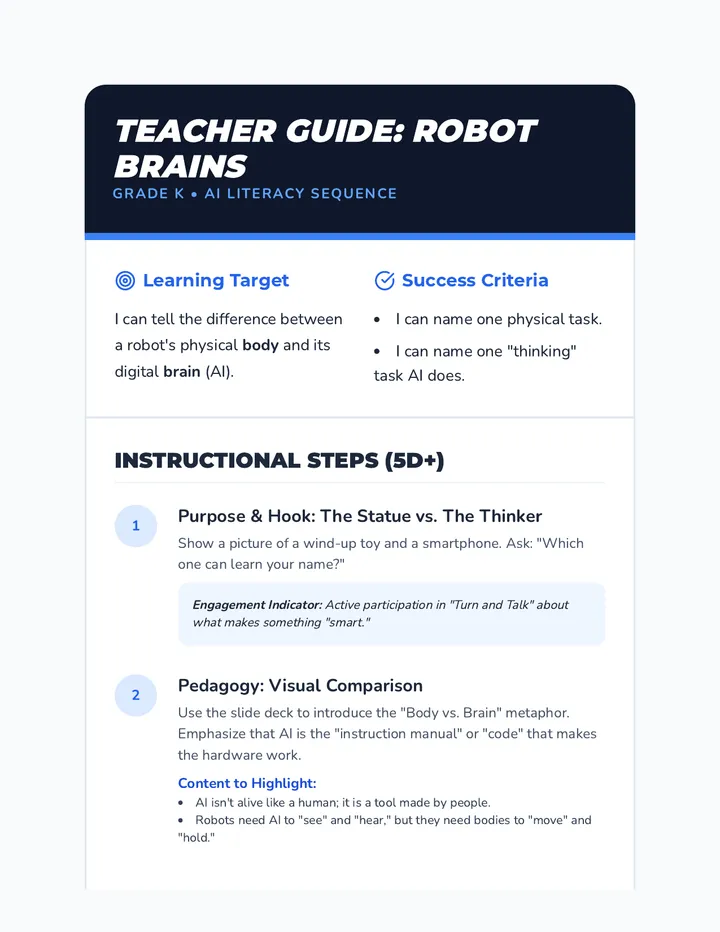
A comprehensive K-8 curriculum designed to build foundational AI literacy through understanding, evaluation, application, and ethics. Each grade level tackles a specific theme, progressing from basic robot concepts to complex algorithmic bias and societal impact.
A comprehensive sequence for 8th-grade students exploring the mechanics, ethics, and societal impacts of Generative AI. Students will learn how AI models predict data, identify deepfakes, manage hallucinations, and navigate copyright issues to become responsible digital citizens.
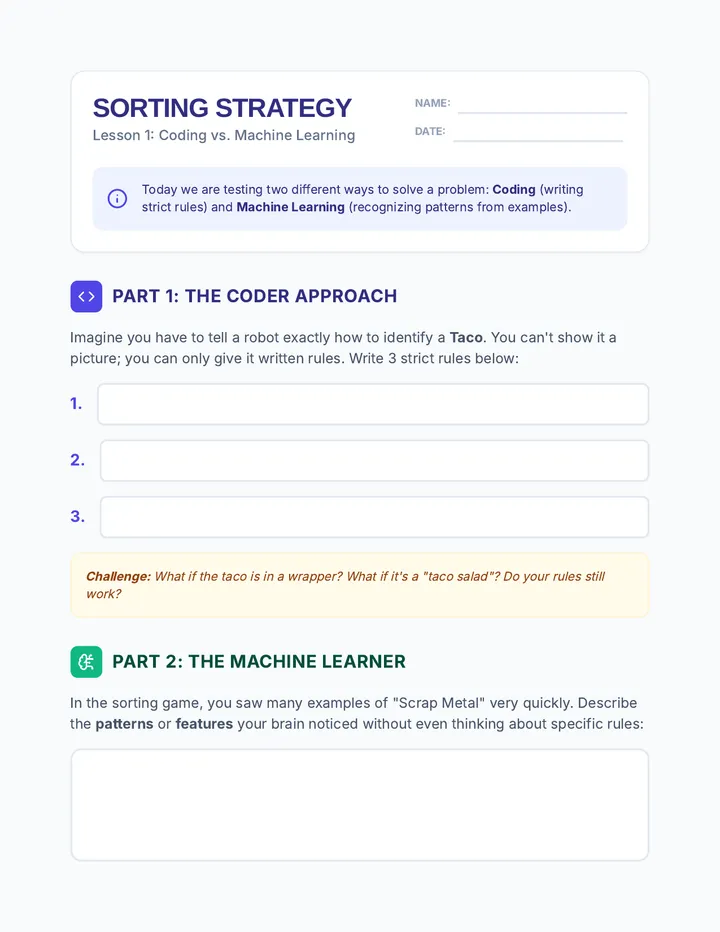
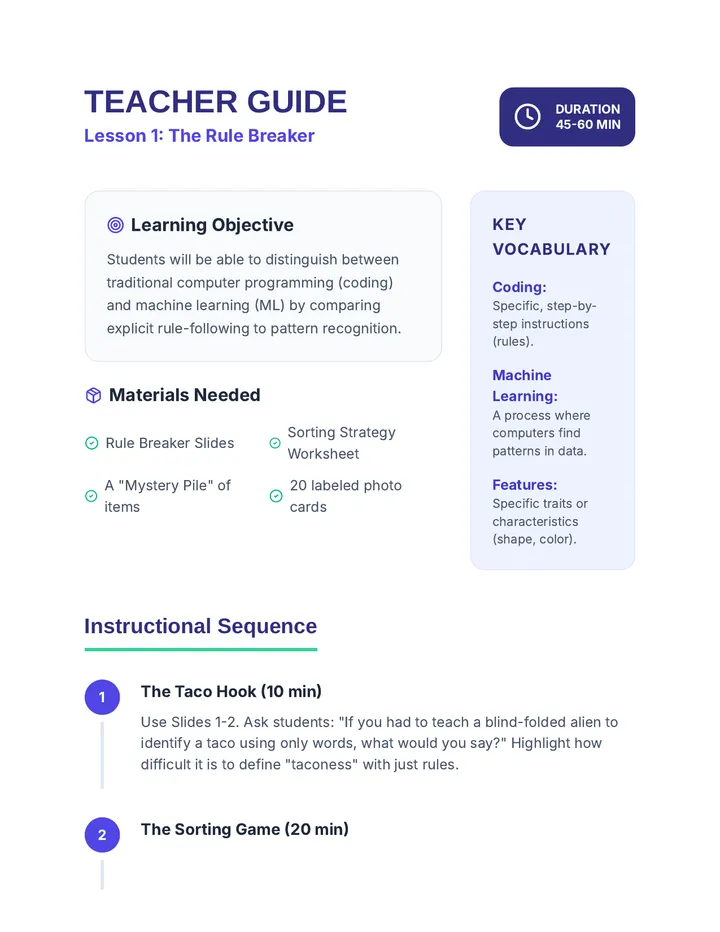
A comprehensive introduction to machine learning and algorithmic logic for 6th grade students, covering the difference between traditional coding and AI, the importance of training data, how recommendation systems work, generative AI tools, and the ethics of algorithmic bias.
Students explore automation and the future of work by adopting the role of inventors and designers. They investigate how robots and software automate tasks, analyze shifting job markets, and apply design thinking to create beneficial future technology concepts.
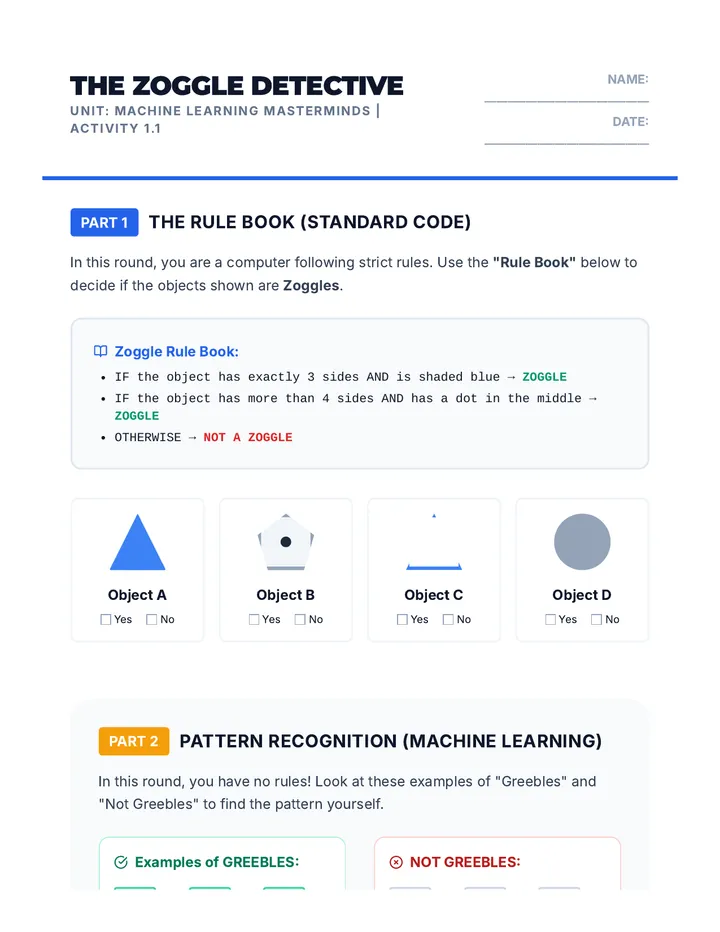
Students demystify Artificial Intelligence and Machine Learning through hands-on training, pattern recognition, and ethical analysis. They move from understanding basic coding differences to identifying real-world AI applications and recognizing the importance of unbiased data.
A comprehensive 2-hour training focused on identifying emerging trends in prevention science and integrating them into evidence-based strategies to maximize community impact.
A comprehensive 45-minute lesson for 8th-grade students to critically analyze the ethical implications and potential risks of artificial intelligence through reading, discussion, and case scenarios.
Une séance approfondie de 2 heures alignée sur le référentiel de compétences 2024, centrée sur la compétence "Rechercher et traiter des données professionnelles et scientifiques". La séance combine rigueur méthodologique, pratique intensive de la norme APA 7 et analyse critique de sources en soins infirmiers.
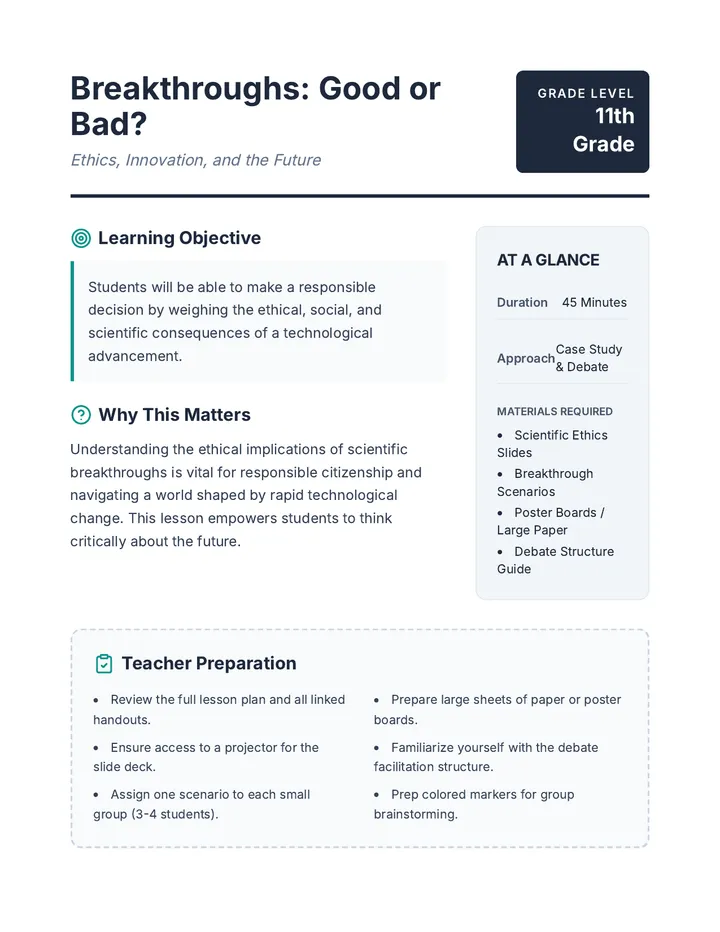
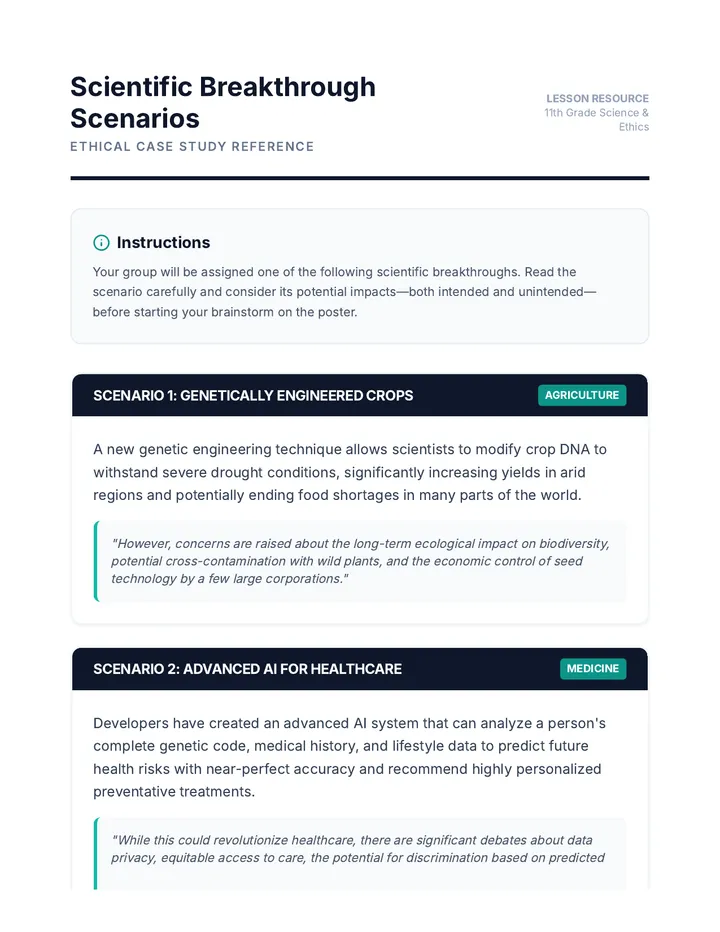
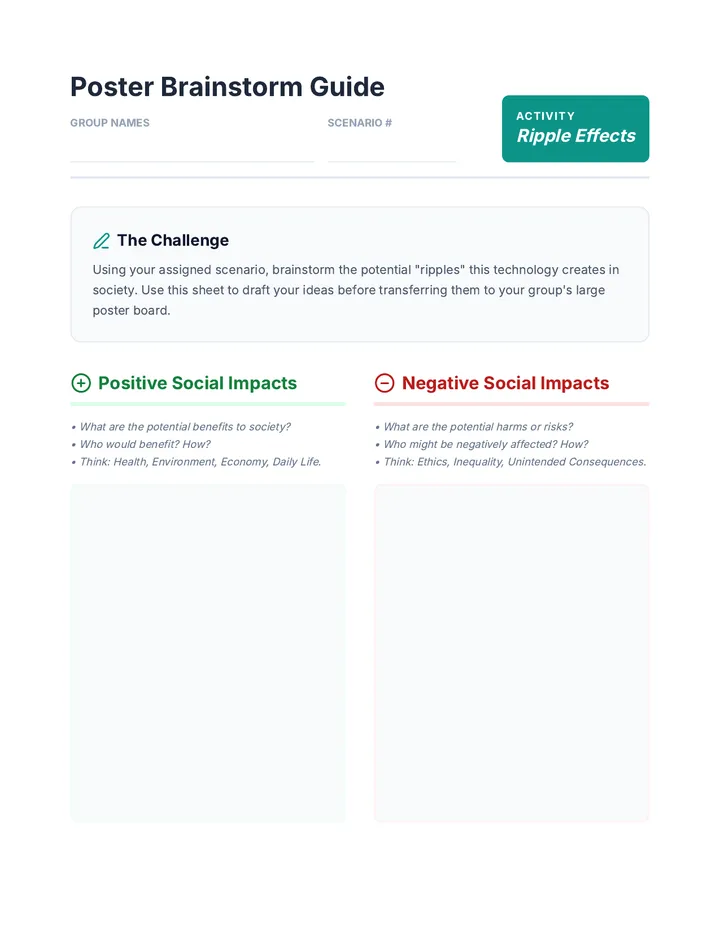
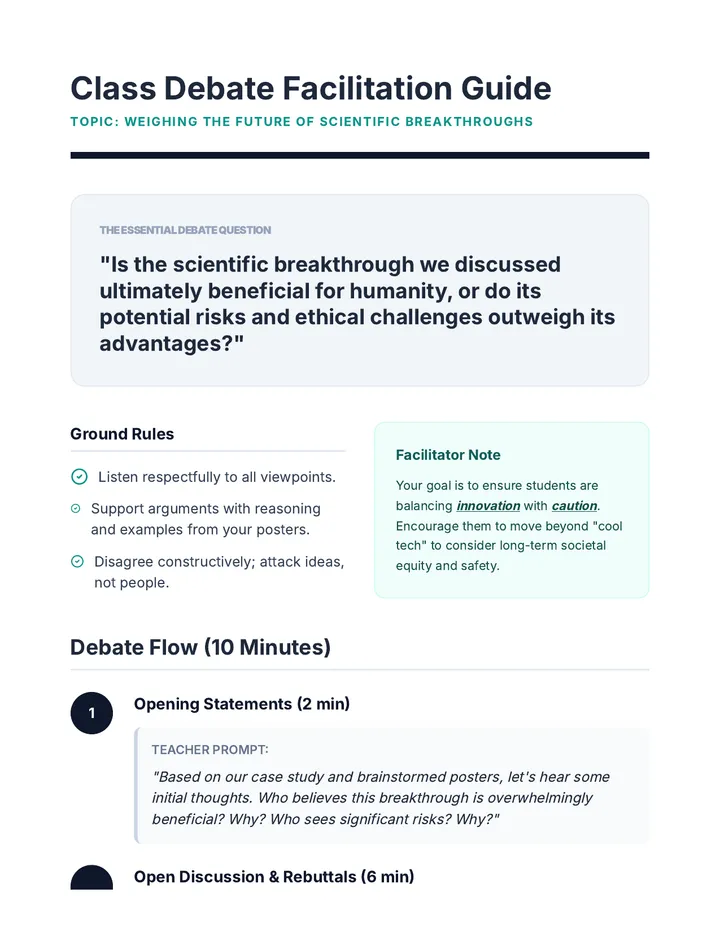
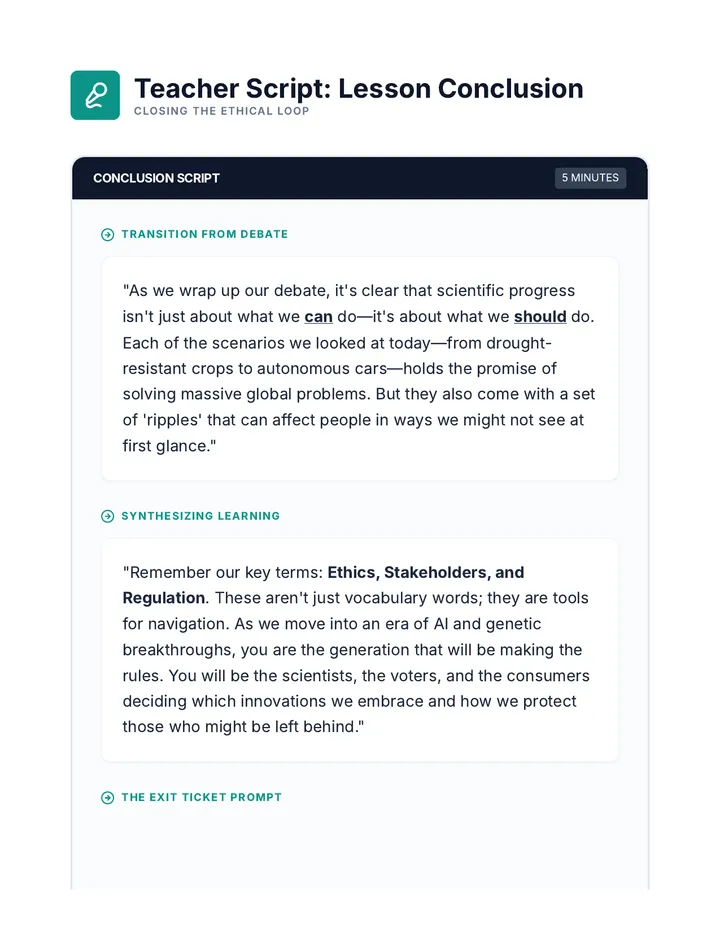
An 11th-grade ethics and science lesson exploring the social and moral implications of technological advancements through case studies and debate.
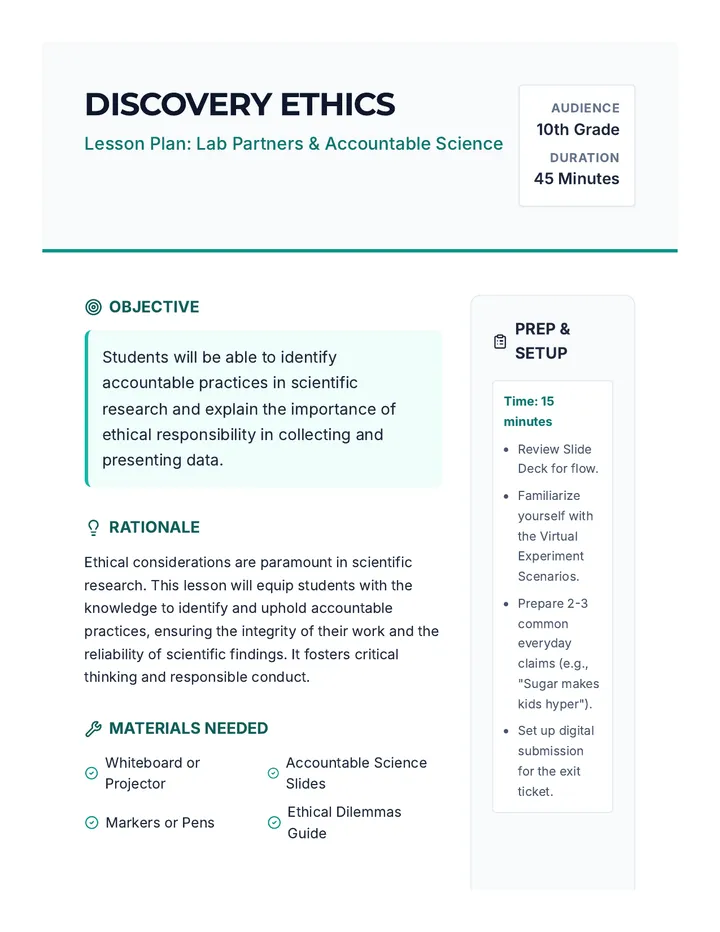
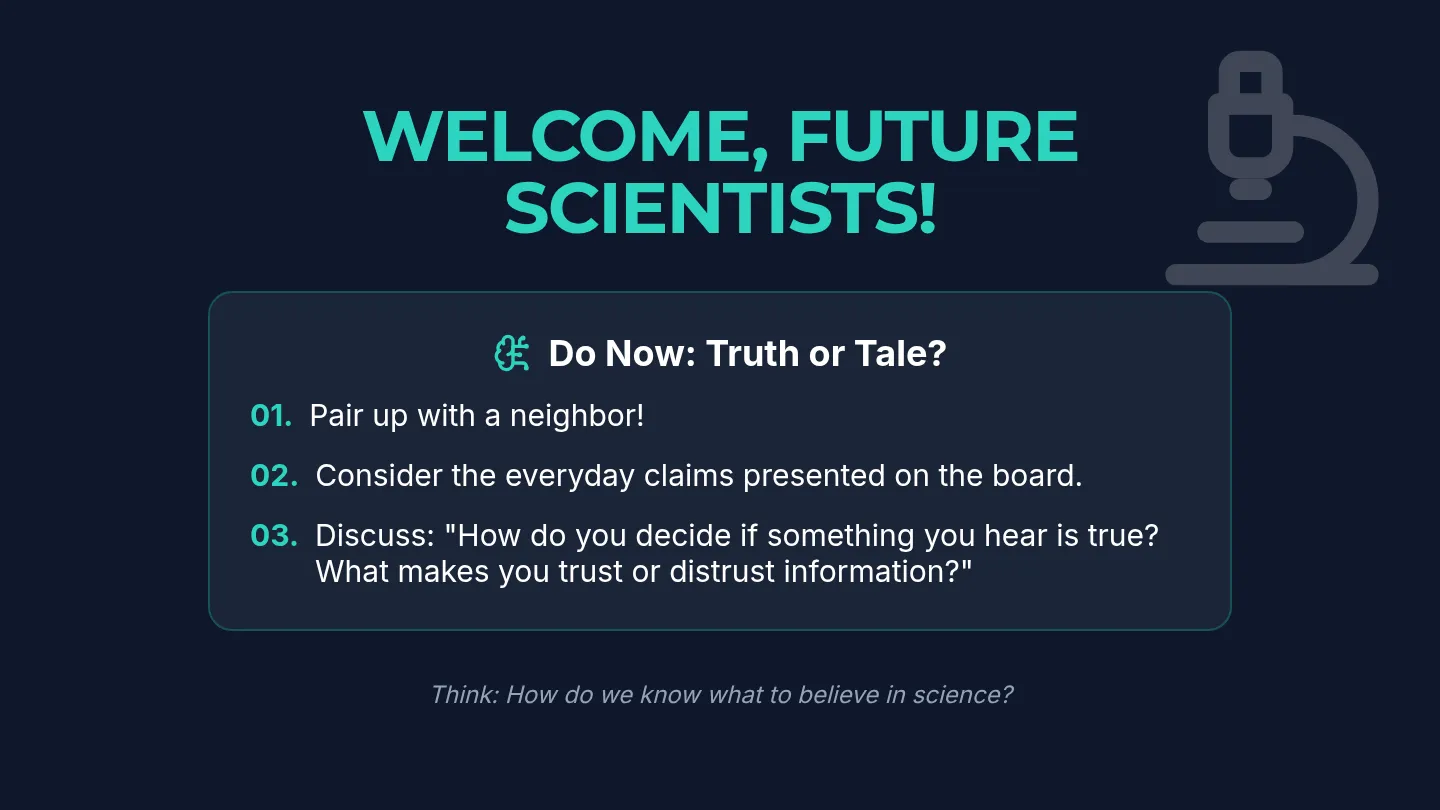
A 45-minute lesson for 10th-grade students focused on scientific accountability, research ethics, and data integrity. Students explore real-world ethical dilemmas to understand the importance of transparency and responsibility in the scientific community.
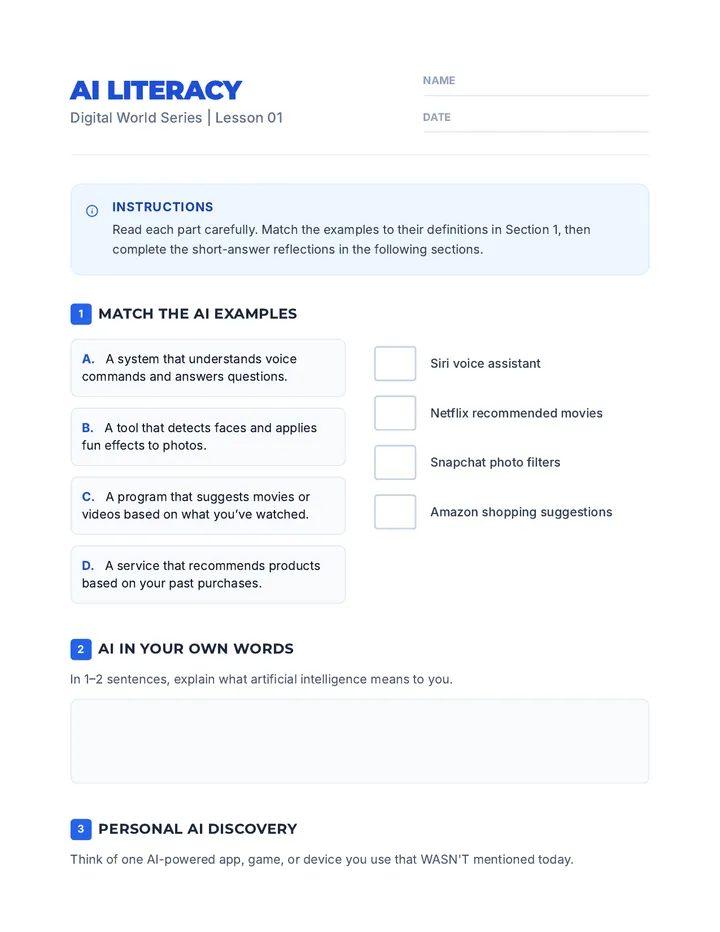
A comprehensive introduction to Artificial Intelligence, exploring its benefits, risks, and ethical usage through reading, discussion, and critical writing.
Students explore the environmental impacts of Artificial Intelligence, weighing the pros and cons of AI usage to foster critical thinking about technology's ecological footprint and sustainable practices.
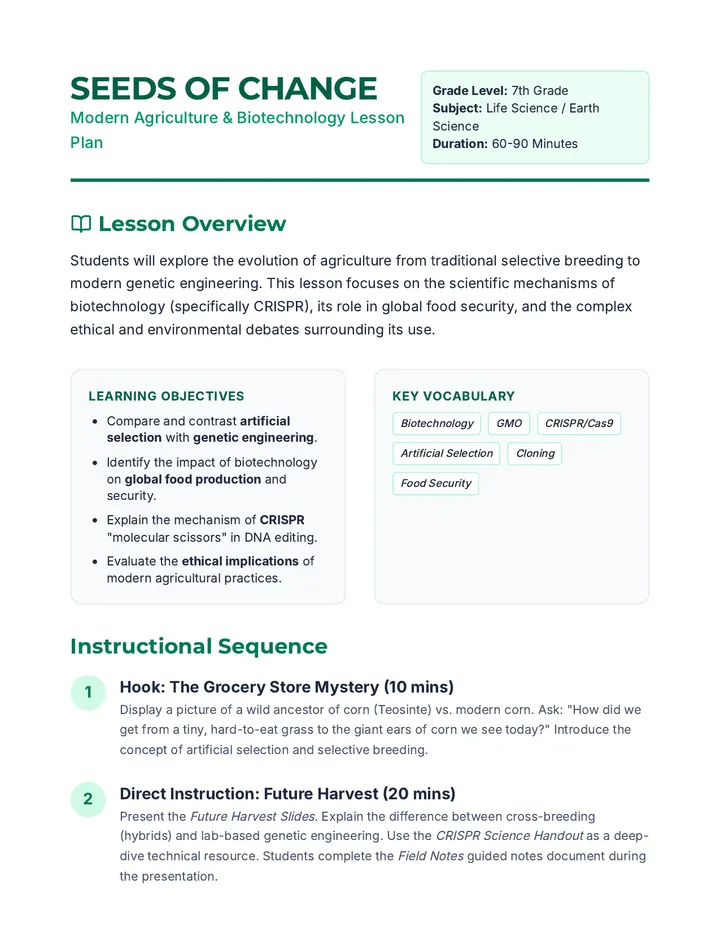
A comprehensive lesson exploring the science, ethics, and environmental impact of biotechnology in modern agriculture, comparing historical breeding methods with genetic engineering.
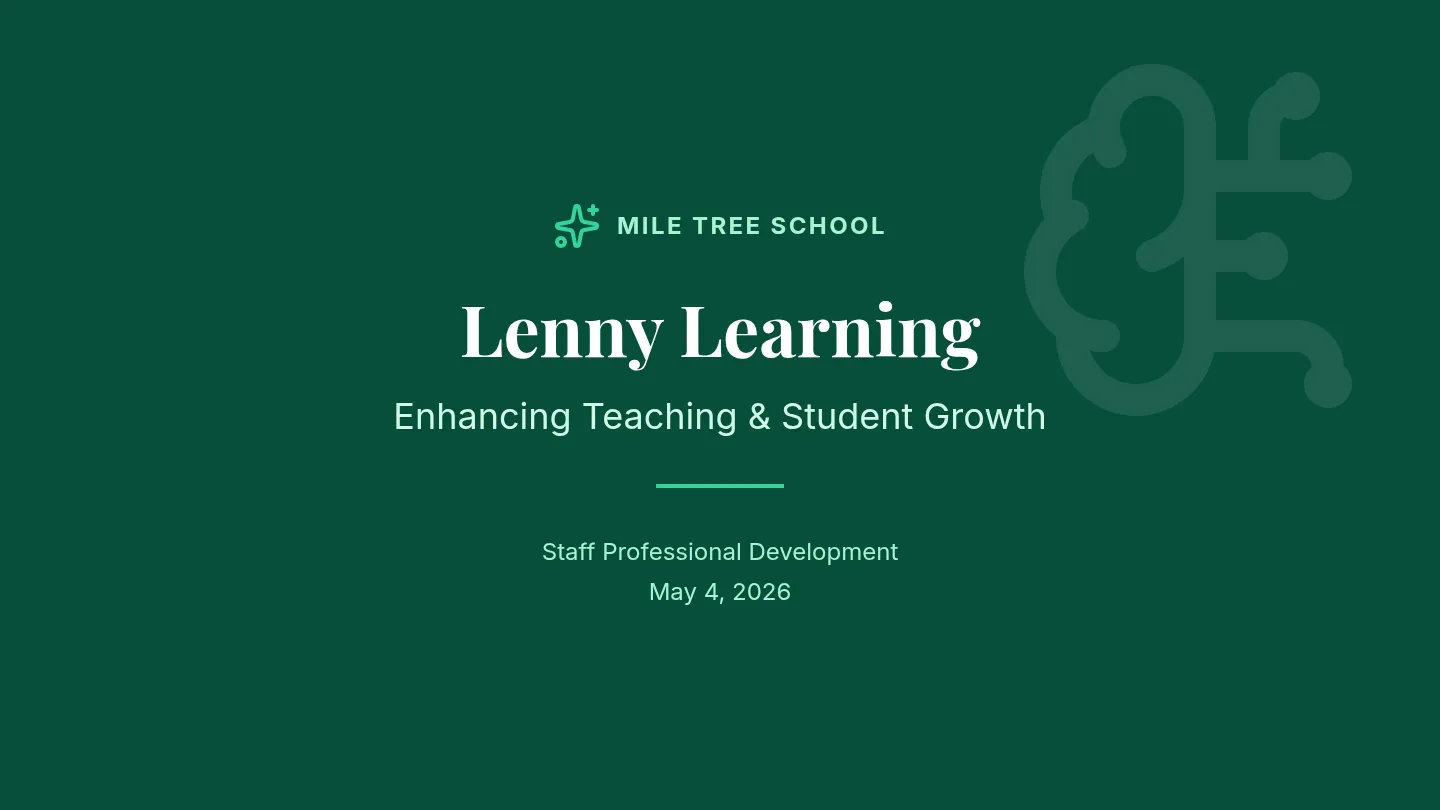
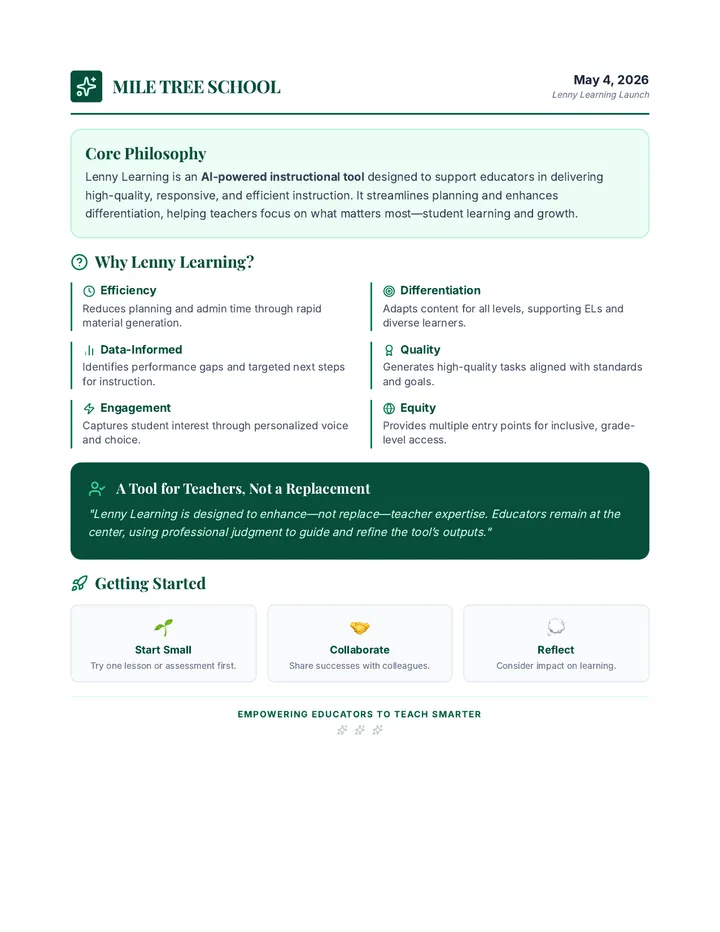
A professional staff presentation introducing Lenny Learning to educators at Mile Tree School, highlighting efficiency, differentiation, and student engagement.
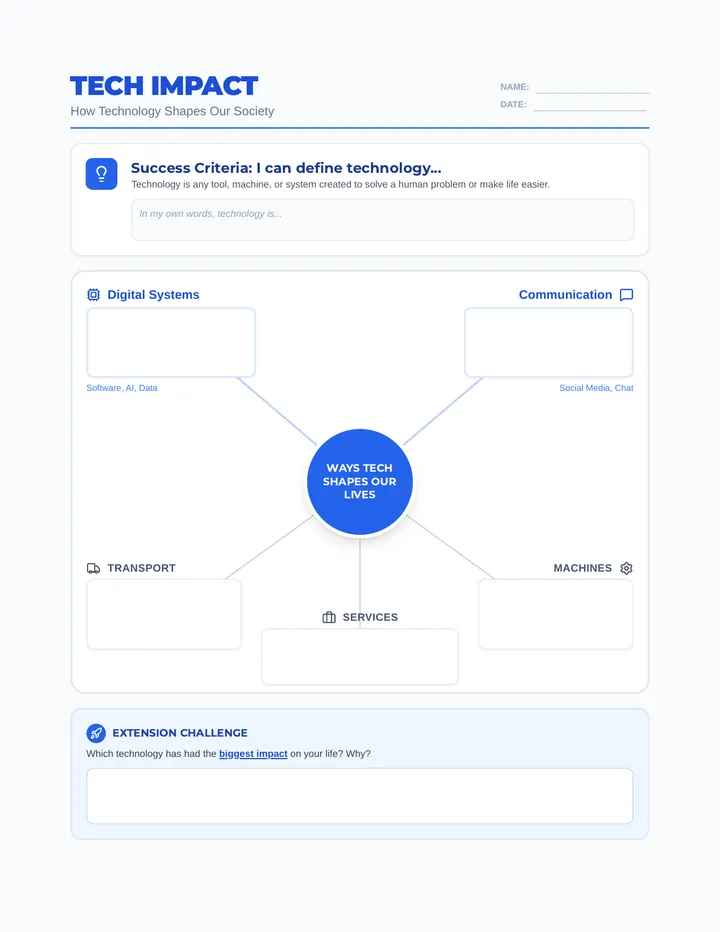
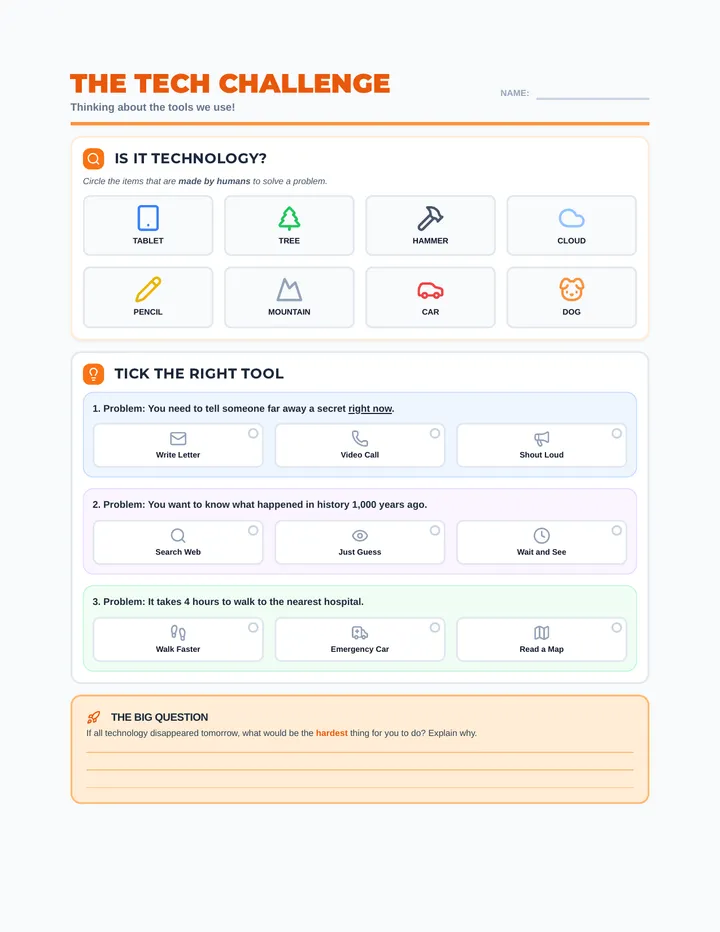
A lesson exploring the broad definition of technology and its profound impact on how we live, work, and connect in society.
A lesson exploring the role of AI in education through a story about responsible use, featuring comprehension questions, a vocabulary matching activity, and a reflective writing prompt.
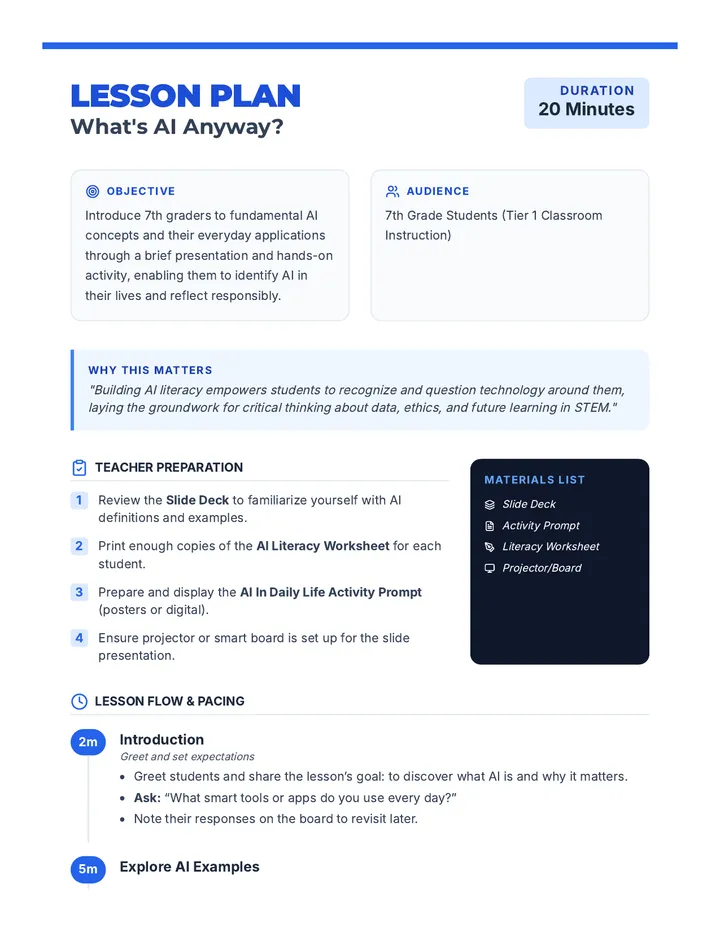
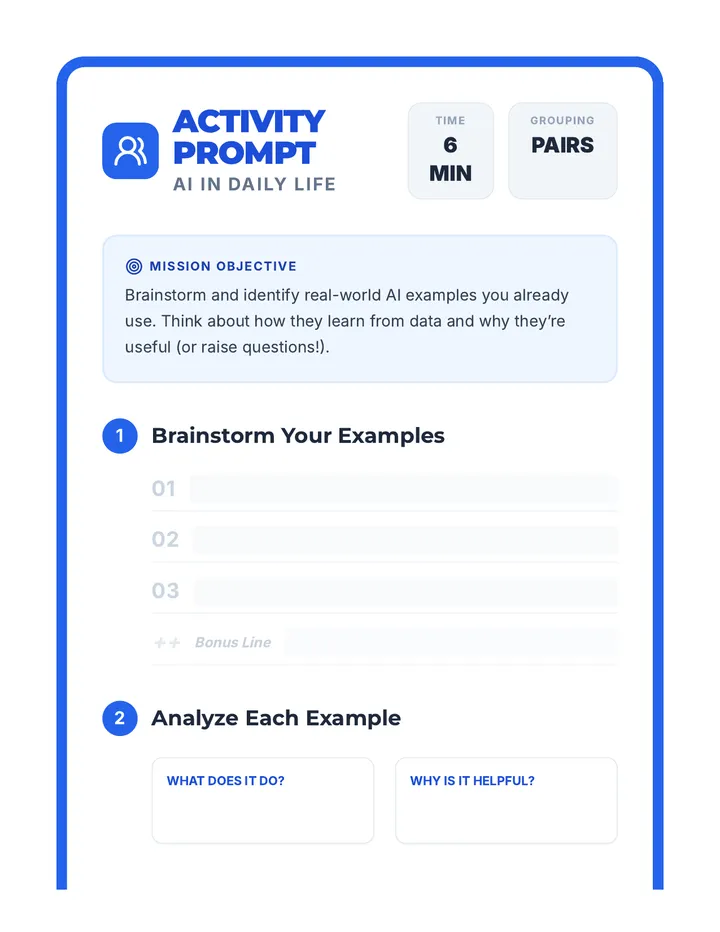
A foundational 20-minute lesson introducing 7th graders to artificial intelligence through everyday examples and interactive brainstorming.