Encryption algorithms, network security protocols, and threat detection strategies. Develops skills in identifying system vulnerabilities and implementing defensive measures against malware and digital attacks.
An updated high-impact rules and procedures poster for the Verizon Innovative Learning Lab, featuring six key safety and conduct rules with large icons and bold, simple text. Rule 5 has been updated to focus on digital safety and tech integrity.
A multi-part cybersecurity unit focusing on defensive strategies, from identifying malicious threats to mastering network access control and traffic filtering.
A 2-day self-contained project for Cyber Security 2 students focusing on the five phases of penetration testing. Students research and create a visual representation (poster or slide deck) of a simulated ethical hacking mission.
A comprehensive sequence for 12th-grade students exploring network security, cryptography, and the protocols that secure the modern internet. Students progress from foundational security principles to the technical details of public key infrastructure and the HTTPS handshake.
This sequence explores the biological parallels between organic viruses and computer malware to help students understand system defense. Students classify different types of malware, investigate ransomware case studies, understand the logic behind antivirus engines, and develop practical digital hygiene habits.
This sequence explores how network protocols and architecture form the backbone of internet security, focusing on packet switching, port security, threat mitigation, and encrypted tunneling.
This sequence explores how data remains secure across public networks. Students move from basic vulnerabilities to complex encryption methods like SSL/TLS and firewall configurations to understand digital privacy and integrity.
This sequence explores how data is protected as it travels through networks. Students will learn about network vulnerabilities, the history and application of cryptography, the logic of public key encryption, the role of HTTPS in web security, and how firewalls protect network boundaries.
A comprehensive unit for 12th-grade computer science students exploring the Domain Name System (DNS), routing algorithms, HTTP protocols, and network diagnostic tools. Students move from high-level naming concepts to the low-level physical routing of data packets across the global internet.
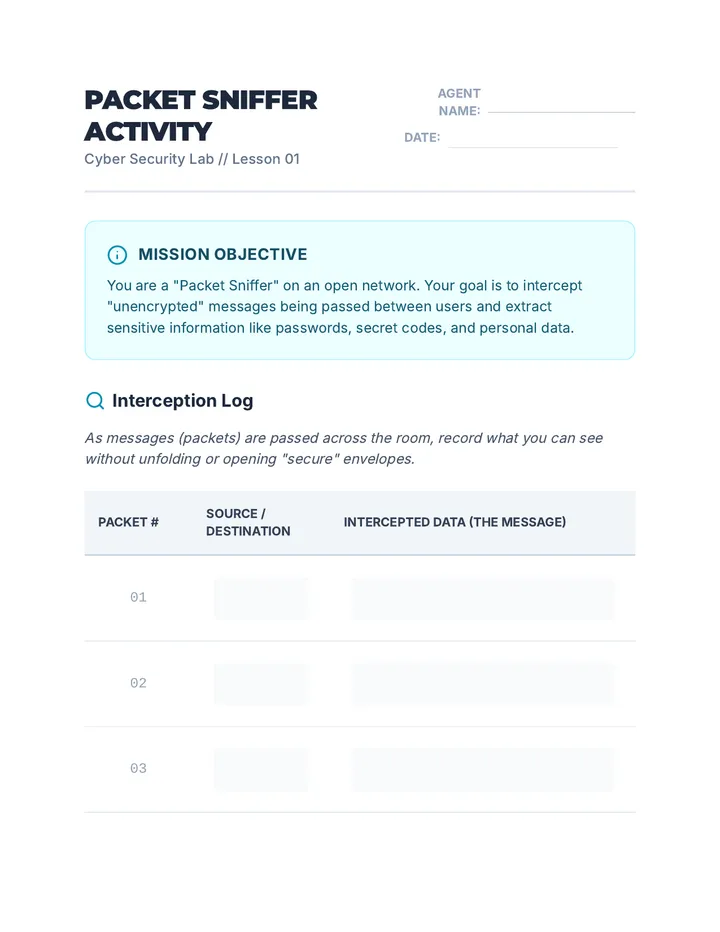
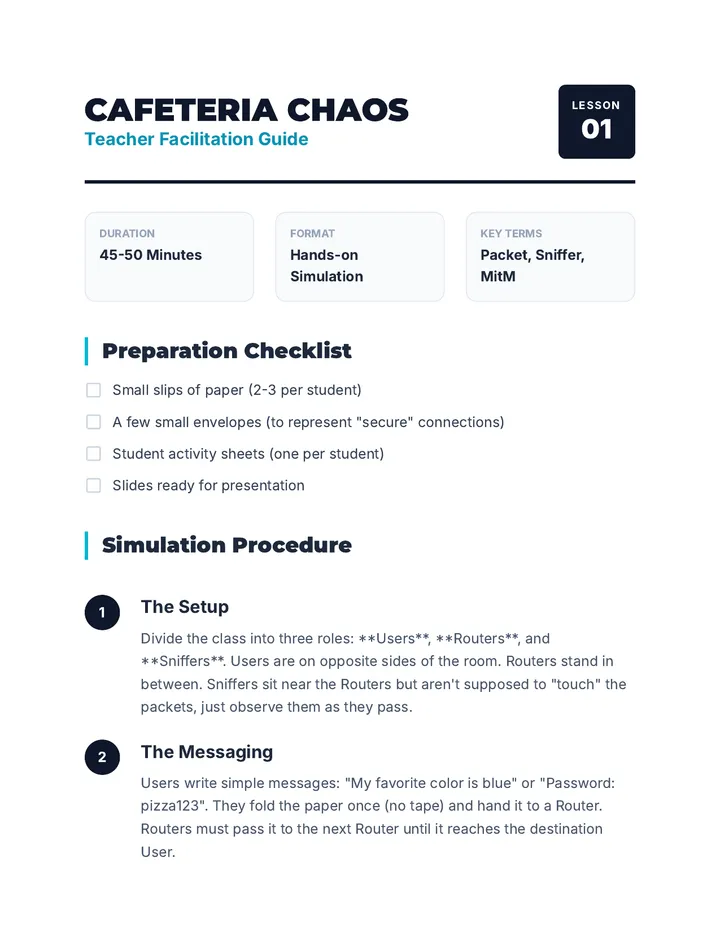
This 8th-grade computer science sequence explores the fundamental principles of network security and encryption. Students progress from understanding the risks of open communication on the internet to mastering symmetric and asymmetric encryption, digital certificates, and modern security best practices.
This sequence immerses students in the invisible world of network traffic, focusing on how data moves and how it is intercepted. Students visualize the OSI model layers, analyze packet captures to identify insecure protocols, and explore vulnerabilities like DoS and Man-in-the-Middle attacks.
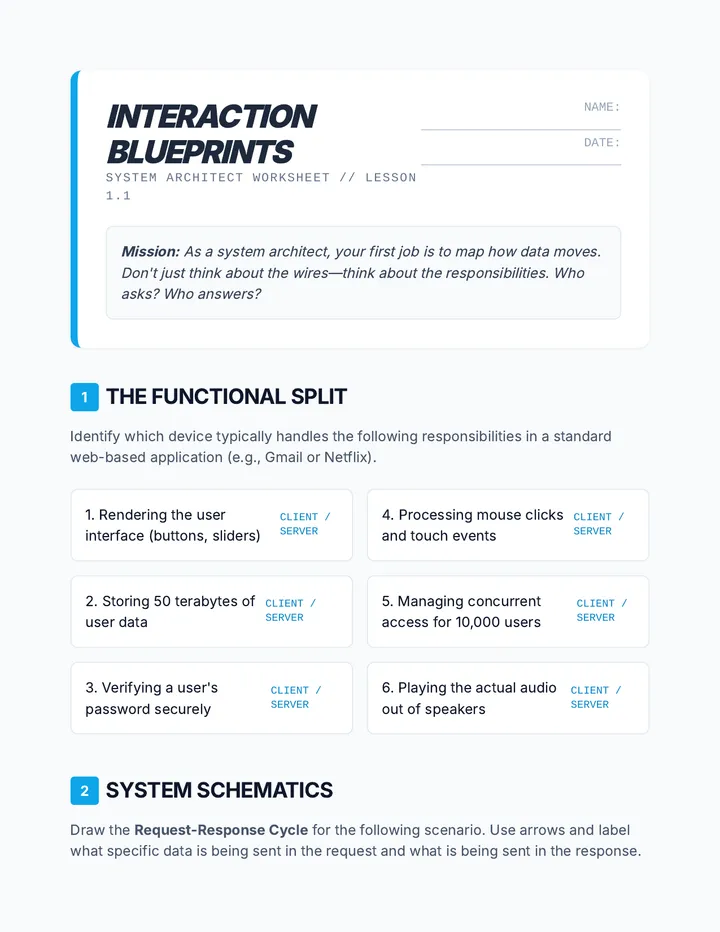
This sequence explores the foundational architecture of the modern web, from the traditional client-server model to distributed cloud systems and APIs. Students will transition from network learners to systems architects, culminating in a design project for a modern web application.
This sequence explores the fundamental architecture of the internet and the security protocols that keep data safe. Students progress from understanding the basic OSI model to designing complex, secure network topologies for organizations.
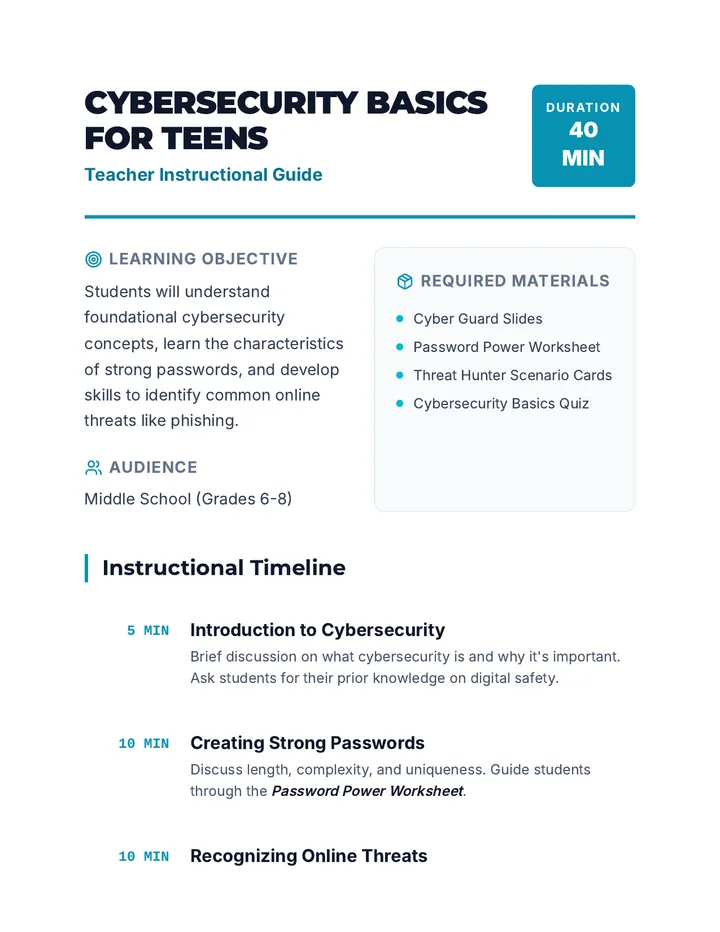
A foundational lesson for middle schoolers on digital safety, focusing on password security and threat recognition.
A comprehensive preparation suite for the CompTIA CySA+ (CS0-003) exam, covering threat management, security operations, and incident response through detailed reviews, cheat sheets, and practice scenarios.
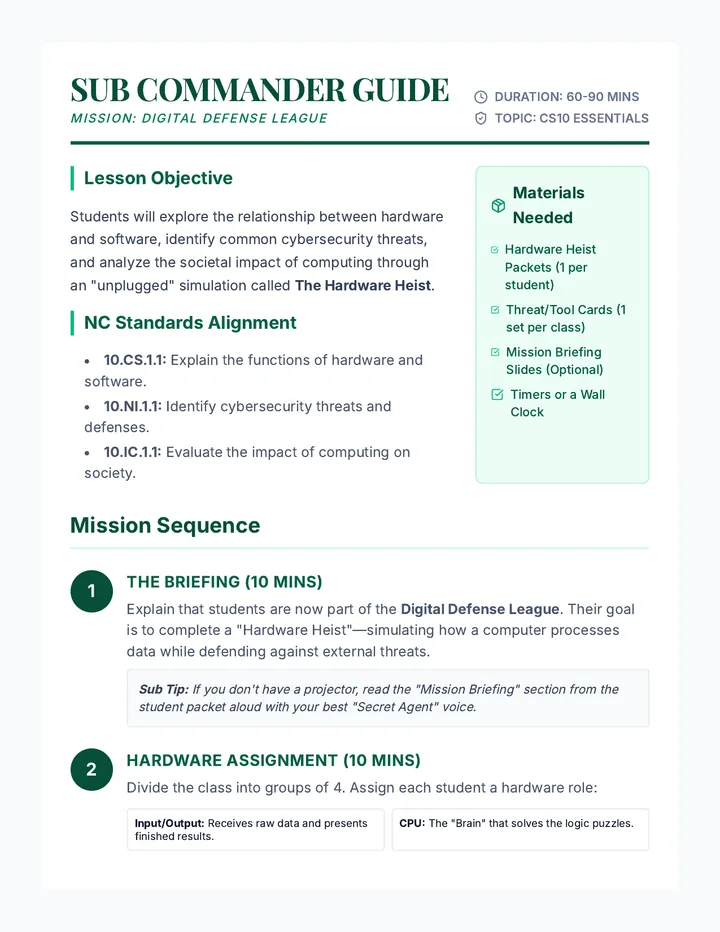
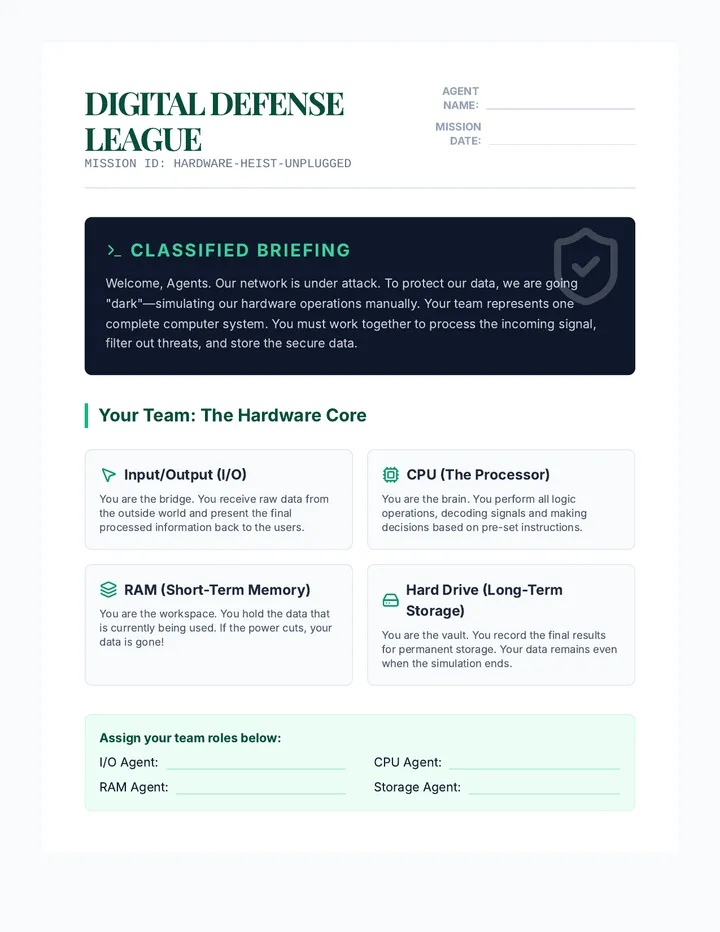
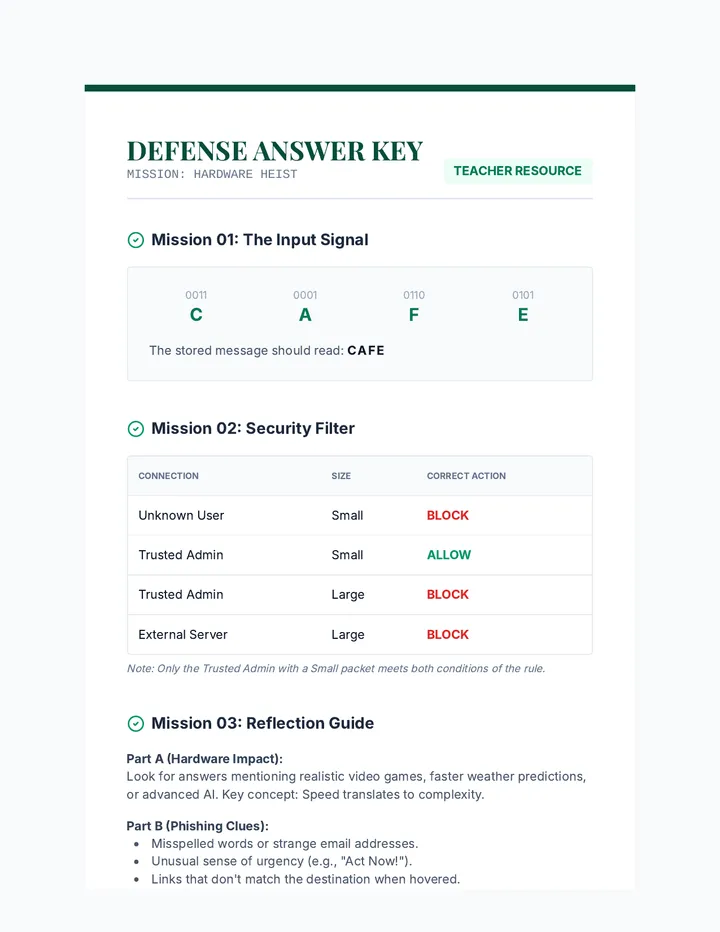
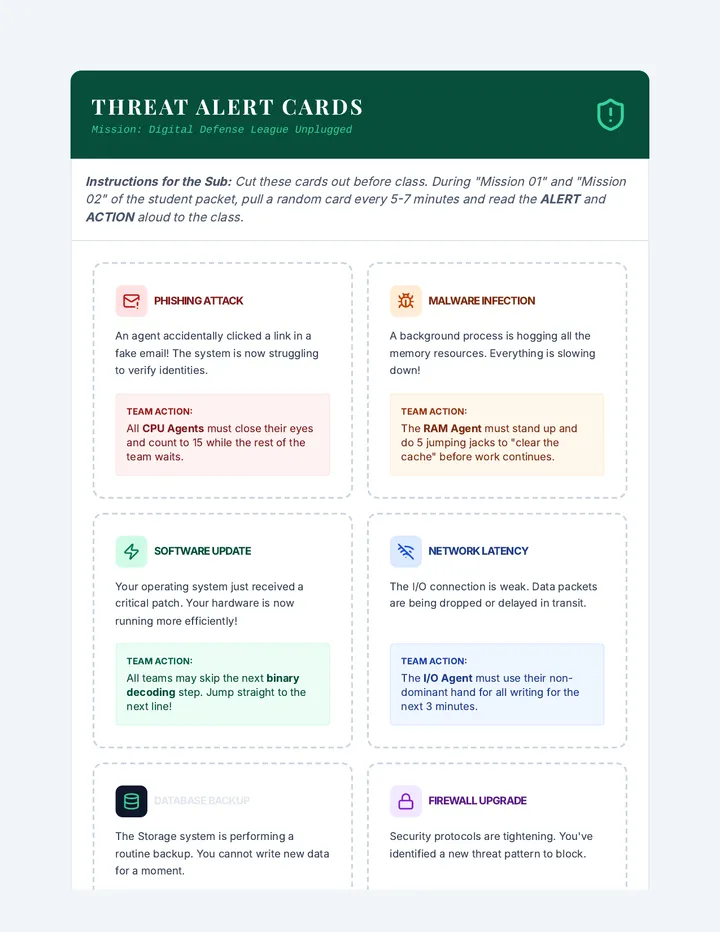
A comprehensive sub plan focusing on hardware basics, cybersecurity, and the impact of computing through a hands-on 'Human Computer' unplugged simulation.
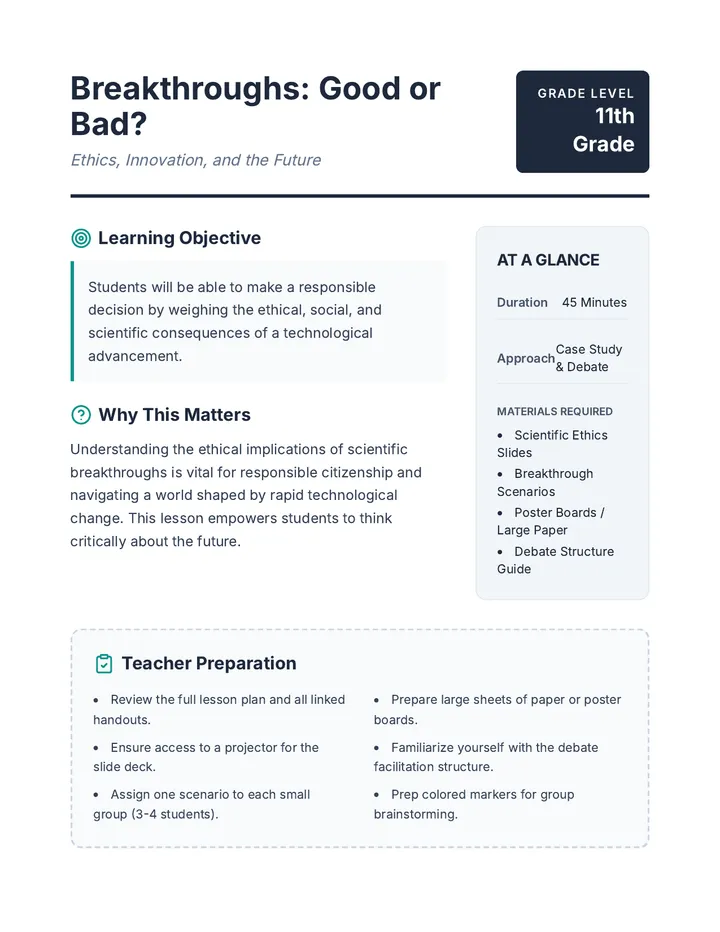
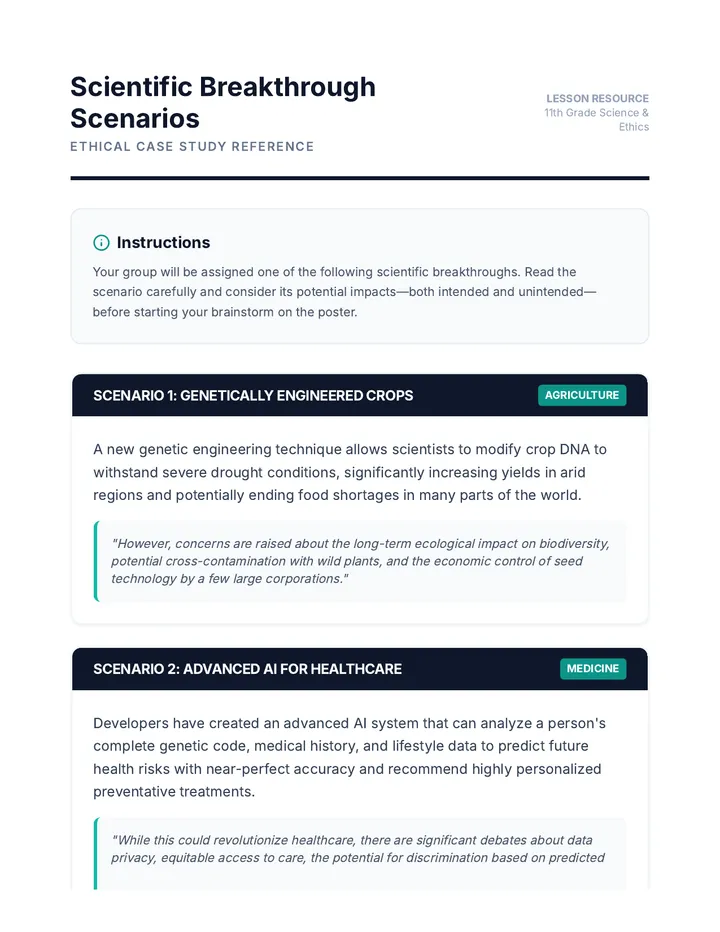
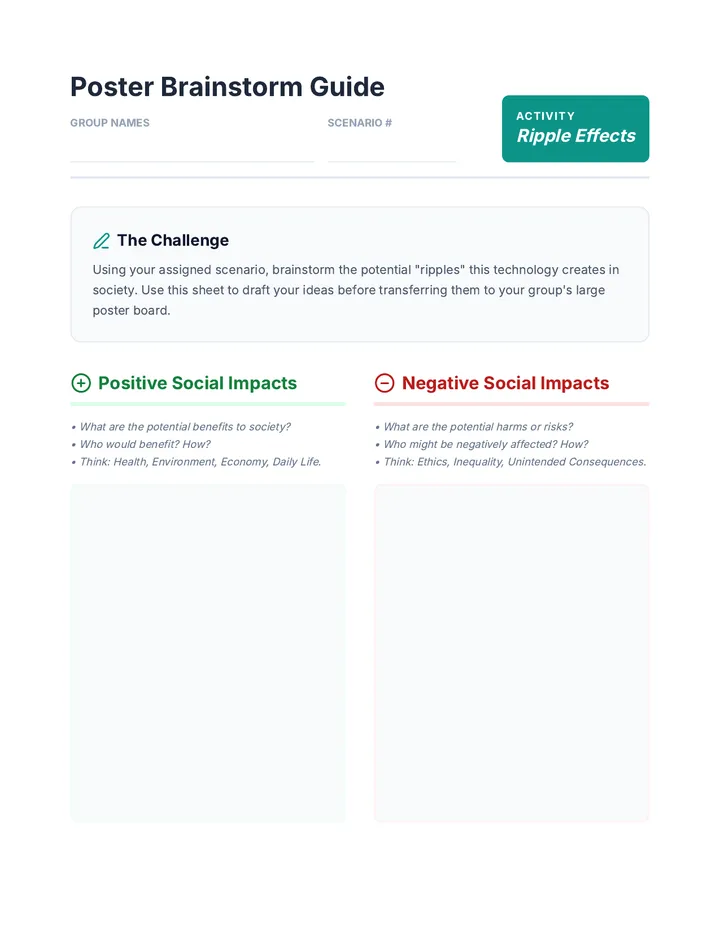
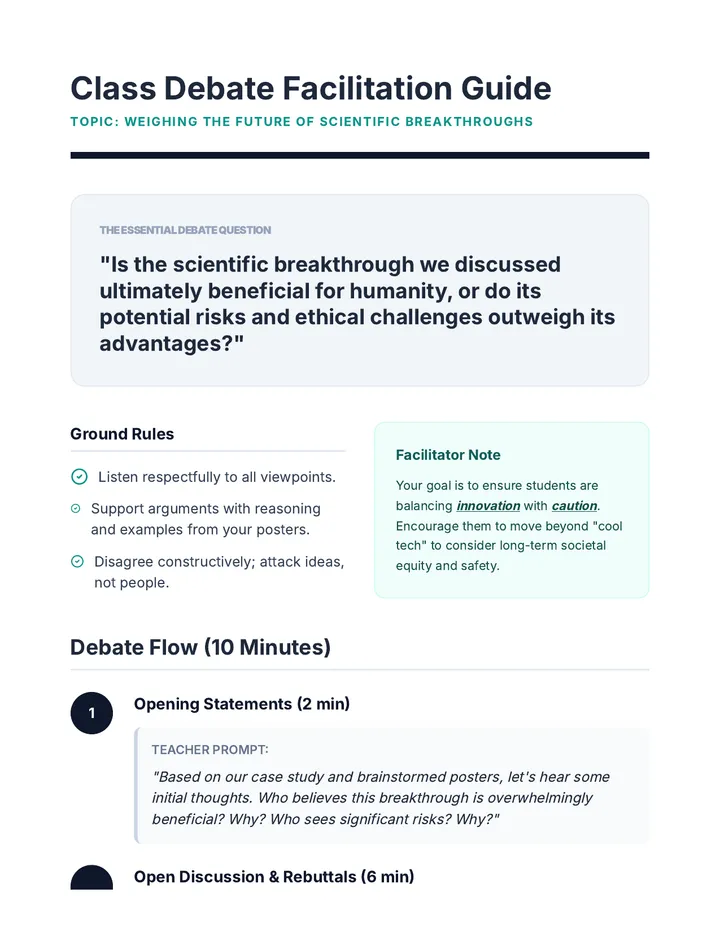
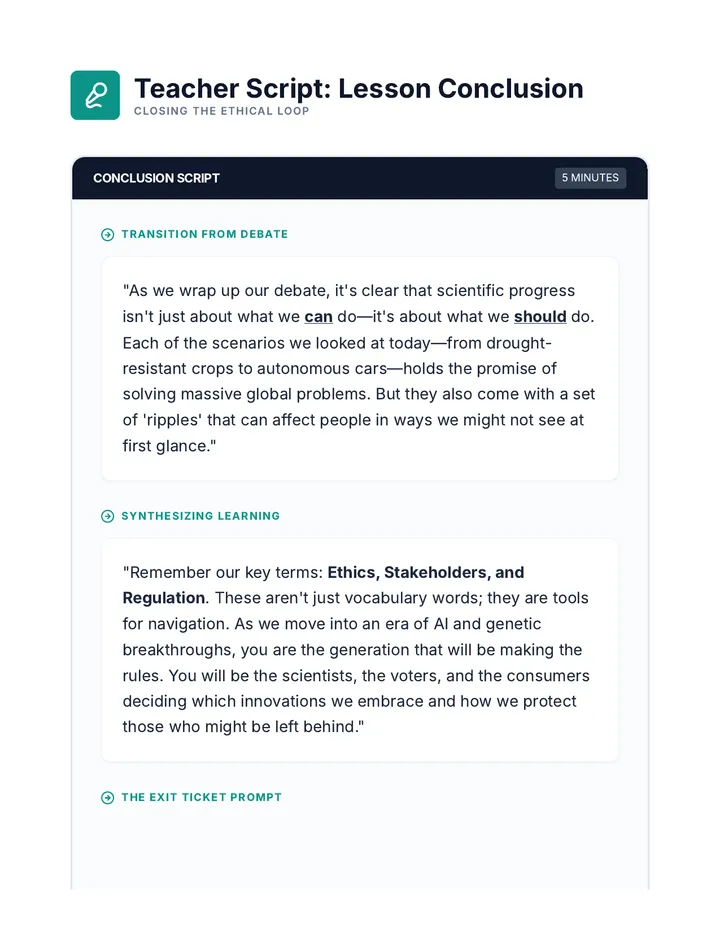
An 11th-grade ethics and science lesson exploring the social and moral implications of technological advancements through case studies and debate.
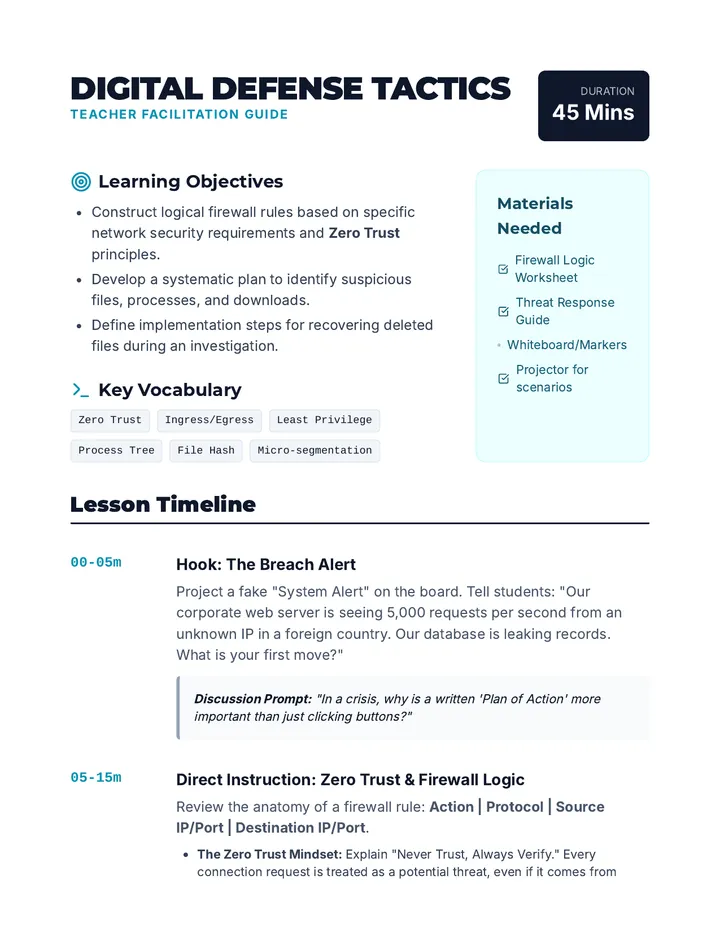
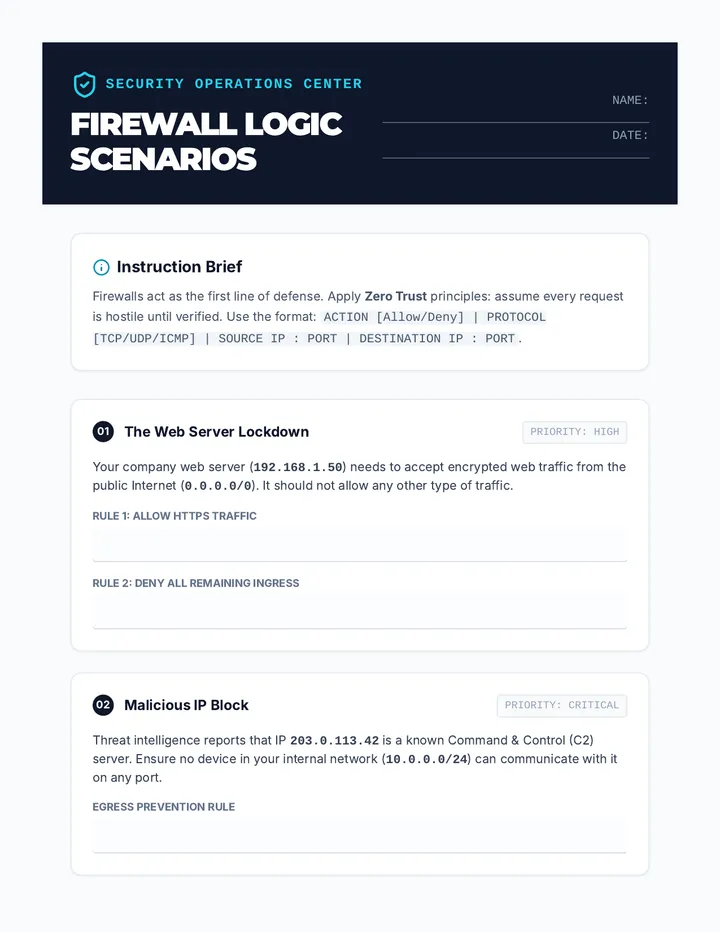
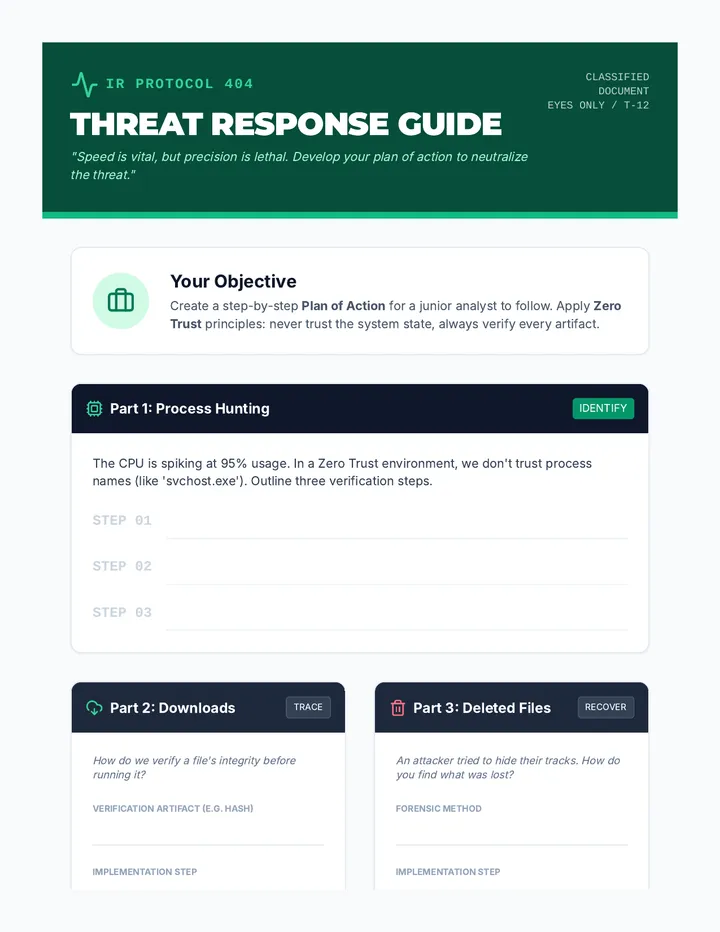
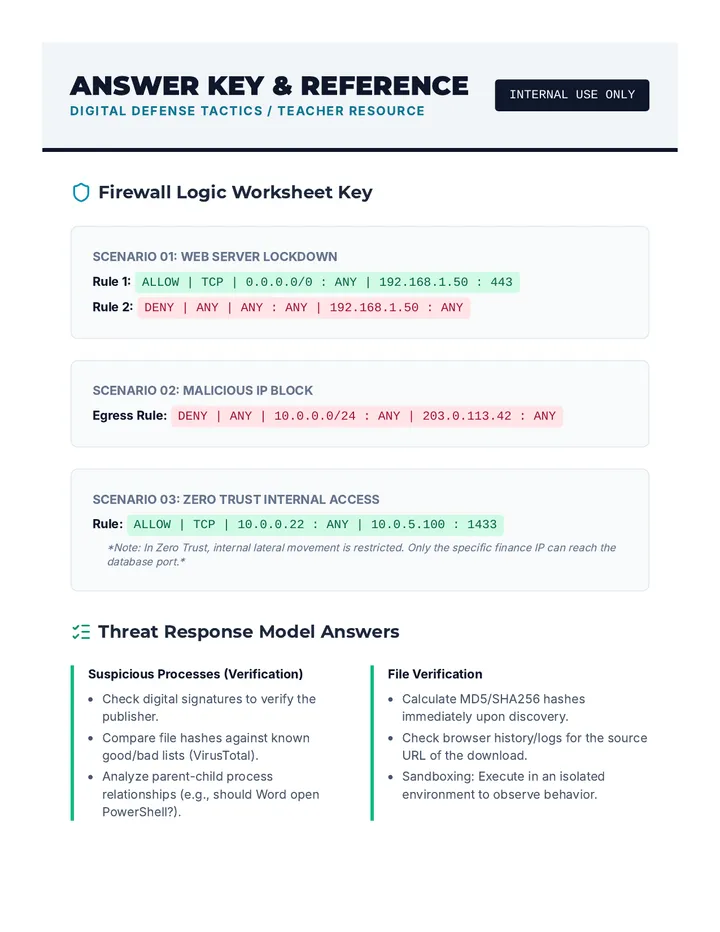
A high-stakes cybersecurity lesson where 12th graders learn to defend networks by configuring firewall rules and investigating suspicious system activity. Students develop action plans for identifying malicious files and processes in a simulated incident response scenario.
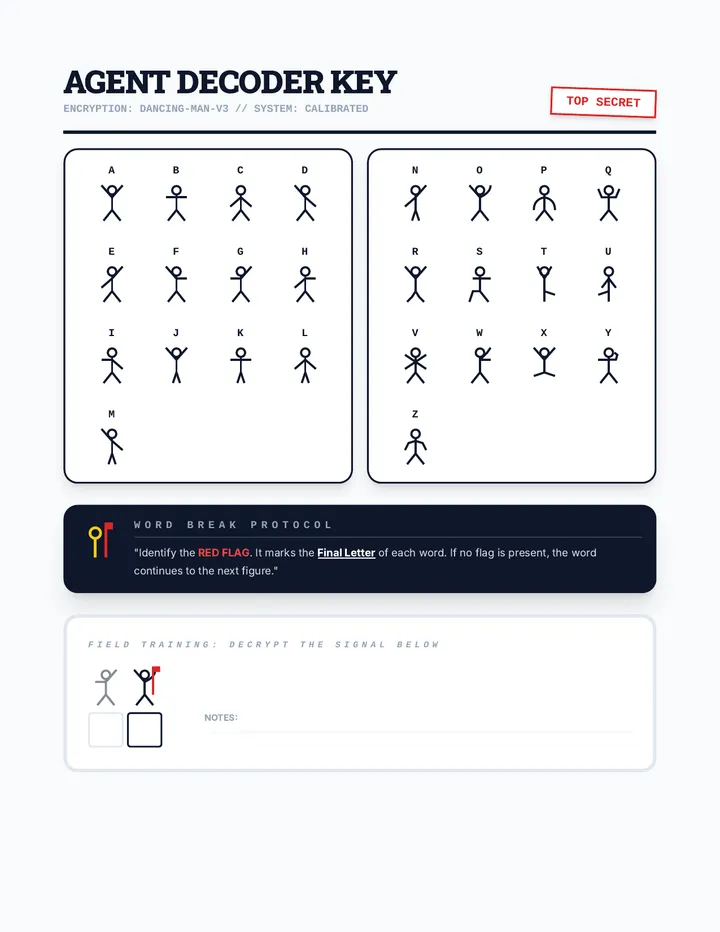
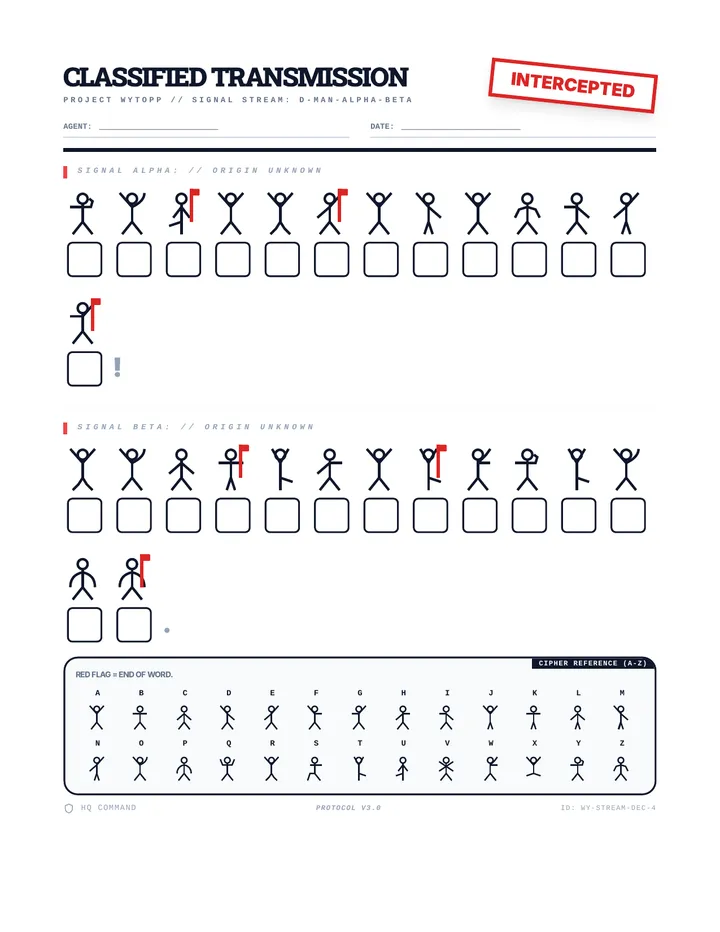
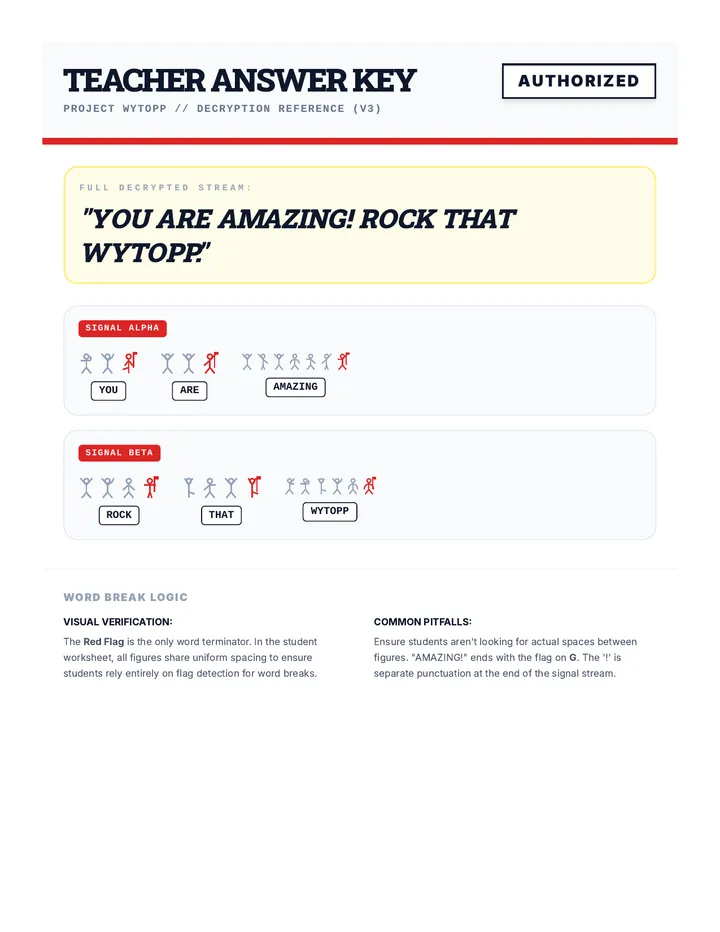
A high-energy lesson on cryptography and the history of the Enigma machine, designed to motivate students before the WYTOPP state assessment. Students learn about substitution ciphers and decode a secret message of encouragement.
A comprehensive capstone assessment covering CompTIA A+ Core 1 (220-1101) and Core 2 (220-1102) domains, including multiple-choice questions and performance-based scenarios.
An introductory lesson on cybersecurity threats, focusing on identifying and defending against malware, phishing, and social engineering through interactive scenarios and group analysis.
An introductory exploration of cybersecurity fundamentals for middle and high school students, covering the CIA triad, common threats, and defensive strategies through hands-on projects and conceptual mapping.
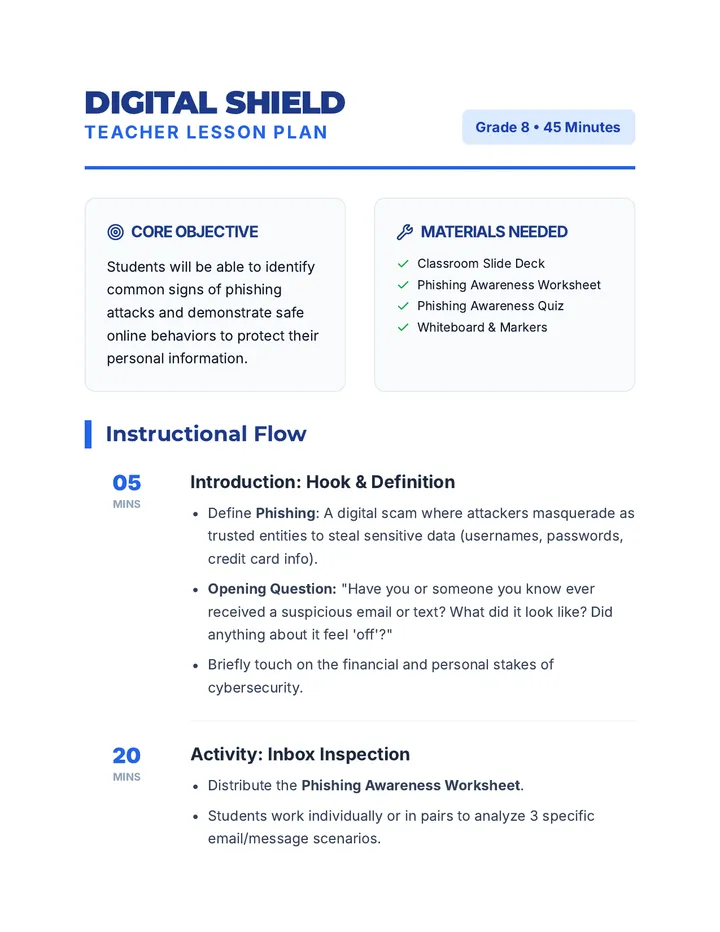
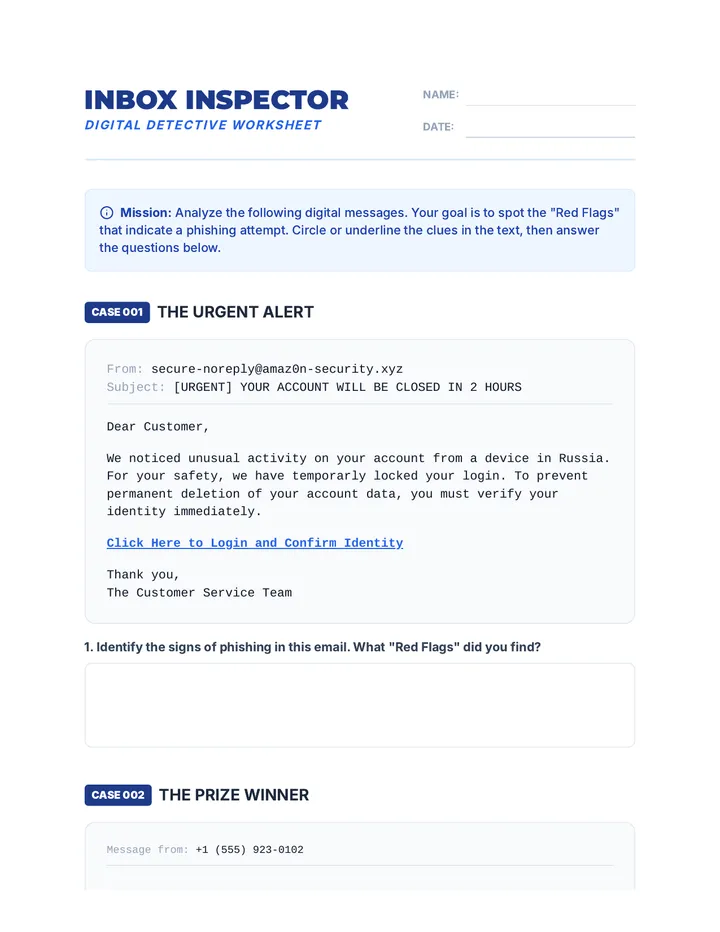
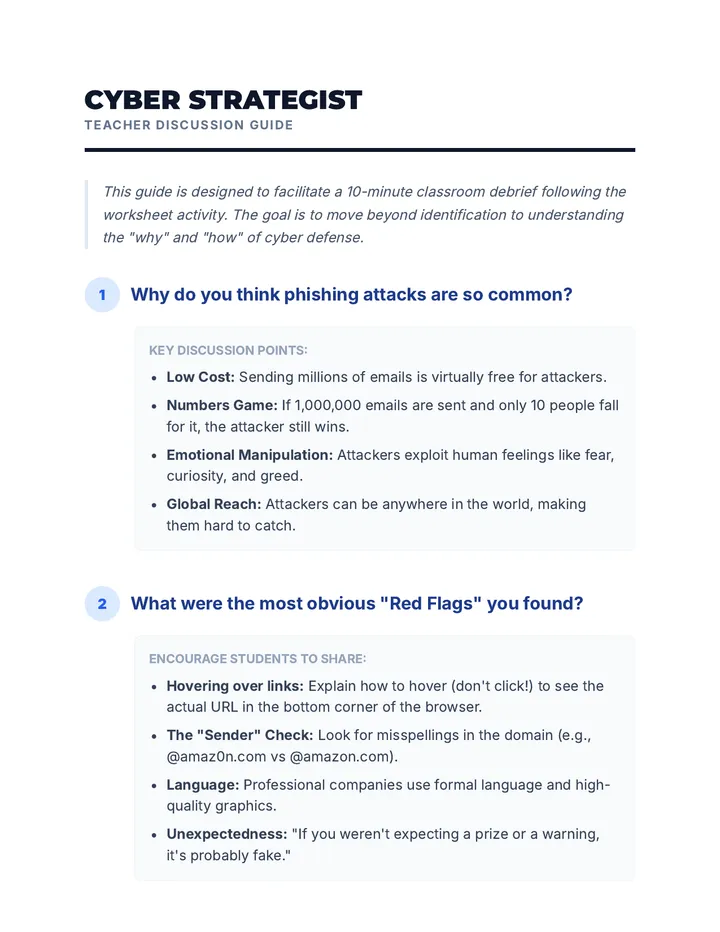
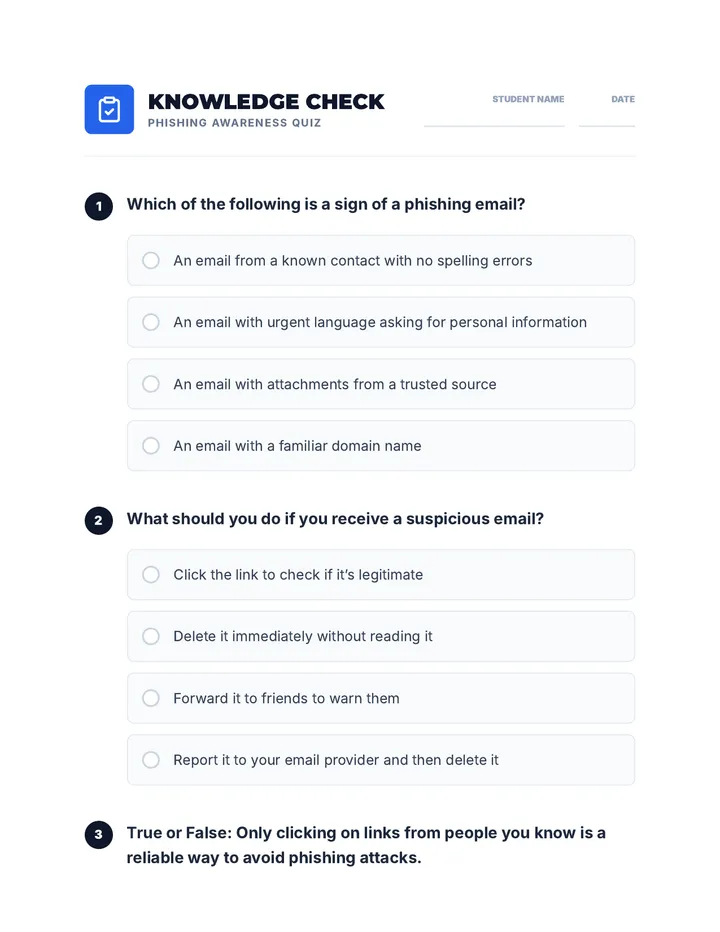
A Grade 8 lesson designed to educate students on recognizing and avoiding phishing attacks through interactive activities and analysis of real-world examples.
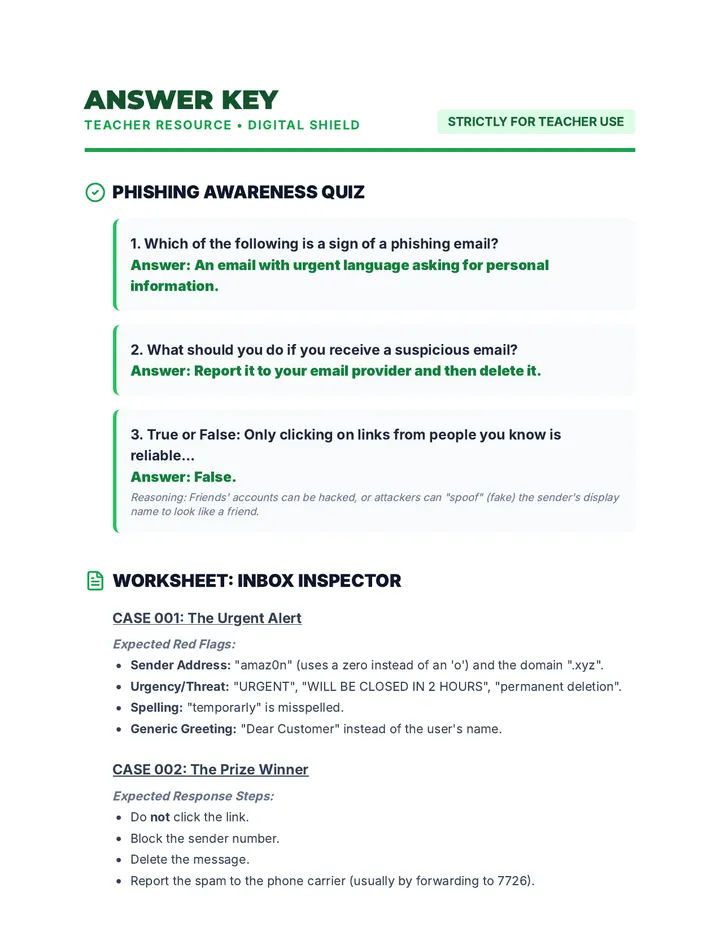
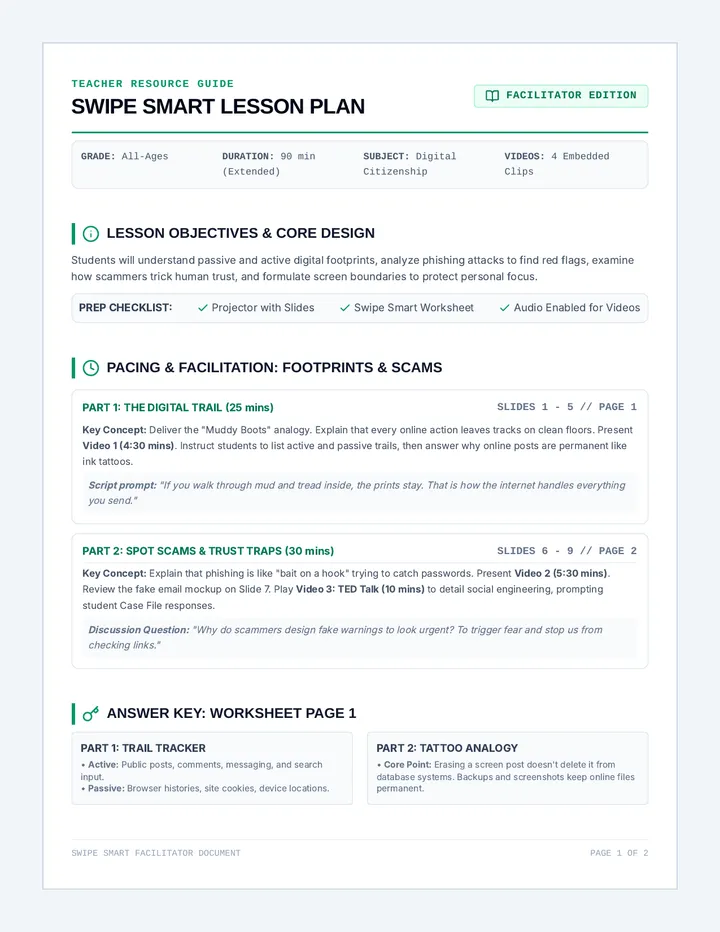
A comprehensive online safety curriculum combining key digital citizenship concepts: managing digital footprints, identifying online scams and phishing, and establishing healthy screen time habits.
A comprehensive set of materials to introduce high school students to the diverse competitive events offered by Business Professionals of America (BPA). Includes a visual flyer and a detailed event directory.