Urban Sprout Lesson Plan Urban Botany Series
Sprouting in the City
Hands-On Plant Propagation & Recycled Planter Design
GRADE LEVEL
Grades 4 - 8
DURATION
60 - 90 Minutes
SUBJECT
Life Sci & STEM
MAKER SKILLS
Upcycling / Design
Essential Questions
How do plants propagate and thrive in highly developed, urban concrete environments?
How can we apply engineering principles to create self-sustaining, recycled plant containers?
Learning Objectives
Identify: Explain urban ecology challenges and how certain plants propagate vegetatively.Engineer: Build a custom self-watering planter using upcycled household plastics.
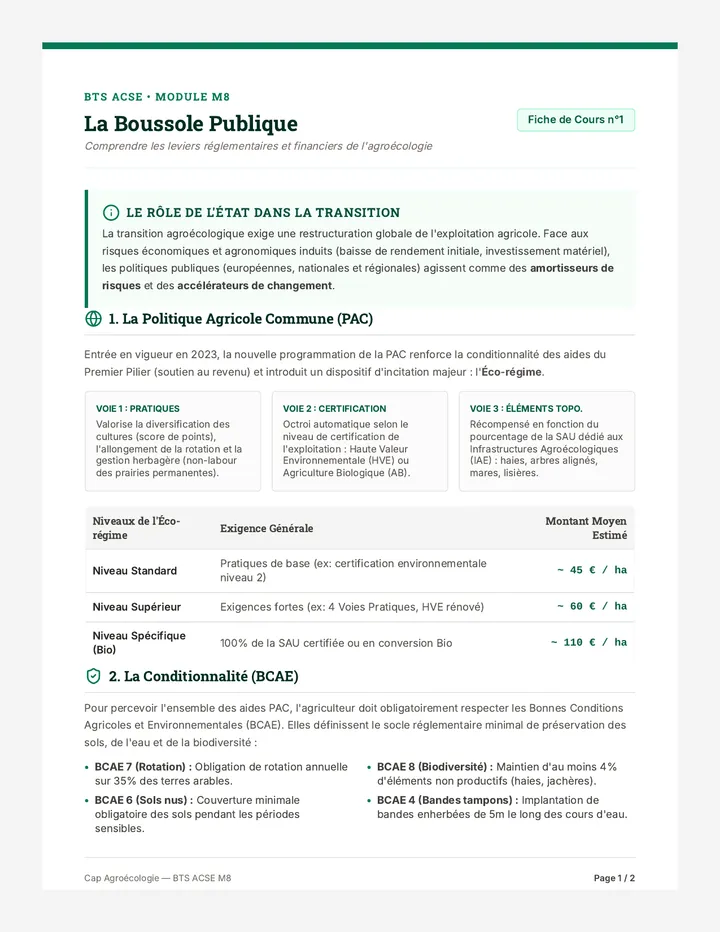
REQUIRED WORKSHOP MATERIALS
Pothos or Mint stems (cuttings)
Clean 2-Liter plastic bottles
Cotton yarn/twine (wicking)
Potting soil & perlite mix
Child-safe scissors & tape
Water spray bottles
Pacing & Instructional Steps
1
The Concrete Jungle Hook (15 Minutes)
Begin by asking: "Where do plants grow in cities when there is no soil?" Discuss sidewalks, wall cracks, and roof spaces. Introduce the concepts of urban heat islands and limited root networks. Present a real pothos cutting and ask students if a plant can live without its parent roots. Define propagation (reproducing plants non-sexually from stems, leaves, or roots).
2
Anatomy of a Cutting (20 Minutes)
Demonstrate how to locate the node (the swollen bump where a leaf meets the stem). Explain that active cell division (auxins) concentrated here creates new roots. Distribute plant stems. Guide students to identify their plant's nodes and carefully cut 0.5 inches below a node at a 45-degree angle to maximize surface area for hydration.
Lesson Plan: Sprouting in the City Page 1 of 2
Teacher Facilitation Guide
Engineering & Summer Care Phase
3
Designing the Recycled Wicking Planter (35 Minutes)
Introduce the engineering challenge: create a zero-energy self-watering planter that keeps the cutting damp while students travel for summer break.Wicking Principle: Capillary action draws water upward through yarn, feeding the soil continuously.Build Guide: Cut bottles in half. Invert the top bottle portion (funnel) into the bottom portion. Thread a thick cotton yarn string through the bottleneck so it hangs down into the bottom water reservoir and reaches the soil up top. Fill soil around the string, insert cutting, and fill water below.
4
The Summer Sprout Protocol (10 Minutes)
Distribute the Summer Sprout Journal . Guide students in setting growth predictions and marking water lines on their planters. Discuss the placement of planters at home: they need bright, indirect sunlight (direct hot sun cooks roots, while shadows yield mold).
MISCONCEPTION ALERT
Students often believe plants only grow from seeds. Explicitly point out that vegetative cloning allows identical traits to grow immediately without flower pollination, skipping fragile early seedling stages entirely.
DIFFERENTIATION STRATEGIES
Support: Provide pre-cut yarn strings and bottles. Use thick markers for bottle line markings.Extend: Challenge advanced students to formulate a substrate experiment (e.g., test perlite mix vs. pure sand vs. local urban soil).
FORMATIVE ASSESSMENT RUBRIC
Criteria Exceptional (3) Satisfactory (2) Developing (1) Node Identification Correctly isolates the propagation node and cuts perfectly below it. Locates nodes with teacher help; clean cut made. Struggles to identify node; cuts main leaves directly. Planter Engineering Wicking yarn is positioned securely; planter has no water leaks. Wicking yarn is functional but loose; holds water. Yarn misses soil layer or fails to wick water.
Lesson Plan: Sprouting in the City Page 2 of 2
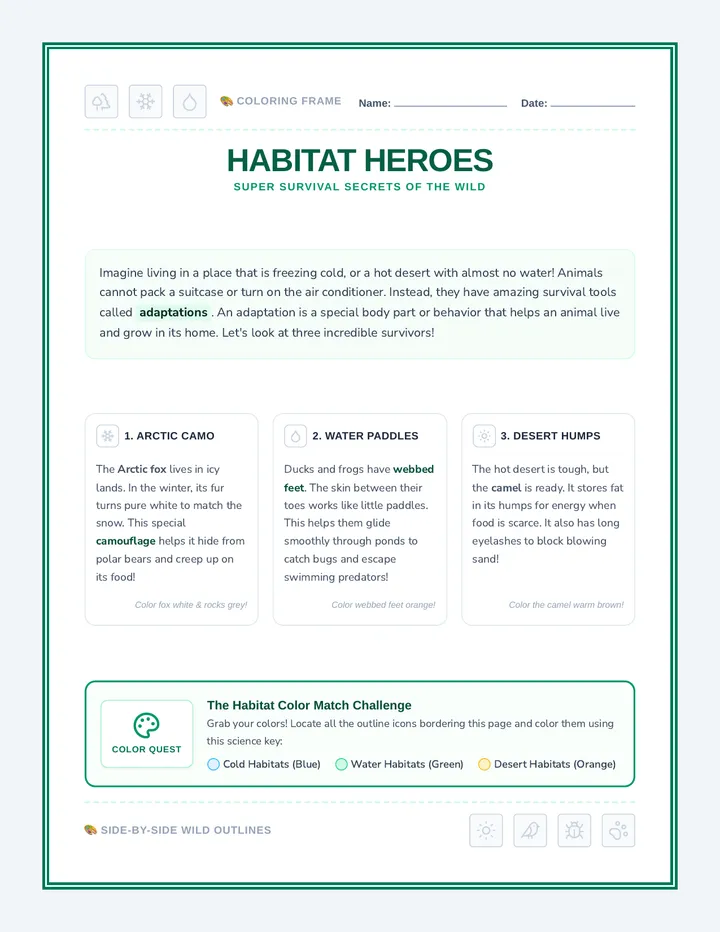
Sprouting City Slides Active Ecology Workshop
Concrete Jungle
Sprouts & Propagators
Discover how plants conquer urban cities and design your own sustainable, upcycled self-watering planter.
Sprouting in the City Series
Slide 1 of 5
Botany Basics
Clones From Cuttings: Meet the Node
What is Propagation?
Vegetative propagation allows a new plant to grow from a small parent piece—without seeds or pollination!
The Magic Node
The node is the bump where roots shoot out. Cellular growth hormones called auxins are concentrated right there!
Finding Your Node
Look for the tiny joint where the leaf meets the central stem. That's your cutting target! Cut exactly 0.5 inches below that node.
Unit 1: Plant Adaptation & Engineering Slide 2 of 5
Urban Ecology
Life in the Concrete Jungle
Urban Heat
Pavement absorbs sun, making cities much hotter than forests. Water dries up in hours instead of days.
HEAT ISLAND EFFECT
No Dirt, No Water
Asphalt blocks groundwater. Roots must squeeze into tiny brick cracks and utilize heavy runoff.
IMPERVIOUS SURFACES
Super Survivors
Plants like Pothos, Ivy, and Dandelions evolve massive root suction and tough foliage to survive.
URBAN ADAPTATION
Unit 1: Plant Adaptation & Engineering Slide 3 of 5
STEM Engineering Challenge
The Upcycled Wicking Planter
1
Halve the Bottle
Carefully cut your clean 2-liter bottle in half. The top part becomes the plant cup; the bottom is the reservoir.
2
Thread the Wicking String
Run cotton yarn through the neck of the bottle so it hangs deep down into the water compartment below.
3
Add Soil & Insert Cutting
Fill the top with soil around your wicking string. Gently plant your node-ready cutting into the damp soil.
Capillary Action!
How does the water climb? Tiny spaces in the cotton yarn pull water molecules upward against gravity (adhesion + cohesion).
🌱 Result: A self-feeding ecosystem that keeps soil hydrated for up to 3 weeks!
Unit 1: Plant Adaptation & Engineering Slide 4 of 5
Summer Care Plan
Keep Your Sprout Alive!
Goldilocks Environment Rules
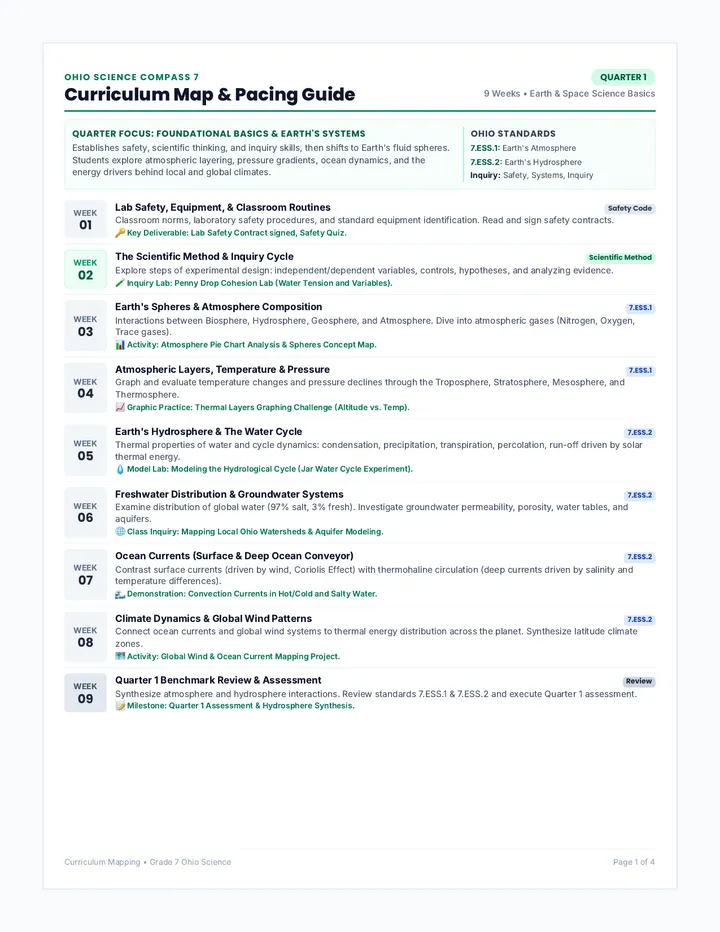
Planter Blueprint Activity STEM Maker Challenge
Planter Blueprint Activity
Student Name
Date
The Challenge Brief
Construct an upcycled wicking planter from a plastic bottle to sustain your botanical cutting during hot summer days. Draw your engineered assembly blueprint below before cutting and assembly!
Part 1: Your Engineering Sketch
Label: Soil, Reservoir, String, Node, Cutting
Draw Your Planter Blueprint Here
SYSTEM INPUTS
1. Material of Wicking String:
2. Plant Species Name:
3. Starting Reservoir Volume (mL):
HYPOTHESIS BUILDER
If the volume of water is ________ mL and we place our planter in a window with ____________ light, then our sprout cutting will grow its first root branch in ________ days because...
PART 2: URBAN BOTANY ALIGNMENT
Match each scientific term to its role in your new wicking planter. Write the correct letter in the box provided.
1. Propagation Node
2. Capillary Action
3. Transpiration
A. The physical force pulling water up through the wicking string thread.
B. The exit point where moisture evaporates from leaves, driving upward pull.
C. The hormonal zone on the plant cutting that will trigger root development.
Sprouting in the City Activity Sheet Challenge #1
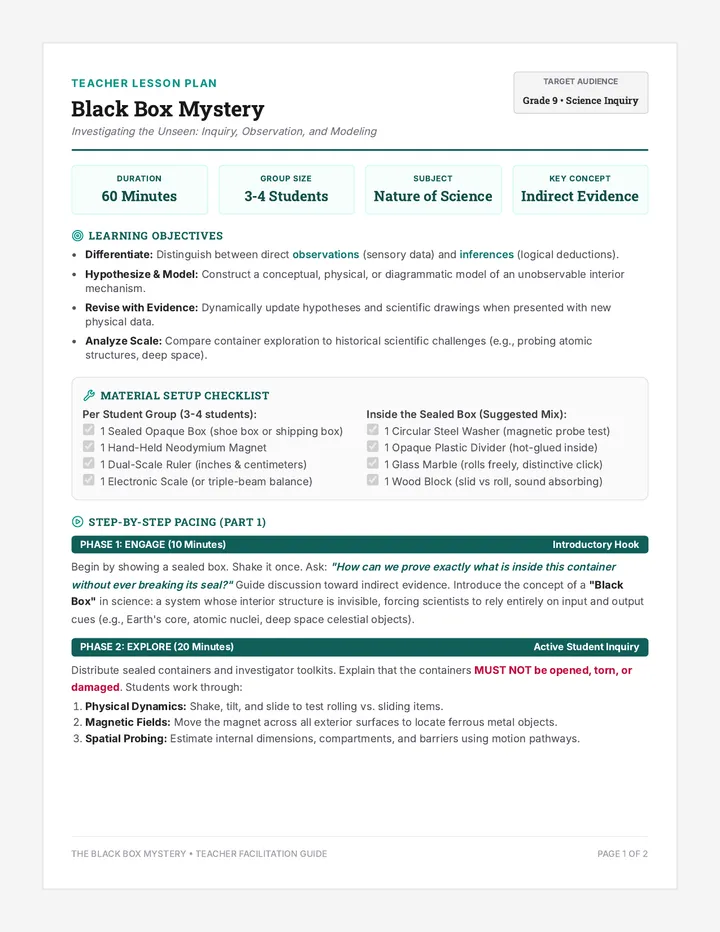
Summer Sprout Journal Observation Log
Summer Sprout Journal
Urban Botany & Propagation Monitoring Program
Botanist Name
Plant Nickname
Start Date
Species (e.g., Pothos, Mint, Coleus)
Day 1 Setup Portrait
Draw your planter assembly, the cutting, and current water line.
Starting Metrics
Initial Stem Height: ________________________ cm
Initial Leaf Count: ________________________ leaves
Root Status: 🌱 No roots visible yet
Window Orientation: (e.g., North, South, East, West)
SUMMER PREDICTION
How many weeks do you think it will take for your cutting to grow a root that is longer than 5 cm?
Summer Sprout Journal Page 1 of 2
Botanical Tracker
Weekly Summer Growth Ledger
Record your observations once every week. Measure stem length, count the leaves, note whether root tips are visible, and sketch your plant's progress.
WEEK 1 Date: ________
Root/Leaf sketch
Height (cm)
Leaf Count
Roots Seen?
Yes No
Reservoir Fill
WEEK 2 Date: ________
Root/Leaf sketch
Height (cm)
Leaf Count
Roots Seen?
Yes No
Reservoir Fill
WEEK 3 Date: ________
Root/Leaf sketch
Height (cm)
Leaf Count
Roots Seen?
Yes No
Reservoir Fill
WEEK 4 Date: ________
Root/Leaf sketch
Height (cm)
Leaf Count
Roots Seen?
Yes No
Reservoir Fill
Summer Sprout Journal Page 2 of 2