Five Senses Slides Kindergarten Science
👀 👂 👃 👅 ✋
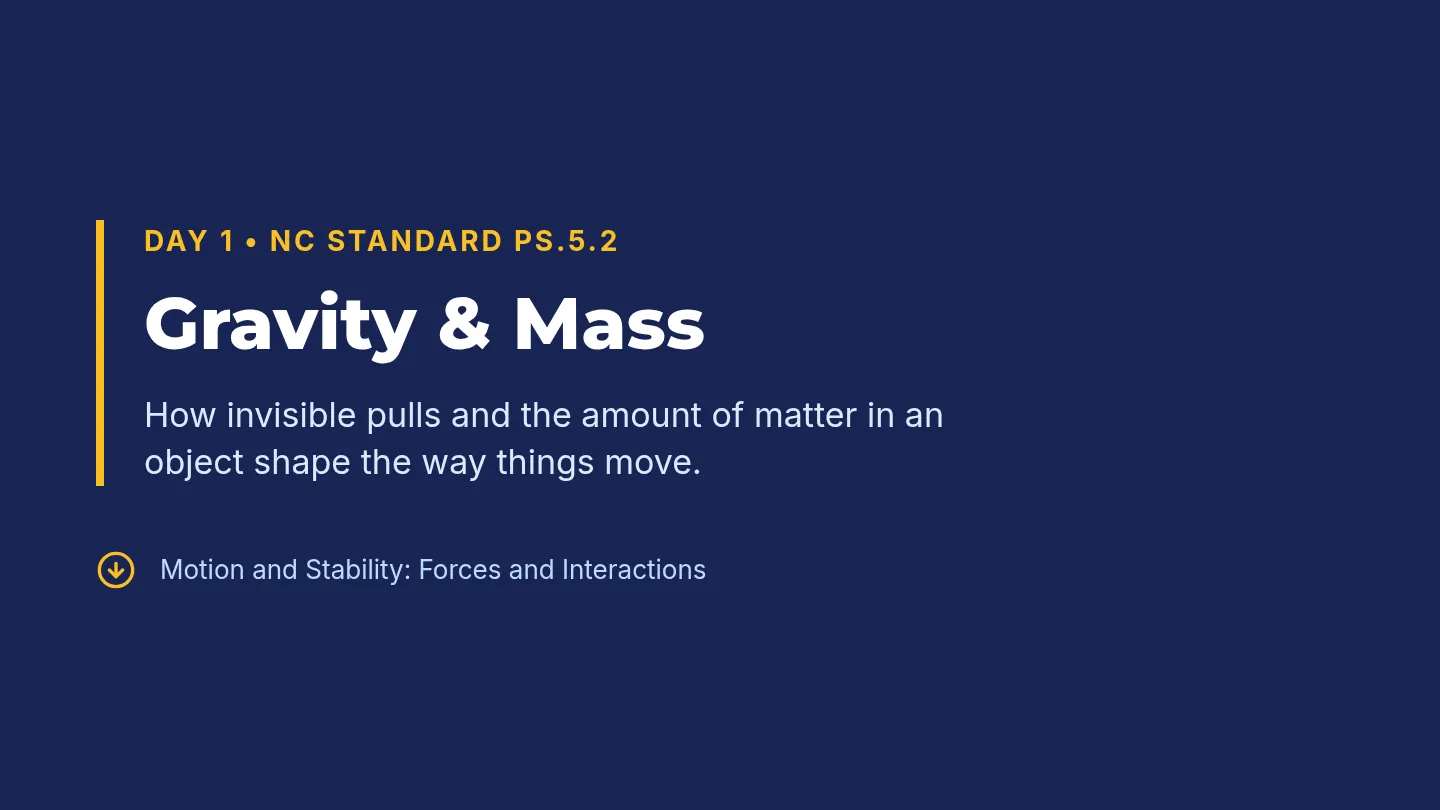
Our Five Senses
How do we explore and describe the world around us?
Sight Hearing Smell Taste Touch
Sense 1 of 5 👀 Eyes
👀 Sight
We use our eyes to see!
Sight helps us notice colors, shapes, sizes, and light.
Sensory Words:
bright colorful tiny round shiny
💬 Turn & Talk: Look around the room. What is something bright or round you see?
Sense 2 of 5 👂 Ears
👂 Hearing
We use our ears to hear!
Hearing helps us listen to music, voices, animals, and warnings.
Sensory Words:
loud quiet buzzing crisp high
💬 Listen Closely: Close your eyes for 5 seconds. What quiet sound can you hear?
Sense 3 of 5 👃 Nose
👃 Smell
We use our nose to smell!
Smell helps us enjoy flowers and food—and warns us of smoke or spoiled milk.
Sensory Words:
fresh sweet stinky minty smoky
💬 Share with a Partner: What is your favorite sweet or fresh smell?
Sense 4 of 5 👅 Tongue
👅 Taste
We use our tongue to taste!
Tiny taste buds on our tongue tell us what flavors are in our food.
Sensory Words:
sweet sour salty spicy juicy
💬 Imagine It: If you bite into a yellow lemon 🍋, what taste word describes it?
Sense 5 of 5 ✋ Hands & Skin
✋ Touch
We use our skin to touch!
Touch helps us feel texture and temperature—like fuzzy pets or cold ice.
Sensory Words:
soft bumpy smooth cold fuzzy
💬 Touch Test: Feel your shirt or desk right now. Is it smooth, soft, or hard?
Class Practice
Which Sense Would You Use?
🌈
A colorful rainbow
Which sense? What word describes it?
🥁
A beating drum
Which sense? What word describes it?
🍕
Hot cheese pizza
Can we use MORE than one sense?
🧸
A fluffy teddy bear
Which sense? What word describes it?
🌟 Big Idea: Scientists often use more than one sense to observe an object!
Time to Explore!
You Are a Sense Explorer!
👀
Sight
Eyes
👂
Hearing
Ears
👃
Smell
Nose
👅
Taste
Tongue
✋
Touch
Skin
Next: Let’s sort sensory clues on our worksheet and investigate the Mystery Bag! 🔍
Sensory Sort Worksheet Kindergarten Science • Five Senses
Sensory Sort
👀 👂 👃 👅 ✋
Name:
Date:
1. Match the Sense
Draw a line from each picture to the sense you use first to explore it.
🌈 Rainbow
🥁 Drum
🌸 Flower
🍋 Lemon
🧸 Teddy Bear
👃 Smell
✋ Touch
👀 Sight
👂 Hearing
👅 Taste
2. Circle the Sense
Look at each clue. Circle the sense you would use!
🧊 You feel cold ice in your hand.
👀 Sight ✋ Touch 👂 Hearing
🍪 You smell warm cookies baking.
👃 Smell 👂 Hearing ✋ Touch
🐦 You hear a bird chirping outside.
👅 Taste 👃 Smell 👂 Hearing
Turn to Page 2 →
Part 3 • Observe and Describe
Draw & Use Sensory Words
🖍️
Sensory Word Bank (Pick words to describe your drawings!):
sweet sour salty crunchy soft bumpy smooth cold bright loud
A. Draw a favorite snack! Circle the sense you use:
👅 Taste 👃 Smell 👀 Sight
It tastes or smells:
B. Draw something you can touch in our classroom!
✋ Touch 👀 Sight
It feels:
🌟 Great job exploring your five senses! Page 2 of 2
Mystery Bag Activity Hands-On Exploration • Sense Detectives
Mystery Bag Investigation
🛍️🔍
Name:
Date:
Directions: Use your hands, ears, and nose to investigate each Mystery Bag (no peeking!). Circle your clues and draw your guess.
Mystery Bag #1
Senses I used: ✋ Touch 👂 Hearing 👃 Smell
Circle words that describe what you notice:
soft hard bumpy smooth loud quiet sweet fresh
Draw your guess:
I think it is:
Mystery Bag #2
Senses I used: ✋ Touch 👂 Hearing 👃 Smell
Circle words that describe what you notice:
soft hard bumpy smooth loud quiet sweet fresh
Draw your guess:
I think it is:
👀 Now peek inside! Did your senses help you guess right?
Sense Explorers Teacher Guide Teacher Guide • Kindergarten Science
Sense Explorers: Lesson Plan
Time: 40 Minutes
Grouping: Whole Group + Partners
Learning Objectives
Name the Senses: Identify sight, hearing, smell, taste, and touch and match each to its body part.Observe & Describe: Use sensory words (e.g., bright, loud, sweet, bumpy ) to describe familiar objects.
Materials & Prep
Five Senses Slides (projected)Sensory Sort Worksheet (1 per student)Mystery Bag Activity (1 per student/pair)2 Mystery Bags: Opaque paper bags prepped using the Page 3 Setup & Item Bank
40-Minute Instructional Flow
1. Hook: Five Senses Freeze (5 min) Slide 1
Ask students to point to their eyes, ears, nose, tongue, and hands as you name them. Explain: “Scientists use five special tools built right into our bodies—our five senses—to explore the world!”
2. Interactive Mini-Lesson (12 min) Slides 2–7
Walk through each sense slide. Have students repeat the sense name and practice 2–3 sensory words aloud. Pause at the bottom Turn & Talk prompt on each slide (e.g., closing eyes for 5 seconds on Slide 3 to notice quiet classroom sounds). On Slide 7, emphasize that we often use more than one sense at a time (e.g., pizza: sight, smell, taste, touch).
3. Hands-On: Mystery Bag Investigation (12 min) Activity Sheet
Pass out the Mystery Bag Activity sheet. Remind students: “No peeking! Only use touch, hearing, and smell.” Pass bags around or set up stations. Students circle the senses used, circle describing words, draw their guess, and dictate/write what they think is inside before the big reveal!
4. Independent Practice: Sensory Sort (8 min) Worksheet
Students complete Page 1 (matching and circling senses) and Page 2 (drawing a favorite snack and a classroom object, then choosing a word from the Sensory Word Bank). Circulate to scribe words for emerging writers.
5. Wrap-Up & Share-Out (3 min) Slide 8
Invite 2–3 volunteers to share their Page 2 drawing and sensory word using the sentence frame: “I used my ___ to notice that it is ___.”
Teacher Guide • Page 1 of 3
Teacher Support & Answer Key
Differentiation & Answers
📋
Differentiation & Language Supports
Emerging Writers
Allow students to point to or trace words in the Sensory Word Bank, or dictate their describing word to an adult to write on the line.
Multilingual Learners
Pair each sense word with a gesture (pointing to eyes, cupping ear) and encourage students to share sensory words in their home language too.
Ready for More
Challenge early finishers to name two different senses and two sensory words for their Page 2 drawings (e.g., “sweet and crunchy”).
Key Misconceptions & Safety Notes
Touch is everywhere: Students often think only fingers can touch. Remind them that skin all over our body feels temperature and texture!Safety rule: Explicitly teach that we never taste science materials or mystery objects unless a trusted adult says it is safe food.
Answer Key: Sensory Sort Worksheet
Part 1: Match the Sense
🌈 Rainbow → 👀 Sight
🥁 Drum → 👂 Hearing
🌸 Flower → 👃 Smell
🍋 Lemon → 👅 Taste
🧸 Teddy Bear → ✋ Touch
Part 2: Circle the Sense
A. Cold ice in your hand → ✋ Touch B. Warm cookies baking → 👃 Smell C. Bird chirping outside → 👂 Hearing
Part 3: Observe and Describe (Sample Responses)
A. Favorite snack: Accept any snack drawing with a matching sense (e.g., Taste/Smell/Sight) and sensory word (e.g., sweet, salty, crunchy ).B. Classroom object: Accept any classroom item drawing with Touch/Sight circled and an accurate texture/appearance word (e.g., smooth, soft, bumpy, bright ).
Teacher Guide • Page 2 of 3
Hands-On Prep • Mystery Bag Activity
Mystery Bag Setup & Item Bank
🛍️
How to Set Up & Run Mystery Bags
Prep the Bags: Use 2 opaque paper lunch bags labeled #1 and #2 (or make 1 set per table group). Place one mystery item inside each bag and fold the top down twice so students cannot peek.Set the Rules: Remind students: “Keep your eyes off the inside! Use gentle hands to feel, shake gently to listen, or waft the air to smell. Never taste mystery items.” Investigate & Record: Have partners take turns exploring Bag #1, circling the senses they used and describing words on their Mystery Bag Activity sheet, then drawing and writing/dictating their guess before moving to Bag #2.The Big Reveal: Gather on the rug, invite a few guesses with evidence (“I think it’s a rock because it feels hard and smooth” ), then pull each item out!
Kindergarten-Safe Item Bank (Pick 1 per Bag)
✋
Touch Ideas
Pinecone (bumpy, rough)Cotton ball / pom-pom (soft, fuzzy)Smooth river rock (hard, smooth)Kitchen sponge (soft, squishy)Lego brick (hard, bumpy)Sandpaper square (rough)
👂
Hearing Ideas
Jingle bell (loud, shiny)Sealed plastic egg with dry rice or beans (loud, bumpy)Crinkly foil ball (loud, bumpy)Small maraca or rhythm egg (loud)Set of keys (loud, hard)
👃
Smell Ideas
Lemon or orange wedge in a vented cup (fresh, sweet)Cinnamon stick (sweet, hard)Cotton ball dabbed with vanilla or peppermint extractFresh pine sprig (fresh)Scented marker (sweet, smooth)
Prep Tip: For smell bags, poke 4–5 small holes in a plastic cup lid or paper cup so students can sniff without touching messy liquids or food items—and always check classroom allergy lists first!
Teacher Guide • Page 3 of 3