Ecosystems Unit Review Worksheet
Name:
Date:
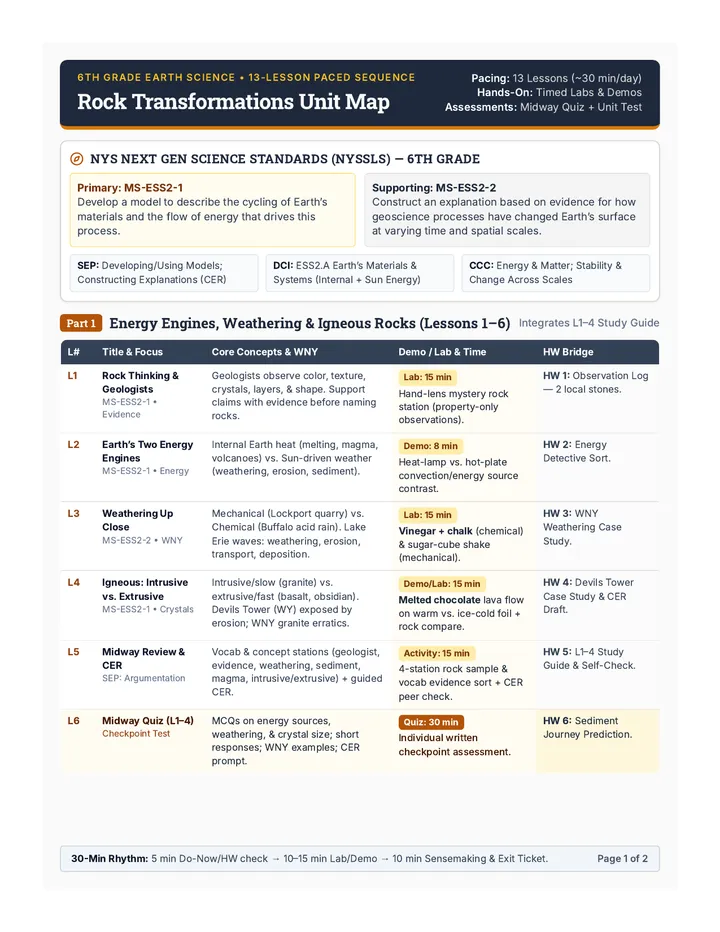
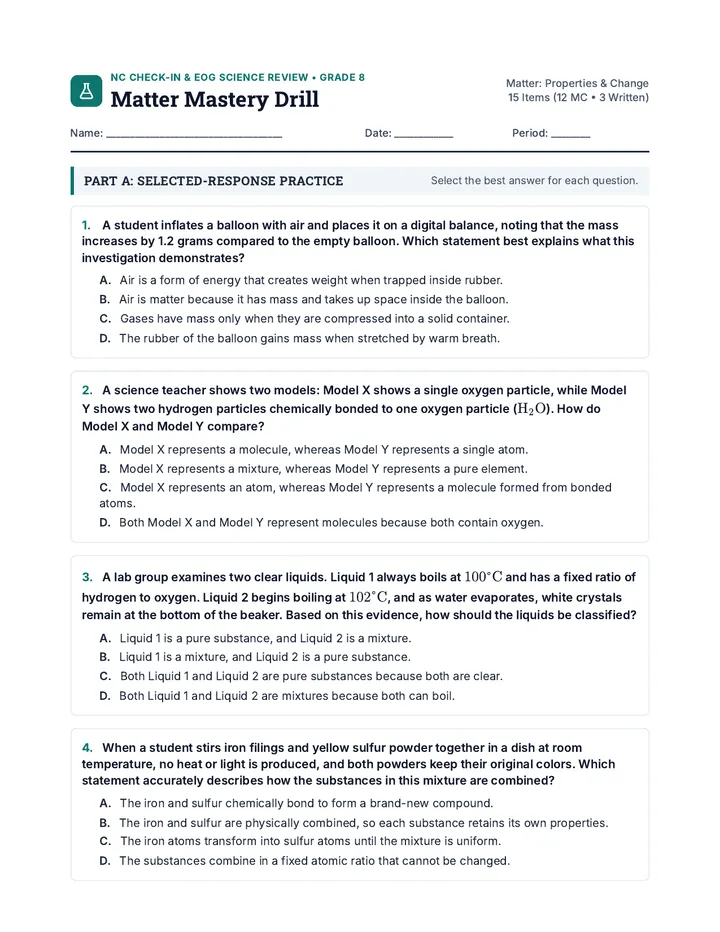
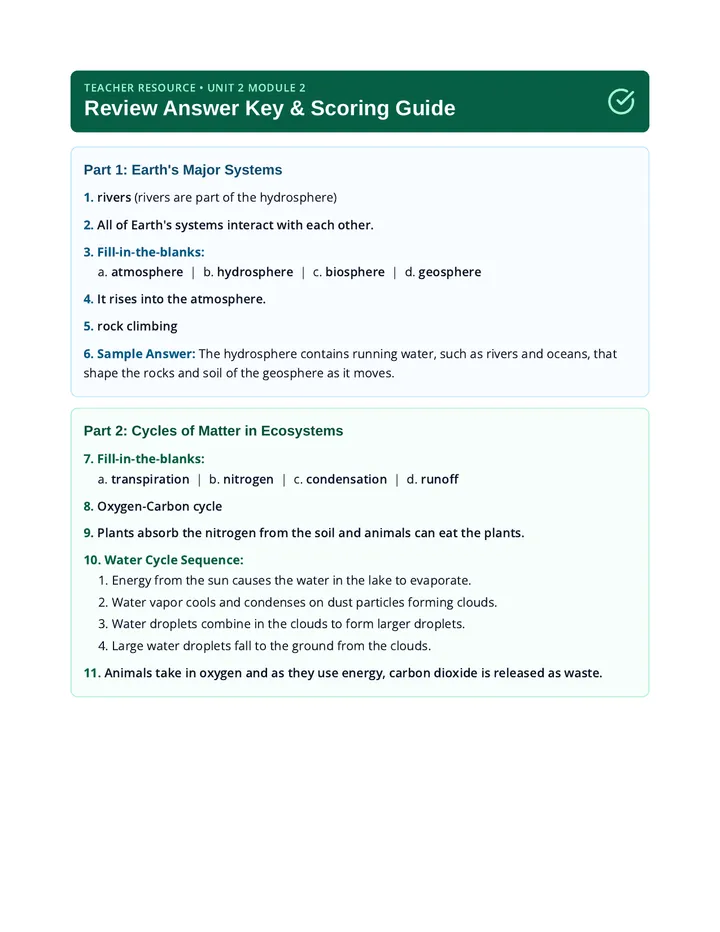
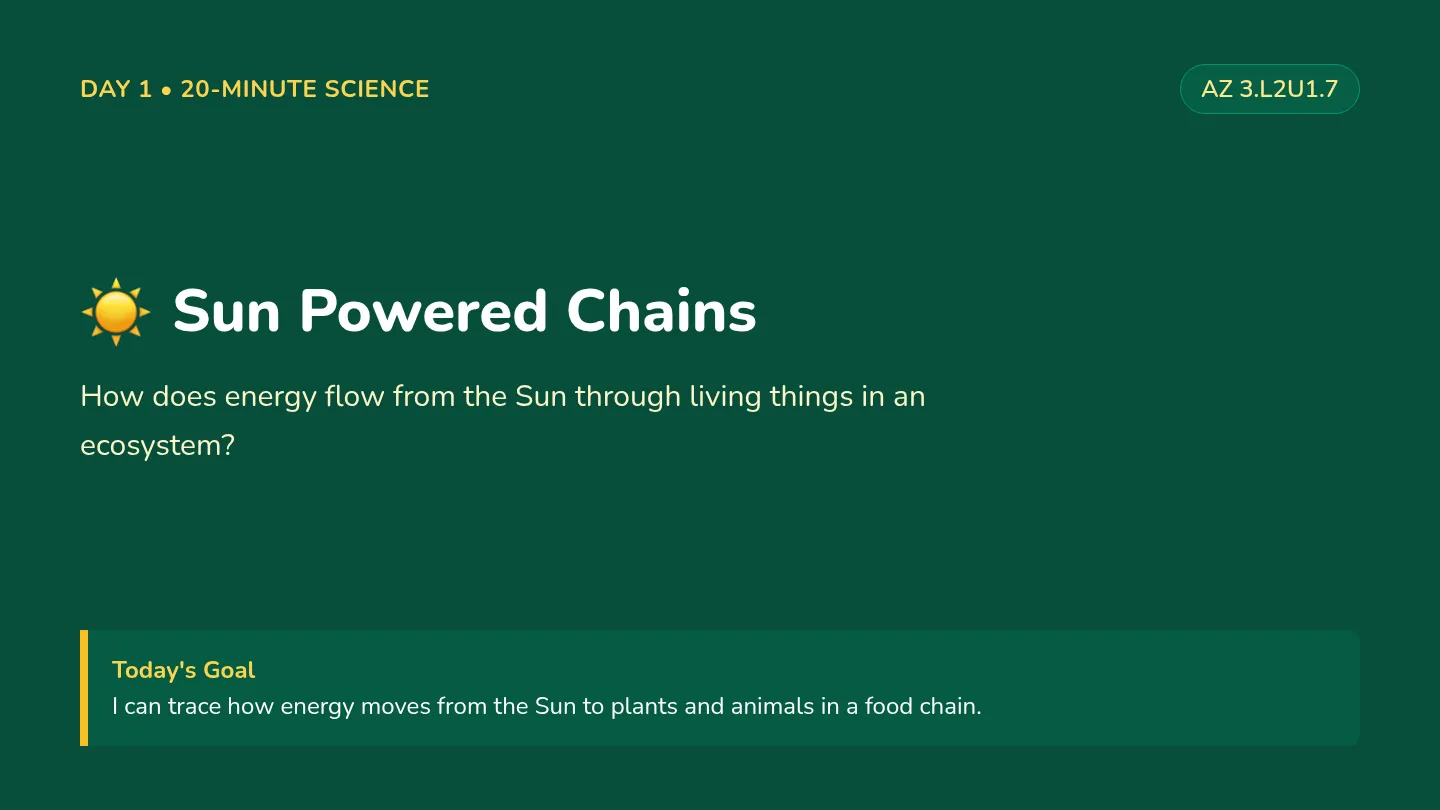
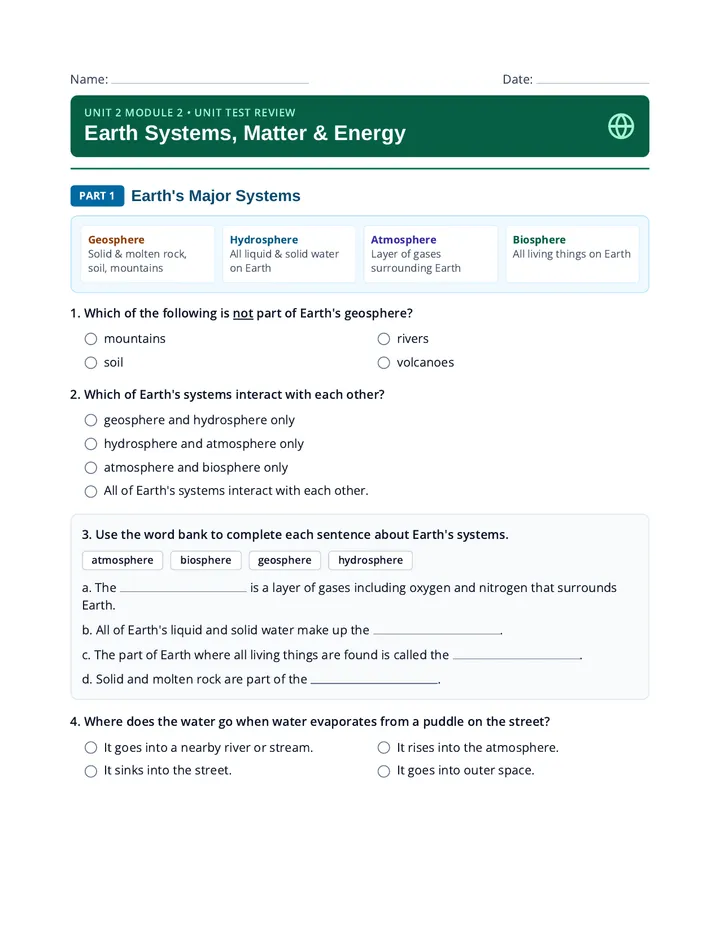
Unit 2 Module 2 • Unit Test Review
Earth Systems, Matter & Energy
PART 1
Earth's Major Systems
Geosphere
Solid & molten rock, soil, mountains
Hydrosphere
All liquid & solid water on Earth
Atmosphere
Layer of gases surrounding Earth
Biosphere
All living things on Earth
1. Which of the following is not part of Earth's geosphere?
mountains
rivers
soil
volcanoes
2. Which of Earth's systems interact with each other?
geosphere and hydrosphere only
hydrosphere and atmosphere only
atmosphere and biosphere only
All of Earth's systems interact with each other.
3. Use the word bank to complete each sentence about Earth's systems.
atmosphere biosphere geosphere hydrosphere
a. The is a layer of gases including oxygen and nitrogen that surrounds Earth.
b. All of Earth's liquid and solid water make up the .
c. The part of Earth where all living things are found is called the .
d. Solid and molten rock are part of the .
4. Where does the water go when water evaporates from a puddle on the street?
It goes into a nearby river or stream.
It rises into the atmosphere.
It sinks into the street.
It goes into outer space.
5. Which of these would you be doing if you are interacting with the geosphere?
rock climbing
riding in an airplane
swimming
sailing
6. How does the hydrosphere interact with the geosphere? Give a specific example.
PART 2
Cycles of Matter in Ecosystems
7. Use the word bank to fill in the blanks about cycles of matter.
condensation nitrogen runoff transpiration
a. Water evaporates from the leaves of a plant and returns to the atmosphere in a process called .
b. The cycle is a continuous circulation between the soil, organisms, and air.
c. Water vapor gas changing back into a liquid in the water cycle is called .
d. Rainwater that flows over Earth's surface and gathers in lakes and rivers is called .
8. All living things use energy and release gas as a waste product. What cycle explains the circulation of these gases?
Water cycle
Oxygen-Carbon cycle
Nitrogen cycle
9. How do animals get nitrogen that is stored in the soil?
Animals do not take in the nitrogen stored in the soil.
Bacteria change the nitrogen into a gas that the animals breathe.
Plants absorb the nitrogen from the soil and animals can eat the plants.
The animals eat the soil and absorb the nitrogen through their digestive system.
10. James is observing a lake. Place the stages of the water cycle in order (1–4), starting with the water in the lake.
- Large water droplets fall to the ground from the clouds.
- Water vapor cools and condenses on dust particles forming clouds.
- Energy from the sun causes the water in the lake to evaporate.
- Water droplets combine in the clouds to form larger droplets.
11. Green plants use sunlight, water, and carbon dioxide to make food and release oxygen. How do animals complete the oxygen-carbon cycle?
Animals take in oxygen, but do not release gas as they use energy.
Animals take in carbon dioxide and use it to make food.
Animals take in oxygen and release nitrogen as waste.
Animals take in oxygen and as they use energy, carbon dioxide is released as waste.
PART 3
Energy Transfer in Ecosystems
12. Use the word bank to complete each sentence about energy in ecosystems.
consumer food chain food web Sun
a. The source of all energy in a food chain is the .
b. A models how energy is transferred in an ecosystem.
c. A model of how food chains are connected (showing relationships among all species) is called a .
d. A eats other organisms for energy.
13. Which are necessary for plants to produce energy? Select all that apply.
sunlight
sugar
carbon dioxide
water
14. How do producers affect an entire ecosystem?
15. Jonathan created this model of organisms that live in the ocean.

a. Describe what the arrows in the model represent.
b. Identify the original source of energy for the killer whale.
c. Explain how living things get energy and why they need it.