Lenny.com
Explore
Create
ActivitiesNewMathEnglish Language ArtsScience & EngineeringSocial StudiesGlobal LanguagesHealth & Physical EducationSpecial EducationCounseling & Life SkillsArts & CreativityESL
Lenny.com
Lenny.com
Explore
Create
ActivitiesNewMathEnglish Language ArtsScience & EngineeringSocial StudiesGlobal LanguagesHealth & Physical EducationSpecial EducationCounseling & Life SkillsArts & CreativityESL
Lenny.com
Science & EngineeringLife ScienceLiving ThingsAnimalsPlantsBody SystemsTraitsAdaptationsCellsEcosystemsHeredityGenes to TraitsCell DivisionPhysicsComparing MaterialsShapes and PropertiesMagnetsMagnetismLightSoundLight and SoundMatterStates of MatterChanges of StateMixturesPhysical and Chemical ChangeHeating and CoolingHeat and Thermal EnergyEnergyForce and MotionElectrical CircuitsAtoms and MoleculesPeriodic TableMotion in One DimensionMotion in Two DimensionsScalars and VectorsForces and Laws of MotionCircular Motion and GravityMomentum and ImpulseWork, Energy, and PowerWavesElectromagnetic WavesGeometric OpticsElectricity and MagnetismSimple Harmonic MotionThermodynamicsNuclear PhysicsEarth Science & AstronomyWeatherWater CycleRocks and MineralsFossilsEarth's FeaturesEarth's ResourcesEarth's StructureWeather and ClimateEarth EventsFossils and Geologic TimePlate TectonicsHuman ImpactsAstronomyChemistryUnits and MeasurementAtomic StructurePeriodic TrendsChemical BondingNomenclatureMolecular StructureIntermolecular ForcesThe MoleStoichiometryProperties of GasesSolutionsChemical ReactionsBalancing EquationsEnergy ChangesRates of ReactionsEquilibriumAcids and BasesQuantum ModelBiologyClassificationCell StructureThe Chemistry of LifeBiomoleculesCellular TransportCell EnergyCell Growth and DivisionDNAProtein SynthesisMeiosis and Sexual ReproductionPatterns of InheritanceMulticellular OrganismsEvolutionEcologyBiodiversityComputer ScienceAlgorithms and Computational ThinkingProgramming LanguagesComputing SystemsNetworks and InternetData AnalysisCybersecurityAI and Machine LearningSoftware Design and DevelopmentBlockchainEngineering & AIDesigning ExperimentsEngineering PracticesDesign ThinkingEngineering Design ProcessMechanical EngineeringElectrical EngineeringMaterials and StructuresCAD and 3D DesignRoboticsArtificial Intelligence BasicsVibe CodingMachine LearningAI Ethics and SocietySystems ThinkingEntrepreneurship & InnovationEntrepreneurial MindsetBusiness Idea DevelopmentBusiness Plan BasicsMarketing & Customer DiscoveryFinancial Management for Startups
Lenny.com

Solutions

Lenny for EducatorsLenny for SchoolsLenny for Districts

Product

ExploreSign inCreateSupportAbout

Resources

Getting startedMTSS Acceleration Program

Newsletters

School Funding Newsletter

© 2026 Lenny Learning Inc.

TermsPrivacyAccessibility
LinkedInInstagramX
Lenny

Plants

Plant anatomy, life cycles, and the process of photosynthesis across various species. Addresses seed dispersal, environmental adaptations, and the role of plants in nutrient cycling.

Videos

Exploring the Earth's Oceans and Marine Life

Exploring the Earth's Oceans and Marine Life

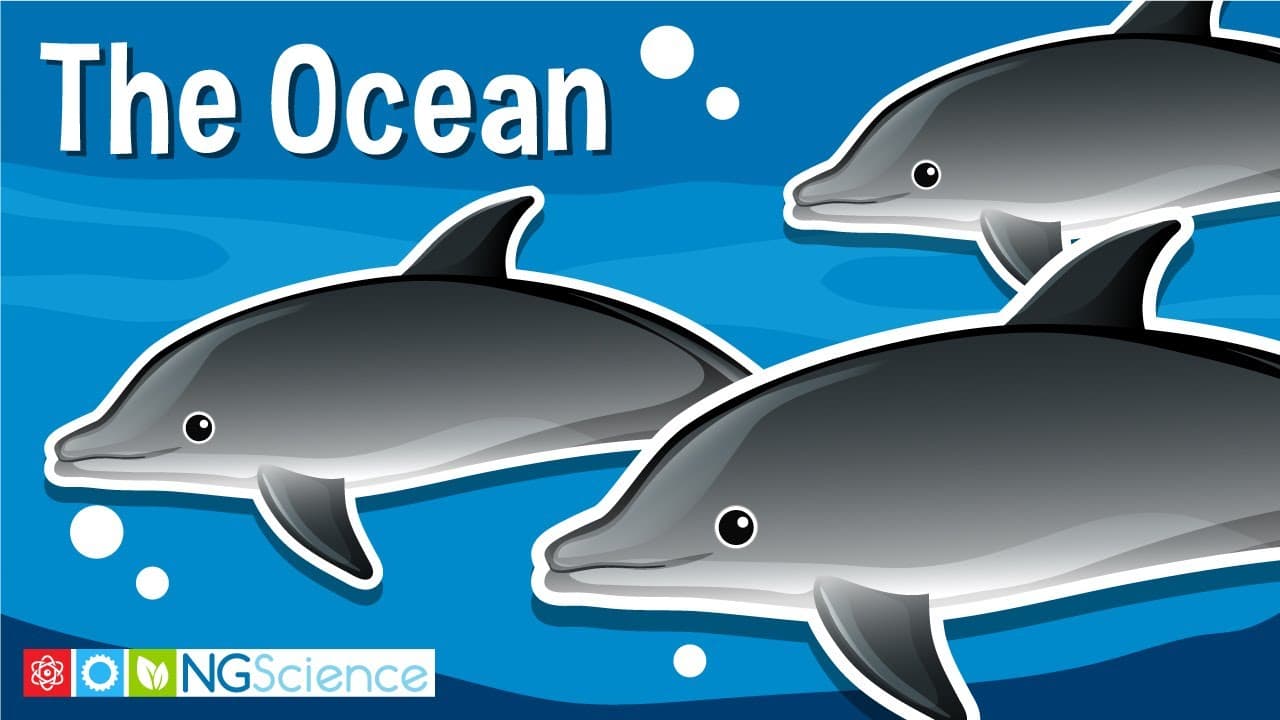
This educational video provides a comprehensive introduction to the Earth's oceans, explaining why our planet looks like a "giant blue ball" from space. It breaks down the global ocean into its five major named regions—Southern, Indian, Pacific, Atlantic, and Arctic—while emphasizing that they are all part of one continuous body of salt water. The narrative transitions from geography to marine biology, exploring the diverse habitats found within the ocean, from icy arctic waters to warm tropical coral reefs. The video dives into the biological diversity of marine life, starting with often-overlooked ocean plants. It highlights the critical role of microscopic phytoplankton, alongside visible flora like seagrass and seaweed. The tour of marine life continues up the food chain, showcasing animals ranging from tiny krill to massive whales, and detailing the bustling ecosystem of coral reefs, described as "underwater jungles." It also notes the connection between the ocean and land-based animals, specifically seabirds that rely on the ocean for food. For educators, this resource serves as an excellent primer for units on Earth science, habitats, or biodiversity. It visually demonstrates complex concepts like the microscopic scale of plankton and the vastness of global geography in an accessible way. The clear narration and distinct categorization of plants, animals, and habitats make it a versatile tool for vocabulary building and initiating discussions about ocean conservation and interconnected ecosystems.

Next Generation ScienceNext Generation Science

2mins 31s

Everyday Chemical Reactions: From Cooking to Fireworks

Everyday Chemical Reactions: From Cooking to Fireworks

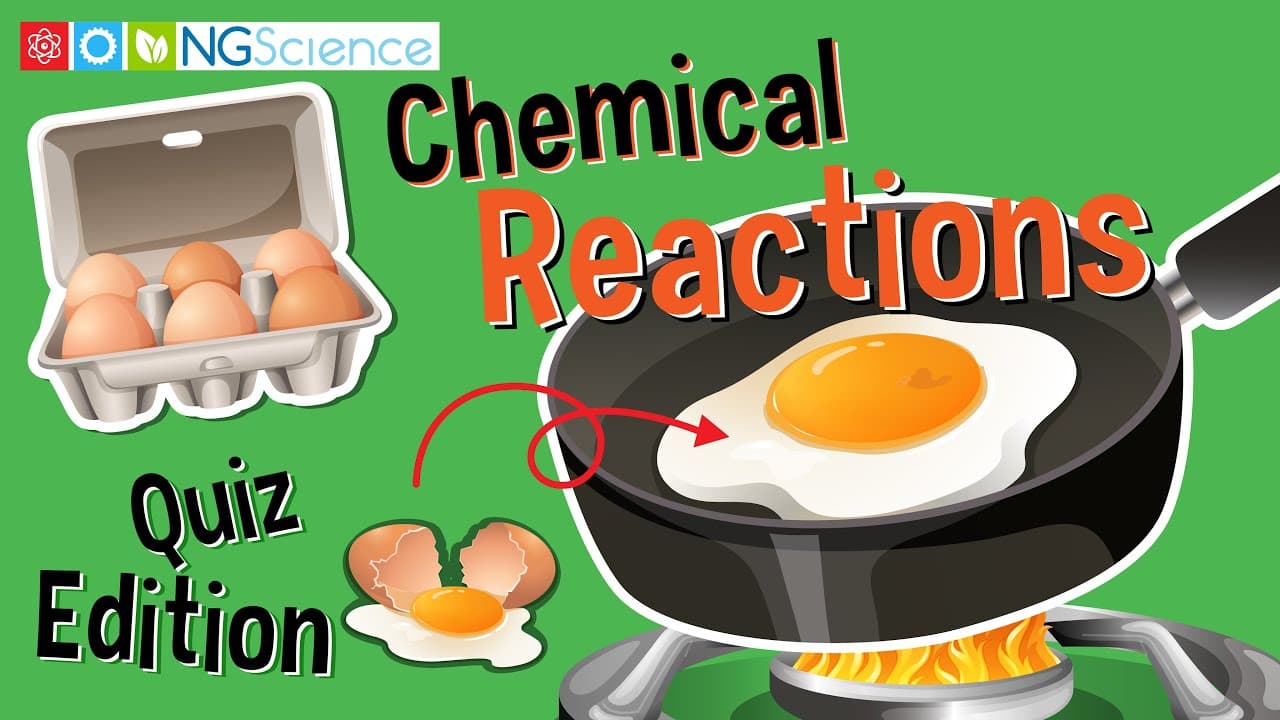
This engaging educational video introduces students to the concept of chemical reactions by exploring how they occur in everyday life. Through relatable examples like cooking an egg, baking a cake, and watching fireworks, the narration explains how substances combine and transform into something new. The video breaks down complex chemical processes into observable phenomena, highlighting the key indicators of reactions such as color changes, gas production (bubbles), heat, and light. The content covers a wide range of scientific themes, including physical vs. chemical changes, the role of heat in reactions, biological processes like digestion and photosynthesis, and oxidation (rusting). It specifically addresses how distinct elements like oxygen, carbon dioxide, and various metals play roles in these transformations. The video creates connections between the chemistry laboratory and the real world, showing that science is happening constantly in our bodies and environments. For educators, this resource serves as an excellent introduction or review tool for a unit on matter and chemical changes. The visual demonstrations provide concrete evidence for abstract concepts, making them accessible to elementary and middle school students. The video concludes with a comprehensive 12-question quiz, making it a ready-to-use lesson that includes direct assessment of student understanding.

Next Generation ScienceNext Generation Science

6mins 54s

How to Grow a Potato Plant from Scraps

How to Grow a Potato Plant from Scraps

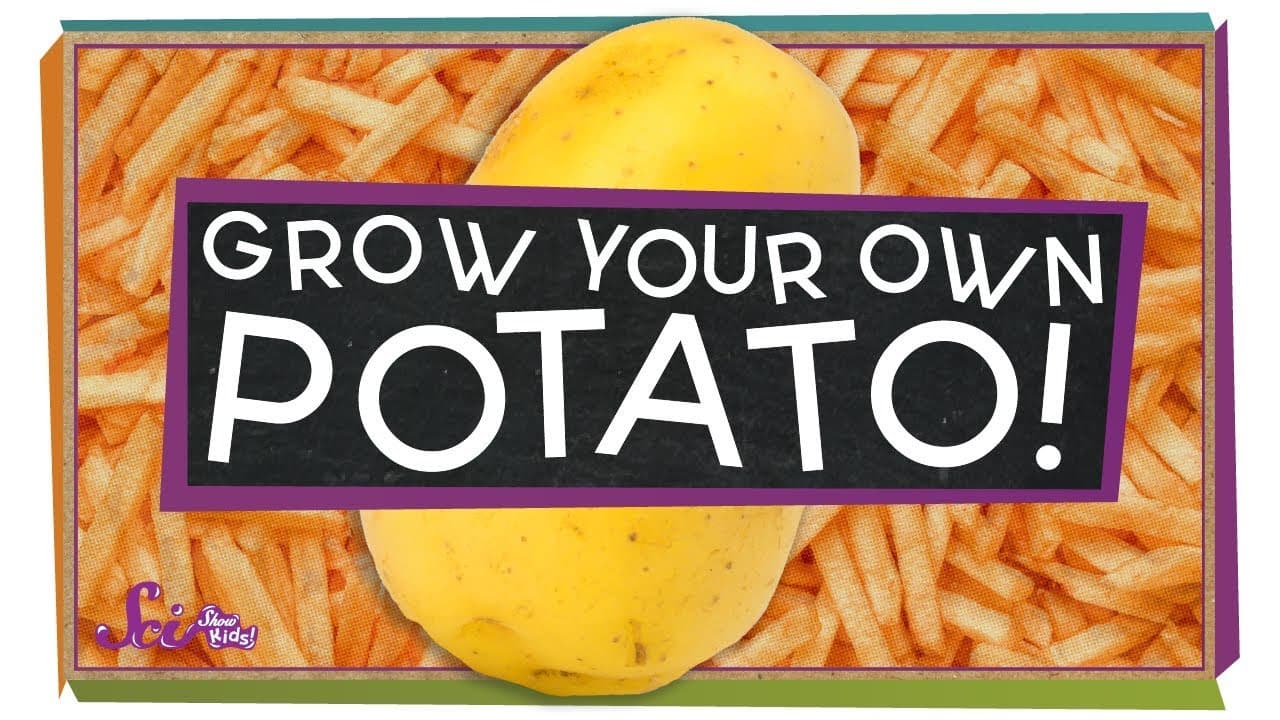
Join Jessi and her robot rat friend Squeaks in this hands-on science lesson about vegetative propagation. The video explores how potatoes are unique compared to many other plants because they are typically grown from other potatoes (tubers) rather than seeds. Jessi guides viewers through a step-by-step experiment to sprout a potato using simple household materials like a cup, water, and toothpicks, turning a common grocery item into a living botany lesson. The content covers key biological concepts including plant life cycles, the function of "eyes" on a potato, and the differing needs of plants at various growth stages. It explains why potatoes start growing underground in the dark and when they need to be moved to sunlight to support photosynthesis. The video also details the full timeline of the plant's life, from initial sprouting to the flowering stage, and finally to the withering of leaves which signals harvest time. This video is an excellent resource for early elementary classrooms as it demonstrates an accessible, low-cost experiment that every student can participate in. It encourages long-term scientific observation, data recording, and understanding where our food comes from. Teachers can use this to introduce units on plant biology, agriculture, or to practice procedural writing and following scientific instructions.

SciShow KidsSciShow Kids

4mins 49s

Discovering Amazing Plants: From Moss to Sequoias

Discovering Amazing Plants: From Moss to Sequoias

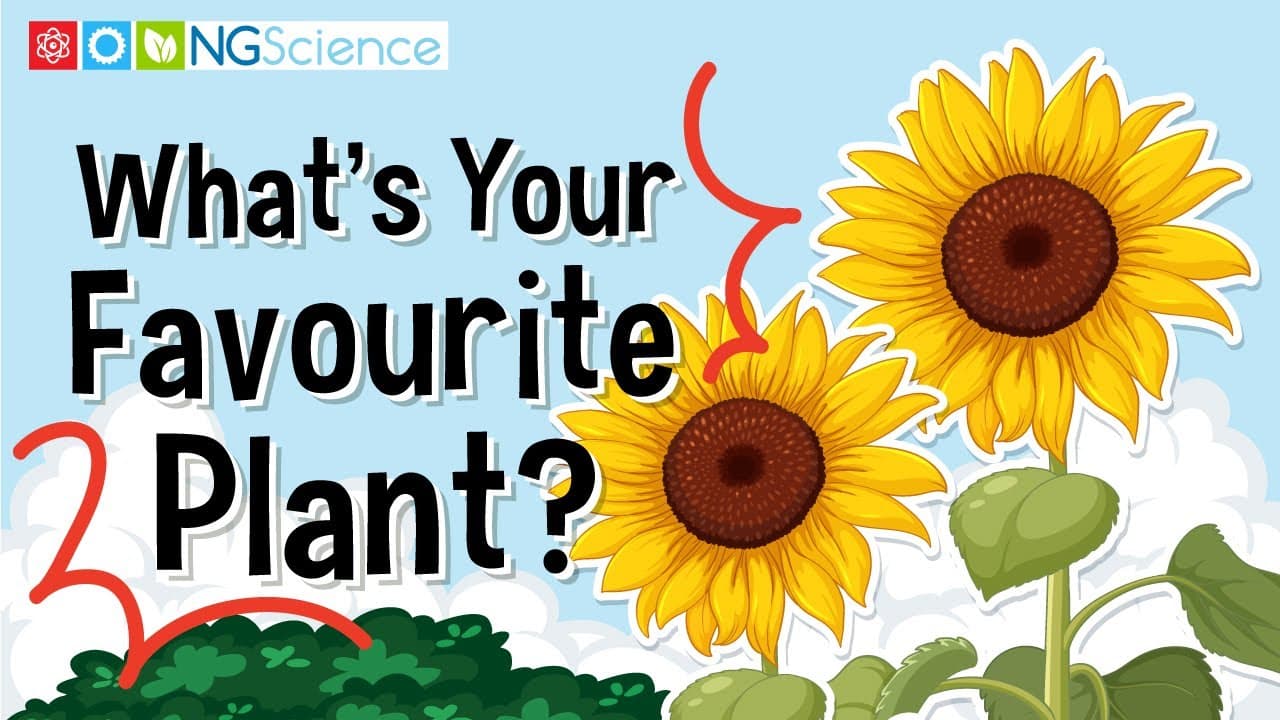
This engaging educational video takes young viewers on a visual journey through the diverse world of plants, highlighting six distinct species to showcase the incredible variety found in nature. From the microscopic beauty of forest moss to the towering grandeur of the Giant Sequoia, the video illustrates that plants come in all shapes, sizes, and habitats. The narration introduces specific characteristics for each plant, such as the sunflower's movement with the sun, the ancient lineage of tree ferns, and the seasonal color changes of the deciduous maple tree. The video explores key themes of biodiversity and adaptation, introducing students to different plant structures (fronds, floating leaves, sturdy trunks) and life cycles. It emphasizes that every plant, whether a tiny water lily or a massive tree, has a unique role and "story" within its ecosystem. The imagery transitions from sunny fields to shaded forest floors and aquatic environments, helping students visualize the different biomes where these plants thrive. For educators, this video serves as an excellent "hook" for a unit on botany, ecosystems, or living things. It provides accessible examples that can spark discussions about plant needs, habitats, and physical traits. Teachers can use the video to prompt comparative writing assignments, art projects based on plant geometry, or outdoor observation activities where students look for similar plant features in their local environment.
Next Generation ScienceNext Generation Science

2mins 53s

Exploring Summer: Weather, Nature, and Activities

Exploring Summer: Weather, Nature, and Activities

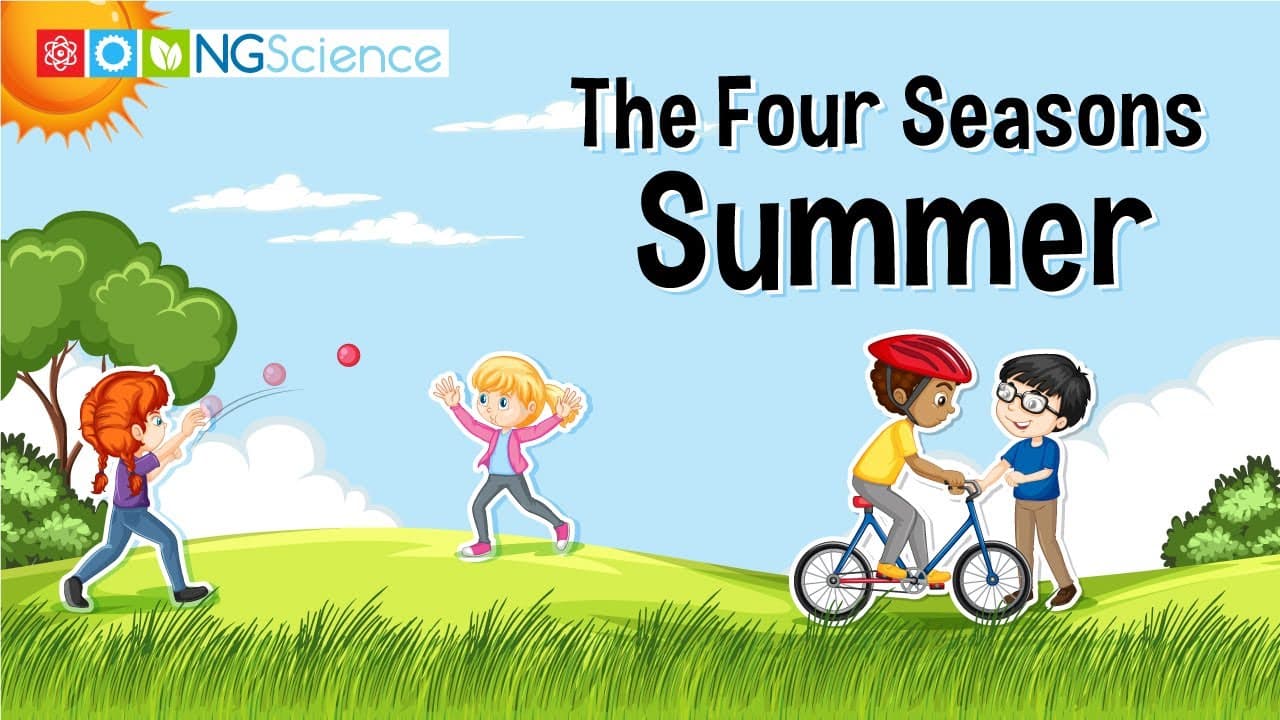
This educational video provides a comprehensive overview of the summer season, explaining both the scientific causes behind seasonal changes and the observable effects on the environment. It begins by establishing the cyclical nature of weather patterns throughout the year, identifying the four distinct seasons—Fall, Winter, Spring, and Summer—and briefly touching upon the Earth's orbit around the sun as the primary driver of these changes. The narrative then shifts focus specifically to summer, detailing how it follows spring and is characterized by rising temperatures and increasing daylight hours. The video explores the impact of summer on various aspects of life on Earth. It highlights how the abundance of warmth and sunlight creates ideal conditions for plant growth and fruit production. The content also examines animal behavior, noting increased activity levels for hunting and breeding during these warmer months. Furthermore, it depicts human adaptation to the season, showcasing outdoor recreational activities like beach visits, picnics, and sports that take advantage of the pleasant weather. For educators, this video serves as an excellent introduction to Earth and Space Science as well as Life Science units. It connects astronomical concepts (Earth's orbit) with tangible daily experiences (weather, daylight), making abstract ideas accessible to young learners. The clear narration and diverse visuals—ranging from microscopic views of insects to aerial landscapes—provide multiple entry points for discussing biological lifecycles, weather patterns, and how living things interact with their changing environment.

Next Generation ScienceNext Generation Science

2mins 26s

How Water and Carbon Cycle Through Earth

How Water and Carbon Cycle Through Earth

In this engaging episode of Crash Course Ecology, Hank Green explores the fundamental recycling systems of our planet: the Hydrologic (Water) Cycle and the Carbon Cycle. The video explains that Earth is essentially a closed system regarding matter, meaning every atom currently on Earth has been here since the planet's formation, constantly being repurposed through biogeochemical cycles. The narration breaks down complex processes into understandable components, moving from the movement of water through states of matter to the movement of carbon through living and non-living reservoirs.

CrashCourseCrashCourse

10mins 4s

Materials

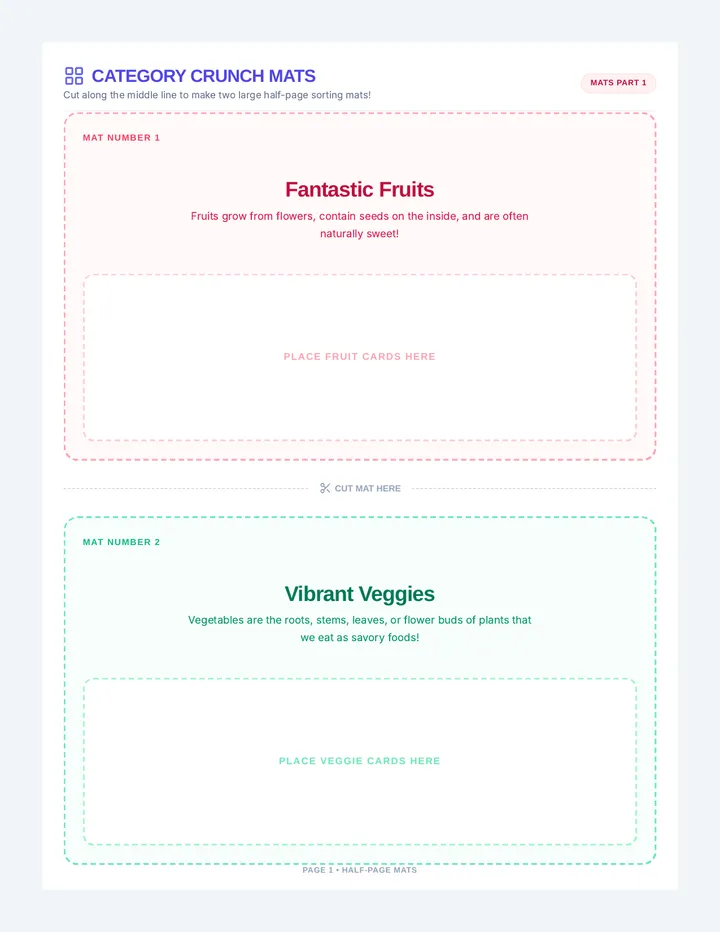
Category Crunch Sorting Cards

Category Crunch Sorting Cards

An expanded 18-page modular printable category sorting card pack. Features a beautiful custom CSS bookshelf, nightstand, wingback armchair, raincoat, celery, lemonade, and cinnamon roll illustrations, 10 clean half-page sized sorting mats without helper emojis, 80 large pre-made cards, 8 customizable cards, a companion detective worksheet, and an answer key.

AA

Ashley Aldaco

Bird Words Slides

Bird Words Slides

A two-slide vocabulary presentation introducing 9 essential bird-science terms for Birds: Wings and Feathers. Slide 1 covers cavity, glide, insulation, and nest; Slide 2 covers flock, feather, plumage, nectar, and attract with elementary-friendly definitions, illustrations, and sentence examples.

LH

Lyndsey Hughes

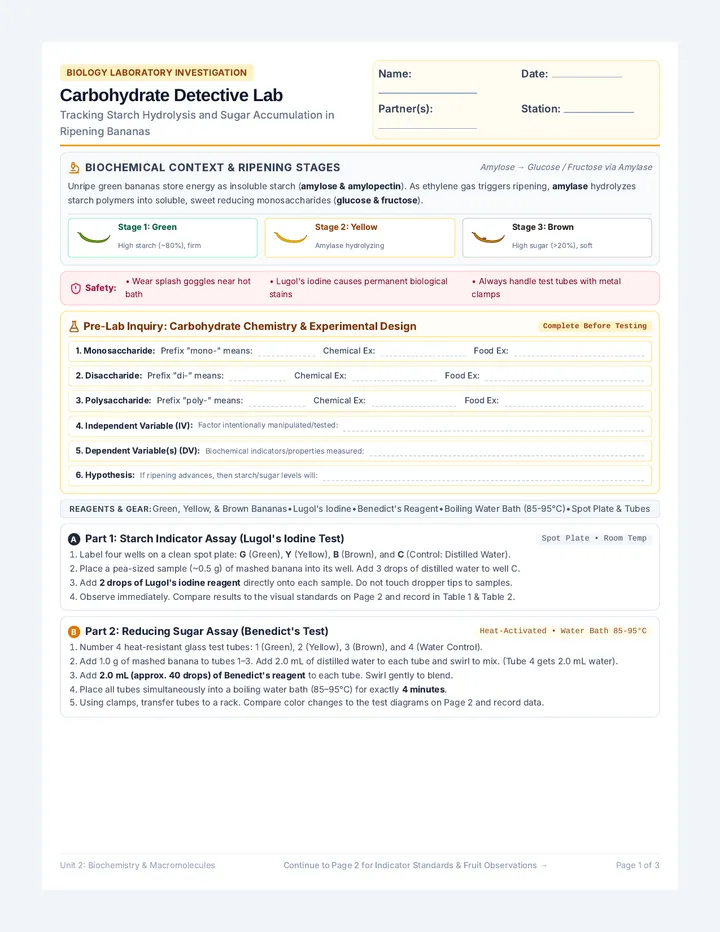
Banana Ripening Lab Worksheet

Banana Ripening Lab Worksheet

A comprehensive three-page student laboratory investigation worksheet examining carbohydrate changes across banana ripening stages, updated with 12px font sizing for enhanced legibility across instructional text, headers, and metadata, complete with visual indicator standards, photographic observation tables, and a NYS Regents biology item cluster with quantitative data and a student bar graphing grid.

S

stewart

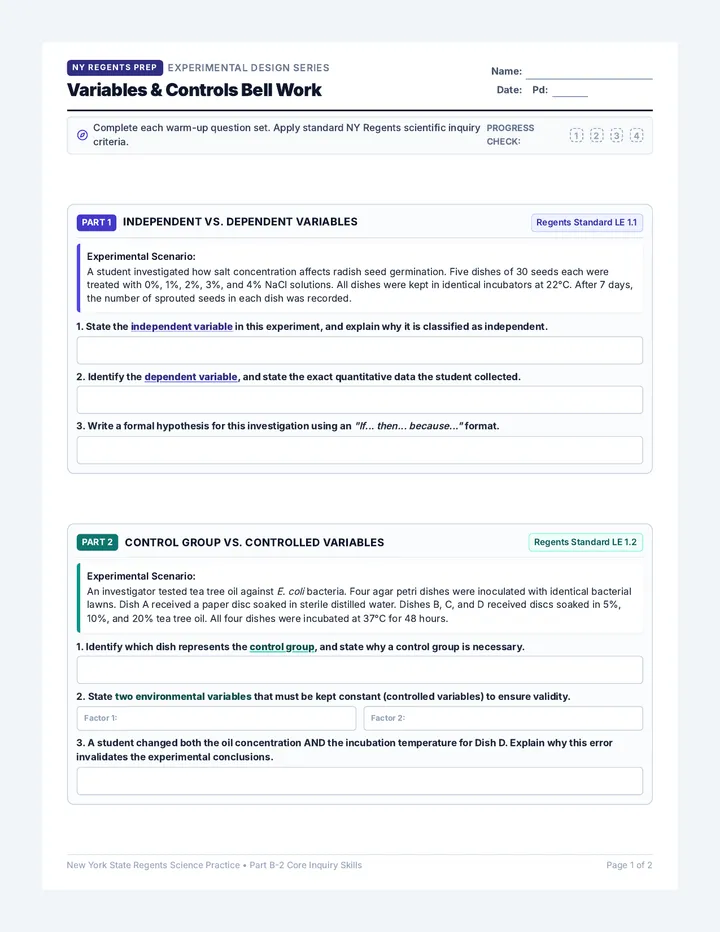
Regents Variables Bell Work Handout

Regents Variables Bell Work Handout

A two-page printable bell work packet featuring authentic NY Regents-style warm-up questions across four targeted sections. Students practice identifying independent, dependent, and control variables, holding experimental constants, plotting data on coordinate grids, and analyzing scientific trends.

S

stewart

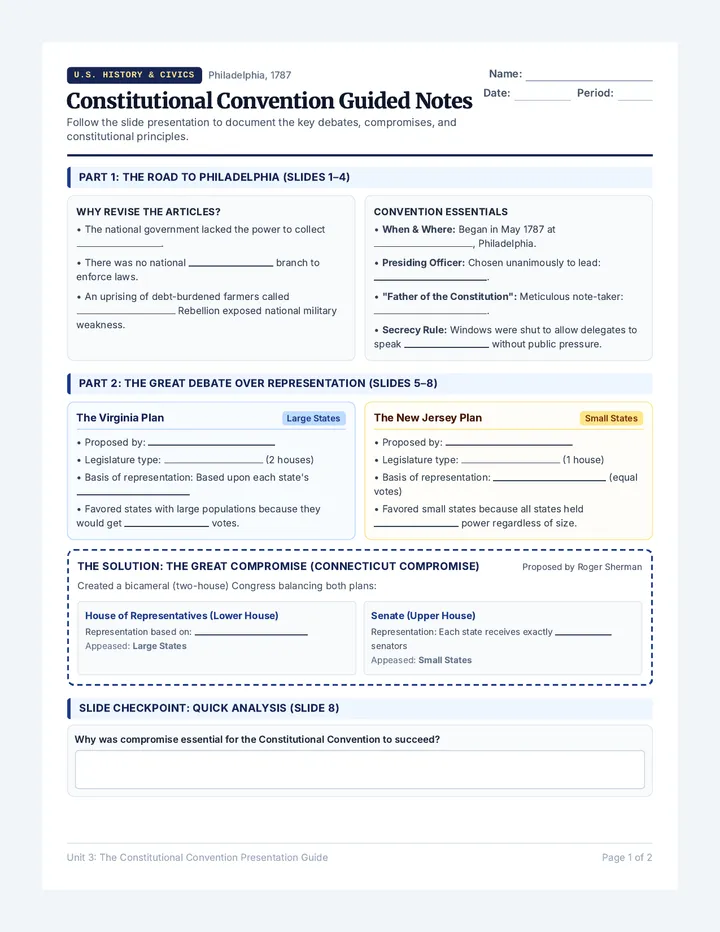
Constitutional Convention Guided Notes

Constitutional Convention Guided Notes

A comprehensive two-page guided note-taking worksheet on the 1787 Constitutional Convention, focusing on the road to Philadelphia, the Great Compromise, and slavery and economic compromises.

D

DOUGLAS.BODIE

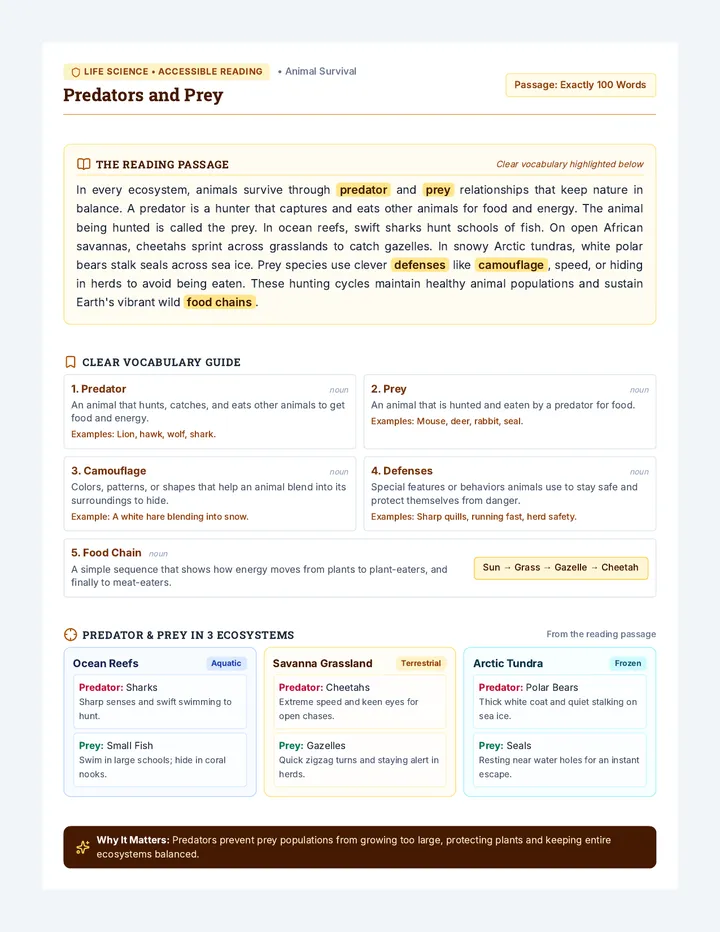
Predator Prey Reading Passage

Predator Prey Reading Passage

A 100-word accessible reading passage on predator and prey relationships across different ecosystems, featuring simplified vocabulary definitions and an ecosystem matchup guide with no questions.

L

Laura.Deaton

Sequences

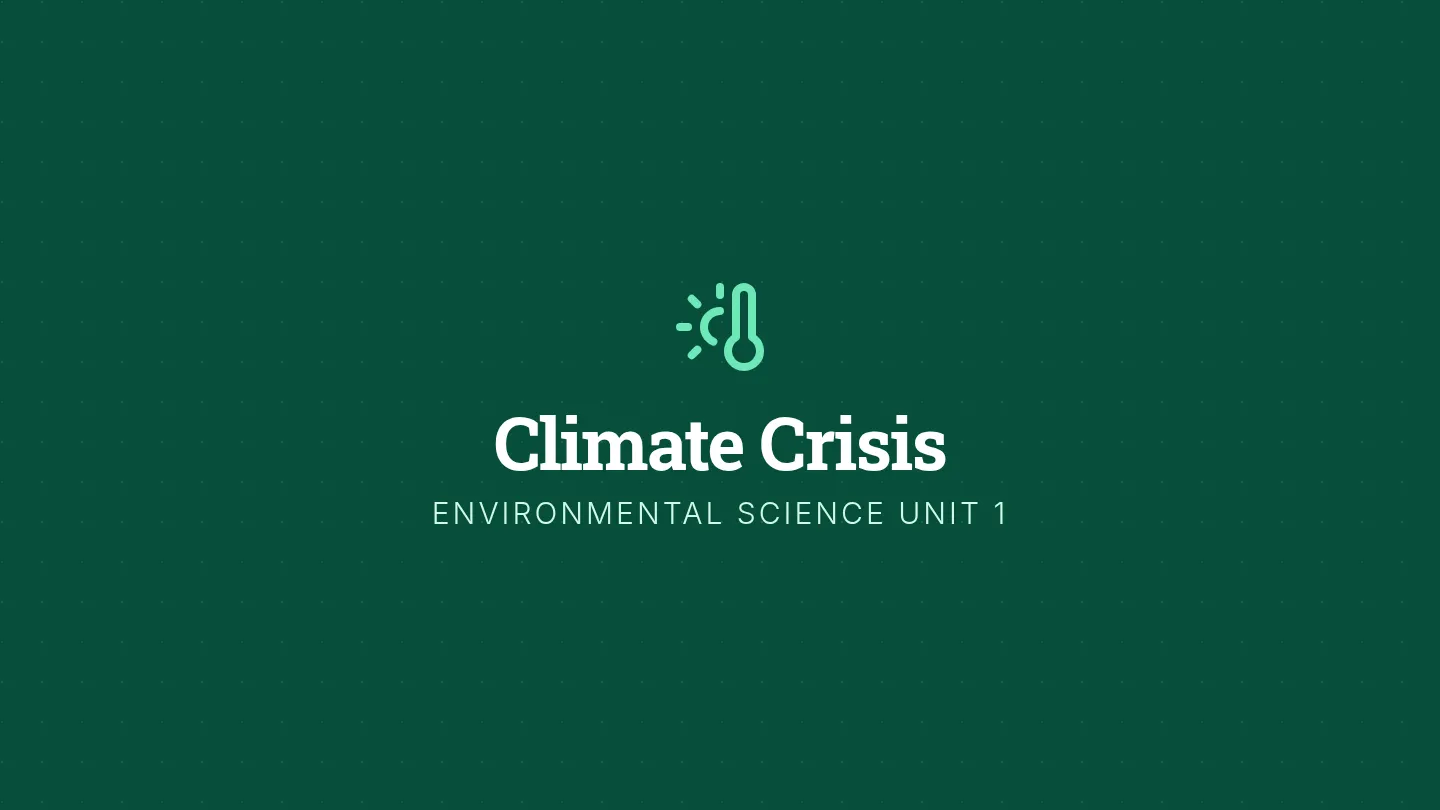
Climate Crisis Slides

Science Essentials Vault

A comprehensive collection of core science units covering Environmental Science, Biology, and Physical Science. This sequence provides high-impact instructional slides, hands-on lab experiences, guided notes, and differentiated assessments for five major scientific domains.

CB

Chloe Brown

25
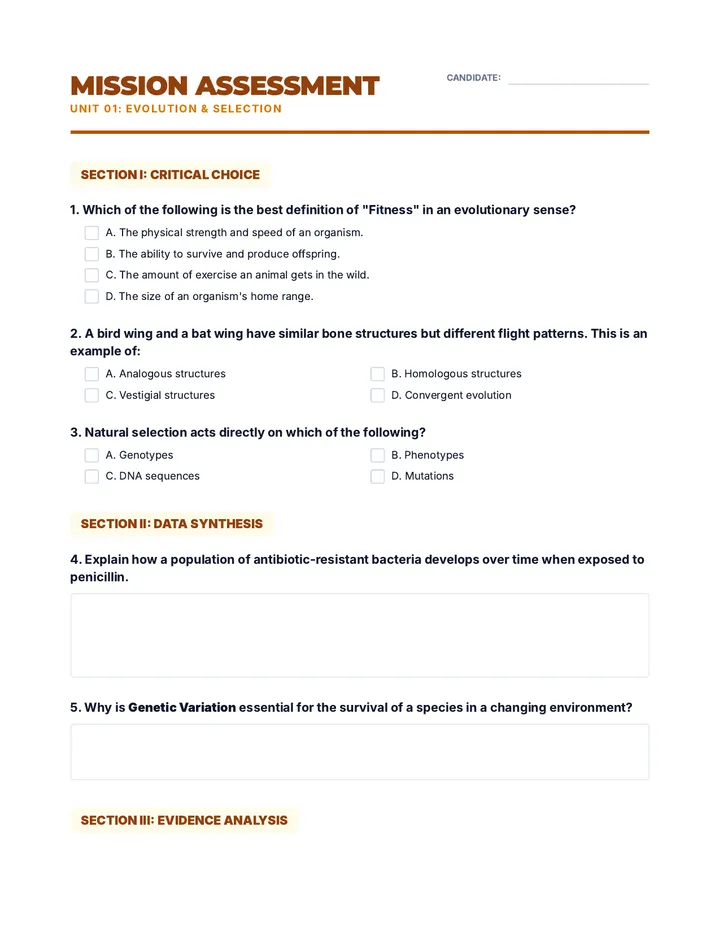
Evolution Assessment Quiz

Biology Recovery Sprint

A high-intensity biology credit recovery program focused on high-yield standards: Evolution, Systems, Viruses, and Cellular Genetics.

PB

Priyadarshini Bharath

15
Aerobic Respiration Lesson Slides

Cellular Respiration Cycle

A comprehensive multi-day middle school life science sequence aligned with NYS learning standards exploring aerobic and anaerobic cellular respiration, matter recycling, and energy flow powered by the sun.

JE

Jeffrey Elterman

8
Ocean Homes Slides

Ocean Homes

A highly visual 4-day science unit exploring ocean habitats and depth zones. Tailored for differentiated instruction for 3rd grade and nonverbal 7th grade students using Boardmaker-style symbols, color-coded matching, and visual check comprehension.

D

dbowers

17
Water World Slides

Earths Dynamic Systems

A series of lessons exploring Earth's major systems, starting with the hydrosphere and its impact on the planet's processes.

JS

Janette Sullivan

36
Nature Detectives Teacher Guide

Living World Investigators

A comprehensive kindergarten science unit designed to help students identify and summarize the characteristics of living and non-living things, focusing on structure, growth, changes, movement, and basic needs.

NW

Nicole West

6