Predator Prey Reading Passage
Life Science • Accessible Reading • Animal Survival
Predators and Prey
Passage: Exactly 100 Words
The Reading Passage
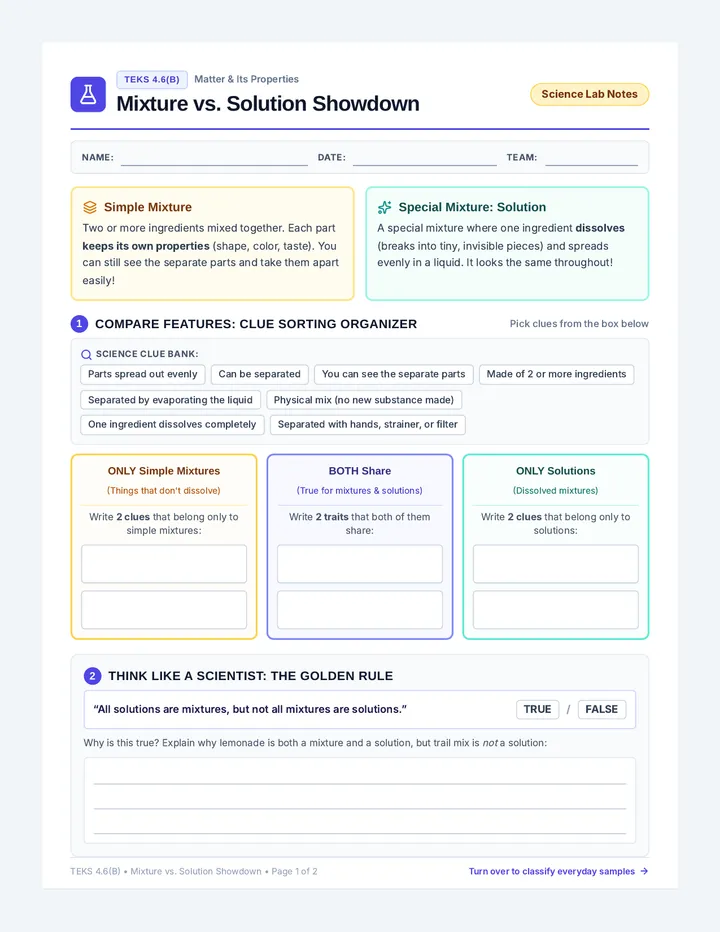
Clear vocabulary highlighted below
In every ecosystem, animals survive through predator and prey relationships that keep nature in balance. A predator is a hunter that captures and eats other animals for food and energy. The animal being hunted is called the prey. In ocean reefs, swift sharks hunt schools of fish. On open African savannas, cheetahs sprint across grasslands to catch gazelles. In snowy Arctic tundras, white polar bears stalk seals across sea ice. Prey species use clever defenses like camouflage, speed, or hiding in herds to avoid being eaten. These hunting cycles maintain healthy animal populations and sustain Earth's vibrant wild food chains.
Clear Vocabulary Guide
1. Predator noun
An animal that hunts, catches, and eats other animals to get food and energy.
Examples: Lion, hawk, wolf, shark.
2. Prey noun
An animal that is hunted and eaten by a predator for food.
Examples: Mouse, deer, rabbit, seal.
3. Camouflage noun
Colors, patterns, or shapes that help an animal blend into its surroundings to hide.
Example: A white hare blending into snow.
4. Defenses noun
Special features or behaviors animals use to stay safe and protect themselves from danger.
Examples: Sharp quills, running fast, herd safety.
5. Food Chain noun
A simple sequence that shows how energy moves from plants to plant-eaters, and finally to meat-eaters.
Sun → Grass → Gazelle → Cheetah
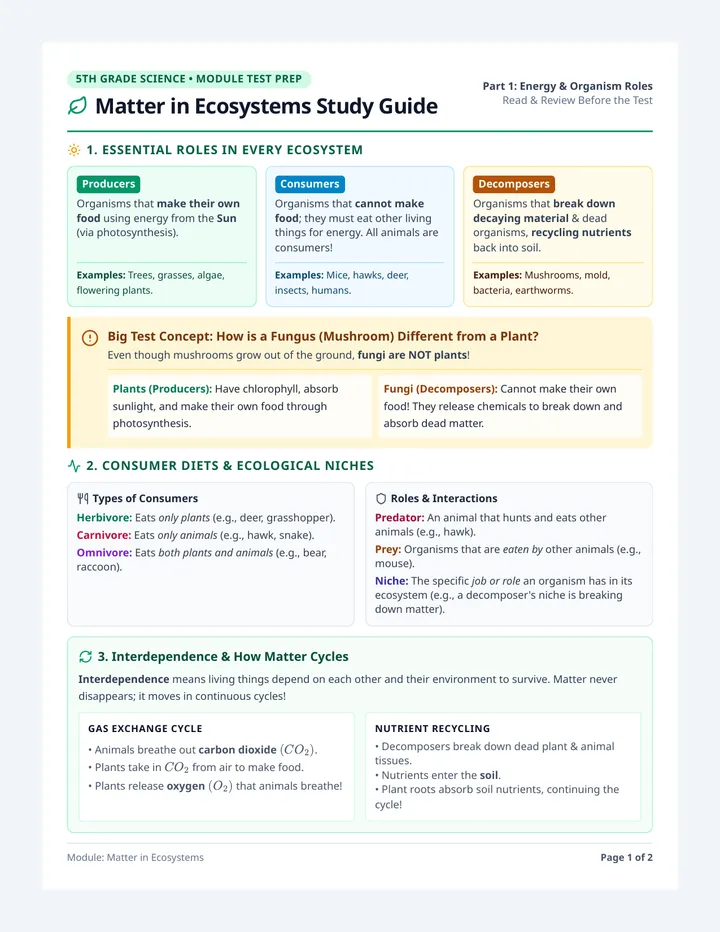
Predator & Prey in 3 Ecosystems
From the reading passage
Ocean Reefs Aquatic
Predator: Sharks
Sharp senses and swift swimming to hunt.
Prey: Small Fish
Swim in large schools; hide in coral nooks.
Savanna Grassland Terrestrial
Predator: Cheetahs
Extreme speed and keen eyes for open chases.
Prey: Gazelles
Quick zigzag turns and staying alert in herds.
Arctic Tundra Frozen
Predator: Polar Bears
Thick white coat and quiet stalking on sea ice.
Prey: Seals
Resting near water holes for an instant escape.
Why It Matters: Predators prevent prey populations from growing too large, protecting plants and keeping entire ecosystems balanced.