Lenny.com
Explore
Create
ActivitiesNewMathEnglish Language ArtsScience & EngineeringSocial StudiesGlobal LanguagesHealth & Physical EducationSpecial EducationCounseling & Life SkillsArts & CreativityESL
Lenny.com
Lenny.com
Explore
Create
ActivitiesNewMathEnglish Language ArtsScience & EngineeringSocial StudiesGlobal LanguagesHealth & Physical EducationSpecial EducationCounseling & Life SkillsArts & CreativityESL
Lenny.com
Lenny.com

Solutions

Lenny for EducatorsLenny for SchoolsLenny for Districts

Product

ExploreSign inCreateSupportAbout

Resources

Getting startedMTSS Acceleration Program

Newsletters

School Funding Newsletter

© 2026 Lenny Learning Inc.

TermsPrivacyAccessibility
LinkedInInstagramX
Lenny

Ecology

Interactions between organisms and their environments, including energy flow, nutrient cycling, and population dynamics. Examines ecosystem structures, biodiversity, and human impacts on environmental sustainability.

Science & EngineeringLife ScienceLiving ThingsAnimalsPlantsBody SystemsTraitsAdaptationsCellsEcosystemsHeredityGenes to TraitsCell DivisionPhysicsComparing MaterialsShapes and PropertiesMagnetsMagnetismLightSoundLight and SoundMatterStates of MatterChanges of StateMixturesPhysical and Chemical ChangeHeating and CoolingHeat and Thermal EnergyEnergyForce and MotionElectrical CircuitsAtoms and MoleculesPeriodic TableMotion in One DimensionMotion in Two DimensionsScalars and VectorsForces and Laws of MotionCircular Motion and GravityMomentum and ImpulseWork, Energy, and PowerWavesElectromagnetic WavesGeometric OpticsElectricity and MagnetismSimple Harmonic MotionThermodynamicsNuclear PhysicsEarth Science & AstronomyWeatherWater CycleRocks and MineralsFossilsEarth's FeaturesEarth's ResourcesEarth's StructureWeather and ClimateEarth EventsFossils and Geologic TimePlate TectonicsHuman ImpactsAstronomyChemistryUnits and MeasurementAtomic StructurePeriodic TrendsChemical BondingNomenclatureMolecular StructureIntermolecular ForcesThe MoleStoichiometryProperties of GasesSolutionsChemical ReactionsBalancing EquationsEnergy ChangesRates of ReactionsEquilibriumAcids and BasesQuantum ModelBiologyClassificationCell StructureThe Chemistry of LifeBiomoleculesCellular TransportCell EnergyCell Growth and DivisionDNAProtein SynthesisMeiosis and Sexual ReproductionPatterns of InheritanceMulticellular OrganismsEvolutionEcologyBiodiversityComputer ScienceAlgorithms and Computational ThinkingProgramming LanguagesComputing SystemsNetworks and InternetData AnalysisCybersecurityAI and Machine LearningSoftware Design and DevelopmentBlockchainEngineering & AIDesigning ExperimentsEngineering PracticesDesign ThinkingEngineering Design ProcessMechanical EngineeringElectrical EngineeringMaterials and StructuresCAD and 3D DesignRoboticsArtificial Intelligence BasicsVibe CodingMachine LearningAI Ethics and SocietySystems ThinkingEntrepreneurship & InnovationEntrepreneurial MindsetBusiness Idea DevelopmentBusiness Plan BasicsMarketing & Customer DiscoveryFinancial Management for Startups

Videos

Discovering the Unique Wildlife of the Australian Outback

Discovering the Unique Wildlife of the Australian Outback

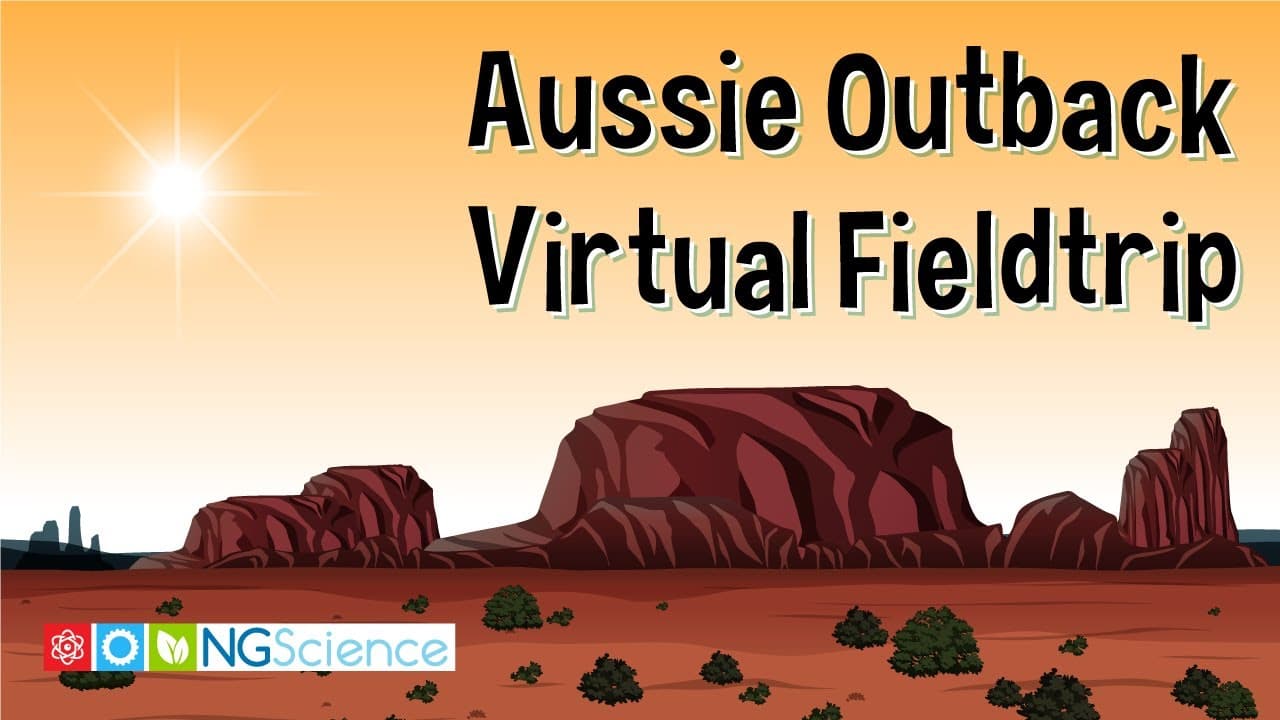
This engaging virtual field trip transports students to the vast, arid landscapes of the Australian Outback to explore its unique ecosystem. Hosted by two narrators who trade fun facts and banter, the video introduces the harsh climate of central and northern Australia before diving into a survey of the continent's most iconic wildlife. From cuddly marsupials to deadly predators, the video provides a balanced look at the biodiversity that thrives in this challenging environment. The video covers a wide range of biological themes, specifically focusing on physical and behavioral adaptations. Students learn about marsupials like kangaroos and koalas, investigate the defense mechanisms of reptiles like the inland taipan and thorny devil, and explore the hunting strategies of birds like the kookaburra and wedge-tailed eagle. Special attention is given to how these animals have evolved to survive extreme heat and scarcity, such as the taipan changing color to regulate temperature. Ideally suited for elementary and middle school science classes, this resource serves as an excellent anchor for units on habitats, adaptations, and biodiversity. The clear narration and vivid footage make complex concepts like venom toxicity and territorial behavior accessible. Teachers can use this video to spark discussions on predator-prey relationships, the difference between native and introduced species, and the geography of the Southern Hemisphere.

Next Generation ScienceNext Generation Science

10mins 15s

Discovering Amazing Plants: From Moss to Sequoias

Discovering Amazing Plants: From Moss to Sequoias

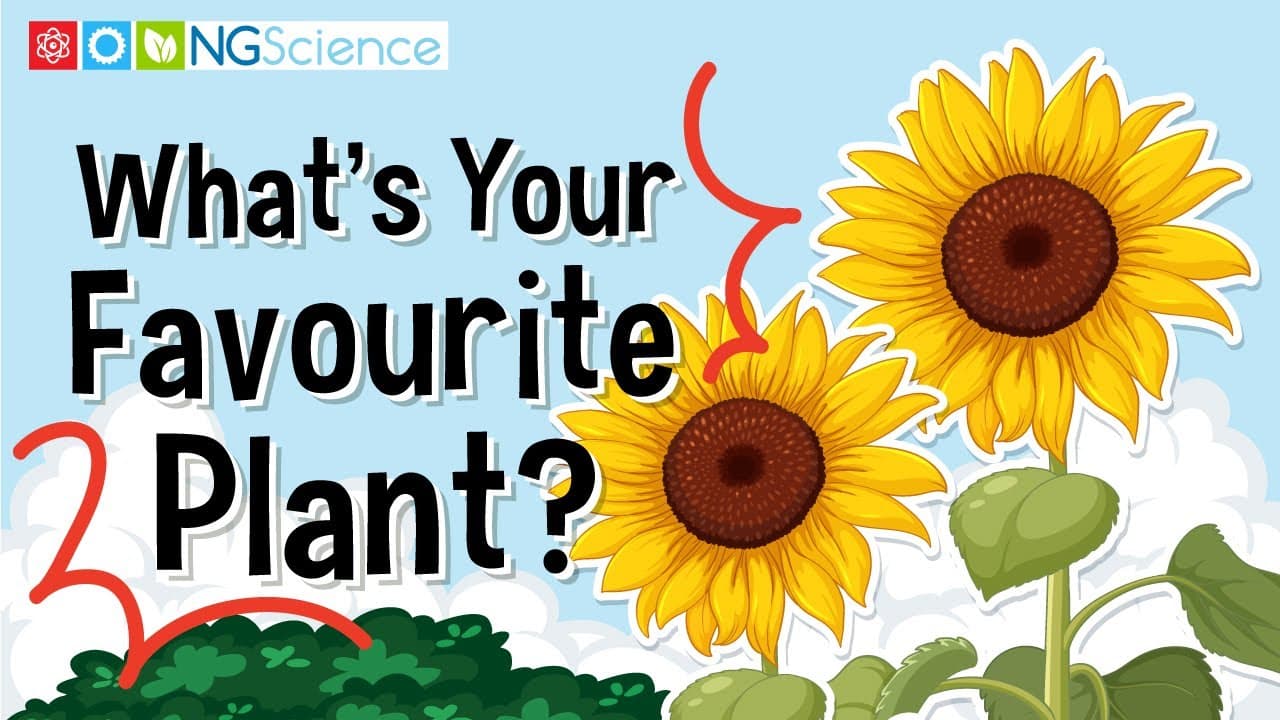
This engaging educational video takes young viewers on a visual journey through the diverse world of plants, highlighting six distinct species to showcase the incredible variety found in nature. From the microscopic beauty of forest moss to the towering grandeur of the Giant Sequoia, the video illustrates that plants come in all shapes, sizes, and habitats. The narration introduces specific characteristics for each plant, such as the sunflower's movement with the sun, the ancient lineage of tree ferns, and the seasonal color changes of the deciduous maple tree. The video explores key themes of biodiversity and adaptation, introducing students to different plant structures (fronds, floating leaves, sturdy trunks) and life cycles. It emphasizes that every plant, whether a tiny water lily or a massive tree, has a unique role and "story" within its ecosystem. The imagery transitions from sunny fields to shaded forest floors and aquatic environments, helping students visualize the different biomes where these plants thrive. For educators, this video serves as an excellent "hook" for a unit on botany, ecosystems, or living things. It provides accessible examples that can spark discussions about plant needs, habitats, and physical traits. Teachers can use the video to prompt comparative writing assignments, art projects based on plant geometry, or outdoor observation activities where students look for similar plant features in their local environment.
Next Generation ScienceNext Generation Science

2mins 53s

Discovering the Amazing American Bison

Discovering the Amazing American Bison

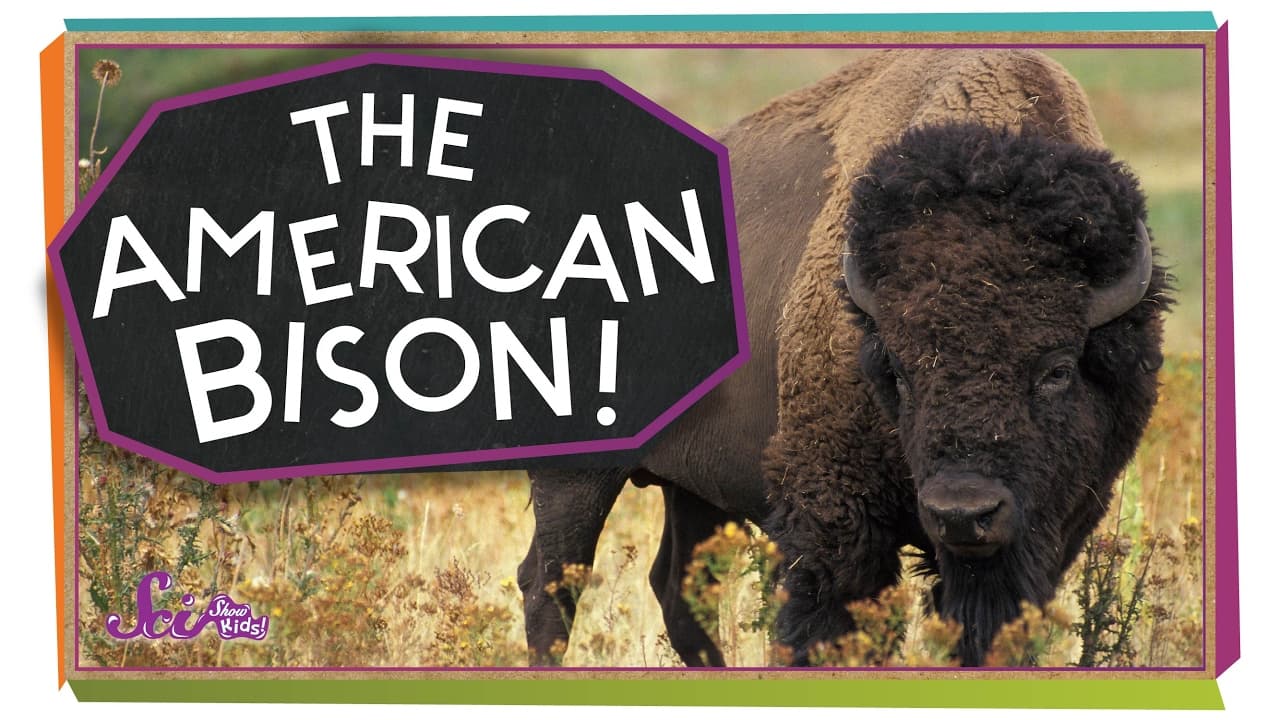
This engaging educational video introduces students to the American Bison, the national mammal of the United States. Through a lively conversation between the host, Jessi, and her robot rat friend, Squeaks, viewers learn to distinguish between bison and buffalo, explore the life cycle of bison calves (nicknamed "red dogs"), and discover fascinating facts about their massive size and surprising speed. The video utilizes clear graphics, maps, and real-world footage to make these concepts accessible. The content covers key biological themes including physical adaptations, such as how the bison's distinctive hump helps them survive snowy winters, and behavioral adaptations like "wallowing" to repel insects. It effectively connects biological features to environmental survival, explaining how specific traits help the animal thrive in its habitat. Additionally, the video touches upon important historical and conservation topics suitable for young learners. It briefly explains how bison populations dwindled due to overhunting and were saved through conservation efforts, introducing the concept of protecting endangered species. This makes the video a versatile tool for both science lessons on animal adaptations and social studies lessons on American symbols and conservation history.

SciShow KidsSciShow Kids

3mins 19s

How Plants and Animals Survive in Desert Ecosystems

How Plants and Animals Survive in Desert Ecosystems

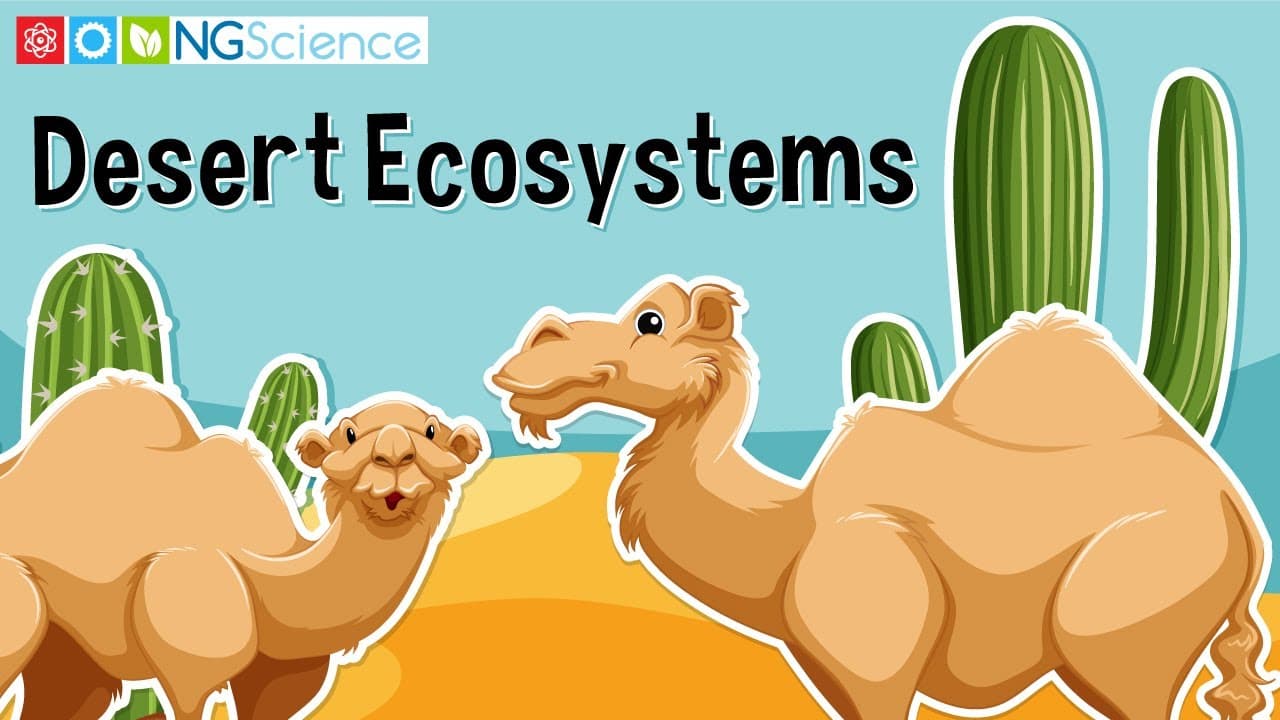
This educational video provides a comprehensive exploration of desert ecosystems, challenging the common misconception that deserts are defined solely by heat. It explains that deserts are actually defined by precipitation levels—receiving less than 25 centimeters (10 inches) of rain annually—and introduces viewers to both hot and cold deserts, including the Arctic and Antarctic. The video offers a global perspective, showcasing deserts on every continent and visualizing their unique landscapes. A significant portion of the video is dedicated to the concept of biological adaptation. It details how flora and fauna have evolved specific traits to survive in harsh, arid environments. Viewers learn about plant adaptations through the example of cacti, examining their spines, waxy surfaces, and specialized root systems (tap roots vs. shallow roots). The video then transitions to animal adaptations, using camels, fennec foxes, and desert tortoises to illustrate survival strategies such as water storage, heat dissipation via large ears, nocturnal behavior, and estivation. For educators, this video is an excellent resource for units on biomes, habitats, and evolutionary biology. It provides clear visual examples of structural and behavioral adaptations, making abstract concepts concrete for students. The content naturally supports cross-curricular learning, connecting science (biology/environmental science) with geography (mapping global deserts) and math (calculating water consumption), making it a versatile tool for elementary and middle school classrooms.

Next Generation ScienceNext Generation Science

6mins 17s

Discovering the Cassowary: The Rainforest's Prehistoric Giant

Discovering the Cassowary: The Rainforest's Prehistoric Giant

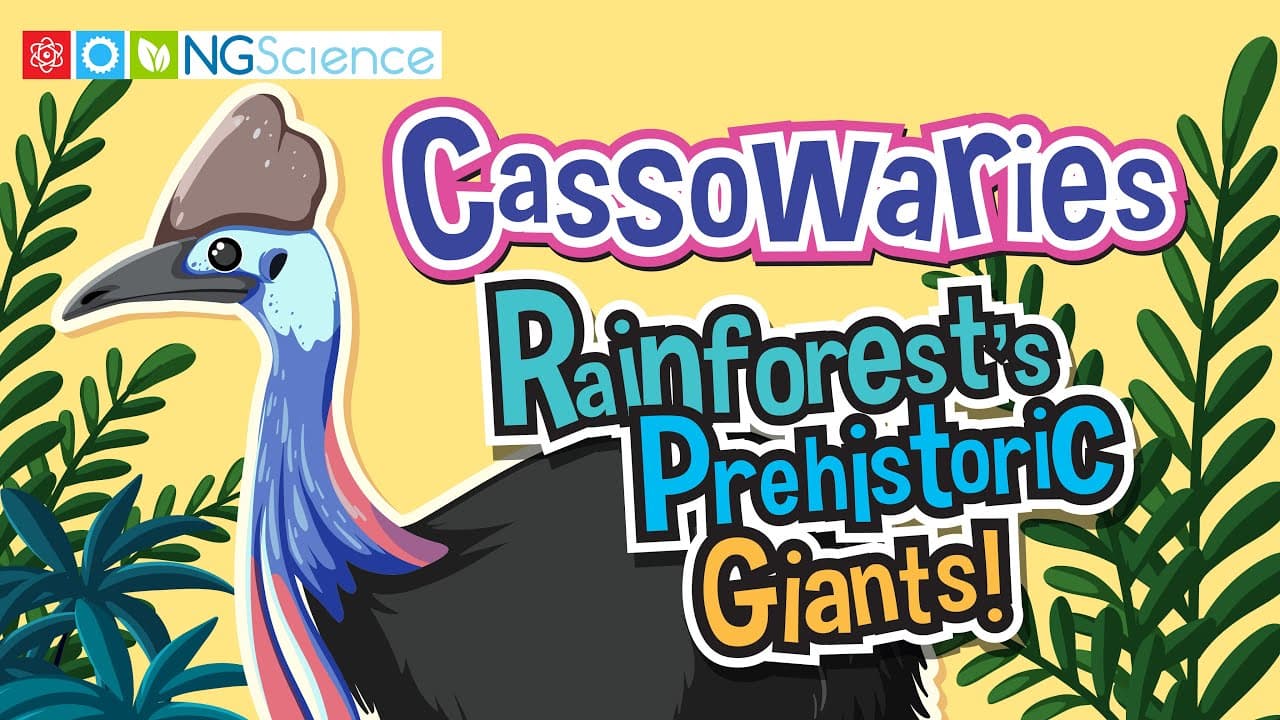
This educational video takes viewers on a journey through the diverse world of birds, starting with masters of flight like the Peregrine Falcon and silent owls, before grounding us with flightless marvels like the Ostrich and Emu. The narrative transitions from general avian adaptations to a specific, deep-dive focus on the Cassowary, a fascinating creature often described as a "living dinosaur" due to its prehistoric appearance and formidable physical traits.

Next Generation ScienceNext Generation Science

3mins 19s

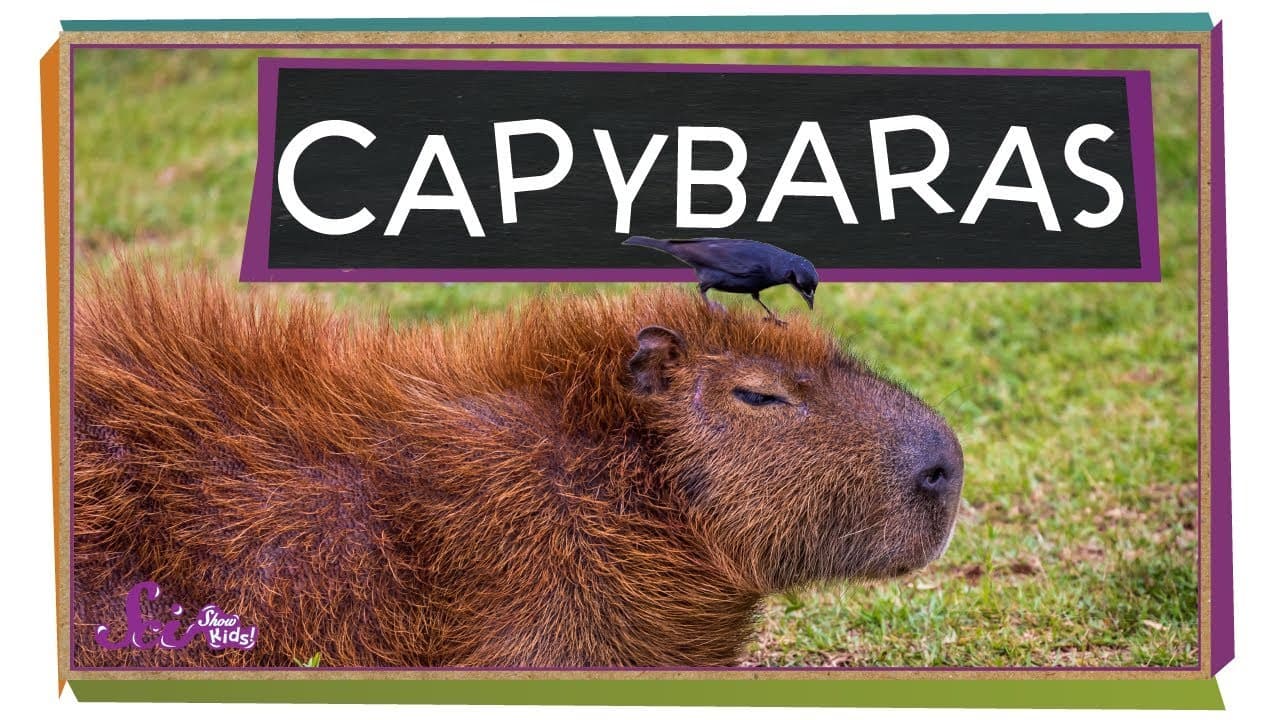
Exploring the World's Largest Rodent: The Capybara

Exploring the World's Largest Rodent: The Capybara

This engaging educational video introduces students to the capybara, the world's largest rodent. Hosted by Jessi and her robot rat friend Squeaks, the video explores the unique physical characteristics that define this "rodent of unusual size," comparing it to familiar relatives like mice and squirrels. It covers essential biological topics including their massive size, semi-aquatic adaptations, and distinct dental features that never stop growing. The video delves into specific themes of animal adaptation and survival strategies. It explains the capybara's specialized digestive system, including regurgitation and coprophagy (eating their own waste) to maximize nutrient absorption from tough grasses. Furthermore, it highlights their habitat preferences, showing how physical traits like webbed feet and the placement of sensory organs allow them to thrive in water to escape predators and regulate body temperature. For the classroom, this video serves as an excellent resource for Life Science units focusing on animal adaptations, classification, and habitats. It provides clear examples of how structure complements function—such as eyes positioned on top of the head for swimming—and introduces scientific vocabulary in an accessible way. The content effectively illustrates concepts of social behavior in animals and symbiotic relationships, making it a versatile tool for early elementary science lessons.

SciShow KidsSciShow Kids

4mins 34s

Materials

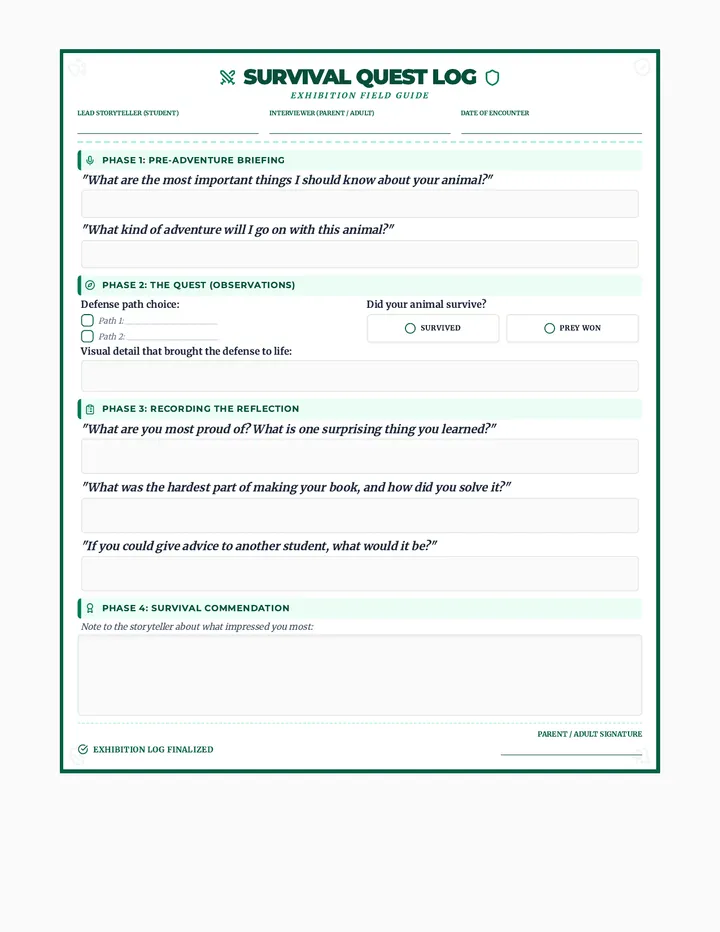
Survival Quest Final Log Form Trimmed

Survival Quest Final Log Form Trimmed

Final one-page Survival Quest parent feedback form. Optimized with a constrained 820px height and tightened vertical spacing to guarantee it fits on a single printed page while maintaining readable font sizes for the interview and reflection questions.

PM

Pam Muise

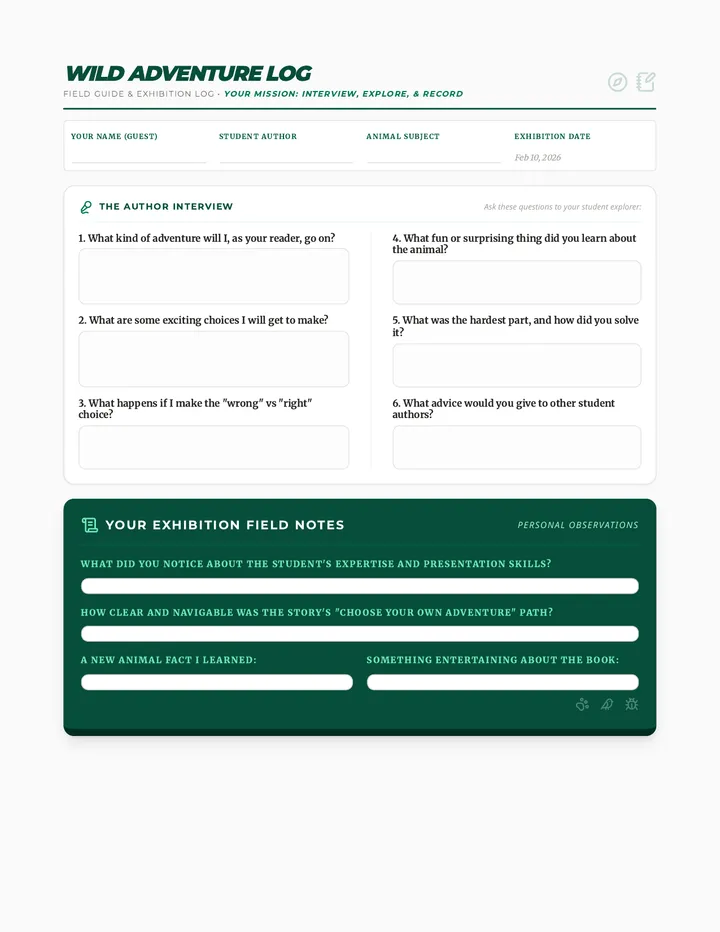
Wild Adventure Log Guest Form Plus Plus Plus Plus Plus

Wild Adventure Log Guest Form Plus Plus Plus Plus Plus

A 2nd-person 'Wild Adventure Log' guest form with maximized writing space. It features a side-by-side author interview/process section and a large Guest Observation area, all designed for comfortable handwriting on a single page.

E

epate

Eco Logic CER Worksheet

Eco Logic CER Worksheet

A verbatim restoration of the original CER packet for biotic and abiotic factors, featuring a reconstructed central graphic and significantly expanded writing space across four pages for classroom use. Claim section has been reduced to three writing lines and Evidence section to eight lines as requested. Header contrast and graphic connections have been further polished.

LN

Leah Nickols

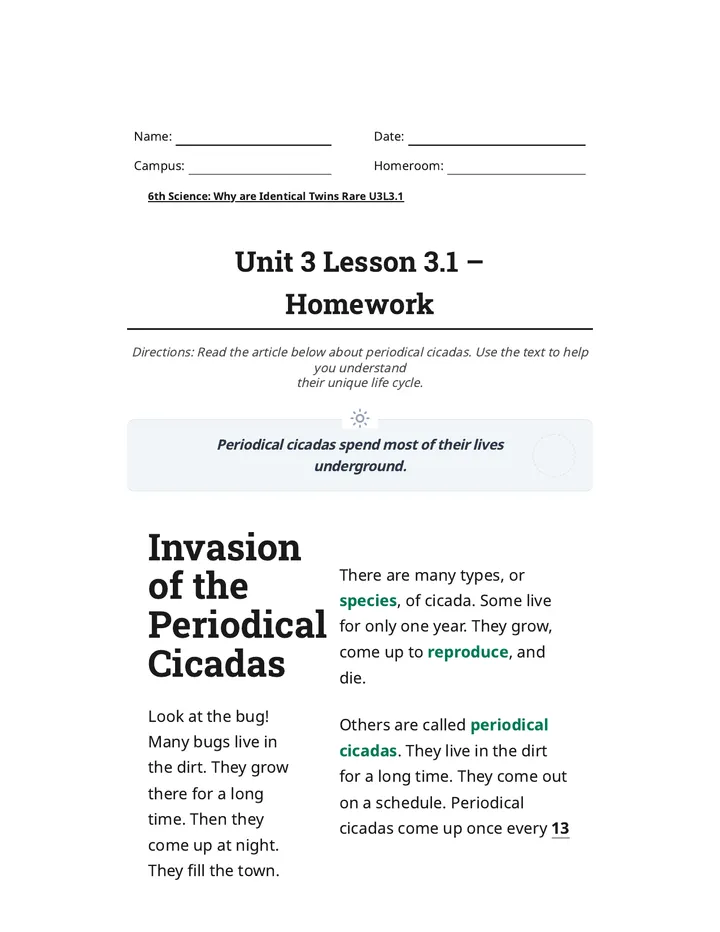
Cicada Bug Homework Worksheet house refined layout final clean layout final final v2

Cicada Bug Homework Worksheet house refined layout final clean layout final final v2

A 2-page homework article about periodical cicadas, adapted for a kindergarten reading level. This version removes the dashed borders and page numbers while maintaining the original layout and 6th-grade vocabulary, designed to be printed front and back on standard paper.

AC

Aaron Conlin

Ecosystem Expedition Activity Sheet

Ecosystem Expedition Activity Sheet

A complete four-page ecosystem biology activity packet featuring trophic scrambles, food web logic pathways, a light and print-friendly 14x14 word search grid, symbiosis scenario matrices, 10% energy pyramid calculations, keystone species cascades, and ecological succession puzzles.

T

tiffany.holman

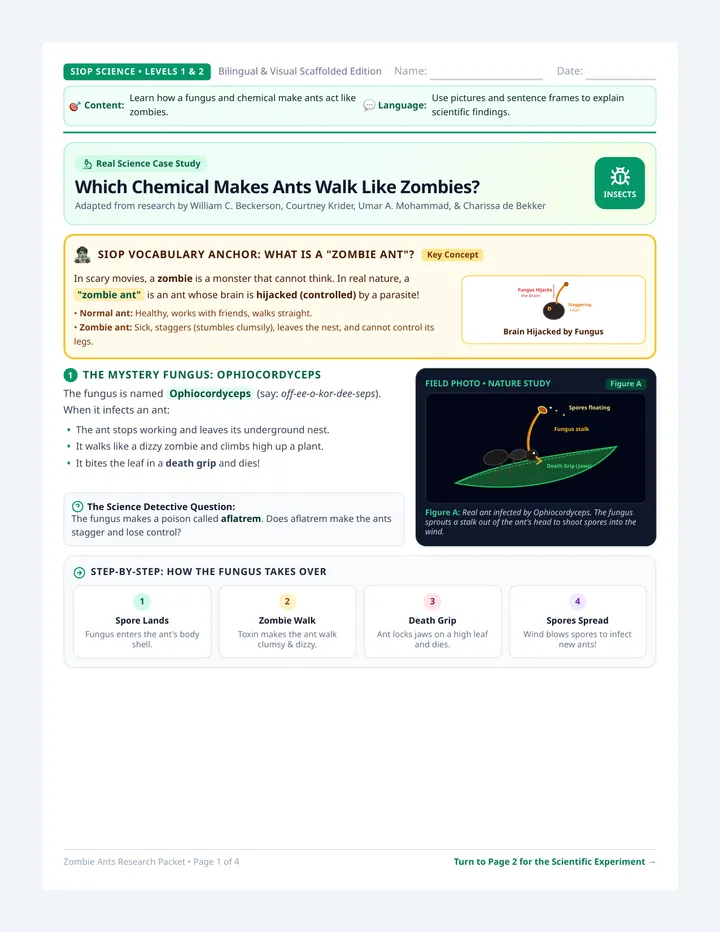
Zombie Ants Research Packet

Zombie Ants Research Packet

A Level 1–2 English Language Learner adapted 4-page science packet with SIOP supports, visual definitions of "zombie" ants, illustrated vocabulary cards for all 12 terms, recreated Figure 2 pie charts, and structured cloze sentence frames for the original questions.

JB

JOELLE BUDZINSKY

Sequences

Detective Entry Exam Assessment

Defense Detectives

A 10-session Tier 2 intervention for 4th-grade students focused on vocabulary and comprehension, aligned with EL Education Module 2 (Animal Defenses). Students act as 'Defense Detectives' to investigate how animals survive in the wild.

S

svallely

29
Climate Crisis Slides

Science Essentials Vault

A comprehensive collection of core science units covering Environmental Science, Biology, and Physical Science. This sequence provides high-impact instructional slides, hands-on lab experiences, guided notes, and differentiated assessments for five major scientific domains.

CB

Chloe Brown

25
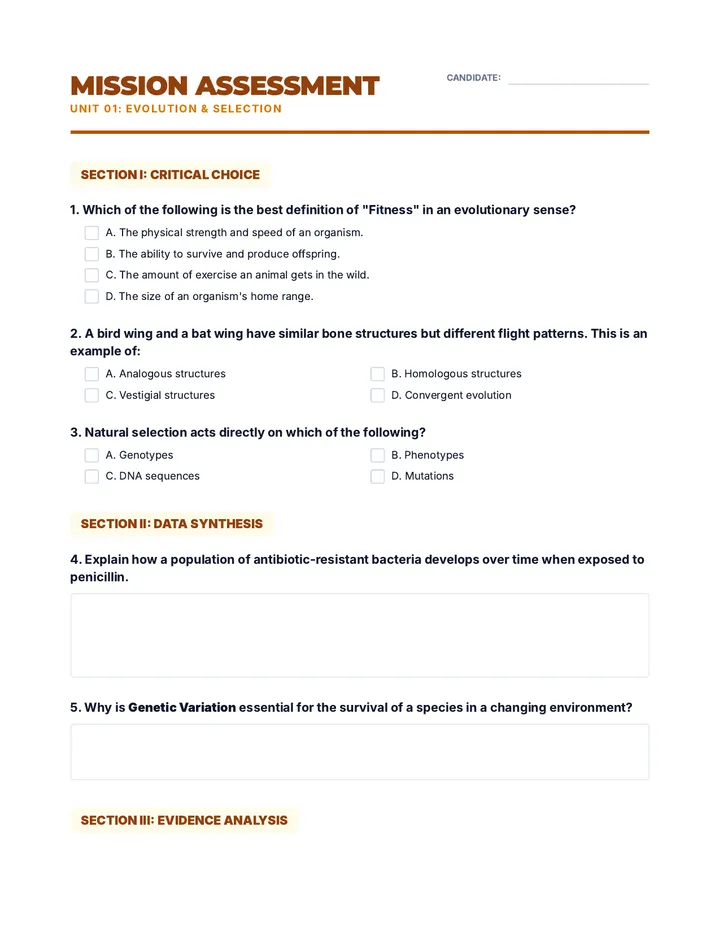
Evolution Assessment Quiz

Biology Recovery Sprint

A high-intensity biology credit recovery program focused on high-yield standards: Evolution, Systems, Viruses, and Cellular Genetics.

PB

Priyadarshini Bharath

15
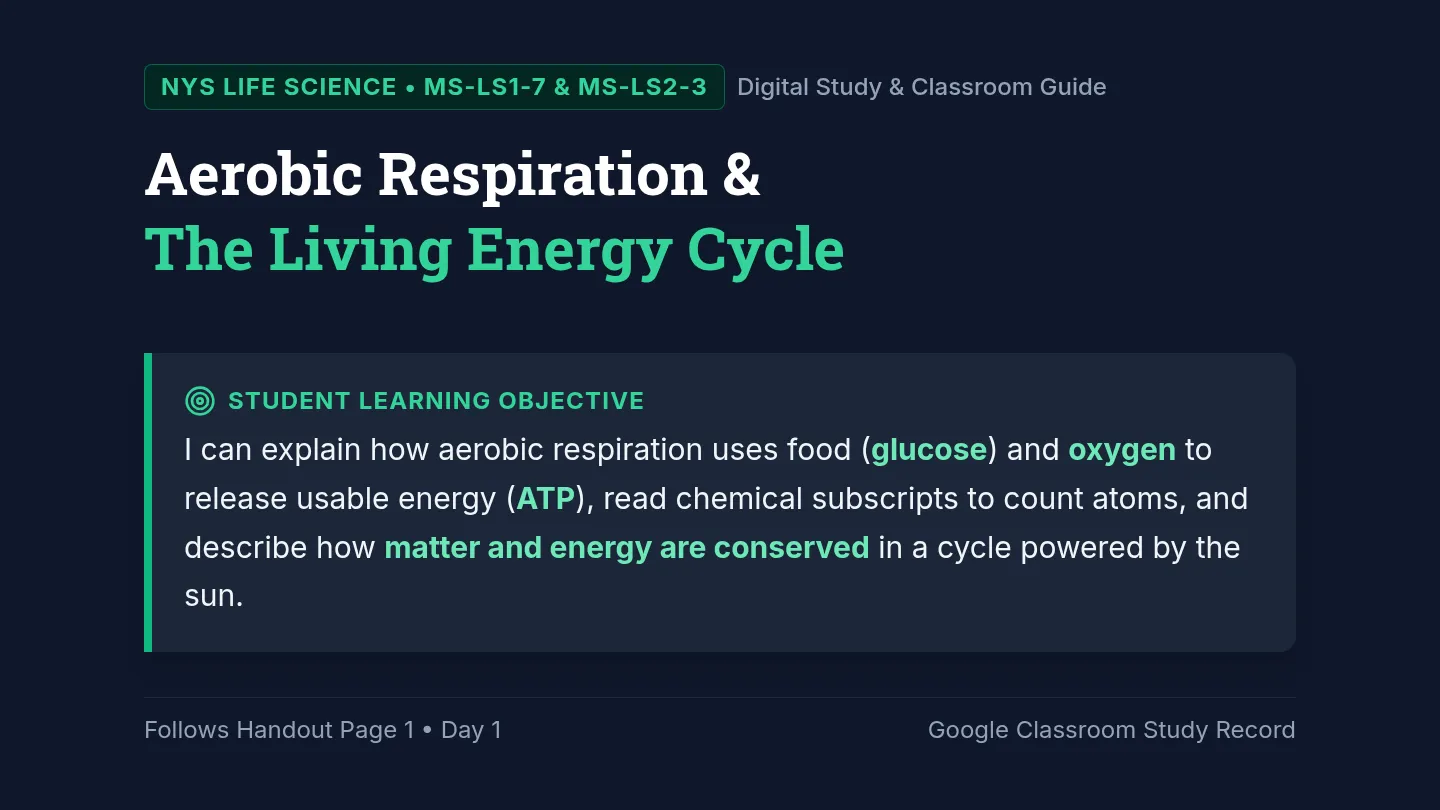
Aerobic Respiration Lesson Slides

Cellular Respiration Cycle

A comprehensive multi-day middle school life science sequence aligned with NYS learning standards exploring aerobic and anaerobic cellular respiration, matter recycling, and energy flow powered by the sun.

JE

Jeffrey Elterman

8
Ocean Homes Slides

Ocean Homes

A highly visual 4-day science unit exploring ocean habitats and depth zones. Tailored for differentiated instruction for 3rd grade and nonverbal 7th grade students using Boardmaker-style symbols, color-coded matching, and visual check comprehension.

D

dbowers

17
Sonic Signals Slides

Wild Signals

A comprehensive two-week, 4th-grade life science unit exploring how animals send, receive, and decode signals across auditory, visual, olfactory, and vibrational sensory modes to survive. Students analyze scientific evidence, acoustic and seismic spectrograms, behavioral patterns, and engineer biomimetic communication prototypes.

CQ

Constance Quinones

19