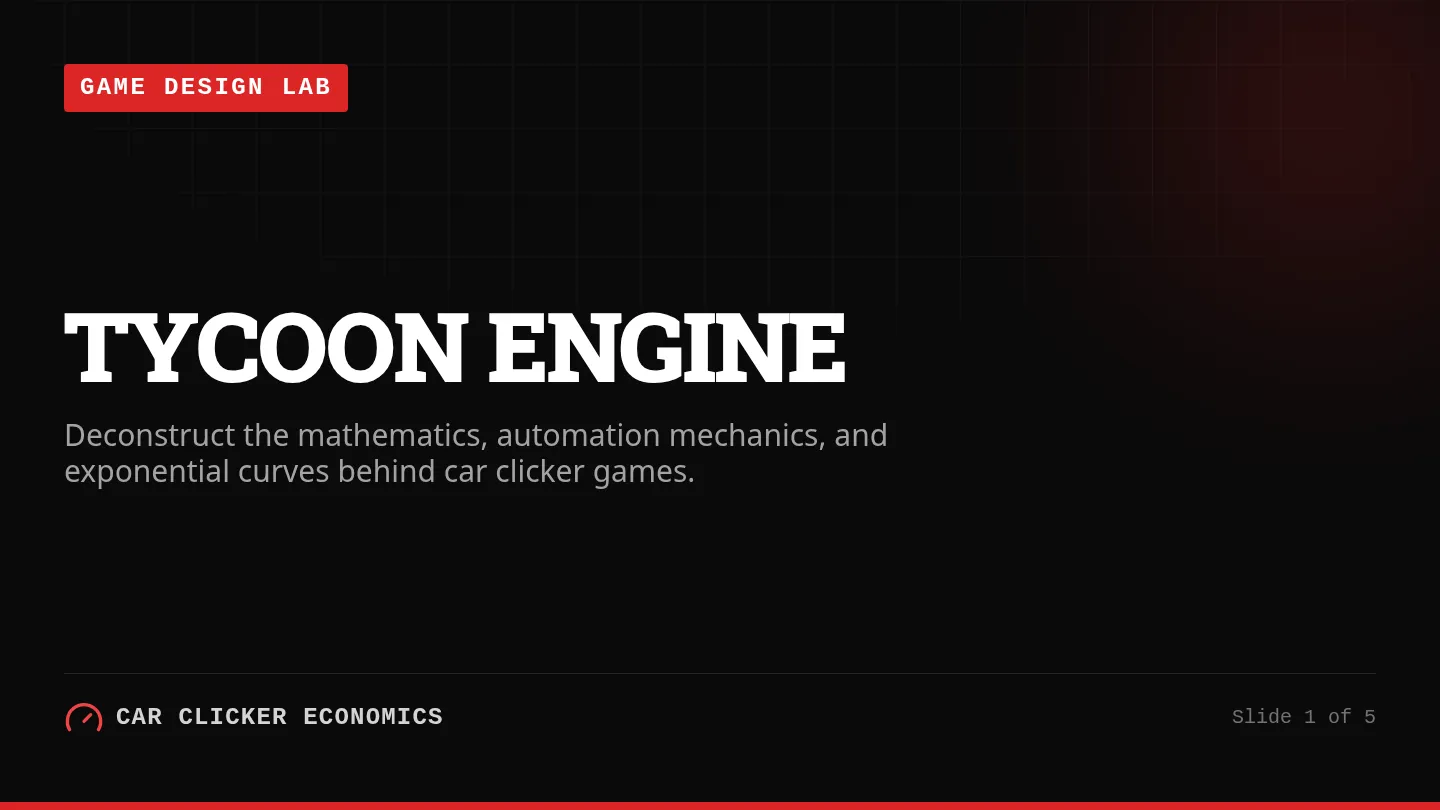
A game design and mathematics sequence where students deconstruct and build idle game mechanics, loop design, and exponential growth formulas.
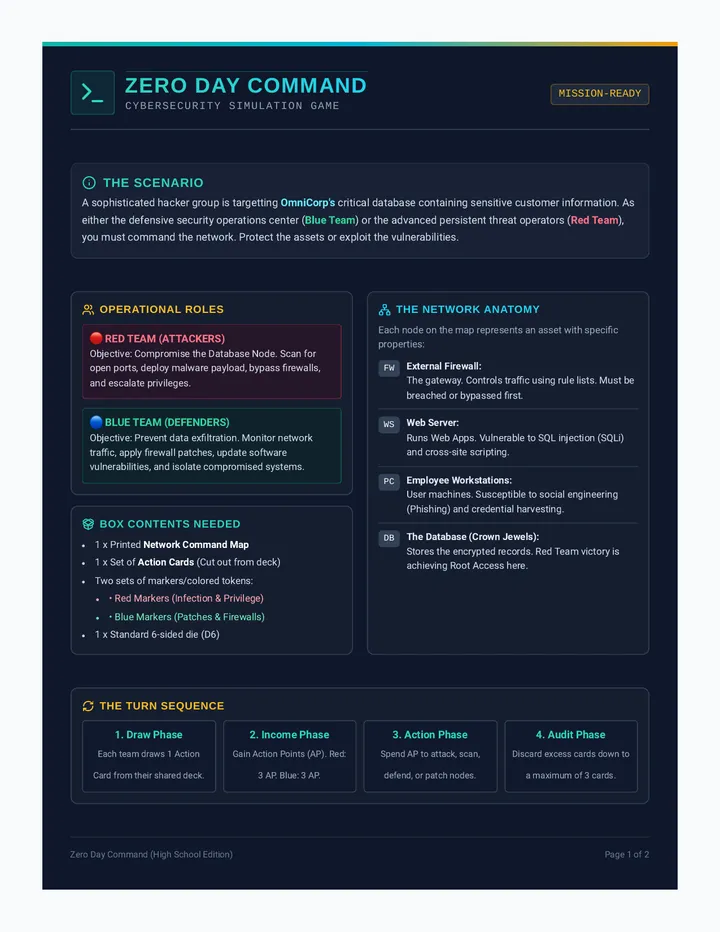
A suite of competitive and strategic classroom paper-and-slide simulation games designed to introduce high schoolers to advanced systems thinking, cyber defense, and technology economic markets.
Students explore the math and feedback loops behind popular clicker games, designing upgrading mechanics, clicks-per-second ratios, and exponential price curves for a custom car factory idle game.
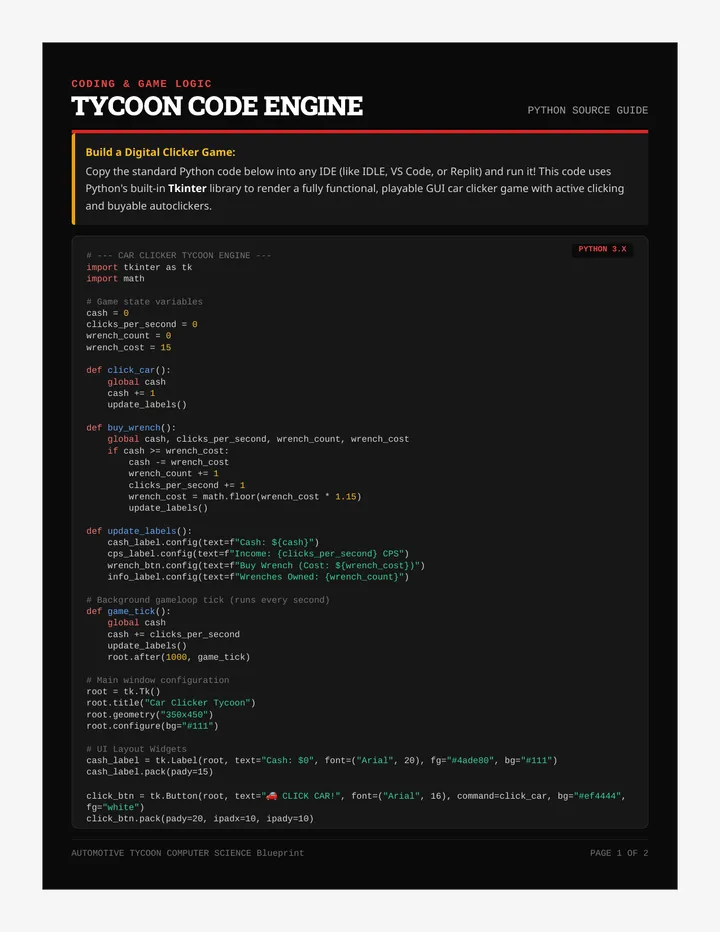
A step-by-step programming guide and clean Python/Tkinter code blueprint for students to build a fully functional digital car clicker game.
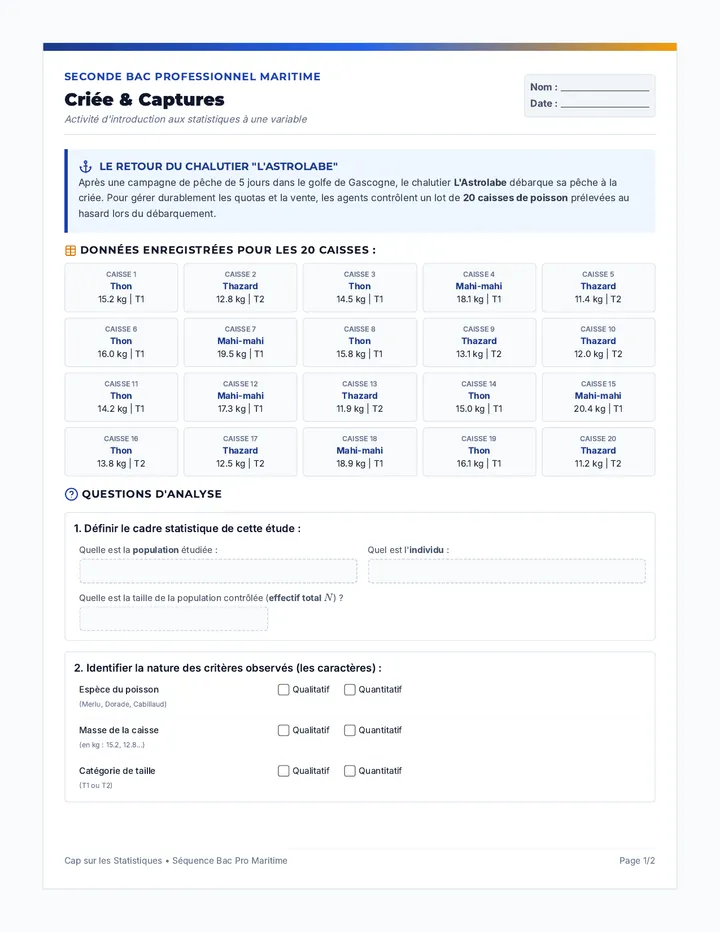
Séquence d'accueil et de consolidation des automatismes numériques (nombres, fractions, priorités opératoires) comprenant un test de positionnement et des fiches d'exercices contextualisées.
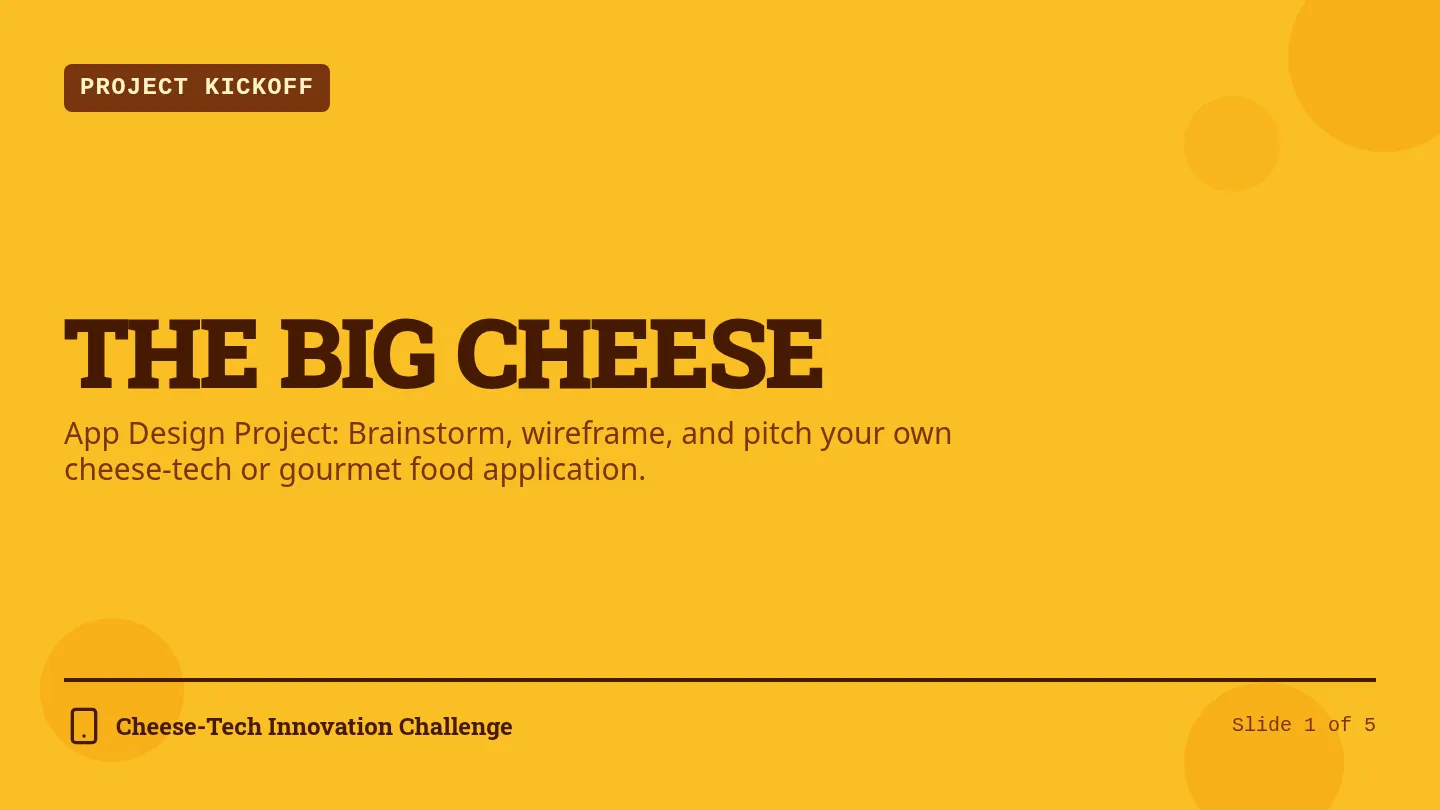
A complete app design project where students research, wireframe, and pitch their own cheese-themed or food-tech app ideas. This project guides students through the design thinking process, user research, wireframing, and pitching.
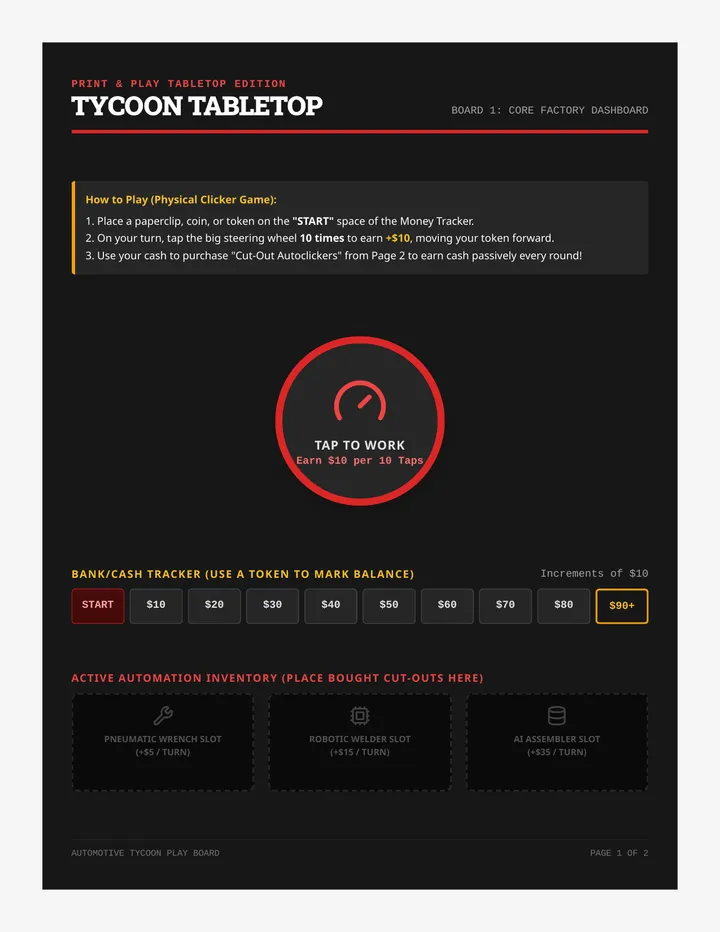
A printable, fully playable physical paper board game simulating a car factory clicker game, featuring a player dashboard, upgrade inventory trackers, and cut-out upgrades.
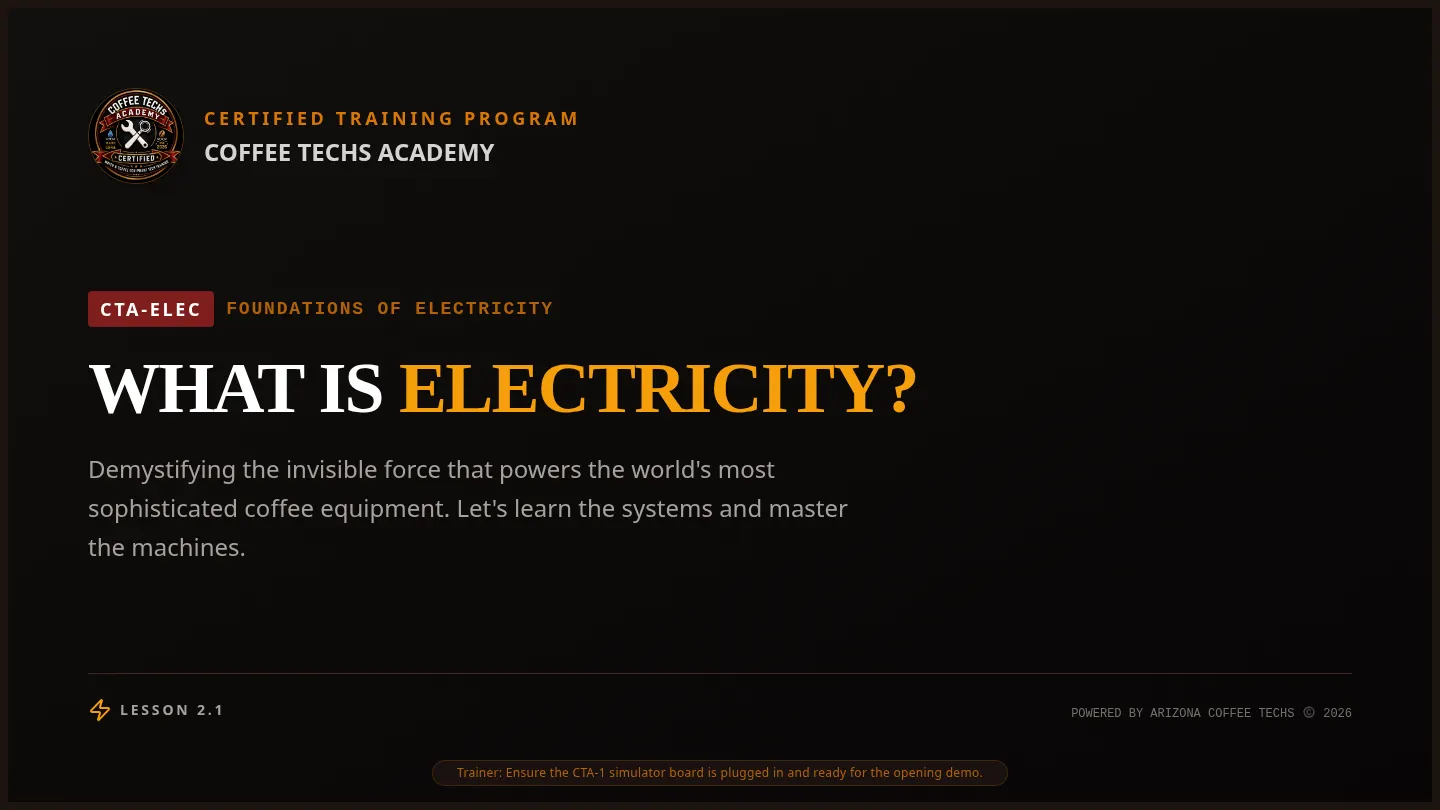
A comprehensive technical certification sequence designed to teach commercial coffee equipment technicians how to demystify electricity, safely troubleshoot components, and master electrical systems.
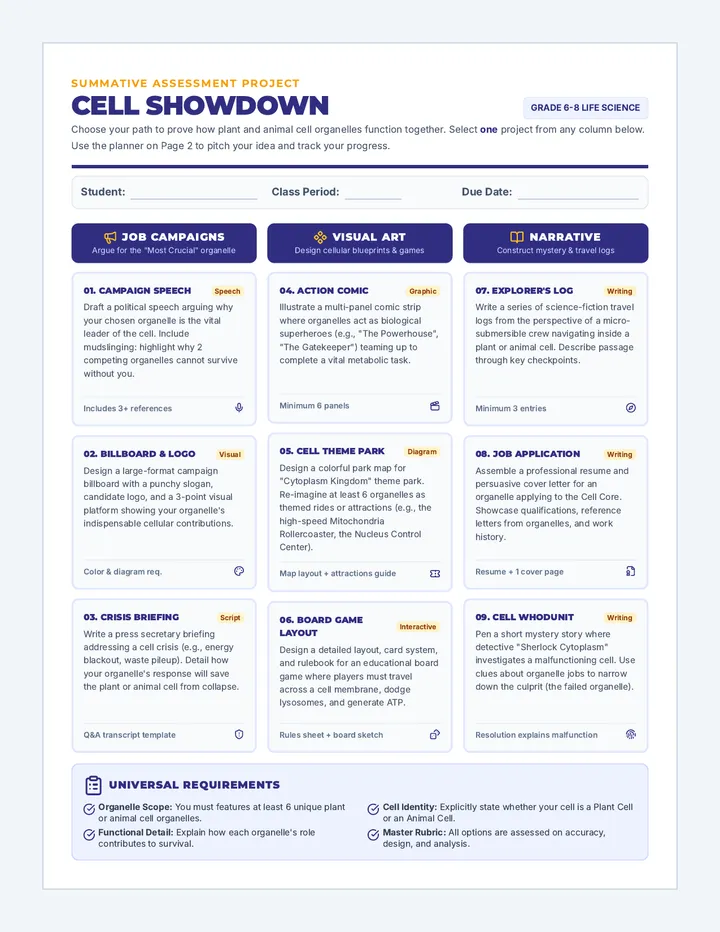
An ecology and life science curriculum sequence exploring the microscopic and macroscopic systems of our planet, from cellular organelles and biological organization to Earth's interconnected spheres.
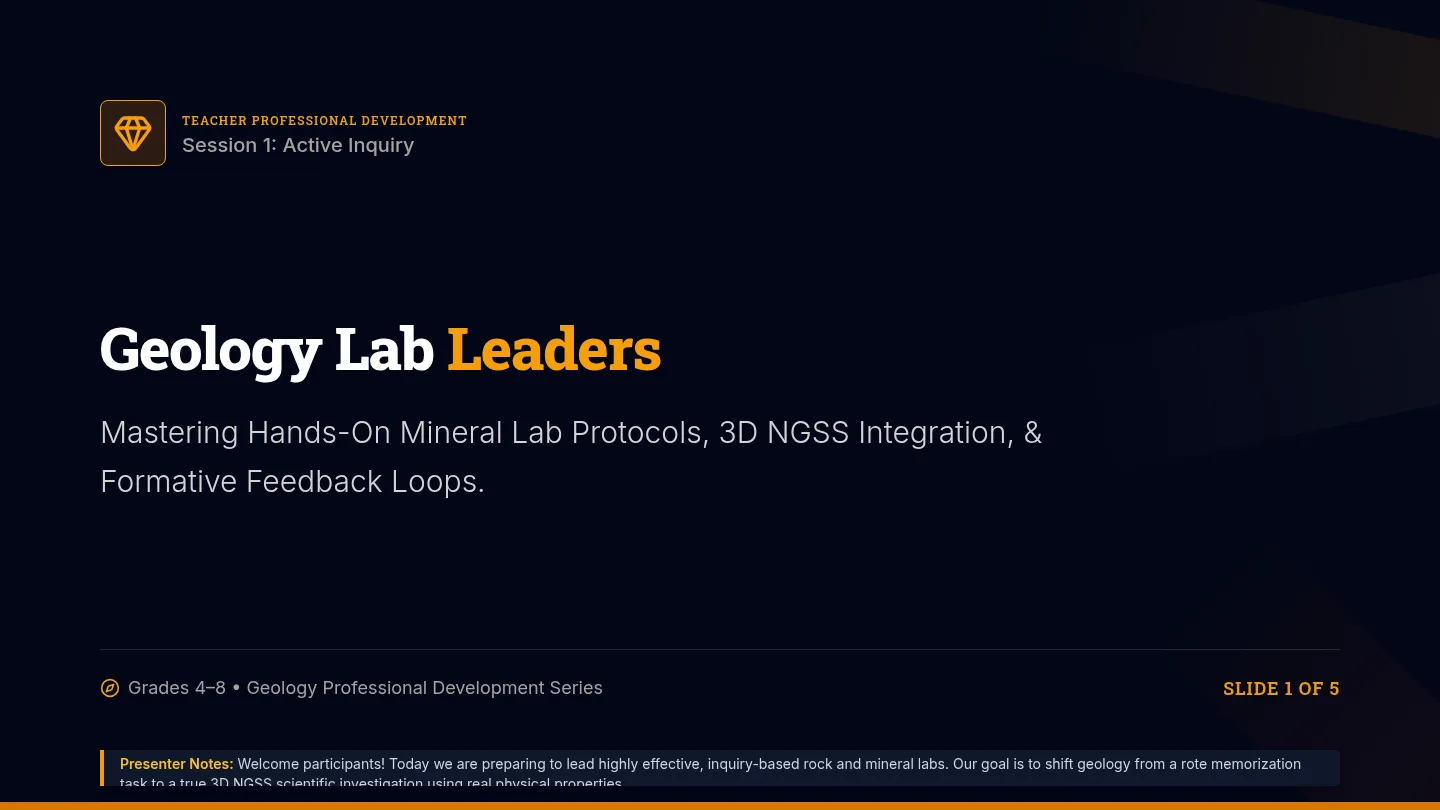
A comprehensive teacher professional development and model lesson plan sequence. It equips educators with hands-on mineral testing protocols, inquiry-based (3D) NGSS teaching strategies, geological vocabulary support, and formative assessment tools for grades 4-8.
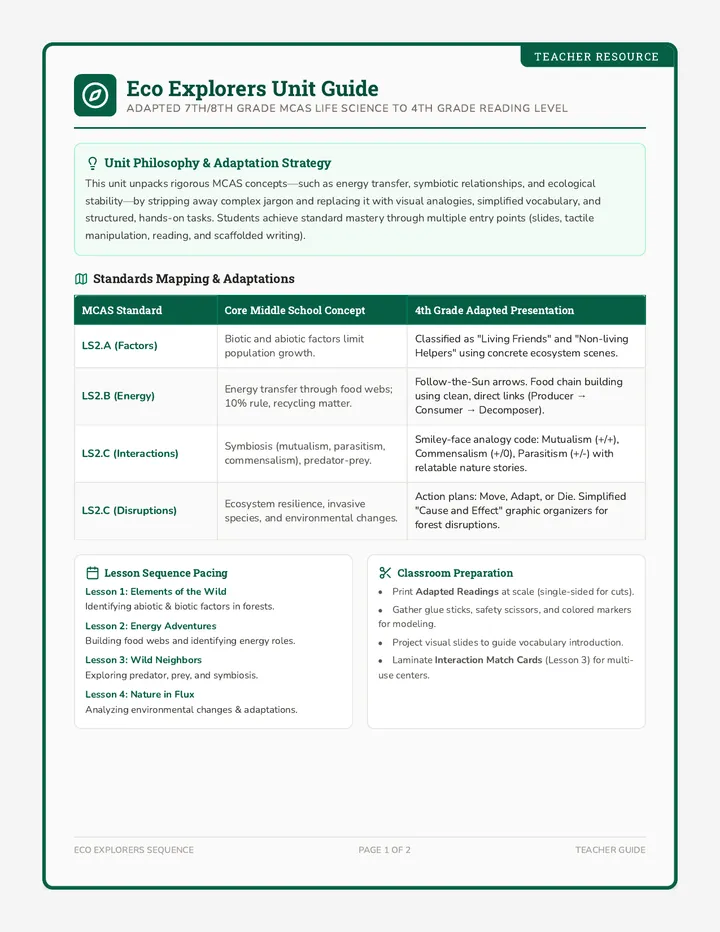
An interactive, highly visual ecosystem unit designed for 7th/8th grade MCAS standards but adapted to a 4th-grade reading and comprehension level. The unit explores abiotic/biotic factors, energy flow, interactions, and disruptions through hands-on activities, adapted readings, visual slides, and scaffolded assessments.
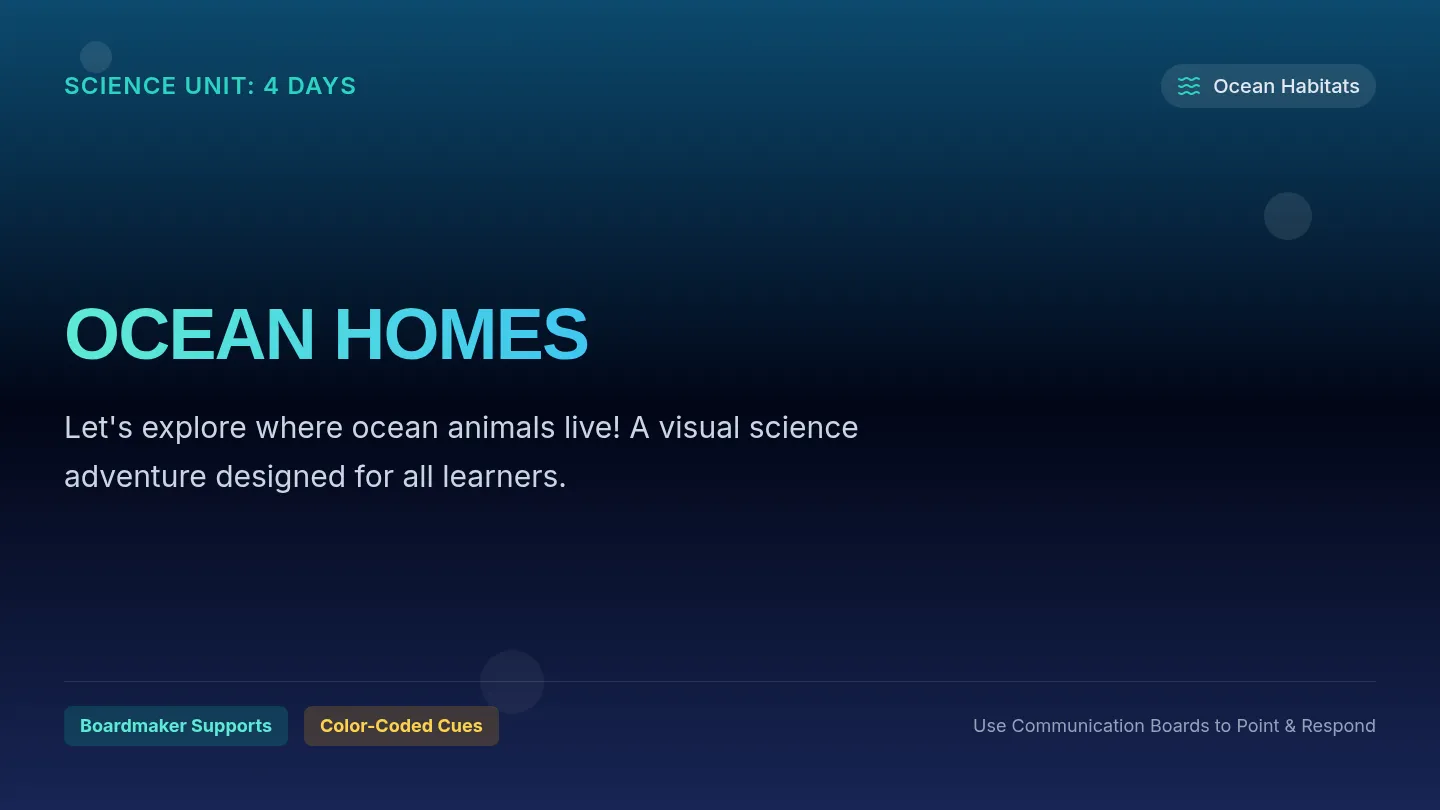
A highly visual 4-day science unit exploring ocean habitats and depth zones. Tailored for differentiated instruction for 3rd grade and nonverbal 7th grade students using Boardmaker-style symbols, color-coded matching, and visual check comprehension.