SPECIMEN C
This cell comes in a dry packet at the grocery store. When bakers mix it with warm water and sugar, it wakes up and releases bubbles that make dough rise to bake soft bread!
NUC
Yeast
Journal Mission Log
TASK 1: Structural Classification (DOK 3) Classify this yeast cell. Citing **two pieces of physical evidence** from the diagram and table, write an explanation in your journal defending your classification.
TASK 2: Energy & Gas Connection (DOK 4) Yeast cells have specialized energy-makers called mitochondria. These structures turn sugar into energy and release carbon dioxide gas as waste. This gas creates bubbles, making bread rise. Simple bacteria also eat sugar but lack mitochondria and cannot make bread rise this way. Why does making energy with specialized organs like mitochondria require a more complex eukaryotic design?
MICROBE MYSTERY • STATION 3 OF 6 HIGH-CONTRAST MONOCHROME REPLICA
Microbe Detective Case File
SPECIMEN D
This cell lives in muddy puddles outside! It plays a vital role by breaking down dead leaves and grass, turning them into nutrient-rich soil that helps garden flowers grow.
DNA
Soil Bacteria
Journal Mission Log
TASK 1: Diagnostic Features (DOK 3) Determine whether this soil bacterium is a prokaryote or a eukaryote. List three specific facts from the card that lead to your classification.
TASK 2: Speed and Simplicity (DOK 4) This cell has a very simple internal design and uses a tiny tail to swim. Explain how having a simple, tiny body allows this bacteria cell to reproduce and colonize a mud puddle much faster than a giant, complex eukaryotic cell that requires lots of energy to build complex parts.
MICROBE MYSTERY • STATION 4 OF 6 HIGH-CONTRAST MONOCHROME REPLICA
Microbe Detective Case File
SPECIMEN E
This cell is found on bread left out too long! It starts as a tiny spore, then grows into those fuzzy blue, green, or white patches that ruin your sandwich.
Penicillium (Mold)
Journal Mission Log
TASK 1: Evaluation of Structure (DOK 3) Classify this fuzzy bread mold cell. In your science journal, write a claim and back it up with two lines of evidence comparing its internal compartments and nucleus to prokaryotic bacteria.
TASK 2: Teamwork Advantage (DOK 4) Mold is multicellular. This means millions of cells work together as one team to grow, absorb food, and survive. Why is working together as a multicellular team an evolutionary advantage for finding food on old bread compared to a single, isolated prokaryote cell that must do everything alone?
MICROBE MYSTERY • STATION 5 OF 6 HIGH-CONTRAST MONOCHROME REPLICA
Microbe Detective Case File
SPECIMEN F
This cell belongs to a green plant growing inside a freshwater aquarium tank! It uses light from the fish tank lamp to synthesize sugars that keep the plant healthy.
NUC
Elodea (Plant Cell)
Journal Mission Log
TASK 1: Diagnostic Features (DOK 3) Classify this aquarium plant cell as prokaryotic or eukaryotic. In your journal, write a short paragraph defending your answer using three separate features seen on this card.
TASK 2: Solar Power Comparison (DOK 4) Plant cells use specialized green organelles called chloroplasts to turn sunlight into food. Simple prokaryotes cannot make chloroplasts. Explain how having specialized chloroplasts allows plants to make their own energy, and predict what would happen to the cell if the aquarium lamp was turned off for a month.
MICROBE MYSTERY • STATION 6 OF 6 HIGH-CONTRAST MONOCHROME REPLICA
When you hear the chime, stand up immediately and walk with your team to the next table. Leave the cards behind on the table!
Quiet Transitions
MICROBE MYSTERY • MISSION SLIDES PAGE 4 OF 6
Timer Protocol
STATION ALLOTMENT
05:00
MINUTES PER SPECIMEN
TOTAL STATION WORK: 30:00
STATION A Yogurt Maker
STATION B Pond Swimmer
STATION C Bread Baker
STATION D Mud Survivor
STATION E Fuzzy Bread Mold
STATION F Aquarium Plant
Keep pace with your unit. If your group solves a case file early, read the Task 2 question aloud and push each other to write a deep explanation!
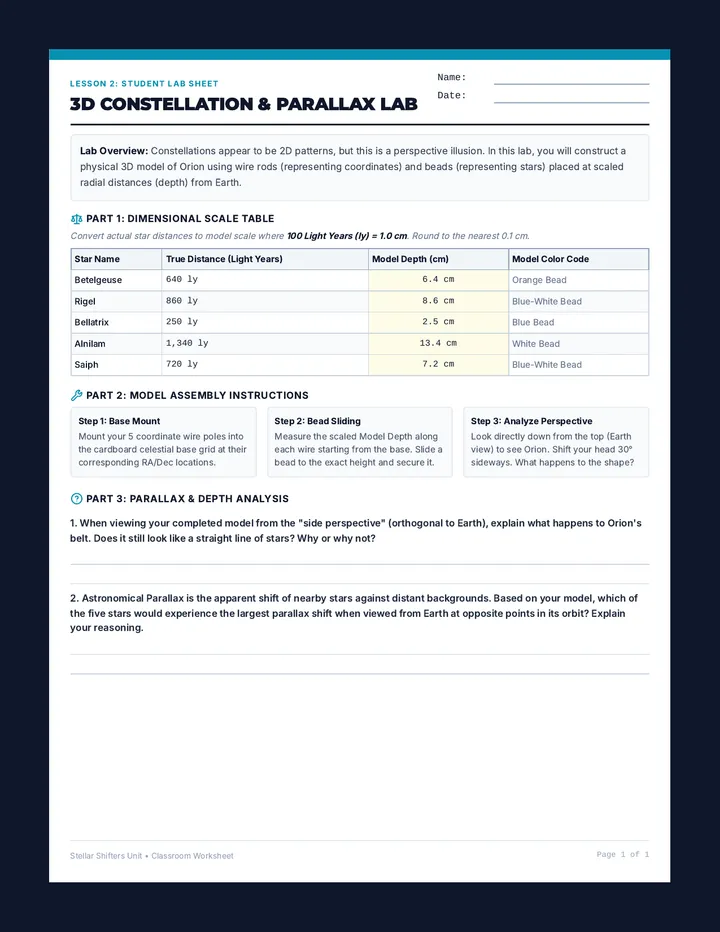
MICROBE MYSTERY • MISSION SLIDES PAGE 5 OF 6
Mission Wrap-up
Individual Exit Protocol
In your science journal, write a concluding 3-sentence summary:
"Eukaryotic cells are like high-tech mansions with separate, protected rooms. Prokaryotic cells are like simple, one-room tiny cabins. Explain this comparison in your own words."
MICROBE MYSTERY • MISSION SLIDES PAGE 6 OF 6