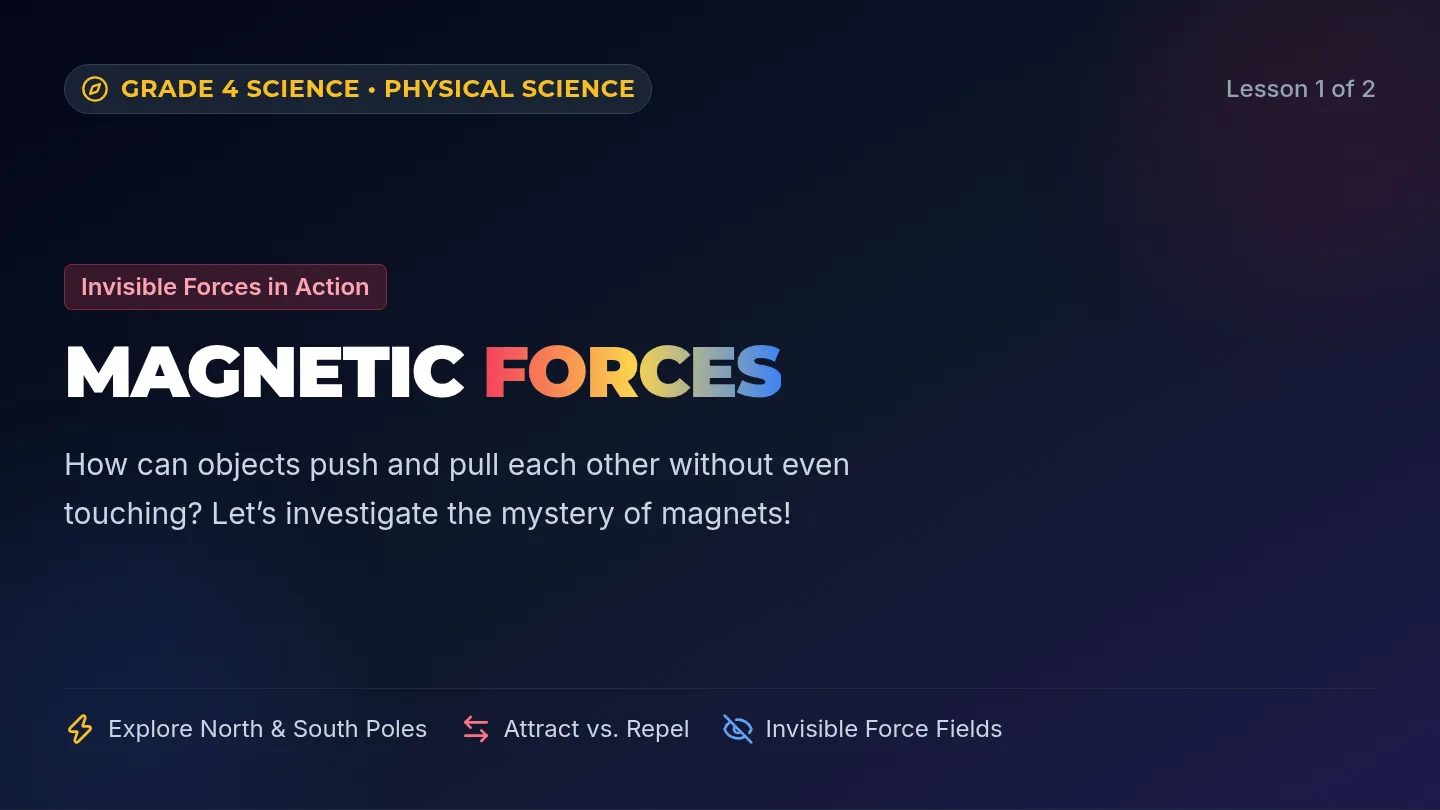
Mammal Milestones Slides Mammal Milestones
Tracking the Life Cycles of Humans and Dogs
What is a Mammal?
Characteristics
• They have fur or hair.
• They are warm-blooded.
• Most give birth to live young.
• Mothers produce milk for their babies.
Humans and dogs are both mammals!
The Basic Mammal Life Cycle
Birth
Growth
Adult / Parents
Mammals go through distinct stages of development.
The Human Journey
👶
Infant
Depends on parents for milk and care.
🧒
Child
Learning to be independent.
🎒
Adolescent
Body changes rapidly (puberty).
👔
Adult
Mature and can have children.
👵
Elder
Late stage of life; body slows down.
A Dog's Life
Puppy
Blind and deaf at birth; needs milk.
Adolescent
Full of energy; learning behaviors.
Adult
Fully grown; can reproduce.
Senior
May be less active; grey muzzle.
Compare & Contrast
Similarities
Both start as small, helpless babies.
Both grow significantly in size.
Both need care from parents early on.
Both can produce young as adults.
Differences
Dogs grow much faster than humans.
Humans have 5 main stages; dogs have 4.
Humans live much longer than dogs.
Humans walk on 2 legs; dogs on 4!
Think Like a Biologist
"Why do you think some mammals grow up faster than others? What might be the benefit of a long childhood for humans?"
Discuss with your partner!
Mammal Milestones Lesson Plan Mammal Milestones
Teacher Facilitation Guide | Grade 4 Science
Life Cycles
Learning Objectives
Identify the major stages of the human and canine life cycles.
Compare and contrast stages of development between two different mammals.
Describe the unique characteristics of mammals (live birth, milk production, hair/fur).
Essential Question
How do mammals change and grow from birth to old age, and why are their life cycles similar?
At a Glance
Duration
60 Minutes
Materials
• Mammal Milestones Slides
• Milestone Journal Worksheet
• Mammal Expert Challenge
• Scissors / Glue (optional)
Instructional Procedure
1
Hook & Engage (10 mins)
Display the first slide. Ask students: "Think about your favorite pet or a younger sibling. How were they different when they were born compared to now?" Briefly discuss mammal characteristics.
2
Direct Instruction (15 mins)
Use the Mammal Milestones Slides to walkthrough the human and canine life cycles. Focus on the vocabulary: infant, adolescent, puppy, senior, reproduction .
3
Guided Practice (15 mins)
Distribute the Milestone Journal Worksheet . Complete the "Characteristics" section together as a class. Have students label the life cycles in small groups.
4
Independent/Differentiated Work (15 mins)
Assign the Mammal Expert Challenge to students who finish early or demonstrate high mastery. For students needing more support, provide a word bank or partially filled version of the core worksheet.
Differentiation
Scaffolding (Tier 1 & 2)
Provide pre-cut stage labels for students to paste rather than write. Use the "Comparing" slide to prompt verbal answers before writing. Highlight key vocabulary in the text.
Extension (Tier 3)
Students use the Mammal Expert Challenge to research a non-terrestrial mammal (like a dolphin or whale) and compare its life cycle to a human's.
Assessment
Formative Check
Observe students during the labeling activity. Can they identify which human stage (adolescence) corresponds to the puppy's energetic growth phase?
Exit Ticket Idea
"Draw one stage of a mammal life cycle that is different from humans. Explain why it is different."
Pro-Tip
When discussing "Reproduction," keep it age-appropriate for 4th grade by focusing on the concept of "becoming a parent" and "the cycle starting over." Avoid technical details unless they are part of your specific curriculum standards.
Milestone Journal Worksheet Milestone Journal
Science Explorer Worksheet
NAME:
DATE:
Identifying Mammals
What makes a mammal a mammal? List three characteristics we discussed today:
The Human Journey
Label the five stages of the human life cycle using the word bank below.
👶
🧒
🎒
👔
👵
Adolescent Elder Child Adult Infant
A Dog's Life
Draw or describe one major change that happens between these stages of a dog's life.
Puppy → Adolescent
Observation Notes
Adult → Senior
Observation Notes
Mammal Matchup
Q
What is one stage that humans have, but dogs do NOT have in their 4-stage cycle?
Q
How is a puppy similar to a human infant? Provide one reason.
Mammal Milestones Explorer Journal • Grade 4 Unit 2: Life Cycles
Mammal Expert Challenge Worksheet Mammal Expert Challenge
Level: Advanced Explorer
NAME:
Mission: Deep Research
You have mastered the basics of humans and dogs. Now, put your skills to the test by investigating a mystery mammal and comparing it to what you know.
1. Choose Your Subject
Choose ONE mammal from the list below or research your own (with teacher approval):
🐋 Blue Whale
🦇 Fruit Bat
🦒 Giraffe
🦦 Sea Otter
Selected Mammal: __________________________________________________
Stage 1: Birth
How many babies are born at once? What do they look like?
Stage 2: Growth
How long do they stay with their mother? What do they eat?
2. Comparative Analysis
Think about how your mystery mammal compares to a human. Use the Venn diagram below to record your findings.
HUMANS
MYSTERY MAMMAL
Both
Mammal Fact-Finder
What is the most surprising thing you learned about your mammal's life cycle?
Mammal Milestones • Extension Activity • "Think Like a Scientist" Series
Mammal Milestones Answer Key Answer Key
Mammal Milestones Lesson Series
TEACHER REFERENCE
1. Milestone Journal Worksheet
Part 1: Identifying Mammals
Accept any three of the following:
• Hair or fur
• Warm-blooded
• Produce milk for young
• Give birth to live young
Part 2: Human Journey Labels
Infant
Child
Adolescent
Adult
Elder
Part 4: Mammal Matchup
Stage difference
Dogs do not have a separate "Child" or "Adolescent" stage in the same way; they often go from "Puppy" to "Adolescent/Young Adult" very quickly. Accept "Adolescent" or "Child" as valid answers for human stages that differ in speed/name.
Comparison
Both are helpless at birth, both need milk from their mothers, and both grow rapidly in their early stages.
2. Mammal Expert Challenge (Sample: Blue Whale)
<table class="w-full text-sm"><tbody><tr class="border-b border-emerald-200"><td class="py-4 font-bold text-emerald-900 w-1/3 text-lg">Venn Diagram: Both</td><td class="py-4 text-emerald-800">Have hair (whales have whiskers as babies!), produce milk, live birth, breathe air, warm-blooded.</td></tr><tr class="border-b border-emerald-200"><td class="py-4 font-bold text-emerald-900 w-1/3 text-lg">Whale Only</td><td class="py-4 text-emerald-800">Lives in water, gives birth tail-first, can swim immediately, huge size.</td></tr><tr><td class="py-4 font-bold text-emerald-900 w-1/3 text-lg">Human Only</td><td class="py-4 text-emerald-800">Lives on land, walks on two legs, has a very long childhood (12+ years).</td></tr></tbody></table>
Confidential Answer Key • For Teacher Use Only