Lenny.com
Explore
Create
ActivitiesNewMathEnglish Language ArtsScience & EngineeringSocial StudiesGlobal LanguagesHealth & Physical EducationSpecial EducationCounseling & Life SkillsArts & CreativityESL
Lenny.com
Lenny.com
Explore
Create
ActivitiesNewMathEnglish Language ArtsScience & EngineeringSocial StudiesGlobal LanguagesHealth & Physical EducationSpecial EducationCounseling & Life SkillsArts & CreativityESL
Lenny.com
Lenny.com

Solutions

Lenny for EducatorsLenny for SchoolsLenny for Districts

Product

ExploreSign inCreateSupportAbout

Resources

Getting startedMTSS Acceleration Program

© 2026 Lenny Learning Inc.

TermsPrivacyAccessibility
LinkedInInstagramX
Lenny

Adaptations

Structural and behavioral traits that enable organisms to survive and thrive in specific environments. Examines natural selection, camouflage, and evolutionary shifts across diverse ecosystems.

Science & EngineeringLife ScienceLiving ThingsAnimalsPlantsBody SystemsTraitsAdaptationsCellsEcosystemsHeredityGenes to TraitsCell DivisionPhysicsComparing MaterialsShapes and PropertiesMagnetsMagnetismLightSoundLight and SoundMatterStates of MatterChanges of StateMixturesPhysical and Chemical ChangeHeating and CoolingHeat and Thermal EnergyEnergyForce and MotionElectrical CircuitsAtoms and MoleculesPeriodic TableMotion in One DimensionMotion in Two DimensionsScalars and VectorsForces and Laws of MotionCircular Motion and GravityMomentum and ImpulseWork, Energy, and PowerWavesElectromagnetic WavesGeometric OpticsElectricity and MagnetismSimple Harmonic MotionThermodynamicsNuclear PhysicsEarth Science & AstronomyWeatherWater CycleRocks and MineralsFossilsEarth's FeaturesEarth's ResourcesEarth's StructureWeather and ClimateEarth EventsFossils and Geologic TimePlate TectonicsHuman ImpactsAstronomyChemistryUnits and MeasurementAtomic StructurePeriodic TrendsChemical BondingNomenclatureMolecular StructureIntermolecular ForcesThe MoleStoichiometryProperties of GasesSolutionsChemical ReactionsBalancing EquationsEnergy ChangesRates of ReactionsEquilibriumAcids and BasesQuantum ModelBiologyClassificationCell StructureThe Chemistry of LifeBiomoleculesCellular TransportCell EnergyCell Growth and DivisionDNAProtein SynthesisMeiosis and Sexual ReproductionPatterns of InheritanceMulticellular OrganismsEvolutionEcologyBiodiversityComputer ScienceAlgorithms and Computational ThinkingProgramming LanguagesComputing SystemsNetworks and InternetData AnalysisCybersecurityAI and Machine LearningSoftware Design and DevelopmentBlockchainEngineering & AIDesigning ExperimentsEngineering PracticesDesign ThinkingEngineering Design ProcessMechanical EngineeringElectrical EngineeringMaterials and StructuresCAD and 3D DesignRoboticsArtificial Intelligence BasicsVibe CodingMachine LearningAI Ethics and SocietySystems ThinkingEntrepreneurship & InnovationEntrepreneurial MindsetBusiness Idea DevelopmentBusiness Plan BasicsMarketing & Customer DiscoveryFinancial Management for Startups

Videos

Discovering the Amazing Abilities of Rats

Discovering the Amazing Abilities of Rats

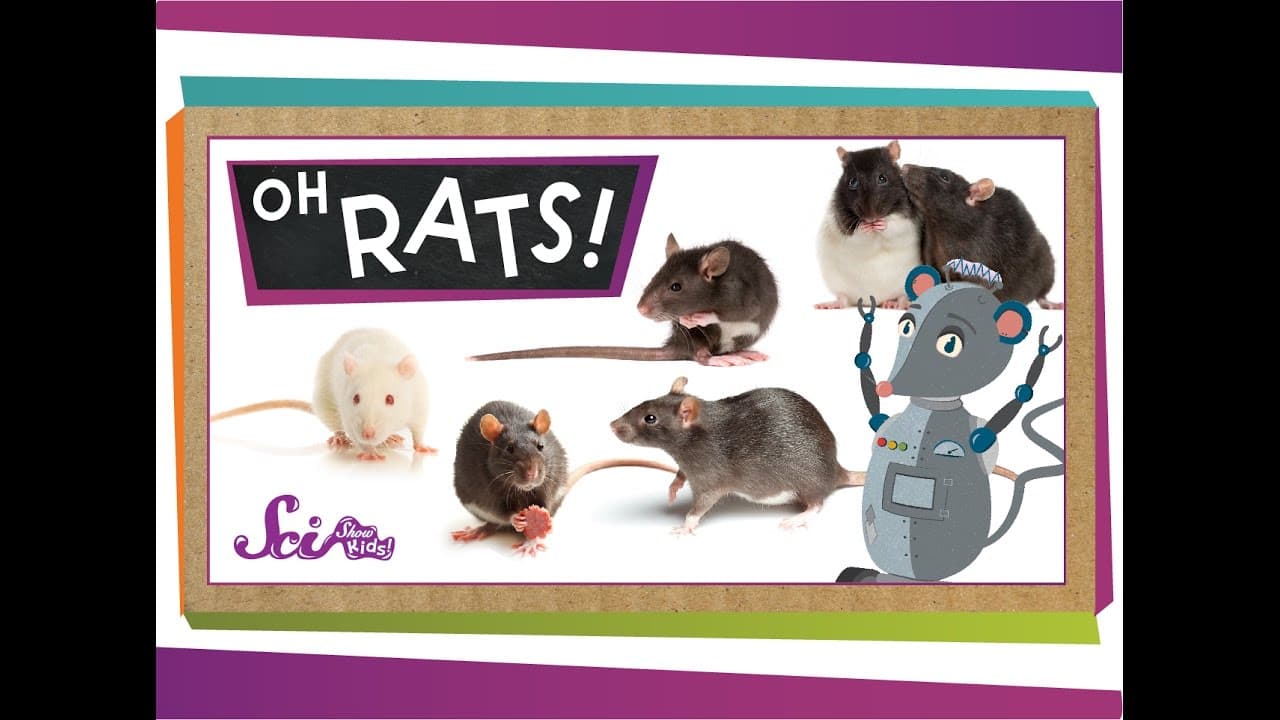
In this engaging episode of SciShow Kids, host Jessi and her robot rat friend Squeaks explore the fascinating and often misunderstood world of rats. Using a fun "True or False" game format, the video challenges common stereotypes about these rodents, revealing surprising facts about their hygiene, swimming abilities, sensory perception, physical strength, and intelligence. The video utilizes a mix of live-action narration, photography, and animated graphics to explain biological concepts such as rodent dentition and sensory adaptations in an accessible way for young learners. Key themes explored include animal adaptations, the five senses (specifically how rats rely on smell and hearing over sight), rodent biology (incisors that never stop growing), and animal intelligence/empathy. The video specifically addresses the misconception that rats are dirty, explaining their rigorous grooming habits, and highlights their surprising physical capabilities, such as chewing through cement and swimming for days without stopping. This video is an excellent resource for elementary science classrooms as it actively dispels myths and encourages critical thinking about animals that are often labeled as pests. It provides concrete examples of structural and behavioral adaptations, making it a perfect anchor for lessons on how animals survive in their environments. Additionally, the segment on rat empathy and intelligence offers a unique entry point for social-emotional learning discussions about judging others based on appearance or reputation.

SciShow KidsSciShow Kids

4mins 51s

Discovering the Unique Wildlife of the Australian Outback

Discovering the Unique Wildlife of the Australian Outback

This engaging virtual field trip transports students to the vast, arid landscapes of the Australian Outback to explore its unique ecosystem. Hosted by two narrators who trade fun facts and banter, the video introduces the harsh climate of central and northern Australia before diving into a survey of the continent's most iconic wildlife. From cuddly marsupials to deadly predators, the video provides a balanced look at the biodiversity that thrives in this challenging environment. The video covers a wide range of biological themes, specifically focusing on physical and behavioral adaptations. Students learn about marsupials like kangaroos and koalas, investigate the defense mechanisms of reptiles like the inland taipan and thorny devil, and explore the hunting strategies of birds like the kookaburra and wedge-tailed eagle. Special attention is given to how these animals have evolved to survive extreme heat and scarcity, such as the taipan changing color to regulate temperature. Ideally suited for elementary and middle school science classes, this resource serves as an excellent anchor for units on habitats, adaptations, and biodiversity. The clear narration and vivid footage make complex concepts like venom toxicity and territorial behavior accessible. Teachers can use this video to spark discussions on predator-prey relationships, the difference between native and introduced species, and the geography of the Southern Hemisphere.

Next Generation ScienceNext Generation Science

10mins 15s

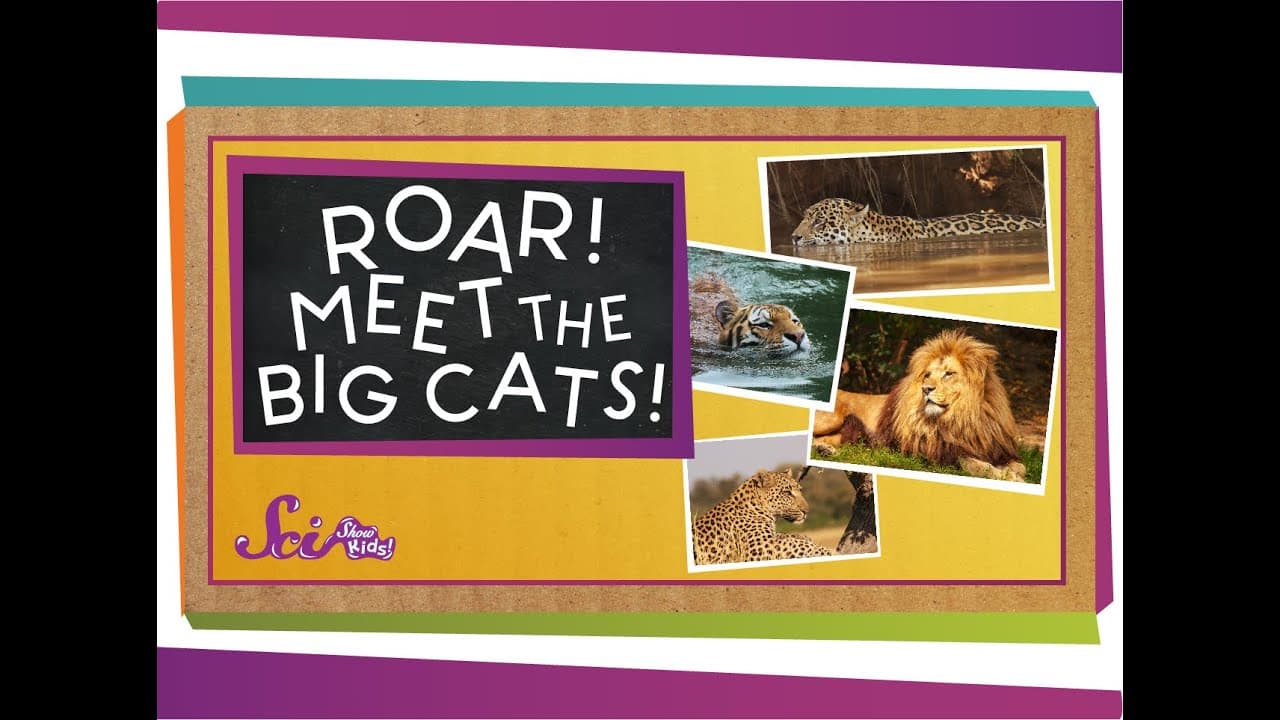
How to Identify the Four Big Cats

How to Identify the Four Big Cats

This engaging science video introduces students to the four primary species of "Big Cats"—lions, tigers, leopards, and jaguars. Hosted by Jessi and her robot mouse Squeaks, the video explains the specific biological definition of a Big Cat, focusing on their unique ability to roar, unlike other wild cats that can only growl or purr. It breaks down the physical characteristics, habitats, and behaviors of each species, using clear visuals and maps to help students understand where these majestic animals live and how they survive. The content explores key biological themes such as classification, adaptation, and habitats. Students learn about the distinct features of each cat, such as the male lion's mane, the tiger's camouflage stripes, and the subtle difference between leopard and jaguar spots. The video also introduces scientific vocabulary like "carnivore," "pride," and "rosettes," explaining how physical traits like strong swimming abilities or powerful jumping legs help these predators hunt and thrive in their specific environments. For educators, this video serves as an excellent foundation for lessons on zoology, geography, and animal adaptations. It provides concrete examples of how animals are suited to their biomes—from the African savannahs to the South American rainforests. The clear visual comparisons between similar-looking animals (like leopards and jaguars) offer a perfect opportunity for developing observation skills, while the segment on lions living in social groups compared to solitary tigers opens discussions on animal behavior and social structures.
SciShow KidsSciShow Kids

4mins 19s

How Bats Use Echolocation and Hang Upside Down

How Bats Use Echolocation and Hang Upside Down

This engaging educational video from SciShow Kids explores the fascinating world of bats, debunking common fears while highlighting their unique biological adaptations. Hosted by a lively presenter, the video breaks down three specific "superpowers" that make bats special: their ability to navigate using sound (echolocation), their physiological adaptation for hanging upside down without getting dizzy, and their strong maternal instincts and communal living habits in nurseries.

SciShow KidsSciShow Kids

3mins 48s

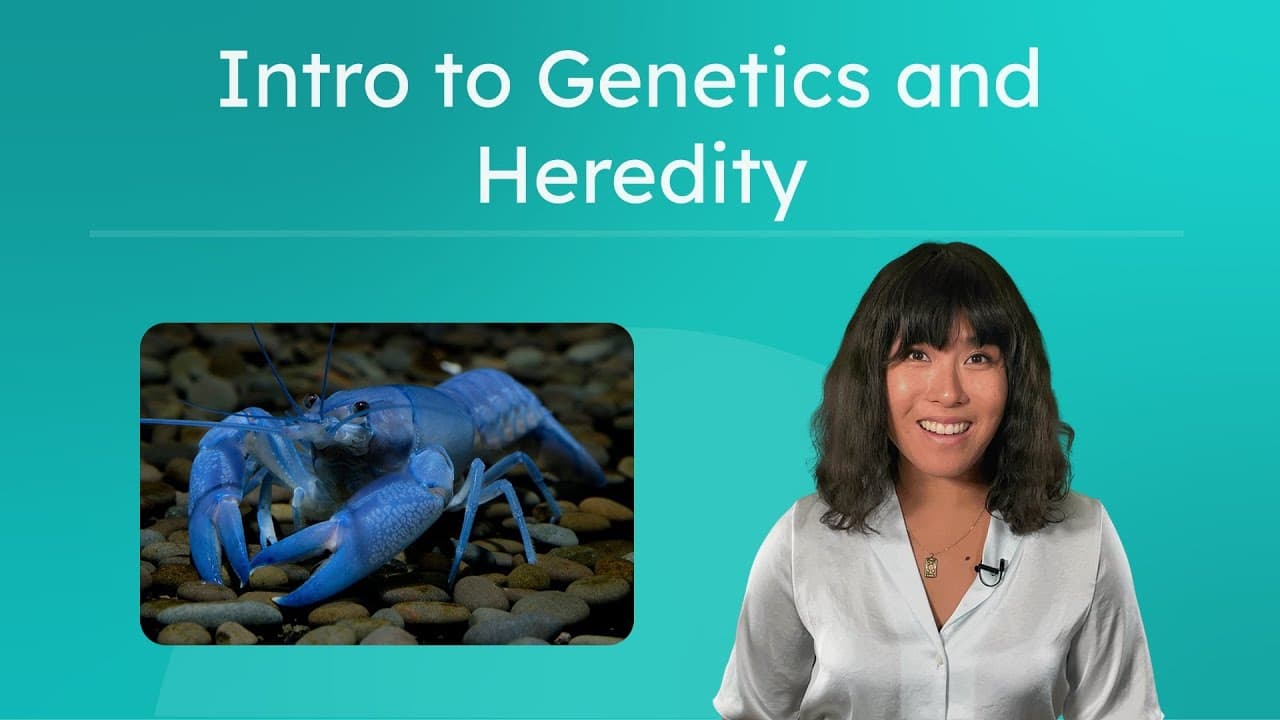
Introduction to Genetics: Blue Lobsters and Sickle Cell Traits

Introduction to Genetics: Blue Lobsters and Sickle Cell Traits

This engaging biology video serves as an introduction to genetics, bridging the gap between DNA structure and observable traits. The narrator, B, reviews the concept of meiosis and gametes to explain how offspring receive half their genetic material from each parent. The video defines key terms such as genes and alleles, laying the groundwork for understanding inheritance patterns before diving into specific case studies. Key themes include genetic inheritance, mutations, and adaptation. The video uses two distinct real-world examples to illustrate these concepts: the rare genetic mutation that causes blue coloration in lobsters and the human condition of sickle cell anemia. It explains how recessive traits (like the blue lobster) require two copies of an allele, while also introducing the complex evolutionary relationship between sickle cell traits and malaria resistance, highlighting how mutations can be harmful, neutral, or contextually beneficial. This resource is excellent for introducing a genetics unit in middle or high school classrooms. It moves beyond abstract definitions by providing concrete, memorable examples that demonstrate probability and natural selection. Teachers can use the blue lobster segment to discuss recessive inheritance and the sickle cell segment to explore adaptations and the interaction between genetics and the environment.

Miacademy & MiaPrep Learning ChannelMiacademy & MiaPrep Learning Channel

7mins 16s

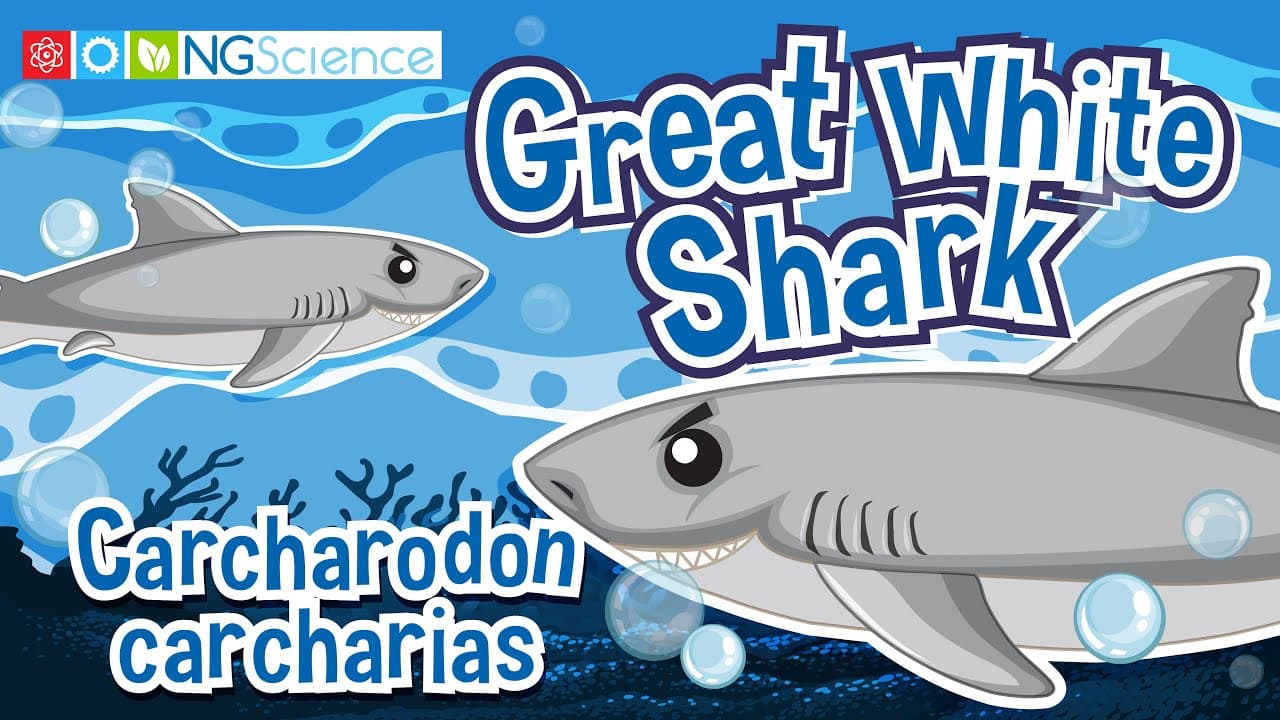
The Great White Shark: Guardian of the Ocean

The Great White Shark: Guardian of the Ocean

This educational video provides a stunning and scientifically rich exploration of the Great White Shark, reframing it from a movie monster to a vital component of marine ecosystems. Opening with a global perspective of Earth as the "pale blue dot," the video dives beneath the surface to explore the biodiversity of the ocean, eventually focusing on sharks as ancient, evolutionary masterpieces. It highlights the Great White's remarkable physical adaptations, including its cartilaginous skeleton, heightened senses, and hydrodynamic design that allows for explosive speed and breaching.

Next Generation ScienceNext Generation Science

5mins 19s

Materials

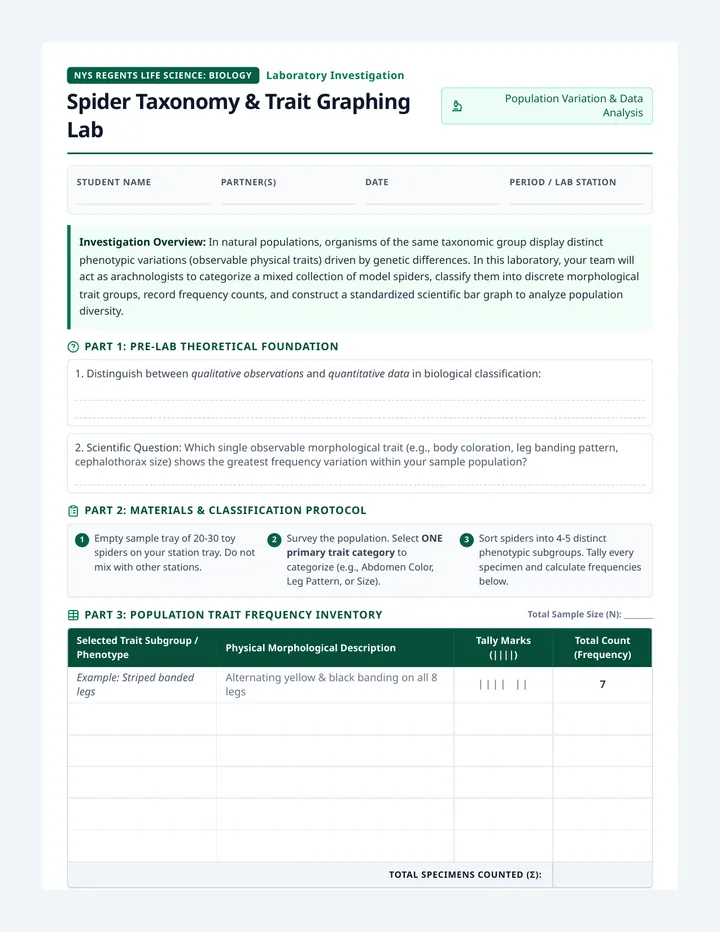
Spider Taxonomy Lab Sheet

Spider Taxonomy Lab Sheet

A hands-on New York State Regents Life Science lab sheet where students classify toy spiders by observable morphological traits, tally frequency distributions, construct a formatted scientific bar graph, and answer Regents-aligned analysis and evolutionary adaptation questions. Enhanced with a full-width vertical, sequential step-by-step laboratory classification procedure (Steps 1–5 stacked vertically) for optimal student readability and practical execution.

S

stewart

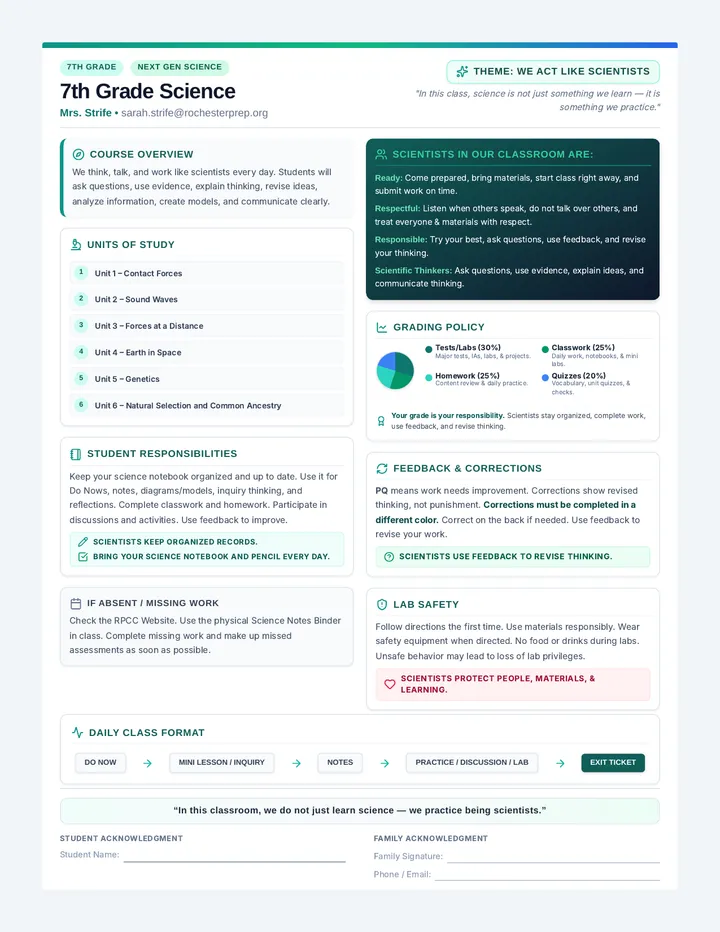
Science Action Syllabus

Science Action Syllabus

An updated 1-page 7th Grade Science Syllabus for Mrs. Strife. Formatted in a clean, professional, and visually engaging dual-column layout with organized boxes, bold headings, blue/green accent themes, and custom science icons. Includes a newly designed visual 'Grading Policy' section with a clean CSS-based donut chart. Perfect for student and parent onboarding.

SS

Sarah Strife

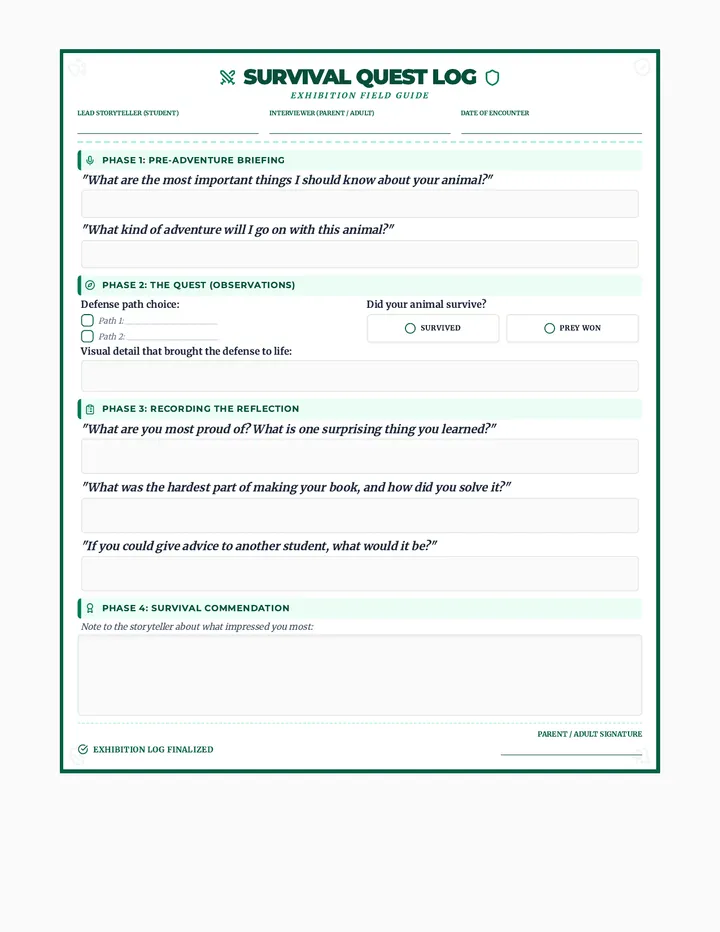
Survival Quest Final Log Form Trimmed

Survival Quest Final Log Form Trimmed

Final one-page Survival Quest parent feedback form. Optimized with a constrained 820px height and tightened vertical spacing to guarantee it fits on a single printed page while maintaining readable font sizes for the interview and reflection questions.

PM

Pam Muise

Bird Words Slides

Bird Words Slides

A two-slide vocabulary presentation introducing 9 essential bird-science terms for Birds: Wings and Feathers. Slide 1 covers cavity, glide, insulation, and nest; Slide 2 covers flock, feather, plumage, nectar, and attract with elementary-friendly definitions, illustrations, and sentence examples.

LH

Lyndsey Hughes

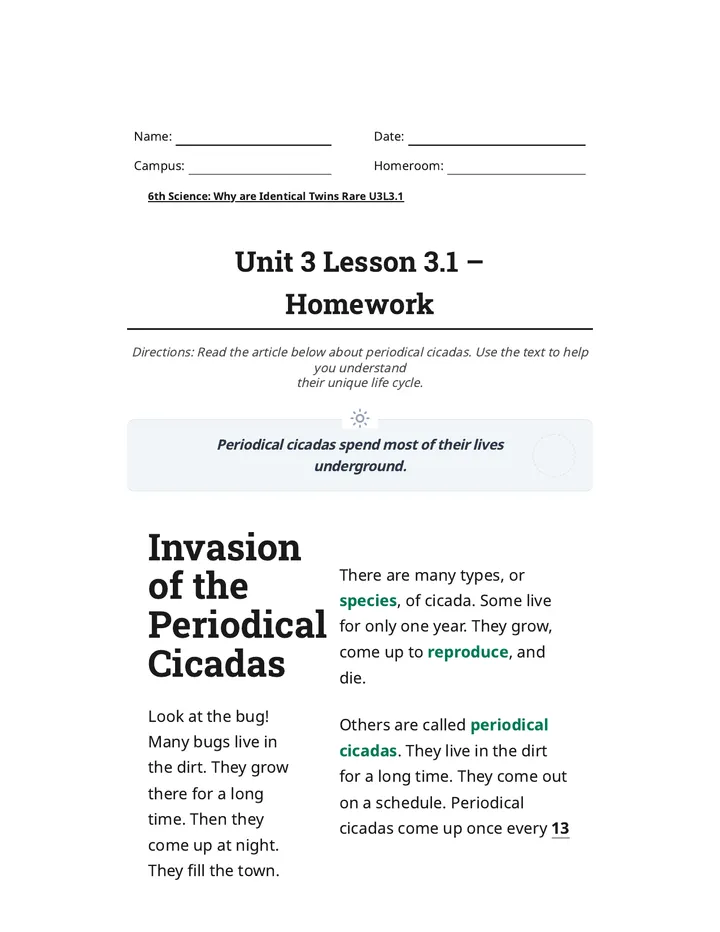
Cicada Bug Homework Worksheet house refined layout final clean layout final final v2

Cicada Bug Homework Worksheet house refined layout final clean layout final final v2

A 2-page homework article about periodical cicadas, adapted for a kindergarten reading level. This version removes the dashed borders and page numbers while maintaining the original layout and 6th-grade vocabulary, designed to be printed front and back on standard paper.

AC

Aaron Conlin

Hominid Discovery Field Guide

Hominid Discovery Field Guide

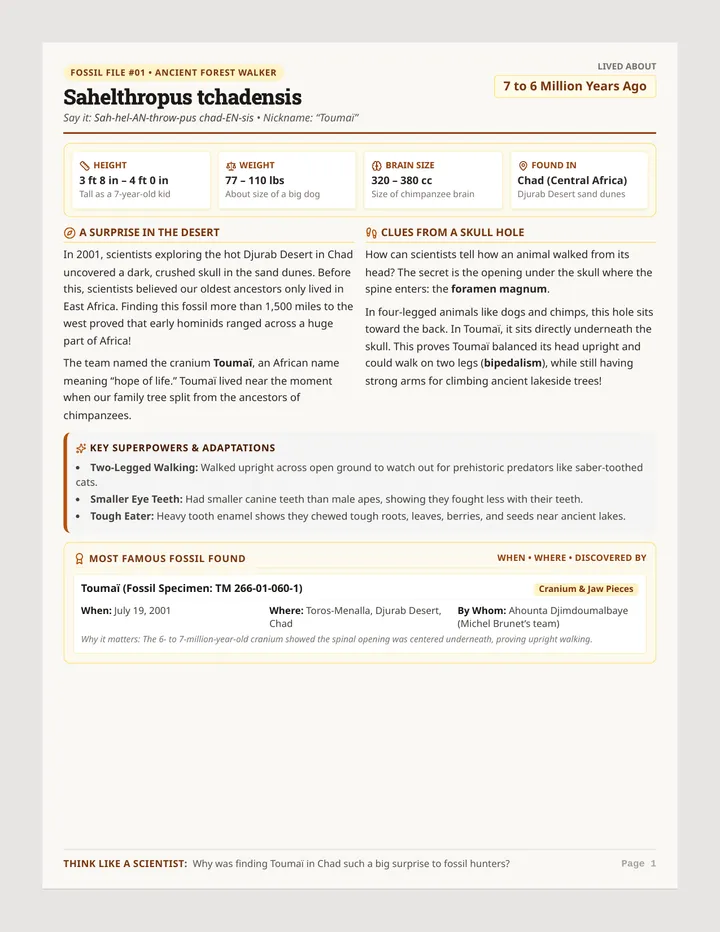
A 9-page 5th-grade informational field guide reader covering nine hominid species with complete stats, clear discovery and adaptation narratives, plus a dedicated section on each page detailing up to three of the most famous fossils found (including when, where, and by whom).

AA

Adam Amster

Sequences

Cell Discovery Guide Worksheet

Hidden Worlds Sequence

A comprehensive one-week unit covering the foundations of cell theory, the technical mastery of microscopes, and the fascinating structures of unicellular organisms (Amoeba, Paramecium, Euglena, and Volvox).

S

sam

12
Wave Racer CER Bellringer

Wave Runners Sequence

A comprehensive physics unit covering the behavior of mechanical and electromagnetic waves. Students transition from hands-on slinky exploration to advanced optical modeling and mathematical derivations.

OM

Olutoyin Makinde

65
Detective Entry Exam Assessment

Defense Detectives

A 10-session Tier 2 intervention for 4th-grade students focused on vocabulary and comprehension, aligned with EL Education Module 2 (Animal Defenses). Students act as 'Defense Detectives' to investigate how animals survive in the wild.

S

svallely

29
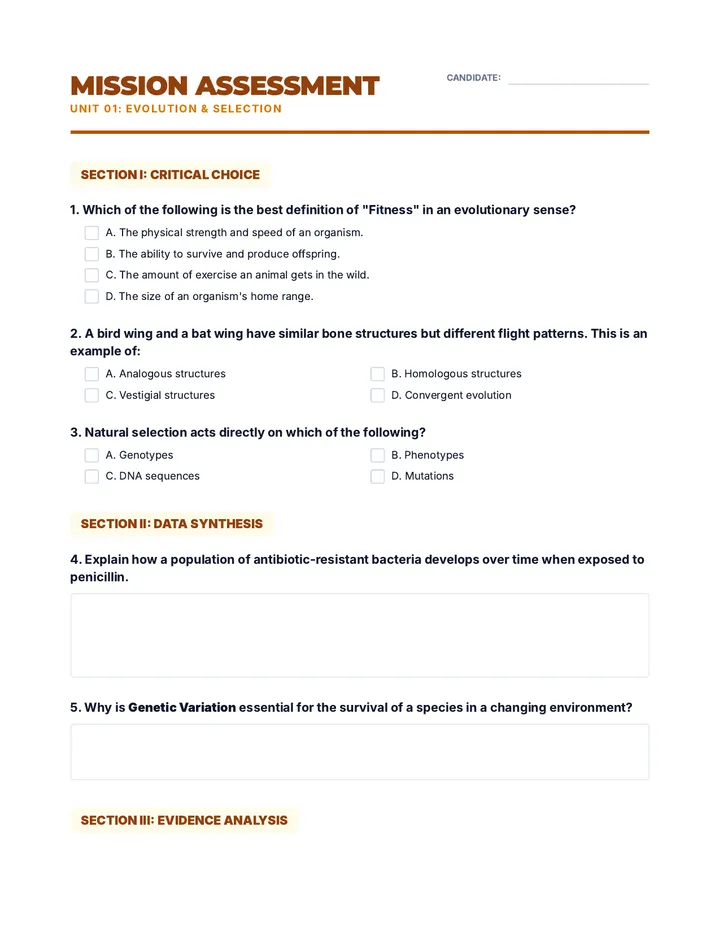
Evolution Assessment Quiz

Biology Recovery Sprint

A high-intensity biology credit recovery program focused on high-yield standards: Evolution, Systems, Viruses, and Cellular Genetics.

PB

Priyadarshini Bharath

15
Ocean Homes Slides

Ocean Homes

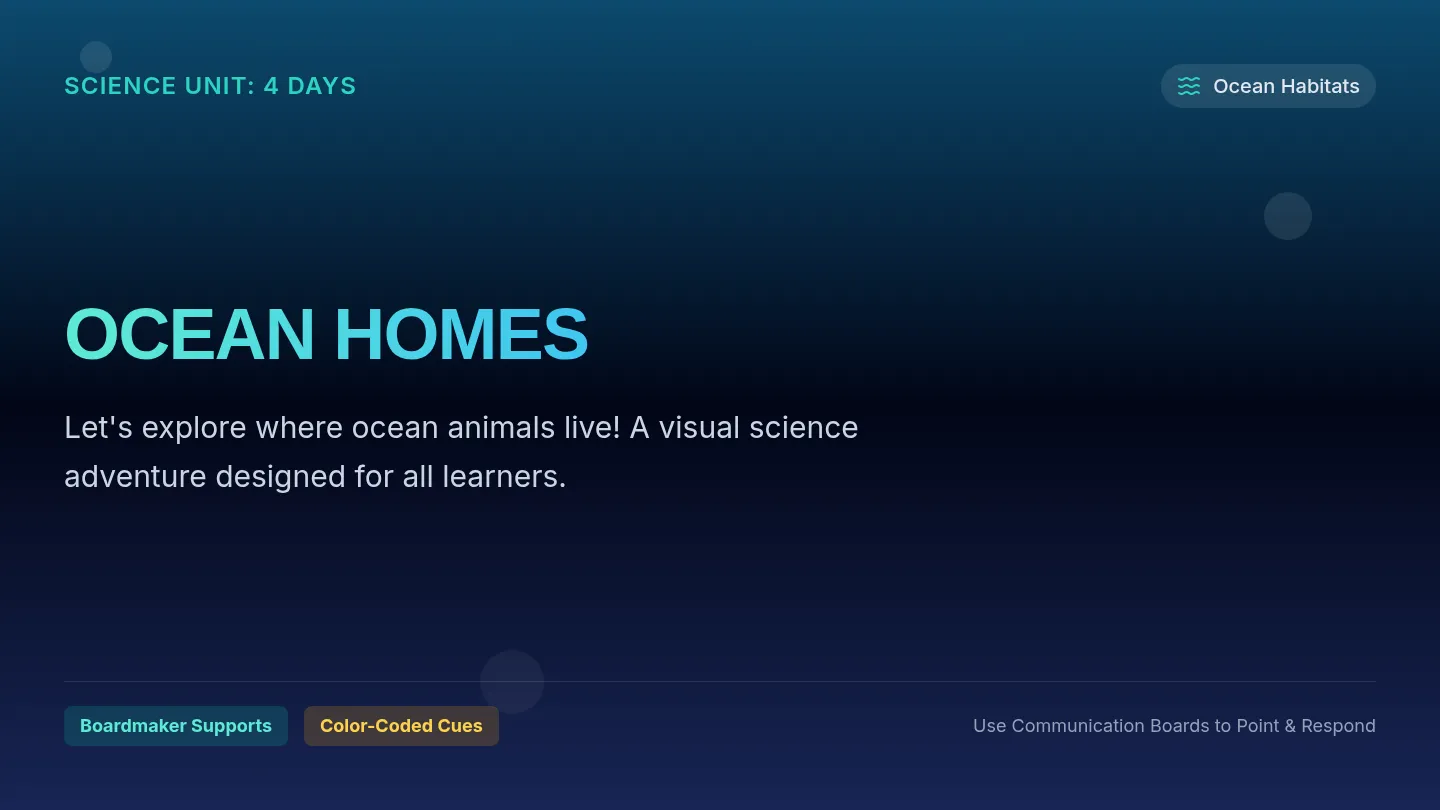
A highly visual 4-day science unit exploring ocean habitats and depth zones. Tailored for differentiated instruction for 3rd grade and nonverbal 7th grade students using Boardmaker-style symbols, color-coded matching, and visual check comprehension.

D

dbowers

17
Science Squad Student Booklet

Science Literacy Journals

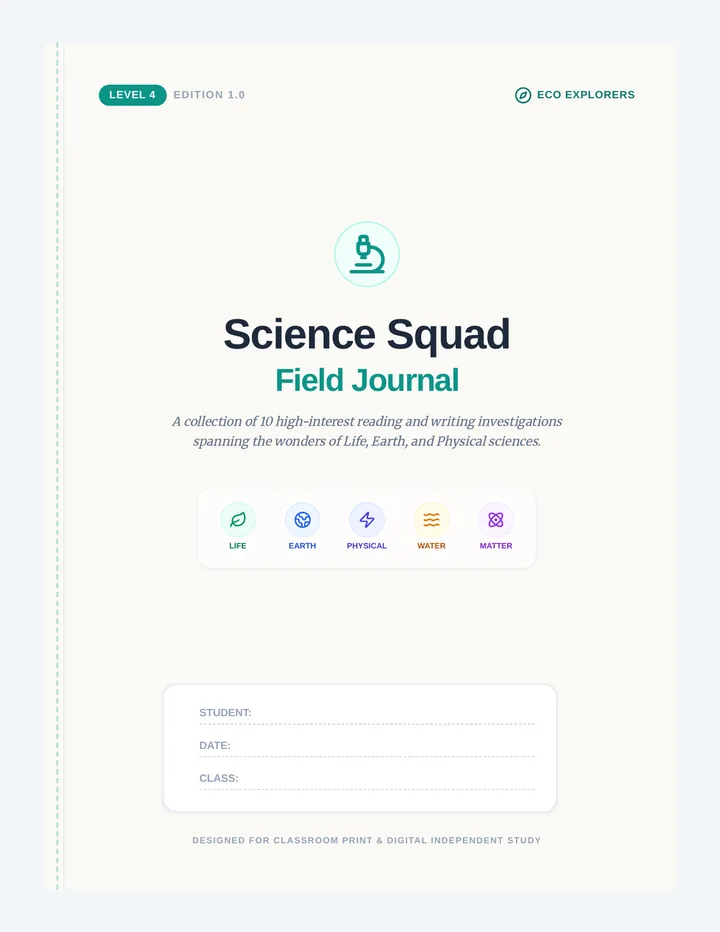
A multi-grade collection of scientific reading comprehension and response booklets designed to build disciplinary literacy in Earth, Life, and Physical sciences across elementary and middle school levels.

N

nmack

4