Lenny.com
Explore
Create
ActivitiesNewMathEnglish Language ArtsScience & EngineeringSocial StudiesGlobal LanguagesHealth & Physical EducationSpecial EducationCounseling & Life SkillsArts & CreativityESL
Lenny.com
Lenny.com
Explore
Create
ActivitiesNewMathEnglish Language ArtsScience & EngineeringSocial StudiesGlobal LanguagesHealth & Physical EducationSpecial EducationCounseling & Life SkillsArts & CreativityESL
Lenny.com
Lenny.com

Solutions

Lenny for EducatorsLenny for SchoolsLenny for Districts

Product

ExploreSign inCreateSupportAbout

Resources

Getting startedMTSS Acceleration Program

© 2026 Lenny Learning Inc.

TermsPrivacyAccessibility
LinkedInInstagramX
Lenny

Design Thinking

Empathy mapping, rapid prototyping, and iterative testing frameworks for human-centered engineering. Guides the transition from problem identification to scalable AI and hardware solutions.

Science & EngineeringLife ScienceLiving ThingsAnimalsPlantsBody SystemsTraitsAdaptationsCellsEcosystemsHeredityGenes to TraitsCell DivisionPhysicsComparing MaterialsShapes and PropertiesMagnetsMagnetismLightSoundLight and SoundMatterStates of MatterChanges of StateMixturesPhysical and Chemical ChangeHeating and CoolingHeat and Thermal EnergyEnergyForce and MotionElectrical CircuitsAtoms and MoleculesPeriodic TableMotion in One DimensionMotion in Two DimensionsScalars and VectorsForces and Laws of MotionCircular Motion and GravityMomentum and ImpulseWork, Energy, and PowerWavesElectromagnetic WavesGeometric OpticsElectricity and MagnetismSimple Harmonic MotionThermodynamicsNuclear PhysicsEarth Science & AstronomyWeatherWater CycleRocks and MineralsFossilsEarth's FeaturesEarth's ResourcesEarth's StructureWeather and ClimateEarth EventsFossils and Geologic TimePlate TectonicsHuman ImpactsAstronomyChemistryUnits and MeasurementAtomic StructurePeriodic TrendsChemical BondingNomenclatureMolecular StructureIntermolecular ForcesThe MoleStoichiometryProperties of GasesSolutionsChemical ReactionsBalancing EquationsEnergy ChangesRates of ReactionsEquilibriumAcids and BasesQuantum ModelBiologyClassificationCell StructureThe Chemistry of LifeBiomoleculesCellular TransportCell EnergyCell Growth and DivisionDNAProtein SynthesisMeiosis and Sexual ReproductionPatterns of InheritanceMulticellular OrganismsEvolutionEcologyBiodiversityComputer ScienceAlgorithms and Computational ThinkingProgramming LanguagesComputing SystemsNetworks and InternetData AnalysisCybersecurityAI and Machine LearningSoftware Design and DevelopmentBlockchainEngineering & AIDesigning ExperimentsEngineering PracticesDesign ThinkingEngineering Design ProcessMechanical EngineeringElectrical EngineeringMaterials and StructuresCAD and 3D DesignRoboticsArtificial Intelligence BasicsVibe CodingMachine LearningAI Ethics and SocietySystems ThinkingEntrepreneurship & InnovationEntrepreneurial MindsetBusiness Idea DevelopmentBusiness Plan BasicsMarketing & Customer DiscoveryFinancial Management for Startups

Materials

Eco-Hero Innovation Worksheet

Eco-Hero Innovation Worksheet

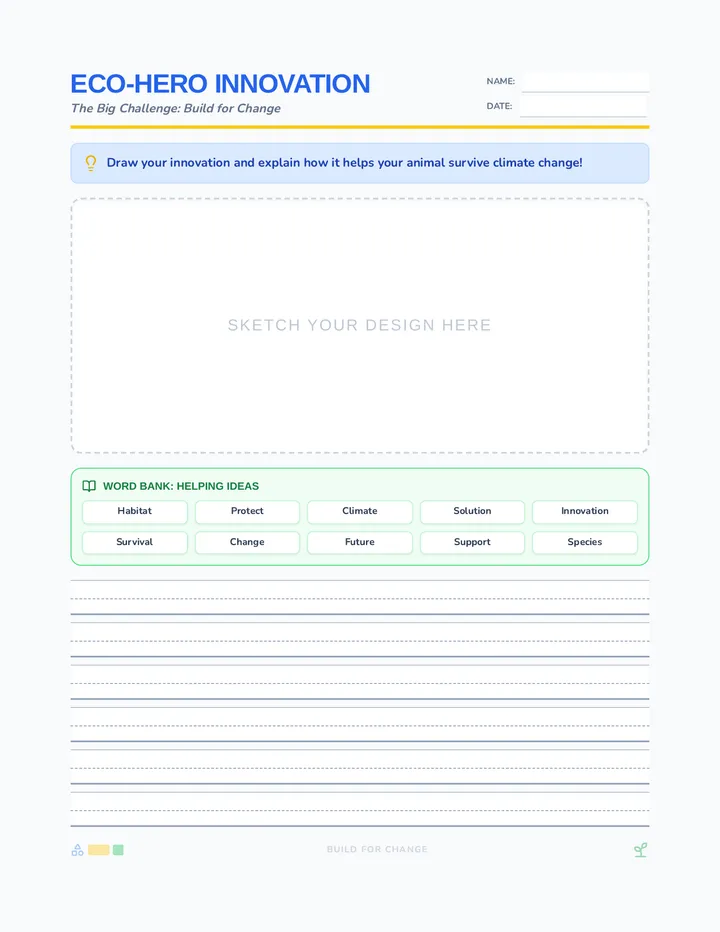
A finalized creative writing and drawing worksheet for 'The Big Challenge'. Features a spacious drawing box, a student-friendly word bank, and six sets of primary-style handwriting lines with clear top, mid (dashed), and baseline boundaries, all fitted to a single page.

N

nmack

Cord Wrap Blueprint Worksheet

Cord Wrap Blueprint Worksheet

A friendly, 4th-grade-accessible two-page printable engineering worksheet for designing a 3D-printed headphone cord wrap in Tinkercad. Features simple caliper and ruler prompts, playful concept sketch boxes, a millimeter drawing grid, a Tinkercad shape recipe builder, and an easy-to-follow 3D print checklist.

N

nmack

Vibe Coding Blueprint Organizer

Vibe Coding Blueprint Organizer

A two-page design thinking graphic organizer and iterative prompt cheat sheet for middle school students learning to vibe code web projects.

HC

Holly Clark

Design Protocol Slides

Design Protocol Slides

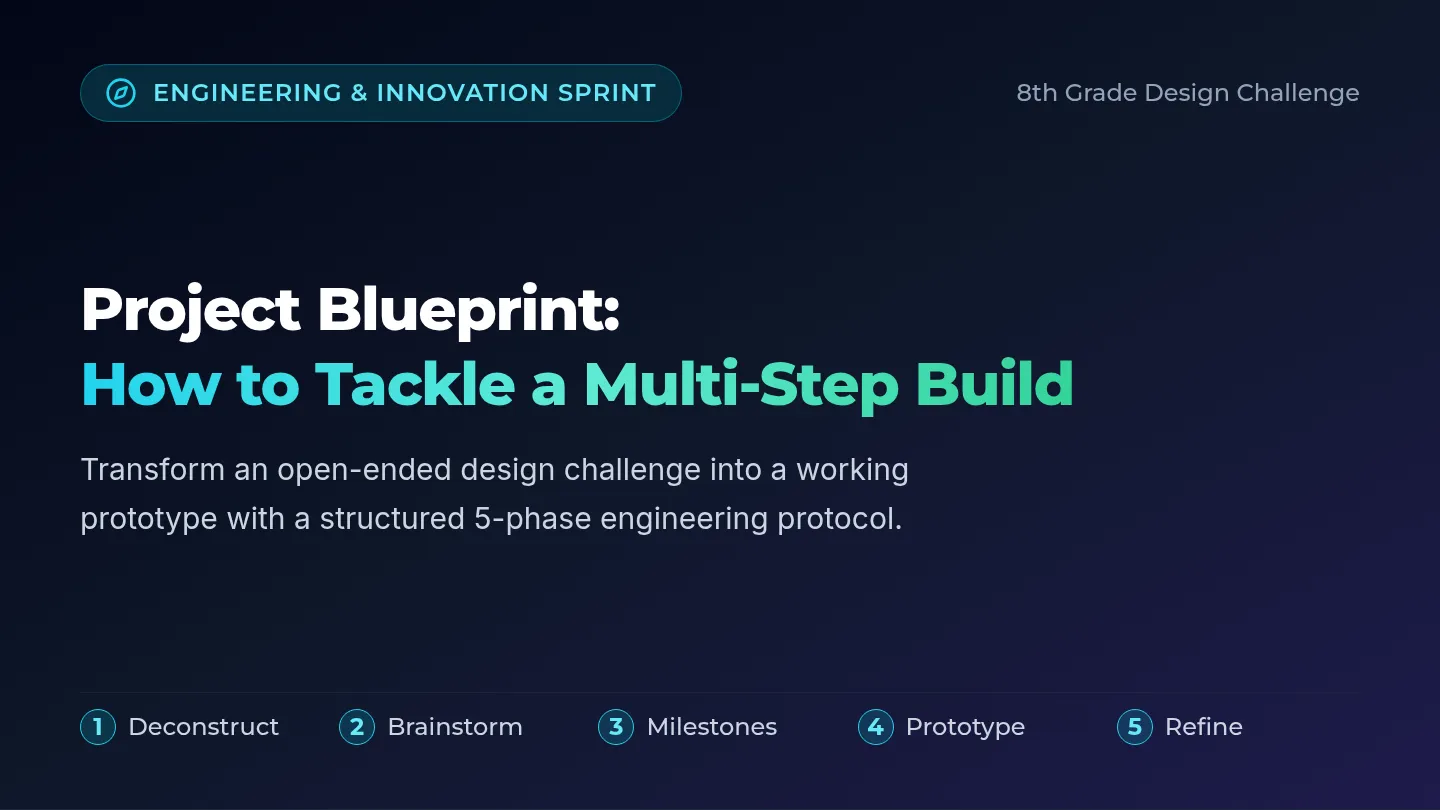
An 8-slide instructional presentation for 8th graders detailing a five-phase engineering and design challenge framework, featuring structured visual steps, prototyping strategies, and a launch checklist.

CH

Cynthia Haselby

Web Blueprint Worksheet

Web Blueprint Worksheet

A beginner-friendly three-page printable worksheet packet providing thorough reading passages, clear analogies, and guided practice on HTML, CSS, and UI/UX design thinking for students with zero prior coding experience.

TO

Thomas Oliveri

AI Buddy Blueprint Organizer

AI Buddy Blueprint Organizer

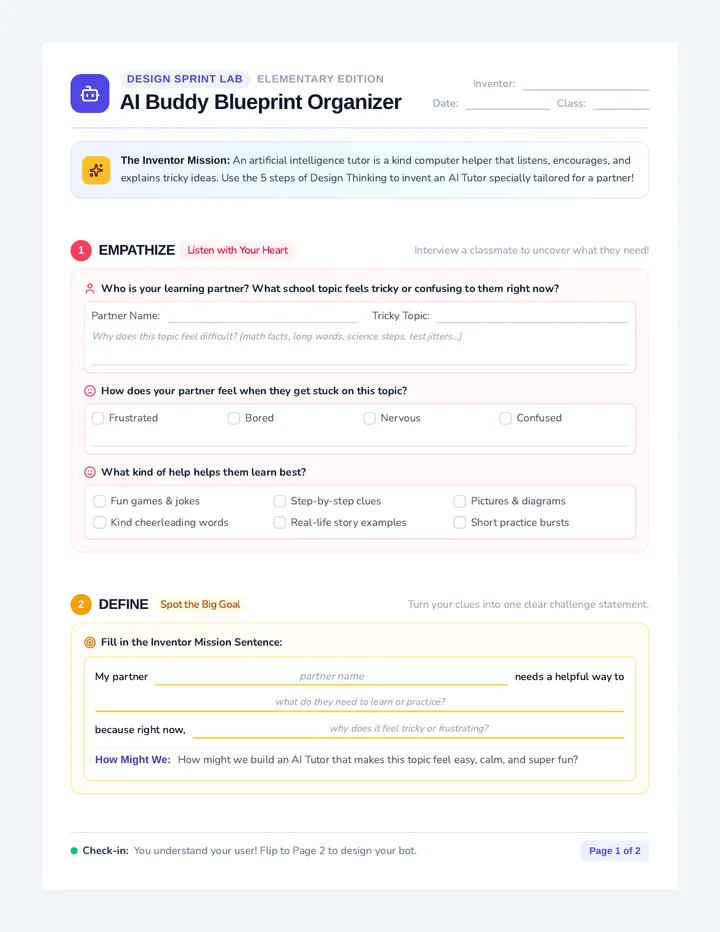
A two-page elementary design thinking organizer that guides students through empathizing, defining, ideating, prototyping, and testing their own friendly AI learning tutor robot. Students interview a peer, identify a learning hurdle, sketch their bot prototype, and collect user feedback.

Videos

Solving Water Pollution: Prevention vs. Removal Strategies

Solving Water Pollution: Prevention vs. Removal Strategies

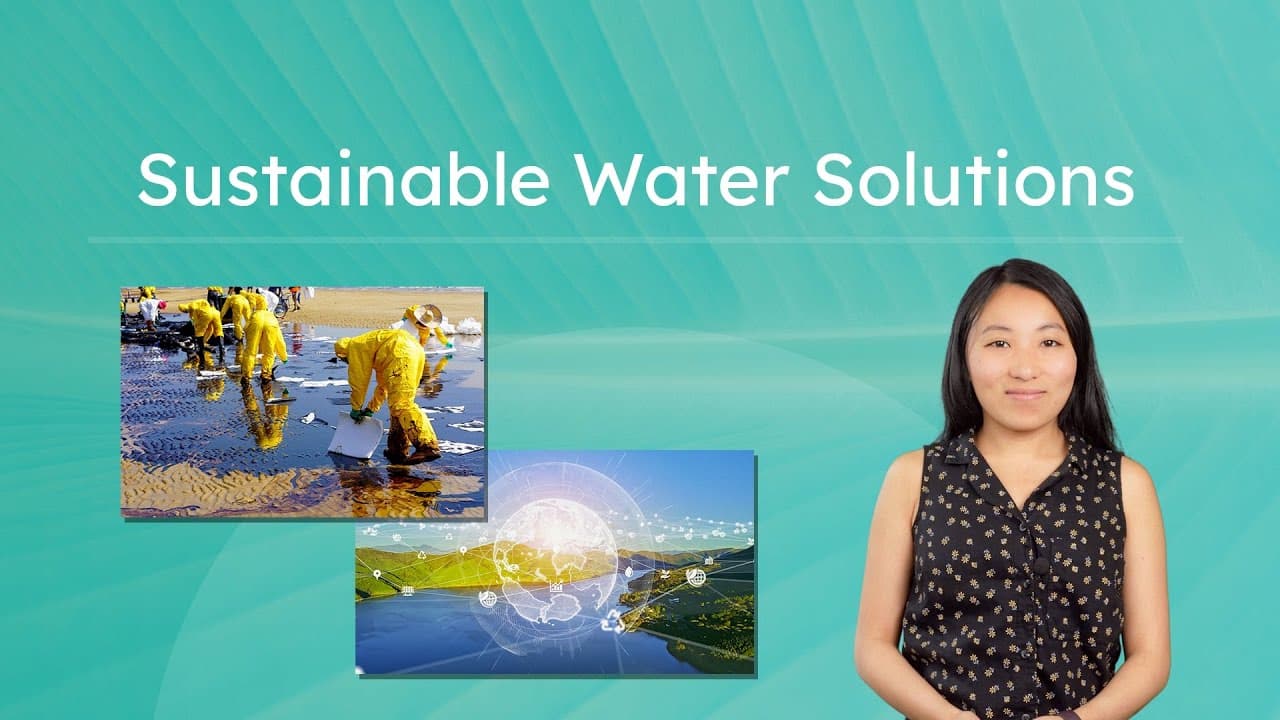
This video provides a comprehensive overview of strategies to combat water pollution, focusing specifically on the Chesapeake Bay watershed. It distinguishes between two primary approaches: prevention (keeping pollution out) and removal (cleaning pollution up). The host explains how nutrient pollution creates 'dead zones' that harm aquatic life and disrupt local economies, using real-world examples to illustrate the connection between human activities and environmental health. The content explores specific technologies and methods for each strategy. For prevention, it covers individual actions like managing pet waste and large-scale engineering solutions like permeable pavement and buffer strips. For removal, it discusses dredging, floating barriers, and biological treatments. The video emphasizes the challenges of cleaning moving water and explains why prevention is generally considered the 'gold standard' in environmental management. This resource is highly valuable for teaching environmental science, ecology, and critical thinking. It moves beyond simple definitions to explore the complexities of environmental decision-making, asking students to consider cost-benefit analyses and the competing needs of various stakeholders such as farmers, fishers, and local governments. It sets the stage for discussions on sustainability and civic responsibility.

Miacademy & MiaPrep Learning ChannelMiacademy & MiaPrep Learning Channel

9mins 1s

How Engineers Solve Problems with the Design Process

How Engineers Solve Problems with the Design Process

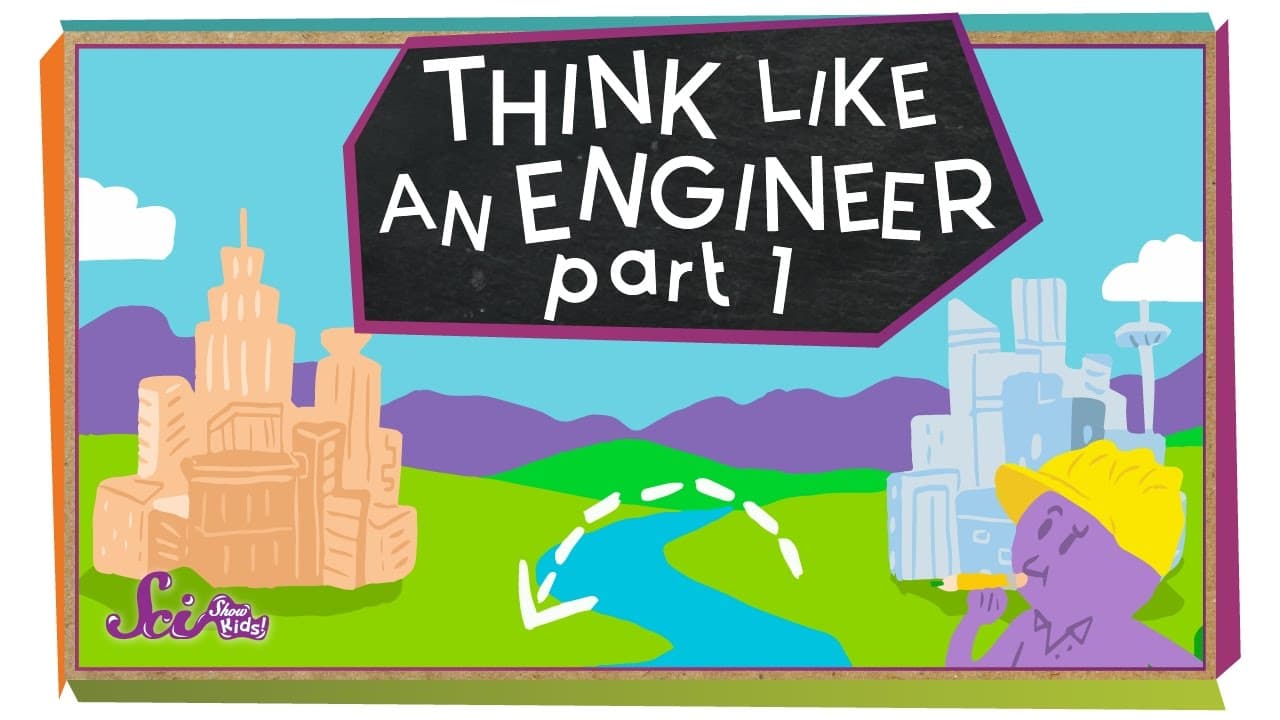
This engaging educational video introduces young students to the concept of engineering and the engineering design process. Hosted by Jessi and her robot rat friend Squeaks at 'The Fort,' the video breaks down the complex idea of engineering into a simple, relatable definition: engineers are people who design solutions to problems. Using clear visuals and energetic narration, it transforms the abstract title of 'engineer' into an actionable mindset that students can adopt. The content focuses heavily on the four-step Engineering Design Process: Ask, Imagine, Create, and Improve. It illustrates these steps first through a theoretical example of building a bridge to connect two cities, and then through a practical, humorous real-time problem—Jessi has an itchy back she can't reach. This shift from the macro (civil engineering) to the micro (personal problem solving) helps students understand that engineering principles apply to problems of all sizes. For educators, this video serves as an excellent foundational text for STEAM curriculums. It provides a shared vocabulary ('solution,' 'model,' 'improve') and a structured framework for tackling design challenges. It effectively sets the stage for hands-on classroom activities by ending with a 'cliffhanger' that invites students to participate in the 'Imagine' phase of designing a back scratcher, making it a perfect launchpad for a maker-space project or design challenge.

SciShow KidsSciShow Kids

5mins 7s

Designing the Perfect Treehouse Using Engineering

Designing the Perfect Treehouse Using Engineering

In this engaging episode of Crash Course Kids, host Sabrina introduces young learners to the connection between architecture and the engineering design process. Through a relatable personal problem—the need for a quiet, private space away from family distractions—Sabrina explores how to define a problem, research solutions, and ultimately choose a design path. The video distinguishes between modifying existing spaces (engineering) and creating entirely new ones (architecture), using a treehouse as the central case study. The content dives deep into the planning phase of engineering, introducing critical concepts like "variables" (factors that change the outcome) and "failure points" (limits where a solution stops working). Students watch Sabrina evaluate different prototypes, such as a cardboard box and a blanket fort, before settling on a treehouse. She then analyzes the variables involved in building it, such as the tree's size and the structure's weight, to ensure safety and functionality. This video is an excellent resource for STEM and science classrooms introducing design thinking. It provides a clear, practical example of how abstract concepts like variables and failure points apply to real-world construction. Teachers can use this to launch projects on structural engineering, soundproofing experiments, or architectural design challenges, helping students understand that successful building requires careful planning and testing before construction begins.
Crash Course KidsCrash Course Kids

4mins 27s

Solving Human Problems with Nature's Secrets: A Guide to Biomimicry

Solving Human Problems with Nature's Secrets: A Guide to Biomimicry

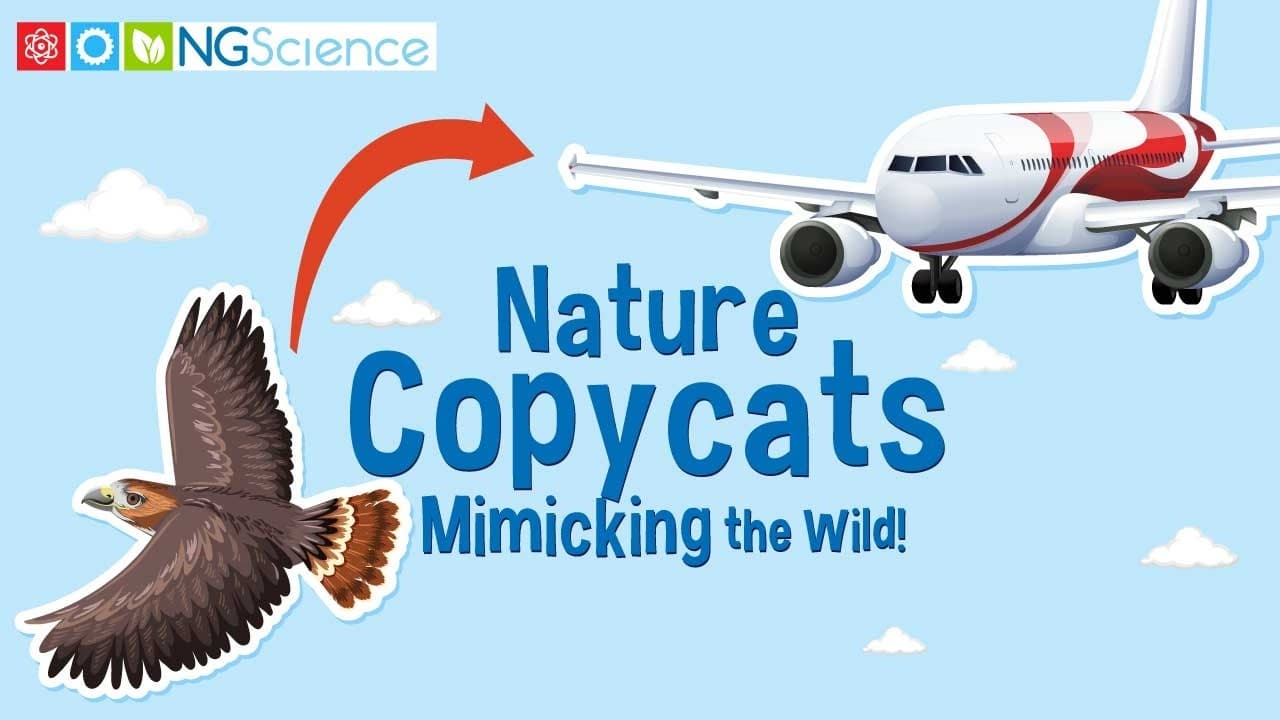
This video introduces the fascinating concept of biomimicry, exploring how scientists and engineers act as "nature's detectives" to solve complex human problems. It defines biomimicry as the process of taking inspiration from nature's time-tested strategies—perfected over millions of years—to innovate new technologies. The narrative connects the biological features of plants and animals directly to modern engineering marvels, demonstrating that the best ideas often come from the wild. The video covers several distinct examples of bio-inspired innovation. It explains how bird flight inspired early aviation and the principles of aerodynamics, how the bumps on humpback whale fins led to more efficient wind turbines, and how the kingfisher's beak helped solve noise pollution issues for Japanese bullet trains. Other examples include drones modeled after bees, antimicrobial surfaces inspired by shark skin, self-cleaning materials based on lotus leaves, and the invention of Velcro (hook-and-loop fasteners) derived from burrs. For educators, this video is an excellent resource for bridging the gap between biology and engineering (STEM). It encourages students to observe the natural world critically and ask questions about structure and function. The content supports lessons on adaptation, physics (aerodynamics), and the engineering design process, showing students that science is often interdisciplinary and that nature acts as a vast library of solutions waiting to be discovered.

Next Generation ScienceNext Generation Science

6mins 32s

How Engineers Define Success and Evaluate Solutions

How Engineers Define Success and Evaluate Solutions

This engaging video from Crash Course Kids introduces students to a critical step in the engineering design process: defining success. Host Sabrina Cruz shifts the focus from identifying problems to evaluating solutions, explaining that a solution is only "successful" if it meets specific criteria relative to the problem. Using a mix of historical examples like the telephone and lightbulb, alongside a humorous hypothetical scenario involving a canyon and a tent, the video makes abstract engineering concepts concrete and relatable. The content explores the concept of 'criteria'—the specific standards a solution must meet. Through the narrative of trying to cross a deep canyon, students learn how to create a checklist of requirements: safety (getting across alive), accessibility (using available resources), and reusability. The video contrasts a fantasy solution (Superman) with a practical one (a hang glider made from a tent) to demonstrate how engineers must work within constraints rather than relying on impossible fixes. For educators, this video serves as an excellent launchpad for STEM challenges and design thinking units. It provides a clear framework for students to judge their own designs, moving them beyond just "building something cool" to building something that actually solves the defined problem within given constraints. It effectively bridges the gap between brainstorming and prototyping by introducing the necessary step of evaluating potential solutions against a rubric of needs.

Crash Course KidsCrash Course Kids

3mins 59s

Designing with Nature: An Introduction to Biomimicry

Designing with Nature: An Introduction to Biomimicry

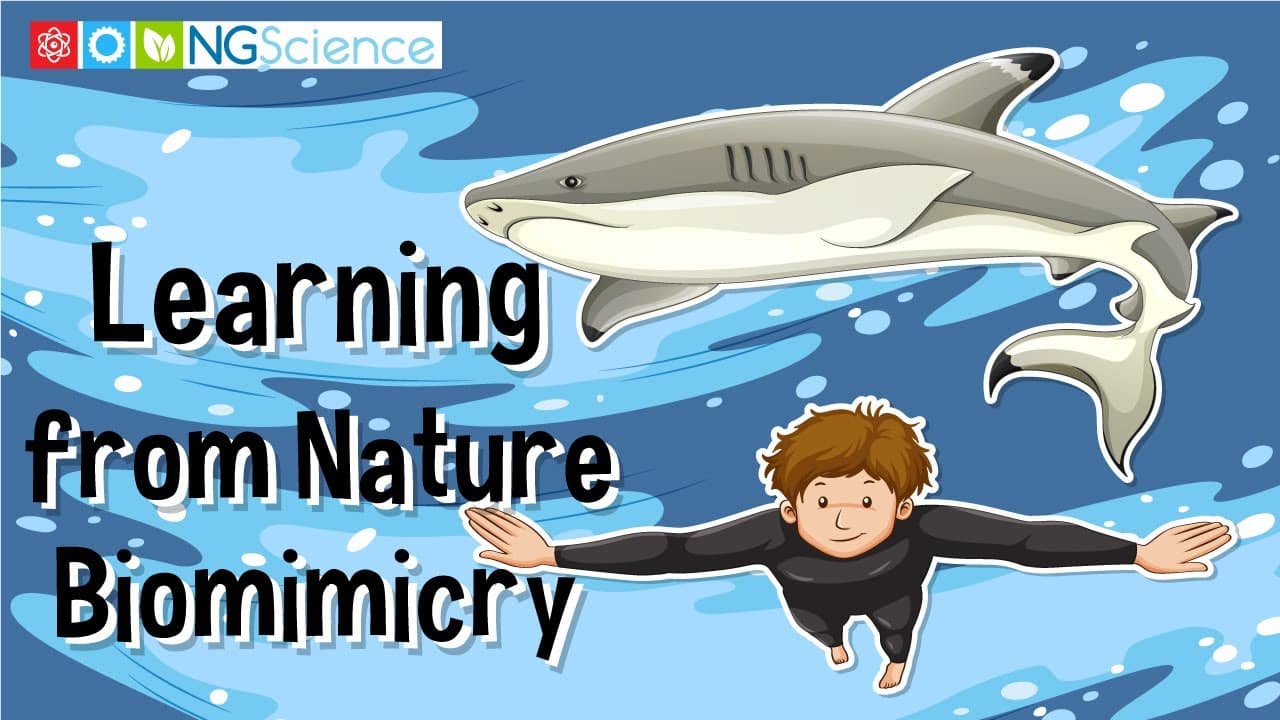
This educational video introduces the fascinating concept of biomimicry—the practice of looking to nature for inspiration to solve human engineering and design problems. It begins by explaining the role of scientists and engineers in creating solutions, then pivots to present nature as the ultimate research and development lab, having refined survival strategies over millions of years. The narration seamlessly connects biological adaptations, such as an owl's silent flight or a gecko's sticky feet, to potential human applications. The video provides several concrete, historical examples of biomimicry to ground the concept in reality. It details the famous story of George de Mestral inventing Velcro after observing burdock seeds stuck to his dog's fur, and explains how the aerodynamics of the Kingfisher bird's beak inspired the noise-reducing nose cone of Japan's high-speed Shinkansen trains. It further explores how aquatic animals like whales and sharks have influenced the design of wind turbines and swimsuits through their streamlined bodies and unique skin textures. For educators, this resource serves as an excellent bridge between biology and physical science/engineering. It illustrates the Next Generation Science Standards (NGSS) concepts regarding structure and function, adaptation, and engineering design. The video concludes with a call to action, encouraging students to identify local problems and look to the natural world for innovative solutions, making it a perfect launchpad for STEM design challenges.

Next Generation ScienceNext Generation Science

4mins 28s

Sequences

Planet Profile Slides

Infinite Frontier

A comprehensive Hi-Lo unit for 6th graders exploring the scale of the universe, our place in the Milky Way, the technology used to explore space, and the history of human spaceflight.

JS

Janette Sullivan

54
Home Foundations Teacher Guide

Housing and Interior Design

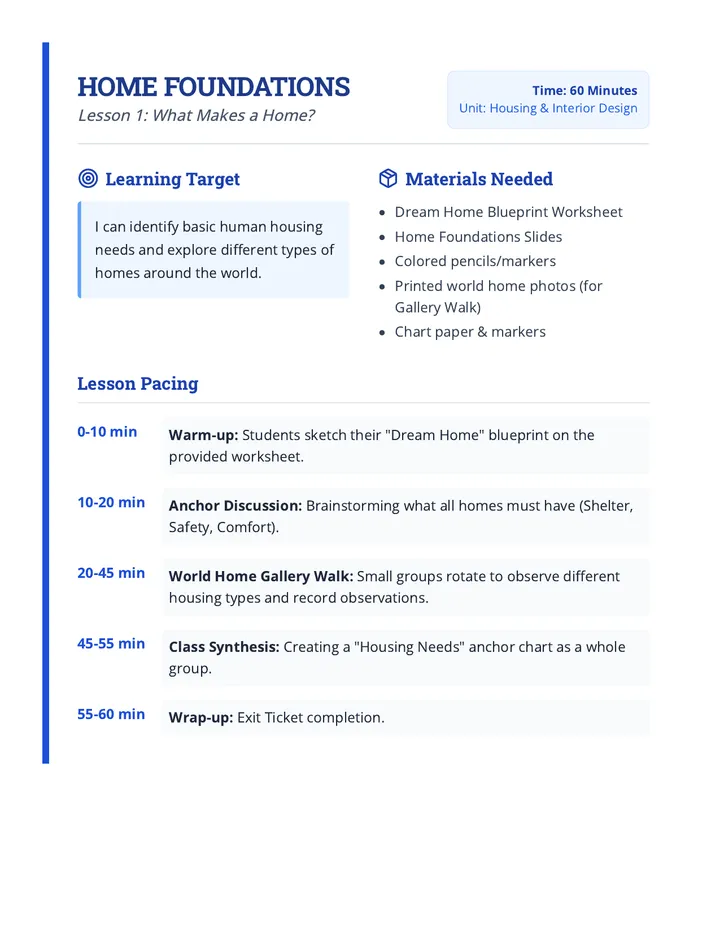
An introductory unit on Housing and Interior Design within the Human Services field. Students explore basic housing needs, sustainable green building, universal design for accessibility, the impact of local resources and climate on home construction, and residential energy efficiency.

JM

Jill Miller

38
Sonic Signals Slides

Wild Signals

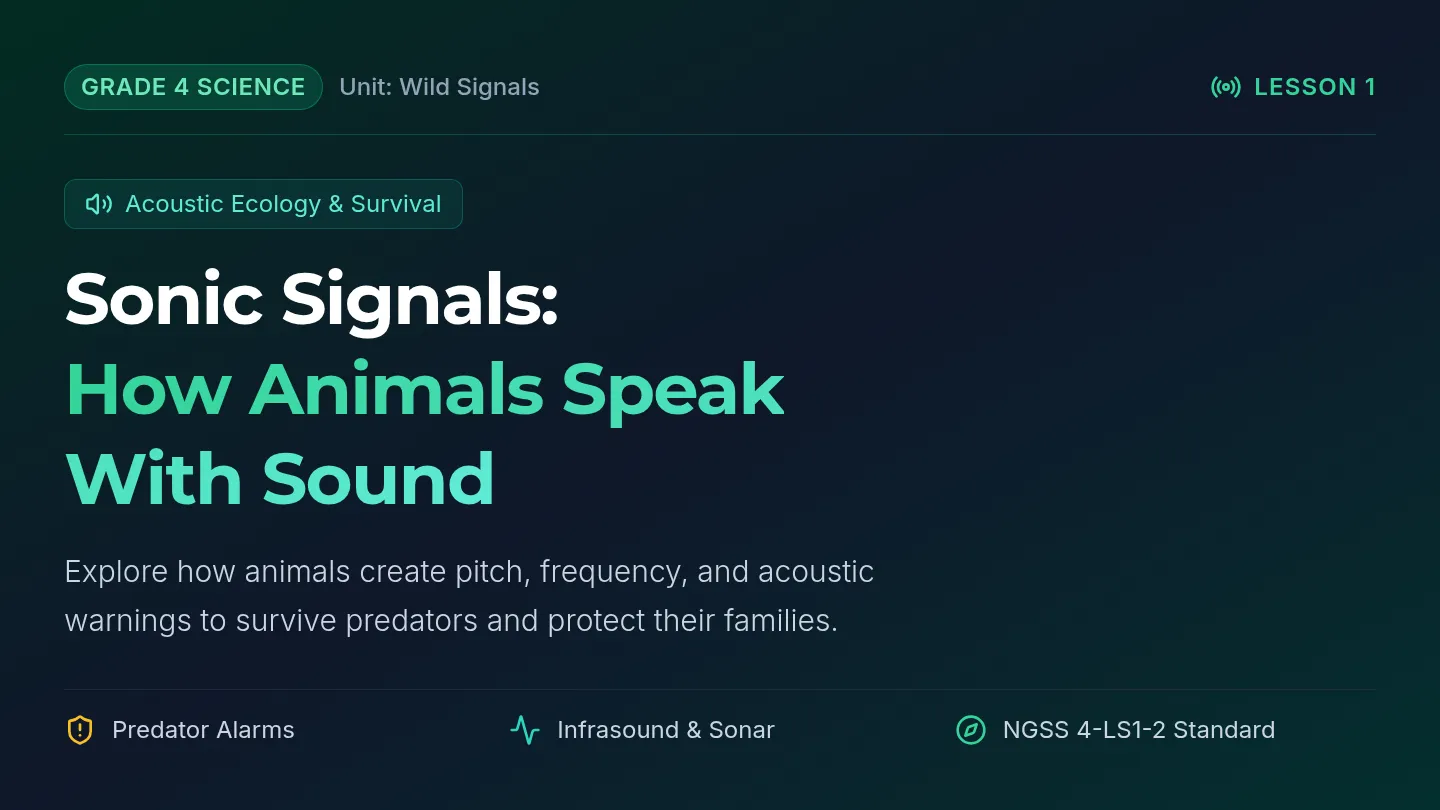
A comprehensive two-week, 4th-grade life science unit exploring how animals send, receive, and decode signals across auditory, visual, olfactory, and vibrational sensory modes to survive. Students analyze scientific evidence, acoustic and seismic spectrograms, behavioral patterns, and engineer biomimetic communication prototypes.

CQ

Constance Quinones

19
Bionic Blueprints Slides

Bionic Pioneers Unit

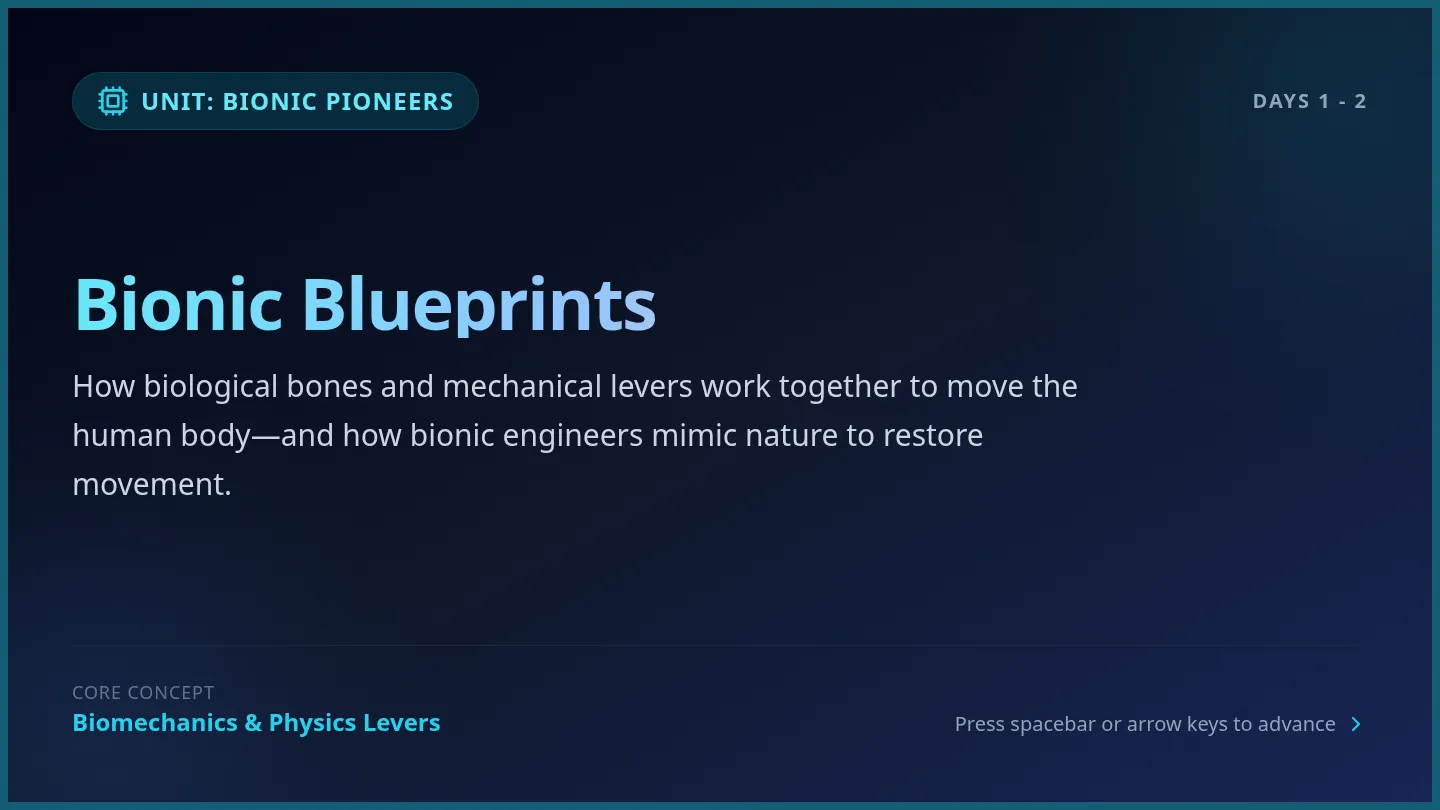
A high-impact 7th-grade STEM unit exploring biomechanics, the human skeletal-muscular leverage system, and pioneering prosthetic innovations. Students design and build physical mechanical limb models to solve real-world accessibility challenges.

AW

Amber Williams

10
Domestic Tech Plan Guide

Domestic Tech Lab

A 4-week exploration of technology through the lens of everyday household items, tracing their evolution from simple tools to complex smart systems. Students investigate what technology truly is beyond just electronics and how domestic innovations have changed human life.

LS

Linda Still

11
Forces Motion Slides

Force Fields Action

A comprehensive 5-week 4th-grade physical science unit exploring contact and non-contact forces, magnetic fields, electrical charges, and how invisible forces produce motion. Students investigate magnetic poles, field strength over distance, static electricity push and pull, and culminate with an engineering review challenge.

TG

Tolisha Goldston

16