A comprehensive introduction to meteorology focused on identifying and understanding the ten primary cloud types and their impact on weather patterns.
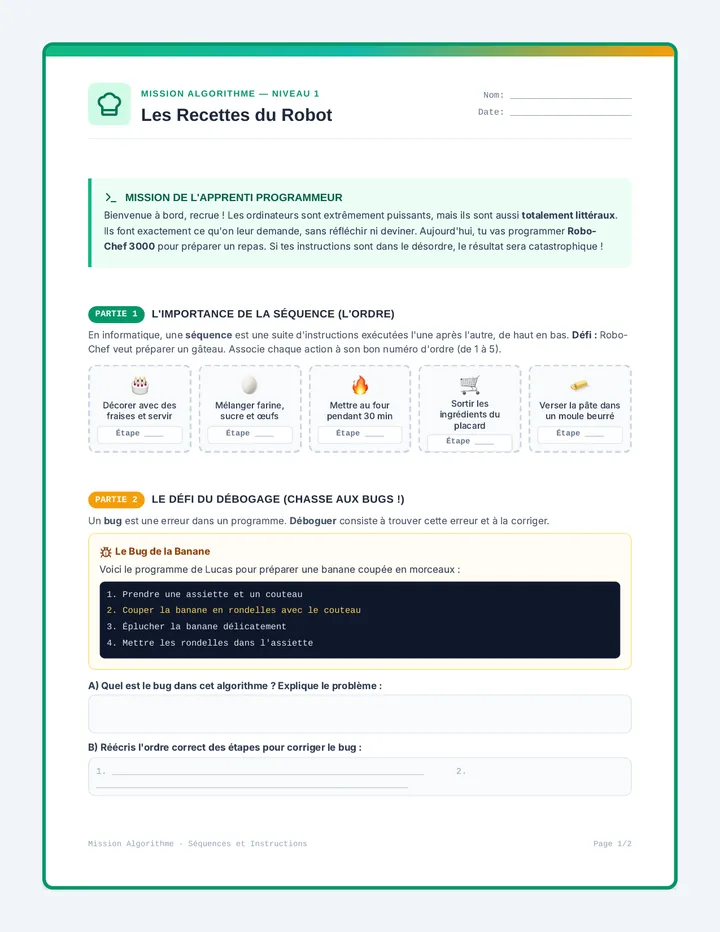
Une séquence d'initiation à l'algorithmique sans code pour débutants absolus. À travers des métaphores concrètes, les apprenants découvrent les trois piliers de la programmation : les séquences d'instructions, les conditions et les boucles.
A 4th-grade life science lesson focused on ecosystems, energy flow, and the critical roles that plants, animals, and decomposers play within their habitats. This lesson equips students, particularly multilingual learners, with scaffolded visual vocabulary and structured sentence frames to discuss ecological relationships confidently.
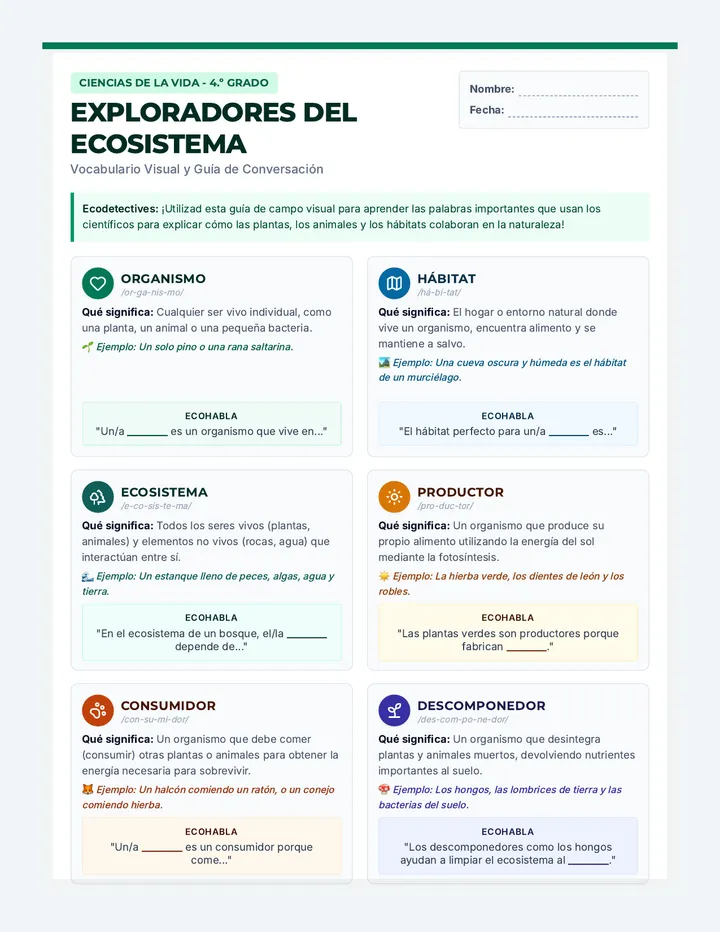
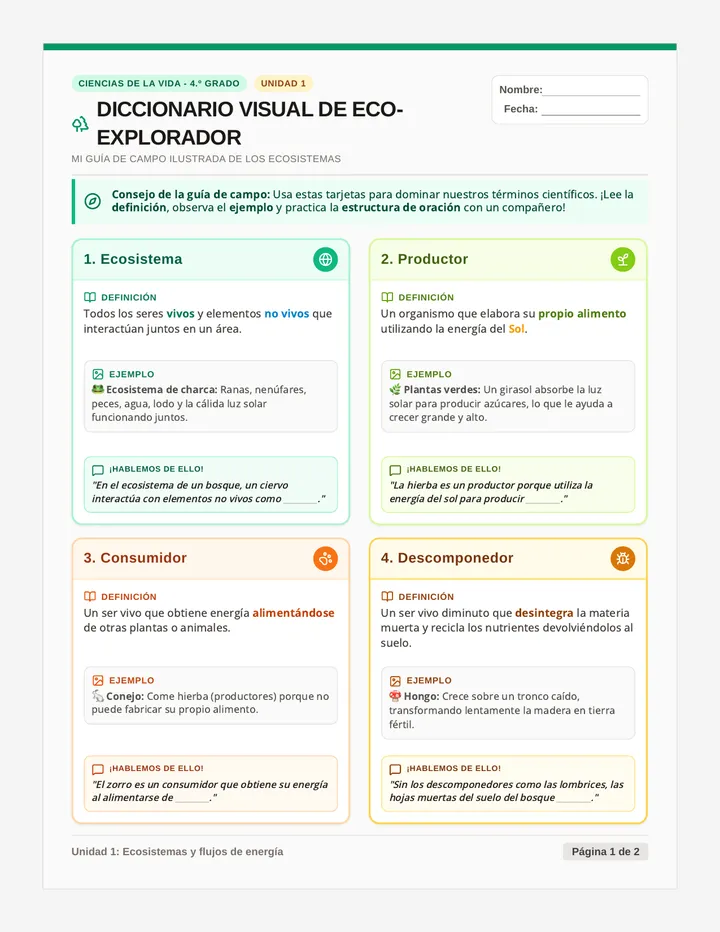
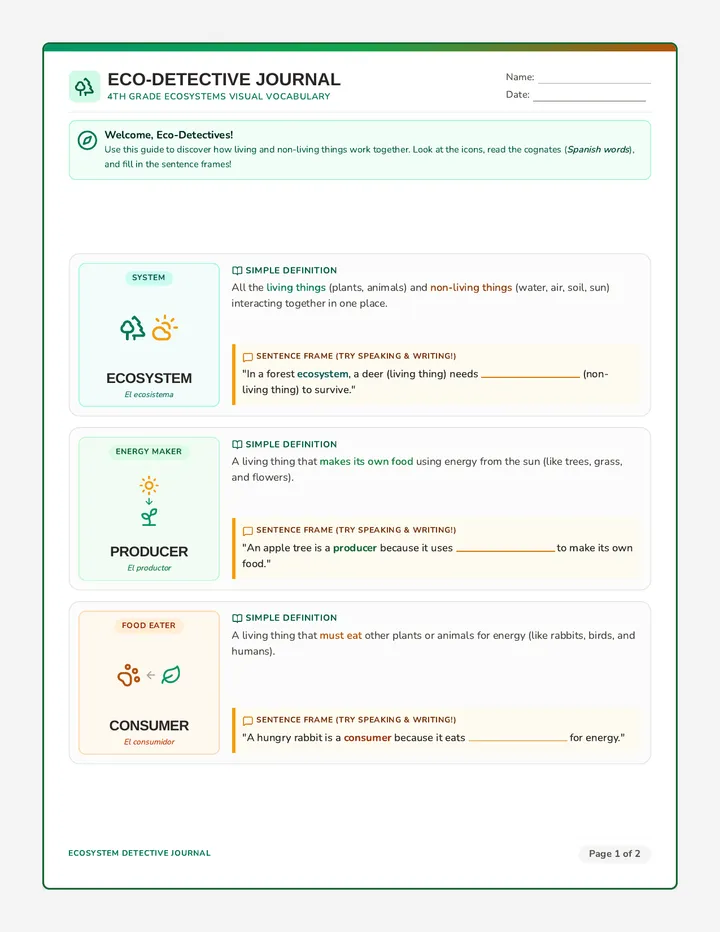
A visually rich and structured vocabulary handout for 4th-grade ecosystem explorers. It includes phonetic pronunciations, kid-friendly definitions, custom-themed badges, and sentence frames designed specifically for multilingual learners.
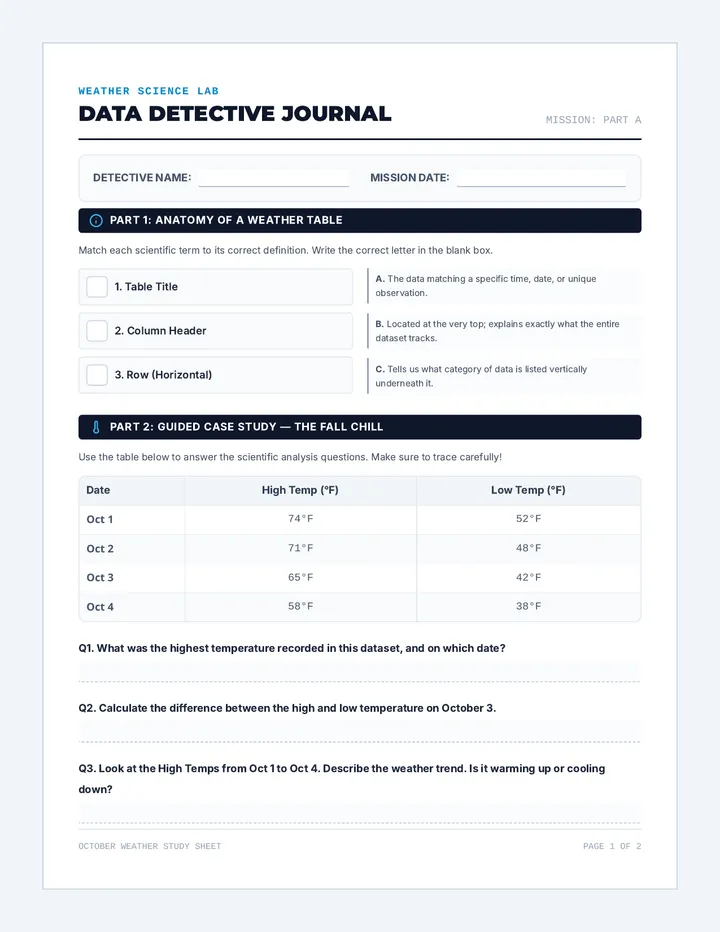
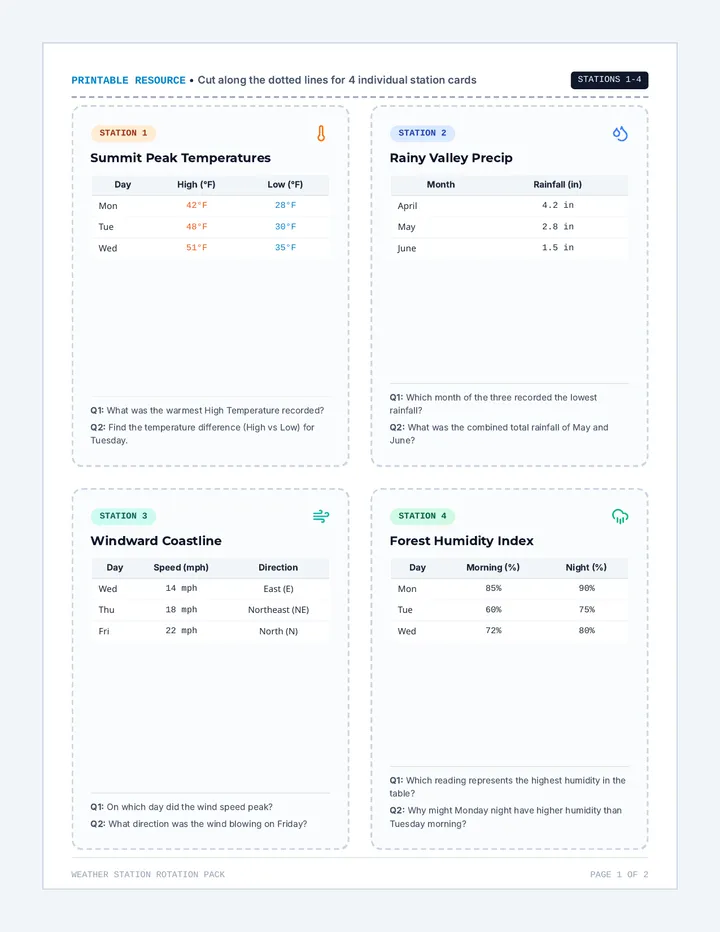
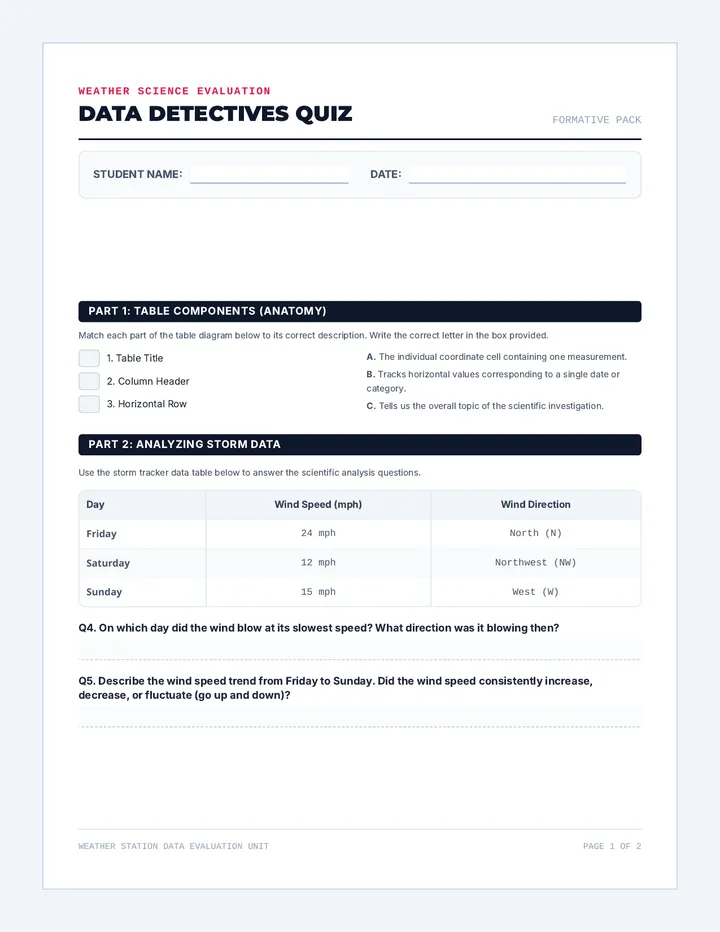
A hands-on 4th-grade science sequence exploring energy transfer, thermal design, and data-driven climate analysis through weather tracking and solar oven engineering.
A foundational science lesson introducing core ecosystem concepts and vocabulary to 4th-grade students, with specialized supports for multilingual learners.
A beautifully illustrated 2-page visual vocabulary guide for 4th-grade students learning about ecosystems. Designed specifically to support multilingual learners with clear icons, simple definitions, concrete examples, and interactive sentence frames.
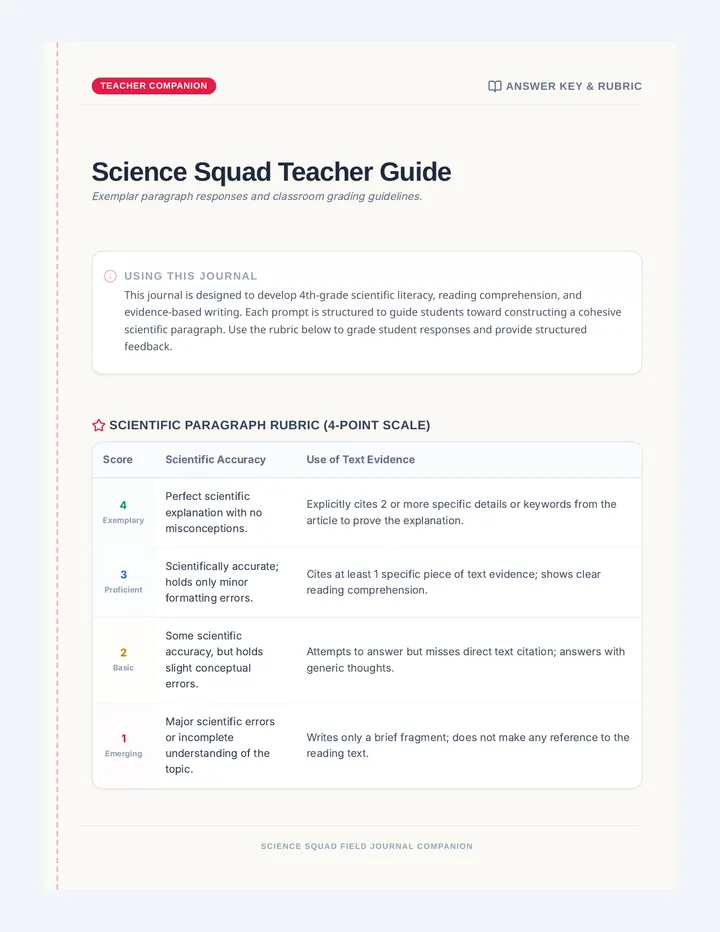
A multi-grade collection of scientific reading comprehension and response booklets designed to build disciplinary literacy in Earth, Life, and Physical sciences across elementary and middle school levels.
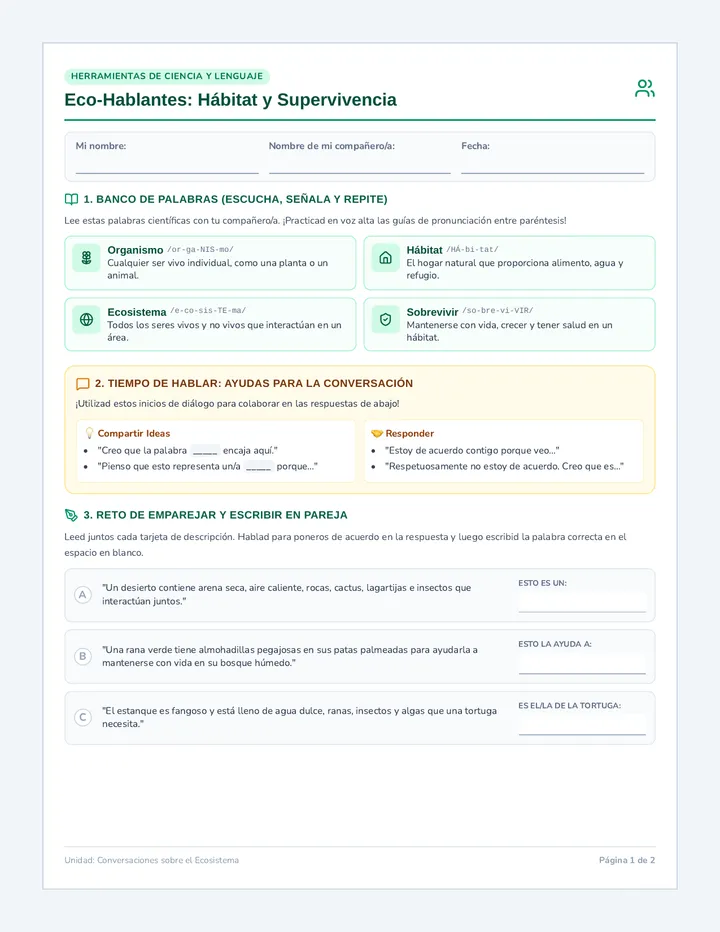
A speaking-focused science lesson designed to help 4th-grade multilingual learners master ecosystem vocabulary and engage in structured academic dialogue about how organisms survive in their environments.
A visually engaging, dual-page vocabulary support document designed for 4th-grade science ecosystems. It features visual icons, student-friendly simple definitions, Spanish cognates, and structured sentence frames with writing spaces tailored for multilingual learners (MLLs/ELLs).
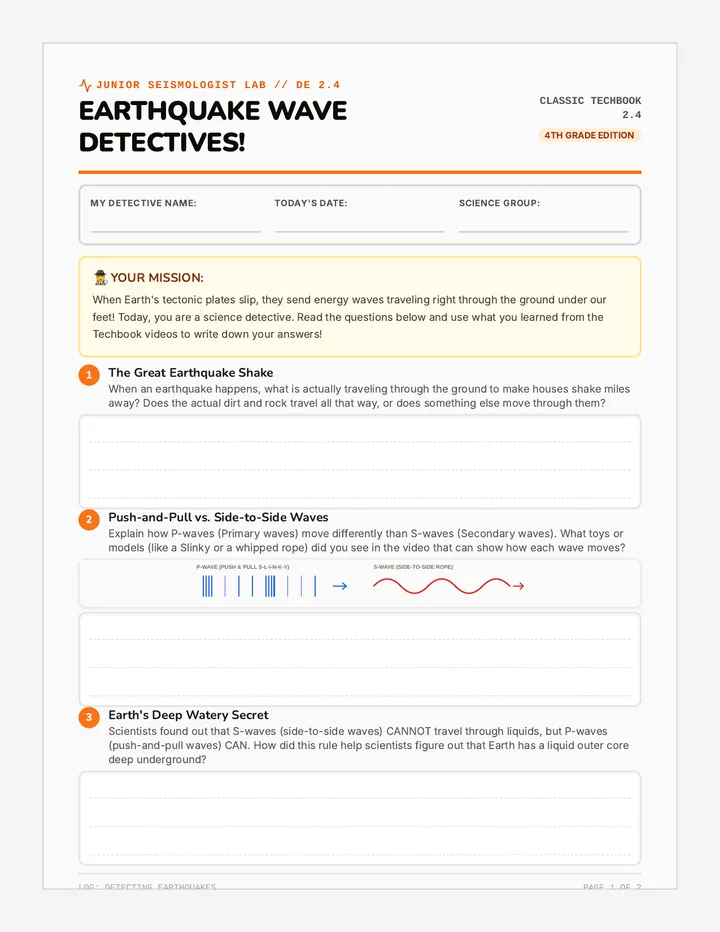
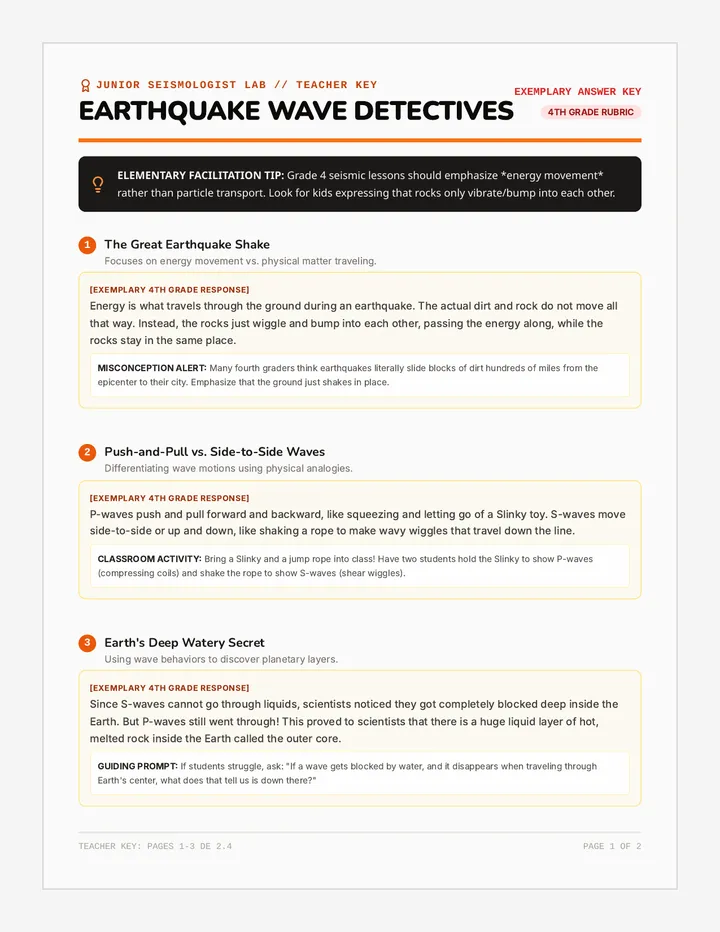
An earth and space science curriculum unit covering dynamic earth processes, earthquake wave mechanics, atmospheric pressure systems, and weather prediction techniques.
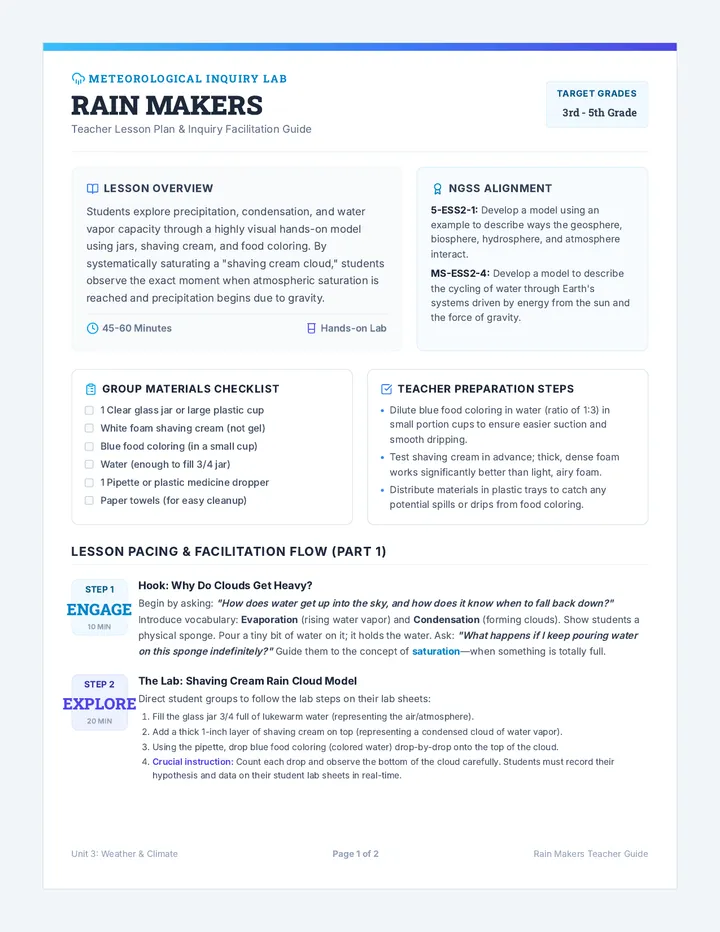
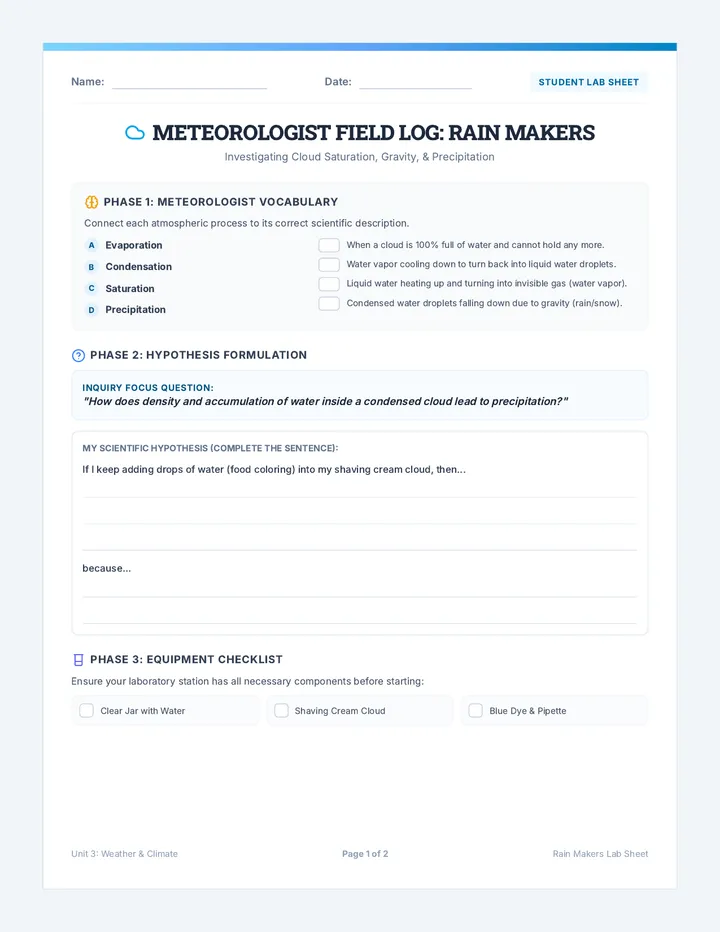
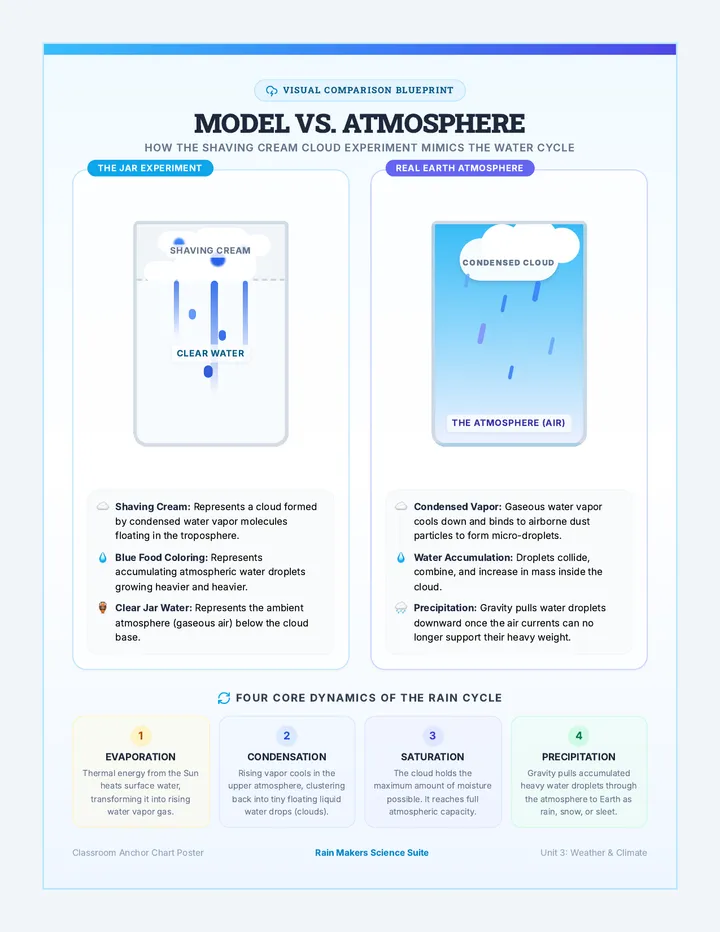
An interactive, hands-on science lesson exploring condensation, saturation, and precipitation through a Shaving Cream Rain Cloud experiment. Students observe how colored water saturates a shaving cream cloud until gravity causes it to rain, bridging the hands-on model to real-world atmospheric processes.
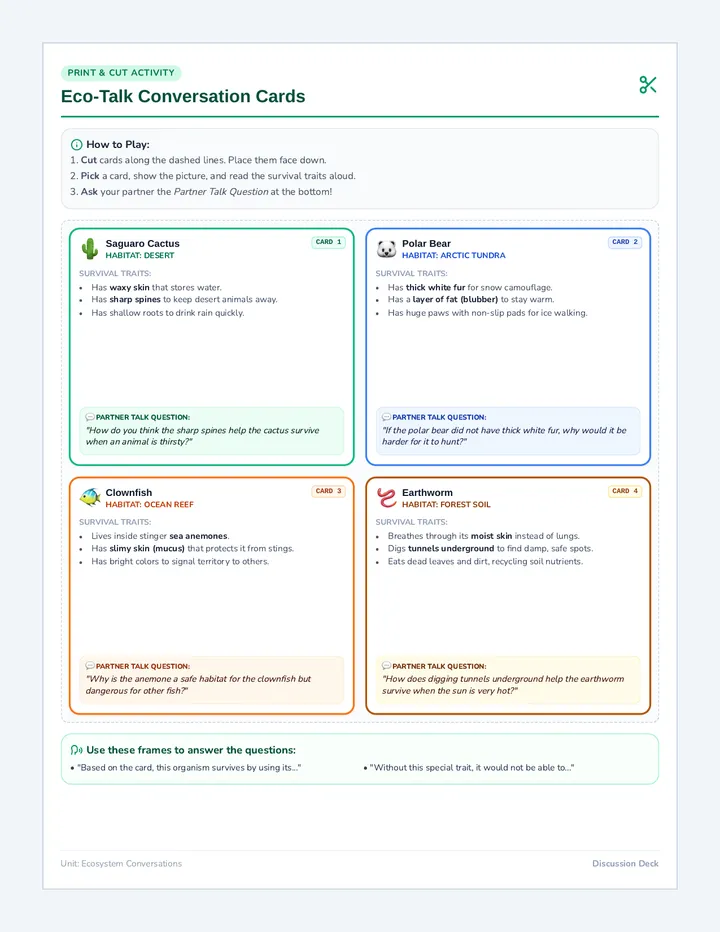
A printable 1-page discussion card set for 4th-grade multilingual partners. Features 4 distinct organism and habitat cards (Saguaro Cactus, Polar Bear, Clownfish, Earthworm) with concrete survival traits and localized partner speaking prompts.