Statistical methods, data cleaning, and visualization techniques using Python or R. Equips students with tools for interpreting complex datasets and modeling trends to derive actionable insights.
This video serves as a comprehensive guide to organizing and analyzing scientific data, hosted by a character named Justin. It begins by establishing the importance of organization using a relatable analogy of a messy closet versus a tidy one, explaining how organized data allows scientists to see patterns and draw conclusions. The video transitions into practical applications, teaching viewers how to construct data tables with clear headers and units, calculate averages to simplify large datasets, and select appropriate graph types based on the nature of the data.
8mins 49s
A comprehensive handout for 11th-grade students covering genomic sequencing technologies, workflows, and clinical applications. It includes a comparison table for short-read vs. long-read sequencing, an overview of the bioinformatics pipeline, and designated areas for student notes on quality metrics like coverage and Q-scores.
A comprehensive student reference anchor chart for grades 5-8 on Science Reasoning. It covers data tables, variables (DRY MIX), scientific models, graph anatomy, and the CER (Claim, Evidence, Reasoning) framework for scientific explanations.
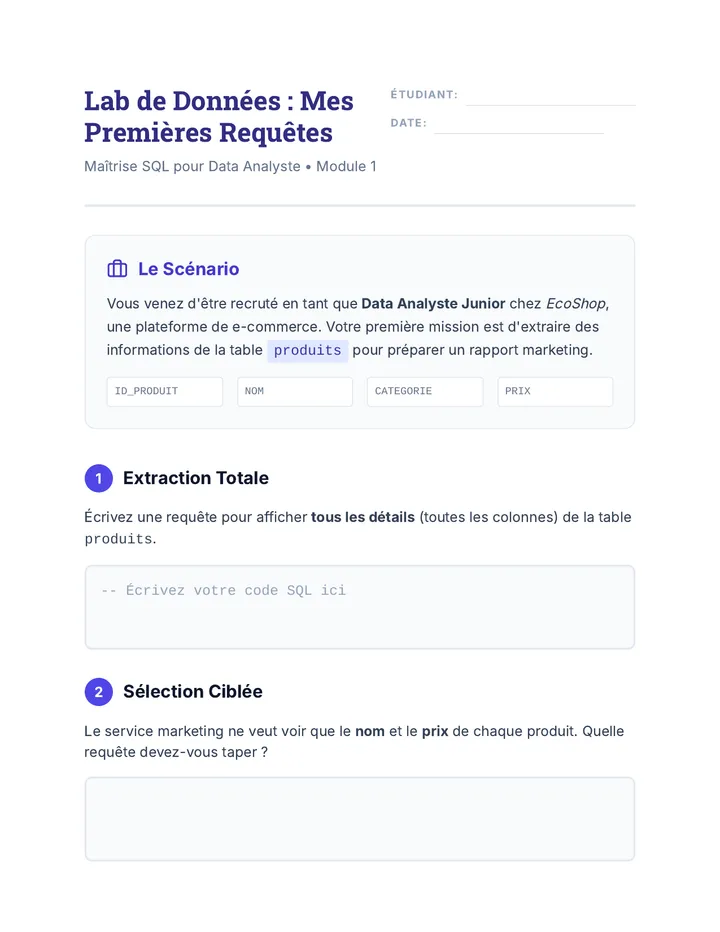
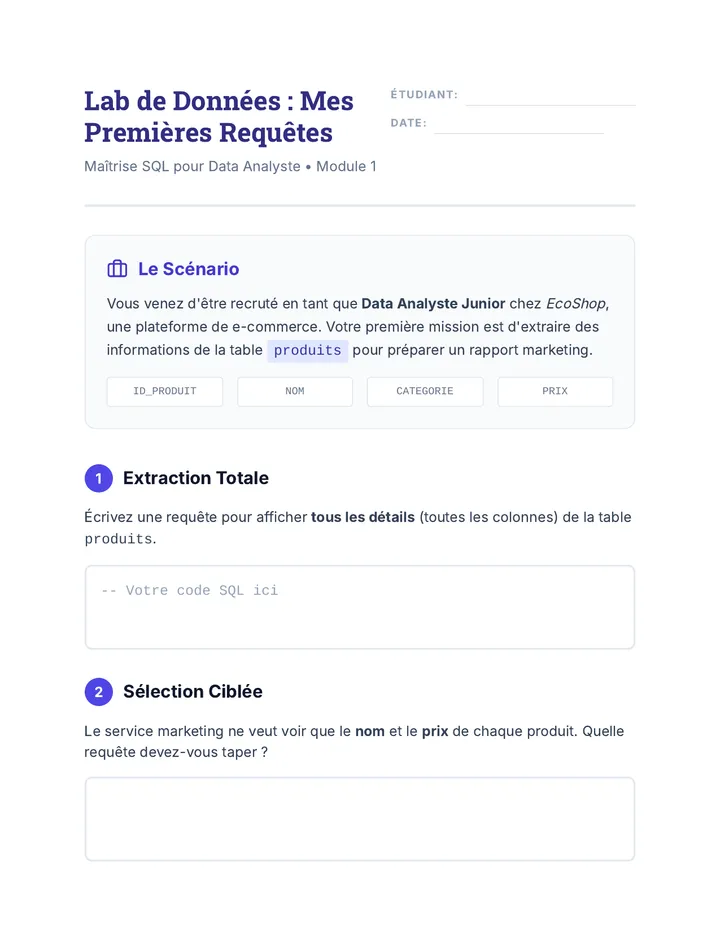
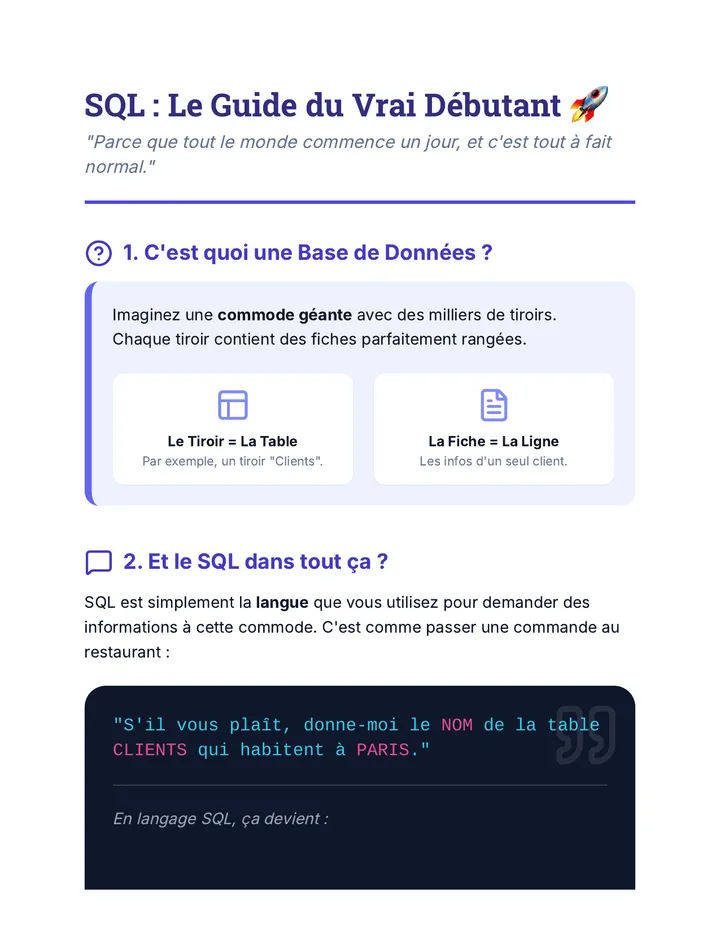
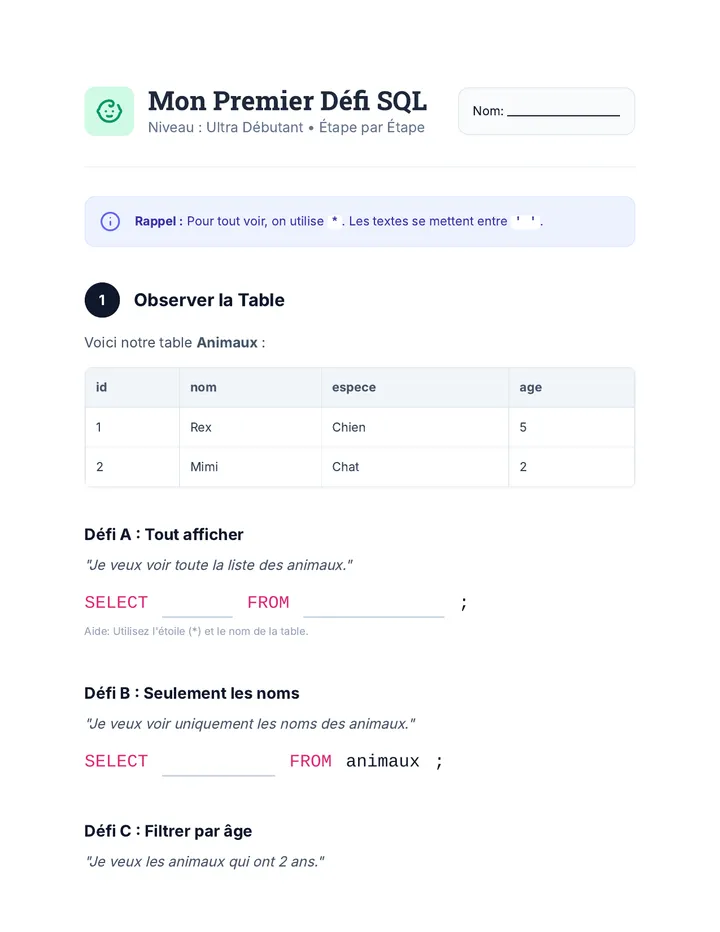
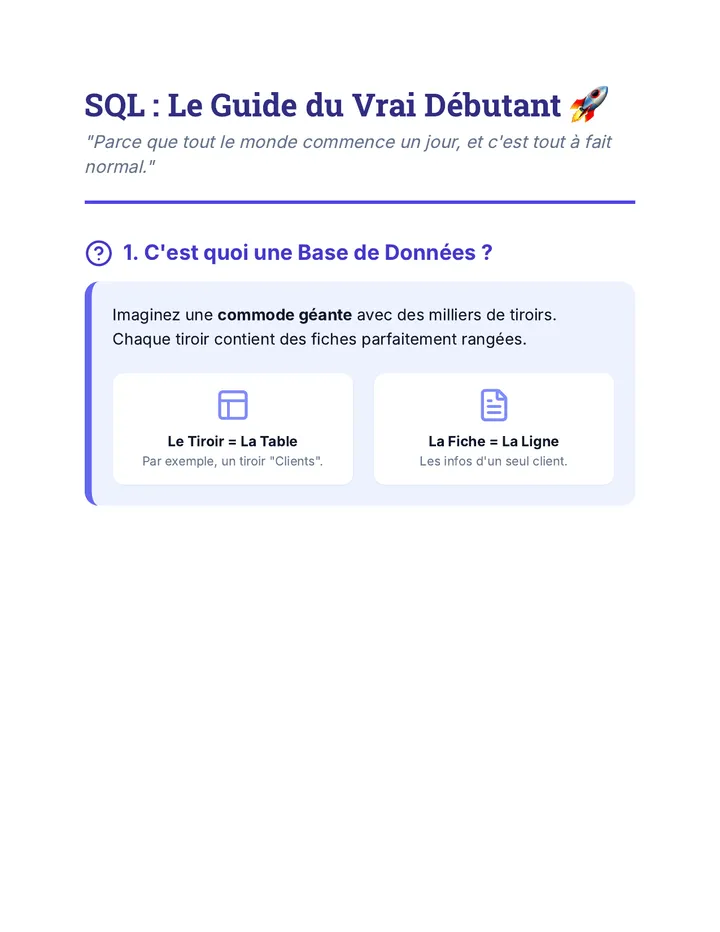
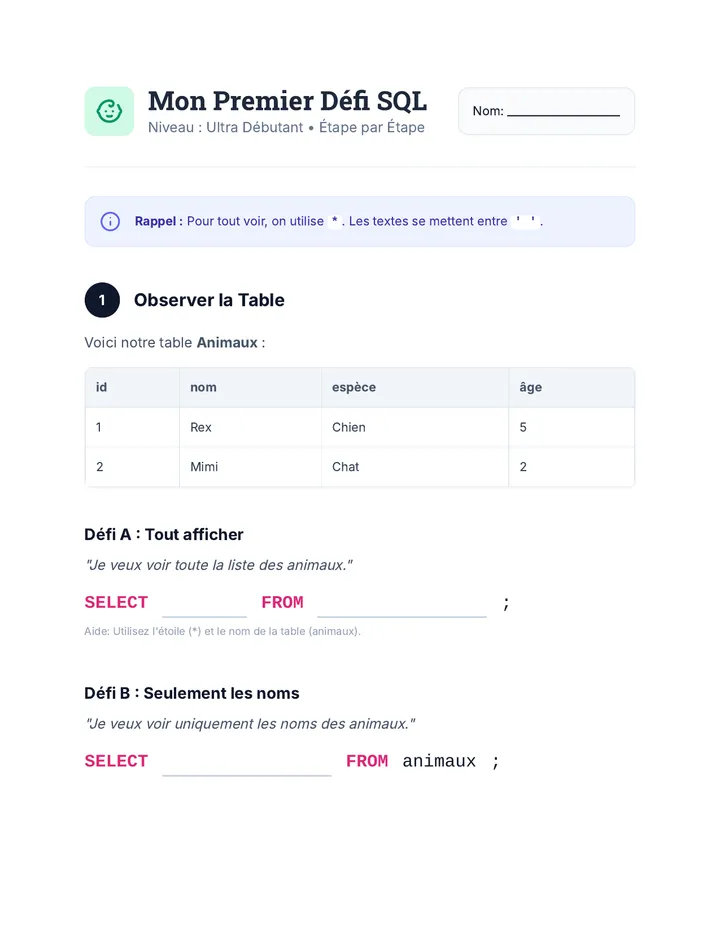
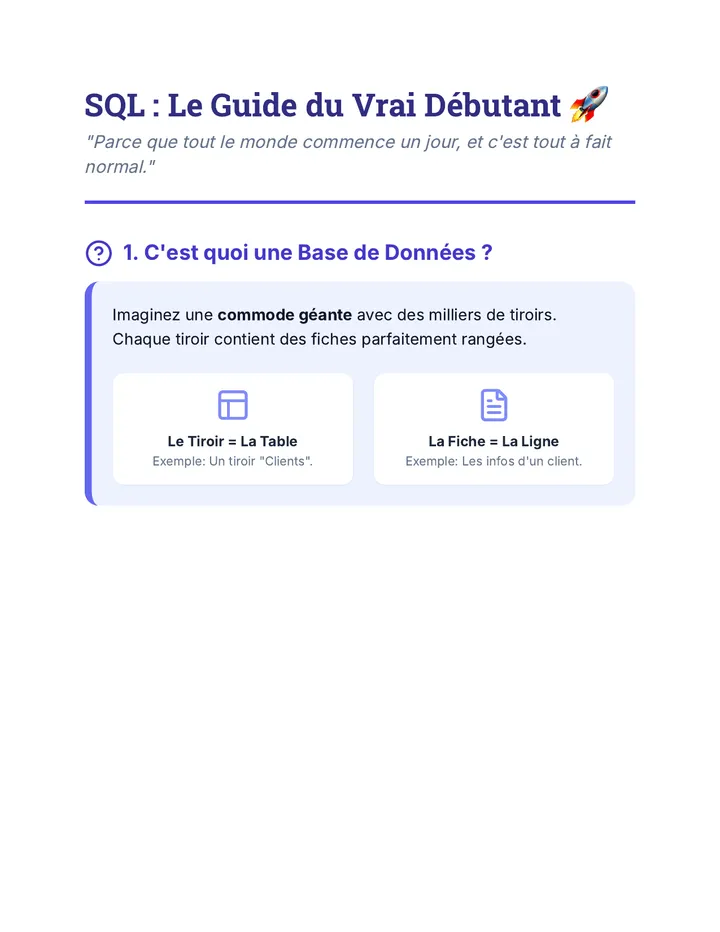
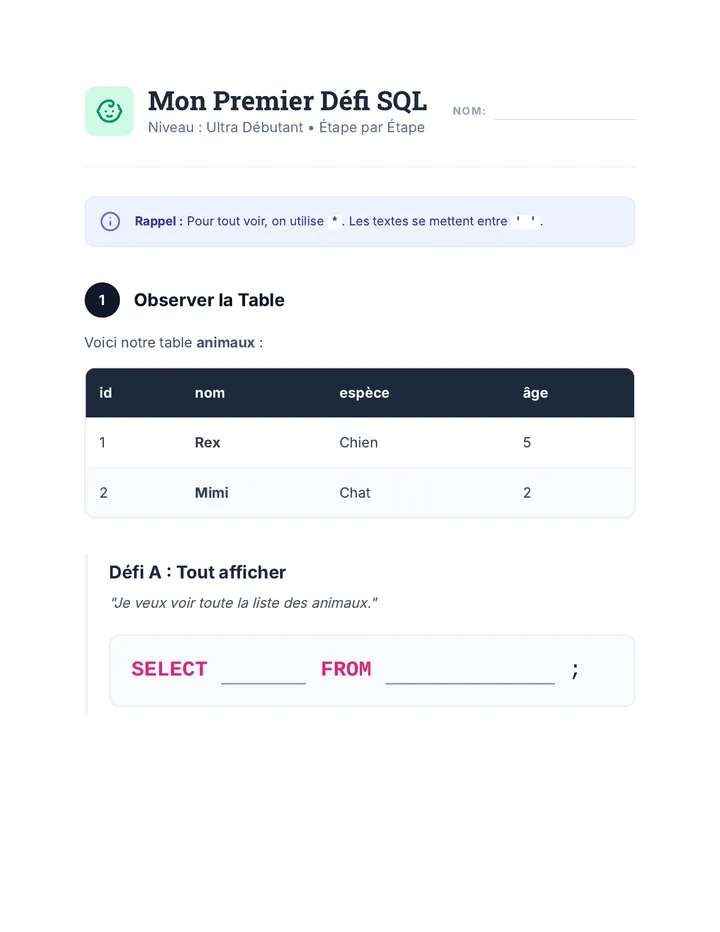
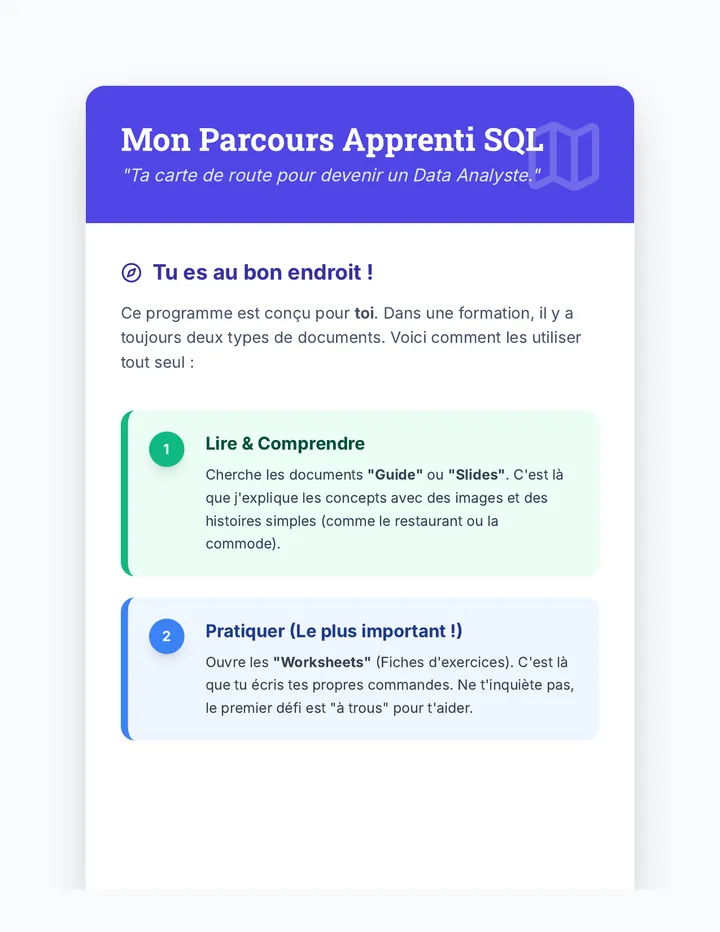
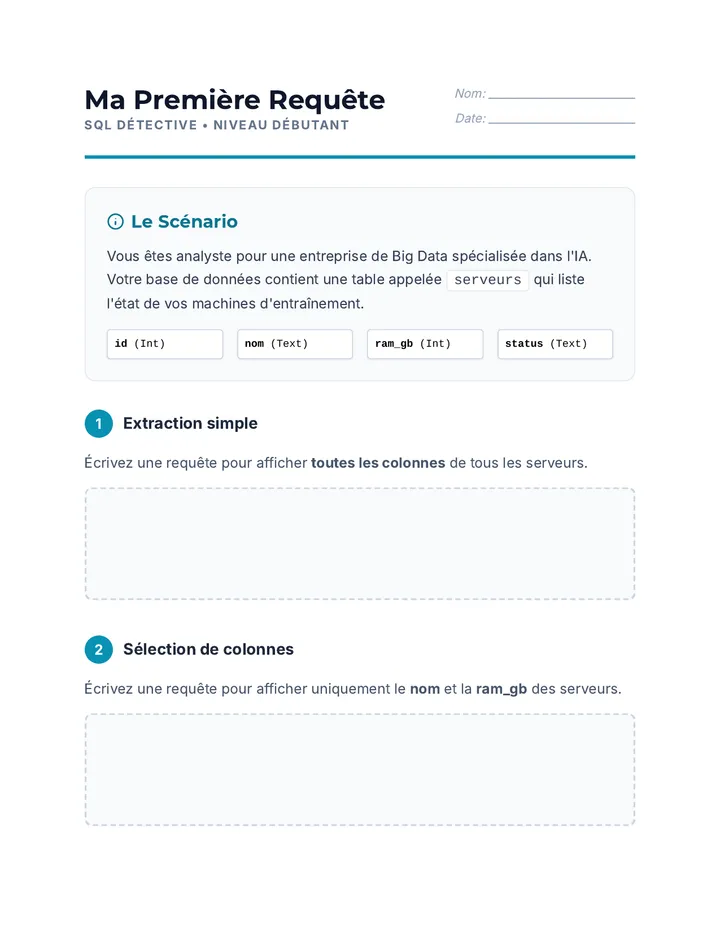
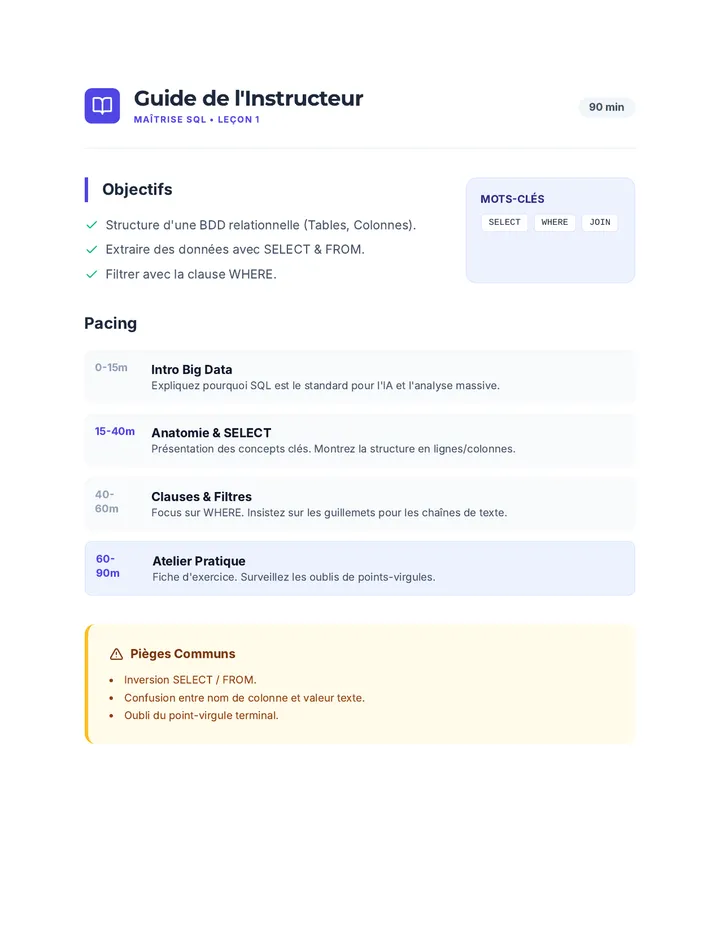
Un programme complet conçu pour transformer un débutant en analyste de données capable de manipuler MySQL pour le Big Data et l'IA. Le parcours couvre les bases, les agrégations, les jointures et l'optimisation pour les grands volumes de données.
A professional development series for PreK-12 educators that reframes Computer Science as a "Superpower" through Computational Thinking. Teachers explore how CS concepts like decomposition, abstraction, and automation are already present in their daily instructional practices and Iowa Core content.
A comprehensive identity design unit where students explore the psychological and visual elements of branding, including color theory, typography, and logo composition.
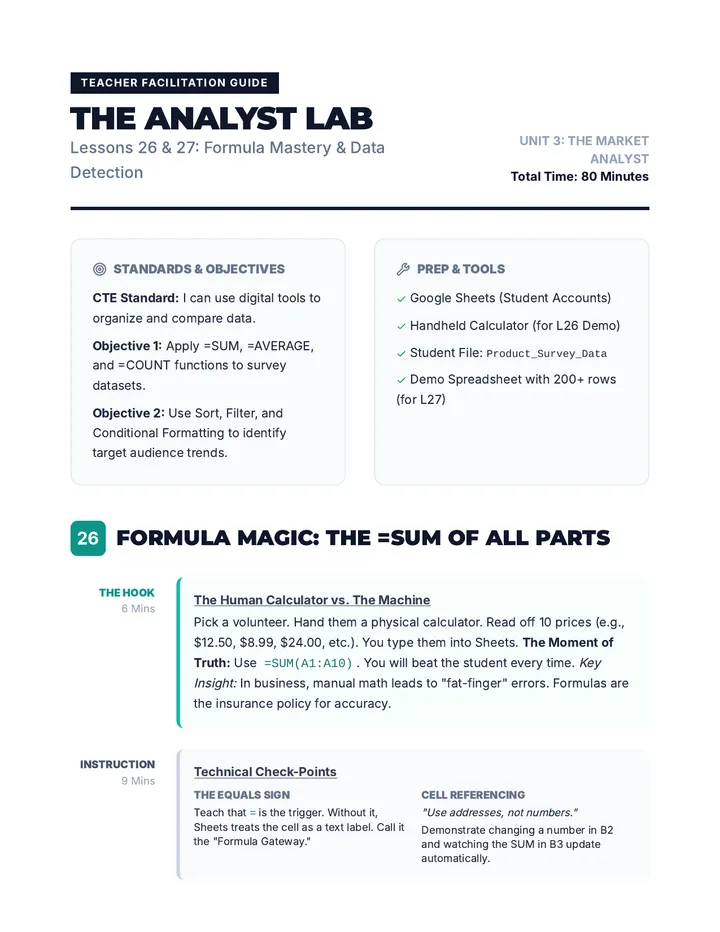
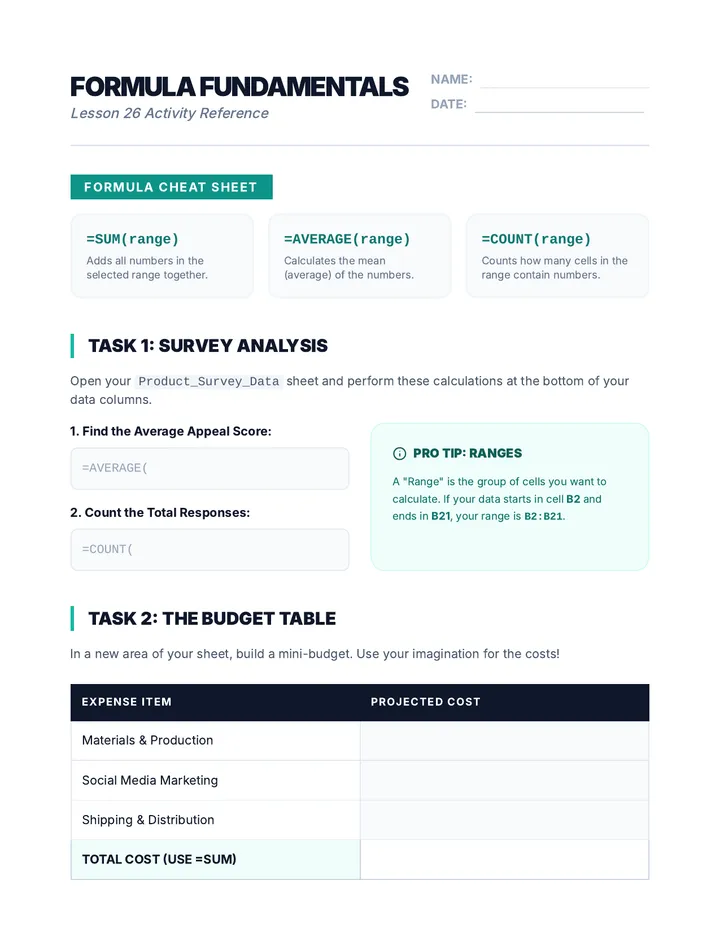
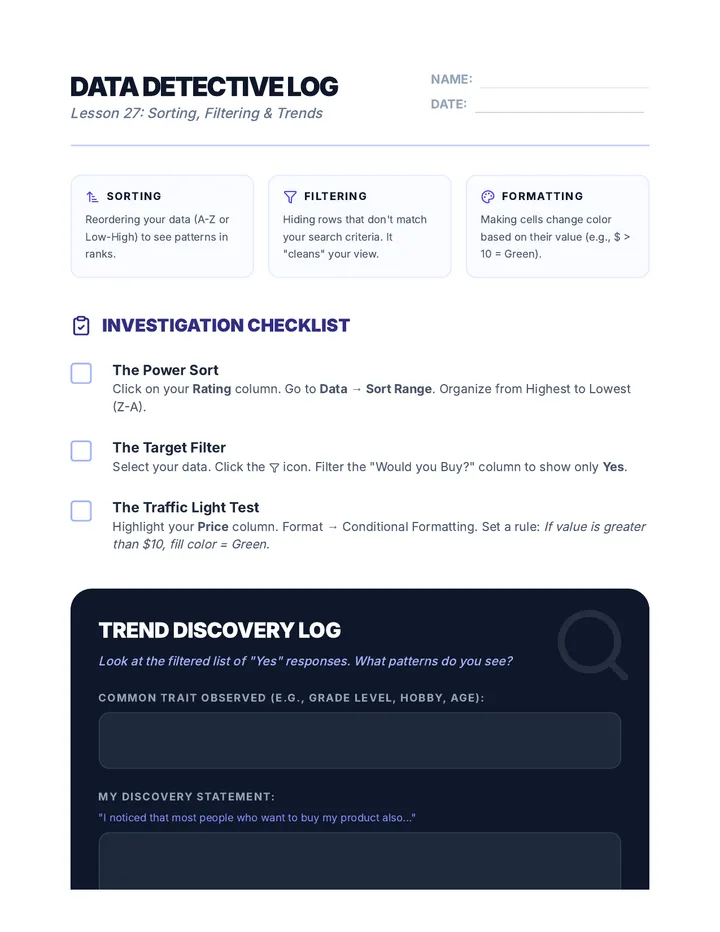
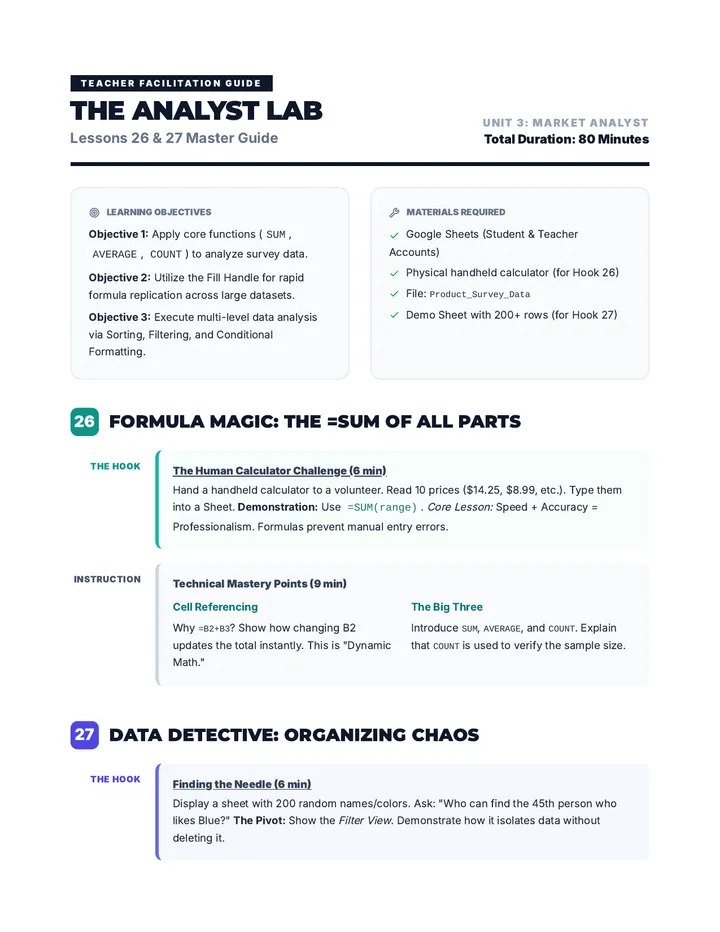
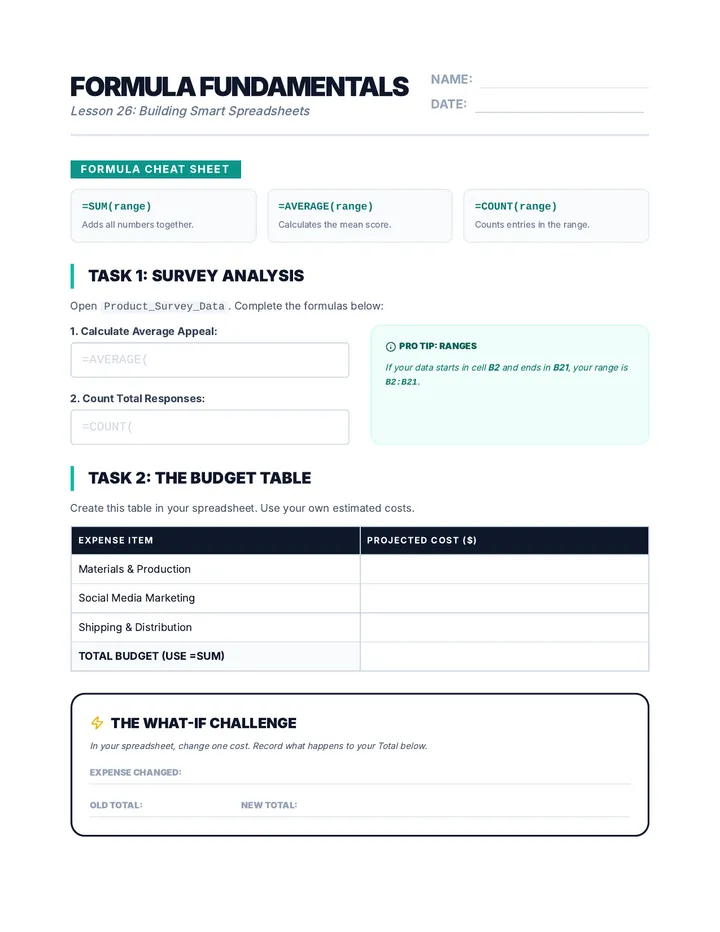
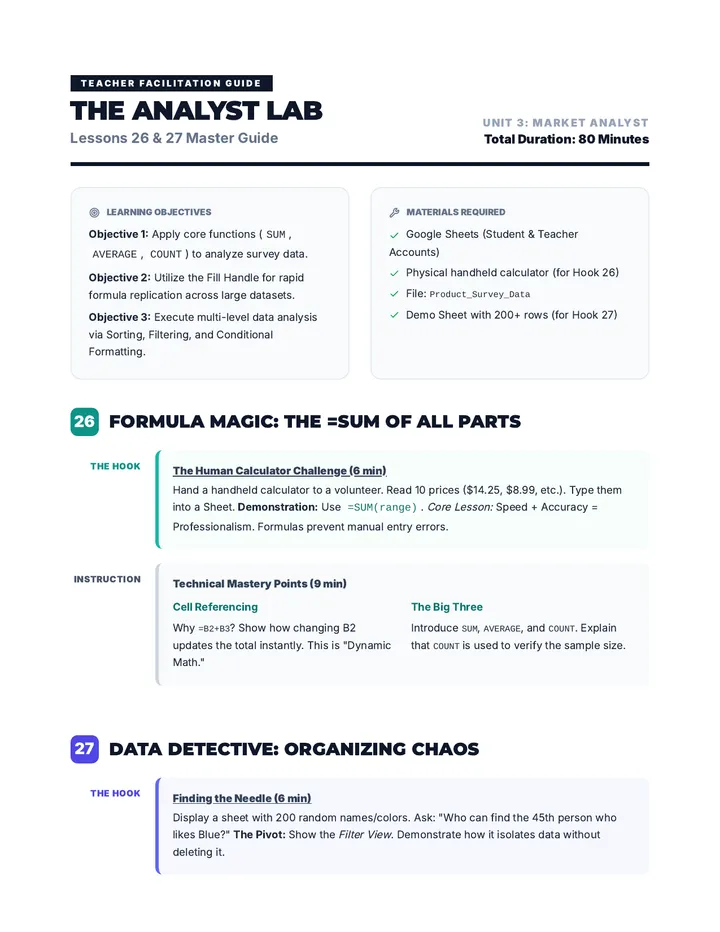
Students learn to use digital tools to organize, compare, and analyze market data using advanced spreadsheet techniques like formulas, sorting, and filtering.
A 5-day CTE exploration of Diagnostic Services and Health Informatics, where students take on the role of medical detectives solving clinical cases through data and diagnostic thinking.
A comprehensive unit focused on understanding how data is collected, stored, and analyzed in various computing environments, specifically aligned with North Carolina CS10 Objective 3.01.
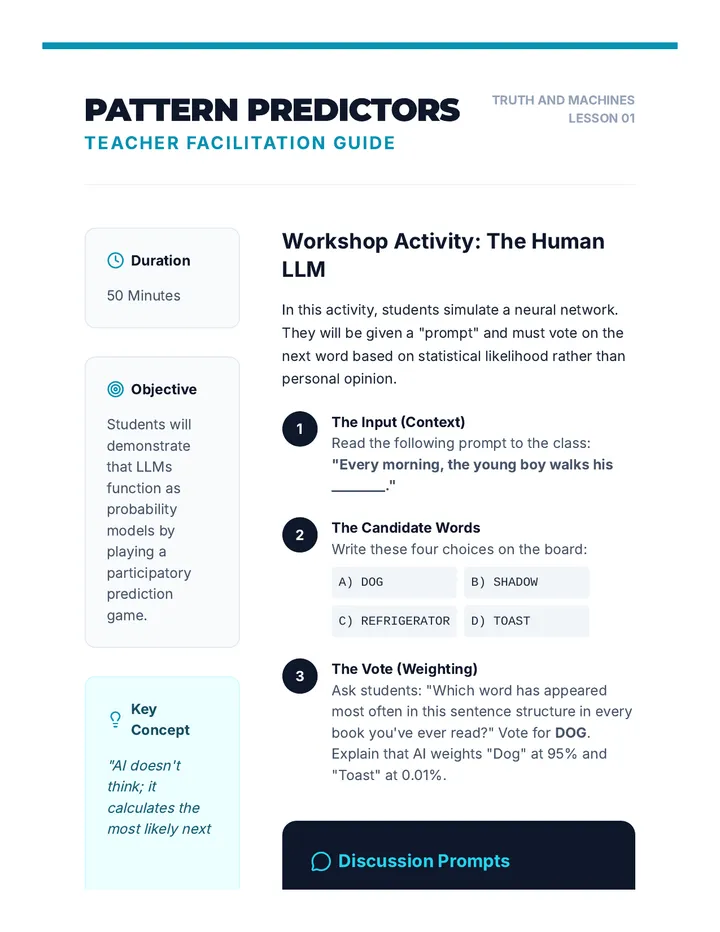
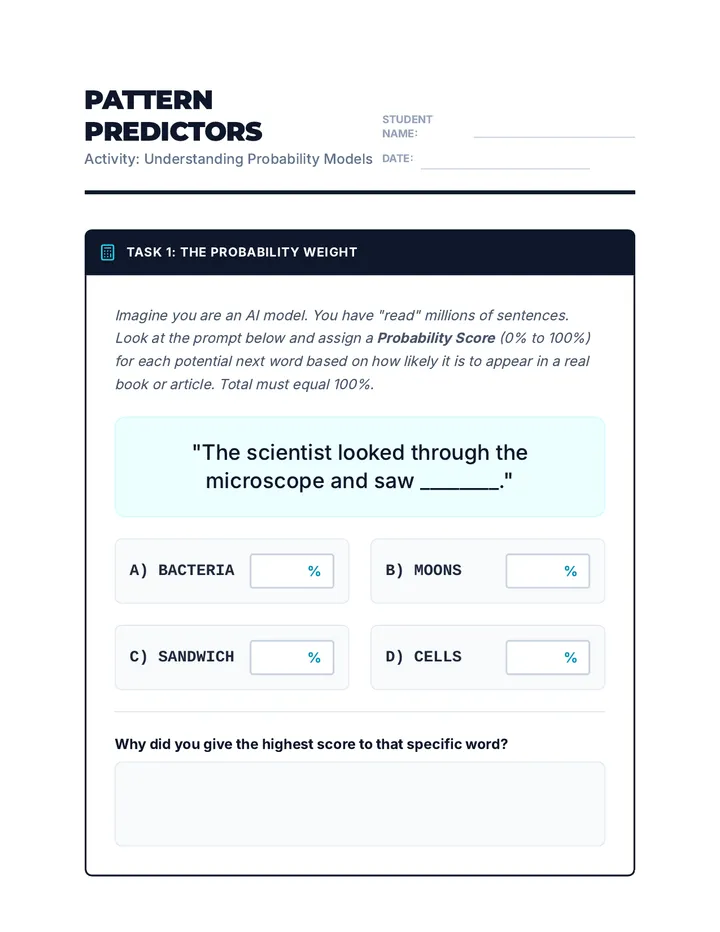
A comprehensive sequence for 8th-grade students exploring the mechanics, ethics, and societal impacts of Generative AI. Students will learn how AI models predict data, identify deepfakes, manage hallucinations, and navigate copyright issues to become responsible digital citizens.
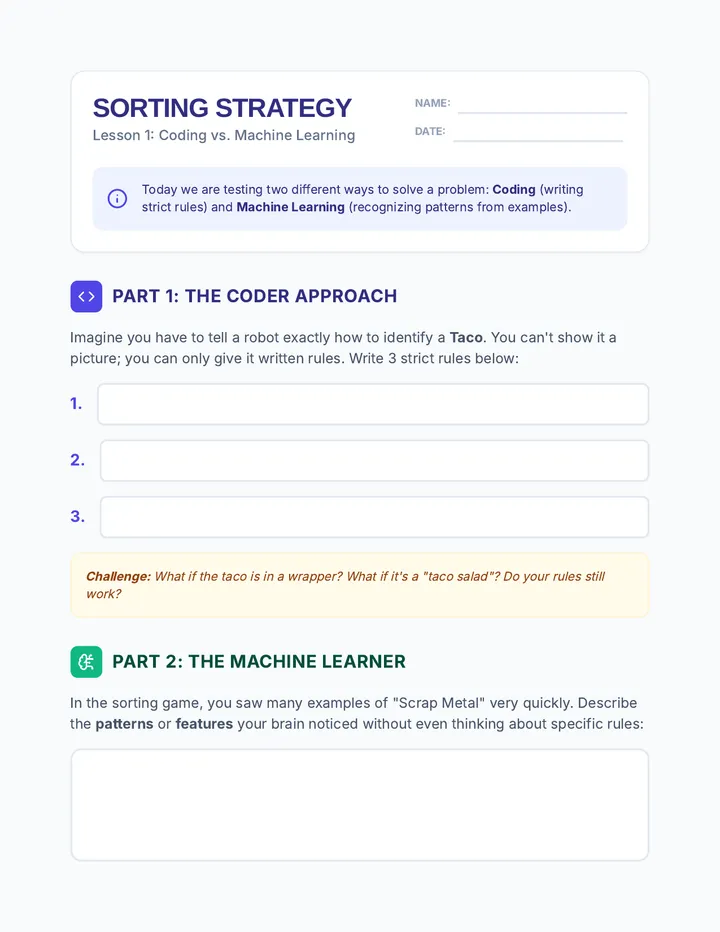
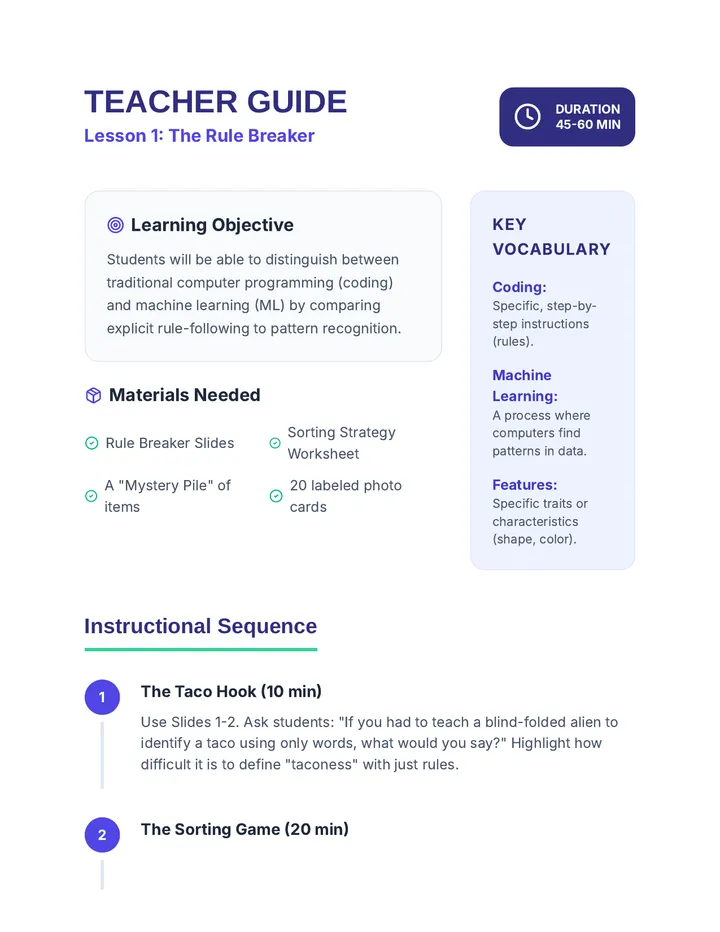
Students demystify Artificial Intelligence and Machine Learning through hands-on training, pattern recognition, and ethical analysis. They move from understanding basic coding differences to identifying real-world AI applications and recognizing the importance of unbiased data.
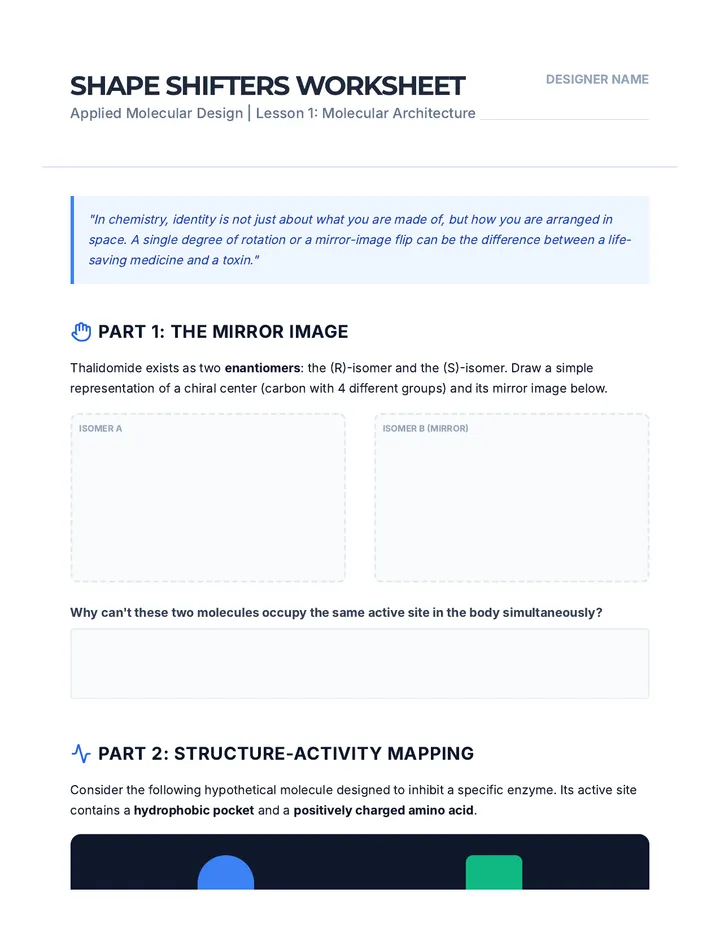
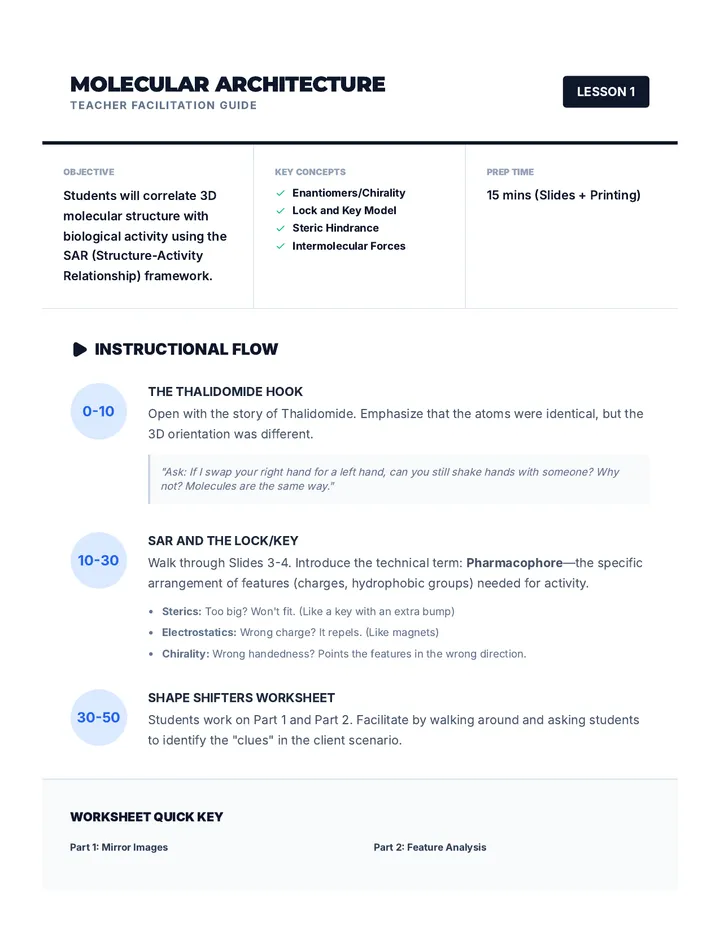
A project-based chemistry unit where 12th-grade students apply their knowledge of molecular geometry, polarity, and bonding to design a molecule for a specific pharmaceutical or industrial purpose. The sequence progresses from analyzing existing structure-activity relationships to using computational modeling tools and pitching a custom molecular design.
A 12-week structured curriculum for college students tracking Python competency. Spans four progressive modules from basic logical foundations to functional programming, OOP, and exploratory data science. Each module contains an interactive slide deck tailored for live warm-ups and checks.
Un parcours complet pour transformer un débutant en analyste de données SQL, couvrant des bases fondamentales aux requêtes complexes pour le Big Data.
A lesson focused on helping Level 3 ESL students master the Claim, Evidence, Reasoning framework through the analysis of bar and line graphs. Students act as 'Data Detectives' to uncover trends and support their conclusions with specific data points.
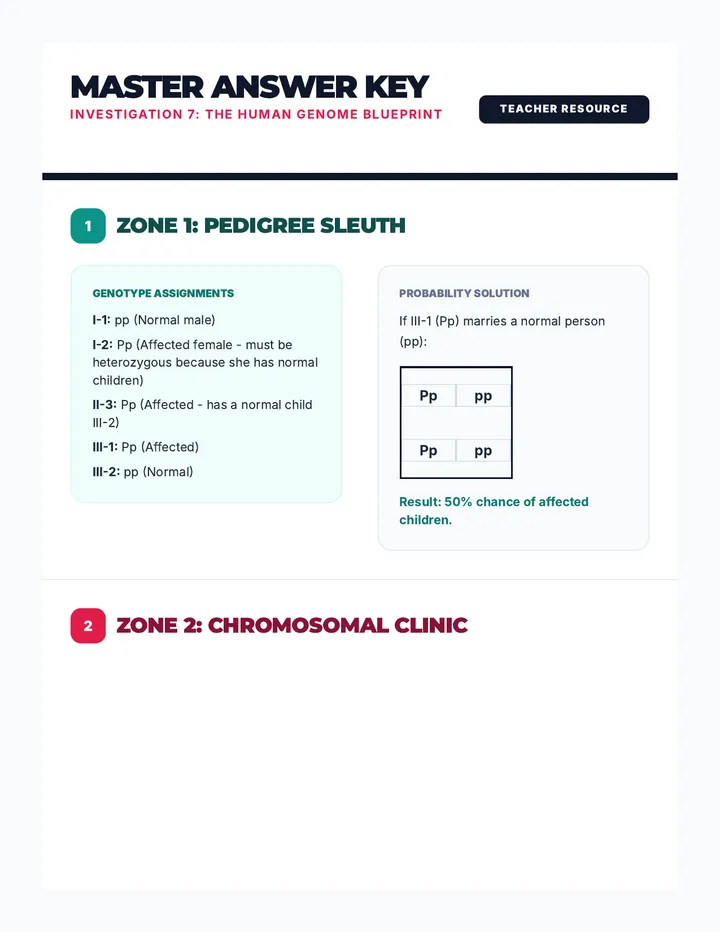
A 5-block (10 period) investigation into the human genome, focusing on patterns of inheritance, chromosomal disorders, and molecular biotechnology through the lens of polydactyly.
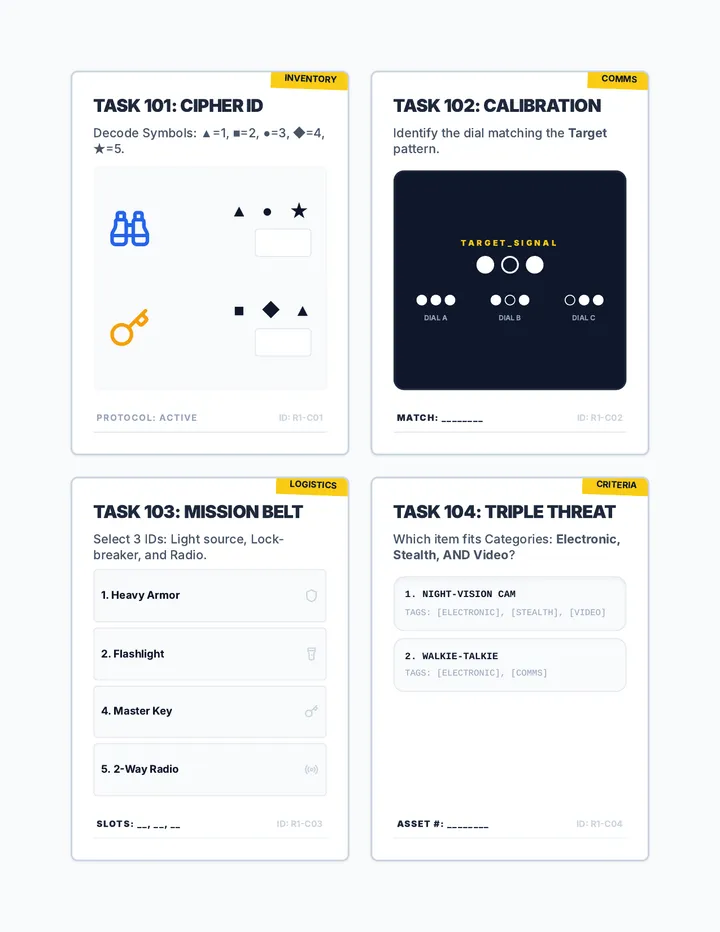
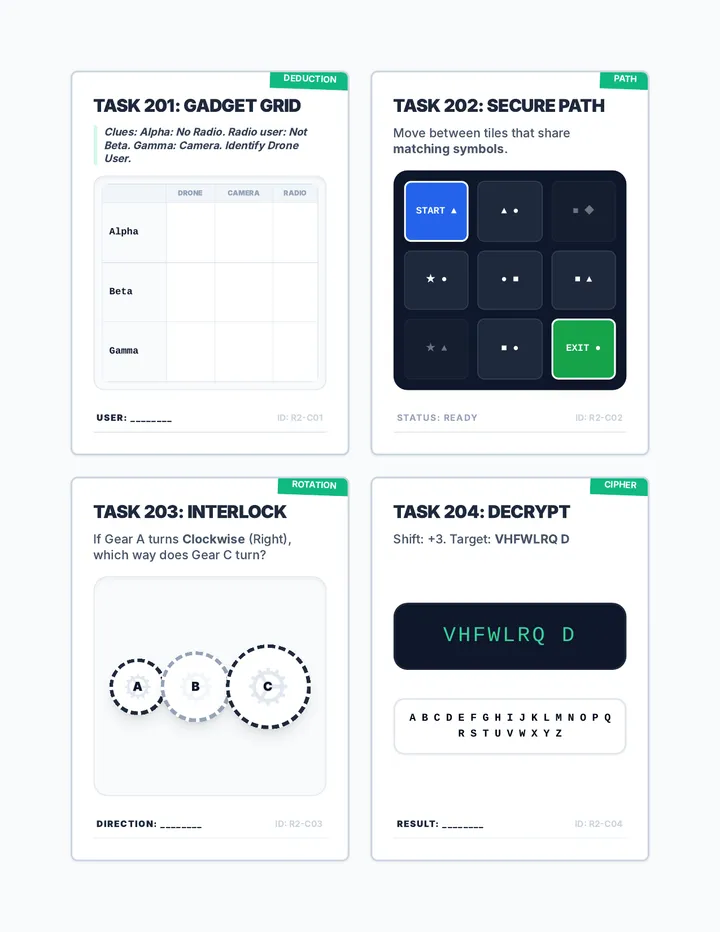
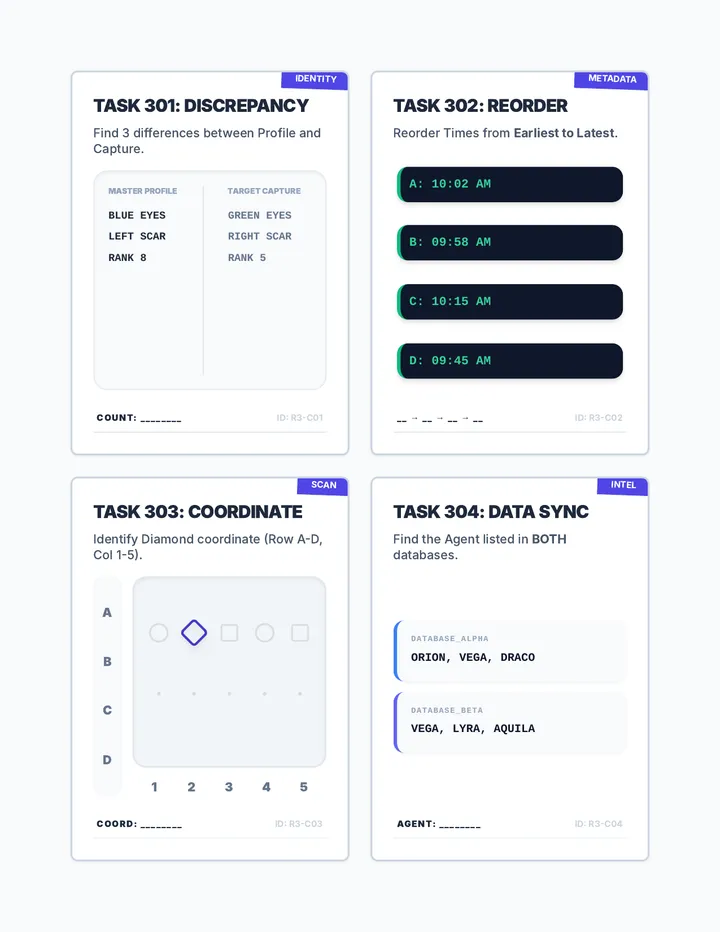
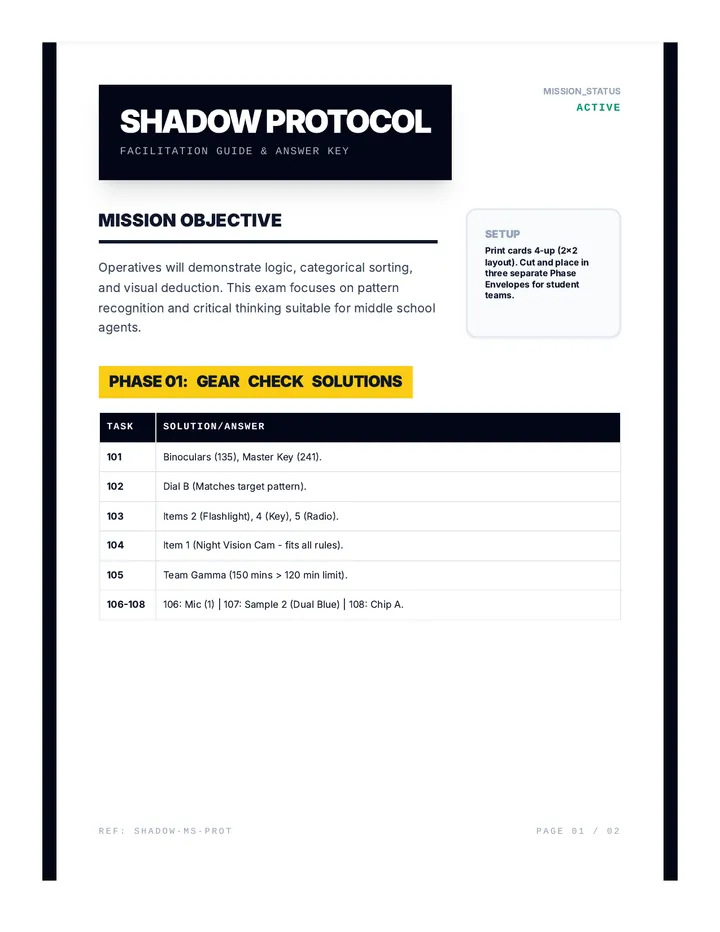
A high-stakes secret agent escape room designed for middle school students, featuring complex logic grids, binary decryption, spatial reasoning, and data analysis. Operatives must work through three rigorous phases of testing to earn their field status.
A comprehensive 100-question final review encompassing all domains of computer science covered in the sequence.
A comprehensive STEM project choice unit designed for 7th-grade students to explore various scientific and engineering topics through self-directed learning and creative output.
A comprehensive lesson exploring the technical and clinical aspects of Whole Genome Sequencing (WGS), covering the workflow from DNA extraction to variant analysis, and comparing short-read versus long-read technologies.
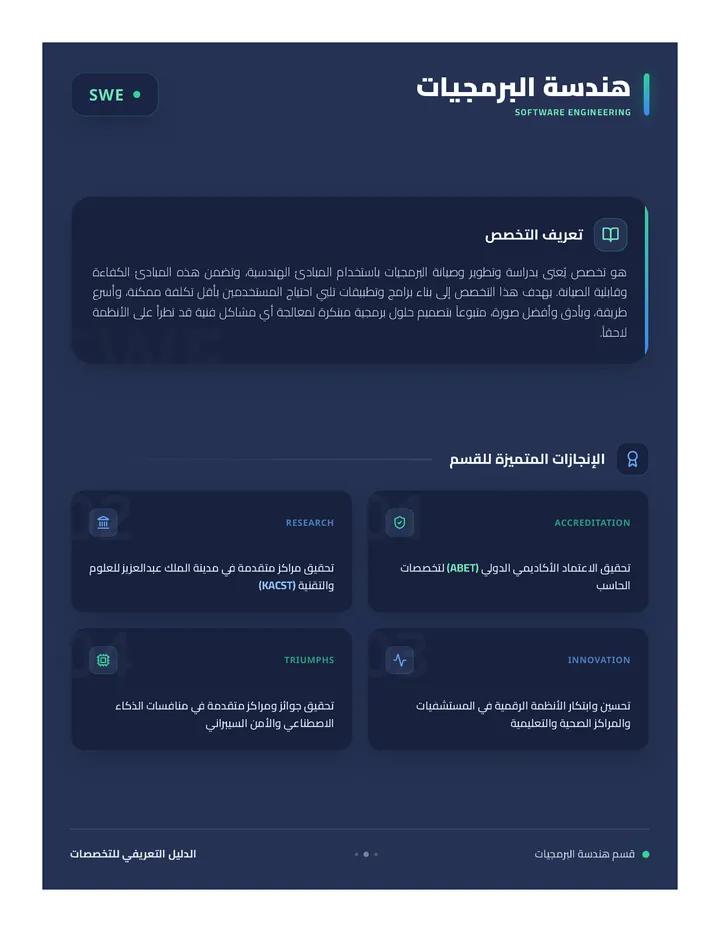
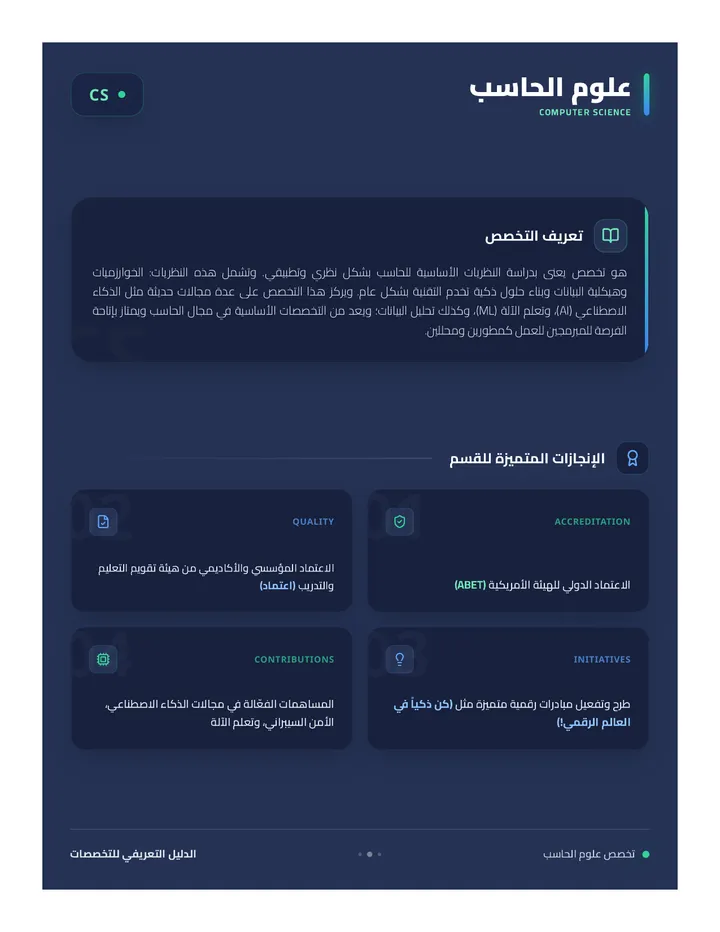
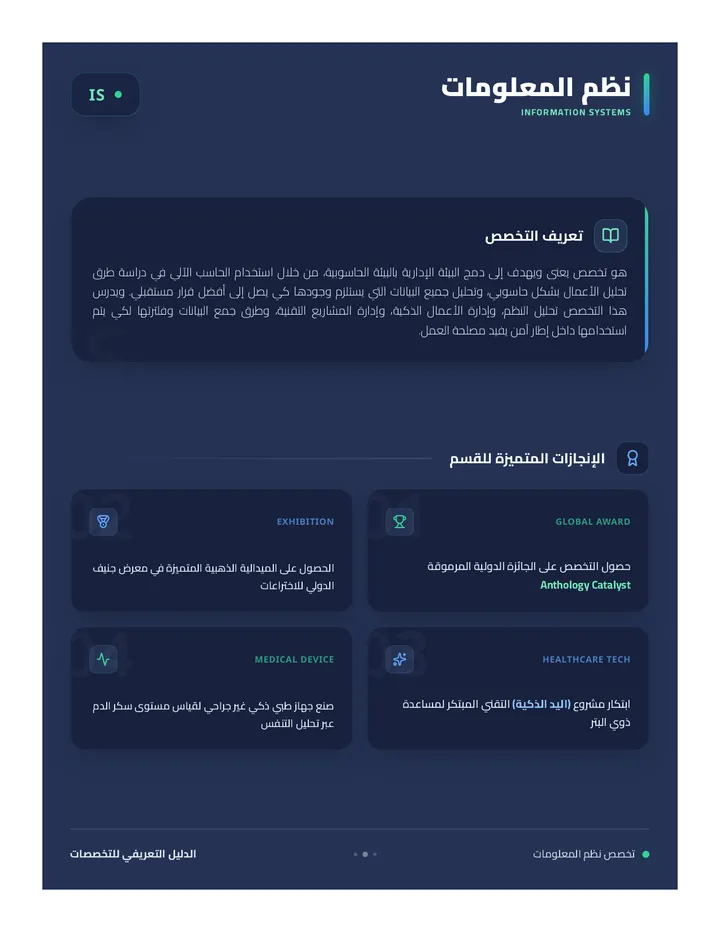
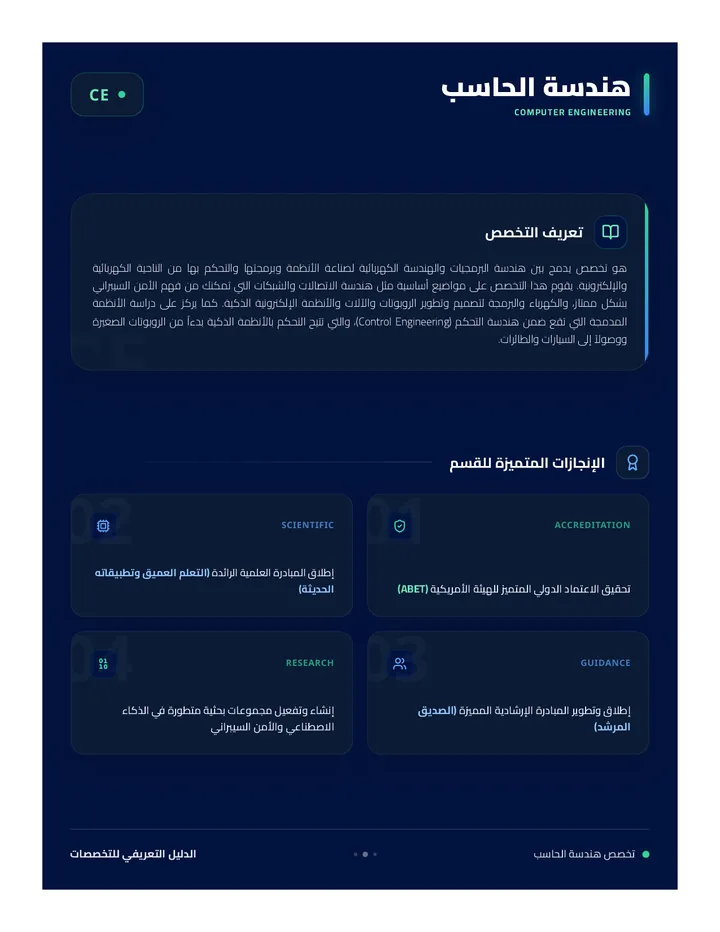
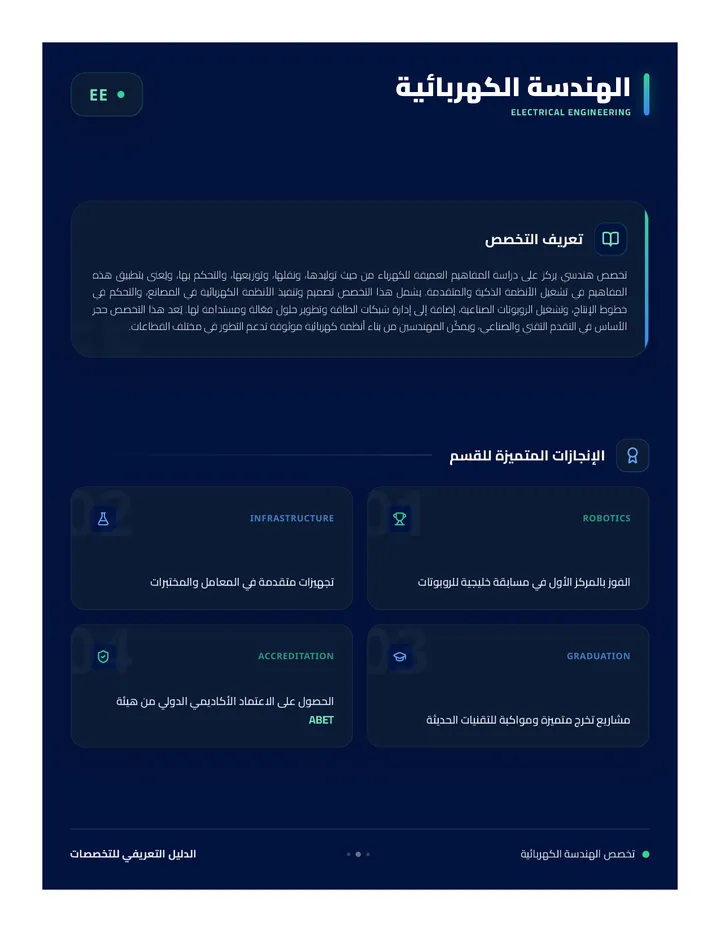
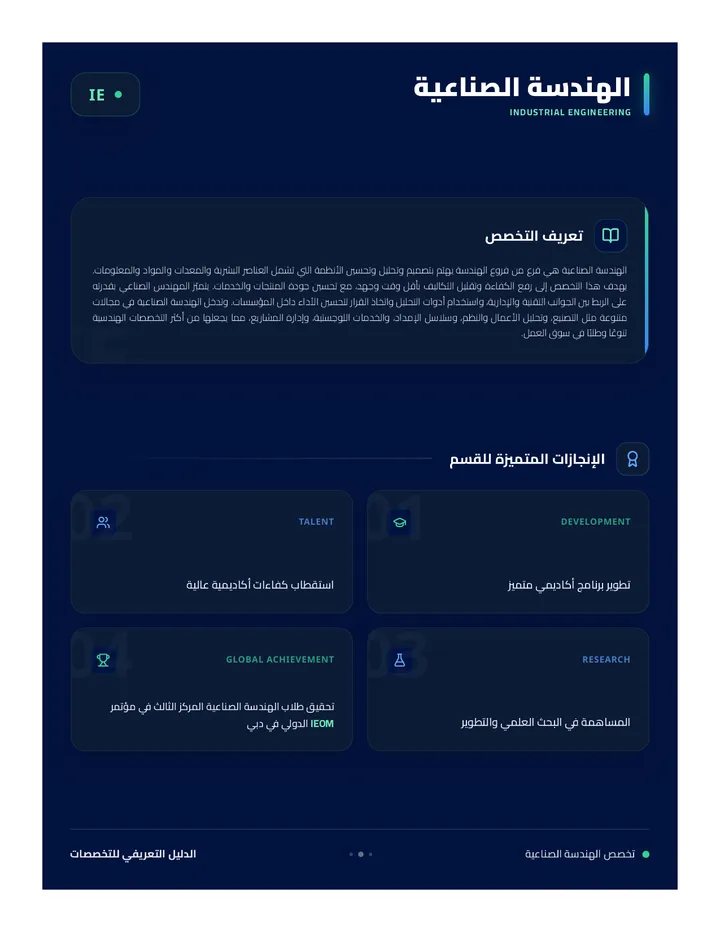
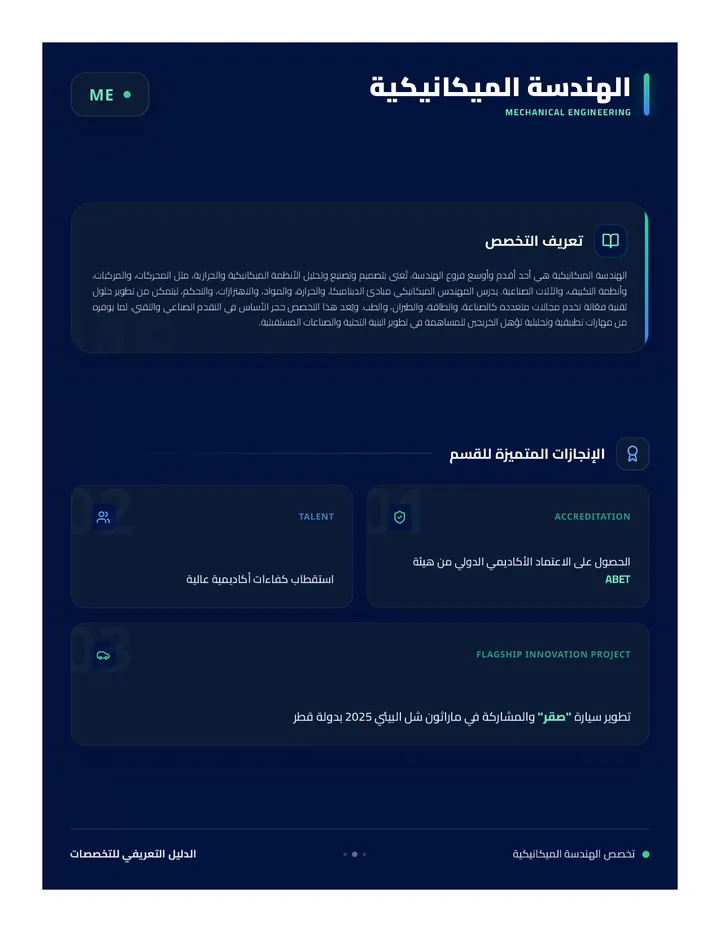
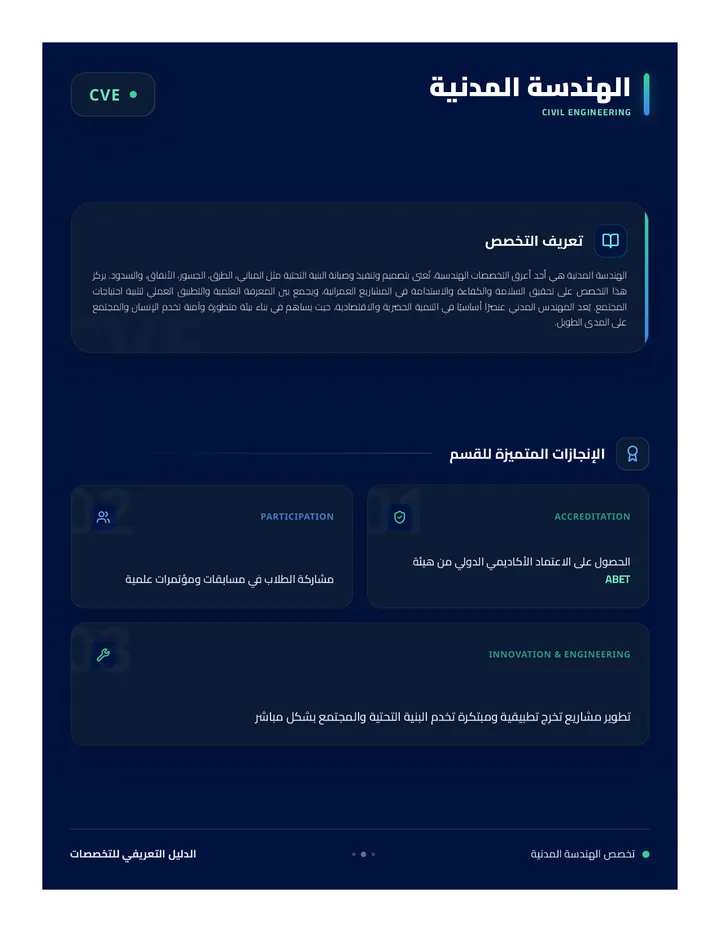
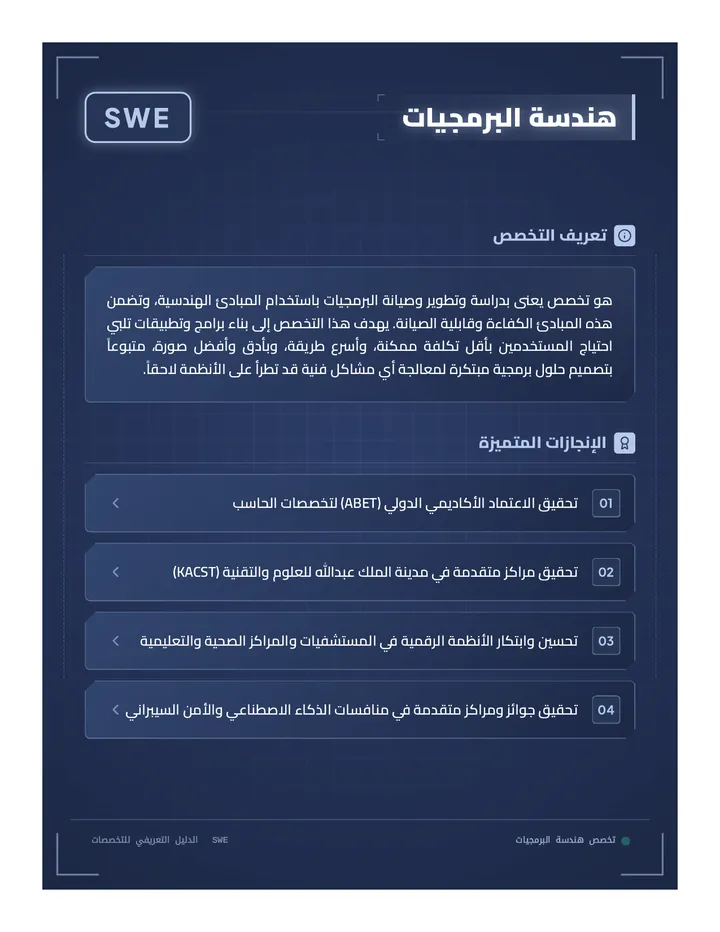
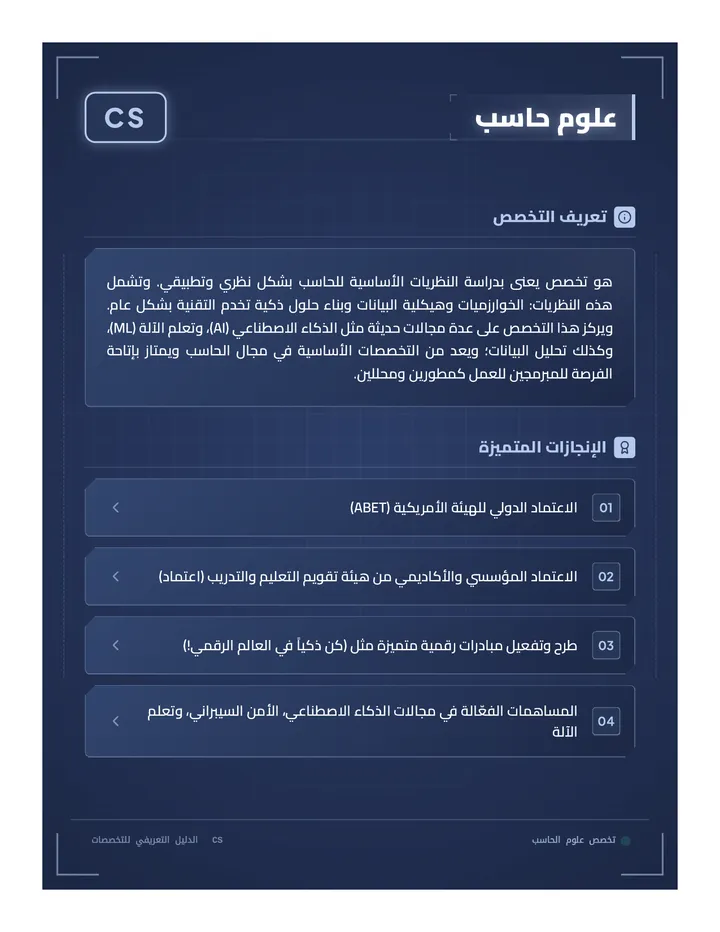
A comprehensive set of premium promotional posters for computer-related specializations, specifically Software Engineering and Computer Science, designed to attract and inform students using a high-end visual Bento Grid template.
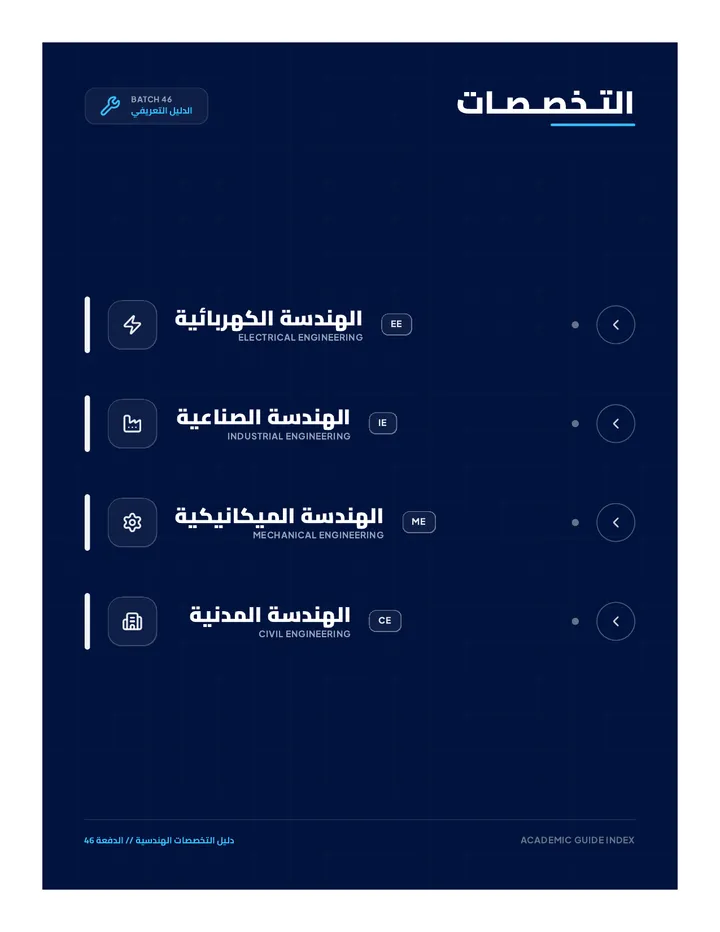
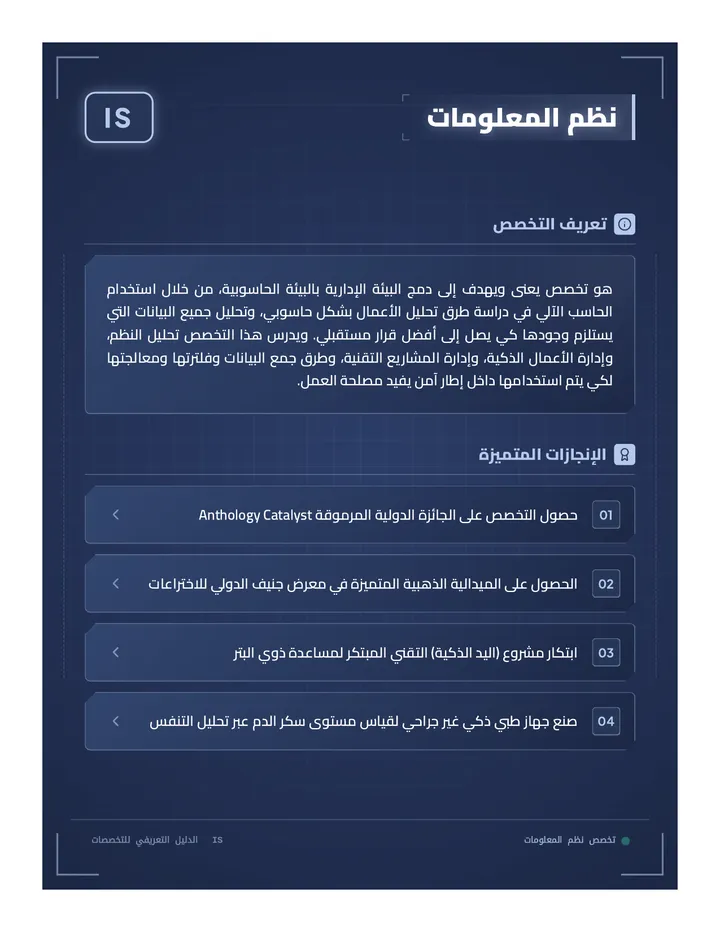
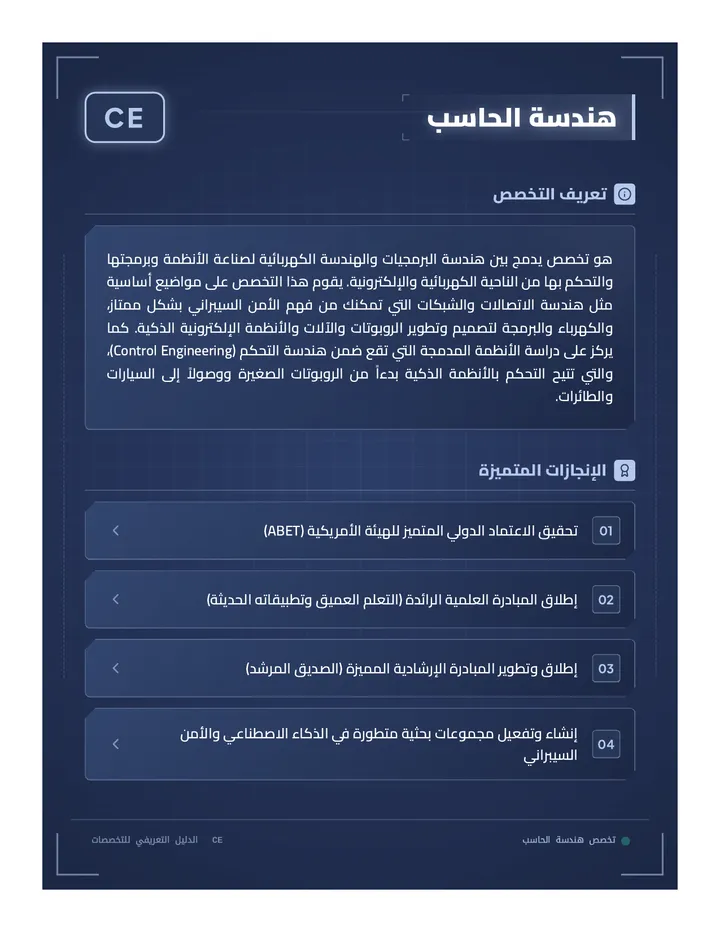
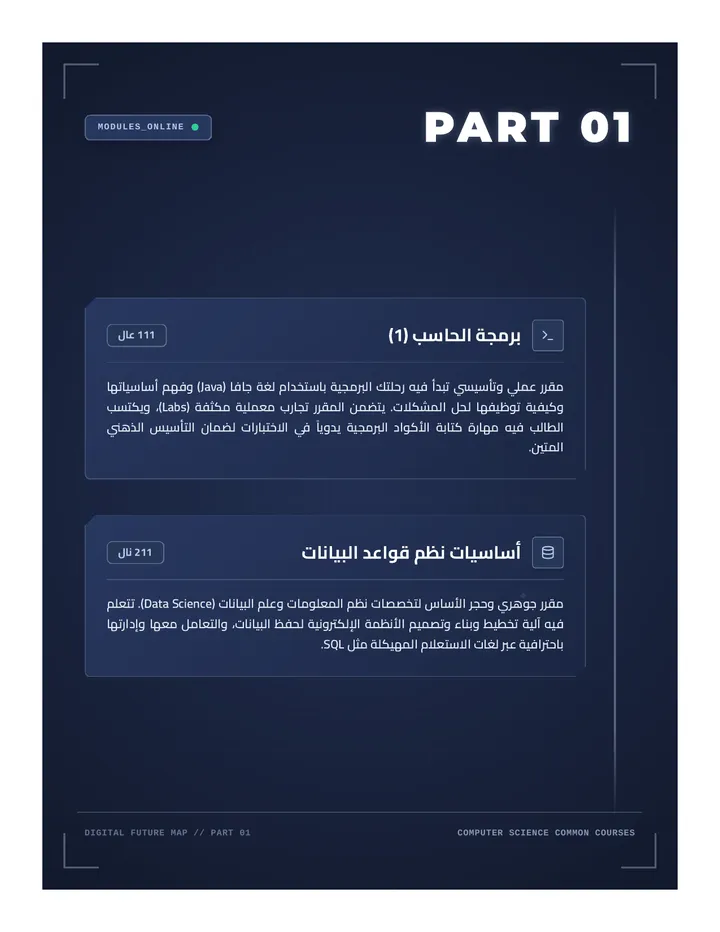
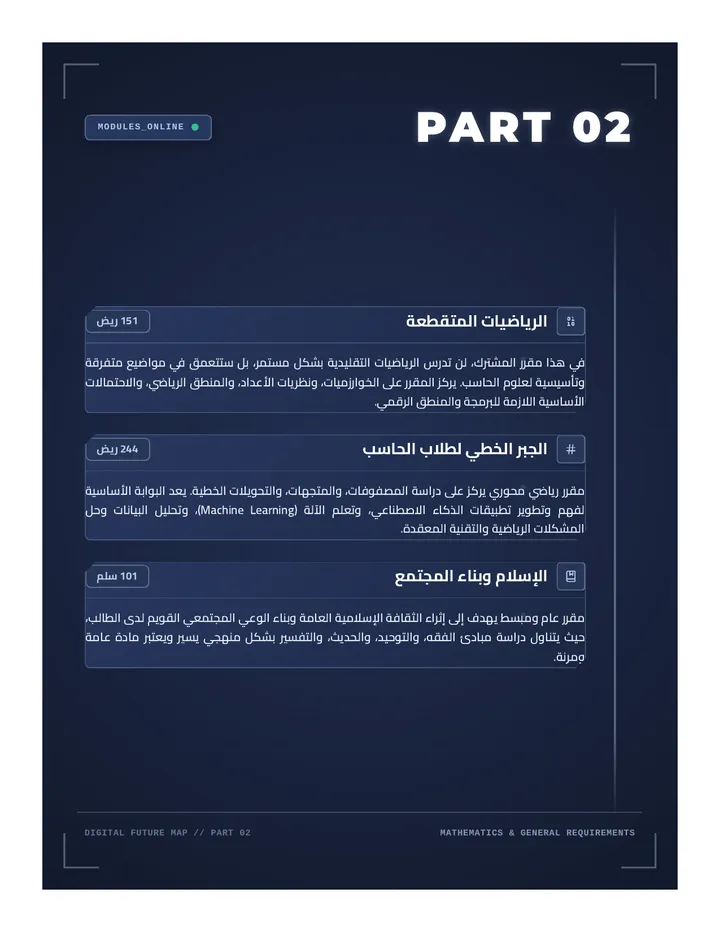
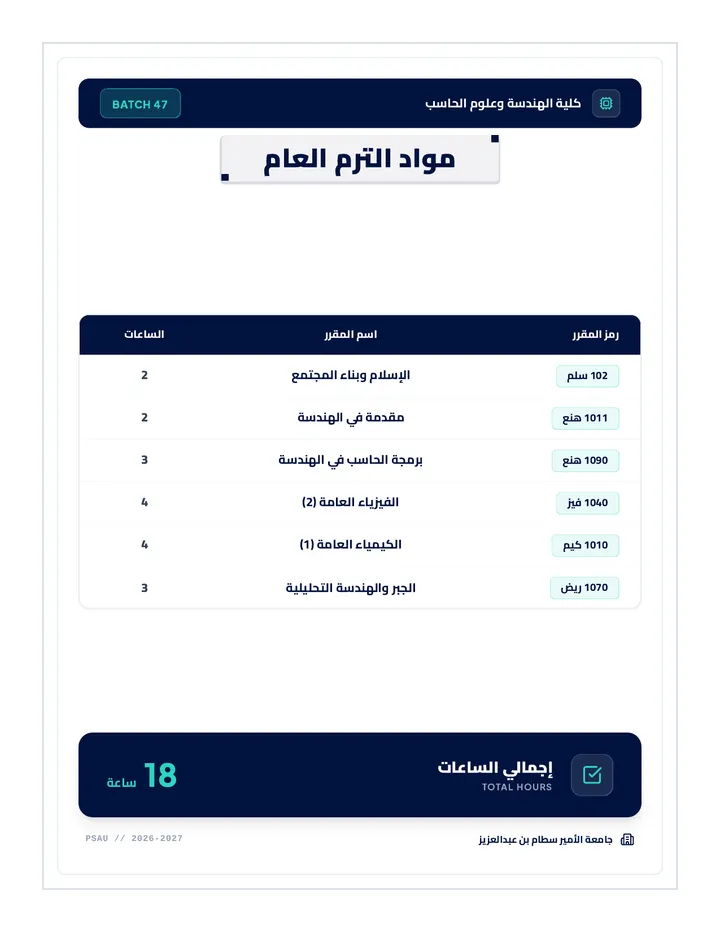
دليل تعريفي لتخصصات الحاسب الآلي والتقنية يهدف إلى استعراض الفروع الرئيسية وتوجيه الطلاب نحو التخصص المناسب.
This lesson advances 4th-grade students' spreadsheet skills, moving beyond basic data entry to explore sorting, formatting, and the power of simple formulas.
A comprehensive collection of I-LEARN style assessment items covering all eight Science and Engineering Practices (SEP), designed to prepare students for high-stakes testing through application-based questions.
A comprehensive introduction to Health Information Management (HIM), focusing on essential terminology, legal standards like HIPAA, and the basics of medical coding (ICD-10-CM and CPT) for high school CTE students.