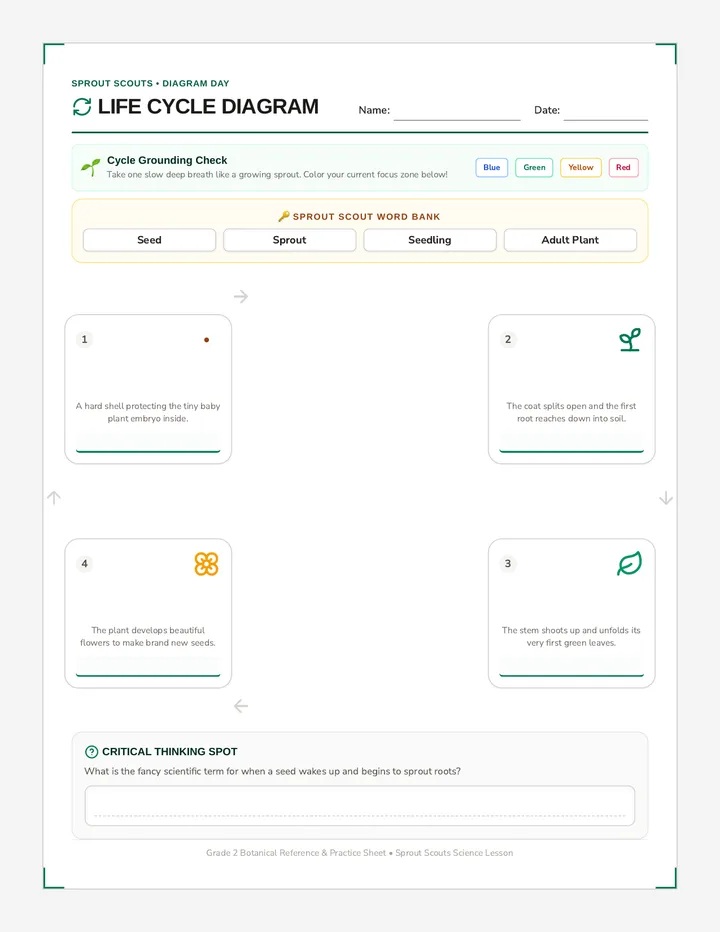
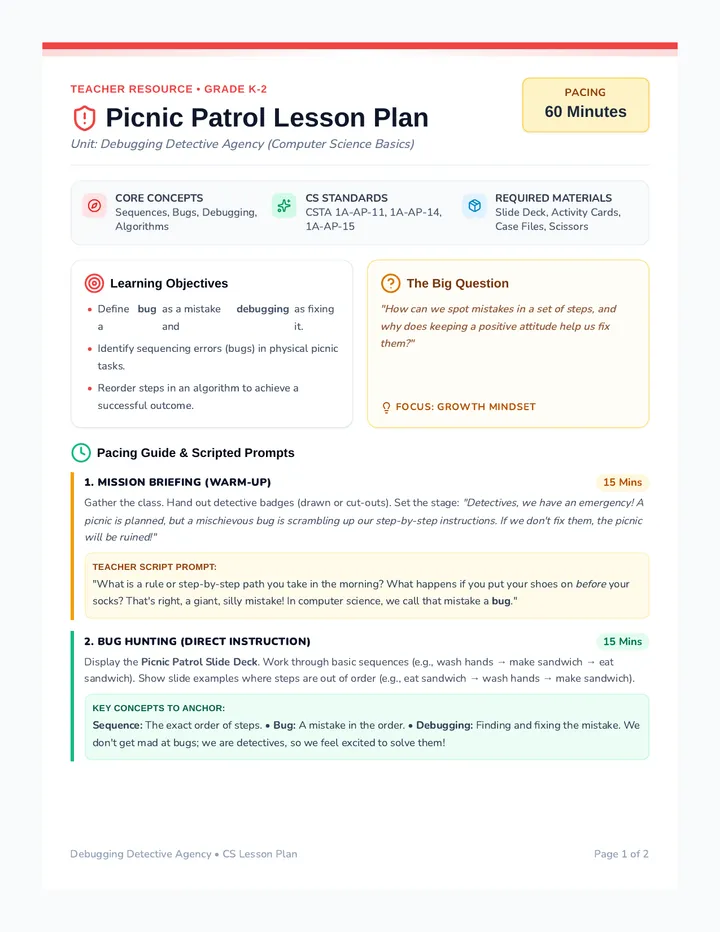
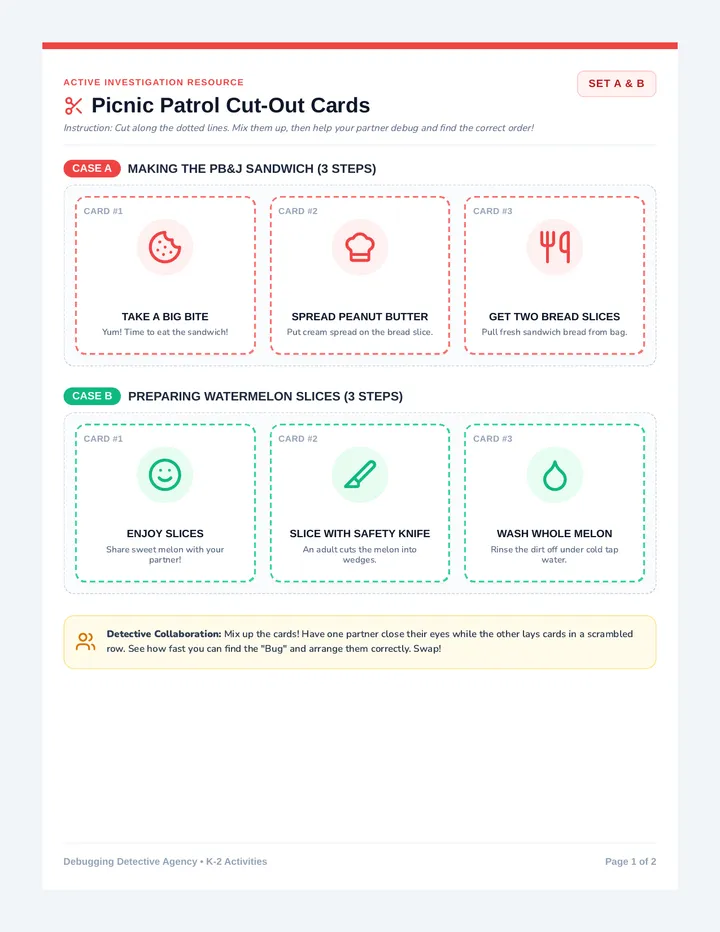
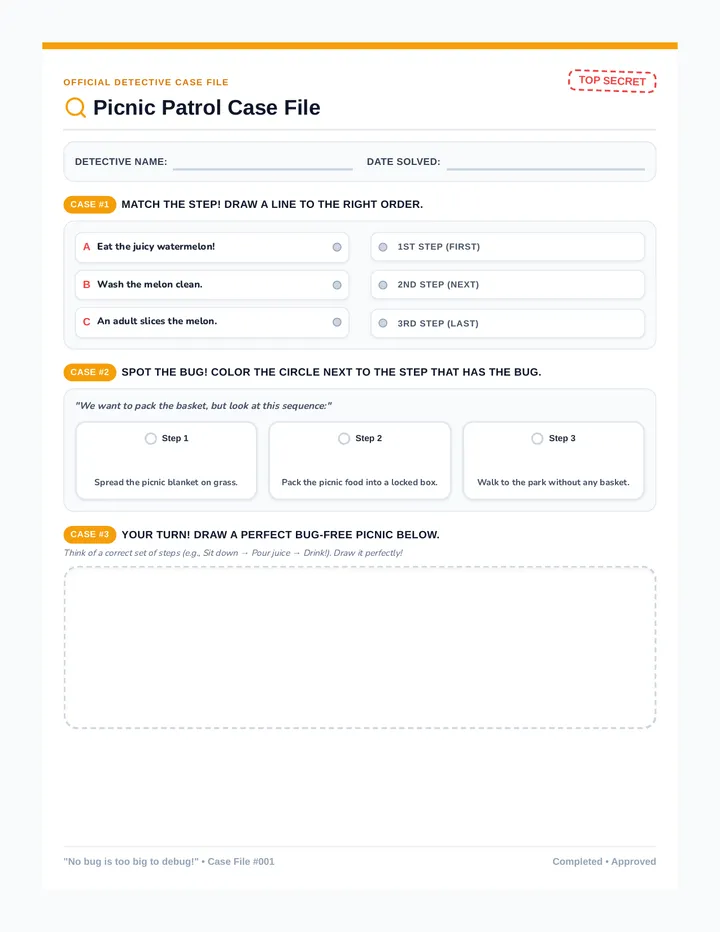
Nature Neon Ninja Slides Nature's Neon
& Ninjas
Camouflage vs. Warning Coloration
Hiding
Warning
Warm-Up: Spot the Bug!
Can you find them?
A. The Walking Stick
B. The Ladybug
Which insect is easier to see? Why do you think that is?
Rainforest Adventure
Embedded media
Watch & Listen For:
How the Sloth hides.
Why the Frog is so bright.
"Bright colors warn other animals that it's poisonous if eaten." - Tess
Camouflage
THE NINJA
The Secret Strategy
Blending in to hide from predators.
Sloth Secret
Algae grows on its fur to look like leaves!
The Goal
Don't be seen!
Warning Color
NEON SIGNAL
The Loud Strategy
Standing out to say "DON'T EAT ME!"
Frog Power
Bright yellow/blue means I'm poisonous!
The Goal
Be seen & stay safe!
DANGER!
Hide or Warn?
Butterfly Design Challenge
Team Ninja
Color your butterfly to blend in with something in our classroom!
Think About:
Is the wall white? Is the desk brown?
Team Neon
Color your butterfly with bright patterns to warn predators away!
Think About:
Use neon yellow, hot pink, or bright orange!
Which is Better?
Hiding
OR
Warning
If you were a small animal in the rainforest, which strategy would you choose? Why?
Butterfly Design Challenge Worksheet Butterfly Design Challenge
Nature's Neon & Ninjas Activity
Name:
Date:
Team Ninja
Camouflage Strategy
Choose a spot in the classroom. Color your butterfly so it blends in perfectly with that spot! Use patterns and colors that match exactly.
Team Neon
Warning Strategy
Make your butterfly pop ! Use bright, neon colors and bold patterns to tell predators: "Stay away! I'm dangerous!"
Cut along the dashed lines
Once you are finished, ask your teacher for a piece of tape to place your butterfly in its secret spot or warning zone!
Nature Neon Ninja Teacher Guide Teacher Guide
Nature's Neon & Ninjas
Warning Coloration vs. Camouflage • 2nd Grade Science
Total Time
45-50 min
Learning Objective
Students will identify and explain two primary survival strategies in the animal kingdom: camouflage (blending in to hide) and warning coloration (standing out to signal danger).
Key Concepts
Camouflage: Hide from predators.
Warning: Signal you're poisonous.
Materials
Butterfly Worksheet
Bright & Neutral Crayons
Clear tape
Presentation Slides
1
Hidden Pictures (5 min)
Display Slide 2 . Ask students to find the insects.
Prompt: "Which one was harder to find? Why might a bug want to look exactly like a stick? Why would a ladybug want to be bright red?"
Lead them toward the idea of hiding vs. warning .
2
Rainforest Tour (10 min)
Play the video on Slide 3 . Note these key teaching moments:
2:25 (Frog): Pause. Why is he yellow? (Warning!)
2:34 (Sloth): Note the algae. Why is he green/brown? (Camouflage!)
Discuss the difference: The frog wants to be seen to say "Danger!" The sloth wants to be invisible.
3
Hide or Warn Activity (25 min)
Pass out the Butterfly Worksheet . Divide the class into two teams:
Team Ninja (Camouflage)
Must pick a classroom location and color the butterfly to match it exactly.
Team Neon (Warning)
Must use the brightest colors possible to make the butterfly highly visible.
Execution: Once colored, help students tape their butterflies. Ninjas hide theirs; Neons place theirs in plain sight.
Game: Give everyone 1 minute to "predator look" (scanning the room). Ask which ones they saw first.
4
Closure & Discussion (5 min)
Discuss: "If the Ninja butterfly was bright pink, would it have survived? If the Neon butterfly was brown, would a bird still be afraid of it?"
Common Misconceptions
Misconception:
All bright animals are poisonous.
Nature Ninja Exit Ticket Quick Check
Nature's Neon & Ninjas
NAME:
DATE:
1 Draw a circle around the animal that uses CAMOUFLAGE to hide.
Bright Frog
Brown Sloth
2 Why does a Poison Dart Frog want to be bright yellow?
To hide from its friends.
To warn other animals that it is dangerous to eat.
To look like a pretty flower.
3 Circle the word that means "blending in with your surroundings."
Warning Camouflage
Teacher Answer Key
1. Brown Sloth • 2. To warn other animals... • 3. Camouflage