Kitchen Print Lesson Plan Kitchen Print Lesson Plan
Topic: Chemistry of Lithography • Grade 7-8
Teacher Guide
Duration
90-120 Minutes
Subject
Art & Chemistry
Key Terms
Hydrophobia, Etching, Surface Tension
Essential Question
How can we manipulate molecular properties like hydrophobia to "lock" an image into a metal surface for reproduction?
Science Goals
Explain how phosphoric acid reacts with aluminum to create an etched surface.
Define hydrophobia and hydrophilia in lithography.
Observe surface tension as water protects non-image areas.
Art Goals
Create an original hand-drawn design using oil-based markers.
Successfully print a consistent edition of at least 3 prints.
Master the physical technique of inking and hand-burnishing.
Lab Materials Checklist
Heavy-duty Aluminum Foil
Cola (with Phosphoric Acid)
Oil-based Markers (Sharpie)
Vegetable Oil
Water and sponges
Oil-based printmaking ink
Soft rubber brayers
Paper (Cardstock or Sketchbook)
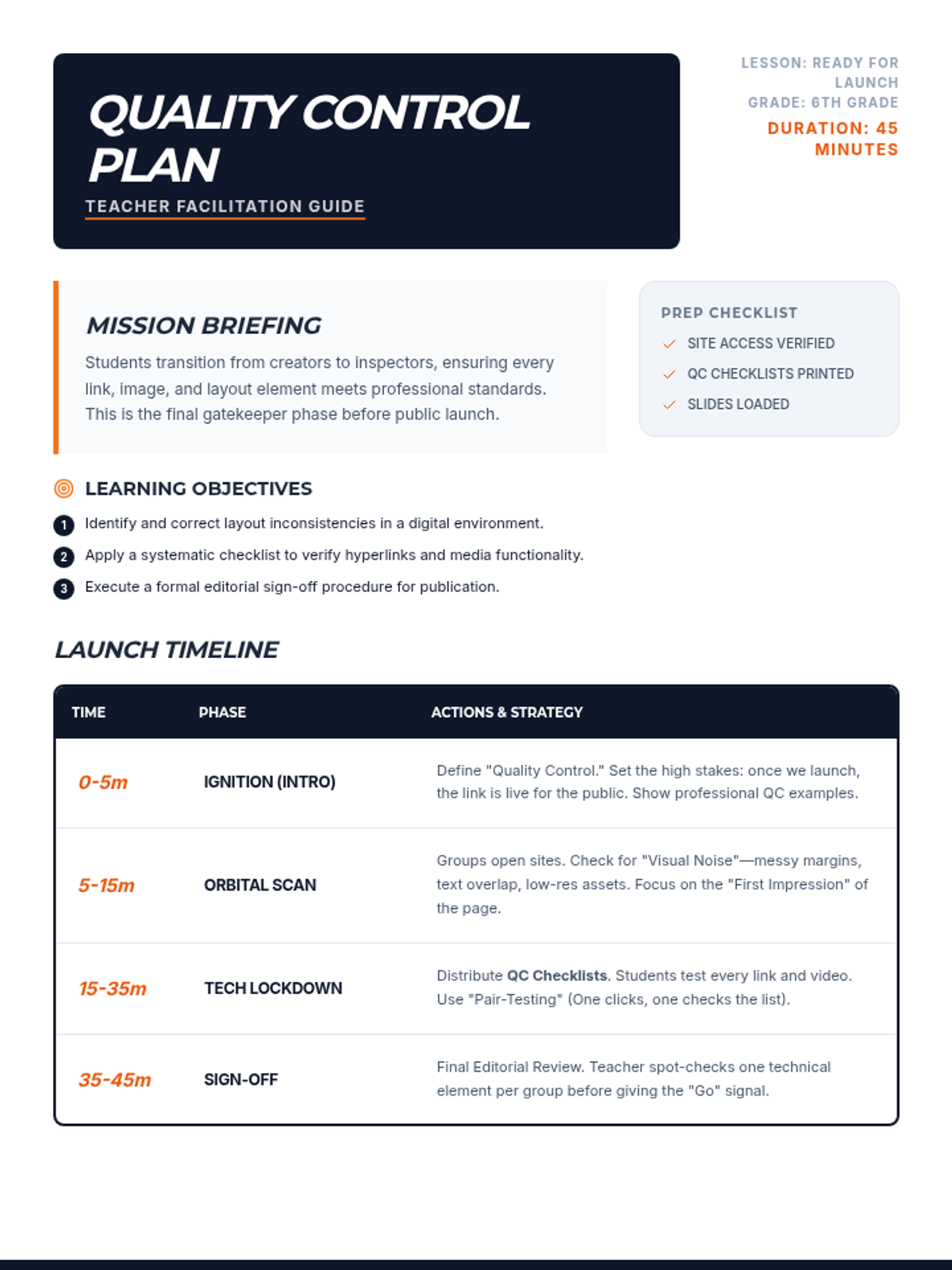
Instructional Sequence
1
The Hook: The Magic of Repulsion (15 min)
Explain that lithography is a "chemical" process. Introduce hydrophobia . Challenge students: How can we keep ink ONLY on the drawing if there are no carved lines?

2
Lab Setup & Foil Prep (20 min)
Tape foil (dull side up) to a board. Wipe with a tiny amount of vegetable oil and buff dry. Draw design with oil-based markers. Tip: Avoid touching the surface with bare hands.

3
The Cola Etch (15 min)
Pour cola over the drawing. Phosphoric acid reacts with bare aluminum, creating a hydrophilic layer. Let sit for 2-3 minutes, then sponge clean with water.
4
Inking & Printing (40 min)
Keep foil damp with a wet sponge. Roll oil-based ink over the wet foil. Lay paper on top and rub firmly with a clean brayer or spoon. Success!
Troubleshooting Common Issues
Ink sticking everywhere: Foil is too dry. Keep it glistening with water between every roll of ink.
Faint prints: Not enough ink on the brayer or not enough pressure during burnishing.
Drawing disappears: Marker was not oil-based or wasn't allowed to dry before etching.
Foil Impression Slides Kitchen Print Lab
Chemistry Meets Impression
Science of Lithography
Grade 7-8
What is Lithography?
From the Greek Lithos (stone) and Graphein (to write).
Lithography is a planographic process, meaning we print from a perfectly flat surface.
Planographic
Relief
No carving needed! We use chemistry to define the image area.
The Chemistry Toolkit
Hydrophobic
Water-fearing / Oil-loving
Our markers and printing ink are hydrophobic. They stick to each other but run away from water.
Hydrophilic
Water-loving
The etched aluminum foil becomes hydrophilic. It holds a thin film of water that blocks the oily ink.
The Cola Secret
01
Phosphoric Acid (H3PO4)
This acid "bites" the aluminum, making it porous and water-ready.
02
Gum Arabic & Sugar
These help seal the surface and attract water molecules to non-image areas.

"The cola is our chemical wall. It keeps the background clean."
pH 2.5
High Acidity
Let's Get Inky
1
Draw on Foil
2
Etch with Cola
3
Ink & Pull
Master Printer Guide Master Printer Guide
Kitchen Lithography Protocol
Name:
Period:
Success in lithography depends on chemical balance . Follow these instructions precisely.
1
The Canvas Prep
Lay out foil (dull side up). Tape it flat. Wipe with a drop of vegetable oil, then buff dry. No fingerprints!
2
The Drawing
Draw with an oil-based marker. Use bold shapes. Leave a 1-inch border at the edges.
3
The Chemical Etch
Pour cola over your drawing. Spread gently with a sponge. Let sit for 2 minutes. Rinse with water.
WHY? The acid makes the bare aluminum hydrophilic (water-loving).
4
The Inking
Keep the foil glistening wet . Roll charged brayer over the foil. Ink sticks ONLY to marker.
5
The Pull
Place paper down. Do not shift! Rub the back firmly with a clean brayer or the back of a large spoon. Peel back slowly.
Troubleshooting
Ink everywhere?
The foil is too dry. Sponge on more water and keep the surface wet before inking.
Faint image?
Not enough pressure or not enough ink on brayer. Try rubbing harder with your brayer or spoon.
SAFETY: Do not consume chemicals. Wash hands after use. Wear an apron to protect from ink.
Ink and Acid Worksheet Ink & Acid Lab Sheet
Kitchen Lithography Reflection
Name:
Date:
1. Molecular Terminology
Draw lines to match the term to its correct definition.
Hydrophobic
The property of the etched foil that attracts water molecules.
Hydrophilic
The substance (cola) that chemically changes the metal surface.
Etchant
The property of the marker and ink that repels water and attracts oil.
2. Surface Chemistry Diagram
Identify the layers in this cross-section. Use terms: Water , Ink , or Marker .
Layer A (sitting on foil)
Layer B (sitting on marker)
3. Observations & Troubleshooting
Explain how molecular repulsion (oil vs water) allowed you to print your design.
What happened if the foil dried out before you finished rolling the ink?
Ink and Acid Answer Key Ink & Acid Answer Key
Teacher Reference Resource
CONFIDENTIAL
1. Molecular Terminology
Hydrophobic
Repels water; Attracts oil (Marker/Ink)
Hydrophilic
Attracts water; Repels oil (Etched Foil)
Etchant
The cola acid that bites the aluminum.
2. Surface Chemistry Diagram
Layer A (Foil)
WATER (H2O)
The etched aluminum is hydrophilic, holding a water film barrier.
Layer B (Marker)
INK (Oil-Based)
The hydrophobic marker attracts the hydrophobic ink.
3. Observations & Troubleshooting
Why did it stick?
"Like attracts like." Oily ink bonds to oily marker. Water film on etched foil repels ink.
Surface Tension
The water film stays flat and continuous, preventing ink from touching the background foil.
Variables
Examples: Acid concentration in cola, ink thickness, or pressure during the pull.