Abyss Explorers Worksheet DEEP SEA EXPLORATION LOG
Name:
Date:
MISSION 01 ABYSS EXPLORERS
Your Mission: Read each chunk of the exploration log below. When you reach a Stop & Think! box, pause and write your answer before diving deeper!
0 m Surface
200 m Twilight
1,000 m+ Midnight ▲ DIVE! ▲
1 The Midnight Zone
Imagine diving deep into the ocean. As you go down, the warm sunlight begins to fade away. Soon, it becomes completely dark! This mysterious place is called the Midnight Zone . It starts about 3,000 feet below the surface. The water is freezing cold, and no plants can grow here at all.
Stop & Think! Why is it impossible for plants to grow in the Midnight Zone?
2 Living Lights
Since there is no sunlight, how do deep-sea animals see? Many creatures make their own light! This is called bioluminescence . For example, the anglerfish has a glowing "fishing rod" on top of its head. It uses this bright light to attract curious prey in the pitch black.
Stop & Think! How does the anglerfish use its bioluminescence to get food?
3 Under Pressure
Deep in the ocean, the weight of the water presses down hard on everything. This is called water pressure. It is strong enough to crush a heavy submarine! Deep-sea animals do not get crushed because they have soft, squishy bodies with no hard bones inside them.
Stop & Think! What body feature protects deep-sea creatures from being crushed?
DEEP SEA MISSION RECAP
PAGE 2
COMPREHENSION CHECK
Directions: Read each question carefully. Fill in the bubble next to the best answer choice.
Q1
What is the "Midnight Zone"?
A A zone near the surface where boats sail
B A warm, tropical layer of the ocean
C A deep, dark layer of water with no sunlight
D A sandy shore where sea turtles lay eggs
Q2
According to the text, what is bioluminescence?
A The heavy, crushing pressure of ocean water
B The ability of deep-sea animals to make light
C A special kind of submarine built for safety
D A giant plant that grows in underwater sands
Q3
Why are deep-sea animals safe from being crushed by water pressure?
A They live inside thick, metallic shells
B They stay near glowing lights that protect them
C They swim up to the surface when the water gets heavy
D They have soft, squishy bodies with no hard bones
Explorer's Journal Entry
Imagine you are a scientist diving to the Midnight Zone in a submarine. What is one creature or feature you would be most excited to see, and why? Use details from the text in your response.
Abyss Explorers Teacher Guide TEACHER SUPPORT MATERIAL
ANSWER KEY & LESSON GUIDE
ABYSS EXPLORERS GUIDE
This support guide is designed to accompany the 3rd Grade Abyss Explorers Worksheet . It outlines learning goals, pacing recommendations, active listening questions, and complete answer keys.
Learning Objectives
Identify and define the characteristics of the ocean's Midnight Zone .
Explain how deep-sea animals adapt to darkness (bioluminescence) and pressure.
Practice active reading strategies using the chunked "Stop & Think" method.
Recommended Pacing (45 Mins)
10 Mins: Warm-Up / Explore Depth Gauge20 Mins: Guided Reading & Stop-and-Think Check-Ins10 Mins: Independent Comprehension Recap05 Mins: Exit Ticket / Journal Sharing
PART 1 Stop & Think Solutions
Chunk 1: Why is it impossible for plants to grow in the Midnight Zone?
Answer: Because there is no sunlight, and plants need sunlight to grow/make food.
Chunk 2: How does the anglerfish use its bioluminescence to get food?
Answer: It uses the glowing light on its head to attract curious prey in the dark, then catches them.
Chunk 3: What body feature protects deep-sea creatures from being crushed?
Answer: They have soft, squishy/jelly-like bodies and no hard bones inside.
PART 2 Multiple Choice Keys
Question 1: C A deep, dark layer of water with no sunlight
Question 2: B The ability of deep-sea animals to make light
Question 3: D They have soft, squishy bodies with no bones
PART 3 Journal & Discussion Guidance
Journal Entry Rubric (3 Points)
1 Pt: Names a specific deep-sea creature/feature (e.g., anglerfish, bioluminescence, pressure).1 Pt: Explains *why* they are excited to see it.1 Pt: Uses at least one text-based detail in the reasoning.
Guiding Classroom Discussion
Ask students: "How would humans have to adapt if we lived in a world with no light and heavy pressure like the Midnight Zone?" Encourage connections to other cold or extreme environments on Earth.
Abyss Explorers Slides DEEP SEA EXPEDITION
MODULE 01
🚀 Preparing for Descent
ABYSS EXPLORERS
A virtual scientific journey to the deepest, darkest parts of the Earth's oceans.
Grade 3 Non-Fiction Reading
Dive Depth: 1,000+ Meters
01: OCEAN ZONES SLIDE 2 OF 4
The Midnight Zone
The ocean has different layers. The deepest, darkest layer is called the Midnight Zone .
✔ Starts at about 3,000 feet deep.
✔ It is 100% pitch black . No sunlight reaches here.
✔ The water is freezing cold—almost like ice!
0m - Sunlight Zone ☀️ Bright & Warm
200m - Twilight Zone 🌤️ Fading Light
1,000m+ - Midnight Zone 🔬 No Light • Freezing • No Plants
Key Question: Why do you think no plants can grow here?
02: ADAPTATIONS SLIDE 3 OF 4
Scientific Term
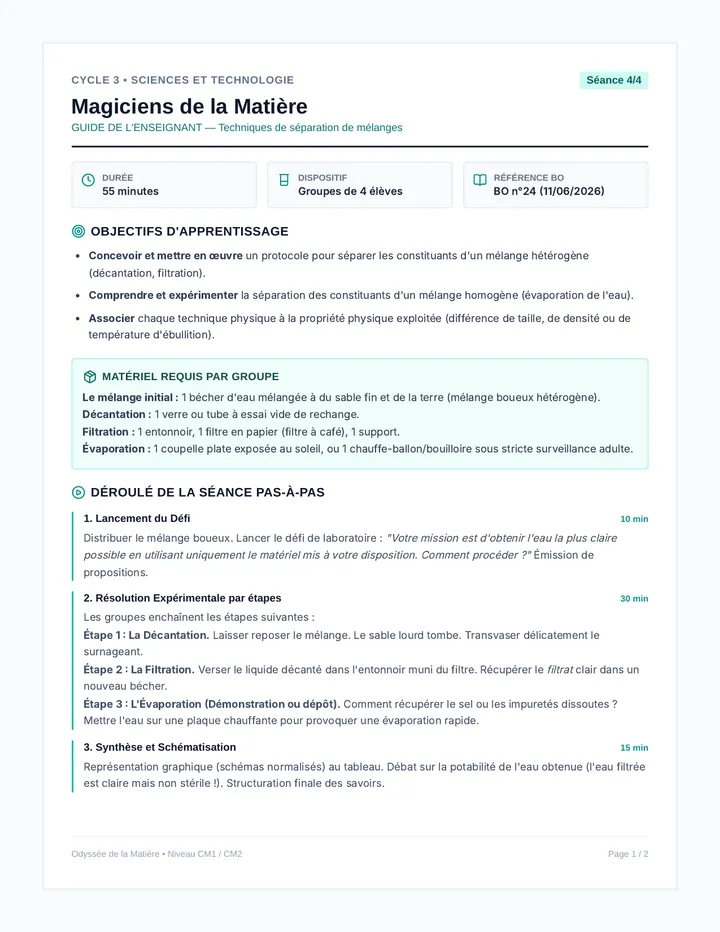
Bioluminescence
The ability of living creatures to create their own glowing light using a special chemical reaction inside their bodies.
How Do They See?
Deep-sea creatures don't have flashlights, so they make their own glow!
🔦 Spotlight: The Anglerfish
It grows a glowing "fishing rod" lure right on its head. Hungry prey swim towards the shiny light—and get snapped up for dinner!
Think about it: How would a glowing light help you if you lived in the pitch black?
03: SURVIVAL SLIDE 4 OF 4
Under Pressure
The deeper you go, the heavier the water becomes. This is called water pressure .
☠️ At the bottom, pressure is strong enough to crush a heavy metal submarine.
💧 Deep-sea creatures don't have hard bones that can snap or break under pressure.
🦠 Instead, they have soft, squishy, jelly-like bodies that let them survive.
READY TO INVESTIGATE?
Your Mission Awaits!
We are handing out your official Deep Sea Expedition Logs .
Read carefully and fill out the Stop & Think boxes!
Get ready to start your worksheet! MISSION ENGAGED