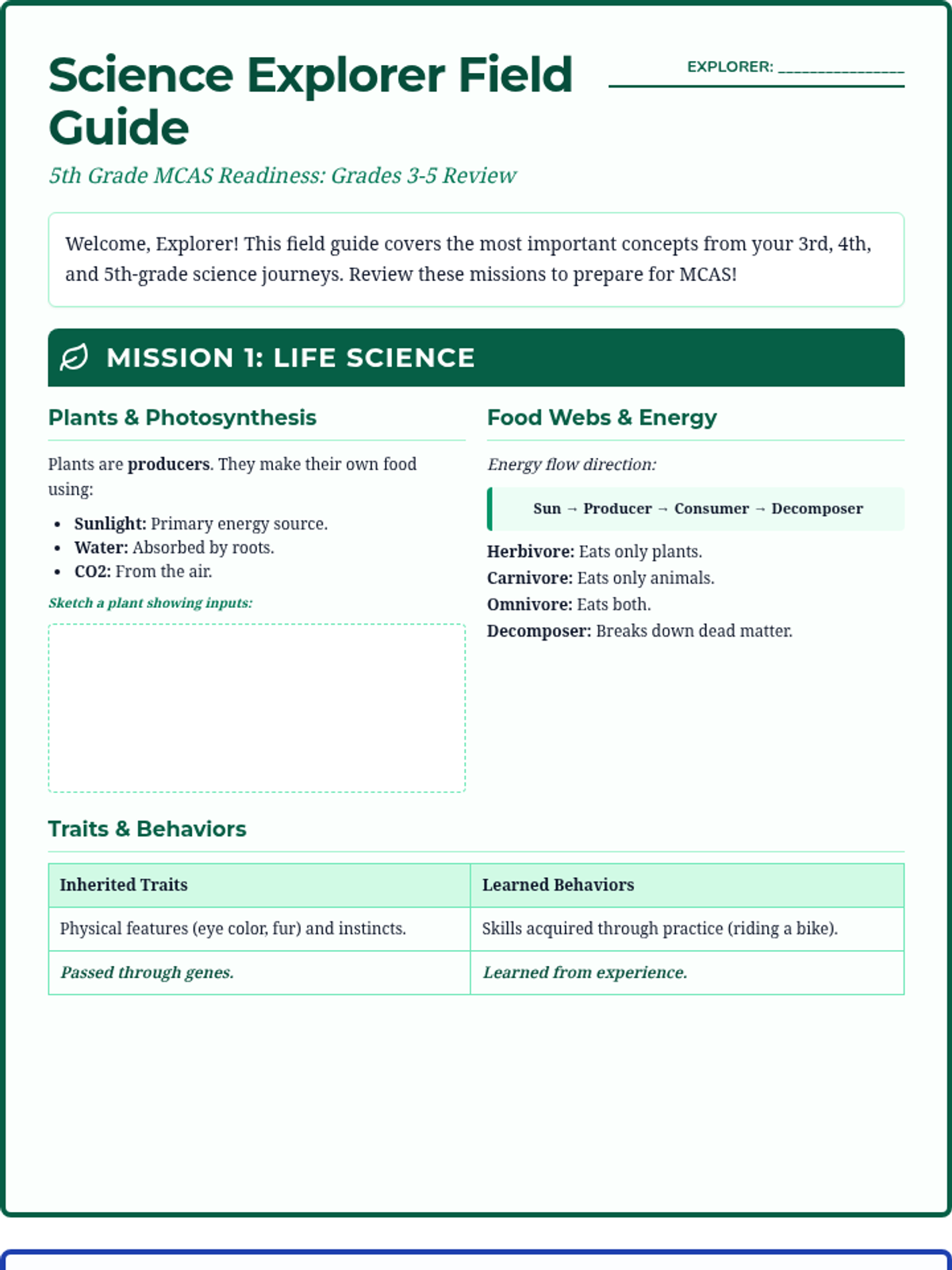
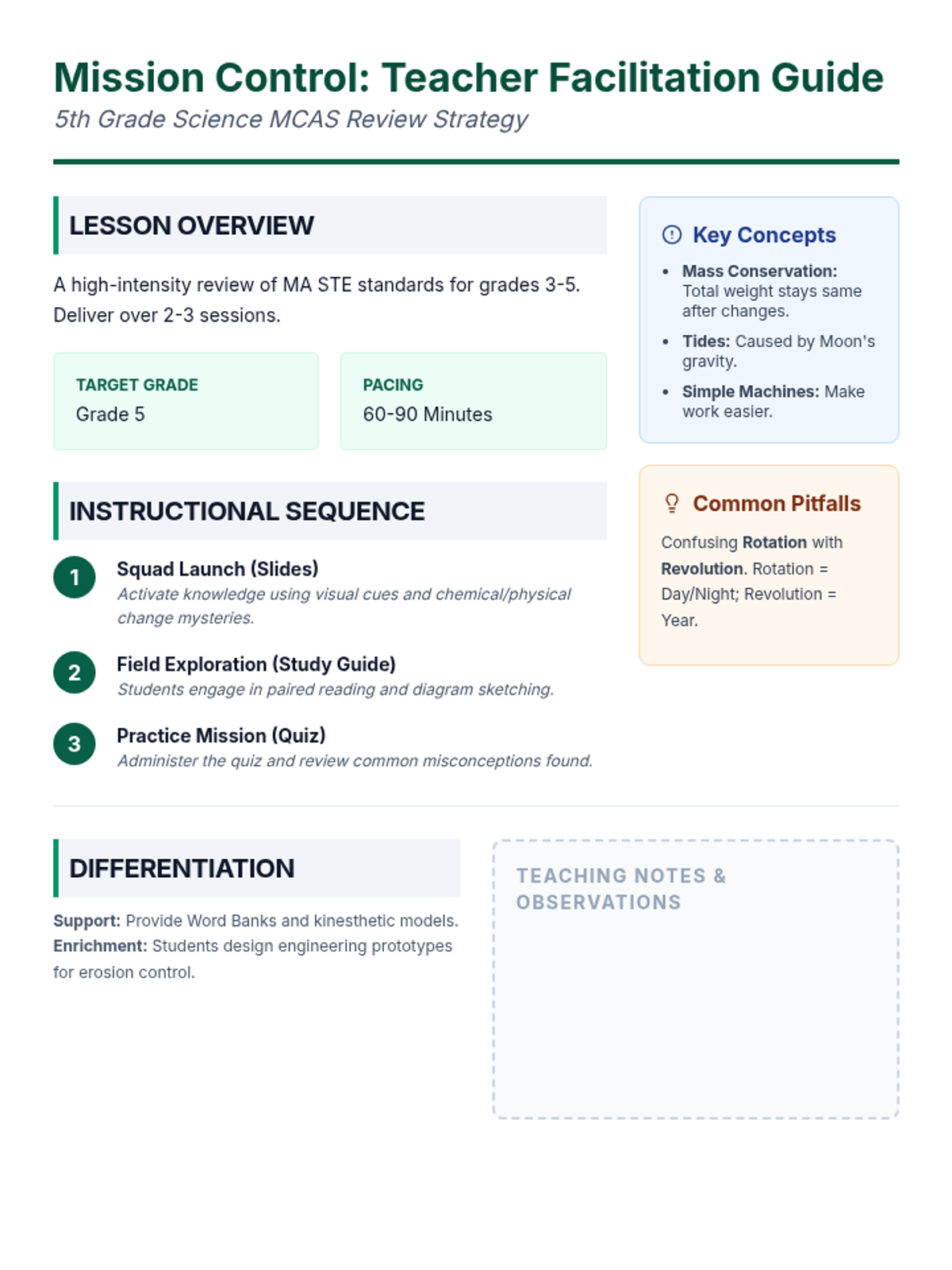
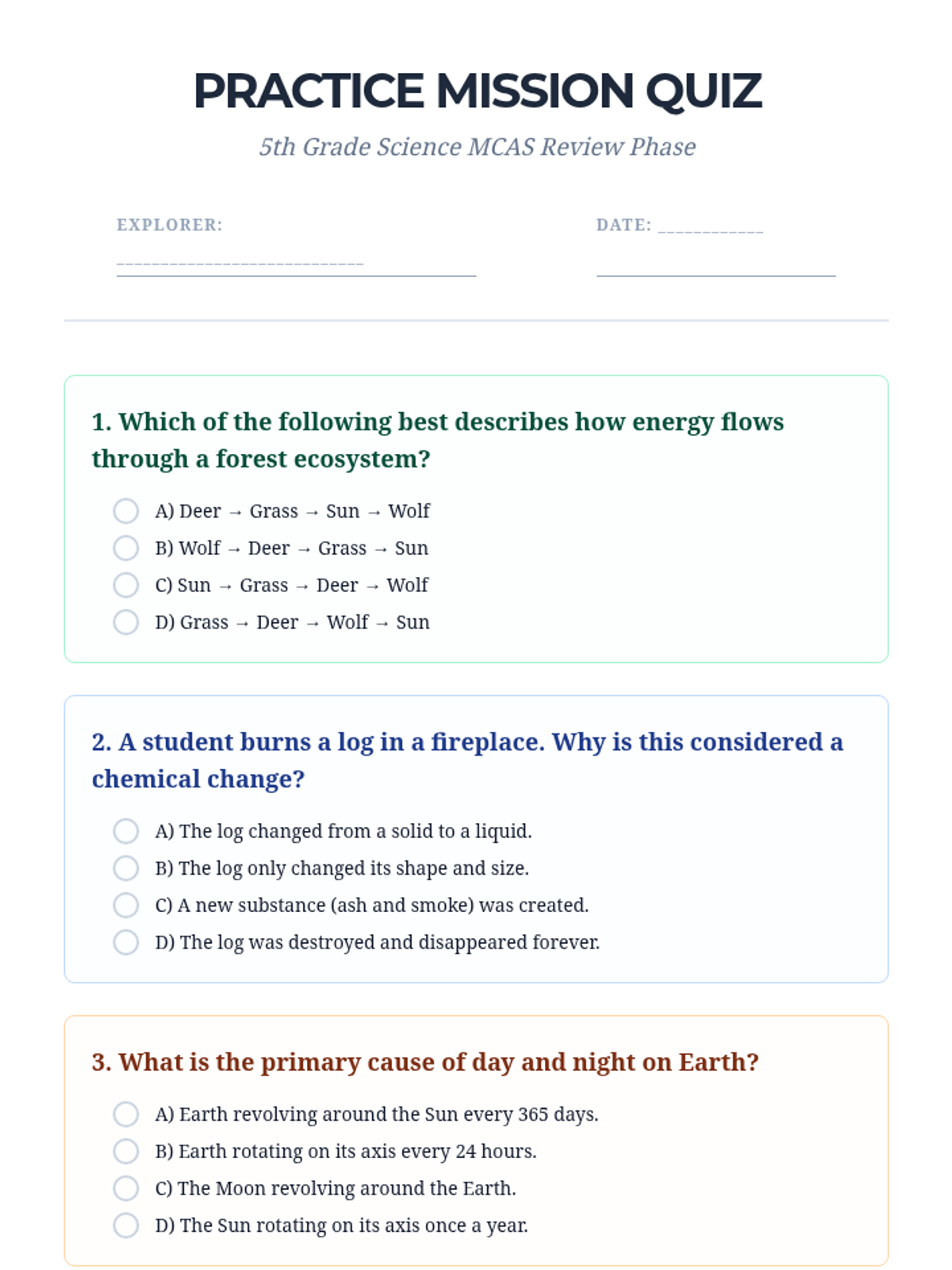
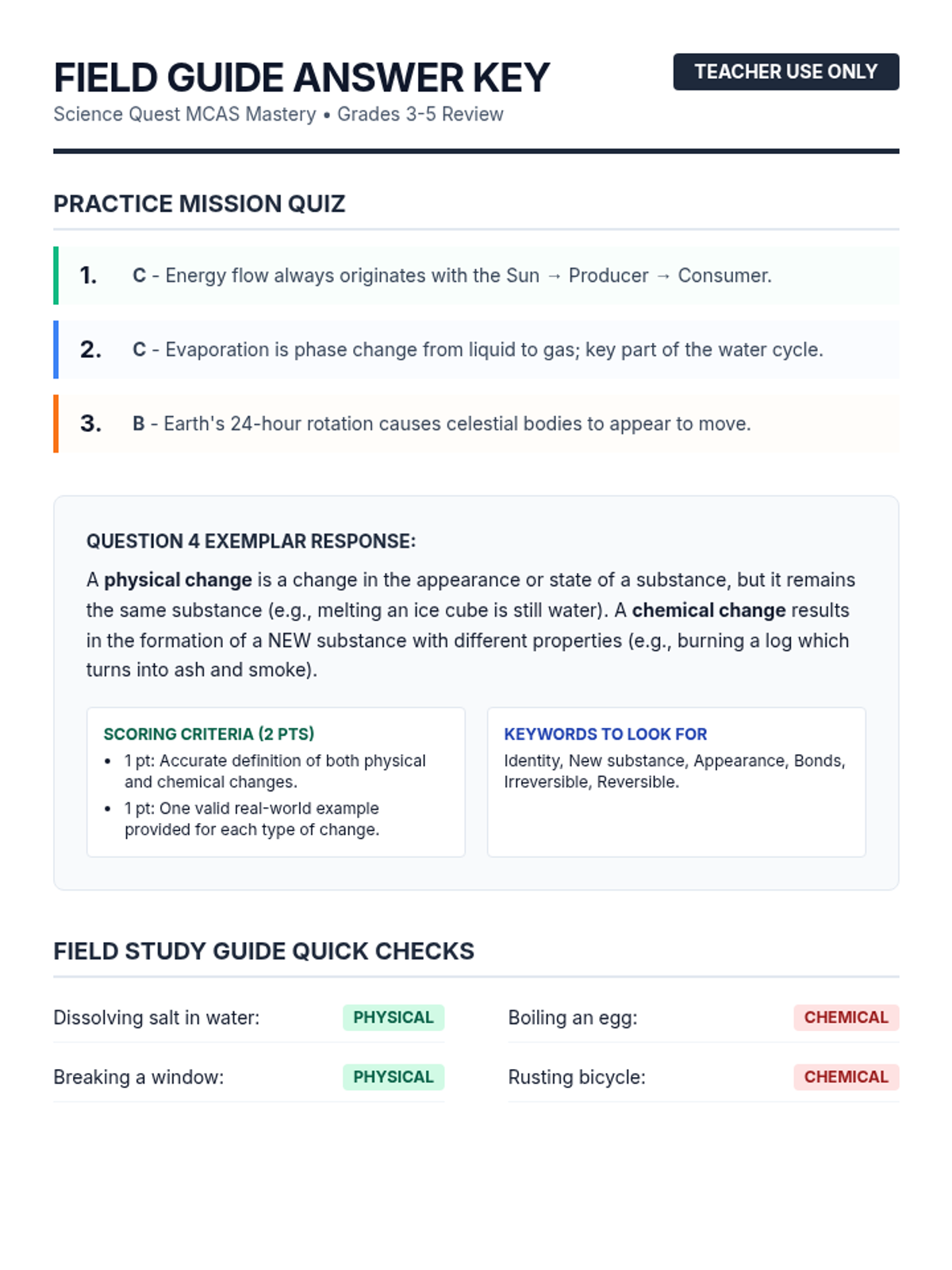
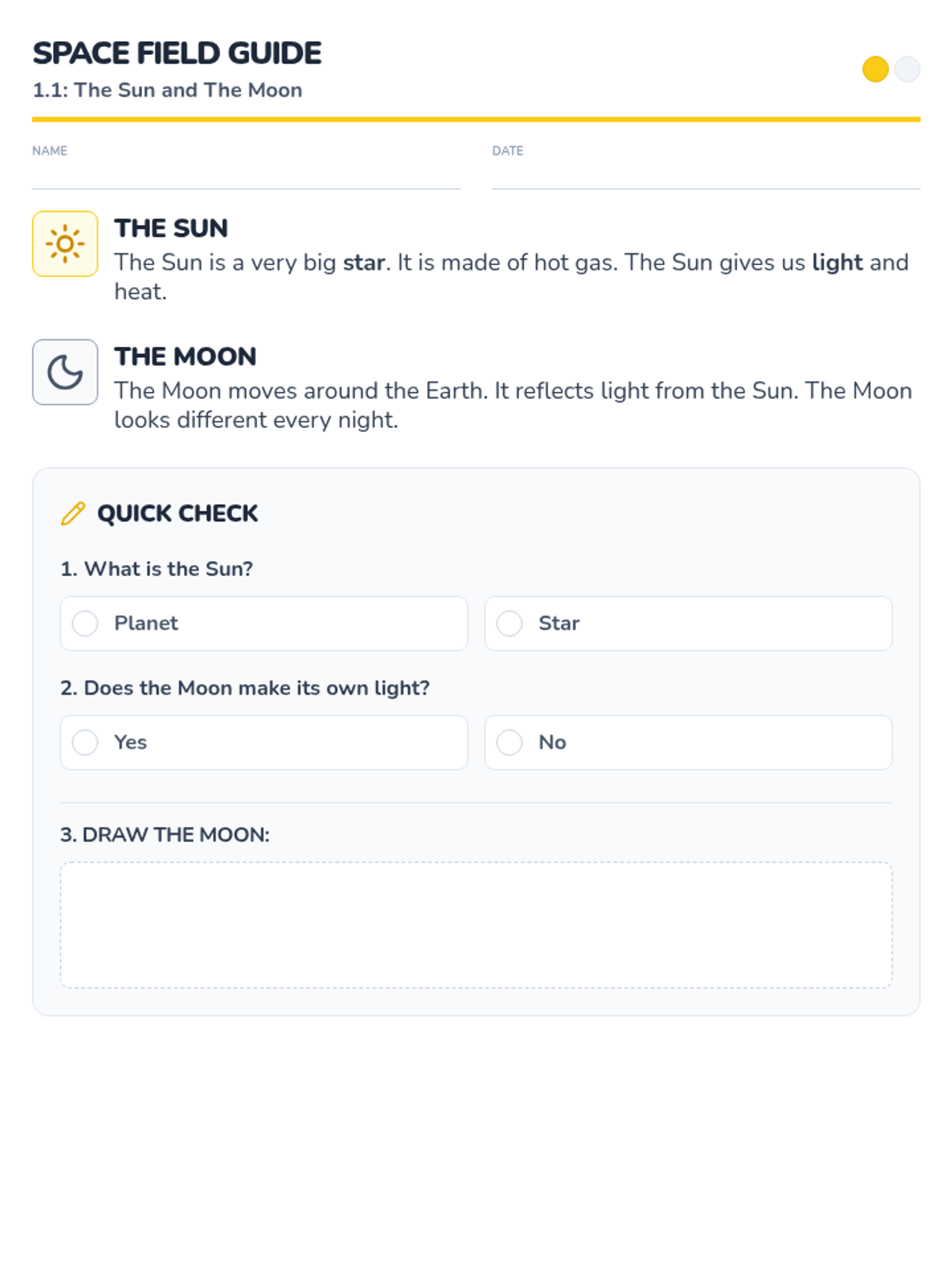
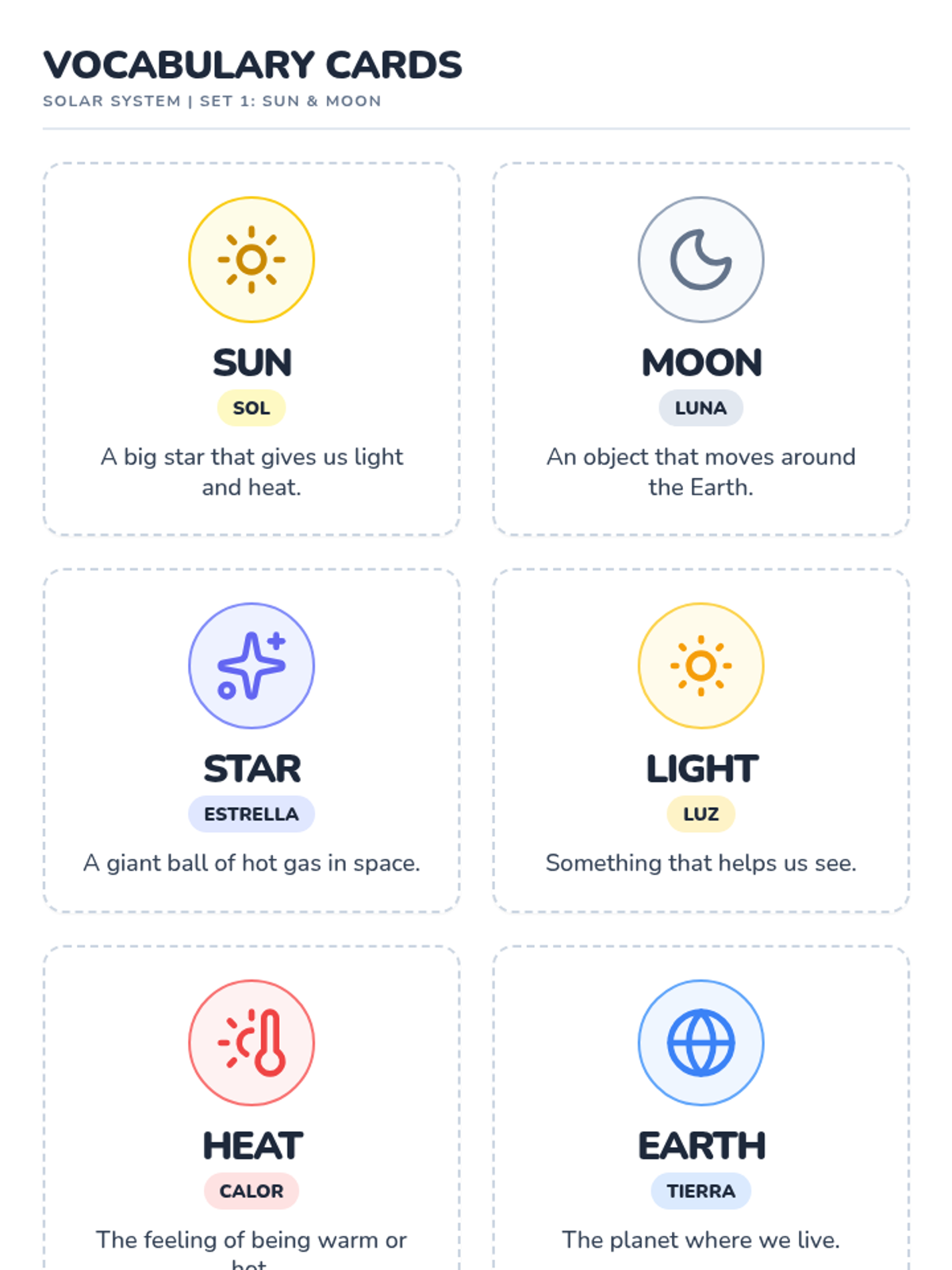
The Measuring Mismatch Slides The Measuring Mismatch
Why do we need standard units?
Metric Master Series
The Blueprint Problem
Imagine you are building a giant Lego tower with a friend in a different city.
"The base must be exactly 5 hand-spans wide!"
Will your towers look the same when you bring them together?
Discussion Time
Historical Measuring Tools
The Foot
Early civilizations used the length of a person's foot or the width of their thumb (the "inch") to build things.
The Cubit
The distance from the elbow to the tip of the middle finger. Used to build the Pyramids!
The Span
The distance from the tip of the thumb to the tip of the pinky when the hand is stretched out.
The Flaw?
Everyone's body is a different size! This creates Measurement Chaos .
Standard Units
The secret language of scientists
Consistent
The same for everyone, everywhere.
Universal
Used by scientists across the globe.
Precise
Allows for tiny details to be shared.
Meet the SI Units
The International System of Units (SI) is the modern metric system used in science.
Length Meter (m)
Mass Kilogram (kg)
Volume Liter (L)
Pro Tip
"Metric units usually work in groups of 10!"
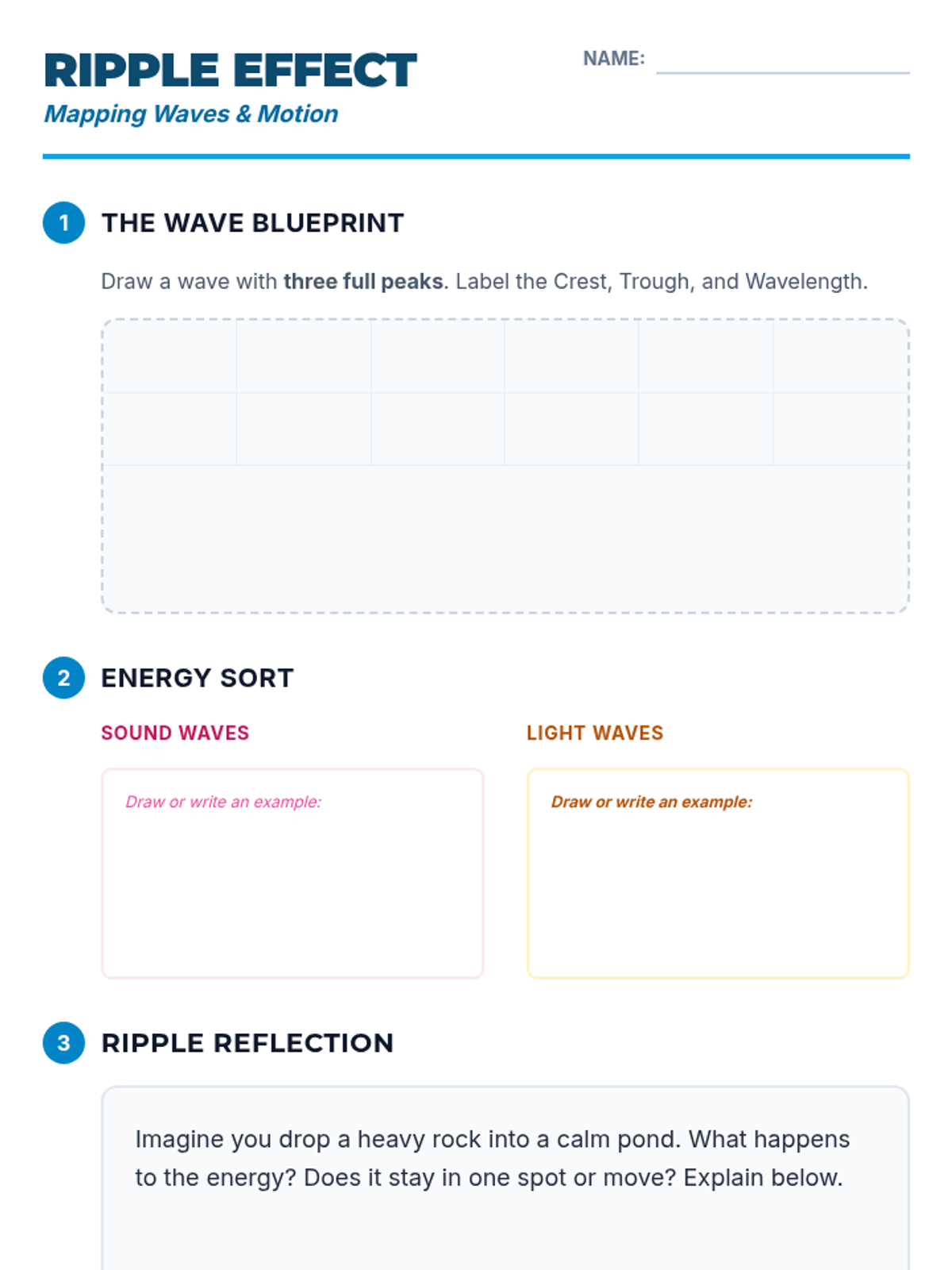
Measuring Mismatch Worksheet The Measuring Mismatch
Standardization Story Lab
Name:
Date:
The Hand-Span Challenge
Before we had standard rulers, people used their bodies to measure! A hand-span is the distance from the tip of your thumb to the tip of your pinky when your hand is spread wide.
1 Measure with Your Body
Measure the objects below using your own hand-spans. Use half-spans if you need to!
Object My Measurement (Hand-Spans) Partner's Measurement Width of your desk Height of the chair Width of a whiteboard/door
2 Analysis Questions
Compare your measurements with your partner. Were they exactly the same? Why or why not?
If you were building a bridge and the blueprints said "100 spans wide," would it matter who measured the wood? Explain.
3 The Scientific Solution
Now, measure the same objects using a metric ruler (centimeters).
Object Measurement (Centimeters) Partner's Measurement (cm) Width of your desk Height of the chair
Master Conclusion
What is the main benefit of using centimeters instead of hand-spans ?
Standardization Teacher Notes Teacher Facilitation Guide
LESSON 1: THE STANDARDIZATION STORY
Instructional Goal
Students will understand the limitations of non-standard units (body-based measurements) and identify why standardized systems (SI/Metric) are essential for scientific collaboration and consistency.
Essential Question
"Why do scientists across the world need to use the exact same ruler?"
Materials Needed
"The Measuring Mismatch" Slides
Student Lab Worksheets
Metric Rulers (1 per student)
Classroom objects for measuring
Lesson Delivery Plan
01 10 MIN
The Mismatch Hook
Launch the slide deck. Present the Lego tower challenge. Ask: "If I build a base that is 5 hand-spans and my friend does the same, will they fit together?"
Teacher Tip: Show the students your own hand compared to a student's hand. Physically place them palm-to-palm to emphasize the difference in size.
02 20 MIN
Body-Span Lab
Distribute the Measuring Mismatch Worksheet . Have students work in pairs to measure objects using their hands. Encourage them to find objects that yield different results between partners.
Debrief Question: "Whose hand-span was 'correct'? How do we decide who is right?"
03 15 MIN
Introducing the SI System
Use the slides to introduce Standard Units . Define "SI" (Systeme International) and explain that scientists agreed on these units so their data could be shared globally without confusion.
LENGTH: METER
MASS: KILOGRAM
VOLUME: LITER
04 15 MIN
Standardizing the Data
Hand out rulers. Students complete Part 3 of the worksheet. They should see that their measurements now match their partner's within a very small margin of error.
Common Misconceptions
Students often think that "standard" means "US Customary" (inches/feet). Clarify that while these are standard, the scientific standard is the Metric system.
Students might not realize that even a "meter" was once defined by a physical metal bar in France to ensure everyone had the exact same reference.
Linear Precision Slides Linear Precision
Mastering the Metric Ruler
Magnifying the Meter
Centimeter (cm)
The "Big Brother." About the width of your pinky nail.
Millimeter (mm)
The "Little Brother." About the thickness of a credit card.
1 cm = 10 mm
The Golden Rule
How to Read a Metric Ruler
1
Start at the Zero Mark (not necessarily the end of the ruler!).
2
Count the full Centimeters first.
3
Count the tiny Millimeter marks after the last centimeter.
Example:
If it's past the 4cm mark and hits the 3rd tiny line...
4.3 cm OR 43 mm
The "Zero Gap" Trap
Many rulers have a small gap before the 0 mark. If you measure from the very edge of the ruler, your data will be wrong .
Always align with the first long line!
MISSION READY?
You are now Length Detectives. Your tools: 1 Ruler, 1 Worksheet.
The Goal
"Find objects that match the exact measurements on your list. No guessing—only precision counts!"
Length Detective Worksheet Length Detective
Metric Scavenger Hunt
Name:
Date:
Your Mission:
Use your metric ruler to find objects around the room that match the criteria below. Your measurements must be within 2 millimeters of the target to be considered a "match"!
Target 1
Find an object that is exactly 12 cm long.
Object Name
Actual (mm)
Actual (cm)
Target 2
Find an object that is 45 mm wide.
Object Name
Actual (mm)
Actual (cm)
Target 3
Find something between 8cm and 10cm.
Object Name
Length (mm)
Length (cm)
Target 4
Find something less than 15 mm long.
Object Name
Length (mm)
Length (cm)
Detective's Choice
Pick two objects in the room and measure them as precisely as possible.
Object 1: _____________________
mm
cm
Object 2: _____________________
mm
cm
Bonus Detective Riddle
If an object is 5.7 cm long, how many millimeters is it? Explain how you know.
Linear Precision Teacher Notes Teacher Facilitation Guide
LESSON 2: LINEAR LENGTH PRECISION
Instructional Goal
Students will develop precision in measuring length using metric rulers, focusing on the conversion between centimeters and millimeters and the accurate identification of sub-centimeter markings.
The "Golden Rule"
1 centimeter = 10 millimeters
Prep Check
Check rulers for the "Zero Gap"
Hide small target objects around room
Prepare an "Object 124mm" hook
Delivery Pacing
01 5 MIN
The 124mm Challenge
Challenge the class to find an object exactly 124mm long. Most will look confused. Explain: "In science, centimeters aren't small enough. We need to look closer."
02 15 MIN
Zooming in on the Ruler
Display the Linear Precision Slides . Focus on the relationship between cm and mm. Practice reading a "blown up" ruler image together.
Key Teaching Point: The decimal point. 4.2cm is 4 whole centimeters and 2 millimeters. This is a great cross-curricular link to 4th grade math.
03 30 MIN
The Scavenger Hunt
Distribute the Length Detective Worksheet . Students explore the room. Move between groups to check for the "Zero Gap" error (aligning with the end of the ruler instead of the zero mark).
Extension: For fast finishers, have them measure the height of their desk in meters, using decimals.
04 10 MIN
Data Debrief
Have a few "detectives" share their objects for each target. Verify the measurements with the whole class to demonstrate peer review in science.
Stuck on Millimeters?
If students struggle to count the tiny lines, have them use a pencil tip as a pointer. Remind them the "5" mark is slightly longer to help them count faster (5, 6, 7...).
The Conversion Trick
Teach students that to turn cm into mm, they just "move the decimal right" or multiply by 10. Visualizing the ruler helps anchor this math concept in reality.
Liquid Volume Slides Liquid Volume
Measuring with the Meniscus
Choosing Your Tool
The Beaker
Good for mixing and pouring.
NOT for precise measuring!
Graduated Cylinder
"The Master Tool." Used for exact scientific measurements.
The Meniscus
Water "sticks" to the sides of glass, creating a curve.
Scientific Rule:
"Always read the measurement at the very BOTTOM of the curve."
Target Line
Too High
Eye Level
Too Low
If you are looking from above or below, your measurement will be wrong. Get down on your knees to see the line clearly!
The Metric Volume Scale
mL
Milliliter
About 20 drops of water. Used for lab precise measurements.
L
Liter
About the size of a large reusable water bottle.
1000 mL = 1 L
Scientific Conversion
Potion Precision Worksheet Potion Precision
Liquid Volume & Mixing Lab
Name:
Lab Station:
Safety First!
Glass graduated cylinders are fragile. Always keep them in the center of your desk. Read at eye level—get low!
Part 1: The Meniscus Eye-Test
Sample A
Volume (mL)
Sample B
Volume (mL)
Master Rule
Where do you look to get the most accurate reading?
Part 2: The Mystery Potion Recipes
Measure the colored liquids exactly. Pour them into your mixing beaker to create the final potion. If your measurements are perfect, the colors will be vivid!
Potion #1:
Deep Forest
Step 1: Blue Water
22 mL
Step 2: Yellow Water
18 mL
Total Volume
Potion #2:
Sunset Blast
Step 1: Red Water
15 mL
Step 2: Yellow Water
35 mL
Total Volume
Potion #3:
Royal Grape
Step 1: Red Water
25 mL
Step 2: Blue Water
25 mL
Total Volume
Laboratory Findings
Why is it important to use a graduated cylinder instead of just a beaker for these recipes?
If your total volume for Potion #3 was 52 mL instead of 50 mL, what happened in the lab?
Volume Lab Teacher Notes Teacher Facilitation Guide
LESSON 3: VOLUME, CAPACITY, AND THE MENISCUS
Instructional Goal
Students will master the use of graduated cylinders, identify the meniscus, and perform precise liquid measurements in milliliters (mL) through a color-mixing lab.
Critical Safety
While we are using water and food coloring, treat all glassware with "Lab Professionalism." Glass breakage is the #1 risk. No running or horseplay.
Station Setup
Pitchers of Red, Blue, & Yellow water
100mL Graduated Cylinders
Waste bucket & Paper towels
Clear mixing beakers
Lesson Delivery
01 5 MIN
The "Green Potion" Problem
Show two cylinders with blue and yellow water. Ask: "If I just dump these in, will I get the exact shade of green I need? What if I'm off by just 5 mL?" Emphasize that in chemistry, small errors lead to big failures.
02 15 MIN
Meniscus Masterclass
Display Liquid Volume Slides . Explain why water curves (adhesion). Demonstrate "Eye-Level" reading by kneeling at the front of the room. Use the whiteboard to draw a meniscus and have students point to the "Read Line."
03 35 MIN
Mystery Mixing Lab
Students follow the Potion Precision Worksheet . They must measure each color separately in the cylinder, then combine in the beaker.
Observation: Watch for students pouring from the cylinder into the beaker. Remind them to wait for the "last drip" for precision.
04 5 MIN
Scientific Disposal
Teach students how to rinse and dry their equipment. A clean lab is a safe lab.
For Support
Provide 10mL syringes for students who struggle with the weight or control of the graduated cylinder. This allows for drop-by-drop precision.
For Challenge
Ask students to calculate the volume of a 1-Liter bottle in milliliters. Have them predict how many times they'd have to fill their 100mL cylinder to reach 1 Liter.
Mass Matters Slides Mass Matters
Measuring the "Stuff" in Objects
The Cosmic Difference
Mass
The amount of matter or "stuff" inside an object. It stays the same no matter where you are!
Earth Mass = Moon Mass
Weight
The pull of gravity on an object. It changes if gravity changes!
Earth Weight > Moon Weight
The Gram Scale
g
Gram
About the mass of one paperclip.
kg
Kilogram
About the mass of 7 apples or a large book.
1000 g = 1 kg
Standard Scientific Unit
The Electronic Balance
Zeroing: Always press "Tare" or "Zero" before adding your object.
Flat Surface: The balance must be on a steady table.
Gentleness: Never press down on the scale pan with your hand!
Wait for the
reading to stop!
The Mass Mystery
Is size the same as mass?
Bag of Cotton
Bag of Rocks
Which one will have more grams?
Mass Mystery Worksheet Mass Mystery
Mass vs. Weight & Balance Workshop
Name:
Date:
Scientific Mass
Mass is measured in grams (g) and kilograms (kg) . Scientists use an electronic balance or a triple-beam balance to find mass.
Fun Fact
Your mass on the Moon is the same as your mass on Earth. But you would weigh much less on the Moon because its gravity is weaker!
Part 1: The Prediction Table
Predict which object in each pair will have more mass . Then, use the balance to find the actual measurement.
Object Pair Prediction (Which is heavier?) Actual Mass (g) A wooden block vs. A plastic block (same size) An empty bottle vs. A bottle full of water A large sponge vs. A small rock 10 pennies vs. 2 quarters
Part 2: Find the Mass
Choose three objects of your own. Zero the balance and record their mass in grams.
Object 1 Name
_____ g
Object 2 Name
_____ g
Object 3 Name
_____ g
Scientific Thinking
If an object is very large , does it always have a very high mass ? Give an example from your table above to support your answer.
Mass and Weight Teacher Notes Teacher Facilitation Guide
LESSON 4: MASS, WEIGHT, AND BALANCE SCALES
Instructional Goal
Students will differentiate between mass and weight and demonstrate proficiency in using electronic or triple-beam balances to measure the mass of various solids in grams (g).
The Mass Anchor
Mass is the amount of matter. It doesn't care about gravity.
Prep Check
Check all balance batteries (if electronic)
Prepare the Cotton vs. Rock bags
Gather coins (pennies, quarters)
Calibration masses (if available)
Lesson Delivery Plan
01 10 MIN
The Cotton vs. Rocks Mystery
Hold up a large bag of cotton balls and a small bag of rocks. Ask: "Which one is bigger? Which one has more mass?" Have students feel the weight of each. Emphasize that "bigger" doesn't mean "more mass."
02 15 MIN
Mass vs. Weight Explainer
Use Mass Matters Slides to explain the cosmic difference. Use the "Moon Jump" example: "On the moon, you'd be the same 'you' (mass), but you could jump over a house (weight)."
Teacher Tip: If using triple-beam balances, spend extra time on "Zeroing" the riders. This is where most measurement errors occur.
03 30 MIN
The Mass Mystery Lab
Students work through the Mass Mystery Worksheet . Encourage them to find "trick" objects that are small but dense (like a lead weight or a heavy rock).
Extension: Have students convert their measurements from grams (g) to milligrams (mg) or kilograms (kg) as a challenge.
04 5 MIN
Peer Verification
Have pairs swap objects and check each other's measurements. Explain that in science, reproducibility (getting the same result twice) is key.
Common Sticking Points
Weight Confusion: In everyday life, we use "weight" for both. Scientists must be precise. Avoid using the verb "to weigh" and use "to measure mass."
The "Tare" Function: Students often forget to zero the scale. If they get a negative number, they probably moved the scale after zeroing it.
Air Currents: Remind students that even a heavy breath or an AC vent can change the reading on a sensitive digital balance!
Metric Master Challenge Slides The Lab Challenge
Metric Master Certification
Mission: Quality Control
The Metric Master Factory has received 4 mystery samples. We need to know if they meet the strict scientific standards.

Your Task:
Rotate through the 4 stations. Measure each sample with 100% precision. Record your data in the Master Lab Report.
Success Criteria
Correct units (g, mL, cm, mm)
Precise measurements (No guessing!)
Clean lab space at all times
The Mastery Circuit
Station 1
Linear Length
Measure the "Blueprints"
Station 2
Liquid Volume
The "Coolant Test"
Station 3
Solid Mass
"Material Check"
Station 4
Data Verification
"The Quality Report"
Laboratory Protocol
Collaborate
Help your partner, but record your own data.
Low Voice
Stay at a level 1 voice to keep everyone focused.
Timed Rotations
Rotate only when the timer sounds.
GO TIME
Science is about facts, and facts come from measurement .
"Do you have what it takes to be a Metric Master?"
Quality Control Lab Report Master Lab Report
QUALITY CONTROL INSPECTION #402
Inspector Name:
Date:
Inspection Mission
Rotate through the four specialized stations. Your goal is to verify the physical properties of each sample. Accuracy is required for certification. Use the correct metric units for every entry.
Station 1: Length
Tool: Metric Ruler
Sample A: Object Length
_____ cm
_____ mm
Sample B: Object Width
_____ cm
_____ mm
Station 2: Volume
Tool: Graduated Cylinder
Sample C: Red Liquid
__________ mL
Sample D: Blue Liquid
__________ mL
Station 3: Mass
Tool: Electronic Balance
Sample E: Metal Block
__________ g
Sample F: Bag of Air
__________ g
Station 4: Verified
Final Inspection Phase
Convert Sample E to Kilograms:
Total Liquid Volume (C + D):
Identify the Meniscus Rule:
"I certify that these measurements were taken with scientific precision using standardized tools."
Inspector Signature
Factory Lead Initials
Station Instruction Cards 01
Linear Length
Mission: Verify the Blueprints
Locate Sample A and Sample B .
Align the Zero Mark of your ruler with the edge.
Record the length/width in cm AND mm .
Station Rule:
"Don't fall for the zero-gap trap!"
02
Liquid Volume
Mission: The Coolant Test
Find Sample C and Sample D .
Kneel down so the cylinder is at Eye Level .
Read from the bottom of the meniscus .
Station Rule:
"Precision pours only—no spills!"
03
Solid Mass
Mission: Material Check
Place Sample E and Sample F on the balance.
Wait for the display to stop flickering.
Record the mass to the nearest gram (g) .
Station Rule:
"Always 'Tare' to zero before you start."
04
The Review
Mission: Data Validation
Complete the math conversions on your report.
Double-check that all your numbers have units .
Sign your report to certify your work!
Station Rule:
"A scientist is only as good as their data."
Measurement Mastery Rubric Mastery Rubric
Metric Master Lab Challenge
Criteria Expert (3) Practitioner (2) Novice (1) Tool Accuracy Measurements are highly precise and within expected lab margins at all stations. Measurements are mostly accurate, with minor errors (off by >2mm or >2mL). Measurements show consistent errors (e.g., zero-gap trap or meniscus misread). Unit Precision Every data entry includes the correct metric unit (g, kg, mL, L, cm, mm). Most entries include units, but 1-2 are missing or incorrect. Units are frequently missing, making data difficult to interpret. Lab Protocol Student followed all station rules, handled glass with care, and left the station clean. Student mostly followed safety rules but required 1-2 reminders about etiquette. Significant safety or cleanup reminders were needed. Scientific Analysis Conversions are 100% correct. Verification questions show deep understanding. Conversions are mostly correct. Reflection answers are basic but accurate. Conversions or reflection answers were incomplete or incorrect.
Total Points
___ / 12
Certification Status
Master
11-12 pts
Inspector
8-10 pts
Trainee
< 8 pts
Lead Scientist Comments