A 7-week STEM and innovation program for kids ages 8-13 at Mattahunt. Youth participants lead peer-to-peer design challenges, develop teamwork skills, and build self-efficacy through hands-on leadership roles.
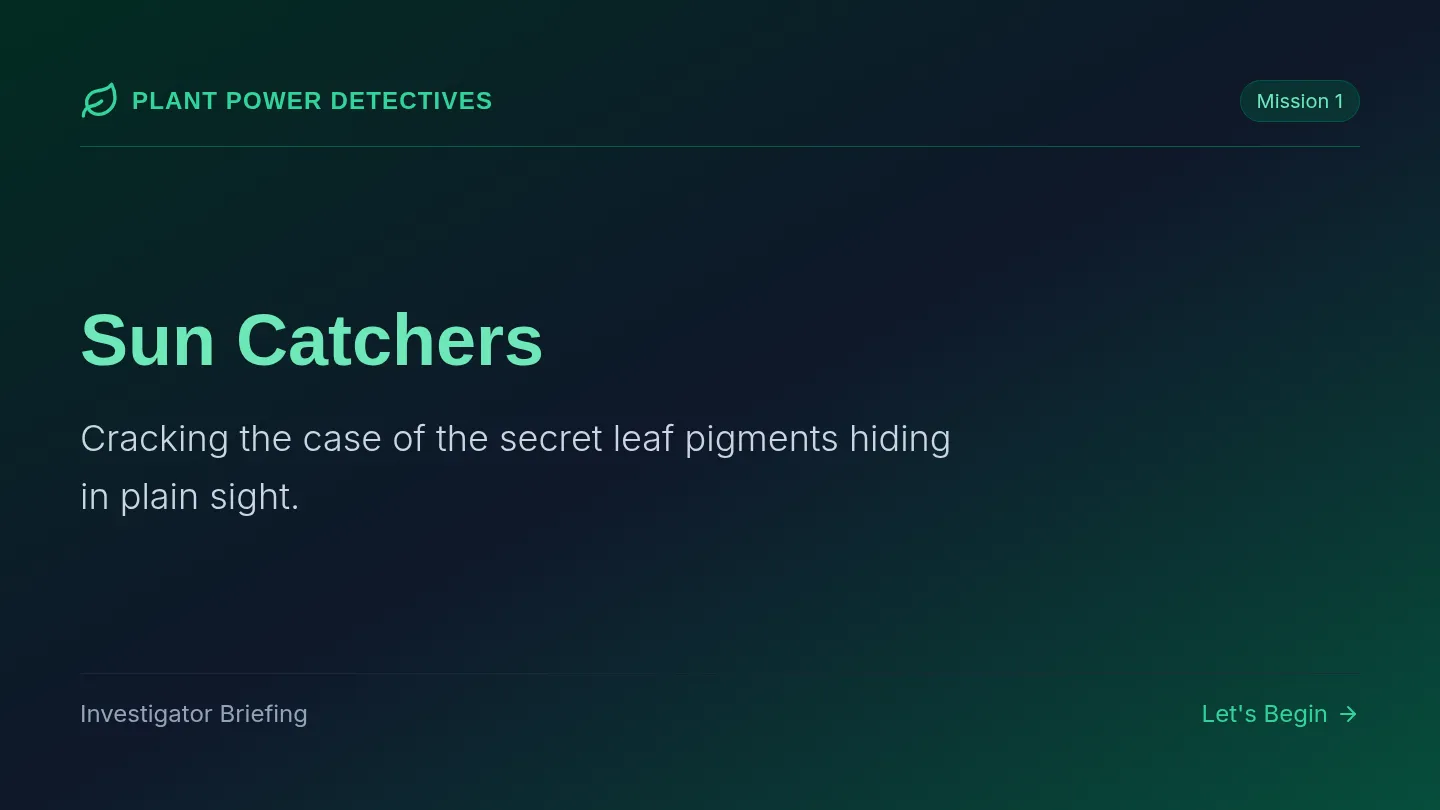
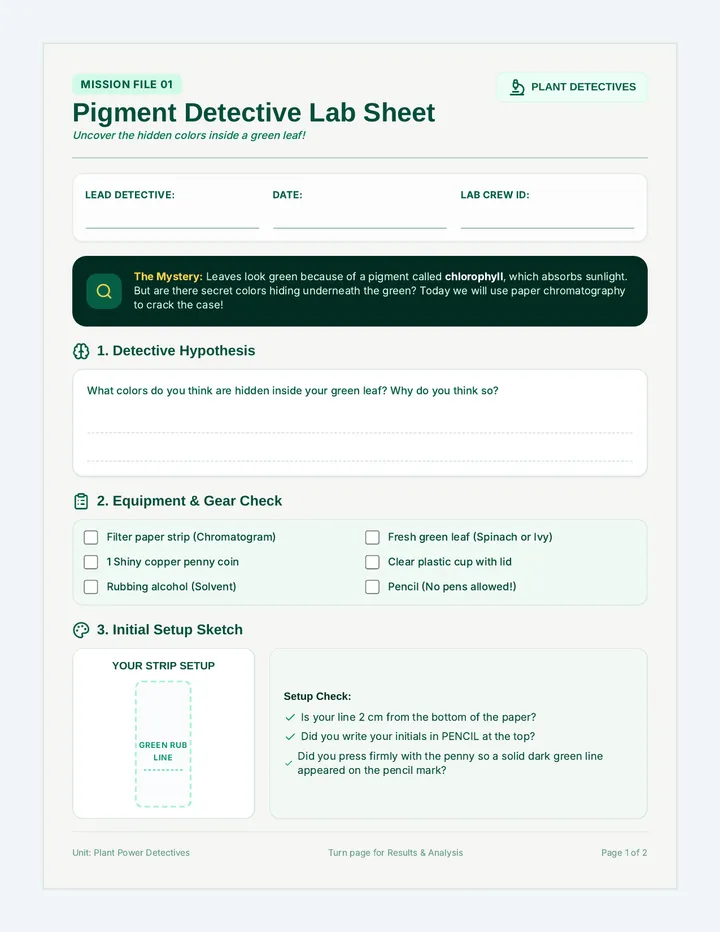
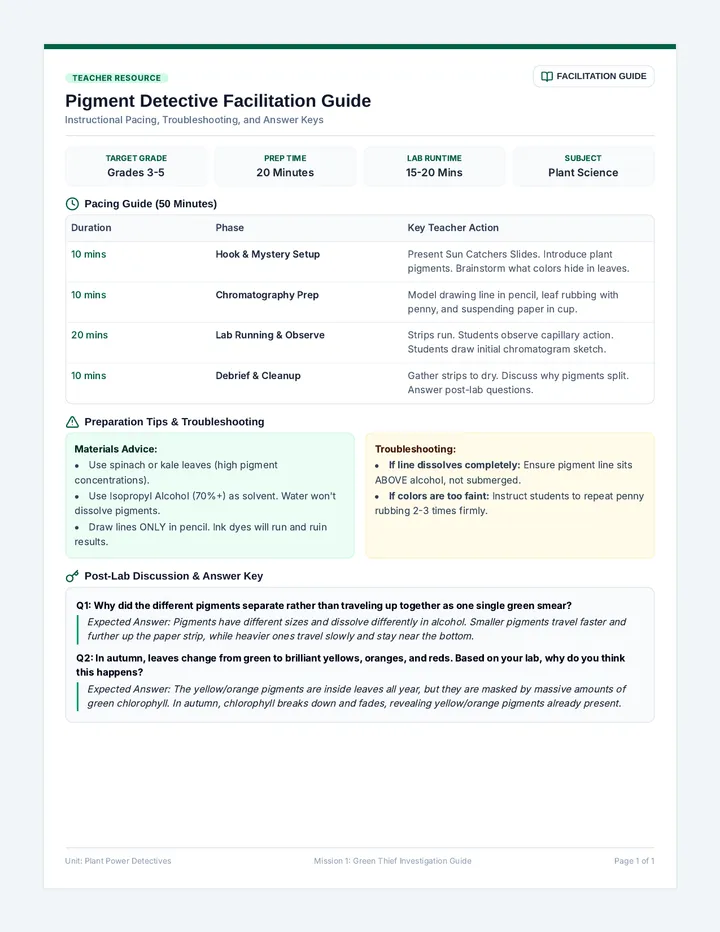
A hands-on, inquiry-based elementary science unit investigating the secrets of photosynthesis. Students act as 'Plant Power Detectives' conducting wet labs, including leaf chromatography and Elodea oxygen bubble experiments, to discover how plants capture light, make food, and produce oxygen.
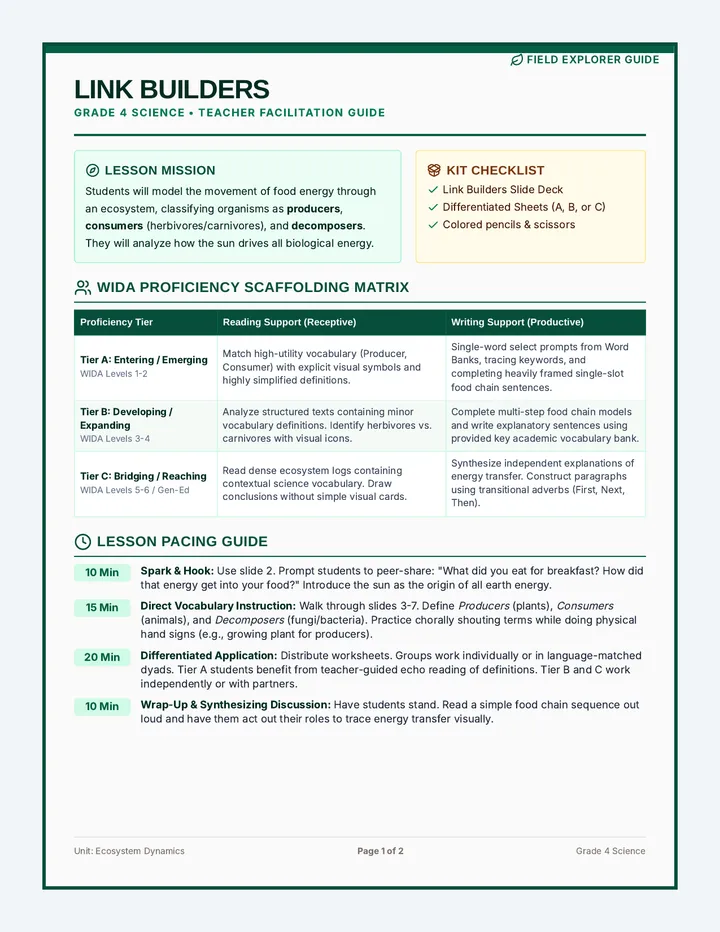
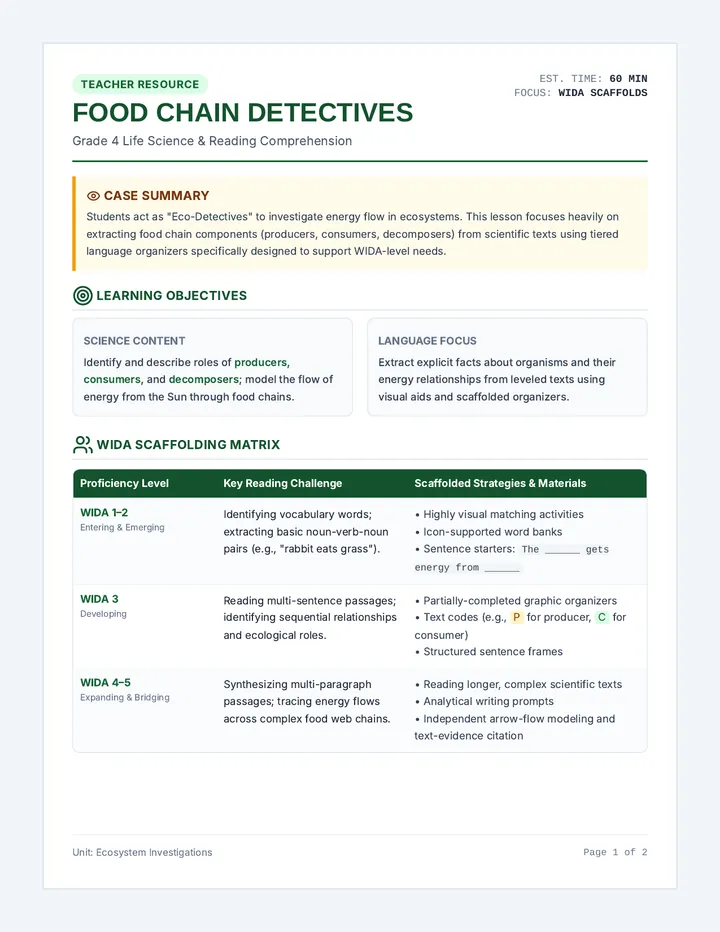
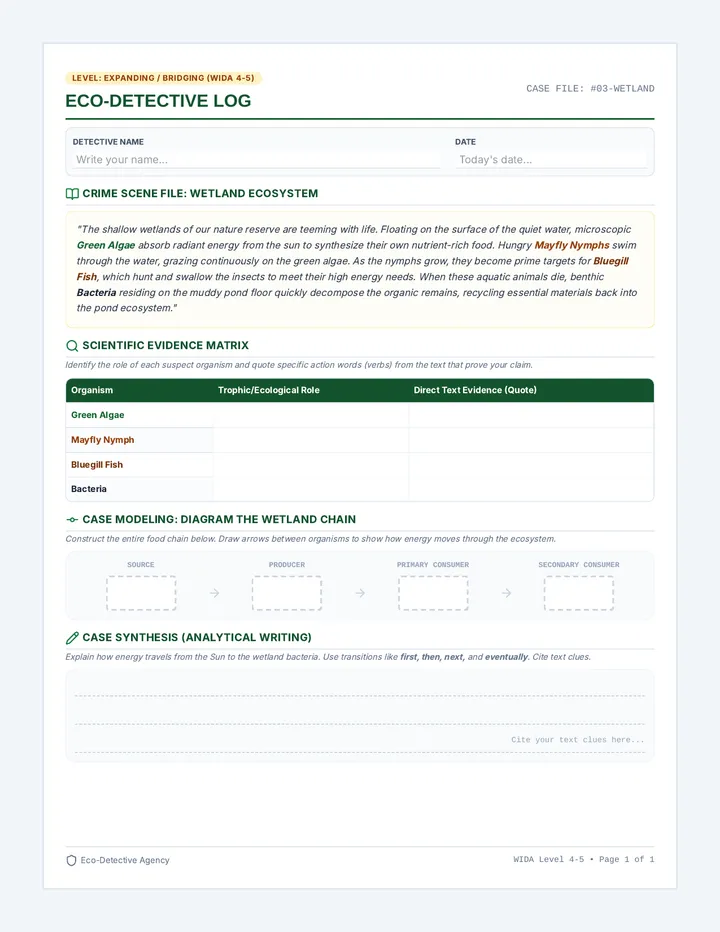
A 4th-grade science lesson on food chains exploring how energy flows from the sun through producers, consumers, and decomposers. Features differentiated worksheets structured for various WIDA English language proficiency levels to support reading and writing.
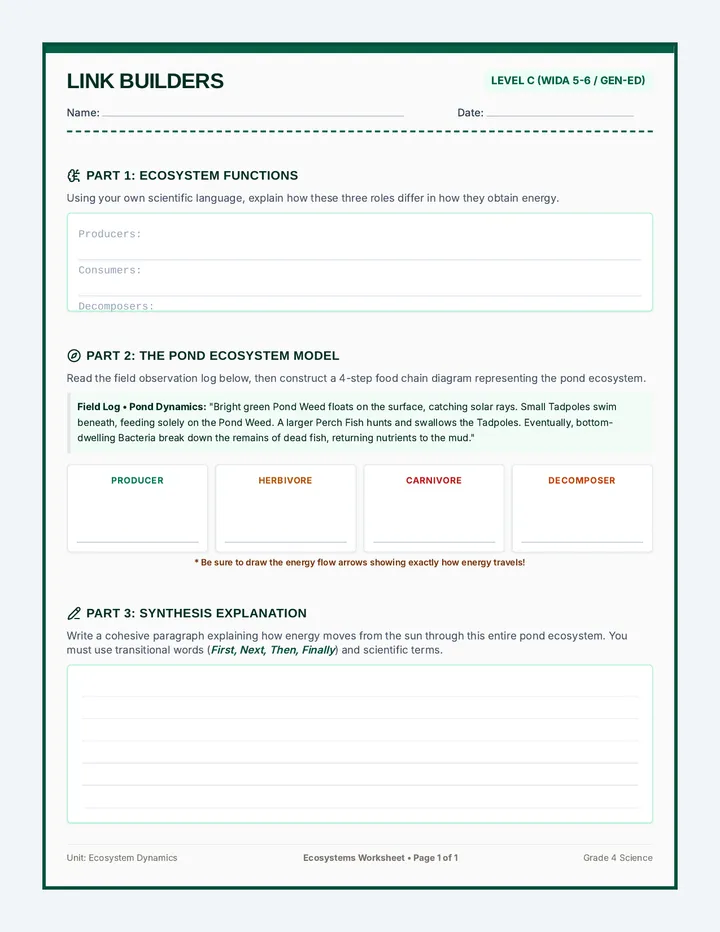
Worksheet C (Bridging/Reaching, WIDA 5-6 & Gen-Ed): Differentiated worksheet featuring high-level open-ended science terms writing, pond ecosystem scenario analysis, and a structured synthesis paragraph write-up.
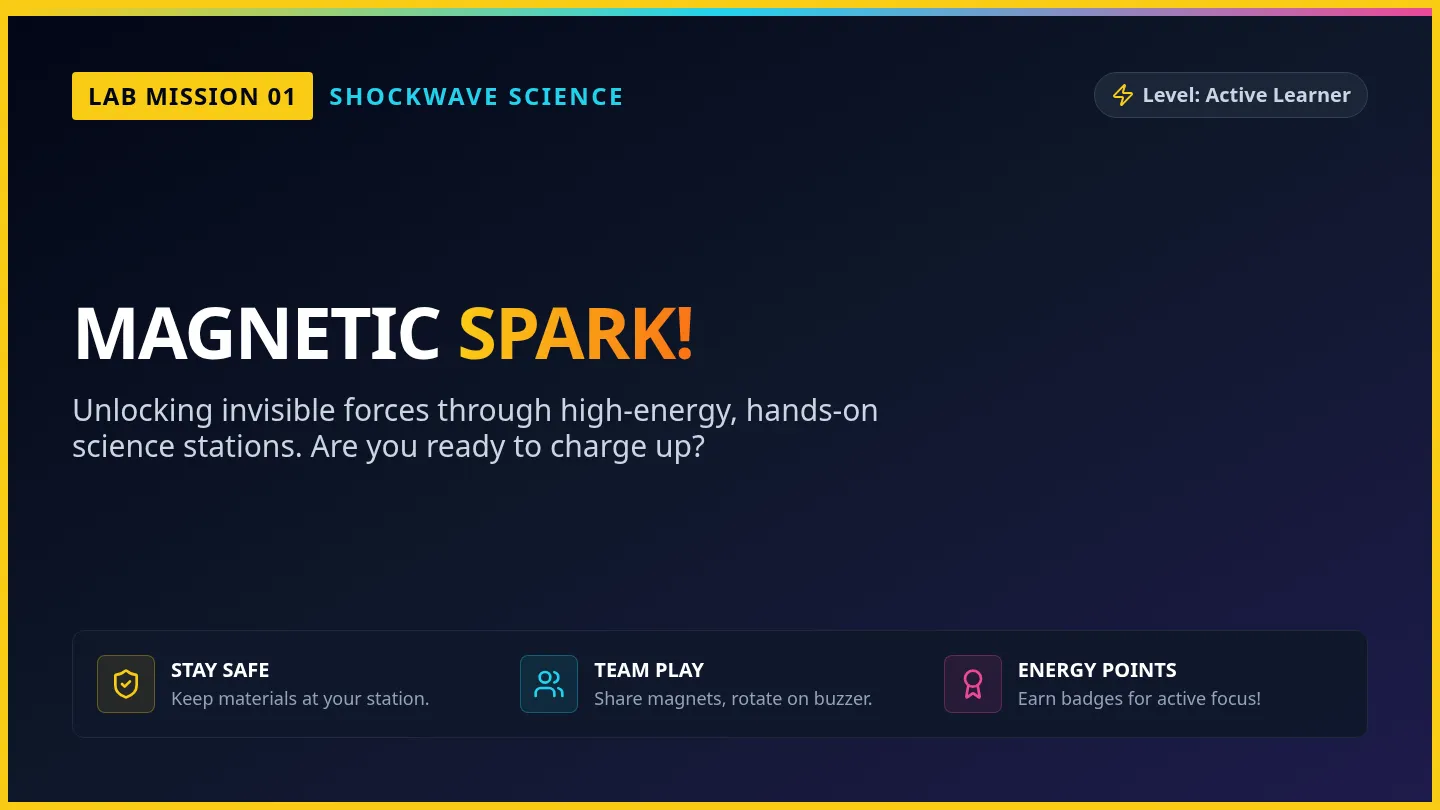
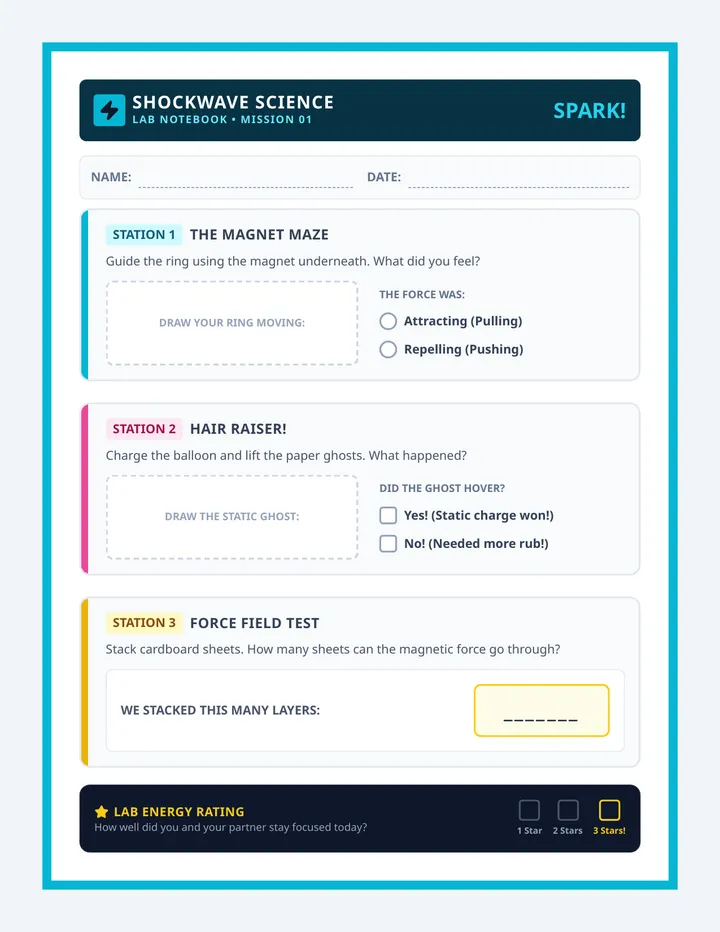
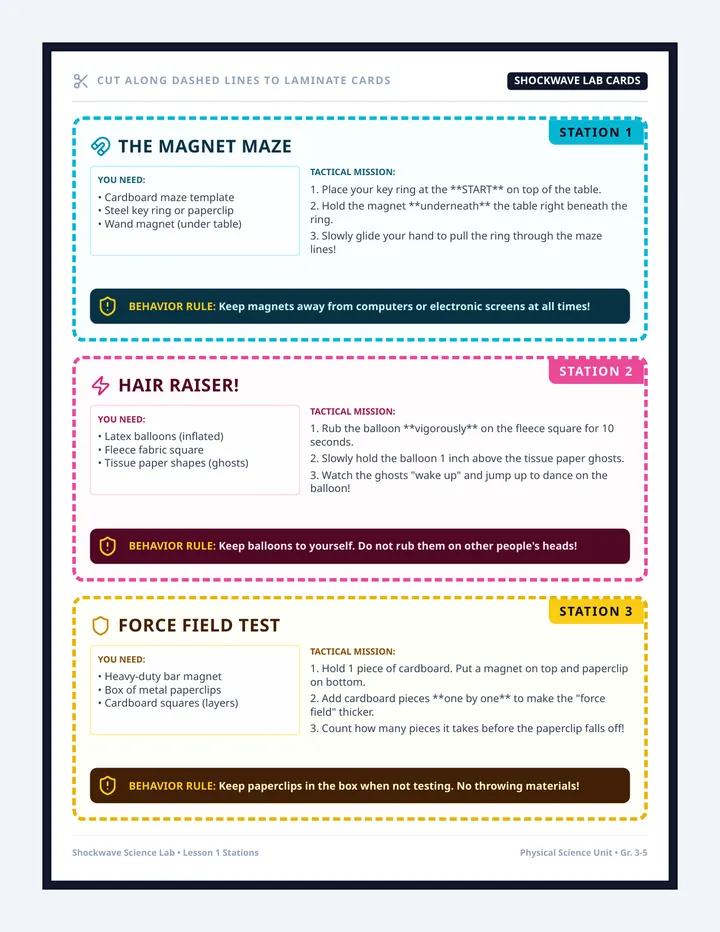
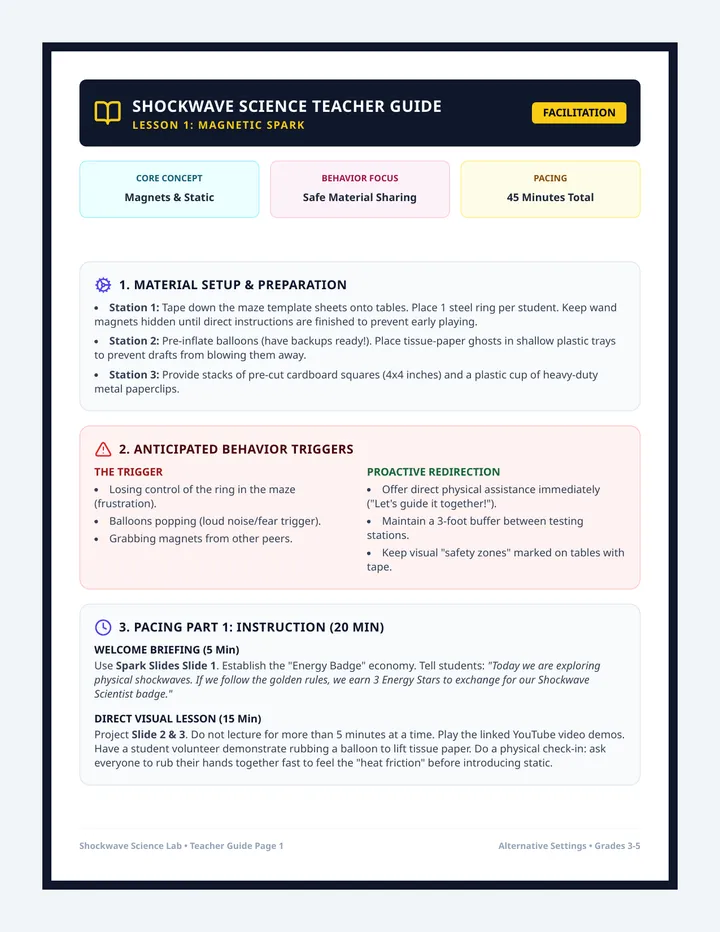
A high-energy, sensory-friendly physical science unit designed specifically for 3rd-5th grade students in alternative settings. The curriculum uses high-movement stations, interactive visual presentations, and bite-sized printable worksheets to teach Magnets/Electricity, States of Matter, Forces/Motion, and Energy/Sound while incorporating positive behavior support structures.
An interactive 4th-grade science lesson where students act as ecological detectives to trace energy flow in ecosystems. It integrates science content with targeted WIDA-aligned reading comprehension supports.
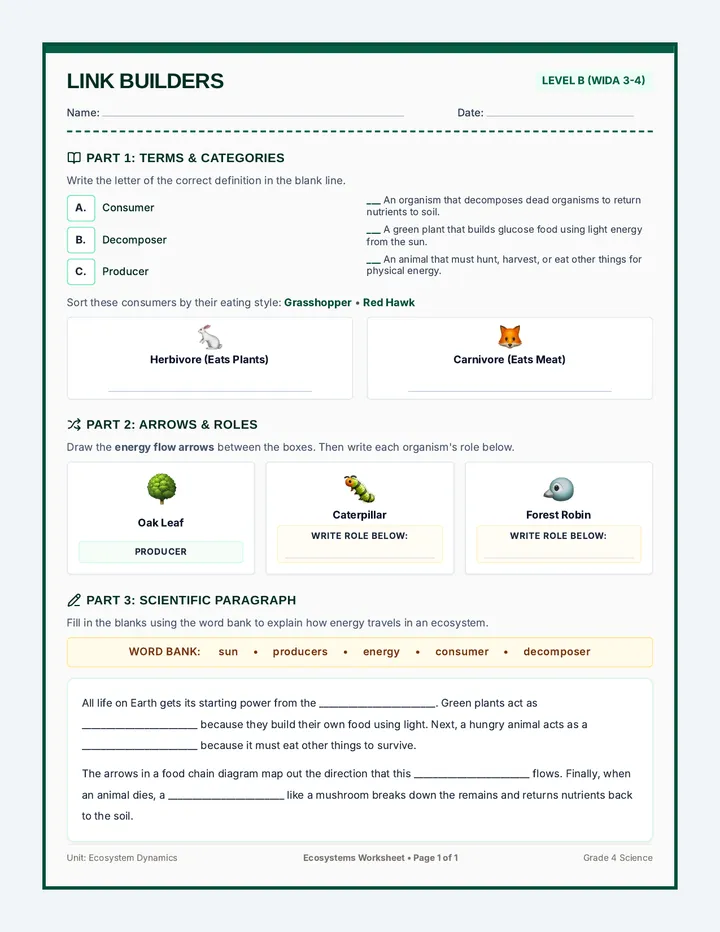
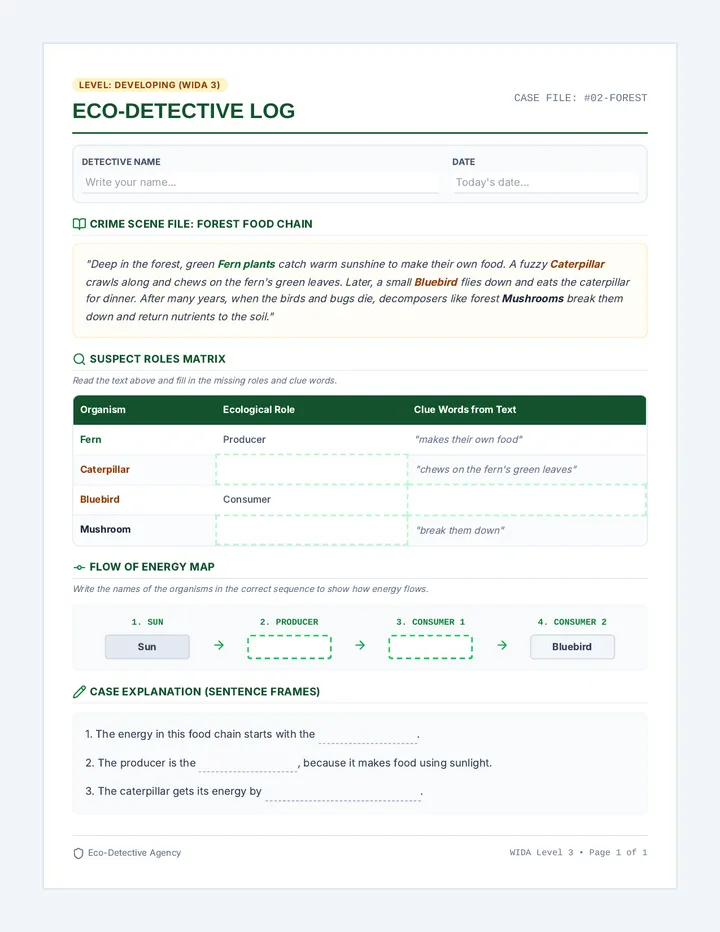
Worksheet B (Developing/Expanding, WIDA 3-4): Differentiated worksheet featuring moderate vocabulary matching, food chain drawing activity, and vocabulary-supported paragraph completion.
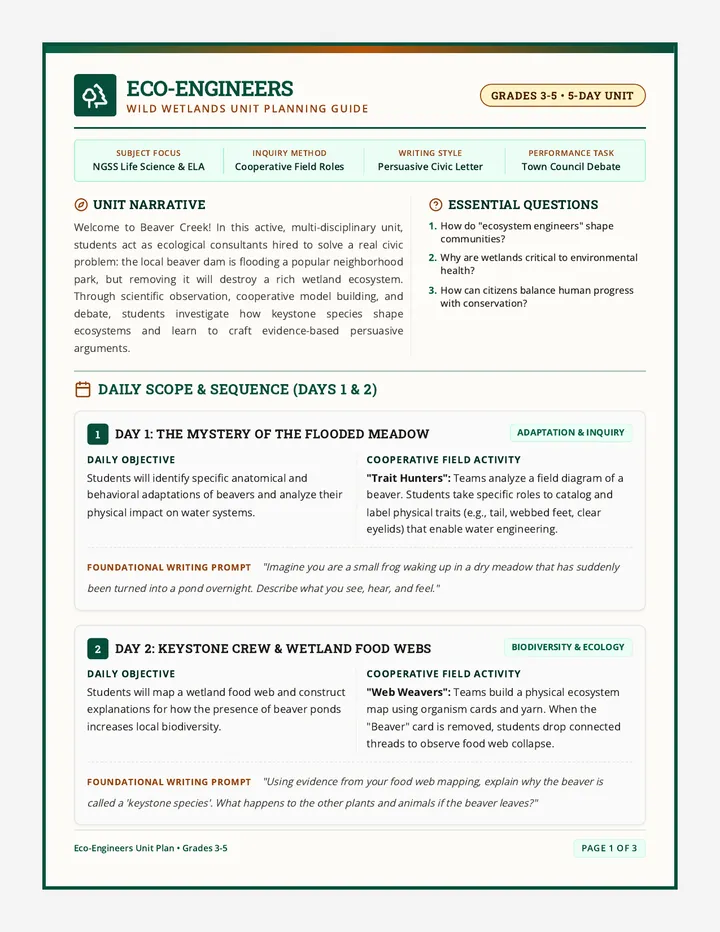
An inquiry-based life science and persuasive writing unit for grades 3-5. Students investigate beavers as ecosystem engineers, build model dams, and advocate for wildlife in a civic-writing performance task.
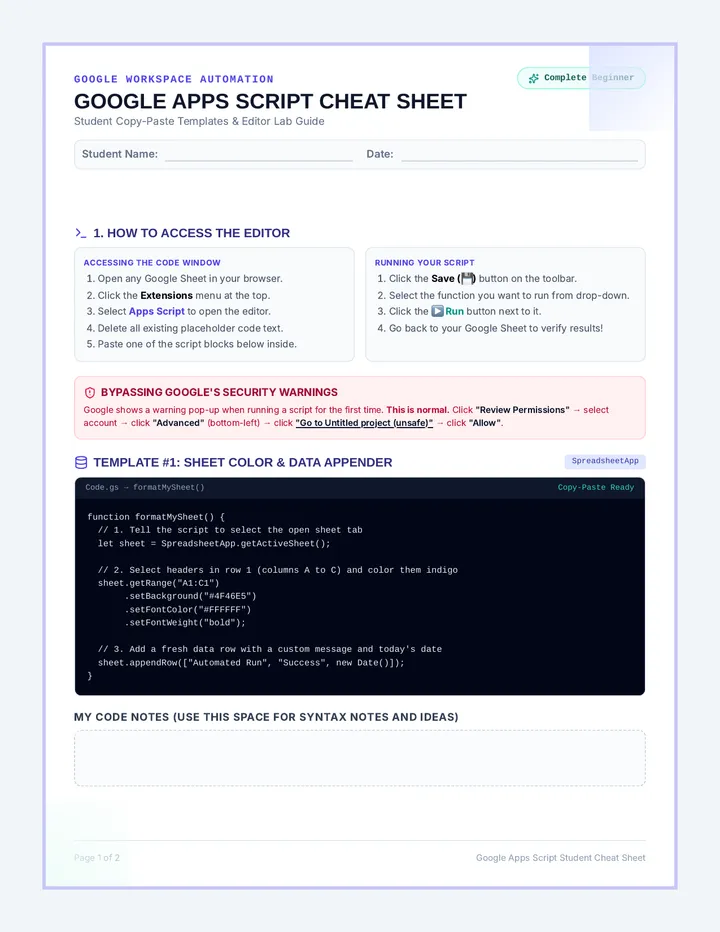
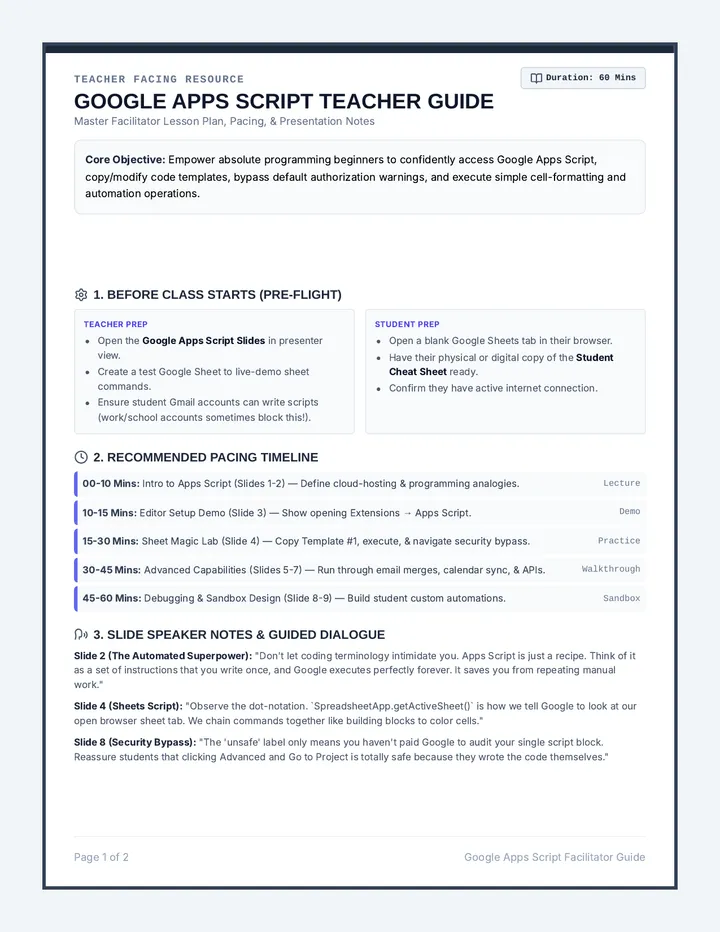
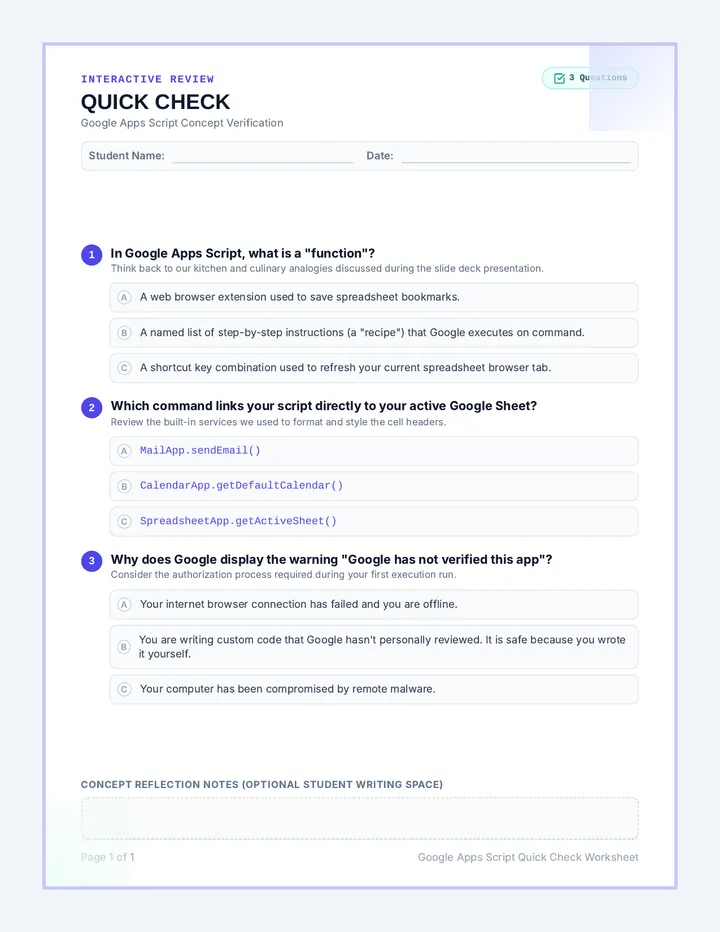
A beginner-friendly introduction to Google Apps Script, teaching students how to automate Google Sheets, connect to Gmail and Docs, sync Forms with Calendar, and fetch external API data. This lesson breaks down coding concepts into easy, step-by-step scripts that anyone can copy, paste, and run.
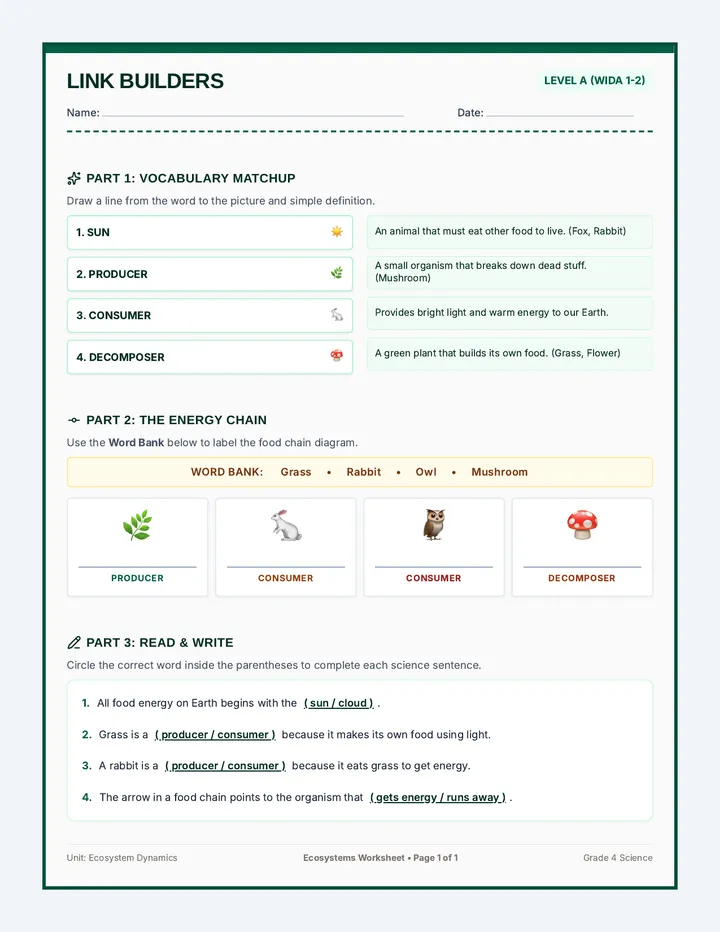
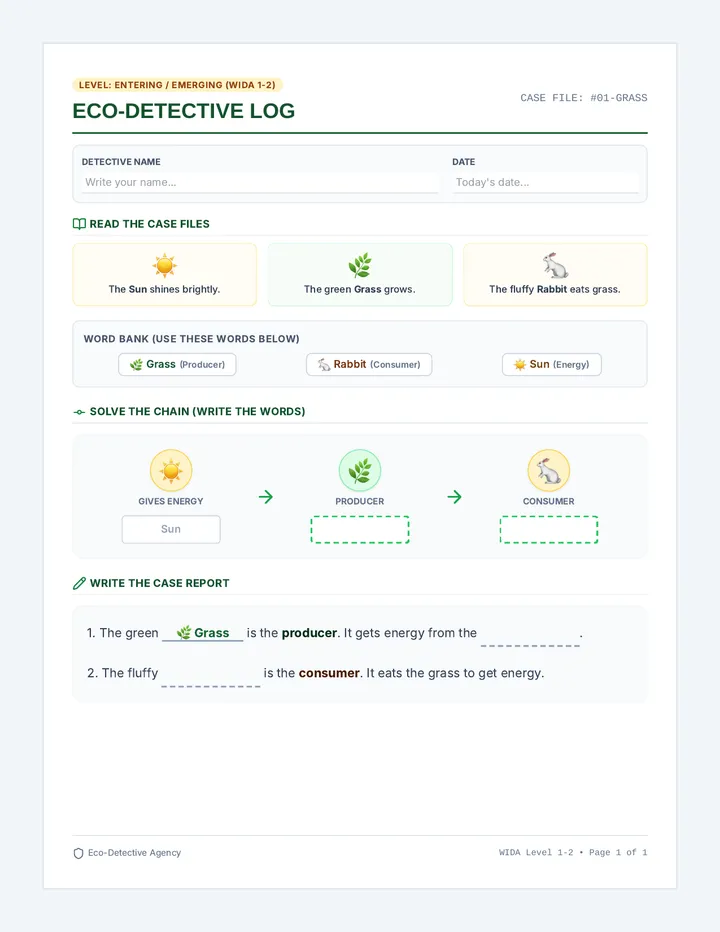
Worksheet A (Entering/Emerging, WIDA 1-2): Differentiated worksheet featuring highly scaffolded matching, simple food chain labeling, and guided sentence completion with multiple-choice words.
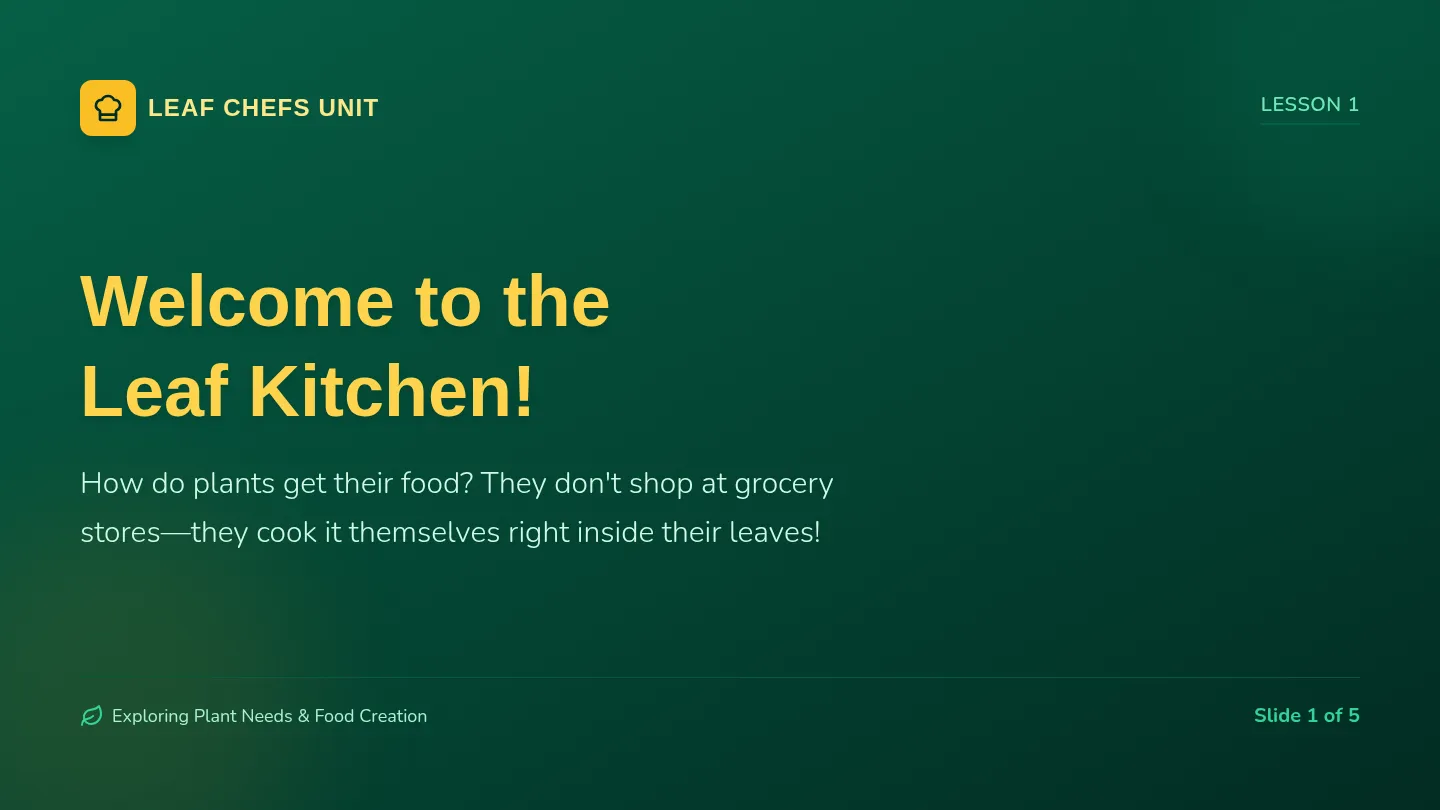
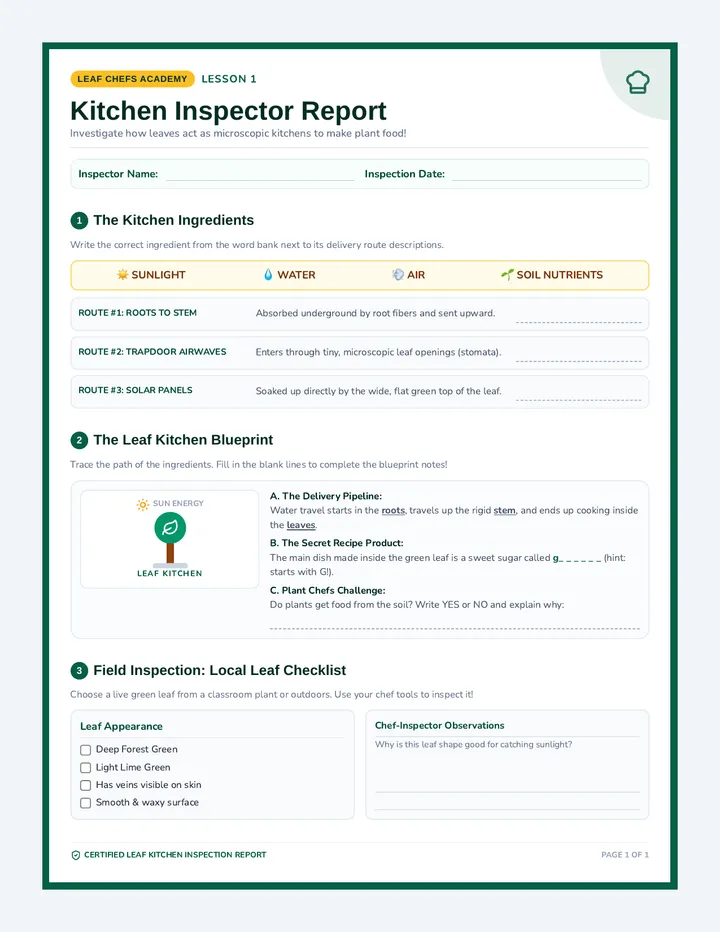
A whimsical, botanical-themed elementary science unit that explores photosynthesis, casting leaves as microscopic kitchens and plants as nature's solar-powered chefs.
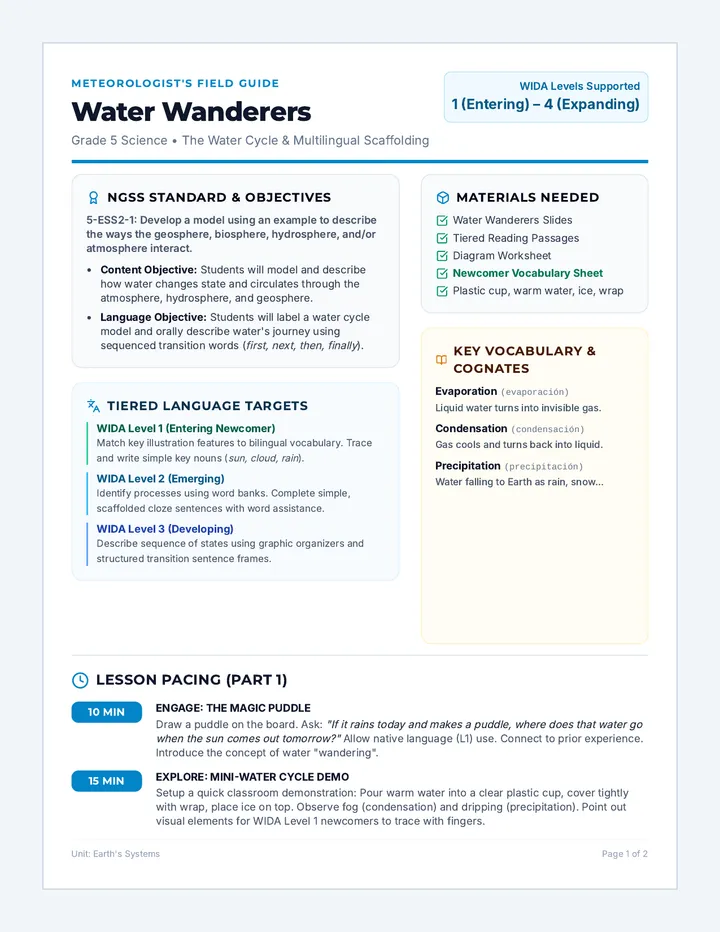
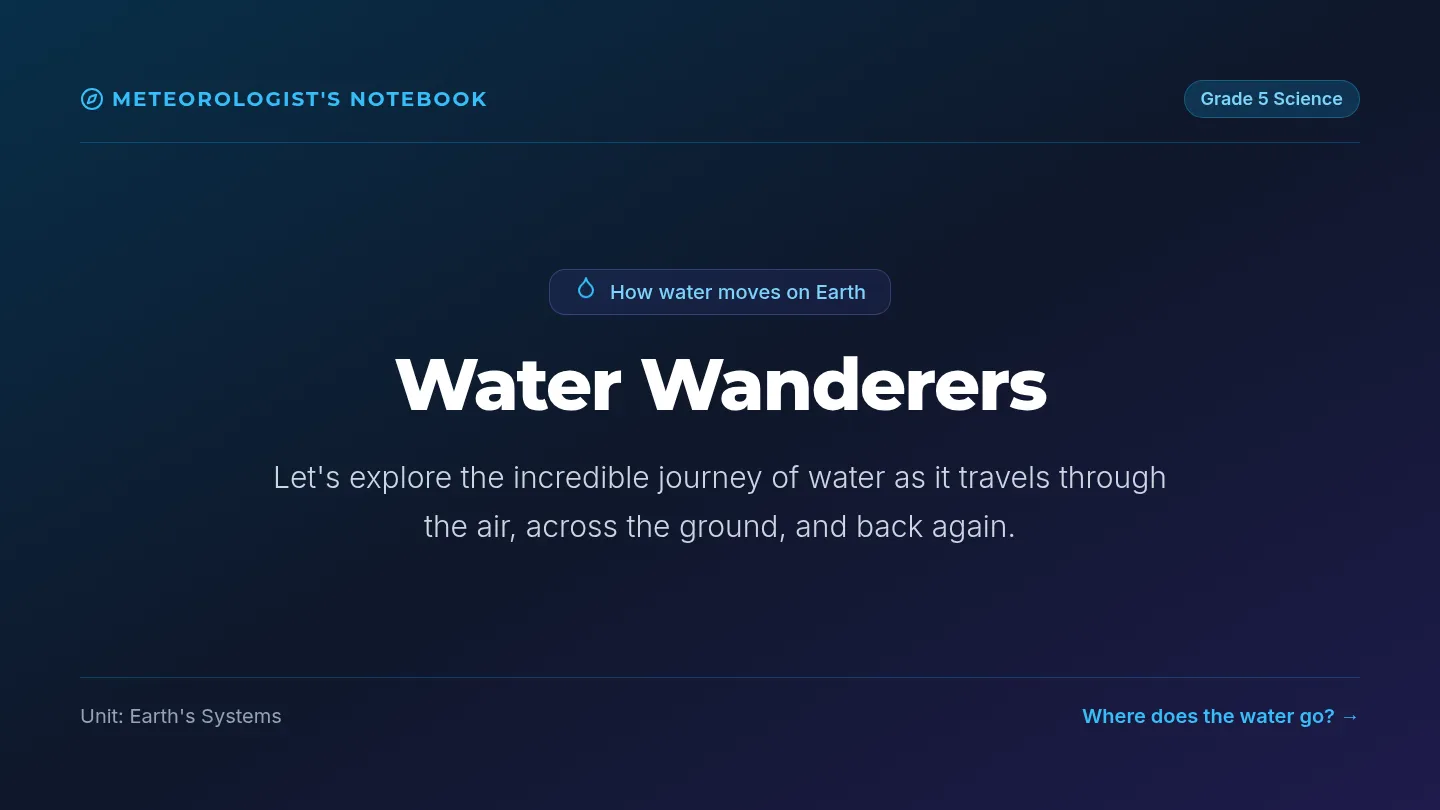
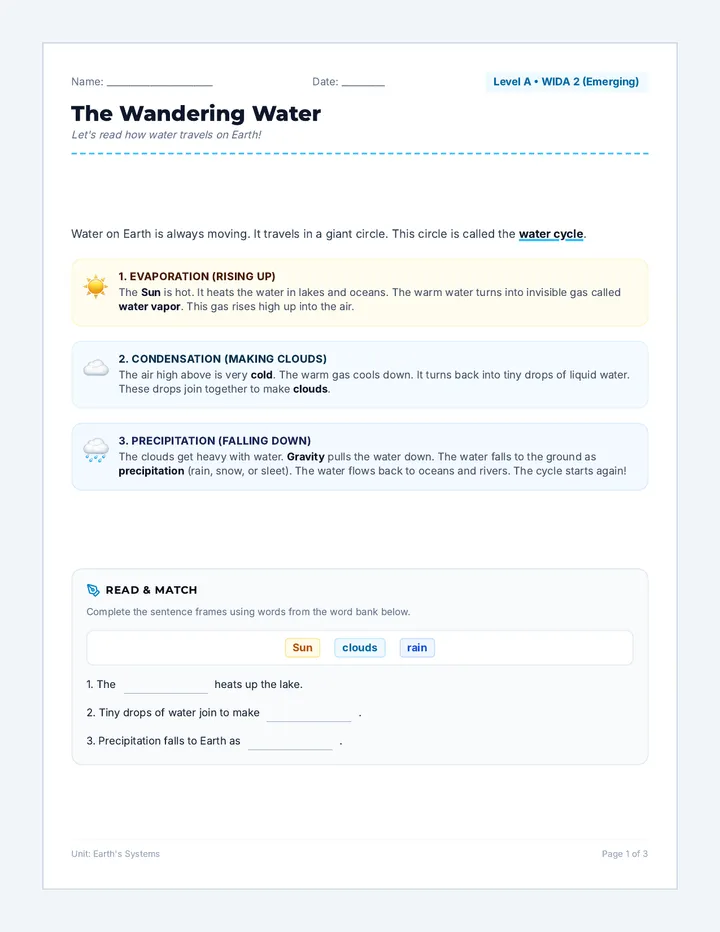
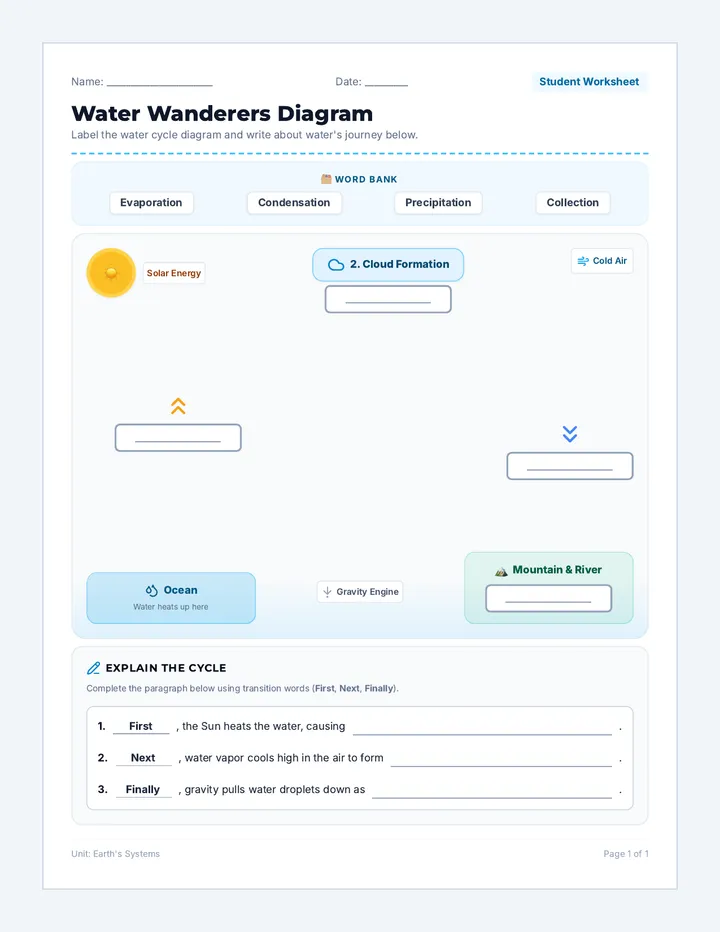
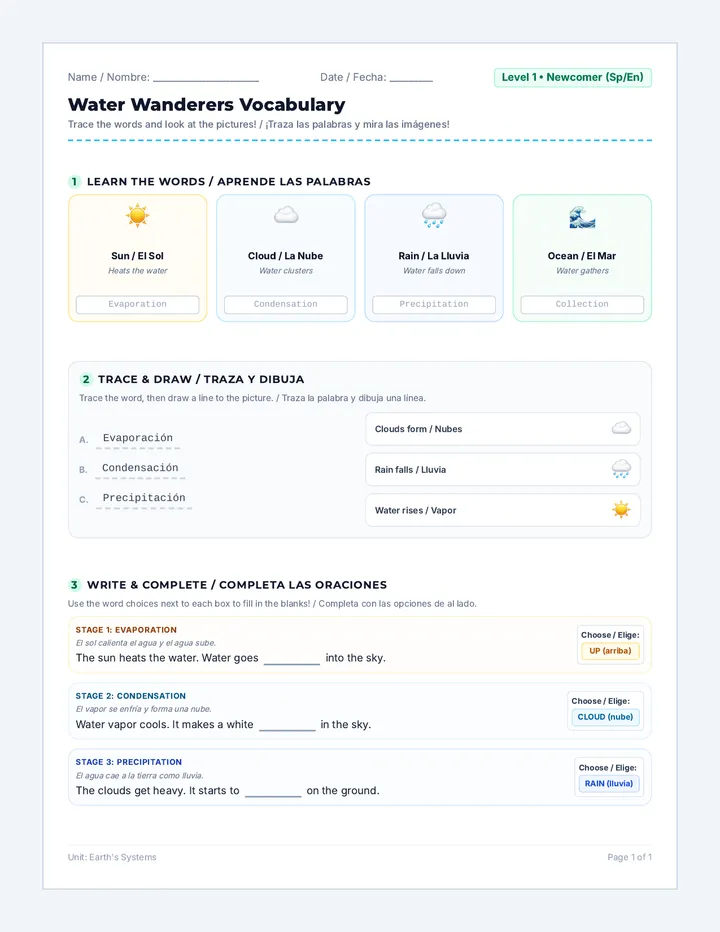
A 5th-grade science lesson on the water cycle, meticulously designed for multilingual learners at WIDA levels 2-4. The lesson uses a 'Meteorologist's Notebook' theme and provides high-impact visuals, tiered reading passages, structured activities, and explicit language supports.
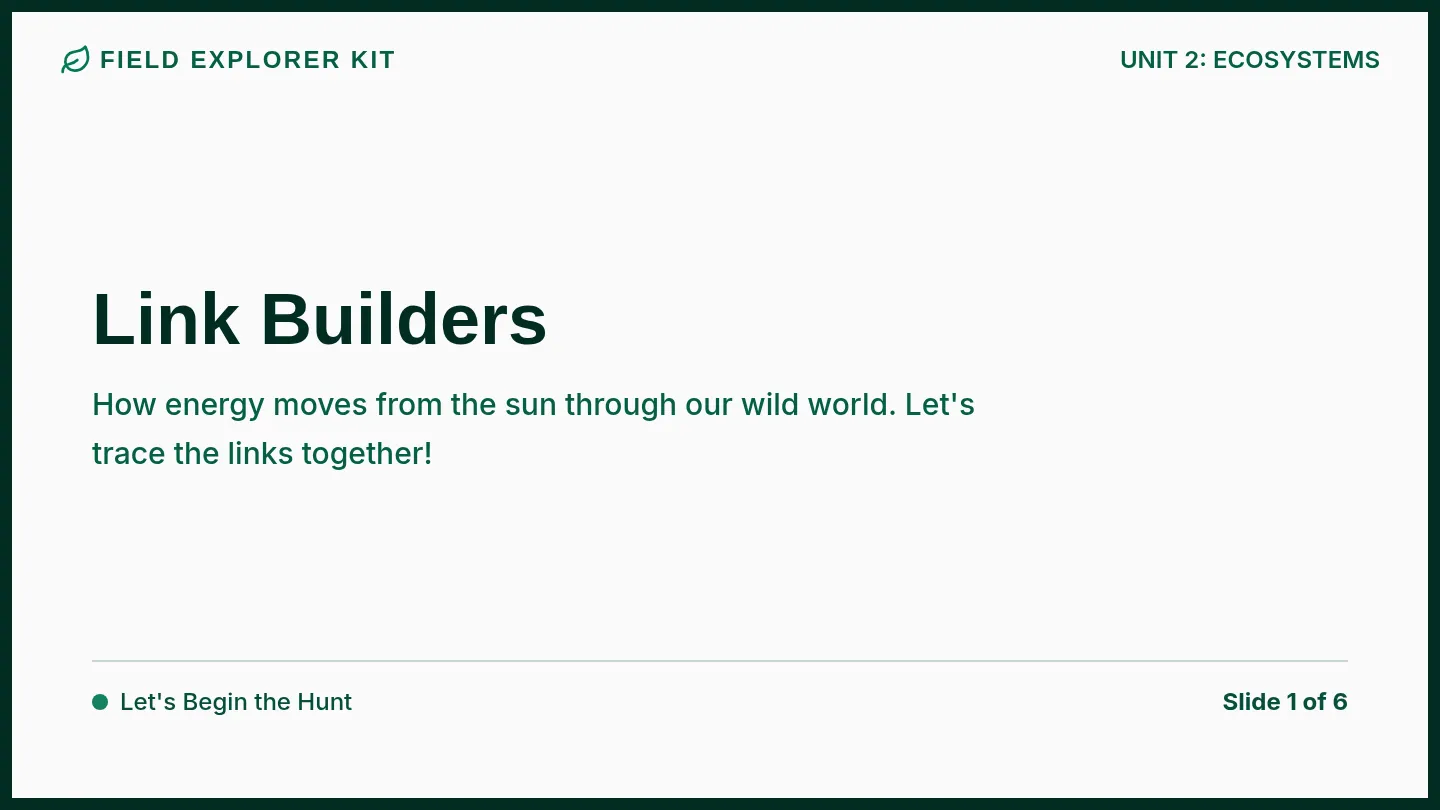
A highly visual, clean 6-slide presentation introducing food chain concepts (Sun, Producers, Consumers, Decomposers) designed with accessible typography (all text >= 24px) and organic color schemas to support all English language learners.