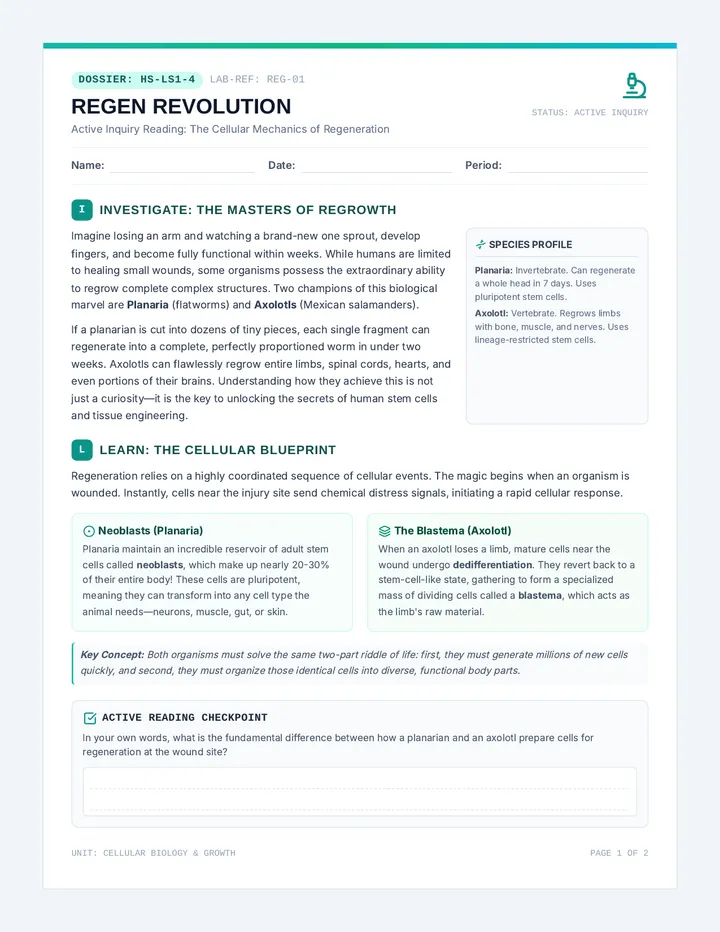
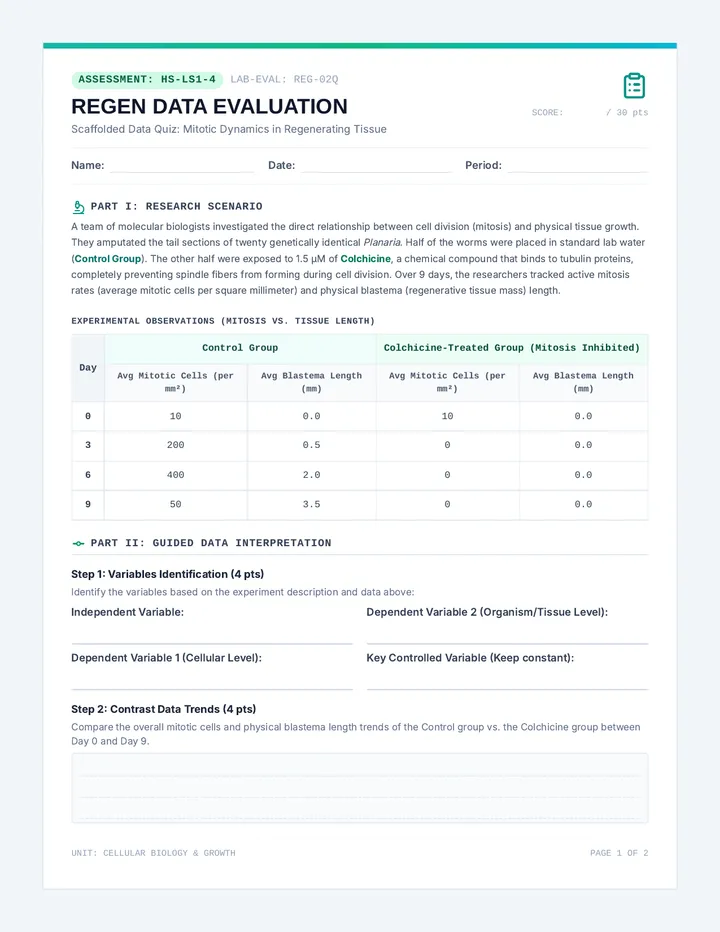
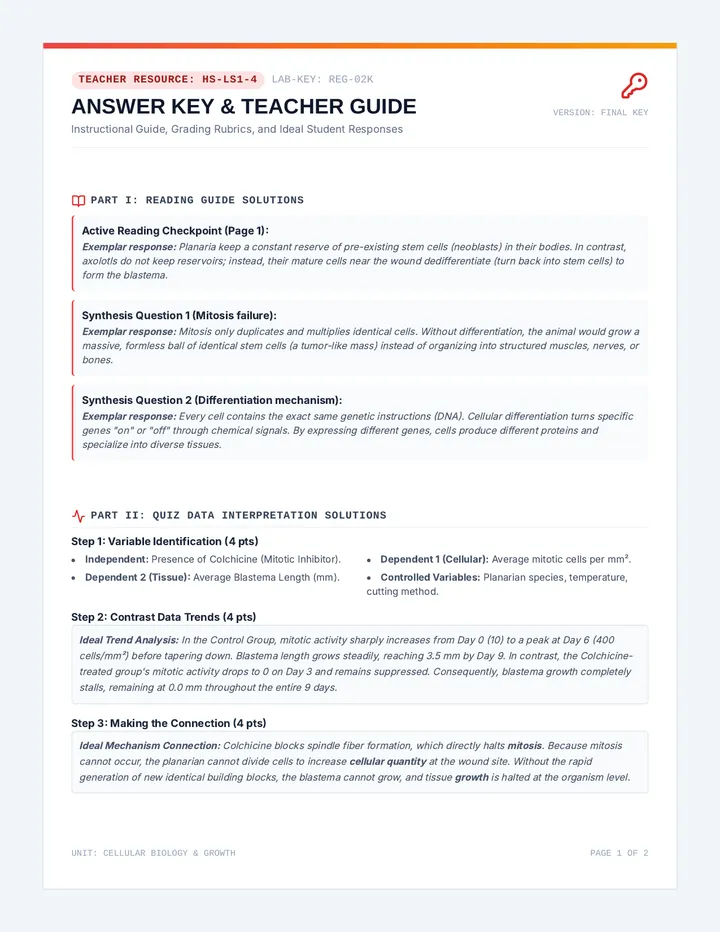
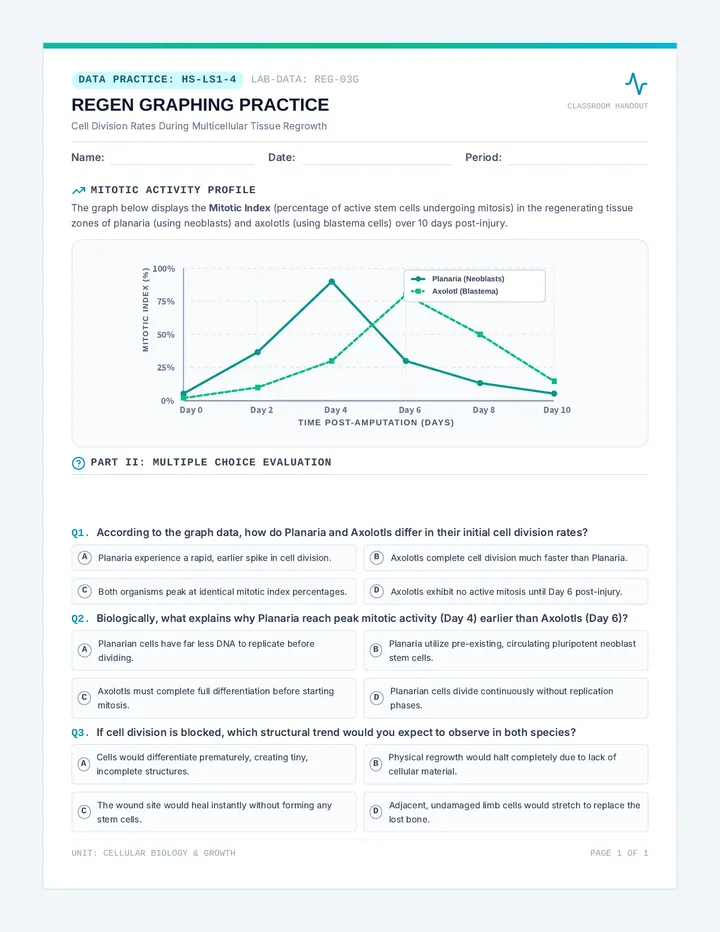
Nuclear Nexus VocabularyNuclear Nexus Earth's Internal Engine Reference Manual REF-ID: ATOMIC-001 VERSION: 2026.1 To understand why continents move, we must look at the smallest particles in the universe. This guide breaks down the core concepts driving the heat that powers our planet. I. THE SUBATOMIC FOUNDATION Atomic Nucleus The dense center of an atom containing protons (+) and neutrons (neutral). This is where the energy for plate tectonics is "stored." Strong Nuclear Force The incredibly powerful "glue" that holds protons and neutrons together in the nucleus, overcoming the natural tendency of protons to push each other away. Electrostatic Repulsion The force that pushes particles with the same charge (like two protons) away from each other. If this force wins, the nucleus breaks apart. II. THE DECAY PROCESS Radioactive Decay The process where an unstable nucleus loses "pieces" (protons, neutrons, or energy) to become more stable. This is a random but predictable event. Radiogenic Heat Heat energy produced when the mass of a nucleus is converted into energy during radioactive decay (based on Einstein's \(E = mc^2\)). III. THE ENGINE IN MOTION Thermal Expansion When atoms gain heat, they vibrate faster and push each other apart, causing the material to take up more space (volume). Density The amount of matter in a given space. When material expands, its density decreases because the same mass is now spread over a larger area. Mantle Convection The slow, churning motion of Earth's mantle caused by heat rising (buoyant, low-density rock) and cool rock sinking (dense rock). // DATA SOURCE: GEOPHYSICS UNIT 4 // DO NOT DISCARD - REQUIRED STUDY AID // PAGE 01 OF 01
Atomic Powerhouse SlidesAtomic Powerhouse The Subatomic Engine of Earth Department of Geophysics Protocol: Heat Transfer The Engine Room 01 // SOURCE The Earth's surface moves constantly. Tectonic plates are pushed and pulled across the globe. But where does the energy come from to move entire continents? Radiogenic Heat The Nucleus 02 // FORCES Strong Force The "Nuclear Glue". Holds protons and neutrons together. STRENGTH: Extreme (but short range) Repulsion Protons (+ charge) want to fly away from each other. FORCE: Electrostatic Push If the Repulsion is too high, the nucleus is UNSTABLE. Radioactive Decay 03 // ACTION When a nucleus is too big or unbalanced, it DECAYS to find stability. Loses Protons Loses Neutrons Releases Energy Energy Generation 04 // MECHANICS E = mc² During decay, a tiny amount of Mass is "missing." That missing mass has been converted into a massive amount of energy (heat). 50% of Earth's internal heat comes from this subatomic process. This heat keeps the mantle plastic and moving. Thermal Expansion 05 // PHYSICS Heating Up Atoms vibrate faster and push away from neighbors. Result Volume increases while mass stays constant. Material Expands Density Drop 06 // BUOYANCY Same amount of rock + More space = Lower Density Lower density materials are Buoyant—they want to float! Concept Check HOT ROCK = Low Density Wants to Rise Mantle Principle The Chain Reaction 07 // SUMMARY Decay Heat Expansion Lower Density Convection "Energy from the microscopic world moves the giant world."
Atomic Engine WorksheetAtomic Engine Analysis Operational Log: Mantle Mechanics Engineer Name Date 1. Subatomic Tug-of-War Inside the nucleus, two forces are constantly fighting. If the balance shifts, the engine activates. A) Define the "Strong Nuclear Force": B) Define "Electrostatic Repulsion": [ Diagram Area: The Unstable Nucleus ] Draw a nucleus where Repulsion is beating the Strong Force. Use arrows to show the direction of the forces. 2. The Decay Event When a nucleus "decays," it is trying to reach a stable state. Fill in the blanks below to describe the process. Radioactive decay is the process where an unstable nucleus loses ____________________ or ____________________ to become more stable. During this event, a tiny amount of mass is lost and converted into ____________________. This is the primary source of Earth's internal ____________________. 3. The Causal Chain of Motion Trace the path from a single atom to a moving continent. Explain what happens at each step. 1 DECAY & ENERGY RELEASE 2 THERMAL EXPANSION (Why does the volume increase?) 3 DENSITY & BUOYANCY (Why does the rock rise?) 4 CONVECTION CURRENT (How does this move a plate?) CONFIDENTIAL // GEOSCIENCE LABORATORY PROTOCOL // WORK AREA: LOWER MANTLE
Atomic Engine Answer KeyAtomic Engine Answer Key Teacher Reference // Master Protocol REF: ATOMIC-002-KEY STATUS: VERIFIED 1. Subatomic Tug-of-War A) Strong Nuclear Force: The powerful force that acts as "glue," holding protons and neutrons together in the nucleus. It must be stronger than repulsion for a nucleus to be stable. B) Electrostatic Repulsion: The force that pushes protons apart because they have the same positive charge. Like magnets of the same pole pushing away. [ Expected Diagram ] Diagram should show a large nucleus with many protons and arrows pointing OUTWARD to represent repulsion winning. 2. The Decay Event Radioactive decay is the process where an unstable nucleus loses protons or neutrons to become more stable. During this event, a tiny amount of mass is lost and converted into energy (or heat). This is the primary source of Earth's internal heat / thermal energy. 3. The Causal Chain of Motion 1 Decay & Energy: An unstable isotope (like Uranium-238) breaks apart, releasing energy as particles fly off at high speeds, colliding with surrounding atoms and creating friction/heat. 2 Thermal Expansion: The added heat causes the mantle rock's atoms to vibrate more violently. They push away from each other, increasing the rock's volume (it physically takes up more space). 3 Density & Buoyancy: Because the same mass of rock now occupies a larger volume, its density decreases. The surrounding cooler, denser rock pushes this "lighter" rock upward (buoyancy). 4 Convection Current: The rising hot rock reaches the lithosphere, cools down, moves sideways (dragging the tectonic plate), and eventually sinks as it becomes dense again, completing the loop. TEACHER ANSWER KEY // FOR INSTRUCTIONAL USE ONLY // DO NOT DISTRIBUTE TO STUDENTS
Atomic Powerhouse Teacher GuideFacilitation Guide Lesson Protocol: Atomic Powerhouse Duration: 85 Minutes Target: Geophysics Unit 4 Mission Objective Students will trace the flow of energy from the subatomic level (unstable nuclei) to the planetary level (mantle convection), identifying the causal chain of radioactive decay, thermal expansion, and buoyancy. Required Specs - Nuclear Nexus Vocab - Powerhouse Slides - Engine Worksheets - Answer Key (Teacher) Pacing Protocol 00-15m Launch: The Mystery of the Move Display Slide 2. Ask: "If a 747 needs an engine to move, what engine moves a continent?" Distribute the Nuclear Nexus Vocabulary sheet during this time for student reference. 15-45m Technical Briefing (Slides 3-6) Use the slide deck to explain the Tug-of-War in the nucleus. Focus heavily on the transition from mass-loss to heat-gain. Key Checkpoint: Ensure students understand that heat isn't just "there"—it is created by the release of nuclear energy. 45-70m System Mapping: The Worksheet Distribute the Atomic Engine Worksheet. Students work individually or in pairs to map the causal chain. Circulate and check the "Causal Chain" section specifically—this is where the logic often breaks down. 70-85m Final System Check Review Section 3 of the worksheet as a class. Call on students to explain the "Density Drop" (Slide 7). Common Misconceptions (System Malfunctions) The "Friction" Error Students often think the friction of plates moving causes the heat. Remind them: the atomic decay causes the heat, which causes the movement. The engine starts in the nucleus, not the crust. The "Weight" vs "Density" Error Students think hot rock is "lighter" (less mass). Correct them: It's the same mass spread over more volume. Use the term "Density Drop" to emphasize the relationship. GEOPHYSICS DEPT // FACILITATOR DOCUMENT // DO NOT FILE WITH STUDENT WORK