Bias Deconstruction Slides Deconstructing Algorithmic Bias
Session 01: Auditing Decision Systems for Equity
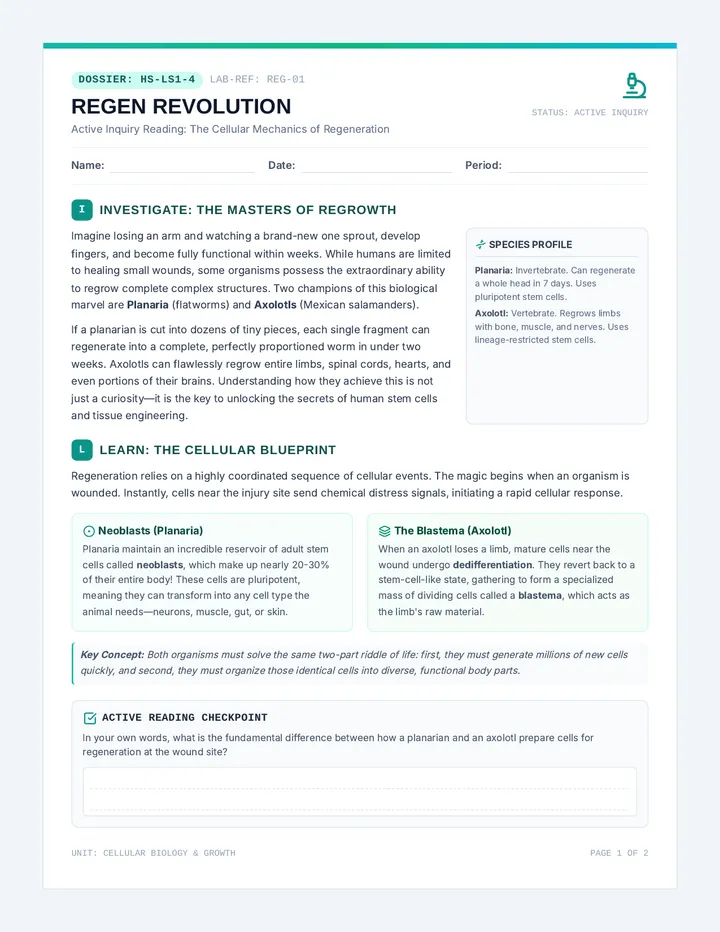
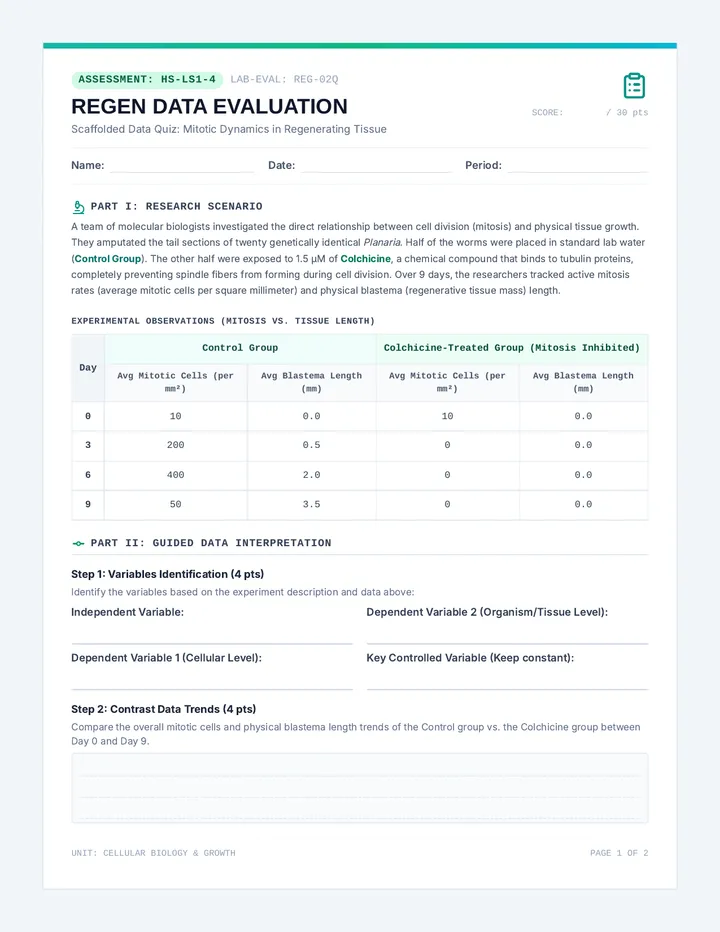
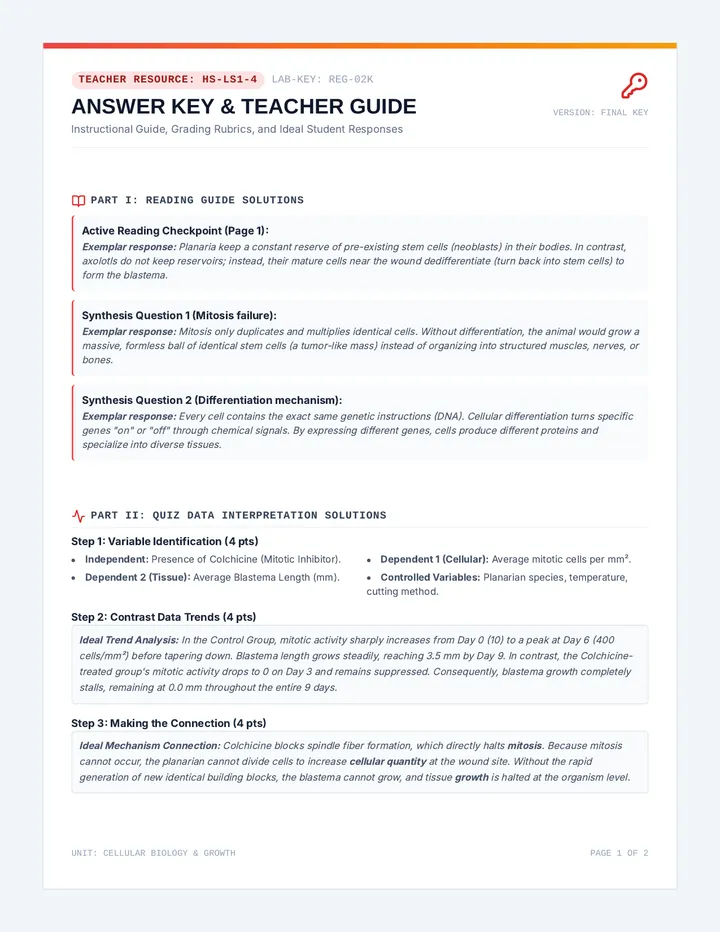
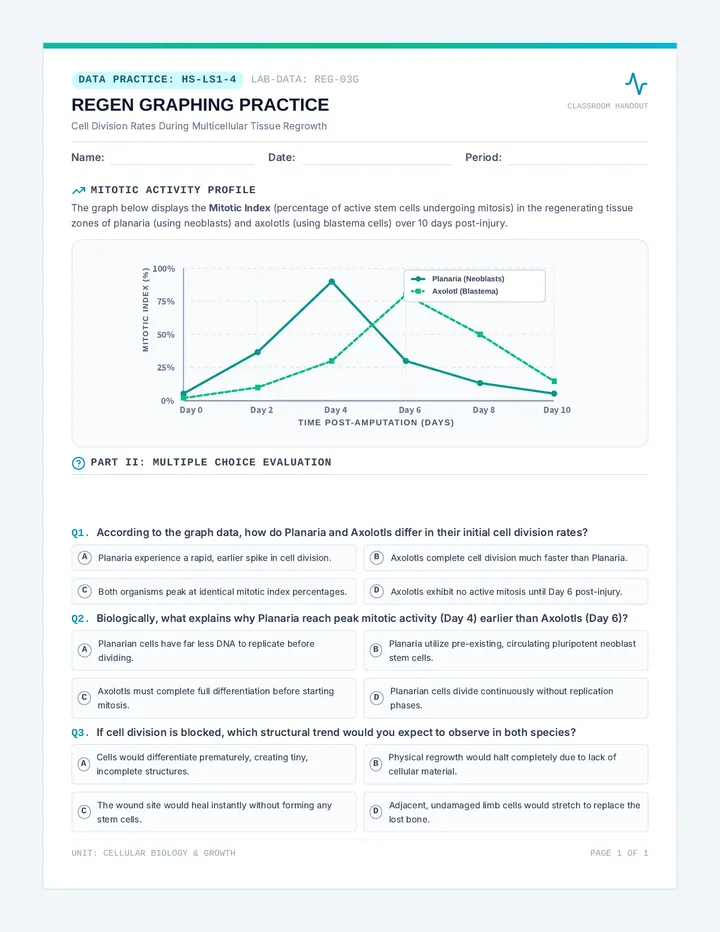
Ethical AI Leadership
The Moral Dilemma
A self-driving car is forced to choose between hitting a pedestrian or crashing into a barrier, potentially killing the passenger.
"Who is responsible for the 'choice'? The engineer? The manufacturer? Or the algorithm itself?"
What is Algorithmic Bias?
Definition
Systematic and repeatable errors in a computer system that create unfair outcomes, such as privileging one arbitrary group of users over others.
The "Black Box" Problem
The lack of transparency in how deep learning models reach specific conclusions, making audits difficult.
Common Sources:
Data Bias: Historical inequities present in training data.
Design Bias: Flawed assumptions by developers.
Feedback Loops: Models reinforcing existing social prejudices.
Case Study: Automated Recruitment
The Incident
Amazon's experimental AI hiring tool was found to penalize resumes that included the word "women's" or mentioned women's colleges.
The Root Cause:
The model was trained on 10 years of resumes submitted to the company—mostly from men. The AI learned that being male was a success factor.
Leadership Failure Point:
Failure to audit training data for historical bias before deployment.
Key Question:
Can a model ever be "neutral" if the world it learns from is not?
Auditing for Equity
Explainability
Can the model provide a clear reason for its specific output?
Parity Metrics
Are error rates and false positives equal across protected classes?
Impact Audit
Does the system create a disparate impact on vulnerable populations?
Seminar Discussion
We will now break into groups to audit the COMPAS Recidivism Model .
1
Identify the training data source.
2
Analyze the false positive rate for different demographics.
3
Propose a mitigation strategy for the "Black Box" issue.
System Audit Worksheet Algorithmic Audit Worksheet
Graduate Level | Ethical AI Leadership
STUDENT:
DATE:
Part 1: Scenario Identification
Select one of the following high-profile cases for your audit:
COMPAS (Justice) Amazon Recruitment Optum Health (Lending)
1. Define the primary goal of this automated system:
Part 2: Root Cause Analysis
A. Training Data Provenance:
Where did the data come from? What historical inequities does it reflect?
B. Feature Proxy Selection:
Are "neutral" features (e.g., zip codes) acting as proxies for protected classes?
Part 3: Audit Findings (The "Black Box")
Audit Dimension Observed Bias / Risk Predictive Parity Is the model's accuracy consistent? False Positive Impact Who is disproportionately harmed? Transparency Level Proprietary vs. Explainable?
Part 4: Governance Recommendations
Proposed Mitigation Strategy:
Accountability Mechanism:
Who should be held liable for system failure: the vendor, the internal IT team, or the C-Suite?
Seminar Discussion Guide Seminar Facilitation Guide
Lesson 1: Deconstructing Algorithmic Bias
TEACHER RESOURCE
Objectives
Identify disparate impact in automated systems.
Distinguish between data bias and design bias.
Formulate arguments for organizational liability.
Pacing
15m: Intro & "The Hook" Debate
30m: Case Analysis (Worksheet)
45m: Seminar Discussion
Key Terms
Algorithmic Parity, Black Box Opacity, Disparate Impact, Training Data Bias, Proxy Variables.
Seminar Discussion Prompts
Theme 1: The "Neutrality" Myth
"Many engineers argue that data is objective. How does the Amazon hiring tool case prove that data is a social artifact rather than a neutral objective?"
Theme 2: Corporate Liability vs. Developer Autonomy
"If a bias is discovered five years after deployment, should the current leadership team be held responsible, or the developers who originally built the model?"
Theme 3: The Efficiency-Ethics Tradeoff
"If auditing a system for bias reduces its efficiency by 20%, is it still a viable business decision? At what point does the ethical cost outweigh the technological benefit?"
Instructor Strategic Notes
Anticipate Misconceptions
Students often think "removing race/gender" makes a model fair. Remind them about proxy variables (e.g., ZIP codes correlating with race).
The "Black Box" Defense
Vendors will often claim trade secrets prevent transparency. Push students to consider contractual requirements for explainability during procurement.
Final Reflection Question
"As a future leader, what is the first question you would ask an AI vendor before signing a multi-million dollar procurement contract?"
Privacy Paradigm Slides Privacy in the Age of Surveillance
Session 02: Navigating Global Regulatory Frameworks
Digital Literacy for Leaders
The "Strava" Security Breach
In 2018, fitness tracker Strava released a "heat map" of user activity.
The Result: Secret military bases in Syria and Afghanistan were pinpointed because soldiers left their trackers on during runs.
Metadata is never "just" metadata.
Data Utility vs. Individual Security
What is Surveillance Capitalism?
The Model
A market logic that claims human experience as free raw material for hidden commercial practices of extraction, prediction, and sales.
— Shoshana Zuboff
The Behavioral Surplus
Data collected beyond what is needed for service improvement, used to predict future behavior.
Prediction Products
The selling of behavioral certainty to advertisers and insurers.
Regulatory Landscape
GDPR (Europe)
Right to be Forgotten
Explicit Consent Required
Data Portability
Fines up to 4% of Global Revenue
CCPA (California)
Right to Know what data is collected
Right to Opt-out of sales
Protection for Minors
Non-discrimination for exercising rights
The Leader's Dilemma
Data Monetization
Drive revenue, personalized experience, competitive edge.
Strategic Balance
Trust & Ethics
Long-term brand value, legal compliance, social license.
Risk Assessment Memo
You are the Chief Data Officer for a health-tech startup. Your board wants to sell anonymized patient heart-rate data to insurance companies.
Your Task:
1. Identify the Regulatory Risks (GDPR/CCPA).
2. Analyze the Brand Impact of this monetization strategy.
3. Recommend a Go/No-Go Decision with mitigation steps.
Risk Assessment Memo MEMORANDUM
TO:
Board of Directors, PulsePoint Health-Tech
FROM:
DATE:
RE:
Risk Assessment: Monetization of Anonymized Behavioral Metadata
1. Executive Summary
Briefly state your position on the proposal to sell user heart-rate and sleep data to third-party insurers.
2. Regulatory Compliance Risk
GDPR Implications
Consider "Purpose Limitation" and "Right to Object."
CCPA Implications
Consider "Do Not Sell My Info" and "Right to Notice."
3. Surveillance Capitalism & Brand Trust
Analyze how this move aligns or conflicts with the company's "Patient First" mission statement. Is anonymization sufficient in an era of data re-identification?
4. Strategic Recommendation
APPROVE (Full Monetization) MODIFIED APPROVE (Aggregate Only) REJECT (Privacy-Centric Model)
Justification and Mitigation Steps:
Confidential - Board Review Material - PulsePoint Internal Governance
Privacy Workshop Facilitator Notes Facilitator's Guide: Data & Surveillance
Lesson 2: Ethical Stewardship
Learning Goal
Students will navigate the tension between data as a financial asset and privacy as a human right, applying GDPR/CCPA standards to organizational decision-making.
The Challenge
"The Boardroom Simulation: Balancing a 30% revenue increase from data sales against a potential 400% increase in legal liability and total loss of user trust."
Discussion Facilitation: Key Pivots
01
From Metadata to Identity
When students claim "the data is anonymized," pivot the conversation to Data Re-identification . Refer to the MIT study showing that 4 points of spatio-temporal data (time and place) can uniquely identify 95% of individuals.
Prompt: "Is true anonymity even possible in a world of persistent sensors?"
02
The Price of "Free"
Challenge the idea of the "Value Exchange." Most users click 'Accept' because they have no choice if they want to participate in modern social/economic life.
Prompt: "Is consent valid if the alternative is digital exile?"
03
Sovereignty vs. Ownership
Introduce Data Sovereignty —the idea that data is subject to the laws of the nation where it is collected. How does this complicate global operations for a tech leader?
Assessment Criteria (The Memo)
Legal Rigor
Does the student correctly apply GDPR/CCPA terminology? (e.g., Right to be forgotten, Data Controller vs Processor)
Risk Synthesis
Do they connect data sales to long-term brand equity? Are they thinking about the "Trust Tax"?
Strategic Clarity
Is the recommendation actionable? Does it include specific mitigation steps (e.g., differential privacy, federated learning)?
Lesson 2 Supplement | Ethical AI Leadership Series
HITL Governance Slides Maintaining the Human Element
Session 03: Human-in-the-Loop (HITL) Governance
The Flash Crash Simulation
Live Crisis
Market volatility is spiking. An automated trading algorithm has just executed 50,000 "Sell" orders in 12 seconds. The stock price is plummeting.
You have 180 seconds to decide.
Option A
Pull the plug. Stop the algorithm. Secure current levels.
Option B
Trust the code. The algorithm is designed for recovery.
What is Human-in-the-Loop?
HITL is a model that requires human interaction to perform a task or confirm an output from an AI system.
Why it Matters:
Edge Case Detection
Ethical Oversight
Empathetic Context
Automation Complacency
The dangerous psychological tendency to over-trust automated systems, leading to a loss of situational awareness.
The Three Oversight Archetypes
Human IN the Loop
The human must approve every action before it executes.
Safe but slow.
Human ON the Loop
The human monitors the process and can intervene if needed.
Efficient but risky.
Human OUT OF the Loop
The system executes autonomously with no human intervention .
Scalable but dangerous.
Designing Your Protocol
Governance is not a toggle; it is a workflow. You must define the Trigger Points for human intervention.
Confidence Thresholds
High-Stakes Flagging
Forced Human Override (The Big Red Button)
"Leadership is deciding where the machine stops and the human starts."
Workflow Design Canvas HITL Workflow Canvas
Designing Human-AI Collaboration Protocols
Document ID: HITL-SIM-03A
Scenario Selection
Algorithmic Trading Medical Diagnosis AI Autonomous Logistics
Mission Critical Failure Point:
What is the one event where the AI's "wrong choice" results in catastrophic loss?
1. Confidence Thresholds
Define the "Confidence Score" below which a human MUST intervene.
2. Exception Triggers
What non-data triggers (ethical, legal, social) require human override?
3. The Latency Budget
How much time does the human have to decide? What happens if they miss the window?
4. Oversight Feedback
How is the human's decision logged and used to improve the model?
5. Visual Workflow Mapping
Sketch the flow of decision-making from AI Proposal to Human Validation. Mark the "Stop Loss" points clearly.
Ethical AI Leadership Simulation - HITL Governance Framework v1.0
Flash Crash Simulation Protocol Teacher Script: Flash Crash Simulation
Protocol for Simulation Execution
The Objective
This simulation forces students into a high-pressure scenario where automation complacency meets systemic failure. The goal is to observe whether they trust the "black box" or exert human agency, and how they justify that choice under stress.
Timing
00:00 - Intro & Briefing
05:00 - Data Feed Start
07:00 - The Crash Event
10:00 - Decision Deadline
15:00 - Debrief Session
Phase 1: The Briefing (Oral Script)
"You are the senior trading desk managers at Apex Capital. Your flagship AI, 'Aeon', manages $4 billion in assets. For three years, it has outperformed every human trader with 99.9% uptime. Today is a normal Tuesday. Or so you think."
Phase 2: The Incident (Teacher Action)
Project a mock-up of a plummeting stock chart. Read the following with increasing urgency:
"Alert! Aeon has just triggered a massive sell-off. S&P 500 is down 3% in two minutes. The algorithm is reporting a 'liquidity correction.' Your dashboard shows red lights across the board. The news is reporting a flash crash. You have 180 seconds to decide: Kill Switch or Auto-Recovery ?"
Phase 3: The Debrief Questions
If they Pushed the Button:
What was the specific 'data point' that broke your trust in the code?
How would you justify the billions in potential missed recovery to your board?
If they Stayed Autonomous:
Is this trust or complacency?
What would you do if the crash continued for another 10 minutes?
The Twist (Optional)
Tell the students that the "recovery" actually happened because of a different bank's human intervention, not their algorithm. This reinforces the idea of Interdependent Systemic Risk —even if your AI is perfect, others' are not.
Workforce Revolution Slides The New Industrial Revolution
Session 04: AI, Automation, and the Workforce
1820 vs. 2026
The 1st Industrial Revolution displaced physical labor (artisans, weavers).
The AI Revolution is displacing cognitive labor (lawyers, coders, analysts).
"When the marginal cost of intelligence drops to zero, what is the value of a human degree?"
Displacement vs. Augmentation
Will AI replace your job, or just the boring parts of it?
Labor Market Realities
High Risk Sectors
45%
Legal Research & Documentation
52%
Financial Analysis & Auditing
38%
Software Engineering (Entry Level)
The "K-Shaped" Recovery
AI may increase the productivity of top earners while stagnating or depressing wages for those whose skills are easily automated.
Inequality Risk Wage Compression
Social Safety Nets
Universal Basic Income (UBI)
The Macro Solution
A government-guaranteed payment to all citizens to offset the loss of labor income.
Critique: Inflationary? De-incentivizes work?
Corporate Reskilling
The Micro Solution
Organizations investing in retraining employees to work with AI rather than being replaced by it.
Strategy: "Human-AI Synergy"
The CSR Mandate
As a leader, your responsibility extends beyond the balance sheet.
Your Project: The Workforce Stability Statement
Draft a 500-word commitment to your employees regarding AI integration. You must address:
Reskilling budgets
Severance/Transition support
Transparency of rollout
Ethical augmentation
Impact Analysis Matrix Workforce Impact Matrix
STRATEGIC PLANNING TOOL
Instructional Prompt:
Select a specific department (e.g., Marketing, Legal, Customer Support) within your organization. Map the anticipated shifts in labor dynamics over a 5-year AI adoption horizon.
| Task / Function | Displacement Risk
(High/Med/Low) | Augmentation Potential
(New Human Skills Needed) | Reskilling Strategy
(Training Requirements) |
| --- | --- | --- | --- |
| | | | |
| | | | |
| | | | |
Strategic Synthesis
1. Identifying the "Human Premium"
Which core tasks in this department remain impossible to automate? Why (e.g., Empathy, Creative Ambiguity, Legal Liability)?
2. The "Entry-Level Gap"
If AI displaces junior/entry-level roles, how will your organization develop the senior leaders of the future?
3. Corporate Responsibility Action Plan
Define the first three tangible steps your organization will take to support displaced workers.
Step 1
Step 2
Step 3
Impact Matrix Tool | Graduate Leadership Sequence | Section 04
Workforce Ethics Discussion Guide Workforce Ethics Discussion Guide
Lesson 4 Facilitation Resources
Debate 1: The UBI Dilemma
The Case For: AI captures the "productivity gains" that humans once provided; UBI redistributes this wealth, preventing social collapse.
The Case Against: UBI is a "patch," not a solution. It fails to address the psychological need for meaningful work and purpose.
Discussion Prompt: "Is a job a source of income, or a source of dignity? Can UBI replace dignity?"
Debate 2: The Reskilling Myth
The Tension: Can a 50-year-old paralegal truly "reskill" into an AI Prompt Engineer? Is it realistic to expect the entire workforce to pivot?
The Leadership Angle: Corporate reskilling often focuses on the "highly talented" while leaving the average worker behind.
Discussion Prompt: "Who gets reskilled, and who gets replaced? How do we decide?"
Instructor Focus: The Entry-Level Erosion
One of the most profound risks of AI is the elimination of "learning roles." If AI writes the first drafts of legal briefs, junior lawyers never learn how to write them. If AI debugs all the code, junior developers never see the errors.
Question for Students:
"As a leader, would you sacrifice 20% efficiency today to ensure your entry-level employees are learning the skills they need to lead the company in 10 years?"
Evaluating the CSR Statement
Authenticity
Avoids corporate buzzwords like "leveraging synergies." Uses specific, measurable commitments.
Inclusivity
Addresses the entire workforce hierarchy, not just high-performing knowledge workers.
Pragmatism
Acknowledges that displacement will happen, rather than promising "nobody will lose their job."
Policy Formulation Slides The Chief AI Ethics Officer
Session 05: Culminating Policy Formulation
Capstone Workshop
Your Appointment
"You are the newly appointed Chief AI Ethics Officer. The Board of Directors has called an emergency meeting. They need a comprehensive AI Governance Policy—by end of day—to approve a controversial new product rollout."
Protect the Brand
Ensure Equity
Meet Compliance
Governance Architecture
1. Transparency
Explainable AI (XAI) standards and disclosure mandates for users.
2. Accountability
Clear lines of liability and the "Human-in-the-Loop" override protocols.
3. Data Stewardship
Privacy-by-design, data sovereignty, and ethical monetization limits.
4. Workforce Stability
Reskilling commitments and social impact mitigation strategies.
Viability Testing
A policy is only as strong as its Stakeholder Alignment . Who loses if your policy is adopted?
Consider the friction points:
Shareholders (Short-term profit vs. Long-term risk)
Engineering Teams (Innovation speed vs. Audit delays)
End-Users (Convenience vs. Privacy)
Regulators (Compliance vs. Market expansion)
The "Red Team" Peer Review
"Your classmates will act as the 'Red Team'—trying to find the loopholes, the biases, and the financial risks in your proposed policy."
The Path to Governance
1
Draft
Use the Blueprint to structure your four pillars.
2
Simulate
Apply your policy to a 'Stress Test' scenario.
3
Finalize
Present to the Board (The Class) for approval.
Policy Drafting Blueprint AI Governance Blueprint
Official Policy Framework for Organizational Implementation
Revision: 2026.1
1. Scope and Preamble
Target Organization/Sector:
Mission Statement Alignment:
How does AI usage in this specific sector uniquely challenge existing ethical standards?
Pillar I: Transparency & Explainability
Mandatory Disclosure Clause:
When must users be notified they are interacting with an AI? (e.g., Chatbots, Content, Decisions)
Audit Transparency Protocol:
Pillar II: Accountability & HITL
The "Human Override" Mandate:
Which specific high-stakes decisions require final human validation? (Refer to Lesson 3 HITL Archetypes)
Liability Matrix:
Who is legally and ethically responsible for an algorithmic failure? (The Vendor, C-Suite, or Dept Head?)
Pillar III: Data Ethics & Sovereignty
Monetization Ethics Clause:
Storage & Sovereignty:
Bias Mitigation Strategy:
Pillar IV: Workforce Stability
Reskilling & Transition Commitment:
Board Submission Statement
Synthesize your policy into a 100-word justification for the Board of Directors.
End of Blueprint Document | Formulated for "Ethical AI Leadership" Graduate Seminar
Stakeholder Analysis Map Stakeholder Analysis Map
Viability Assessment | Lesson 05
PROJECT TOOL
Objective:
A policy that pleases everyone is usually ineffective. Use this map to identify where your proposed AI Governance Policy will face the most resistance.
| Stakeholder Group | Primary Interest | Policy Benefit
(What they gain) | Policy Friction
(What they lose) | Influence Level
(High/Med/Low) |
| --- | --- | --- | --- | --- |
| Shareholders | | | | |
| End-Users | | | | |
| Employees | | | | |
| Engineering / IT | | | | |
Resistance Mitigation
1. The "Show-Stopper":
Which stakeholder group has the power to veto your entire policy? What specific concession would they demand?
2. Communication Strategy:
How will you pitch the "friction points" (e.g., increased costs, slower rollouts) to the Shareholders as a long-term benefit?
Ethical AI Leadership | Stakeholder Viability Tool | v1.2
Policy Peer Review Rubric Peer Review Rubric
The "Red Team" Assessment
1. Ethical Rigor & Bias Mitigation
Does the policy provide specific mechanisms for auditing training data and detecting proxy variables? Is the definition of "Fairness" clearly defined?
Reviewer Notes:
2. Operational Clarity (HITL)
Are the "Trigger Points" for human intervention logically sound? Is there a clear latency budget for critical decisions?
Reviewer Notes:
3. Stakeholder Viability
Does the policy acknowledge the trade-offs for shareholders? Is it written in a way that developers can actually implement?
Reviewer Notes:
Red Team Verdict
Major Loophole Found:
Strategic Strengthening:
How can this policy be made more resilient to corporate pressure?
Ethical AI Leadership Capstone
Reviewer: _________________________