Lenny.com
Explore
Create
ActivitiesNewMathEnglish Language ArtsScience & EngineeringSocial StudiesGlobal LanguagesHealth & Physical EducationSpecial EducationCounseling & Life SkillsArts & CreativityESL
Lenny.com
Lenny.com
Explore
Create
ActivitiesNewMathEnglish Language ArtsScience & EngineeringSocial StudiesGlobal LanguagesHealth & Physical EducationSpecial EducationCounseling & Life SkillsArts & CreativityESL
Lenny.com
Lenny.com

Solutions

Lenny for EducatorsLenny for SchoolsLenny for Districts

Product

ExploreSign inCreateSupportAbout

Resources

Getting startedMTSS Acceleration Program

© 2026 Lenny Learning Inc.

TermsPrivacyAccessibility
LinkedInInstagramX
Lenny
Science & EngineeringLife ScienceLiving ThingsAnimalsPlantsBody SystemsTraitsAdaptationsCellsEcosystemsHeredityGenes to TraitsCell DivisionPhysicsComparing MaterialsShapes and PropertiesMagnetsMagnetismLightSoundLight and SoundMatterStates of MatterChanges of StateMixturesPhysical and Chemical ChangeHeating and CoolingHeat and Thermal EnergyEnergyForce and MotionElectrical CircuitsAtoms and MoleculesPeriodic TableMotion in One DimensionMotion in Two DimensionsScalars and VectorsForces and Laws of MotionCircular Motion and GravityMomentum and ImpulseWork, Energy, and PowerWavesElectromagnetic WavesGeometric OpticsElectricity and MagnetismSimple Harmonic MotionThermodynamicsNuclear PhysicsEarth Science & AstronomyWeatherWater CycleRocks and MineralsFossilsEarth's FeaturesEarth's ResourcesEarth's StructureWeather and ClimateEarth EventsFossils and Geologic TimePlate TectonicsHuman ImpactsAstronomyChemistryUnits and MeasurementAtomic StructurePeriodic TrendsChemical BondingNomenclatureMolecular StructureIntermolecular ForcesThe MoleStoichiometryProperties of GasesSolutionsChemical ReactionsBalancing EquationsEnergy ChangesRates of ReactionsEquilibriumAcids and BasesQuantum ModelBiologyClassificationCell StructureThe Chemistry of LifeBiomoleculesCellular TransportCell EnergyCell Growth and DivisionDNAProtein SynthesisMeiosis and Sexual ReproductionPatterns of InheritanceMulticellular OrganismsEvolutionEcologyBiodiversityComputer ScienceAlgorithms and Computational ThinkingProgramming LanguagesComputing SystemsNetworks and InternetData AnalysisCybersecurityAI and Machine LearningSoftware Design and DevelopmentBlockchainEngineering & AIDesigning ExperimentsEngineering PracticesDesign ThinkingEngineering Design ProcessMechanical EngineeringElectrical EngineeringMaterials and StructuresCAD and 3D DesignRoboticsArtificial Intelligence BasicsVibe CodingMachine LearningAI Ethics and SocietySystems ThinkingEntrepreneurship & InnovationEntrepreneurial MindsetBusiness Idea DevelopmentBusiness Plan BasicsMarketing & Customer DiscoveryFinancial Management for Startups

Science Steps Quiz

A visual 4-step scientific method quiz for early learners with multiple-choice questions scaffolded by step-specific colors and symbols instead of letter labels. Covers Ask, Guess, Test, and Share with clear story prompts and quick-reference visual guides.

CTChristina Tosches

Science Steps Quiz

A visual 4-step scientific method quiz for early learners with multiple-choice questions scaffolded by step-specific colors and symbols instead of letter labels. Covers Ask, Guess, Test, and Share with clear story prompts and quick-reference visual guides.

CTChristina Tosches

You might also like

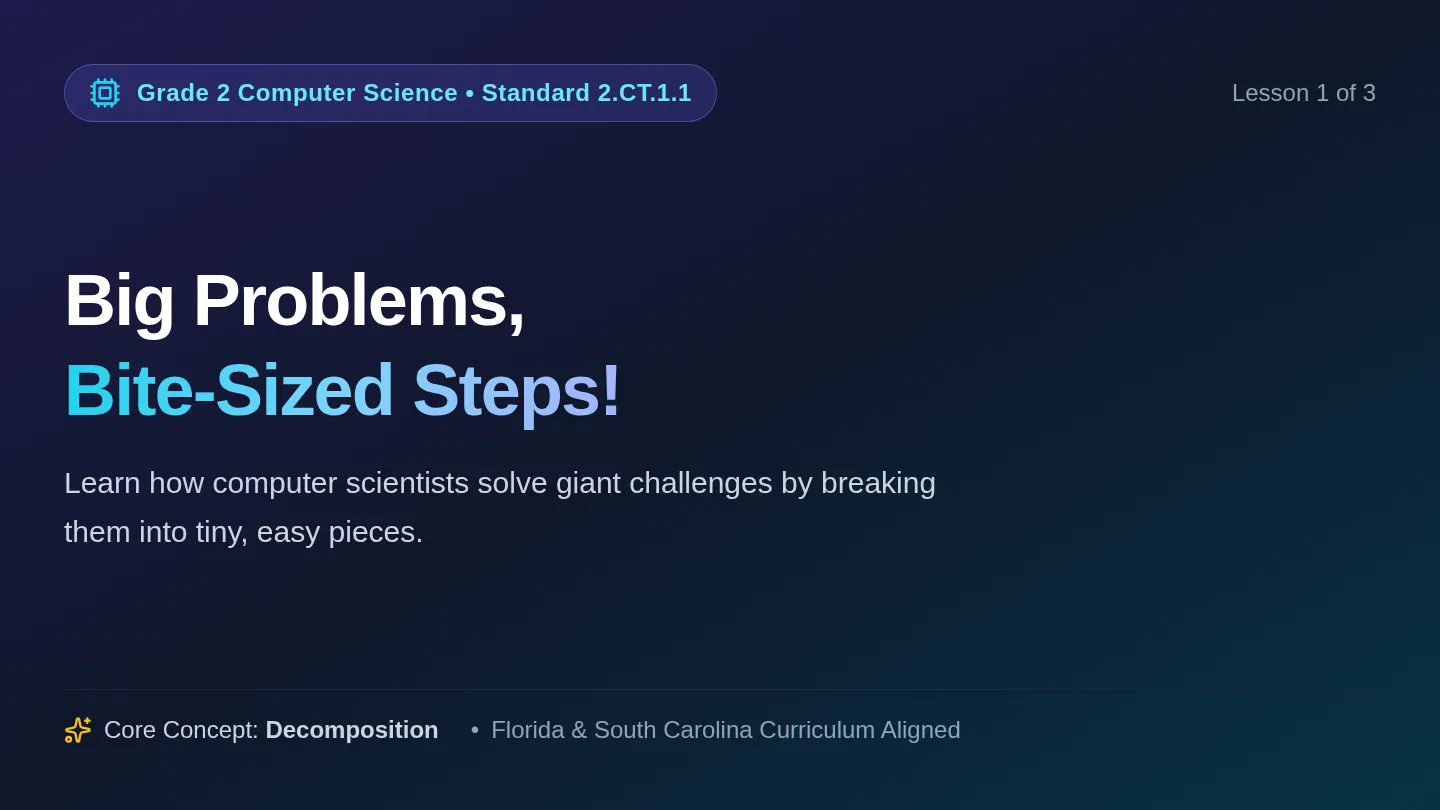
Bite Sized Slides

Task Breakers

A three-day computational thinking unit aligned with Florida (SC.2.CS-CT.1.1) and South Carolina (2.CT.1.1) Computer Science standards. Students master decomposition by breaking complex everyday tasks, narrative structures, and digital algorithms into small, manageable sub-problems.

Lenny Avatar
Lenny
9
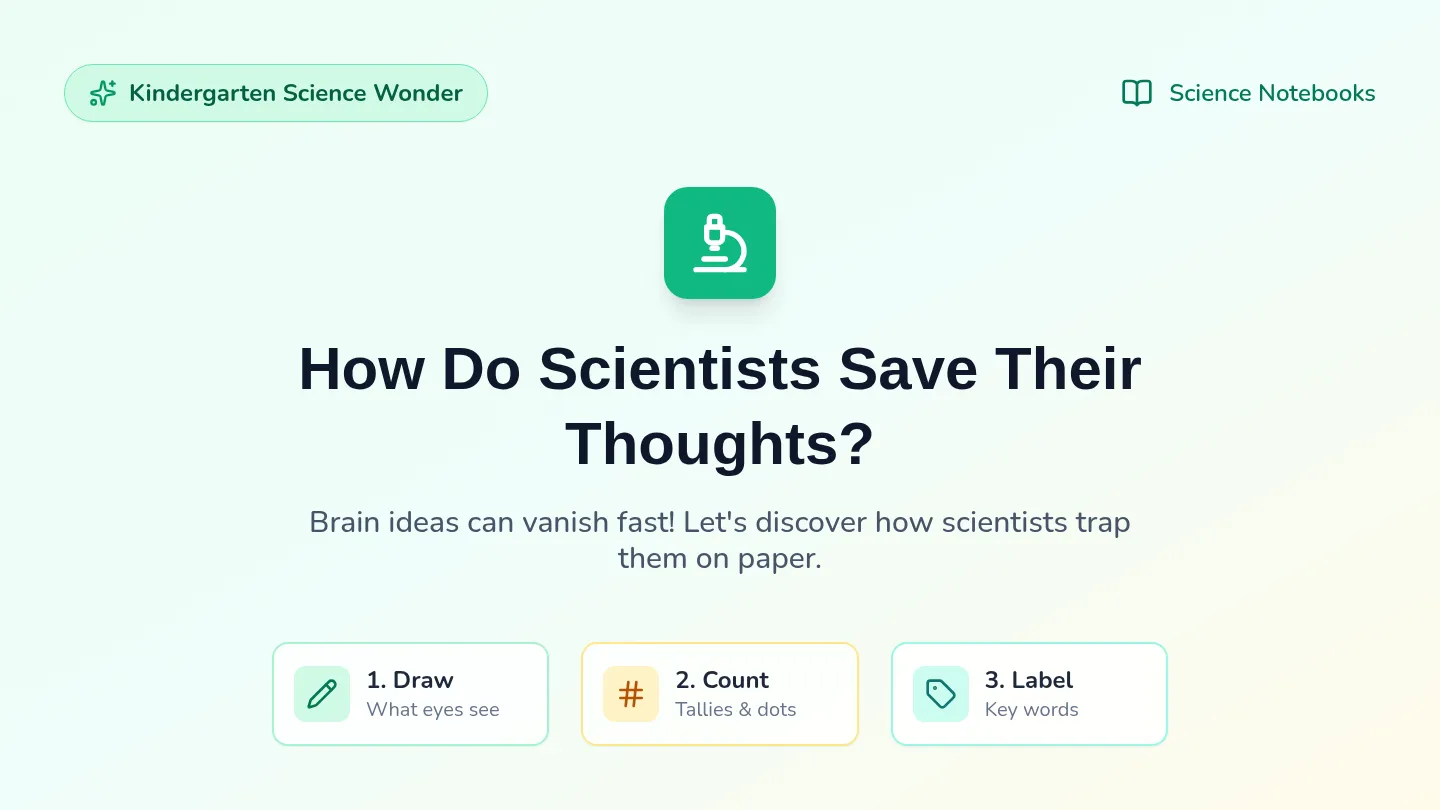
Scientist Clues Slides

Little Science Thinkers

A fun and simple kindergarten introduction to how scientists record their observations and ideas using drawings, labels, and numbers. Students explore real ways scientists keep notes and practice recording a mystery object of their own.

NS

Neelab Sayah

2
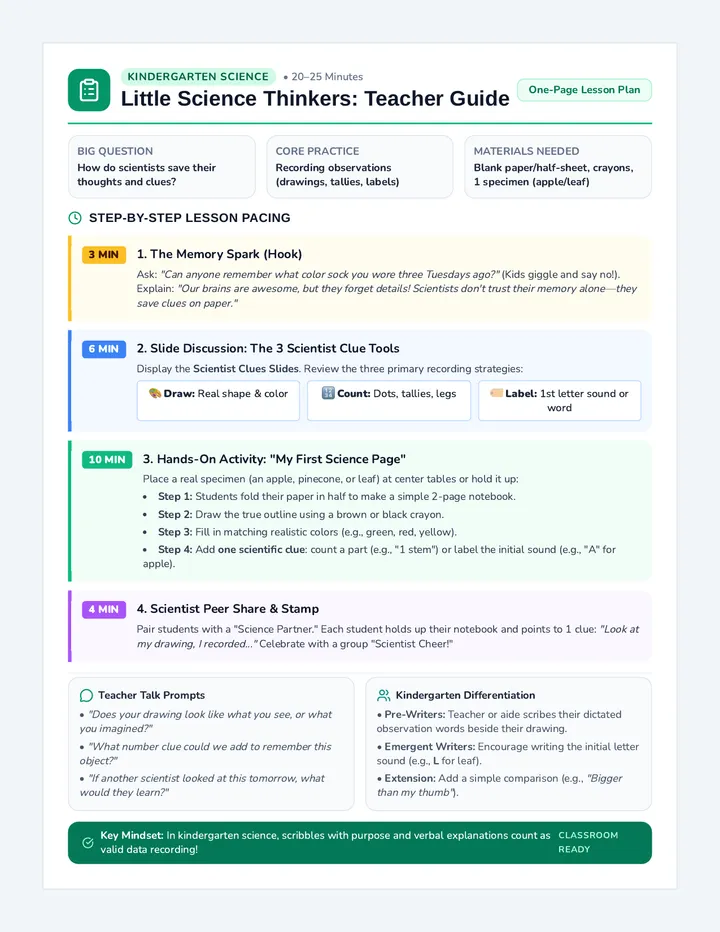
Scientist Clues Teacher Guide

Scientist Clues Teacher Guide

A concise, 1-page teacher guide for a 20-minute kindergarten science lesson. Outlines lesson objectives, materials, quick pacing, guiding prompts, and a hands-on notebooking activity.

NS

Neelab Sayah

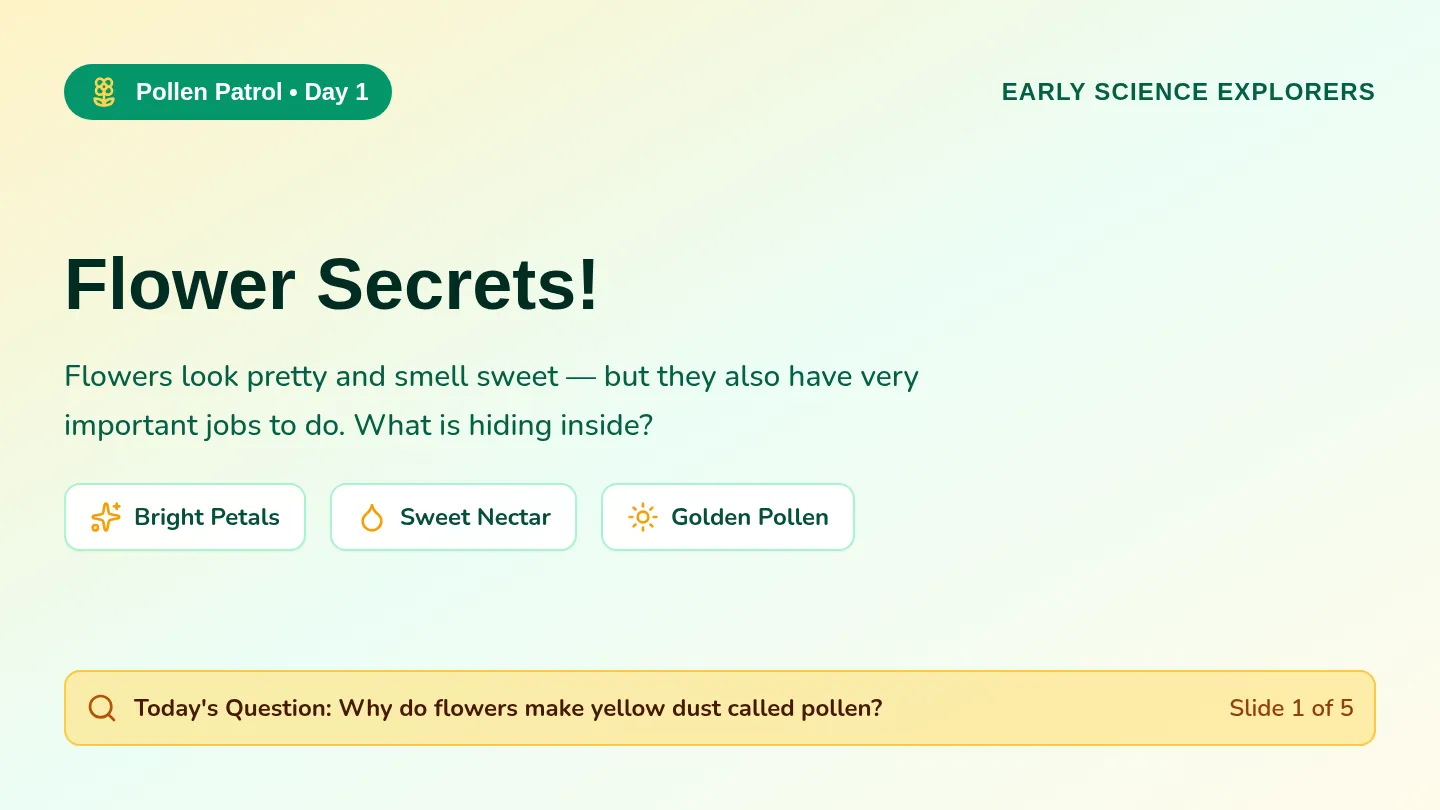
Flower Secrets Slides

Pollen Patrol

A hands-on, three-part early elementary science sequence exploring how flowers, pollinators, and food connect. Students discover flower parts, meet animal helpers, and see how pollination creates seeds and fruits.

Lenny Avatar
Lenny
9
Earth Features Slides

Earth Explorers

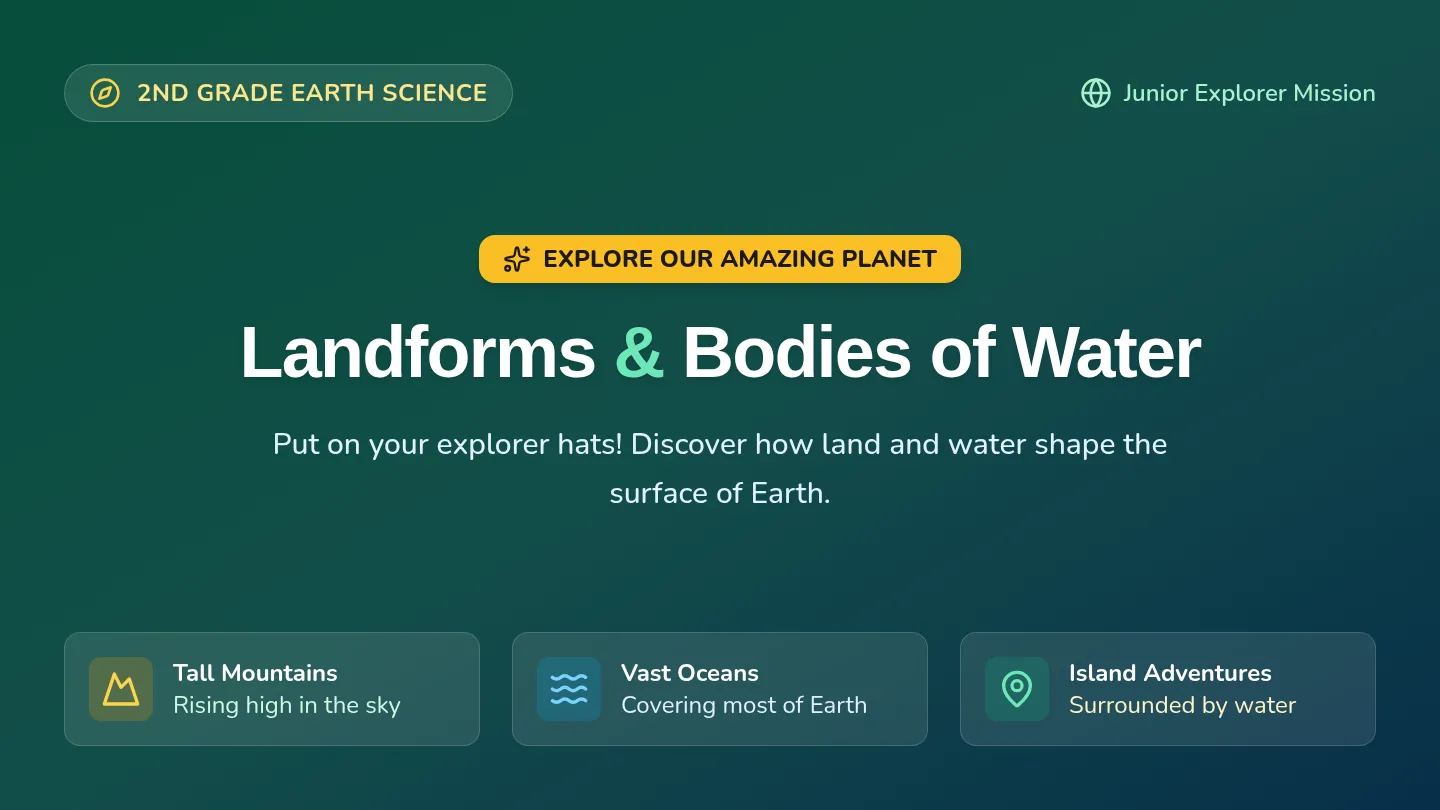
A dynamic 2nd-grade earth science lesson introducing essential landforms and bodies of water through vibrant visuals and hands-on identification activities.

EG

Elva Garcia

3
Scientist Clues Slides

Scientist Clues Slides

A 5-slide visual presentation for kindergarteners explaining how scientists capture their observations using drawings, numbers, and labels. Features large text, bright colors, and kindergarten-friendly examples.

NS

Neelab Sayah

Regrouping Rescue Worksheet

STEM Explorers

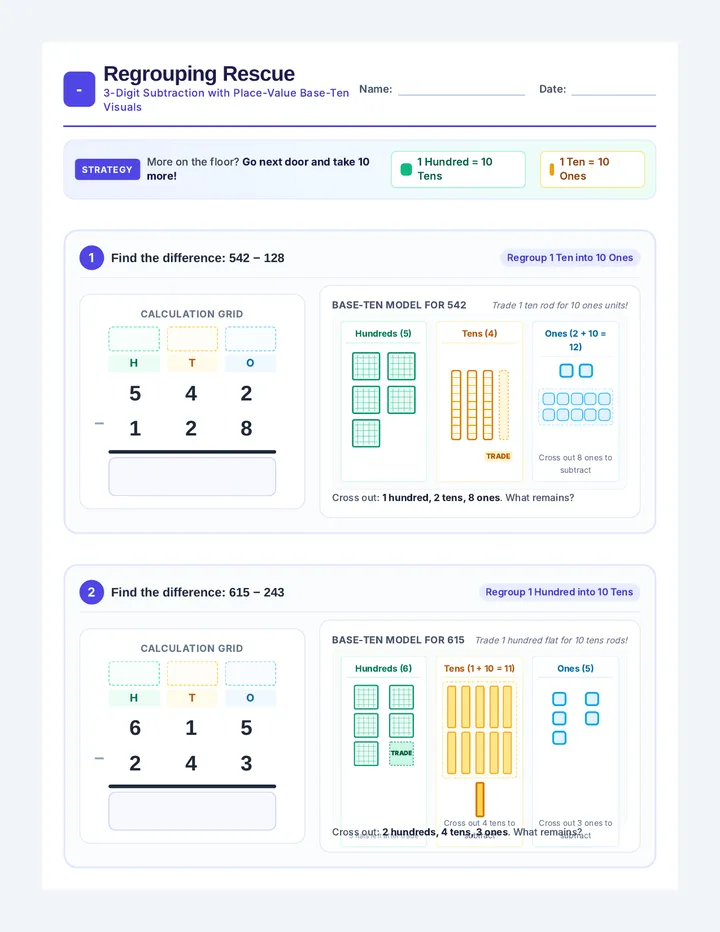
An elementary STEM learning sequence integrating mathematical calculation skills with scientific inquiry and engineering design concepts.

B

Bhoovaragavaswamym

4
Weather Detective Chart

Weather Detectives

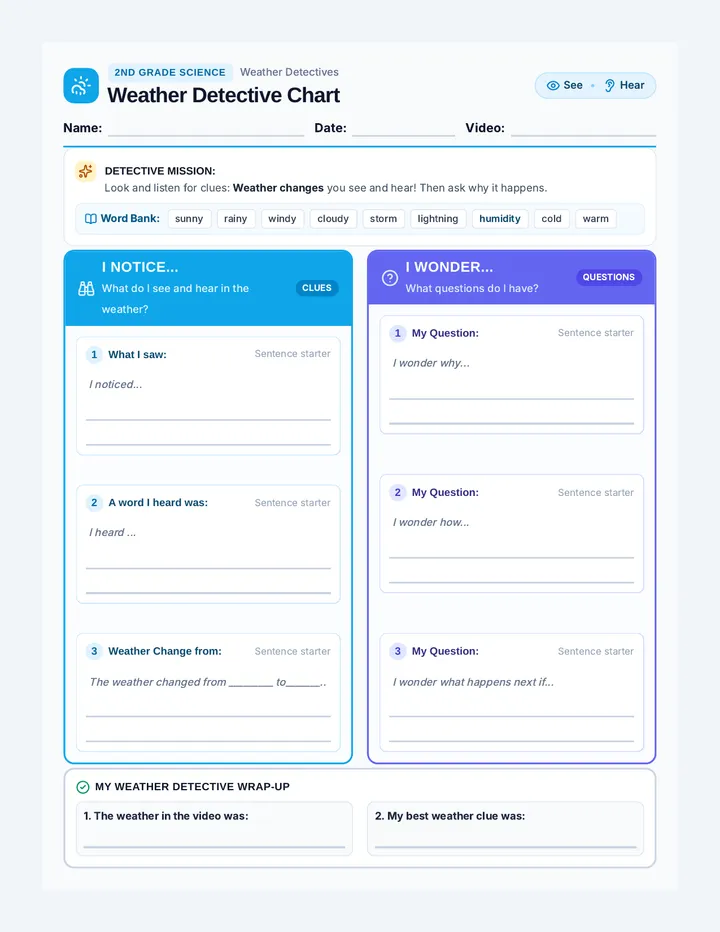
Students explore atmospheric conditions, observe weather patterns and changes, and record daily meteorological data using investigative logs and charts.

EG

Elissa Garcia

3
Crunchy Trail Picture Book

Crunchy Trail Picture Book

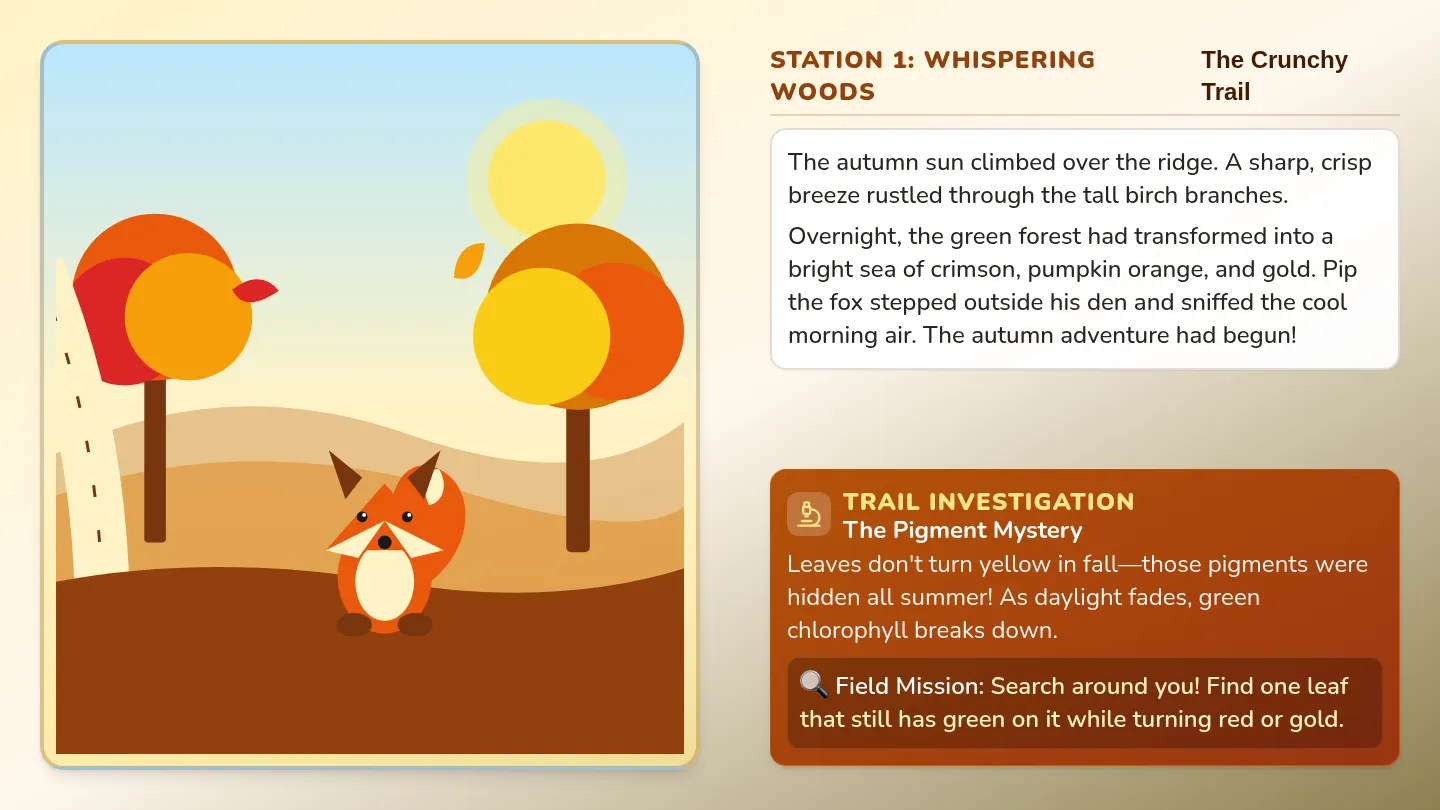
An interactive 10-page autumn picture book in 16:9 landscape format designed for an 8-year-old Literacy Night story walk. Features engaging 2nd grade text, large side-by-side woodland illustrations, and smart science and nature challenges.

BP

Beth Phillips

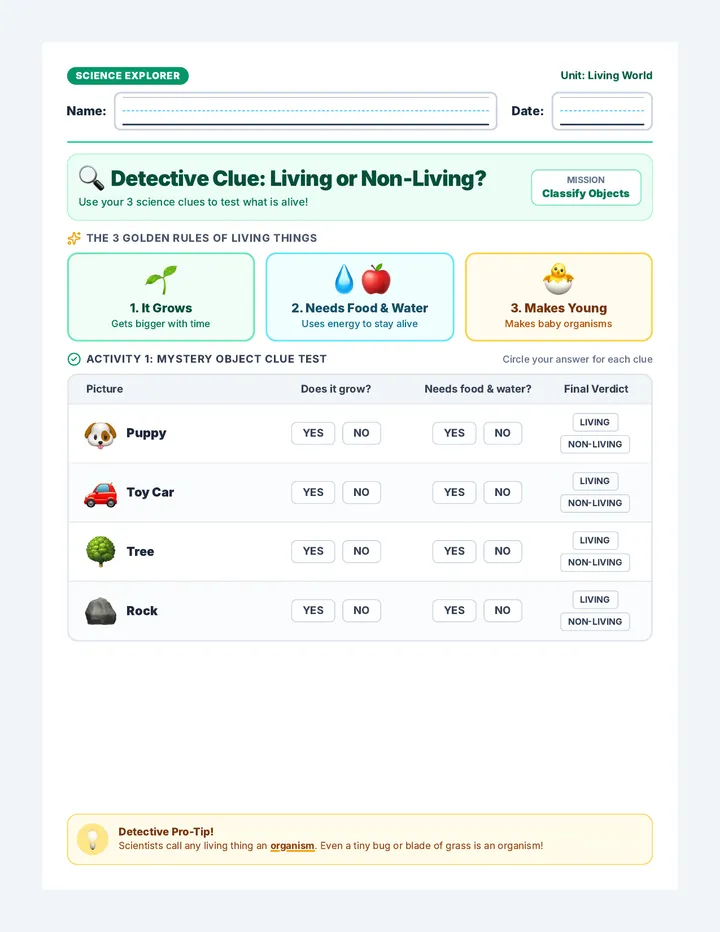
Living Secrets Activity Sheet

Creature Detectives

A high-engagement, hands-on science sequence exploring the natural world through classification, distinguishing living from non-living things and discovering animal traits. Designed with visual supports, accessible text, and playful sorting activities tailored for diverse learners.

EB

Emily Brown

7
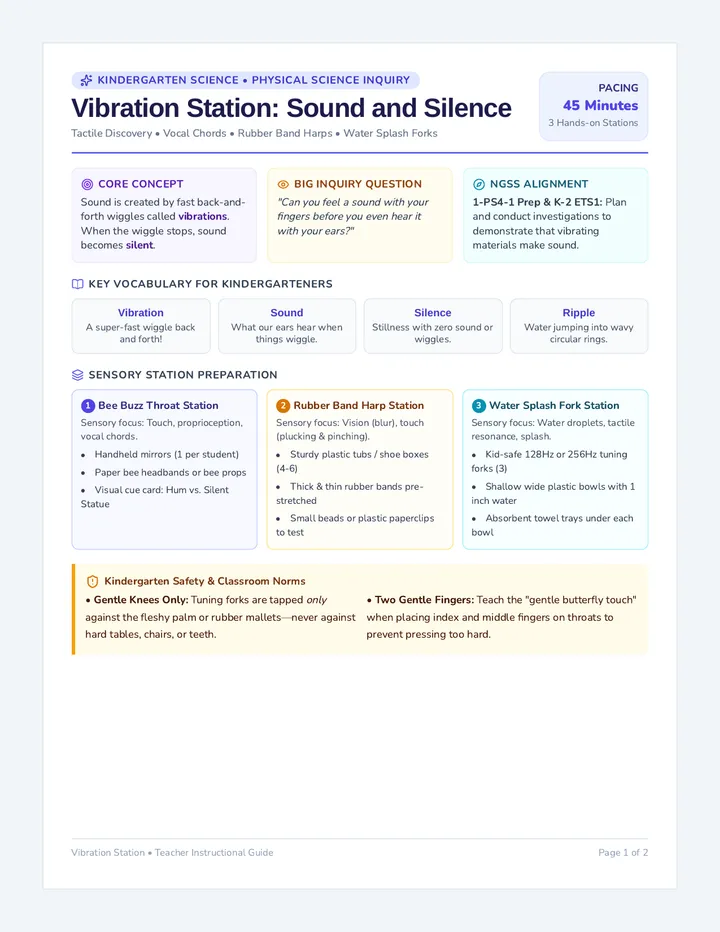
Vibration Station Lesson Plan

Vibration Station

A hands-on kindergarten science inquiry lesson where students explore sound creation and silence by feeling vocal vibrations, plucking rubber bands, and watching tuning forks create water ripples.

KS

Kim Smythe

4
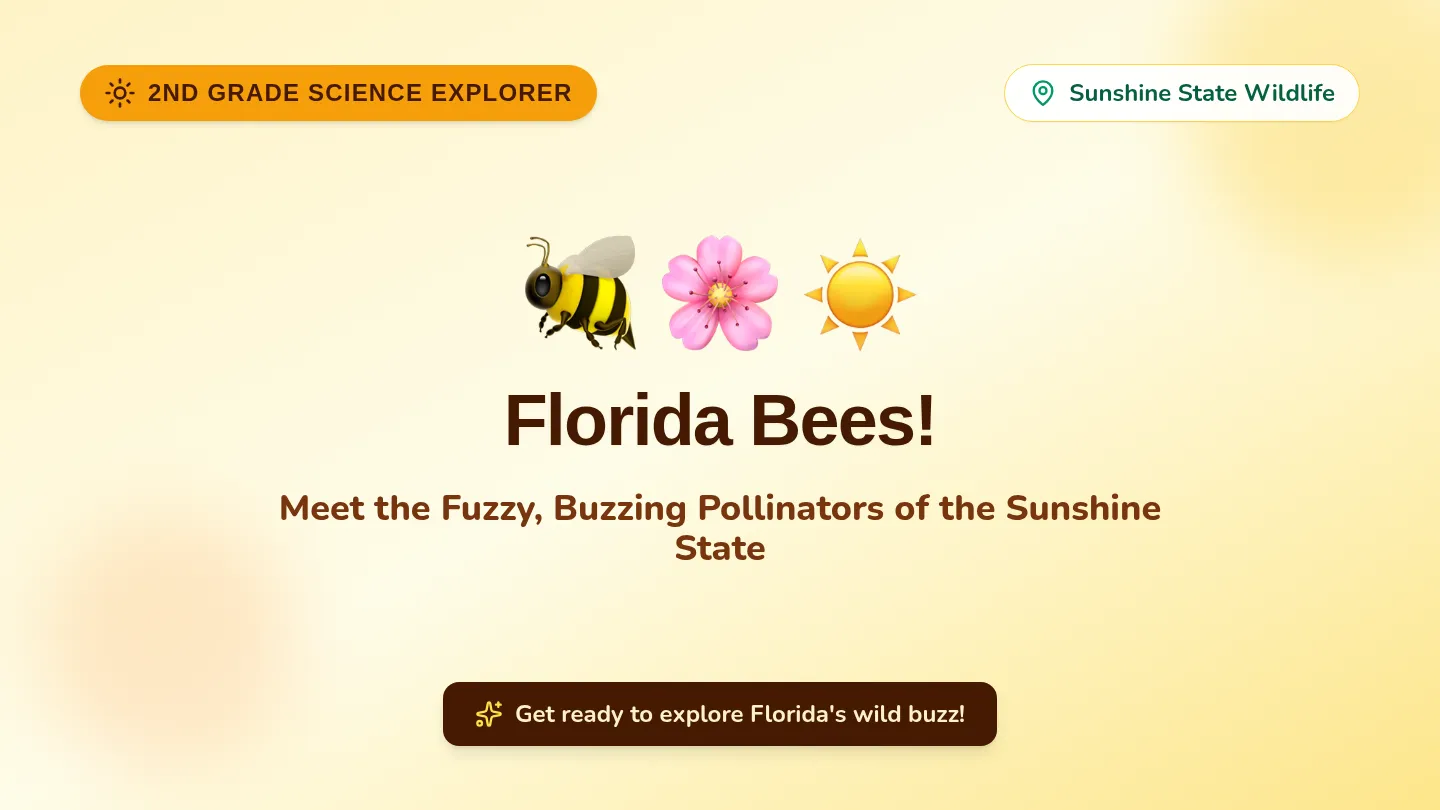
Florida Bees Slides

Florida Bees Slides

An engaging 10-slide science presentation for 2nd graders exploring Florida's diverse native bees, honeybees, pollination superpowers, unique nesting habitats, and conservation tips. Designed with vibrant sunshine colors, large readable typography, and interactive quiz elements tailored for young learners.

AI

Allison Ingraham