A physical science lesson where students use their bodies to model wave properties like amplitude and frequency, exploring the concept of a medium and energy transport.
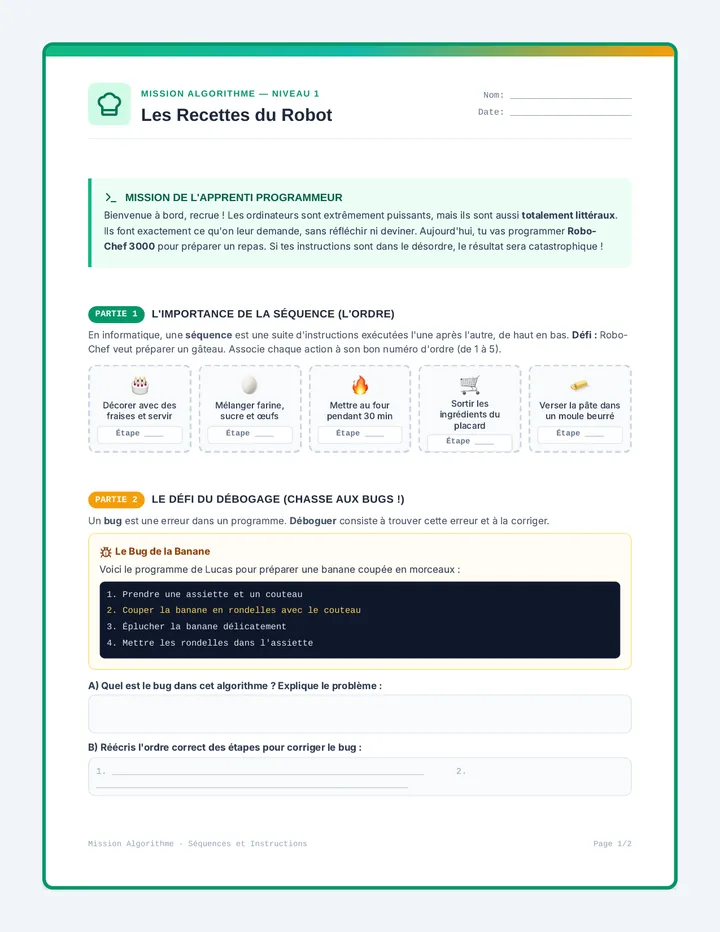
Une séquence d'initiation à l'algorithmique sans code pour débutants absolus. À travers des métaphores concrètes, les apprenants découvrent les trois piliers de la programmation : les séquences d'instructions, les conditions et les boucles.
A comprehensive 5th-grade science lesson on food chains, exploring how energy flows from the sun to producers, consumers, and decomposers. Features visual scaffolds, guided notes, and an interactive card-sorting activity.
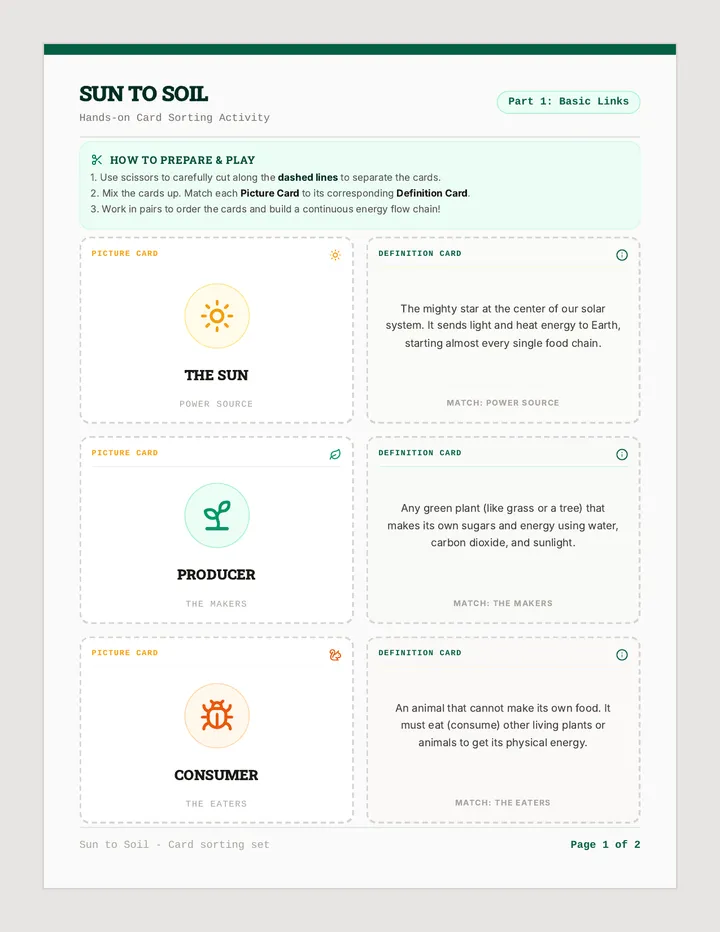
A 2-page hands-on sorting activity featuring 12 beautifully illustrated cutout cards. Includes 6 picture cards and 6 matching simple definition cards for key terms (Sun, Producer, Consumer, Herbivore, Carnivore, Decomposer). Perfect for kinetic matching and chain building.
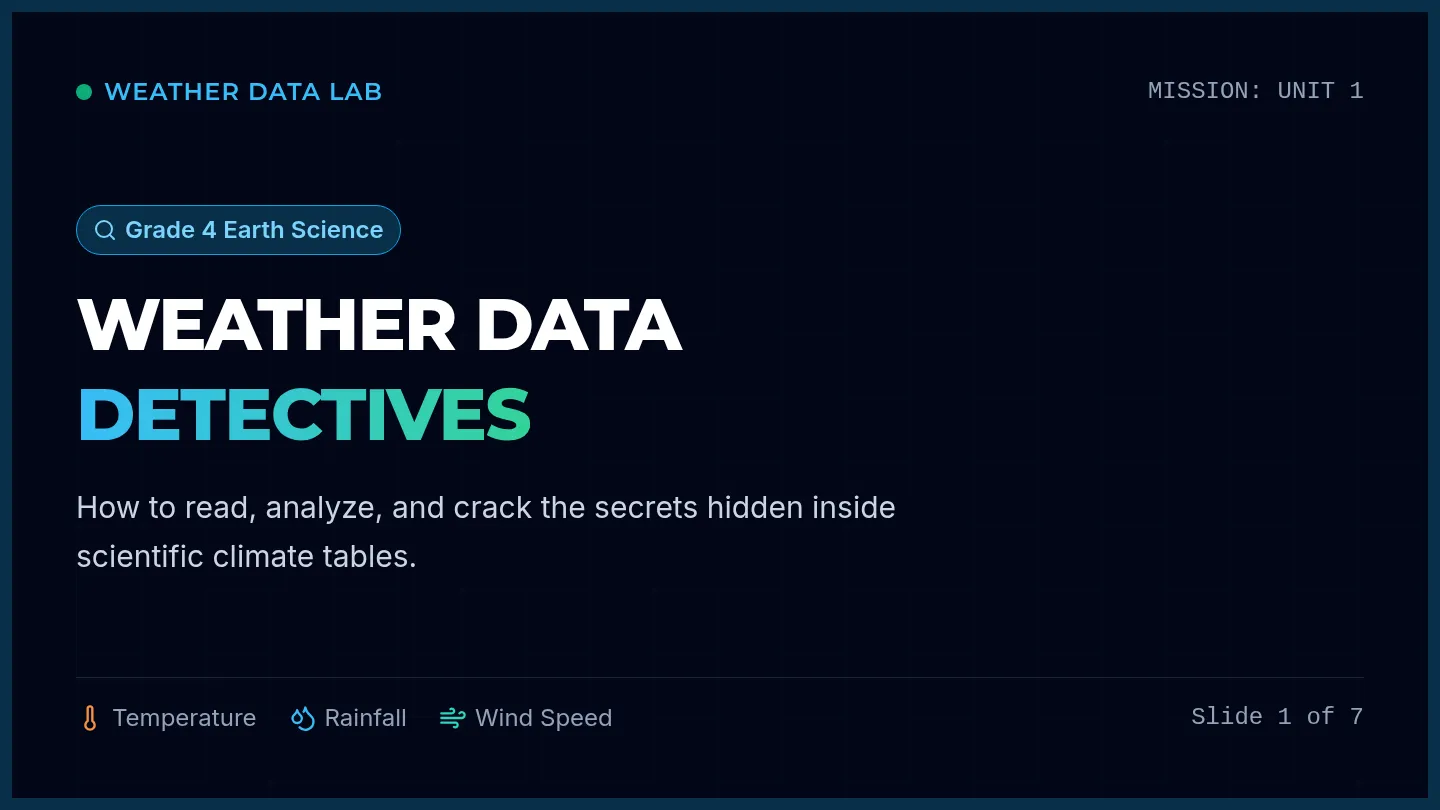
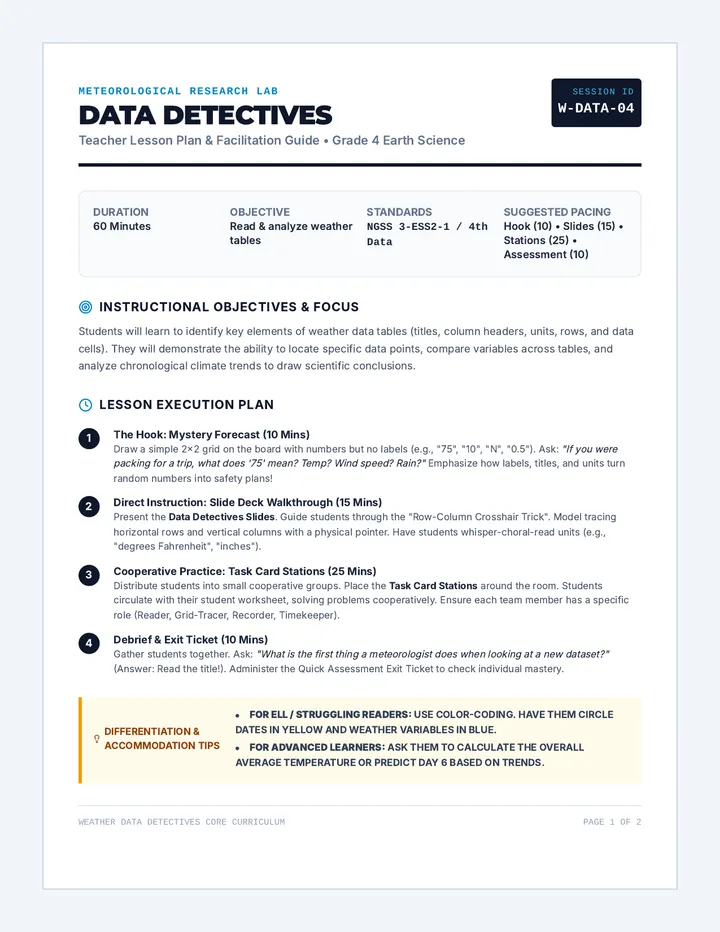
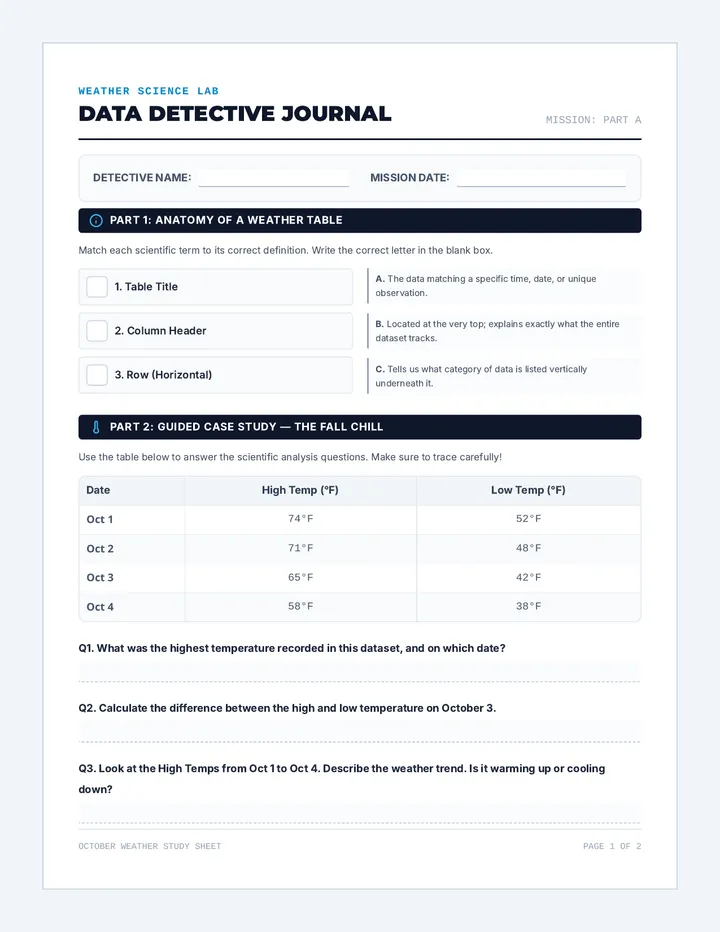
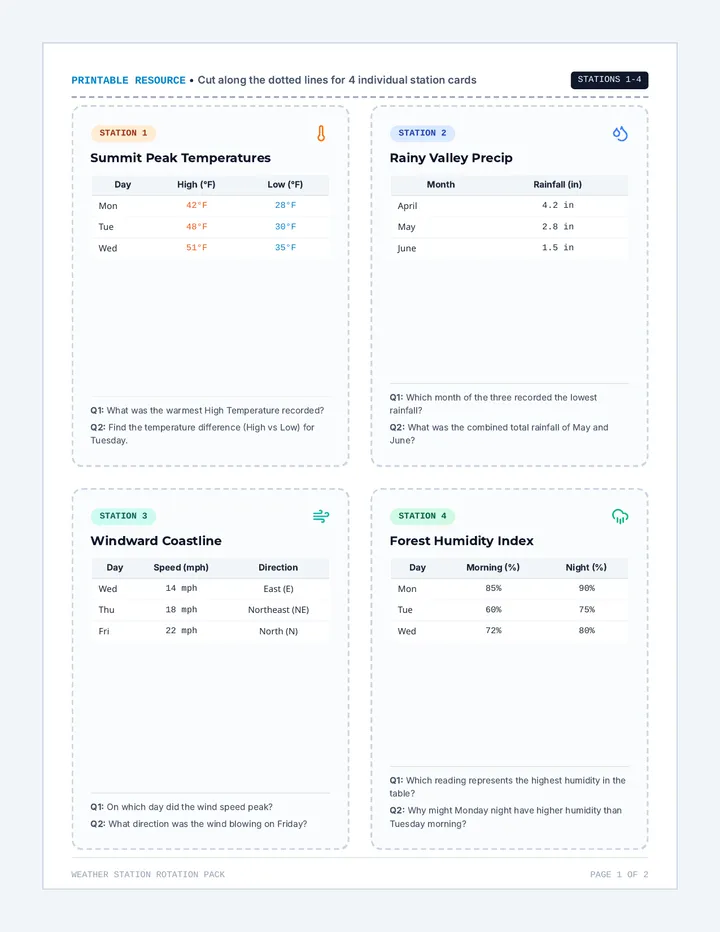
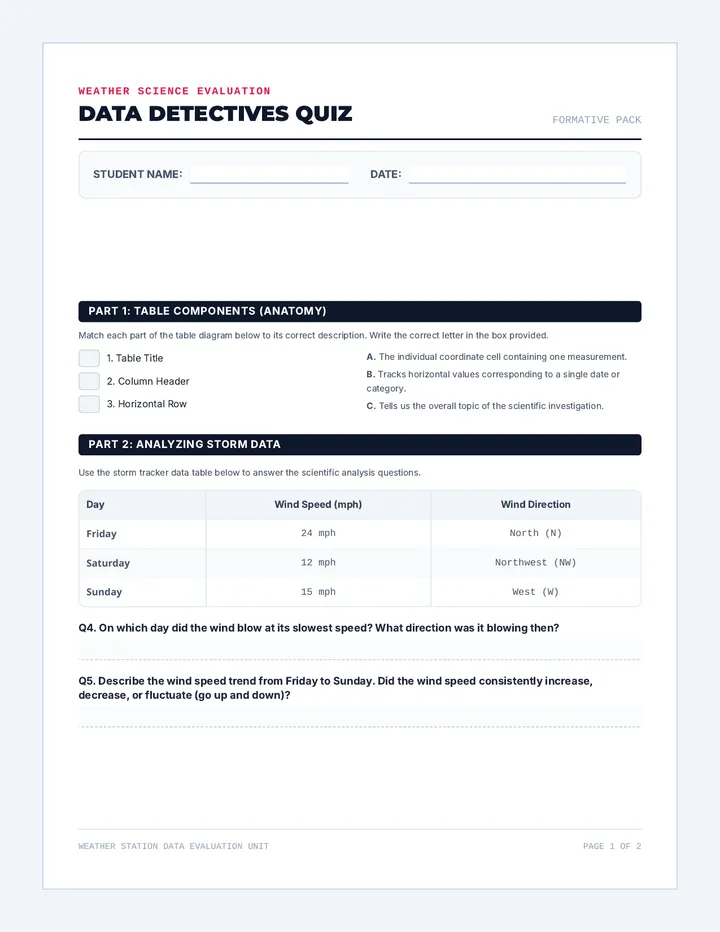
A hands-on 4th-grade science sequence exploring energy transfer, thermal design, and data-driven climate analysis through weather tracking and solar oven engineering.
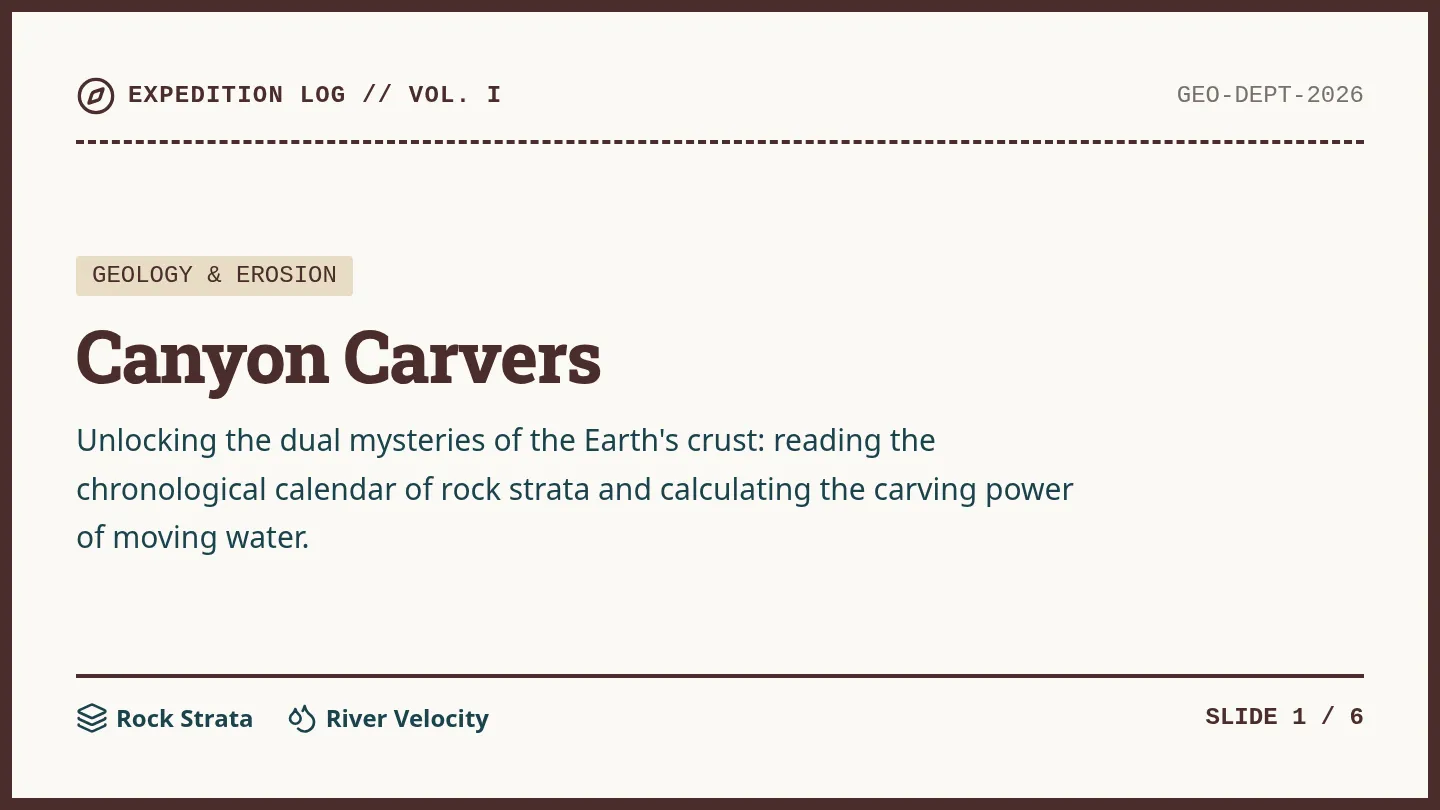
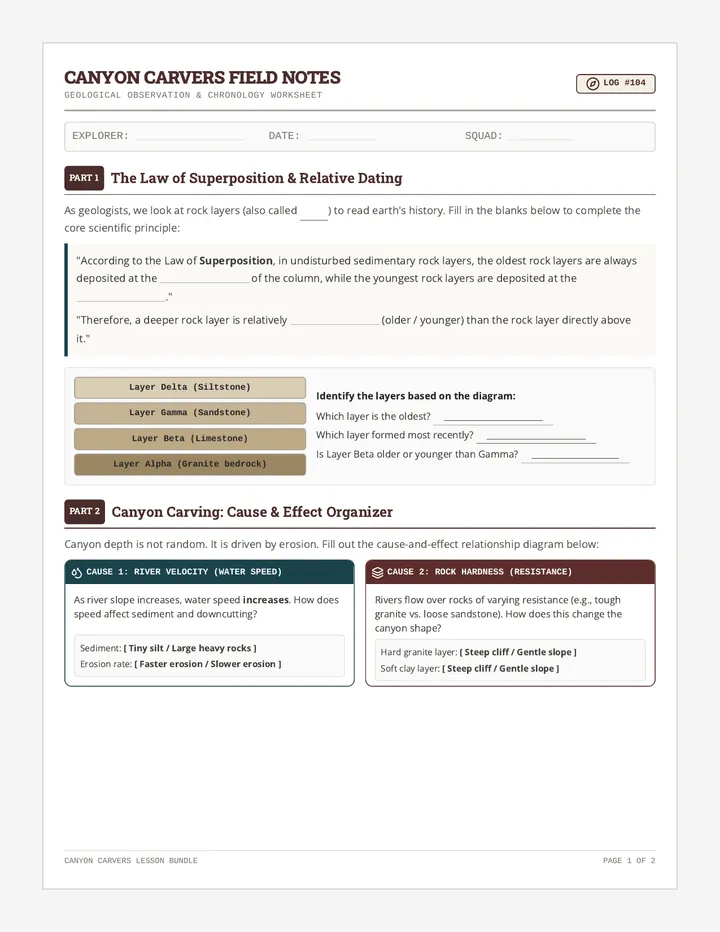
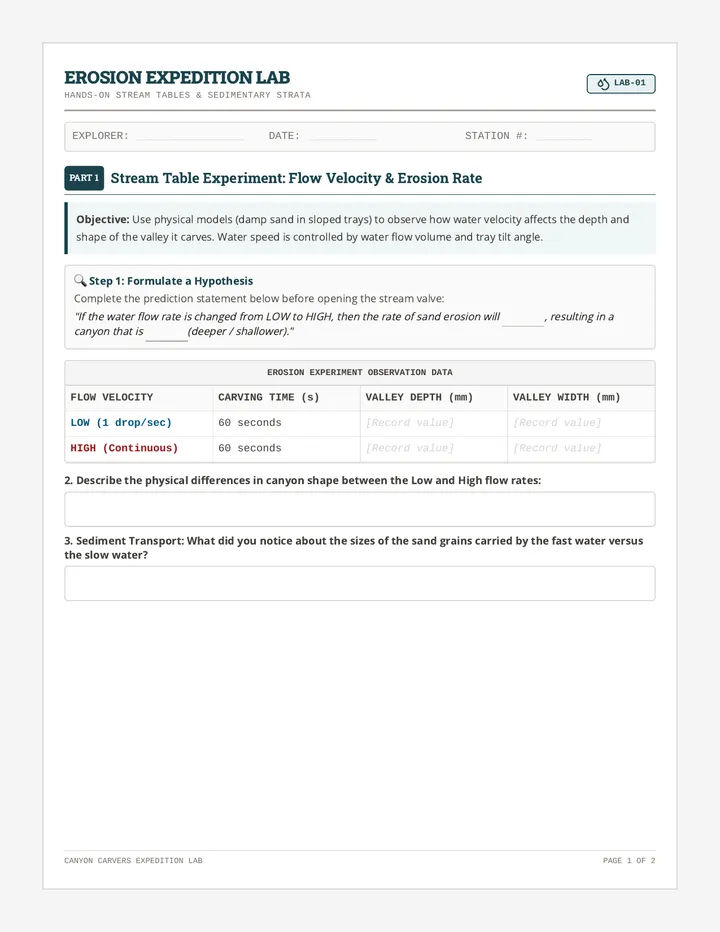
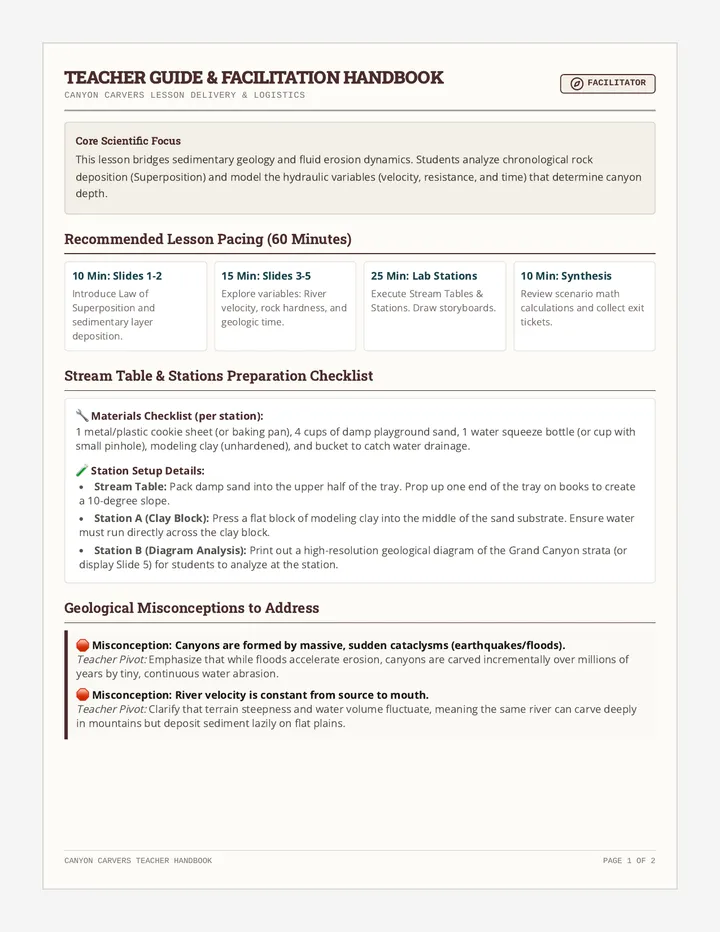
A comprehensive lesson exploring how relative dating determines rock layer age and how river velocity, rock hardness, and time interact to carve valleys of varying depths.
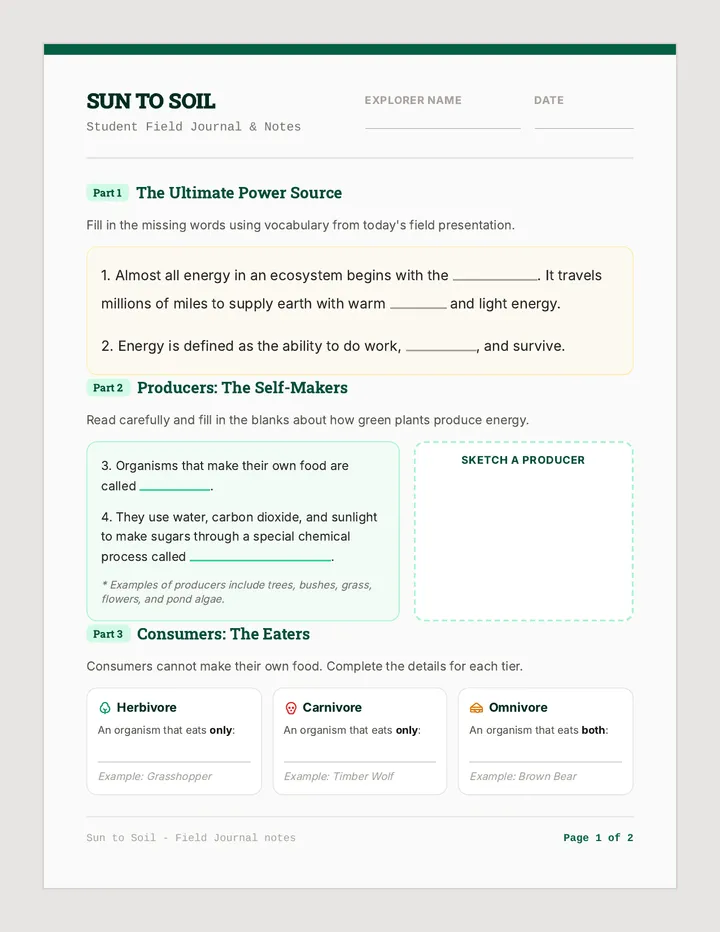
A highly structured, 2-page print-ready student guided notes booklet. Features clear fill-in-the-blank sentences, classified definition blocks, visual check boxes, and a dedicated drawing workspace for students to construct their own food chain.
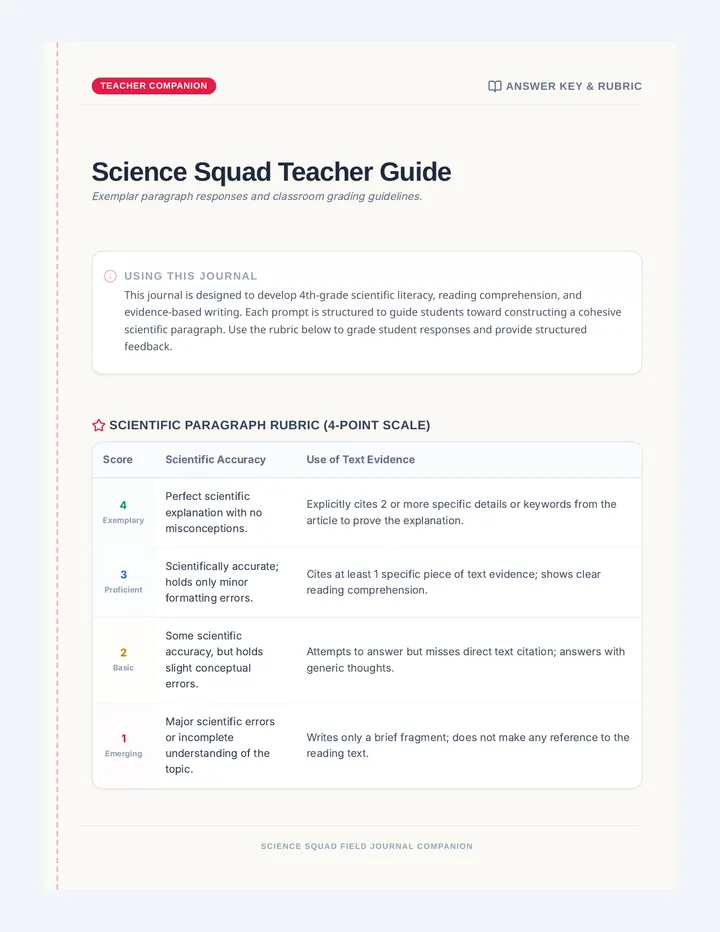
A multi-grade collection of scientific reading comprehension and response booklets designed to build disciplinary literacy in Earth, Life, and Physical sciences across elementary and middle school levels.
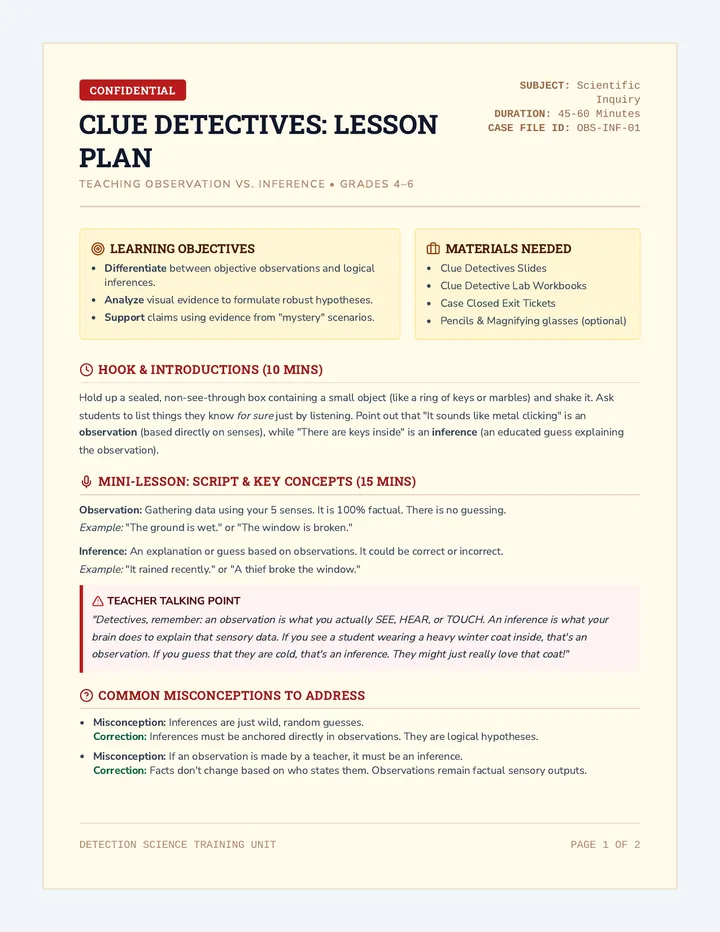
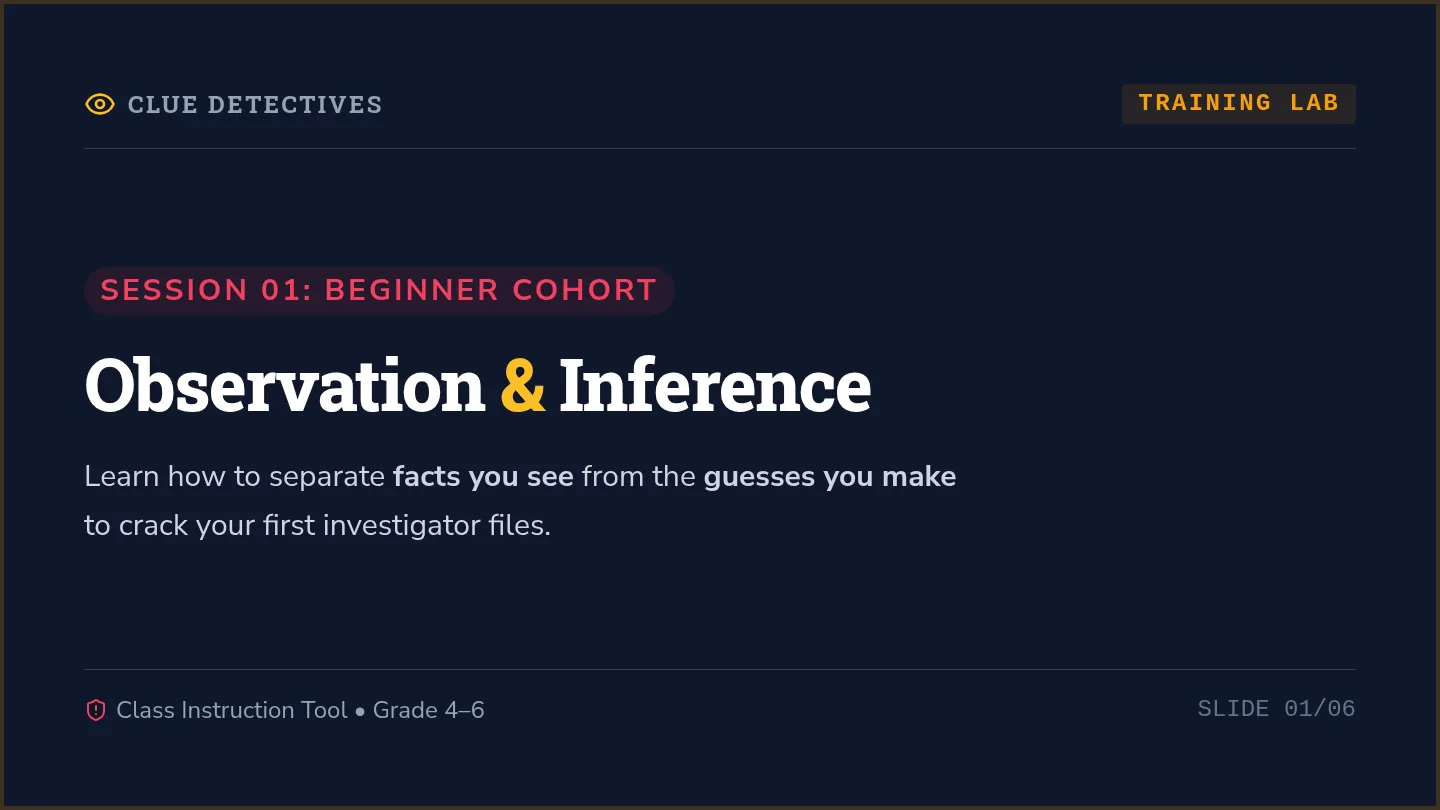
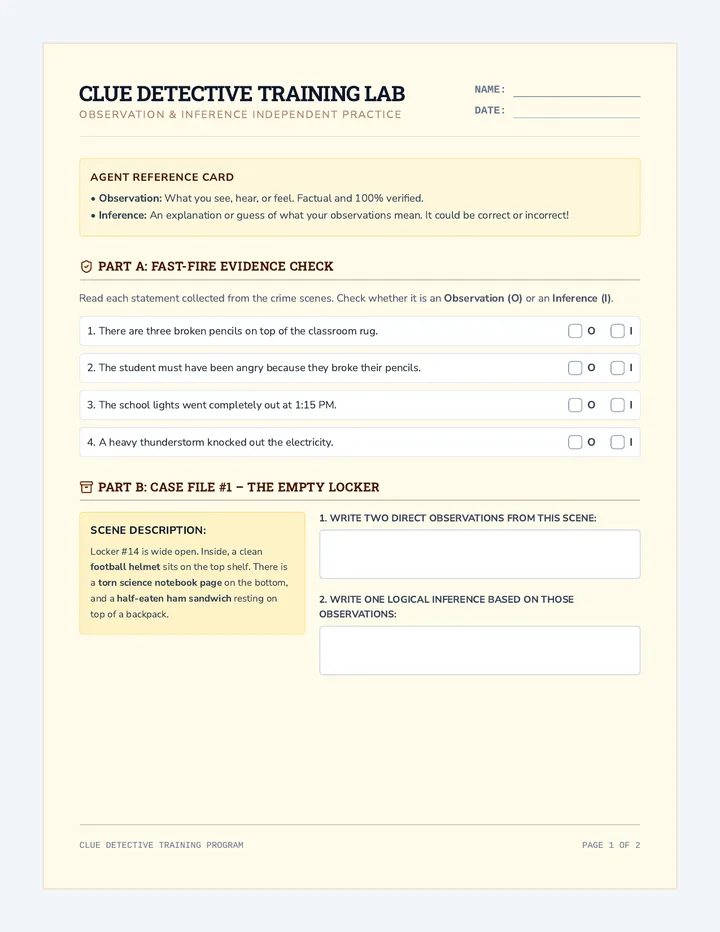
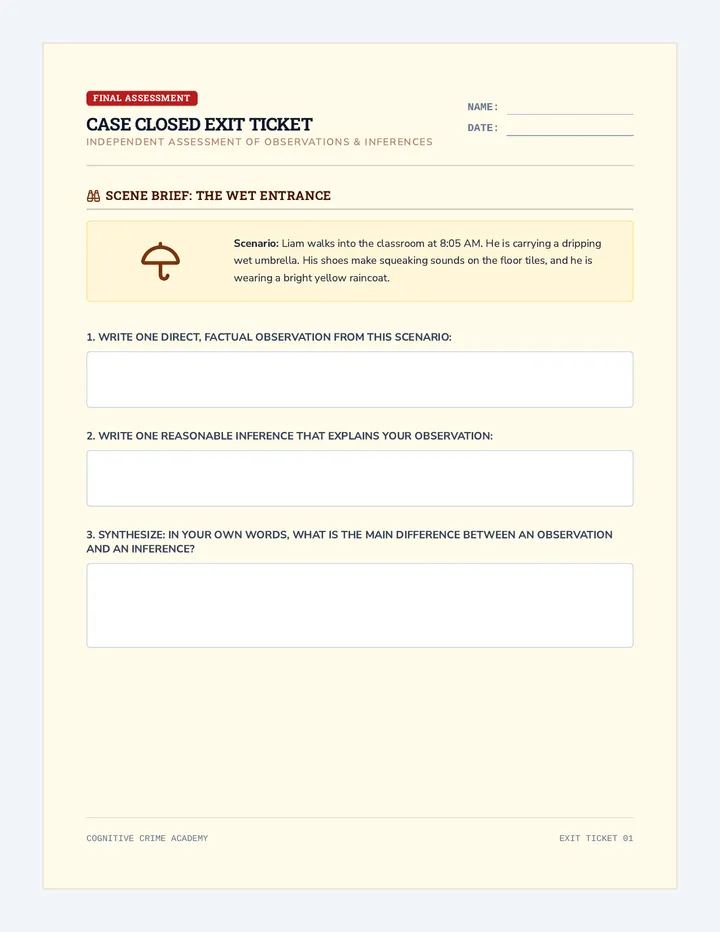
An immersive lesson where students learn to distinguish between direct observations and logical inferences. Using everyday mystery scenarios, students practice analyzing visual evidence and building evidence-based arguments.
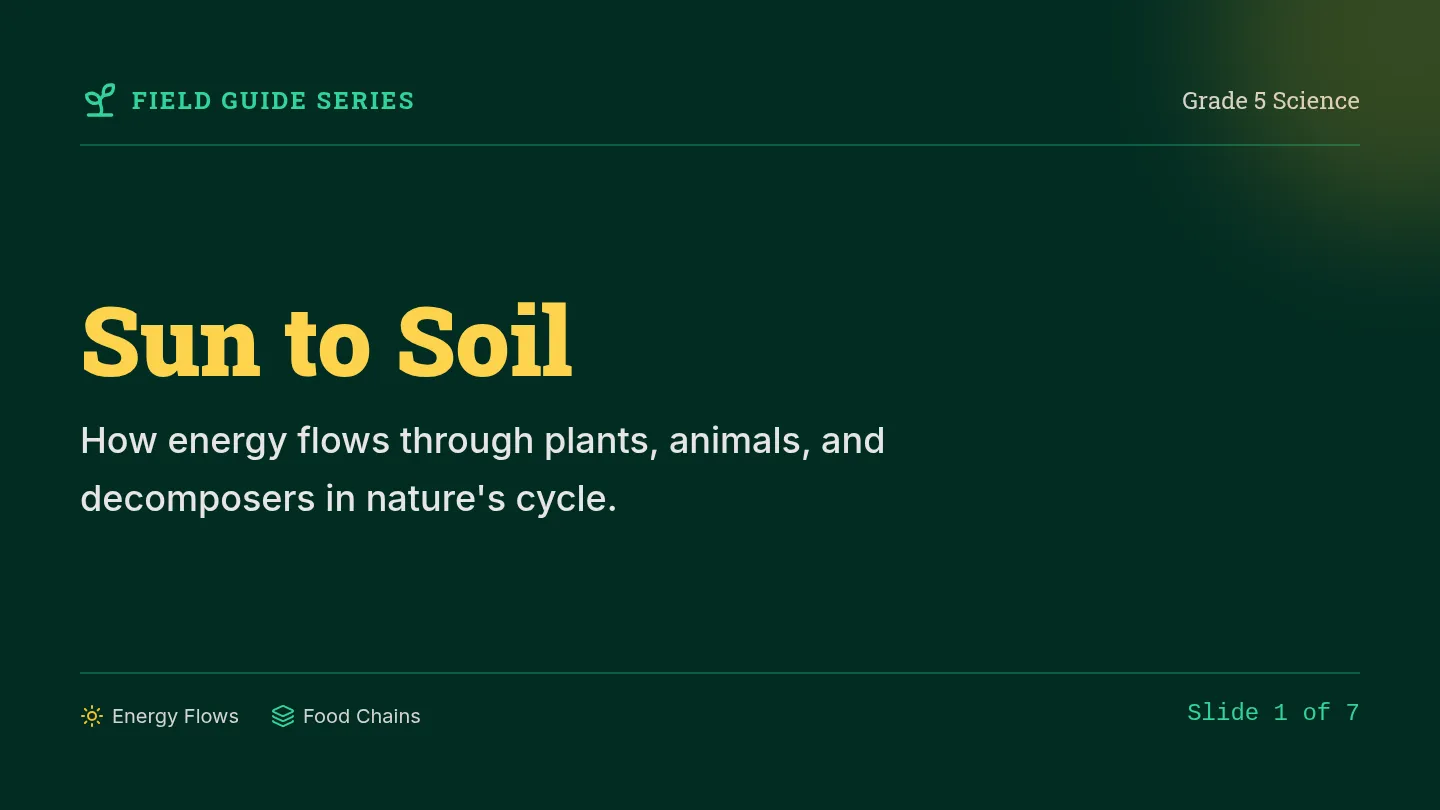
A beautifully styled 7-slide presentation introducing food chains, producers, consumers, and decomposers. Features warm naturalist-journal styling, clear visuals, simplified vocabulary, and large accessible fonts (minimum 24px) for 5th-grade students.
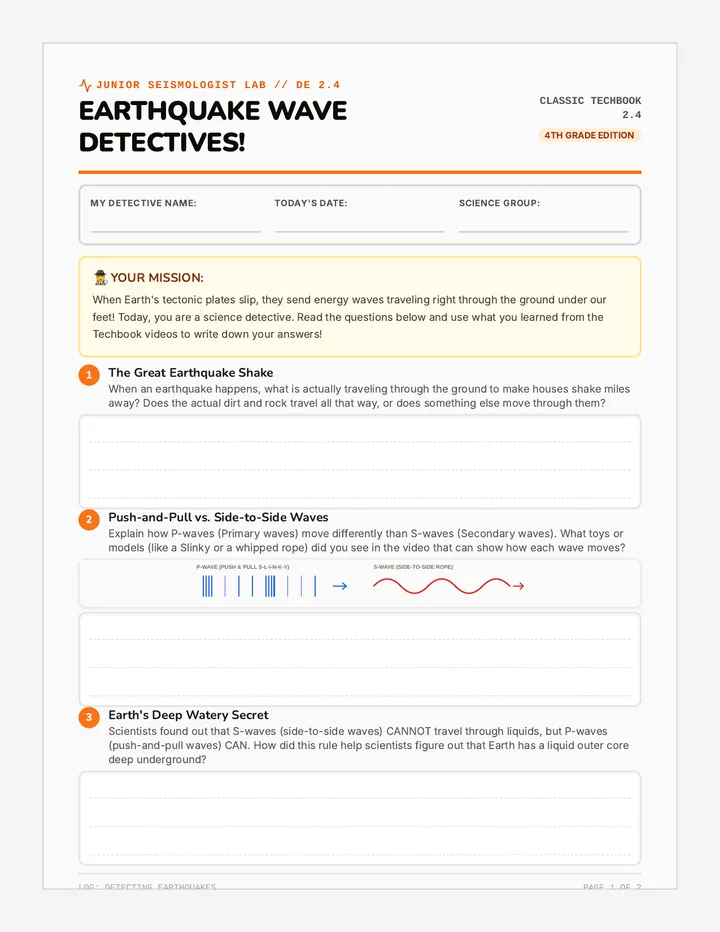
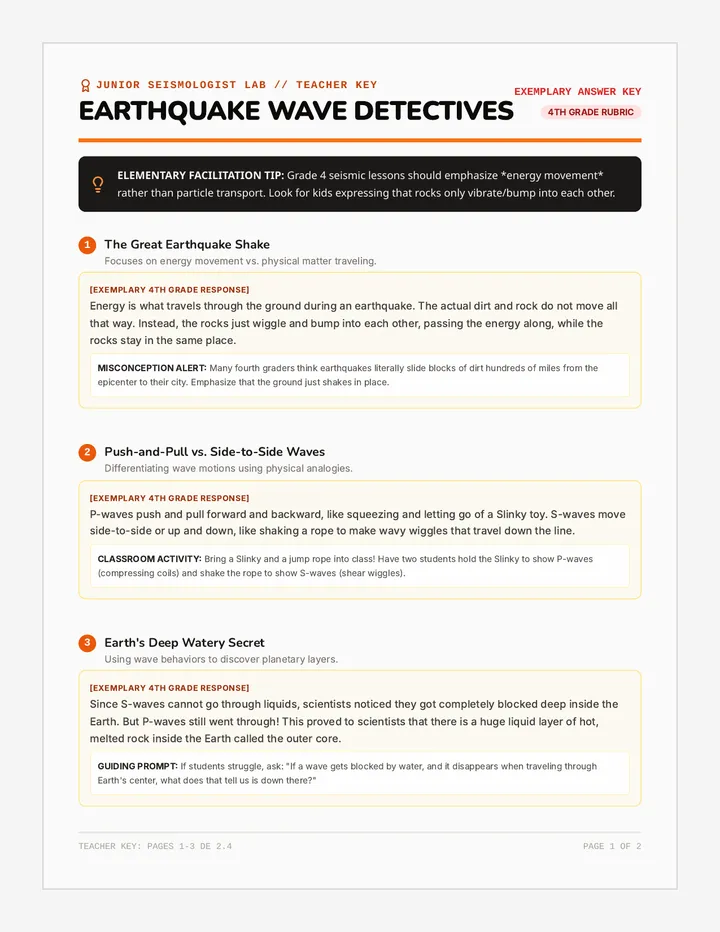
An earth and space science curriculum unit covering dynamic earth processes, earthquake wave mechanics, atmospheric pressure systems, and weather prediction techniques.
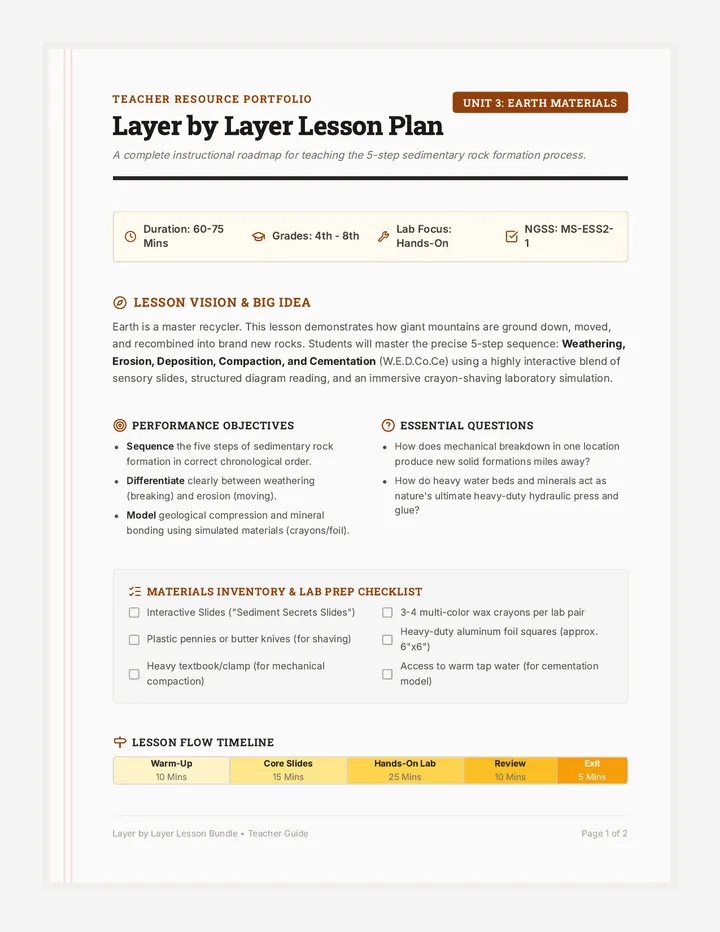
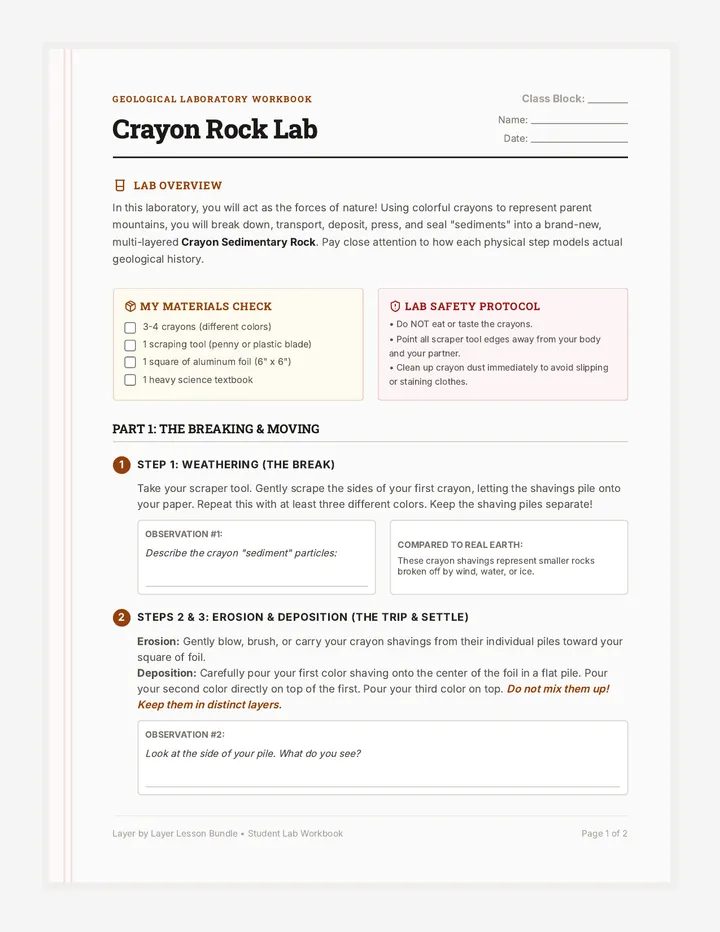
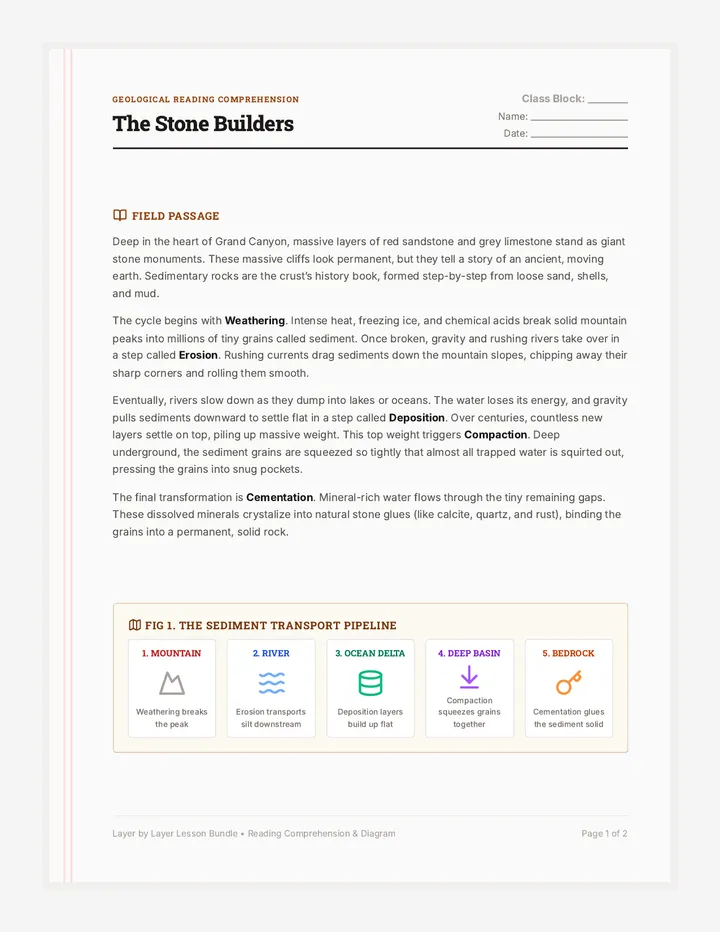
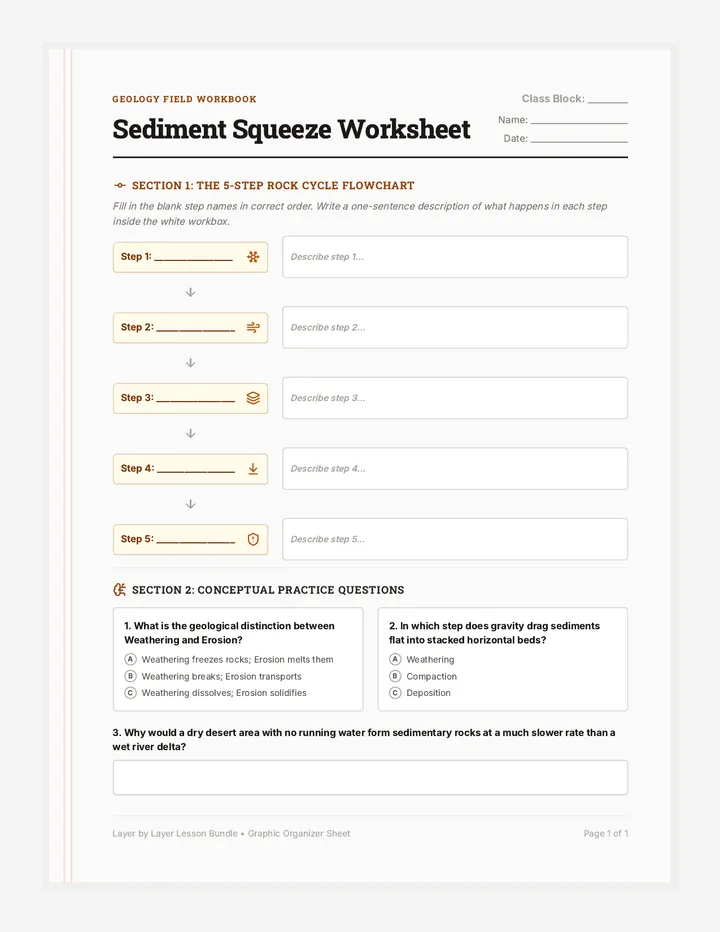
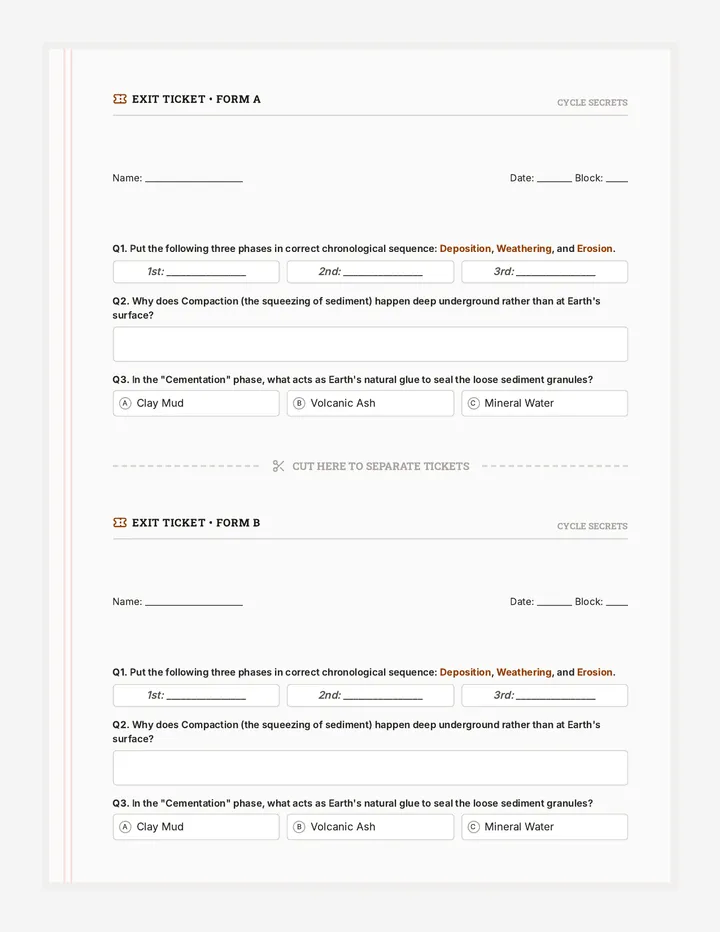
A comprehensive lesson exploring the 5-step sedimentary rock formation process (Weathering, Erosion, Deposition, Compaction, and Cementation). Includes an instructional slide deck, a detailed teacher guide, a crayon-modeling hands-on lab, an interactive diagram worksheet, and an exit ticket.
A 2-page printable teacher guide containing lesson plans, physical stream table setup instructions, common geological misconceptions, pacing recommendations, and a complete answer key for the math scenarios and exit tickets.