A physics lesson exploring contact and non-contact forces, as well as balanced and unbalanced forces, through the engaging real-world scenario of a gymnastics trampoline bounce.
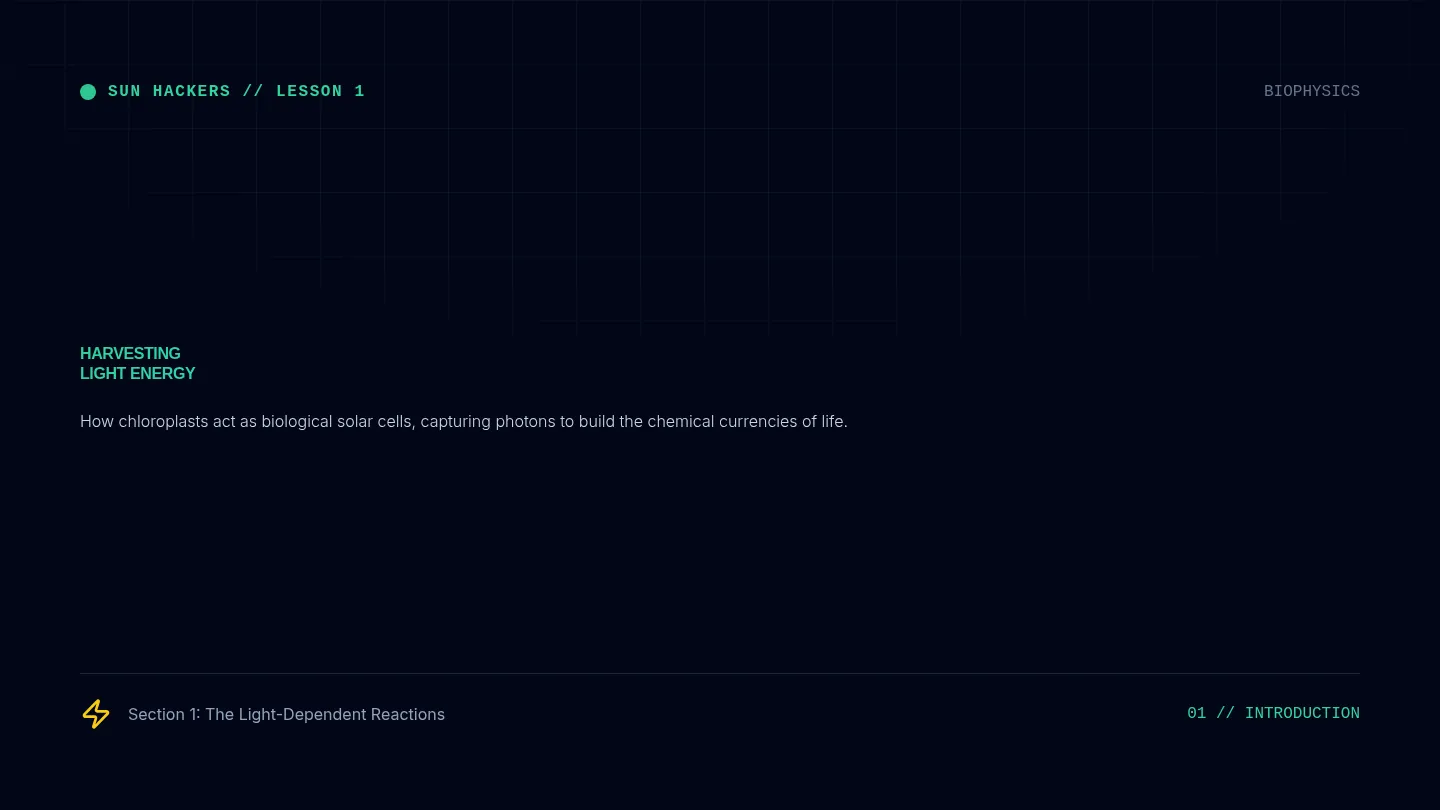
An intensive High School Biology sequence that dives deep into the biophysics and biochemistry of photosynthesis. Students explore the molecular machinery of the light-dependent reactions and the enzymatic steps of the Calvin cycle.
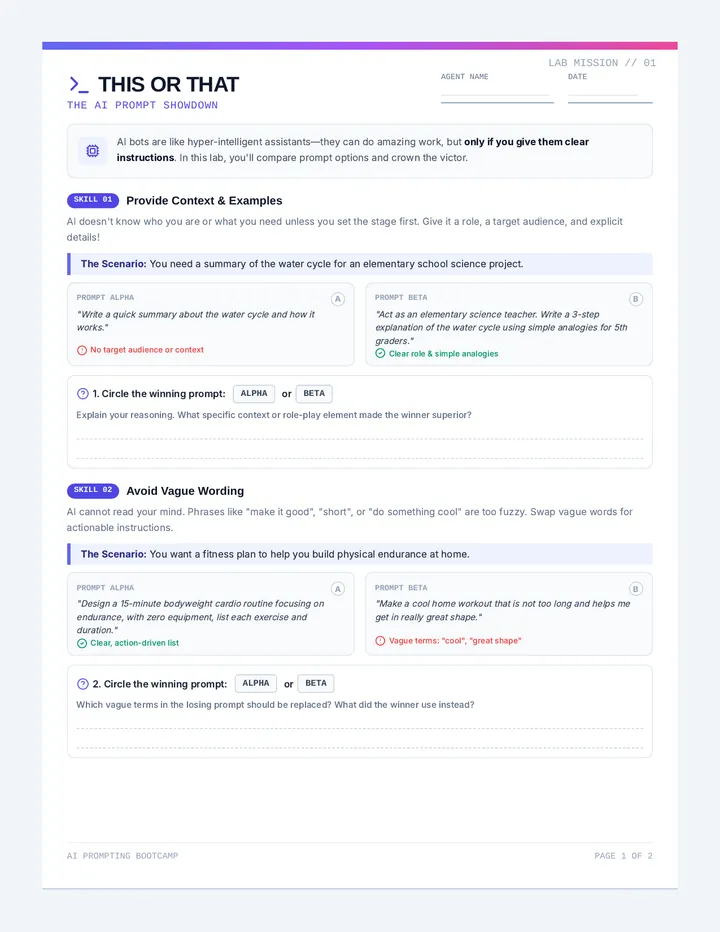
A hands-on lesson teaching students how to craft high-quality AI prompts by comparing exemplars and non-exemplars. Students learn to provide context, eliminate vague language, and set clear constraints.
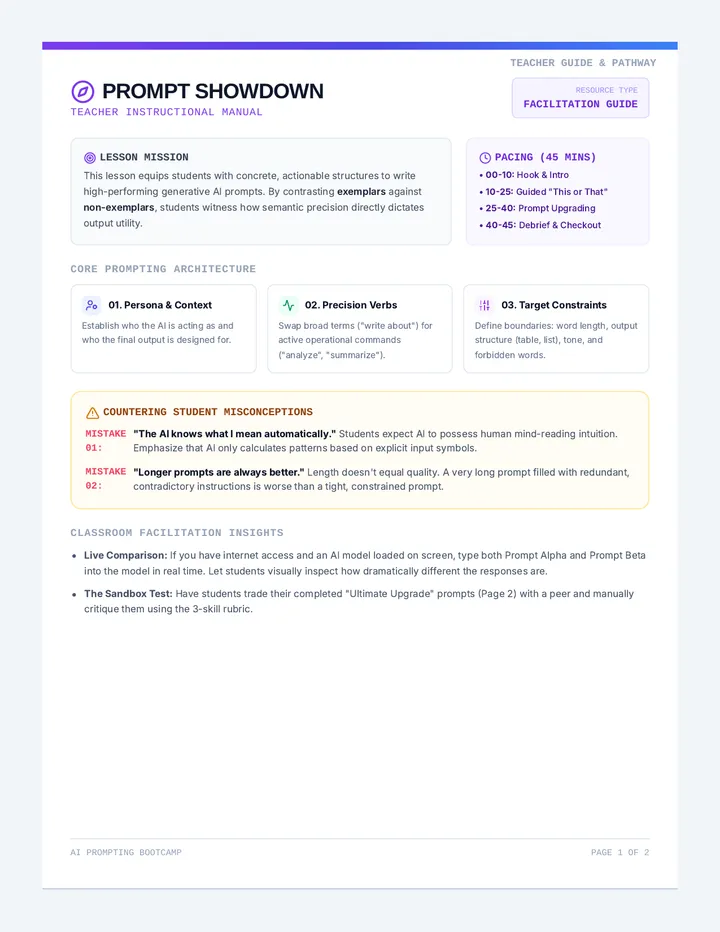
A comprehensive teacher guide and answer key for the Prompt Showdown lesson, containing exemplars, instructional tips, and grading support.
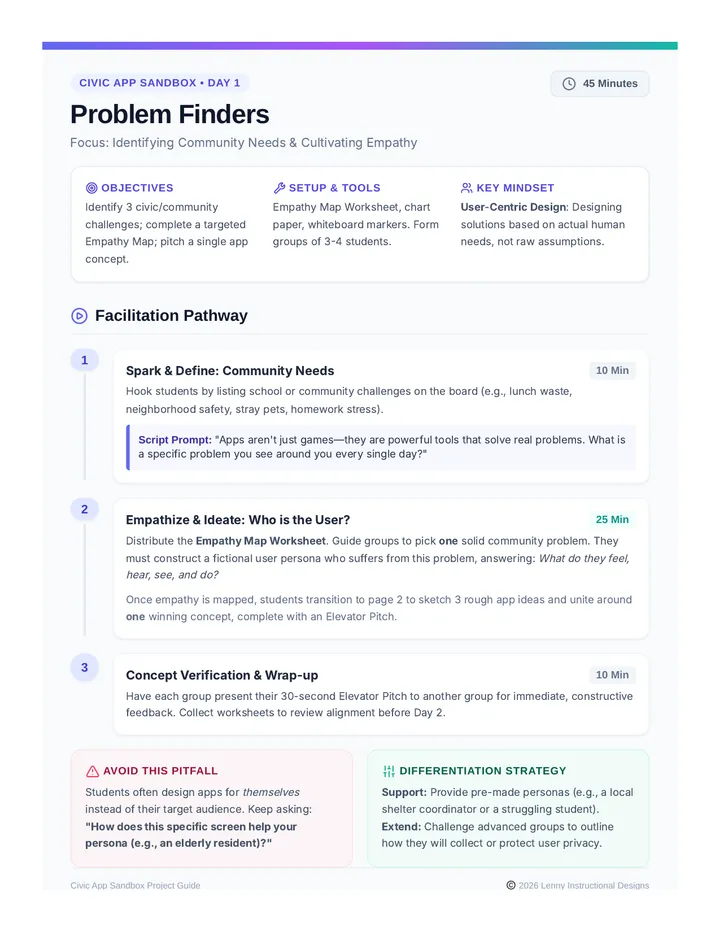
A three-day project-based learning unit where students design and pitch interactive paper prototypes of apps that address real-world community challenges.
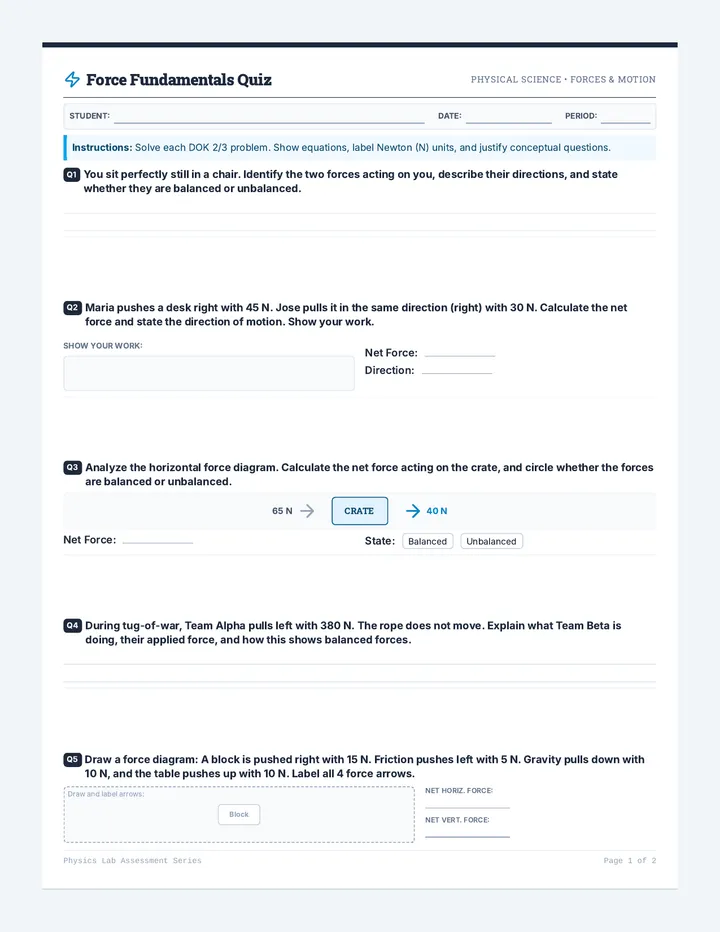
A physics-focused lesson exploring the core concepts of push and pull forces, net force calculations, balanced vs. unbalanced forces, and force diagrams based on textual and quantitative evidence.
A print-ready student worksheet featuring "This or That" prompt comparisons, matching exercises, and analysis questions to master AI prompting skills.
A comprehensive elementary/middle school astronomy unit exploring the predictable patterns of Earth and sky. Students investigate why constellations change seasonally and decode the predictable cycle of lunar phases through hands-on models, observations, and guided inquiry.
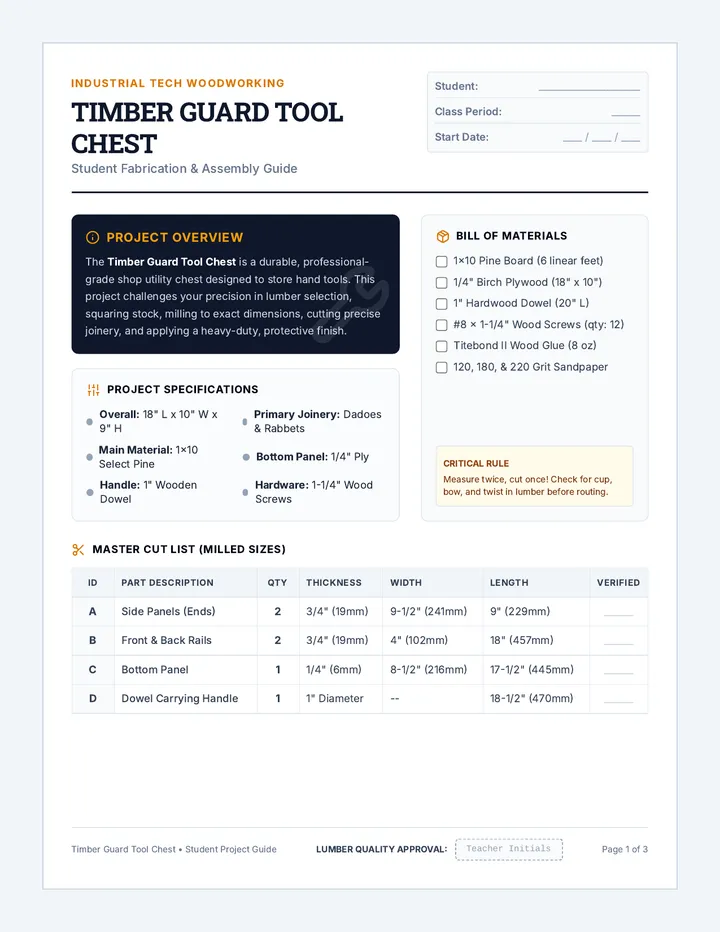
A comprehensive, hands-on woodworking lesson where high school students design, mill, and assemble a professional-grade wooden tool chest. This project teaches lumber selection, safe power machinery operation, precise joinery, and professional finishing techniques.
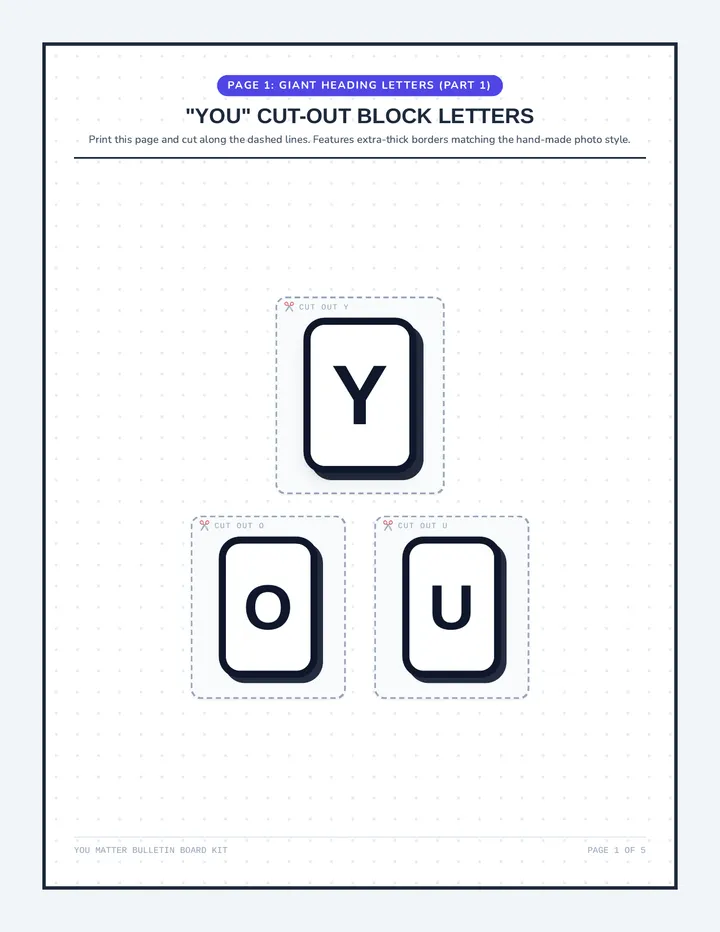
A revised 5-page printable bulletin board kit featuring giant cut-out heading letters with BOTH 'T's for 'MATTER!', colorful sub-headline quote boxes, scientific molecular models of the three states of matter (Solid, Liquid, Gas), and a modern, labeled Bohr model of an atom.
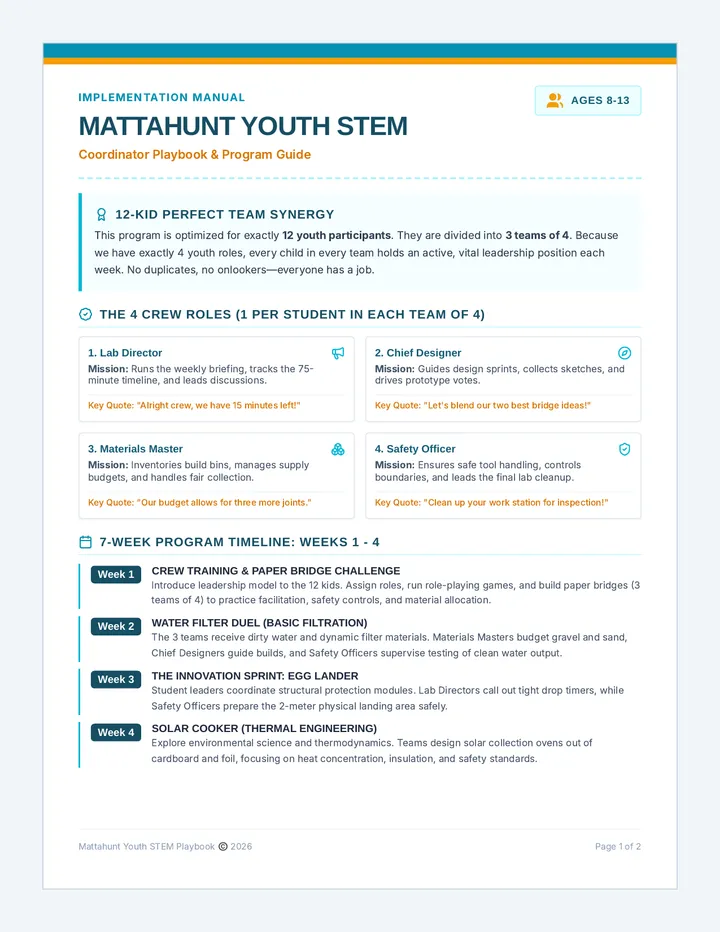
A 7-week STEM and innovation program for kids ages 8-13 at Mattahunt. Youth participants lead peer-to-peer design challenges, develop teamwork skills, and build self-efficacy through hands-on leadership roles.
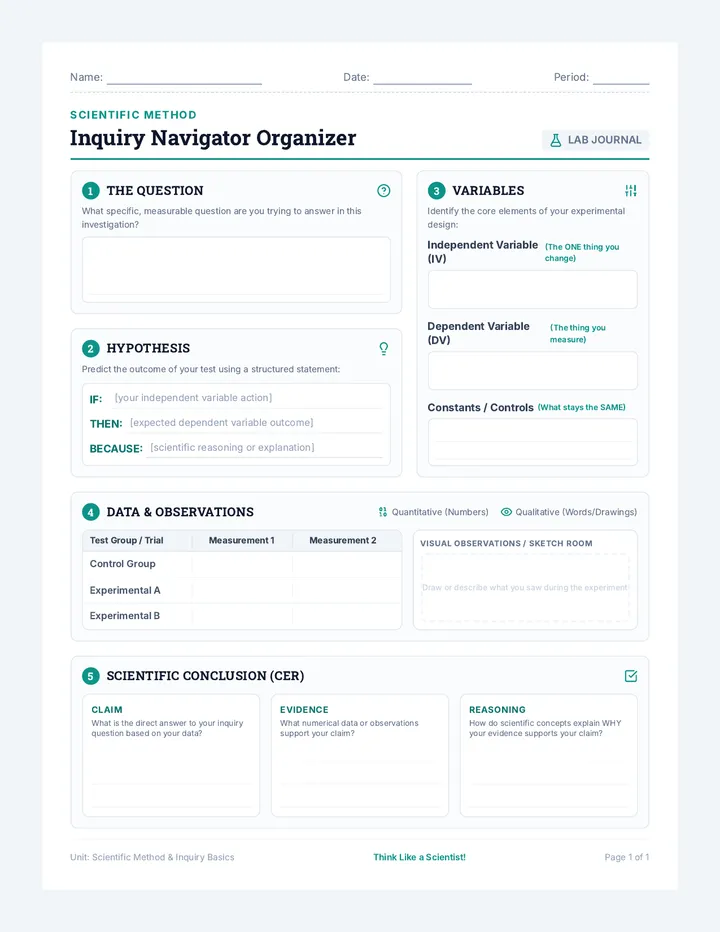
A complete introductory lesson on the scientific method, guiding students through the process of asking questions, identifying variables, collecting data, and writing claim-evidence-reasoning conclusions.
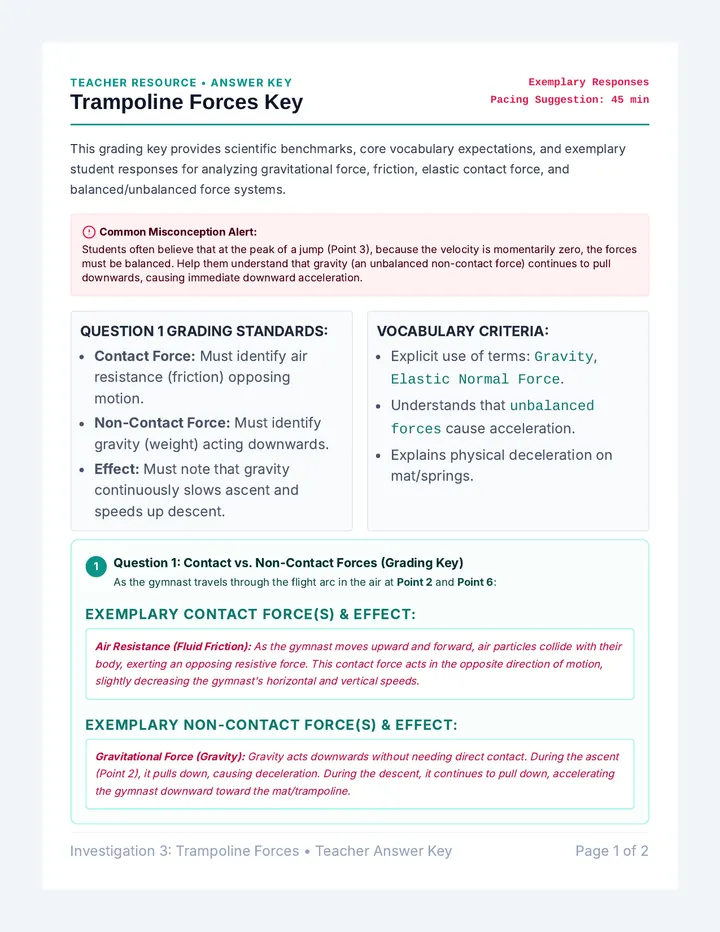
The official teacher guide and grading answer key for the Trampoline Forces Worksheet, providing exemplary scientific explanations and a complete scoring rubric.