Lenny.com
Explore
Create
ActivitiesNewMathEnglish Language ArtsScience & EngineeringSocial StudiesGlobal LanguagesHealth & Physical EducationSpecial EducationCounseling & Life SkillsArts & CreativityESL
Lenny.com
Lenny.com
Explore
Create
ActivitiesNewMathEnglish Language ArtsScience & EngineeringSocial StudiesGlobal LanguagesHealth & Physical EducationSpecial EducationCounseling & Life SkillsArts & CreativityESL
Lenny.com
Lenny.com

Solutions

Lenny for EducatorsLenny for SchoolsLenny for Districts

Product

ExploreSign inCreateSupportAbout

Resources

Getting startedMTSS Acceleration Program

© 2026 Lenny Learning Inc.

TermsPrivacyAccessibility
LinkedInInstagramX
Lenny
English Language ArtsPhonics & Reading FoundationsLetter IdentificationLearn Letters A-ZLowercase and Uppercase LettersConsonants and VowelsLetter-Sound AssociationsLetter-Sound Associations: LowercaseLetter-Sound Associations: UppercaseBeginning and Ending SoundsRhymingBlending And SegmentingShort VowelsShort Vowel SoundsConsonant BlendsConsonant DigraphsBlends, Digraphs, and TrigraphsDigraphs, Blends, and Silent LettersLong Vowel SoundsLong Vowel PatternsShort and Long VowelsShort and Long Vowel PatternsSilent EVowel SoundsVowel TeamsR-Controlled VowelsDiphthongs: Oi, Oy, Ou, OwVariant VowelsVariant, Diphthong, And R Vowel PatternsSoft G And CSight WordsIrregular WordsWord RecognitionSyllablesSyllable TypesTwo-Syllable WordsMultisyllabic WordsPhoneme ManipulationDecodable TextsVocabularyAction WordsQuestion WordsNouns and AdjectivesClassify WordsCompound WordsSynonyms and AntonymsHomophonesHomophones and HomonymsShades of MeaningContext CluesPrefixes and SuffixesGreek and Latin RootsAnalogiesIdioms and AdagesForeign Words and ExpressionsWord Choice and UsageReference SkillsReading ComprehensionRead-Along Literary TextsRead-Along Informational TextsReality vs. FictionStory ElementsCharacterSequenceMain IdeaCause And EffectCompare And ContrastReading StrategiesText StructureAuthor's PurposeAuthor's Purpose And ToneAuthor's PerspectivePoint Of ViewThemeInference And ThemeInference And AnalysisPoetry ElementsLiterary DevicesAnalyzing LiteratureAnalyzing Informational TextsComparing TextsAudience, Purpose, And ToneBusiness DocumentsNovel StudyNonfiction Book StudyGrammar & MechanicsSentencesNounsVerbsAdjectivesPronounsCapitalizationPunctuationContractionsConjunctionsPrepositionsArticlesAdjectives And AdverbsVerb TypesVerb TensePronouns And AntecedentsPronoun TypesSubject-Verb AgreementDirect And Indirect ObjectsSentences, Fragments, And Run-OnsPhrases And ClausesCommasSemicolons, Colons, And CommasDashes, Hyphens, And EllipsesSpellingAbbreviationsFormattingVerb Tense And MoodMisplaced ModifiersWritingDescriptive DetailsCreative WritingOpinion WritingTopic SentencesOrganizing WritingLinking WordsSentence VarietyIntroductions And ConclusionsPersuasive And Opinion WritingExpository WritingPersuasive StrategiesDeveloping And Supporting ArgumentsTopic Sentences And Thesis StatementsSummarizingResearch SkillsEditing And RevisingActive And Passive Voice=Writing Clearly And ConciselyDebate & Public SpeakingPublic Speaking BasicsPersuasive TechniquesClaims and EvidenceTypes of ArgumentsReasoning TypesLogical FallaciesTopic ResearchOrganizing EvidenceDebate Speech OrganizationAttacking and Defending ArgumentsClash and EngagementImpact CalculusQuestioning and Cross-ExaminationCritical ThinkingInformal LogicFormal LogicInductive Reasoning

Midnight Abyss

An informational reading comprehension lesson exploring the deep-sea ecology and technological challenges of the Mariana Trench. Students analyze nonfiction text, practice evidence-based comprehension, and examine biological adaptations in extreme environments.

EBEmily Bear

Midnight Abyss

An informational reading comprehension lesson exploring the deep-sea ecology and technological challenges of the Mariana Trench. Students analyze nonfiction text, practice evidence-based comprehension, and examine biological adaptations in extreme environments.

EBEmily Bear
Distractor Rationale:

Midnight Abyss • Teacher Reference & Answer Key Page 1 of 2 • Continue to Written Responses

Part 3 • Written Responses

Scoring Criteria & Exemplar Responses

Total Written Points: 12 Points

Question 5: Functions of Bioluminescence (3 Points) Short Response

Model Student Exemplar: "In the Hadal Zone, fish use bioluminescence like living lanterns to attract prey into their mouths and to confuse predators so they can escape. They also use light signals to communicate with potential mates in the pitch dark."

3 Points: Identifies two distinct purposes directly from text (attract prey, confuse predators, or signal mates) in complete sentences.

2 Points: Identifies only one purpose clearly, or mentions two without explaining their survival function.

0–1 Point: Vague response (e.g., "to see") without textual support, or scientifically inaccurate answer.

Question 6: Role of Marine Snow (3 Points) Short Response

Model Student Exemplar: "Marine snow consists of dead organic material that drifts down from the upper ocean layers to the sea floor. Deep-sea amphipods rely on this falling debris as their main food source because plants cannot grow without sunlight."

3 Points: Accurately defines marine snow as sinking organic matter AND names amphipods/scavengers that depend on it for food.

2 Points: Identifies amphipods or scavengers but gives an incomplete definition of marine snow (or vice versa).

0–1 Point: Misinterprets marine snow as frozen ocean ice, or fails to connect it to deep-sea food webs.

Question 7: Deep Ocean vs Space Exploration (6 Points) Extended Response

Model Student Exemplar: "Exploring the Mariana Trench is very similar to space exploration because both environments are completely deadly to unprotected humans. In the trench, temperatures are freezing, there is no sunlight, and the water pressure would crush an ordinary vessel, much like the vacuum and cold of space. To survive, explorers must design specialized titanium submersibles just like astronauts build spacecraft. Finally, both environments reveal bizarre, unfamiliar creatures that look like alien life."

CriteriaAdvanced (2 pts)Proficient (1 pt)Developing (0 pts)
1. Harsh ConditionsCompares pitch darkness, freezing cold, or crushing pressure to space.Mentions one condition with limited or generic comparison.Omits environmental conditions or states inaccuracies.
2. Technology & GearExplicitly cites titanium submersibles or protective vessels like spacecraft.Briefly mentions machines or submarines without connection.No reference to specialized exploration technology.
3. Scientific DiscoveriesHighlights alien-like creatures (snailfish, bioluminescence) and new frontiers.Mentions finding new fish with basic detail.No mention of scientific discoveries or findings.

Instructional Tip for Review: Use Question 4 to reinforce author's craft and how writers use concrete analogies (Mount Everest) to help readers comprehend unfathomable scientific measurements.
Midnight Abyss • Teacher Reference & Answer Key Page 2 of 2 • Scoring & Rubrics Complete

Key Strategy for Questions 5, 6, and 7 Slide 5 of 6


Student Mission

Time to Dive into the Trench!

A

Read Actively

Annotate key numbers, unfamiliar words, and living creature descriptions.

B

Review Details

Verify every multiple-choice answer by locating its sentence in the text.

C

Write Fully

Use complete sentences with text citations on the written response lines.

Good luck, Deep-Sea Voyagers! Slide 6 of 6

You might also like

Pest Spotters Slides

Bug Busters

A hands-on, highly visual science sequence designed for lower-literacy 5th grade learners to identify common nuisance insects, master foundational vocabulary, and discover pest habitats and attractants.

A

amy_oshea

9
RACE Strategy Slides

RACE Response Quest

A comprehensive upper-elementary ELA lesson guiding students to craft powerful text-based constructive responses using the RACE framework. Students break down restating questions, answering fully, citing text evidence with sentence stems, and explaining their reasoning through high-interest reading and guided practice.

RK

Renate Kirksey

3
Draft Doctor Notes

Draft Doctor Notes

A 3rd-grade STAAR writing reference sheet designed to be pasted into a student notebook. It breaks down the critical differences between revising (ARMS) and editing (CUPS) with concrete examples, TEKS-aligned convention reminders, and a quick practice check.

HR

Hannah Rodriguez

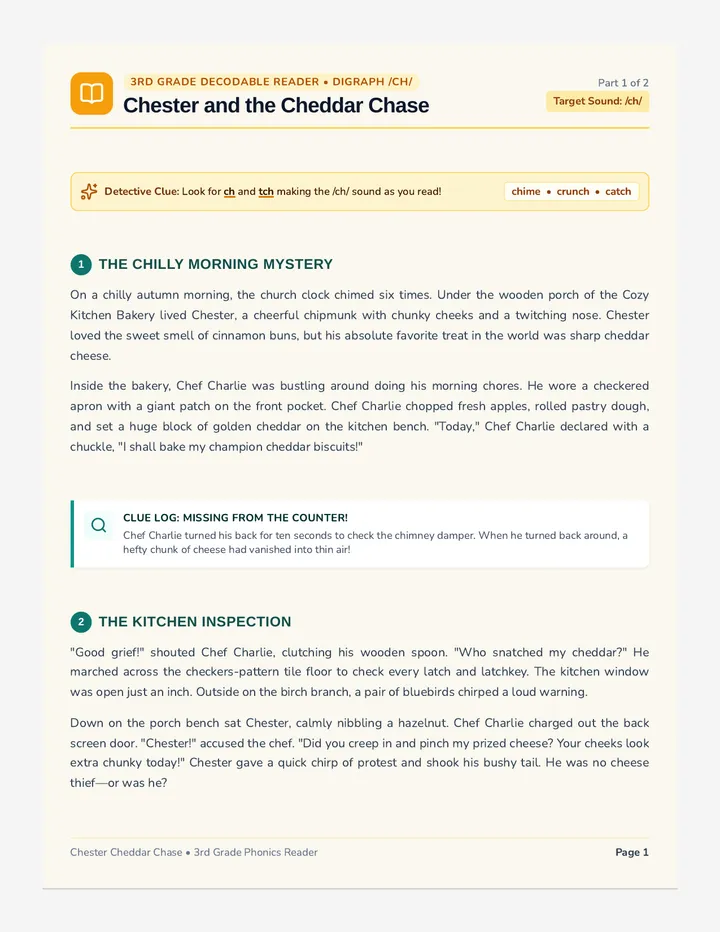
Chester Cheddar Chase Story

Chester Mystery Unit

A comprehensive multi-day third-grade reading, phonics, and writing unit focused on the digraph /ch/, narrative story progression, and mystery dialogue conventions.

V

victoria.lesniak

7
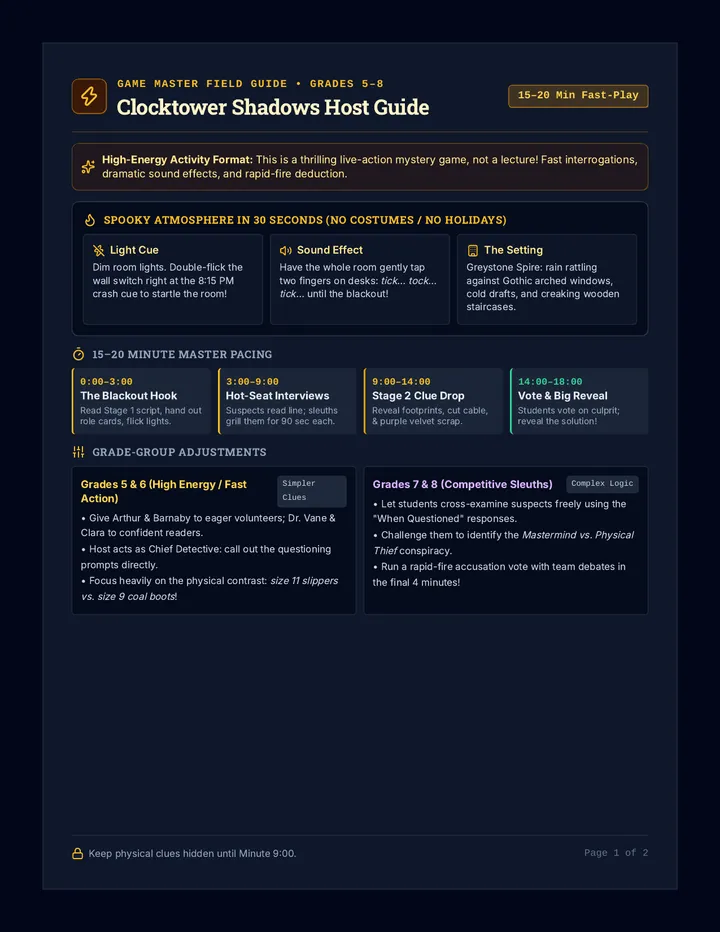
Clocktower Shadows Host Guide

Clocktower Shadows

A fast-paced 15-20 minute interactive mystery game designed for grades 5-8. Features quickfire suspect interrogations, staged evidence reveals, and an eerie storm-swept clocktower atmosphere.

TA

Tae Averett

4
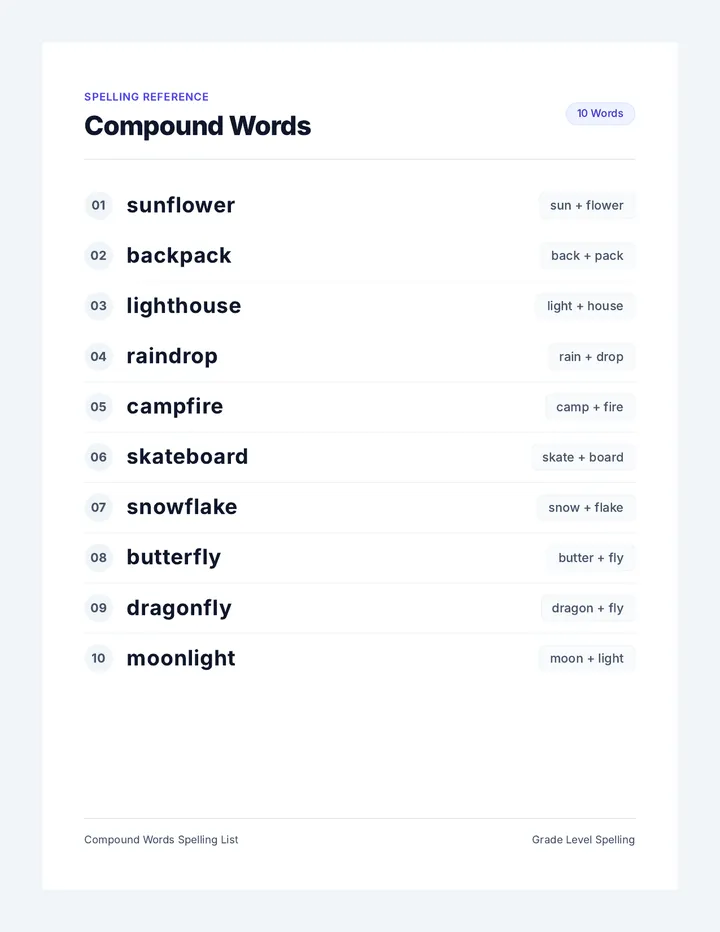
Word Fusion Word List

Word Fusion Word List

A clean, printable reference list featuring 10 essential compound spelling words. Designed for easy reading and focused spelling practice.

EO

Emily Ondreas

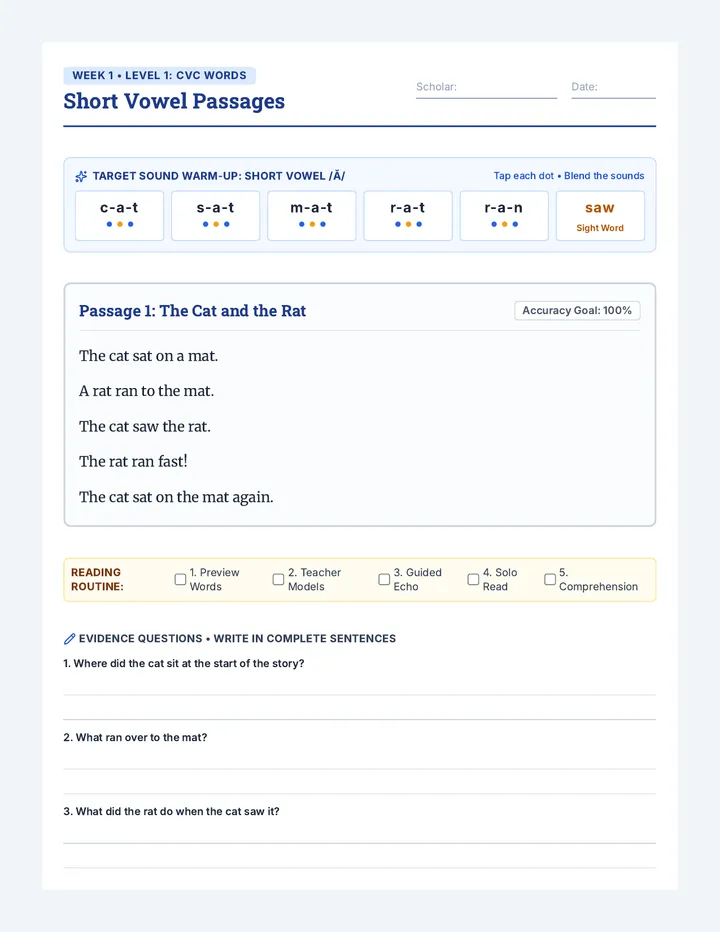
Short Vowel Passages Worksheet

Phonics Scholar Pathway

An eight-week tier-two reading intervention sequence guiding elementary scholars from decodable CVC short vowels through complex multisyllabic words and fluent comprehension. Each week provides structured decodable passages, targeted word banks, text-dependent comprehension questions, and systematic fluency tracking.

B

Bhoovaragavaswamym

8
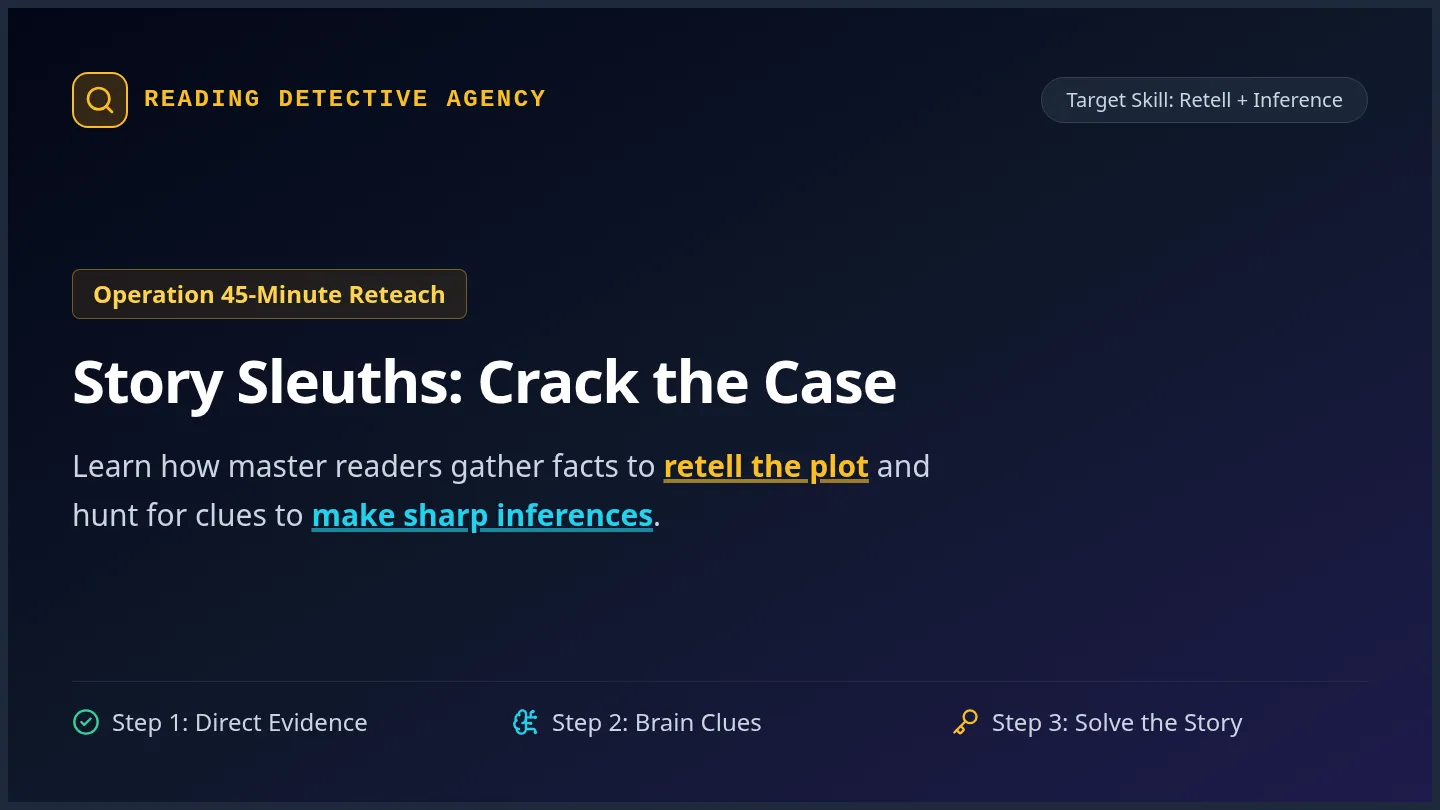
Story Sleuths Slides

Story Sleuths

A targeted 45-minute reading comprehension intervention that strengthens retelling and inferencing through detective inquiry and clue-based scaffolds.

MM

madilyn mudge

4
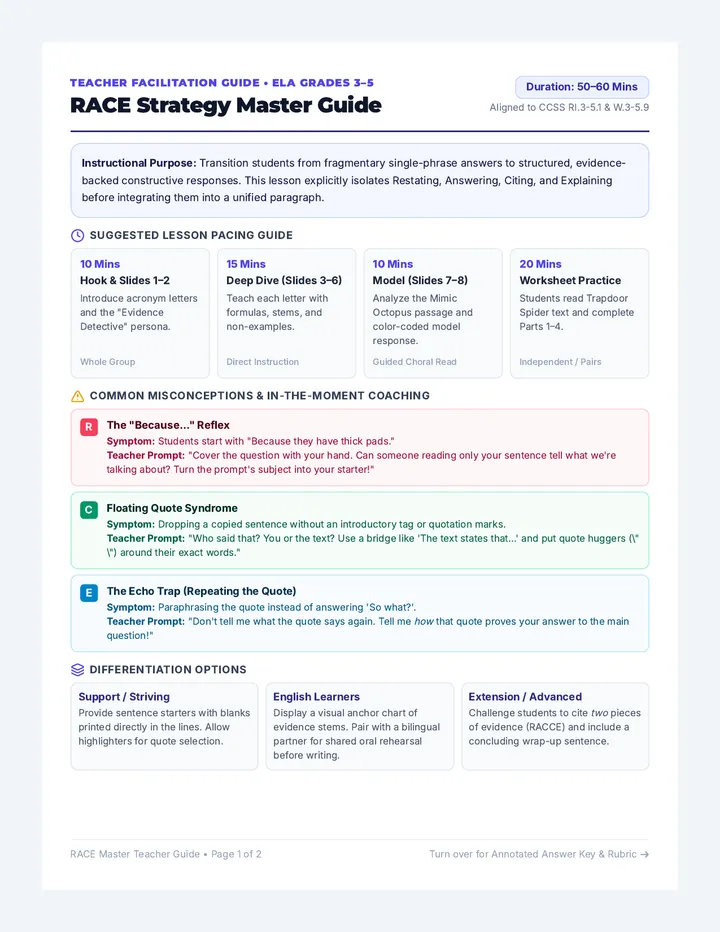
RACE Master Teacher Guide

RACE Master Teacher Guide

A two-page comprehensive teacher facilitation guide and answer key for the RACE strategy lesson. Contains pacing plans, common student misconceptions with coaching fixes, differentiation strategies, a complete annotated worksheet answer key, and a 4-point scoring rubric.

RK

Renate Kirksey

Pesky Biters Slides

Bug Busters

A two-part fifth-grade science sequence investigating how insects can be annoying nuisances, bite and sting, and damage crops and homes. Specially scaffolded with high-visual supports, decodable text chunks, and guided practice for lower-literacy learners.

Lenny Avatar
Lenny
11
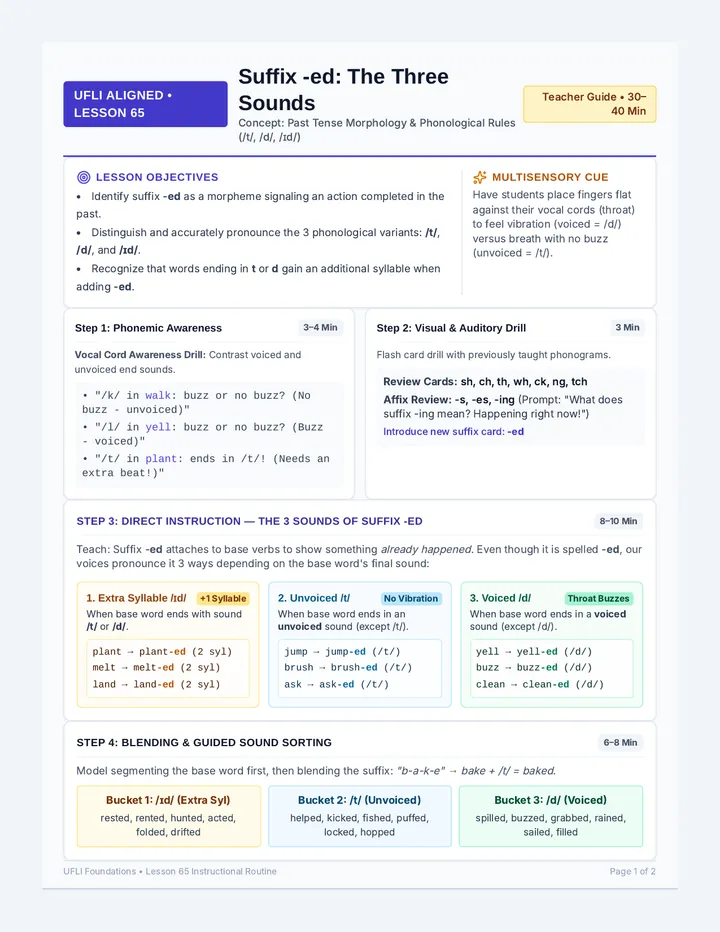
Suffix Sounds Teacher Guide

Past Tense Power

A comprehensive systematic phonics and morphology lesson on suffix -ed aligned with UFLI Lesson 65. Students master past-tense meaning and discover the three phonological pronunciations of -ed (/t/, /d/, /id/) through auditory drills, orthographic mapping, and decodable reading.

AR

Amanda Ramirez

4
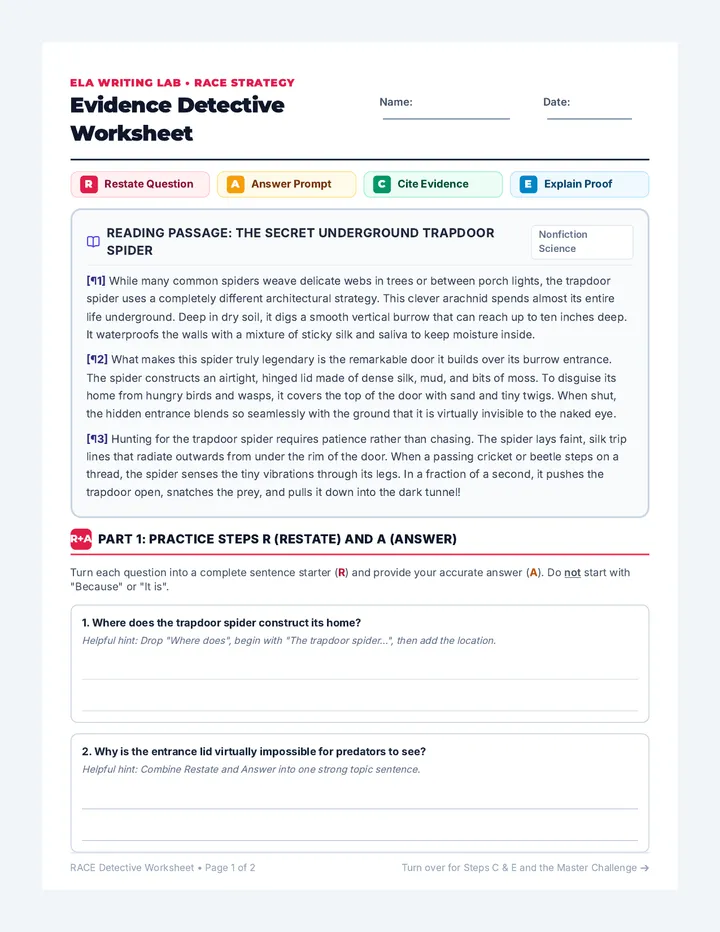
RACE Detective Worksheet

RACE Detective Worksheet

A two-page printable practice worksheet featuring an engaging informational passage about the trapdoor spider. Guides students step-by-step through practicing Restating, Answering, Citing with sentence stems, and Explaining, culminating in a complete written RACE response.

RK

Renate Kirksey