▶ Step 1:
Review the Systems Reference Manual. Identify the baseline regulatory mechanism for your system.
▶ Step 2:
Explain how a healthy body uses a Negative Feedback Loop to detect and correct this crisis.
▶ Step 3:
If the body's natural loop is completely broken, suggest a targeted medical intervention that can act in its place.
🚨 Homeostasis Hint: Negative feedback loops always oppose the initial stimulus. If blood pressure drops, the loop works to push it back up!
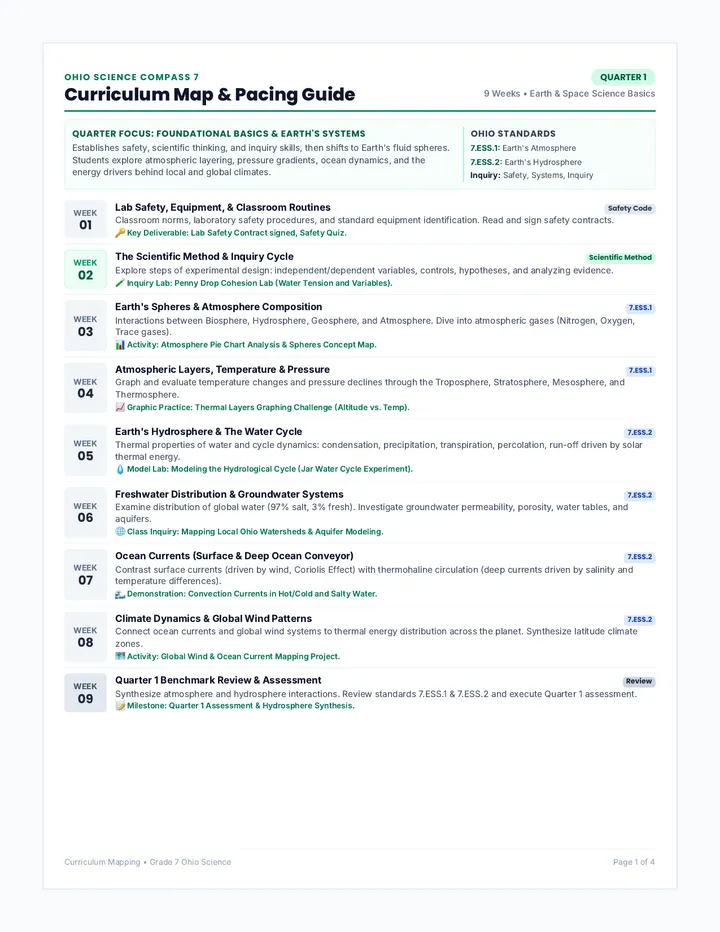
HOMEO-CHAOS STATION RESOURCE KIT
USE CORNER CLIPS TO HANG ON STATION FOLDERS
Diagnostic Resource Card
DO NOT WRITE ON THIS CARD
Use this quick-reference sheet at your rotation table to find system functions, primary variables, and the regulatory feedback mechanisms used by healthy bodies to maintain homeostasis.
⚀ NERVOUS SYSTEM REGULATION Electric Feedback
Core Role: Transmits rapid electrical impulses to coordinate sensory and motor functions. The Hypothalamus acts as the central master thermostat and blood-pressure regulator.
Homeostasis Loop: Core temperature rises → Hypothalamus detects blood heat spike → Sends motor signals to blood vessels to dilate (radiate heat) and sweat glands to secrete fluid. Sweating cools blood, lowering temperature (negative feedback).
⚁ CIRCULATORY SYSTEM REGULATION Hemodynamic Feedback
Core Role: Delivers oxygen, nutrients, and hormones to cellular tissues while carrying wastes to filters.
Homeostasis Loop: Blood pressure drops → Sensory receptors (Baroreceptors) in the carotid artery detect vessel wall compression drop → Pacemaker node (Sinus Node) triggers faster contractions; arteries constrict to restore normal arterial pressure.
⚂ RESPIRATORY SYSTEM REGULATION Acid-Base Buffer Loop
Core Role: Exchanges respiratory gases (O₂ and CO₂) through extremely thin Alveolar blood interfaces.
Homeostasis Loop: Blood Carbon dioxide rises → Blood pH drops (becomes acidic) → Brain stem chemoreceptors in the Medulla Oblongata send neural commands to intercostal rib muscles and diaphragm → Ventilation rate accelerates, hyperventilating to blow off excess gaseous acid (CO₂).
⚃ DIGESTIVE SYSTEM REGULATION Enzymatic / Satiety Loop
Core Role: Mechanically and chemically reduces foods into absorbable monomers via intestinal Villi.
Homeostasis Loop: Stomach fills with food protein → Stretch receptors trigger release of hormone gastrin → Stimulates parietal cells to secrete Hydrochloric Acid (HCl). Once pH drops below 1.5, a negative feedback loop halts gastrin secretion to prevent gut self-digestion.
⚄ URINARY SYSTEM REGULATION Osmotic Fluid Balance
Core Role: Filters cellular waste molecules (urea, creatinine) out of plasma via renal Nephron vascular units.
Homeostasis Loop: Dehydration (high blood salt density) → Osmoreceptors trigger posterior pituitary to secrete Antidiuretic Hormone (ADH) → Nephron tubules open aquaporins, reabsorbing water back to blood. Urine becomes concentrated, saving plasma volume.
⚅ IMMUNE SYSTEM REGULATION Pathogen Clearance Loop
Core Role: Differentiates self from non-self proteins, isolating and destroying pathogens while storing immune memories.
Homeostasis Loop: Local skin tissue is breached by bacteria → Mast cells release signaling chemical histamines → Capillary beds expand (creating local swelling & heat) to deliver pathogen-eating phagocytes. Once cleared, anti-inflammatory signals shut down feedback.
© HOMEO-CHAOS BIOLOGY CLINICAL SYSTEMS
COOPERATIVE LEARNING RESOURCE HANDOUT
| CRITERIA | 3-4 PTS (ADVANCED) | 2 PTS (PROFICIENT) | 0-1 PTS (DEVELOPING) |
|---|---|---|---|
| Cascade Logic & Linkage | Draws direct, specific domino-effects linking organ damage to chemical/cellular collapse. | Traces basic effects, but links between organ damage and homeostasis collapse are vague. | Incomplete pathway; fails to explain how organ damage affects system balance. |
| Systems Vocabulary | Uses 2+ system-specific terms (e.g., pH buffer, alveoli, baroreceptors, adrenaline). | Uses 1 system-specific term. Relying on generic words like "breathing" or "heart". | No scientific vocabulary. Uses colloquial phrasing exclusively (e.g. "pee", "wind"). |
| Feedback Loop Response | Accurately outlines a negative feedback loop to counter the crisis (e.g. ADH/sweat). | Suggests a correction but confuses positive/negative feedback, or lists medical drug only. | Does not describe a feedback loop or a logical biological corrective mechanism. |
SUPPORT TIP: For struggling students, highlight the "Systems Reference Manual" on Station Cards.
BIOLOGY LAB SUITE