Lenny.com
Explore
Create
ActivitiesNewMathEnglish Language ArtsScience & EngineeringSocial StudiesGlobal LanguagesHealth & Physical EducationSpecial EducationCounseling & Life SkillsArts & CreativityESL
Lenny.com
Lenny.com
Explore
Create
ActivitiesNewMathEnglish Language ArtsScience & EngineeringSocial StudiesGlobal LanguagesHealth & Physical EducationSpecial EducationCounseling & Life SkillsArts & CreativityESL
Lenny.com
Science & EngineeringLife ScienceLiving ThingsAnimalsPlantsBody SystemsTraitsAdaptationsCellsEcosystemsHeredityGenes to TraitsCell DivisionPhysicsComparing MaterialsShapes and PropertiesMagnetsMagnetismLightSoundLight and SoundMatterStates of MatterChanges of StateMixturesPhysical and Chemical ChangeHeating and CoolingHeat and Thermal EnergyEnergyForce and MotionElectrical CircuitsAtoms and MoleculesPeriodic TableMotion in One DimensionMotion in Two DimensionsScalars and VectorsForces and Laws of MotionCircular Motion and GravityMomentum and ImpulseWork, Energy, and PowerWavesElectromagnetic WavesGeometric OpticsElectricity and MagnetismSimple Harmonic MotionThermodynamicsNuclear PhysicsEarth Science & AstronomyWeatherWater CycleRocks and MineralsFossilsEarth's FeaturesEarth's ResourcesEarth's StructureWeather and ClimateEarth EventsFossils and Geologic TimePlate TectonicsHuman ImpactsAstronomyChemistryUnits and MeasurementAtomic StructurePeriodic TrendsChemical BondingNomenclatureMolecular StructureIntermolecular ForcesThe MoleStoichiometryProperties of GasesSolutionsChemical ReactionsBalancing EquationsEnergy ChangesRates of ReactionsEquilibriumAcids and BasesQuantum ModelBiologyClassificationCell StructureThe Chemistry of LifeBiomoleculesCellular TransportCell EnergyCell Growth and DivisionDNAProtein SynthesisMeiosis and Sexual ReproductionPatterns of InheritanceMulticellular OrganismsEvolutionEcologyBiodiversityComputer ScienceAlgorithms and Computational ThinkingProgramming LanguagesComputing SystemsNetworks and InternetData AnalysisCybersecurityAI and Machine LearningSoftware Design and DevelopmentBlockchainEngineering & AIDesigning ExperimentsEngineering PracticesDesign ThinkingEngineering Design ProcessMechanical EngineeringElectrical EngineeringMaterials and StructuresCAD and 3D DesignRoboticsArtificial Intelligence BasicsVibe CodingMachine LearningAI Ethics and SocietySystems ThinkingEntrepreneurship & InnovationEntrepreneurial MindsetBusiness Idea DevelopmentBusiness Plan BasicsMarketing & Customer DiscoveryFinancial Management for Startups
Lenny.com

Solutions

Lenny for EducatorsLenny for SchoolsLenny for Districts

Product

ExploreSign inCreateSupportAbout

Resources

Getting startedMTSS Acceleration Program

© 2026 Lenny Learning Inc.

TermsPrivacyAccessibility
LinkedInInstagramX
Lenny

Weather

Atmospheric conditions, precipitation types, and seasonal changes. Introduces meteorological tools like thermometers and barometers for tracking and forecasting daily patterns.

Videos

How Wind Works and the Windiest Places on Earth

How Wind Works and the Windiest Places on Earth

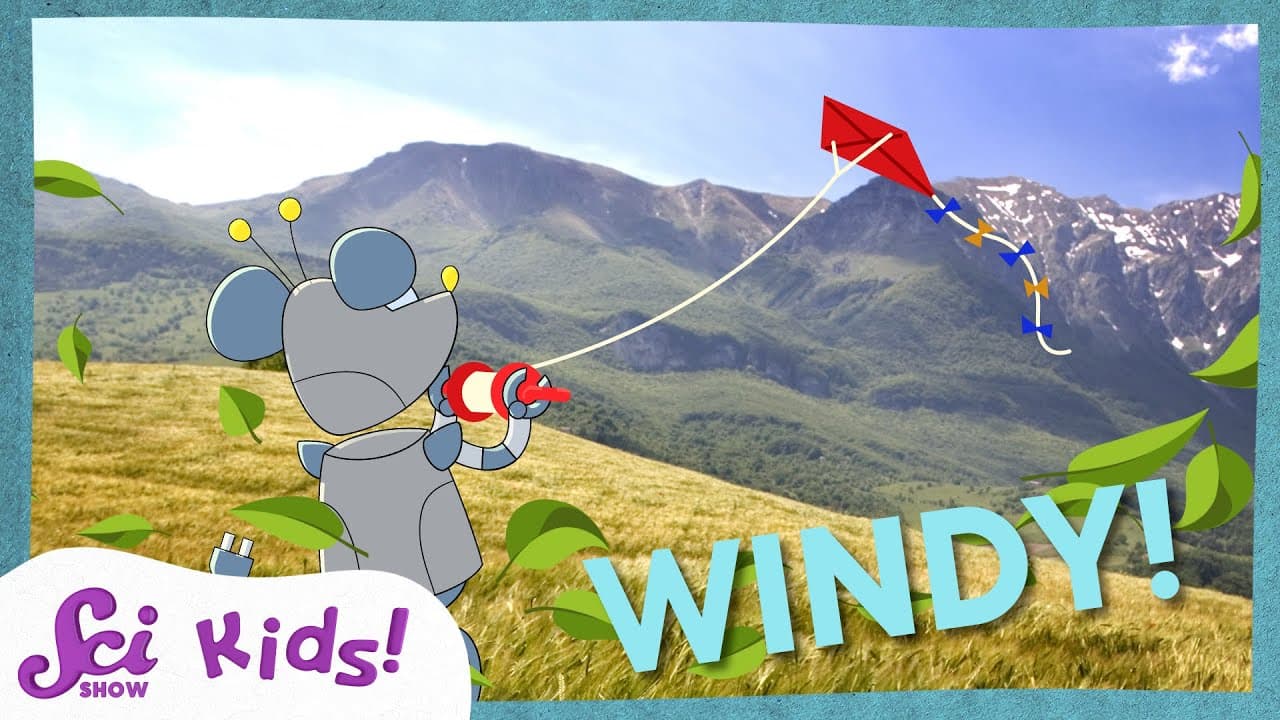
In this engaging episode of SciShow Kids, host Jessi and her robot mouse Squeaks explore the science behind wind after receiving a kite in the mail but finding the air too still to fly it. The video breaks down the fundamental concepts of atmospheric circulation, explaining how temperature differences cause air to rise and sink, creating movement. It illustrates how landscape features like mountains and valleys influence wind speed and direction. The video takes students on a virtual field trip to some of the windiest places on Earth, specifically Mount Washington in the United States and Commonwealth Bay in Antarctica. Through these examples, viewers learn about extreme weather conditions and the specific geographic factors that contribute to high wind speeds, such as converging air currents and the "funneling" effect of steep terrain. The concept of katabatic winds is introduced in an accessible way. From a practical standpoint, the video introduces the tools scientists use to study weather. It explains what meteorologists do and demonstrates how different types of anemometers measure wind speed. The lesson includes a segment on data literacy, showing students how to read a line graph of average wind speeds. This makes the video an excellent resource for teaching earth science concepts, weather instrumentation, and basic data analysis skills in elementary classrooms.

SciShow KidsSciShow Kids

10mins 20s

Exploring Earth's Five Major Climate Zones

Exploring Earth's Five Major Climate Zones

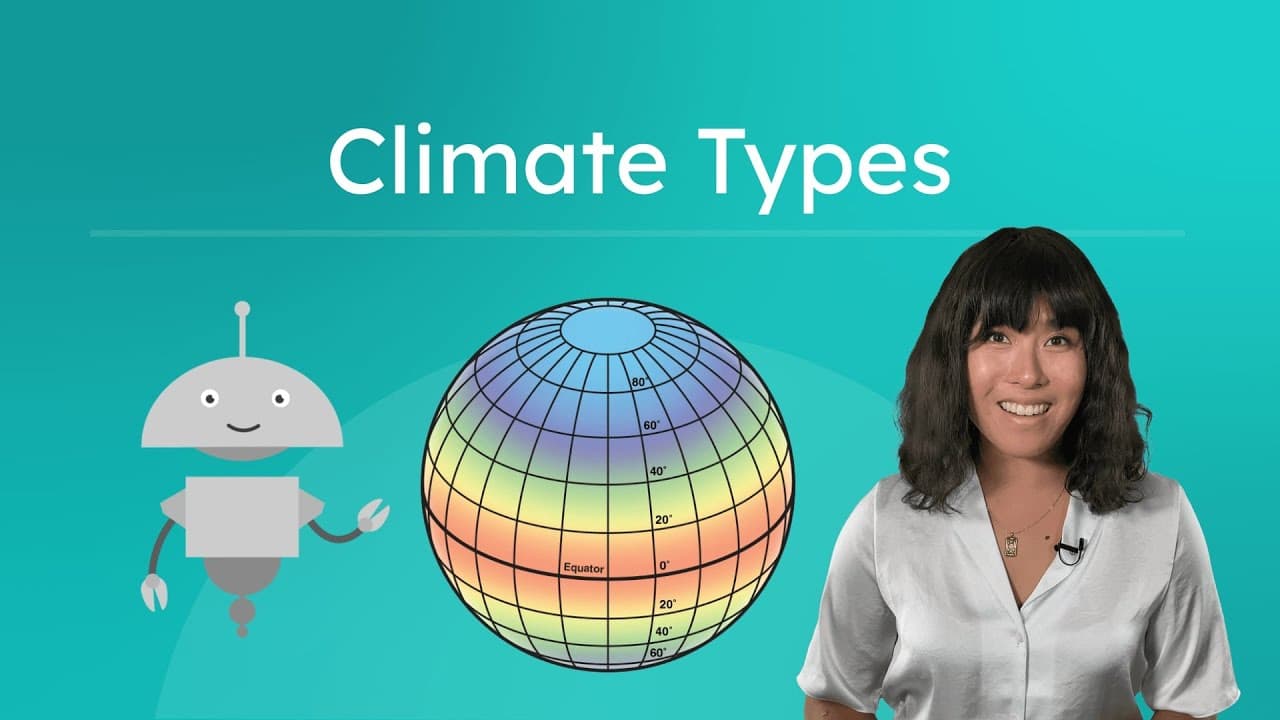
This engaging Earth Science video introduces students to the fundamental difference between weather and climate before diving into a detailed exploration of the five major climate zones on Earth. Using a relatable hook about choosing a location for a "dream home," the presenter helps students understand how long-term weather patterns define a region's climate and how location relative to the equator influences these patterns. The video breaks down the specific characteristics of Tropical, Dry, Temperate, Continental, and Polar climates, providing clear definitions for temperature ranges, precipitation levels, and seasonal variations. Detailed maps, globe animations, and real-world examples (like the Amazon Rainforest, Sahara Desert, and cities like London and Chicago) help visualize where these zones are located and what life is like within them. Teachers can use this video to launch a unit on weather patterns, geography, or Earth systems. It serves as an excellent foundation for understanding global environments, helping students move beyond daily weather forecasts to grasp the broader concept of climatic regions. The content naturally leads into discussions about adaptation, biodiversity, and how geography shapes human settlement.

Miacademy & MiaPrep Learning ChannelMiacademy & MiaPrep Learning Channel

8mins 2s

Exploring the World's Rainiest Places and Measuring Rainfall

Exploring the World's Rainiest Places and Measuring Rainfall

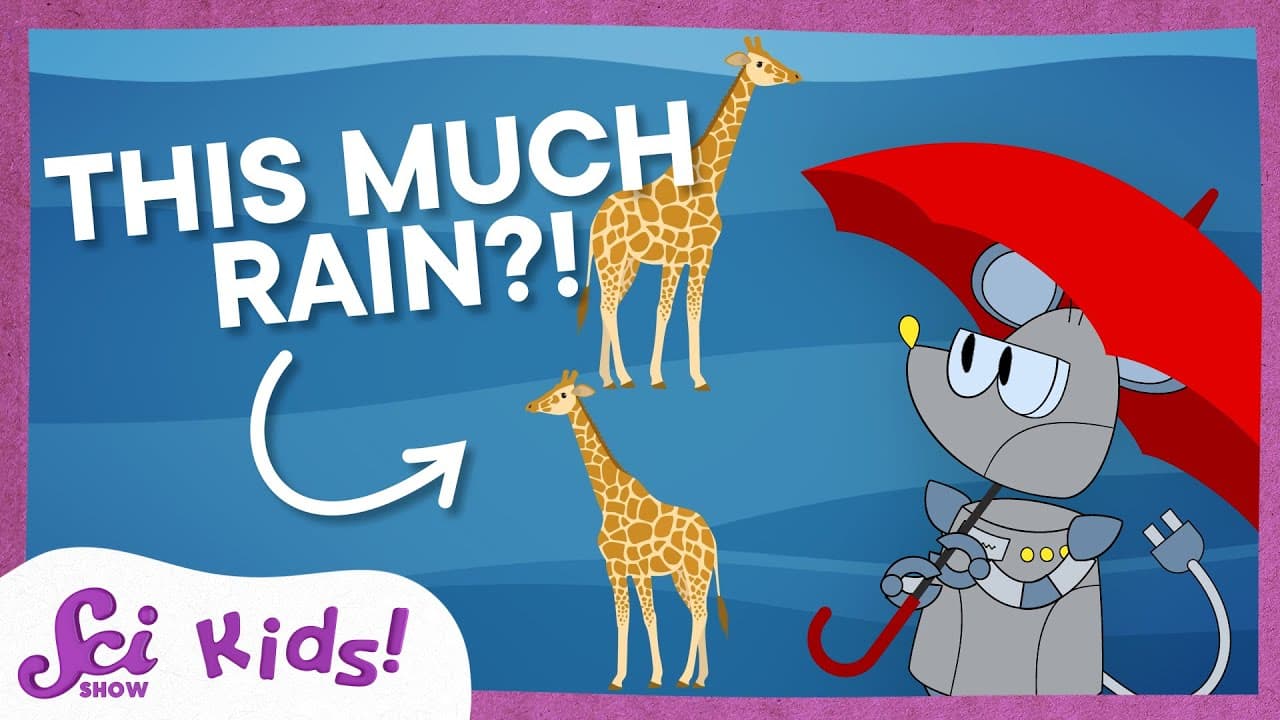
In this engaging episode of SciShow Kids, host Jessi and her robot friend Squeaks explore the science behind rainfall and discover why weather patterns vary so drastically across the globe. After Squeaks gets rained out of his kite-flying plans, the duo investigates why some locations on Earth are much wetter than others. The video introduces young viewers to the concept of global weather variance, explaining how geography—specifically mountains, valleys, and proximity to oceans—creates unique climates. It takes students on a virtual field trip to record-breaking locations like Mount Waiʻaleʻale in Hawaii and the villages of Cherrapunji and Mawsynram in India, using fun comparisons like giraffes and buildings to visualize rainfall amounts. The video covers key earth science themes including the water cycle, the influence of topography on weather (orographic lift simplified), and the seasonal impact of monsoons. It also integrates mathematics and measurement by introducing rain gauges and the metric unit of millimeters. The narrative explains complex concepts through accessible analogies, such as comparing wind moving through valleys to gravy flowing through a mashed potato channel, helping students understand how landscapes direct storm clouds. For educators, this video is an excellent dual-purpose resource that combines Earth Science with practical measurement skills. It seamlessly transitions from theoretical learning about global climates to a hands-on engineering activity where students learn to build their own rain gauge using simple household items. This allows teachers to bridge the gap between learning about weather and actually observing and recording data, making it a perfect launchpad for a weather observation unit or a lesson on climate geography.

SciShow KidsSciShow Kids

7mins 7s

Learning Common Nature Words and How to Spell Them

Learning Common Nature Words and How to Spell Them

This educational video introduces young learners to fundamental nature vocabulary through a guided exploration of an illustrated landscape. Hosted by Ashley, the lesson systematically identifies various natural elements found in the sky, on land, and in water. For each item, the narrator highlights the object on screen, pronounces the word clearly, and then spells it out letter-by-letter, encouraging literacy development alongside scientific observation. The content covers a wide range of environmental topics, starting with weather and sky elements like the sun, clouds, lightning, and wind. It progresses to geological features like mountains and rocks, explains hydrological concepts such as rivers formed from melting snow, and identifies various flora and fauna including trees, flowers, whales, and birds. The video also touches on slightly more complex concepts like the difference between fog and clouds, and how dew forms on grass. This resource is highly valuable for early childhood and elementary classrooms as a dual-purpose tool for science and literacy. Teachers can use it to build foundational vocabulary for earth science units or as an interactive spelling exercise. The visual format, where words appear on screen next to the objects they represent, supports visual learners and helps reinforce the connection between the written word and the physical world.
Miacademy & MiaPrep Learning ChannelMiacademy & MiaPrep Learning Channel

7mins 11s

How Tornadoes Form and Why They Are Dangerous

How Tornadoes Form and Why They Are Dangerous

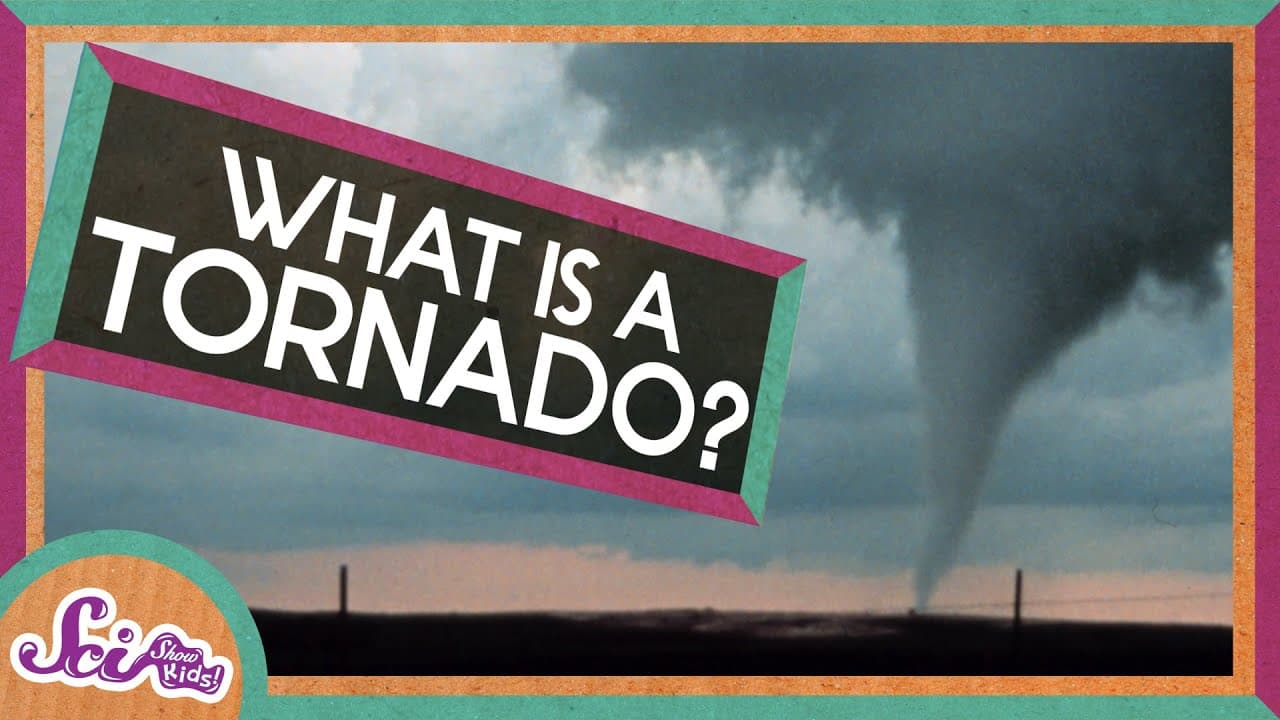
This engaging educational video from SciShow Kids introduces students to the science of tornadoes, one of nature's most powerful weather phenomena. Hosted by Jessi, the video breaks down exactly what tornadoes are—fast-spinning columns of air connecting thunderstorm clouds to the ground—and explains the specific atmospheric conditions required for them to form. Using clear animations, it simplifies complex meteorological concepts like air mass interaction, illustrating how cold, dry air and warm, wet air collide to create rotation. The video explores several key themes including extreme weather, atmospheric physics, geography, and meteorology. It details the mechanics of tornado formation, their destructive power (winds up to 500 km/h), and their unpredictability. It also covers the geographical distribution of tornadoes, highlighting 'Tornado Alley' in the United States, and introduces the role of meteorologists and storm chasers in studying and predicting these storms to keep people safe. For the classroom, this resource is an excellent tool for Earth Science units focusing on weather and natural disasters. The visual explanation of how hot and cold air interact provides a concrete foundation for understanding convection and air density. Additionally, the segment on meteorologists offers a natural bridge to career exploration and the importance of science in public safety, while the safety information provides practical life skills for students living in storm-prone areas.

SciShow KidsSciShow Kids

3mins 47s

Exploring Winter: Weather, Hibernation, and Migration

Exploring Winter: Weather, Hibernation, and Migration

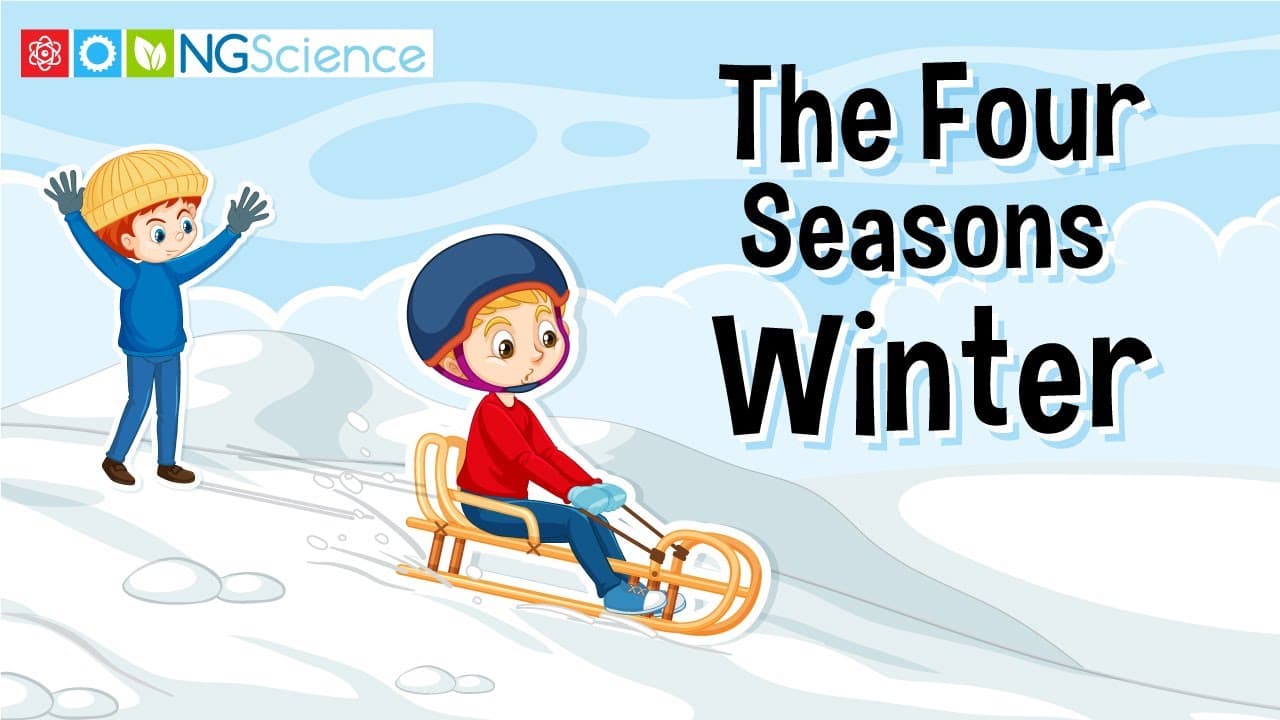
This educational video provides a comprehensive overview of the winter season, explaining the meteorological, biological, and behavioral changes that occur during this time of year. It begins by situating winter within the cycle of the four seasons, briefly explaining how the Earth's orbit around the sun drives these changes. The video then transitions into the specific characteristics of winter, such as colder temperatures, shorter days, and snow accumulation.

Next Generation ScienceNext Generation Science

3mins 14s

Materials

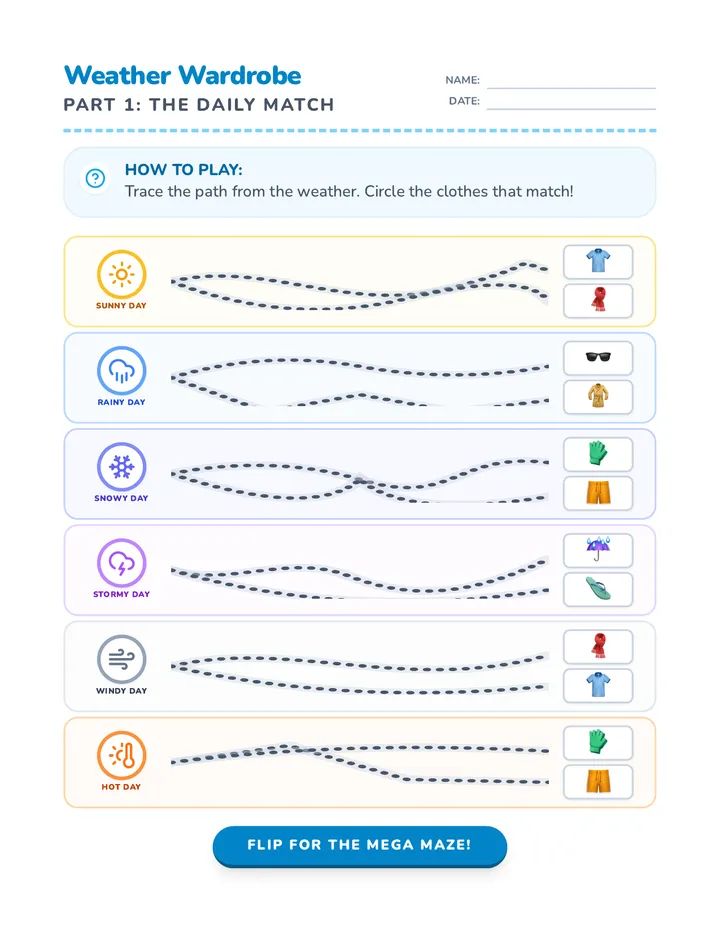
Weather Wardrobe Maze Worksheet

Weather Wardrobe Maze Worksheet

An expanded weather wardrobe activity worksheet for kindergarteners. Page 1 features matching exercises for six weather types (sunny, rainy, snowy, stormy, windy, hot) with two choices each. Page 2 contains a "Mega Maze" where students navigate complex, high-contrast paths from all six weather stations to their respective clothing items in a central closet.

ZC

Zachariah Call

OSU Science Stay Behind Work Worksheet

OSU Science Stay Behind Work Worksheet

An updated 3rd-grade science worksheet with 12 questions. It features a simplified reading passage on Page 1 and a complete 12-question assessment (Word Bank, multiple choice, true/false, fill-in-the-blank, and short answer) on Page 2 to ensure no content is cut off during printing.

AC

Aaron Conlin

Storm Seekers Word Search

Storm Seekers Word Search

A weather and natural disaster themed word search for third-grade students, now featuring 15 vocabulary words in a clear 12x12 grid with a 3-column checklist. Fixed page breaks and contrast issues.

A

ALees

Sky Scouts Worksheet

Sky Scouts Worksheet

A vibrant weather-themed word search for 3rd graders. It features a clear word bank categorized by weather types and a 12x12 grid containing all nine weather and climate terms hidden horizontally for clarity.

A

ALees

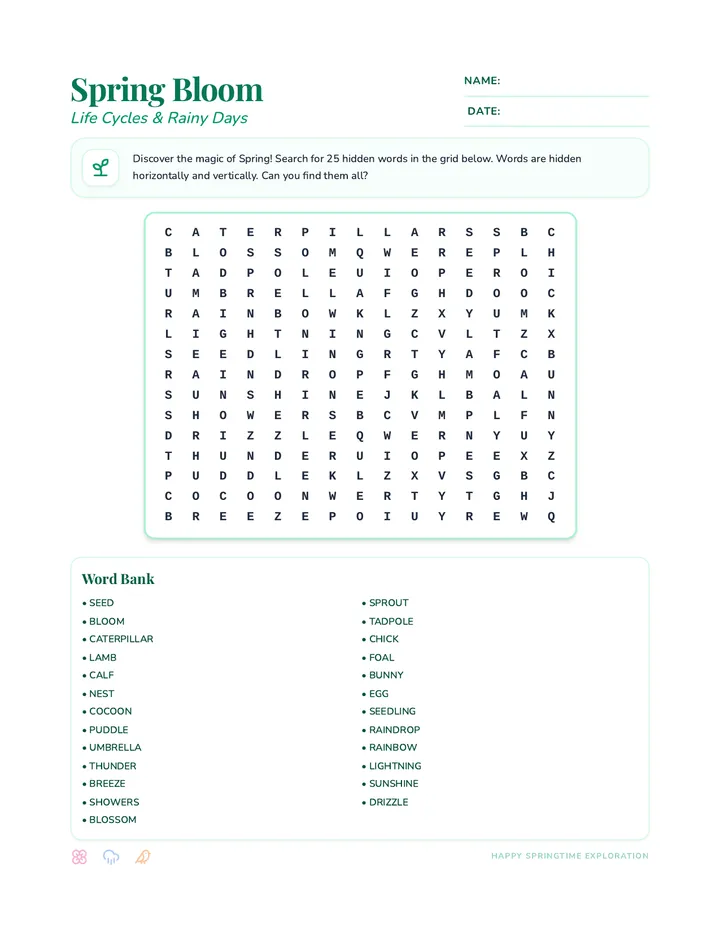
Spring Bloom Word Search Worksheet

Spring Bloom Word Search Worksheet

A spring-themed word search featuring 25 words related to life cycles, baby animals, and weather. Includes a decorative student worksheet and a corresponding answer key.

K

Katelynn.Kinnett

Earth Systems Atlas Reference

Earth Systems Atlas Reference

A comprehensive 2-page Earth Science anchor chart and student reference guide. It covers Grade 5 topics (Weather, Water Cycle, Global Patterns) and Grade 8 topics (Plate Tectonics, Rock Cycle, Hydrosphere, Atmosphere, and Earth's History) with key vocabulary and diagrams.

KH

Kristina Homesley

Sequences

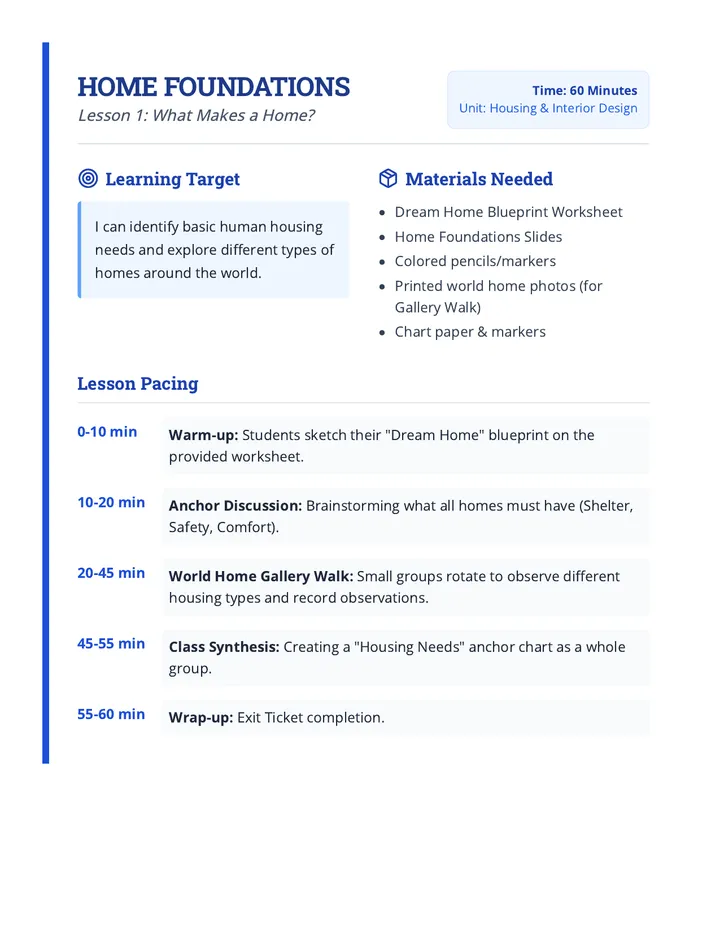
Home Foundations Teacher Guide

Housing and Interior Design

An introductory unit on Housing and Interior Design within the Human Services field. Students explore basic housing needs, sustainable green building, universal design for accessibility, the impact of local resources and climate on home construction, and residential energy efficiency.

JM

Jill Miller

38
Earthquake Anchor Chart

Disaster Detectives

A series of lessons focused on understanding different natural disasters, their causes, impacts, and safety protocols through structured writing and investigation.

CO

Catherine Onessimo

18
Science Scout Slides

Science Explorer Series

A series of foundational science lessons designed for high school students with autism, featuring highly visual and structured activities across various scientific domains.

MR

Maddy Roberts

15
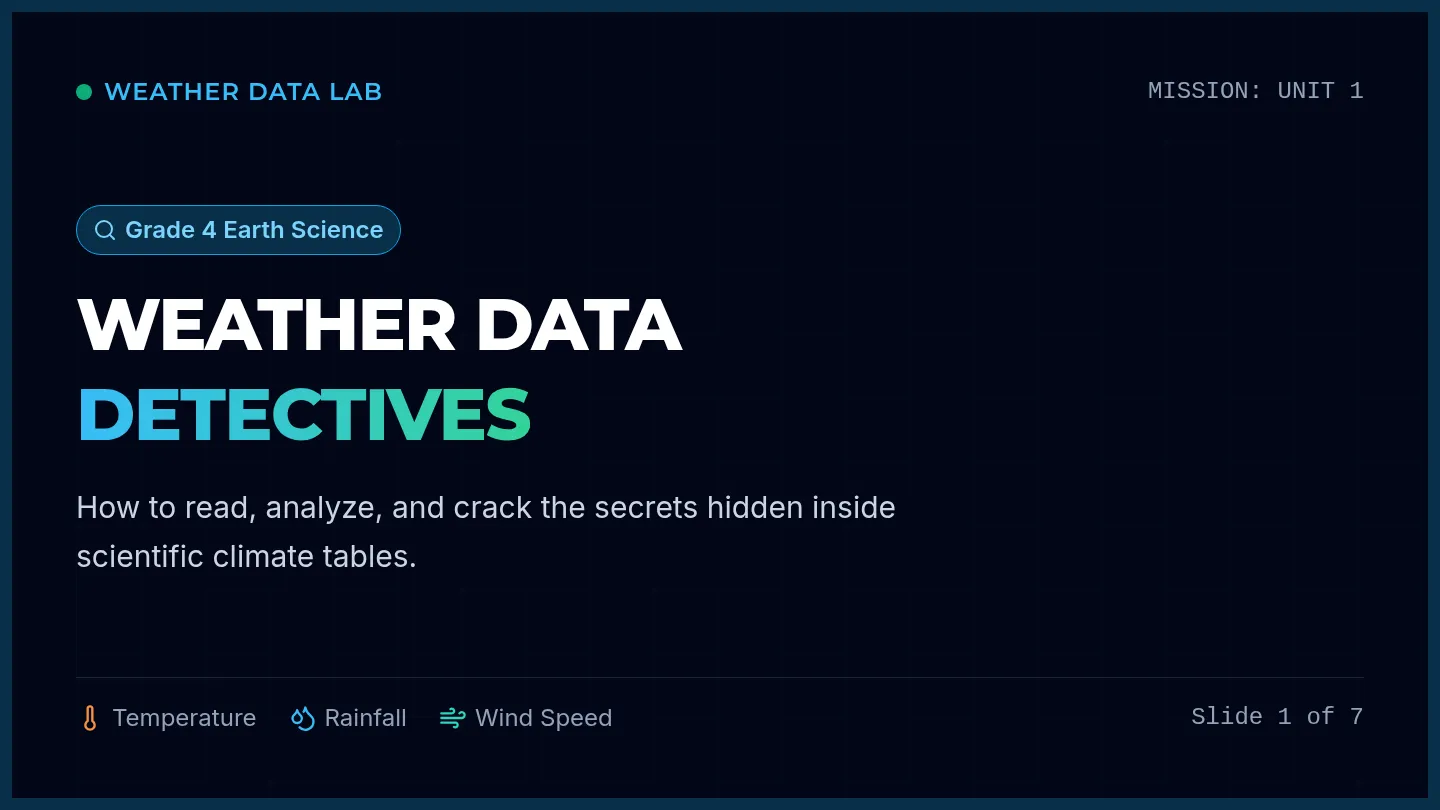
Data Detectives Slides

Energy Engineers

A hands-on 4th-grade science sequence exploring energy transfer, thermal design, and data-driven climate analysis through weather tracking and solar oven engineering.

M

Makenzie.Milliman

7
Sky Spotters Lesson Plan

Weather Wonders

A comprehensive Pre-K exploration of weather types and seasonal changes through observation, hands-on experiments, and creative activities. Students will learn to identify common weather patterns and understand how the environment changes throughout the year.

S

sissy.fetters

12
Sunflower Explorer Activity

Junior Scientist Journeys

A comprehensive collection of introductory science modules for first-grade emergent readers, covering biology, meteorology, physics, and earth science through simple, repetitive text and engaging activities.

JS

Janette Sullivan

10