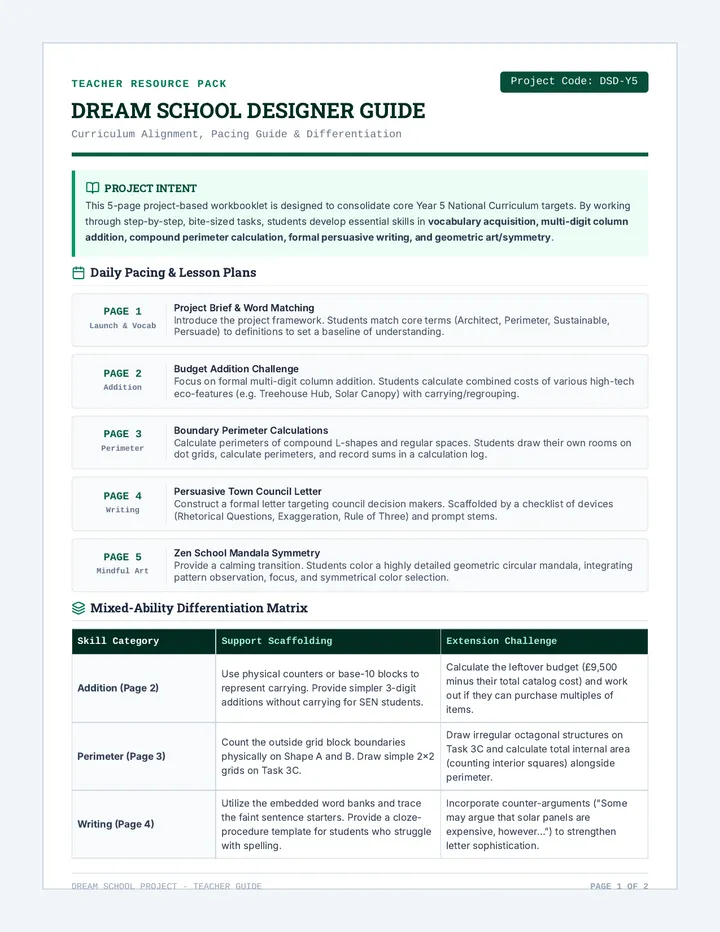
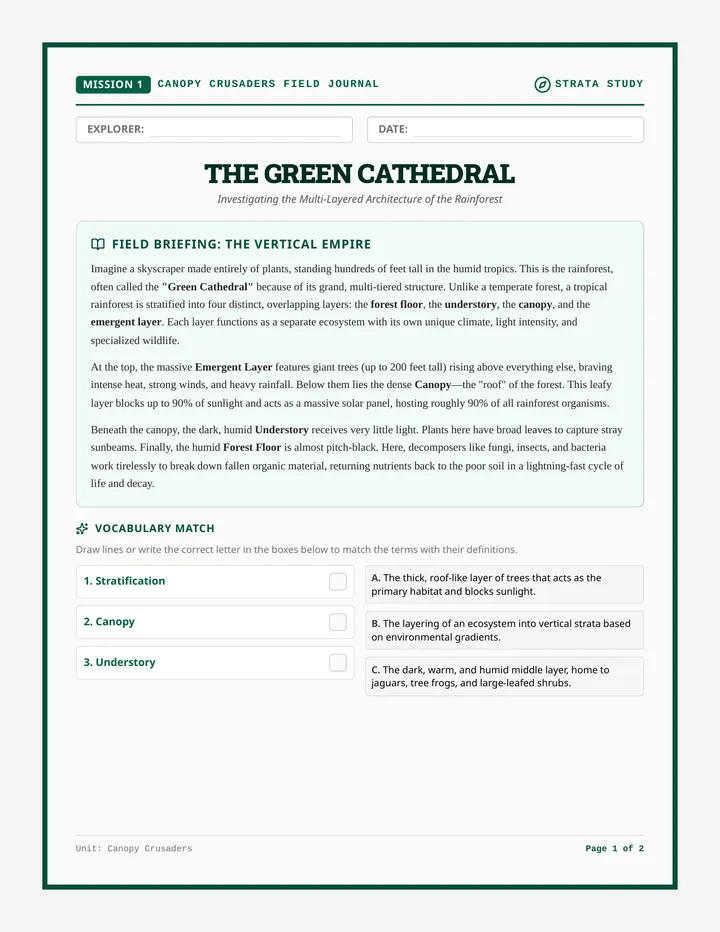
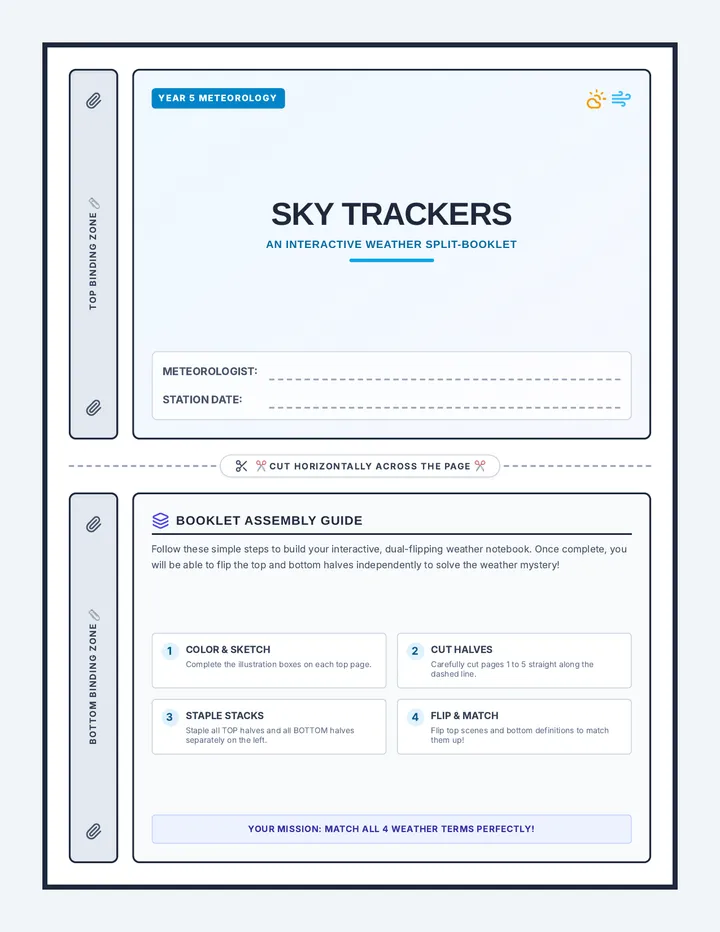
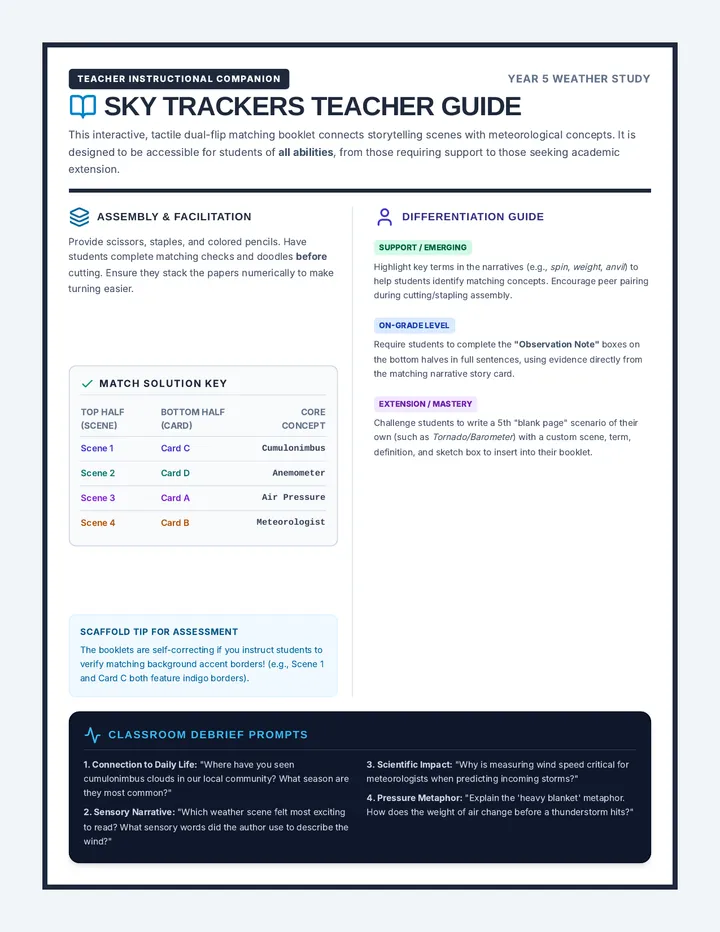
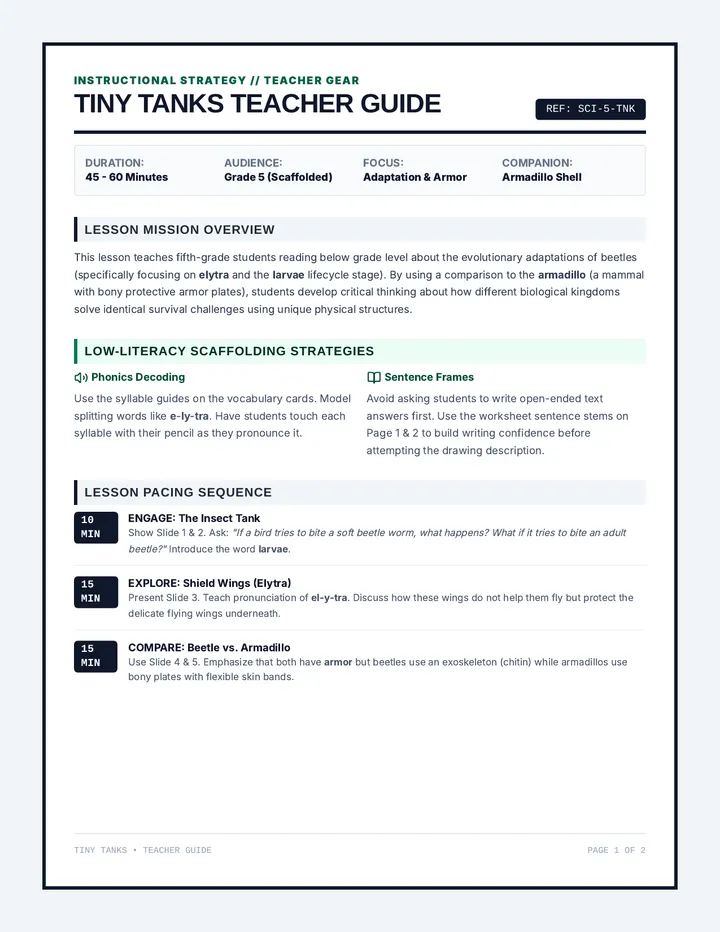
Teacher facilitation guide for Lesson 3 (Lab Day). Includes setup instructions, common misconceptions, and tips for managing hands-on product testing.
A two-page sorting activity where students match organisms from the Arctic, Desert, and Coral Reef to their correct ecosystems and identify producers.
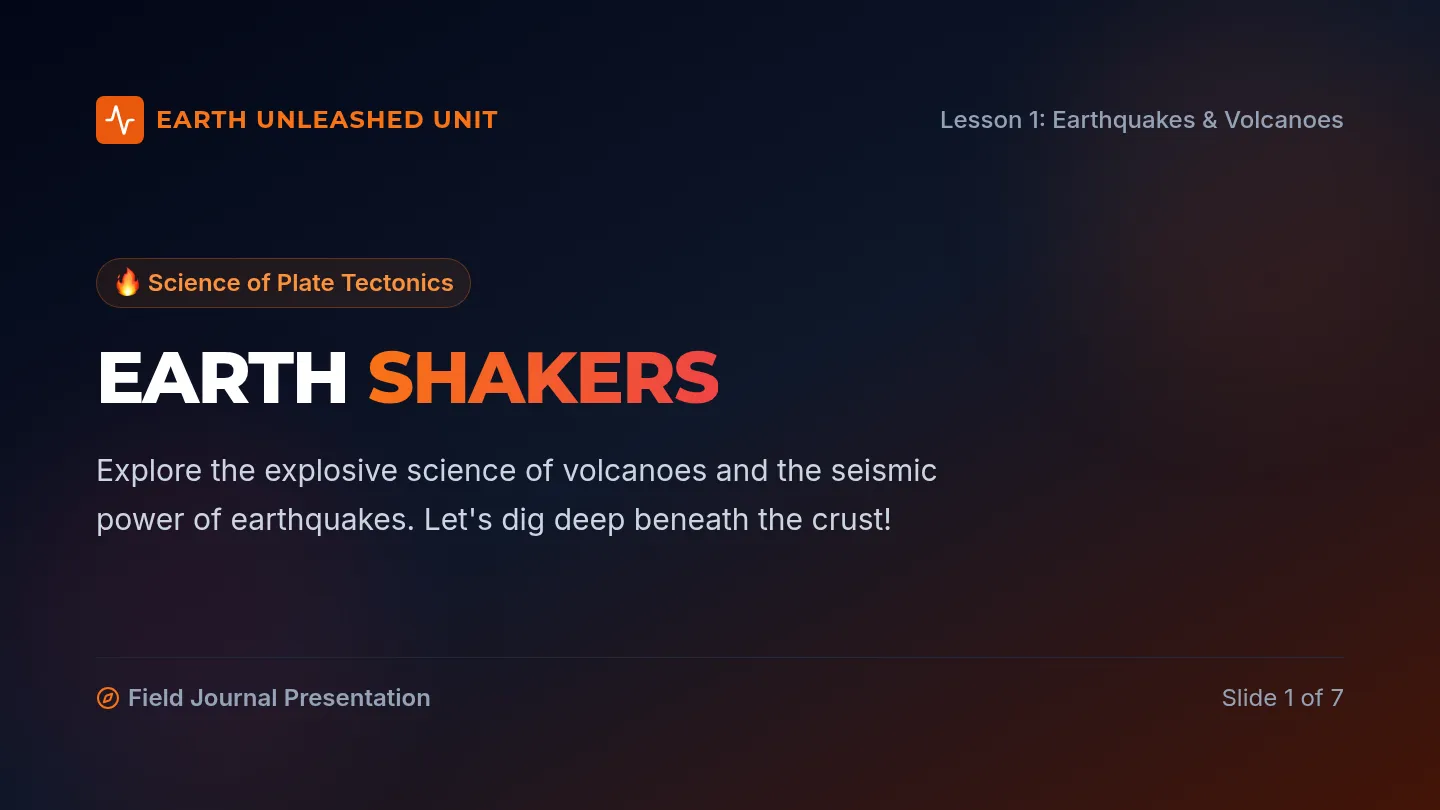
A visual slide deck exploring energy flow in extreme ecosystems (Arctic, Desert, Reef) and introducing the concept of wildlife crossings.
A creative two-page design activity where students draft a wildlife bridge to solve habitat fragmentation and analyze its impact on energy flow.
An aquatic food web worksheet where students identify producers/consumers and draw energy flow arrows for a pond ecosystem.
A two-page cut-and-paste activity where students build a terrestrial food web for a forest ecosystem and draw energy flow arrows.
A visual slide deck introducing food webs, the difference between food chains and webs, and contrasting terrestrial and aquatic energy foundations.
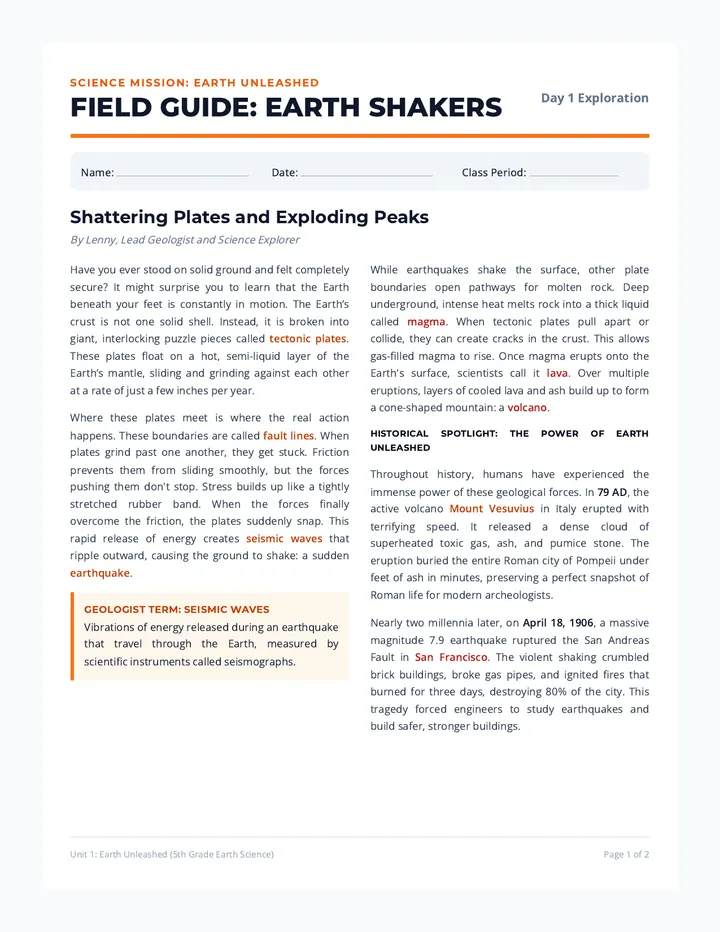
A one-page reading passage about energy flow and trophic levels, followed by four multiple-choice comprehension questions.
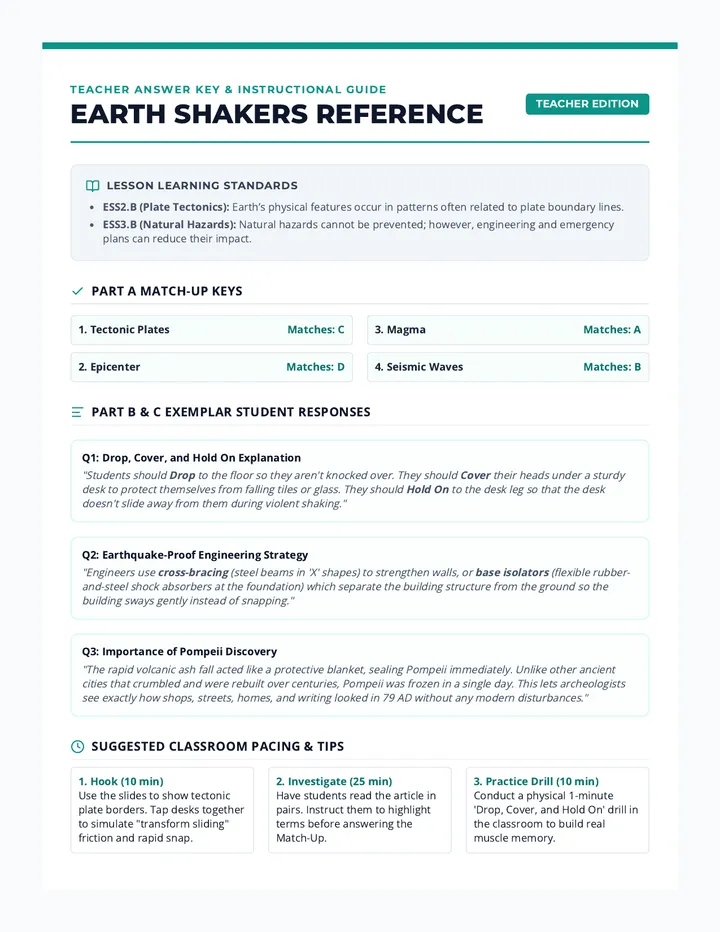
A comprehensive single-page teacher-facing resource providing the answer key for all student activities, including the new wildlife bridge design project and the habitat hike.
A comprehensive matching and identification worksheet focusing on trophic level vocabulary, including a fixed 4-level diagram lab for color-coding.
A colorful two-page cut-and-paste activity where students assemble an energy pyramid using trophic labels and specific prairie organisms.
A visual slide deck introducing energy pyramids, trophic levels (producers to tertiary consumers), and the 10% energy transfer rule.
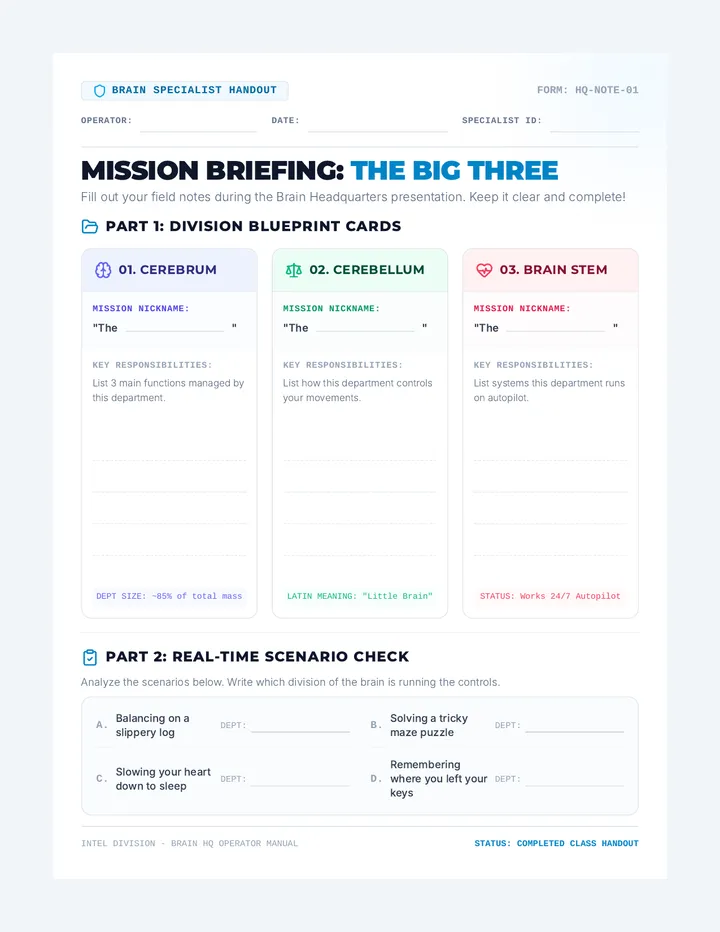
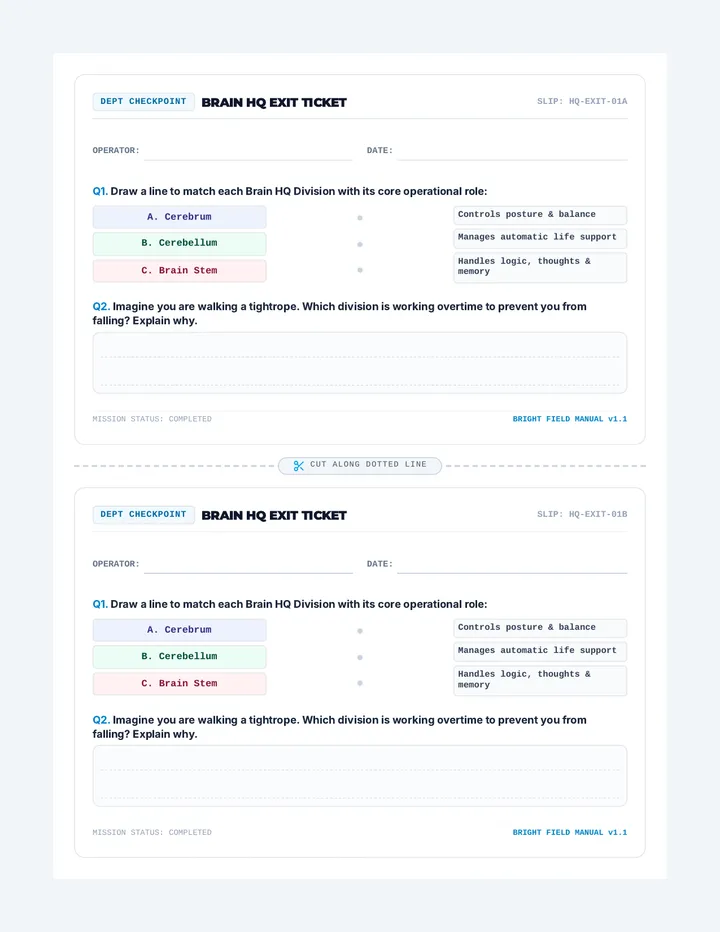
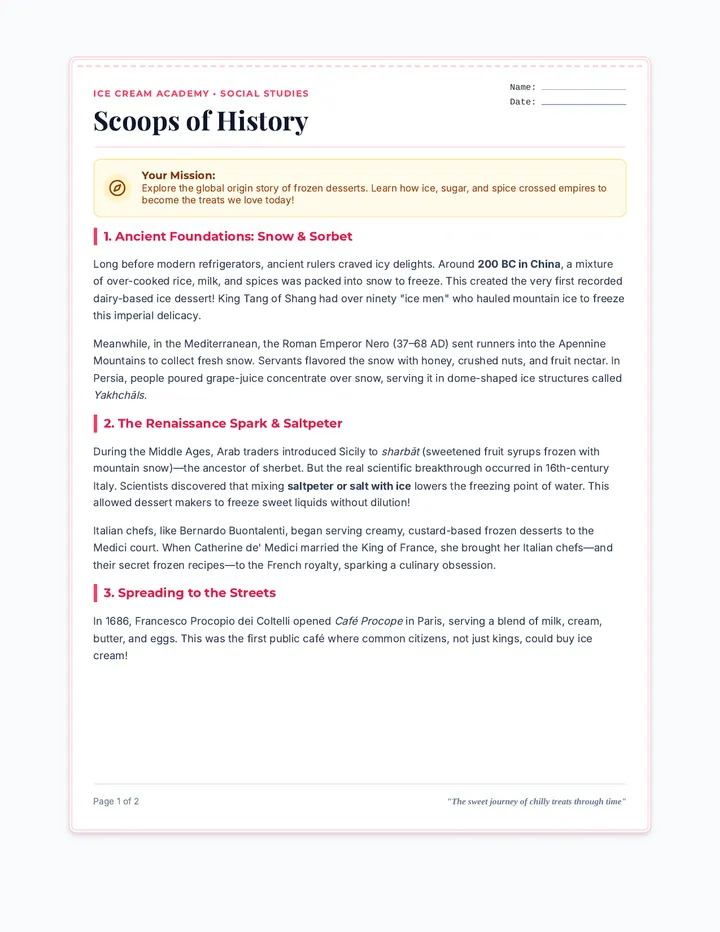
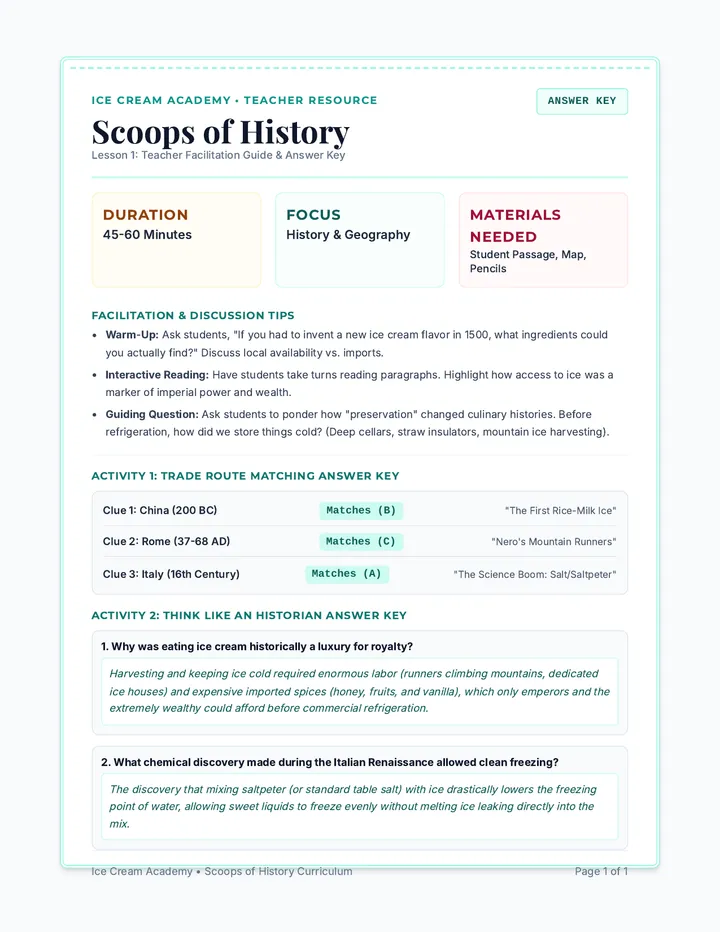
A participant handout for Lesson 2 (Decomposition) with a Rally Coach section for low-lift tasks, a Professional Blueprint for classroom application, and a reflective Coach's Corner connecting early exposure to long-term CS success.
A 5-slide presentation for Lesson 2 (Decomposition) featuring the Allison Cuttler quote, the video intro, Rally Coach instructions, and professional application examples across storytelling, standards, and math.
Updated facilitation guide for Lesson 2 (Decomposition), featuring quotes from Krauss & Prottsman and Allison Cuttler, a Rally Coach instructional strategy, and cross-curricular connections from literacy to industrial tech.
A comprehensive scoring guide for teachers to assess students' biome box projects and written reports, covering accuracy, creativity, writing, and presentation.
A naturalist-themed worksheet for students to document their biome box project, featuring sentence starters, short response areas, and sections for climate, flora, fauna, and project reflection.
A comprehensive instructional guide for teachers to facilitate the water purification experiment. Includes lab prep recipes, facilitating prompts, answer keys, and troubleshooting tips.
A visual presentation guide for teaching the concepts of physical filtration and phase-change purification. Includes clear visual aids and a lab safety overview.
A comprehensive guide for students to conduct a two-part water purification experiment using filtration and evaporation. Includes safety tips, material lists, and observation sections.
A comprehensive teacher's guide for the Cycle Seekers lesson, including learning objectives, pacing, discussion prompts, and notes on common misconceptions. Optimized for single-page use.
An answer key for the Water Wanderer worksheet, providing the correct stage names and concise descriptions for all seven parts of the water cycle. Repositioned to ensure no overlaps and improve visual clarity.
A student worksheet featuring a water cycle diagram with blank labeling areas for seven key stages, requiring students to provide both names and descriptions. Optimized for one-page printing with enhanced handwriting space and high-contrast visuals.
An introductory slide deck explaining the seven key stages of the water cycle, highlighting the roles of solar energy and gravity. Includes a final slide to transition to the labeling activity.
A comprehensive answer key and teacher guide for the Waste Warriors differentiated worksheet set.
A beginner-level Earth Day worksheet using pictures and icons for multiple-choice sorting and vocabulary recognition.
A mid-level Earth Day worksheet featuring a matching activity with a word bank, simple sorting lines, and cloze sentences for structured student responses.
An advanced-level Earth Day worksheet featuring sentence starters and open-ended vocabulary definitions for students to demonstrate deep understanding of waste management.
A concise one-page note sheet for students summarizing the definition of science, the 7 steps of the scientific method, observation vs. inference, and types of variables, including a short case study application.
A facilitation guide for teachers to manage the three phases of the jigsaw activity, including timing, grouping strategies, and discussion prompts.
An individual writing prompt handout for the final phase of a jigsaw activity, asking students to synthesize information from all three video sources. Improved line height and layout.
A peer-sharing organizer for the second phase of a jigsaw activity, designed for students to record key information while listening to their teammates' presentations. Page-optimized version.
A student-facing expert guide for the first phase of a jigsaw activity, providing space for detailed notes on a specific video source. Final page-optimized version.
A highly realistic and visually refined food web worksheet for Christmas Island. It features custom visuals for crab larvae, sea cucumbers, and sea turtles, a distinctly yellow theme for the crazy ant, and accurate energy flow arrows. The layout is optimized for clarity and high-contrast printing on a single page with zero element overlap.
An updated three-page reading passage about yellow crazy ants on Christmas Island, now featuring realistic, anatomically accurate SVG "Field Sketch" illustrations of the ants, red crabs, lac scale insects, and honeydew. Formatted for consistent alignment and perfect page flow.
A "rough draft" planning document for Operation Earth. It helps students map their research findings into a logical slide-by-slide sequence, including spaces for layout sketches and peer feedback.
A project-specific rubric for Operation Earth, evaluating research quality, content accuracy, visual presentation, and citations. Uses a 'Mission Success' theme to maintain project immersion.
A formal research document for Operation Earth, structured as a field log. It provides guided sections for source validation, data collection (Problem, Impact, Solutions), and a final reference list.
A mission-style choice board for Operation Earth featuring 12 environmental challenges and two project delivery options. Designed with a high-tech tactical aesthetic to engage students in their 'mission selection'.
A student-facing project roadmap and timeline for Operation Earth. It breaks the project into four distinct phases: Topic Reconnaissance, Intelligence Gathering, Strategic Blueprint, and Final Deployment.
Instructional support for the Ant Invaders lesson, including learning objectives, discussion prompts, and an answer key for vocabulary. Updated to remove references to the graphic organizer.
Visual slides for instruction. Added vocabulary slide, improved text contrast, fixed text sizing, and removed overflow issues.
A facilitation guide for teachers including learning objectives, a lesson sequence, guiding questions, and an assessment checklist for the mammal research project.
A structured research journal for students to document the physical traits, habitat, diet, life cycle, and conservation status of a chosen mammal. Increased writing space across three pages.
A companion checklist for students to practice energy-saving actions at home or school, featuring a reflection area for creative ideas.
A vibrant visual anchor chart poster illustrating three simple ways to save energy: turning off lights, turning off the TV, and unplugging electronics.
A student-friendly STEM project rubric with simple language like "STEM Knowledge" and "Best Effort." It includes space for teacher feedback and self-grading, with all grade-level references removed for universal application.
A 5th-grade restaurant-themed STEM project menu updated for entirely indoor completion. Projects include "Adaptation Artist" and "Egg Drop 2.0," designed to be completed in 1-2 days to allow for a full course selection within a single week. Spacing and page layout have been optimized for a single-page print.
An indoor-only Tic-Tac-Toe choice board designed for a one-week duration. Projects include the "Bird Beak Lab" and "3D Cell Model," ensuring all activities are suitable for an indoor environment. Grade-level references have been removed for universal use.
An updated teacher answer key providing detailed scientific explanations and completed matrix data, now including specific answers for River Otters.
A revised worksheet that aligns with the deeper biological facts and advanced concepts introduced in the updated Field Guide. Features standardized row heights, pure white response areas, and improved page flow for better student experience. Now includes correctly synced sheet numbering.