A project-based workbooklet and guide where Year 5 students design their ultimate future school. The project is broken down into structured, bite-sized daily steps integrating English, Maths, Science, Geography, and Art.
A comprehensive teacher professional development and model lesson plan sequence. It equips educators with hands-on mineral testing protocols, inquiry-based (3D) NGSS teaching strategies, geological vocabulary support, and formative assessment tools for grades 4-8.
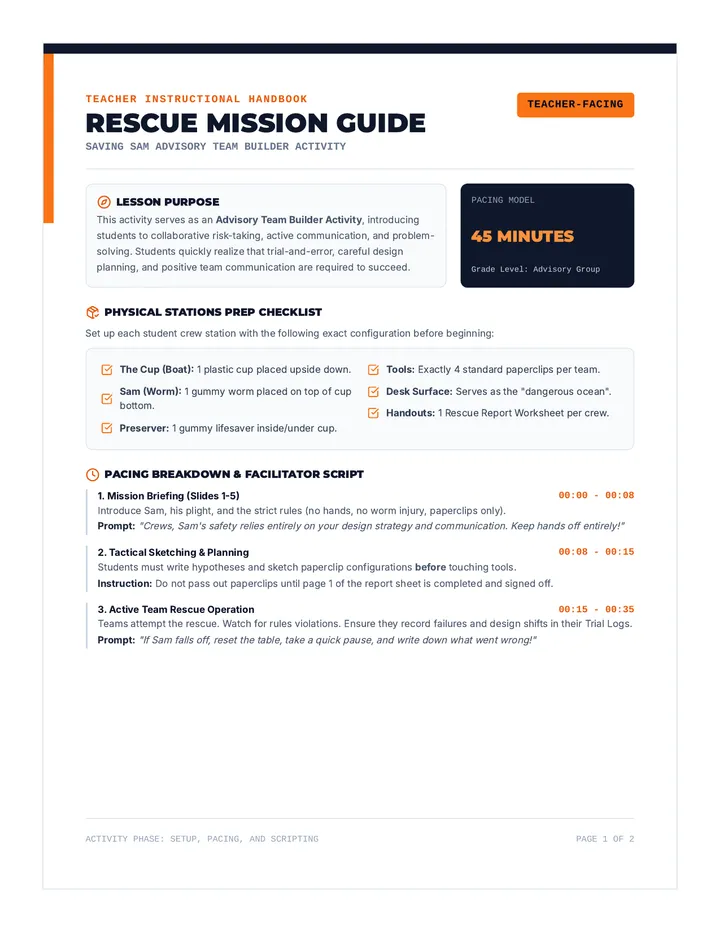
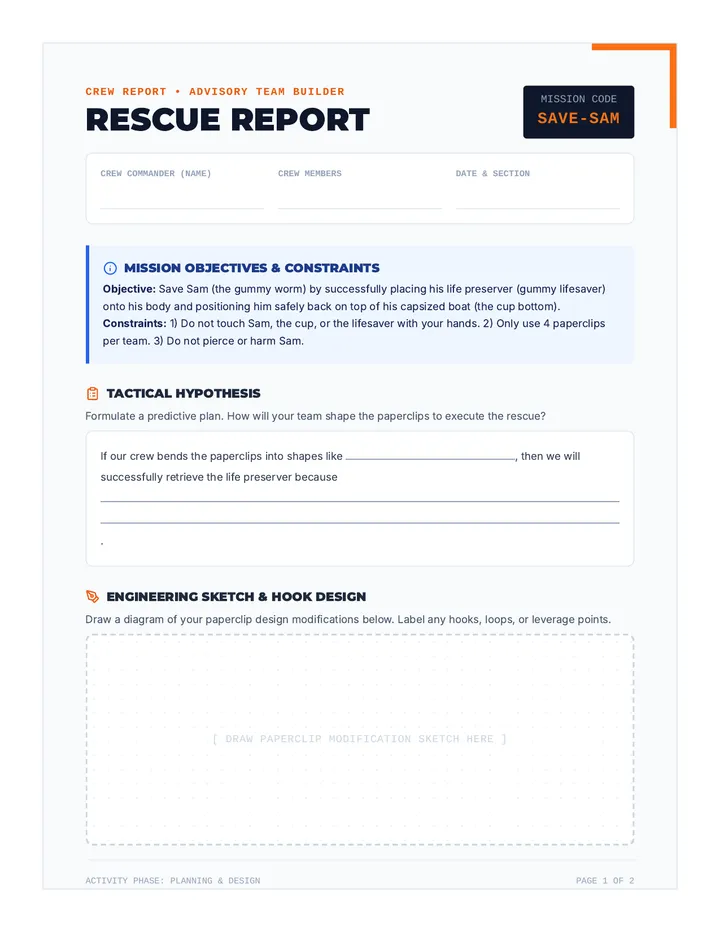
An introductory STEM and cooperative learning lesson where students work in teams to save Sam, a gummy worm stranded on a capsized boat, using only paperclips to retrieve and equip his life preserver.
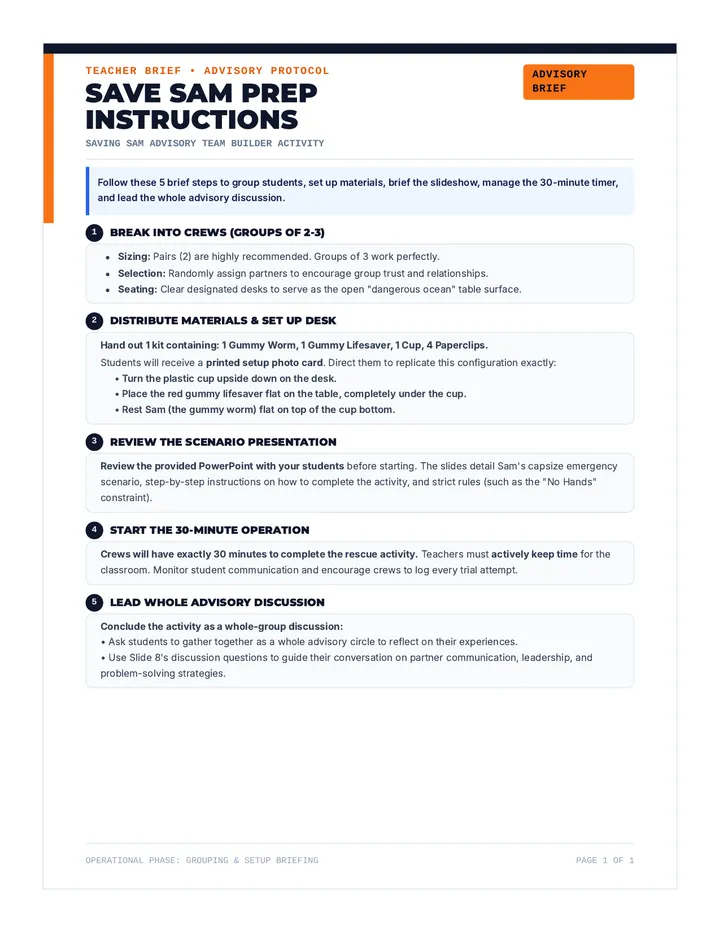
A brief, step-by-step instructional guide for teachers on breaking students into groups of 2-3, distributing materials, briefing the scenario via slides, and managing the 30-minute timer.
A comprehensive elementary/middle school astronomy unit exploring the predictable patterns of Earth and sky. Students investigate why constellations change seasonally and decode the predictable cycle of lunar phases through hands-on models, observations, and guided inquiry.
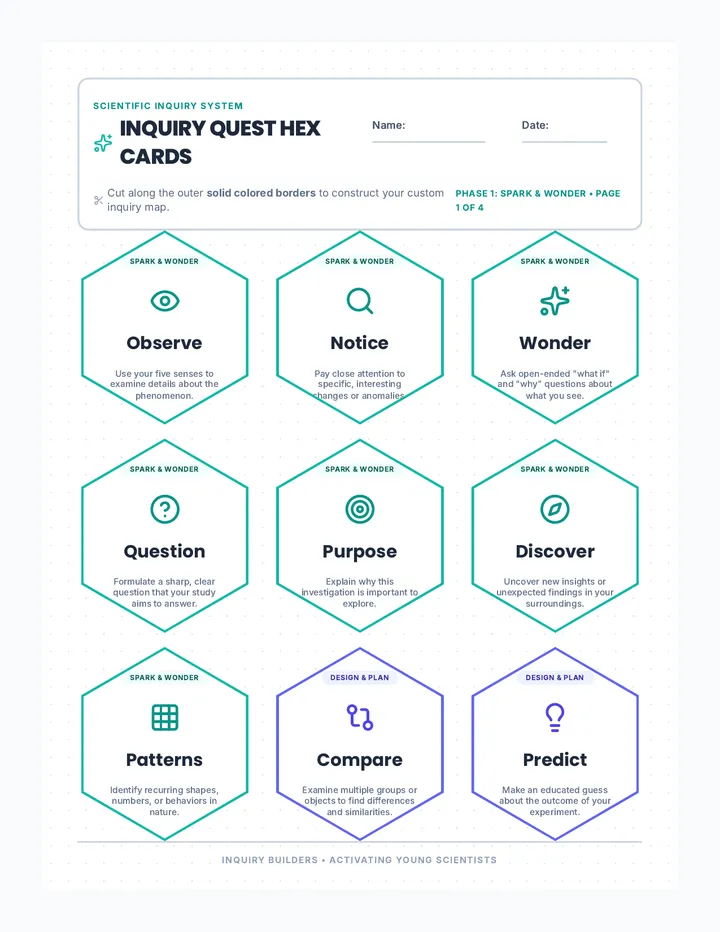
A lesson designed to guide students through the fundamental stages of scientific inquiry using tactile, color-coded hex cards to map, sort, and collaborate on scientific investigations.
A comprehensive, 2-page instructional guide for teachers containing step-by-step setup instructions, material lists, scripted prompts, pacing suggestions, common student misconceptions, and a 4-point cooperative rubric.
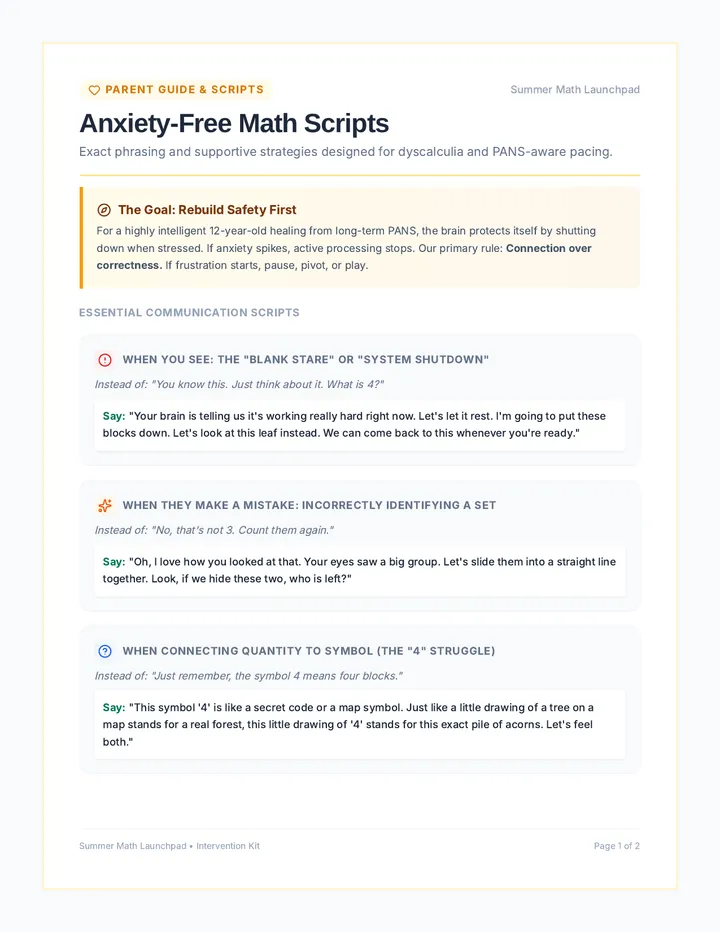
A summer-long math intervention bypassing rote memorization of multiplication to build intuitive pre-algebraic thinking using visual grids, helper facts, and balance puzzles.
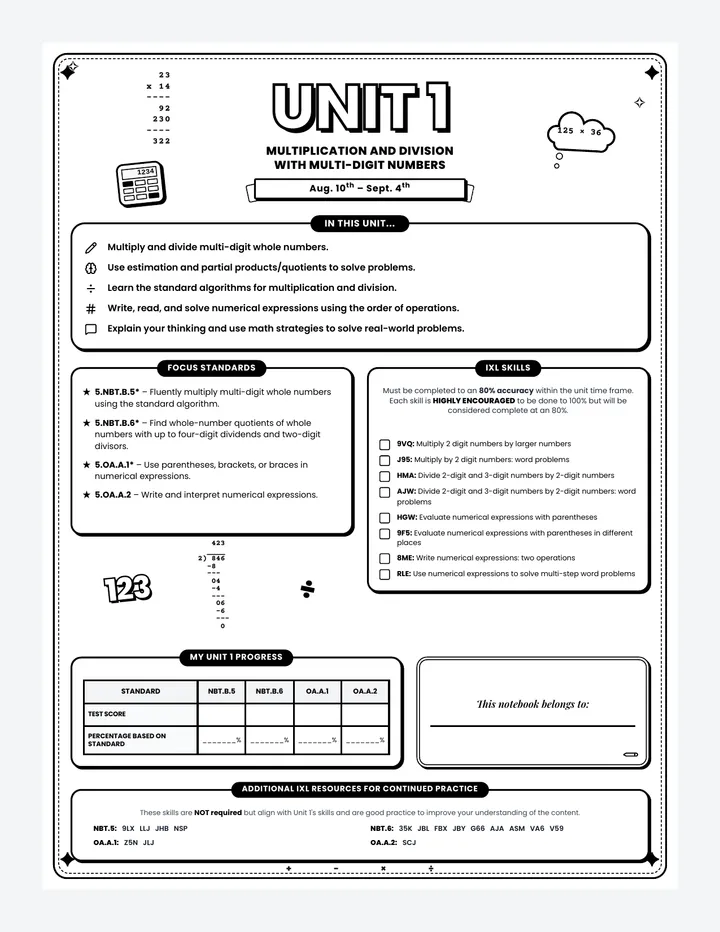
A core 5th grade math unit focused on multi-digit multiplication, division, standard algorithms, and algebraic thinking with order of operations.
A structured, 2-page print-ready student worksheet designed to guide students through the engineering design process during the challenge. Includes space for design sketches, hypothesis writing, a trial tracking log, and team reflection questions.
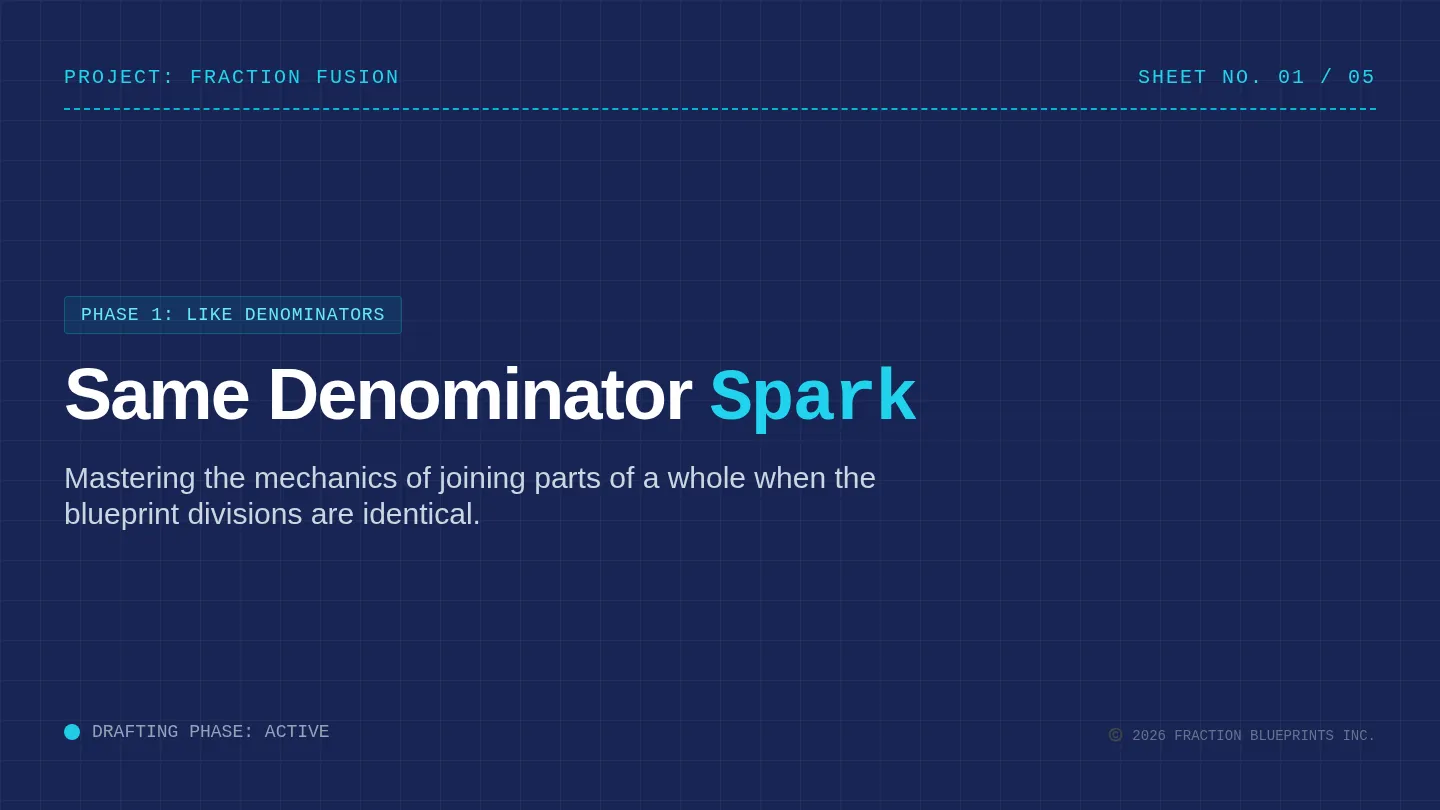
A 5-day instructional sequence designed to scaffold fraction addition. Students progress from combining fractions with like denominators to finding equivalent fractions, modeling unlike denominators, drawing their own fraction bars, and solving realistic math challenges.
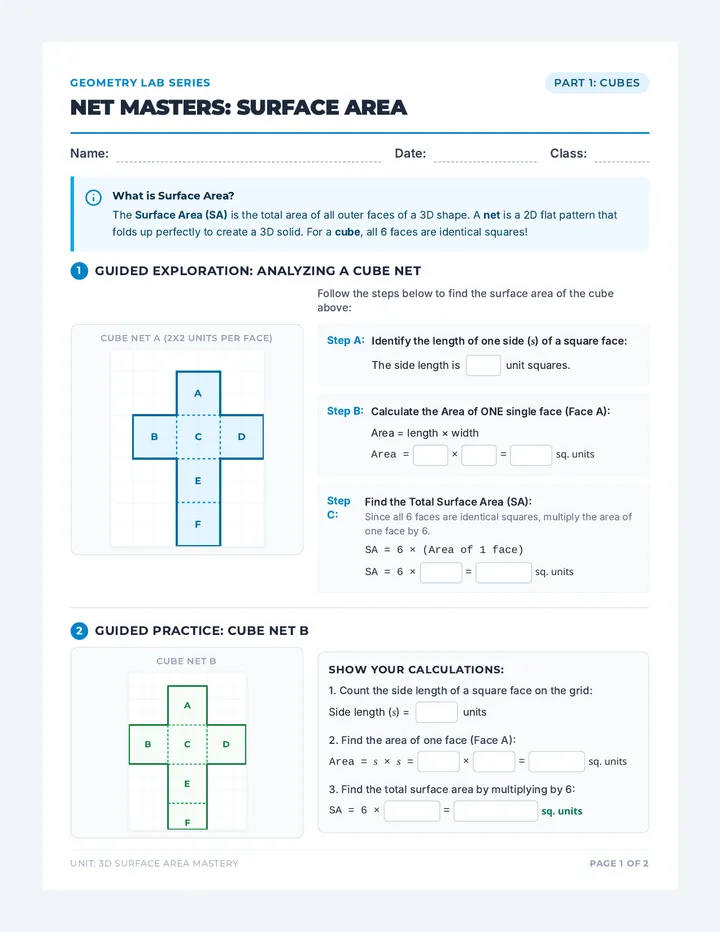
A hands-on, step-by-step guided exploration of calculating the surface area of cubes and rectangular prisms using fully labeled grid nets. Students use unit squares and scaffolded formulas to calculate the area of individual faces and find the total surface area.
An interactive, highly visual presentation designed to guide students through the Saving Sam STEM challenge. It features step-by-step visual rules, clear success criteria, and structured team discussion prompts using a high-contrast marine rescue theme.