A set of 16 STAAR-aligned task cards for 5th Grade Science, focusing on Reporting Category 4: Organisms and Environments. Each card features a multiple-choice question themed as field notes with rustic botanical styling.
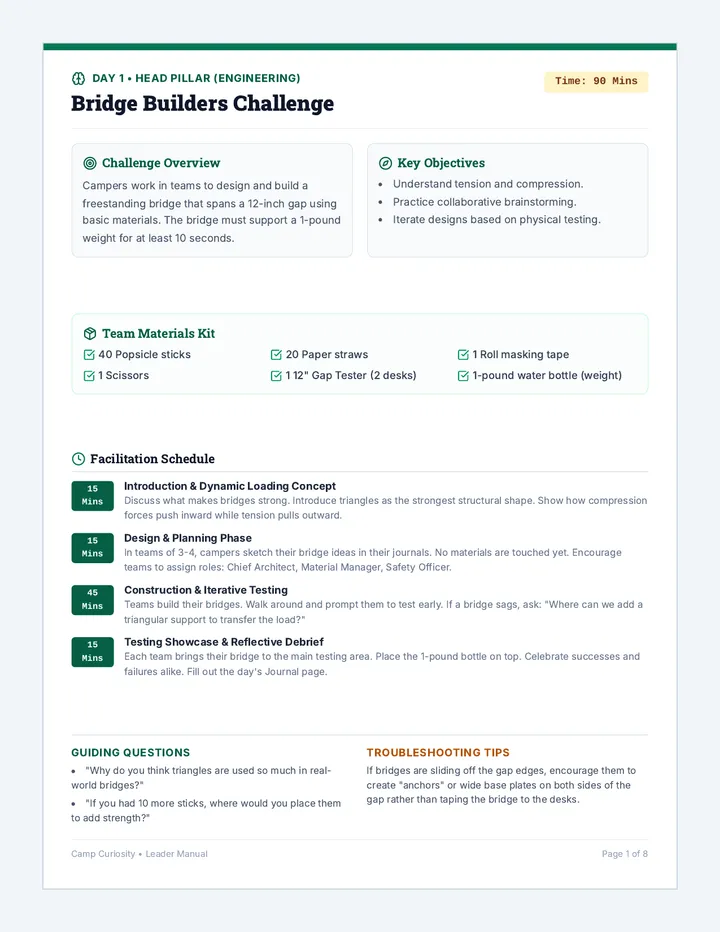
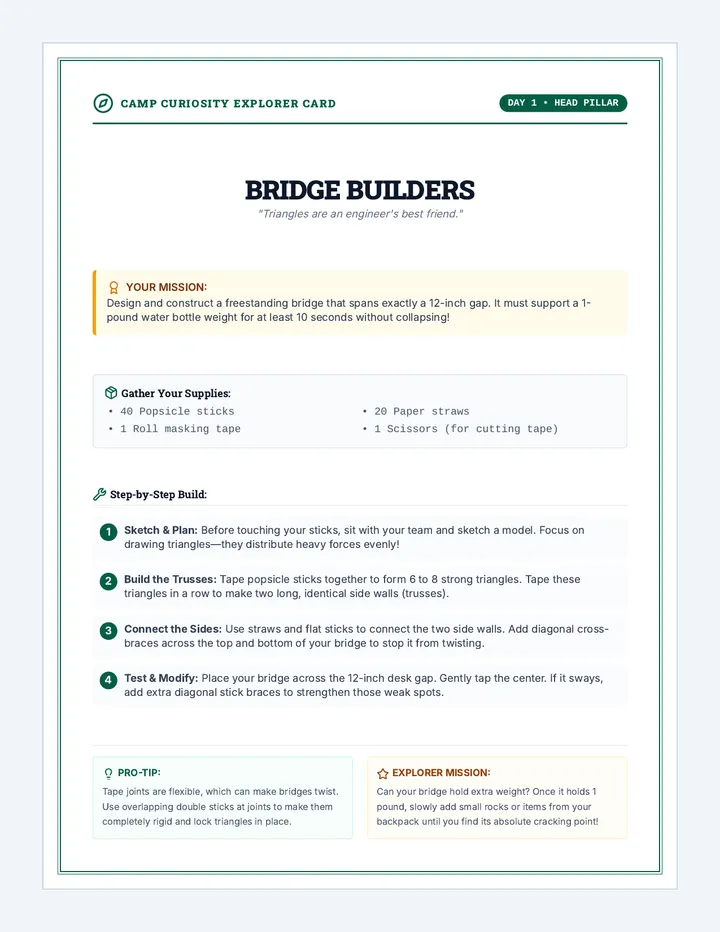
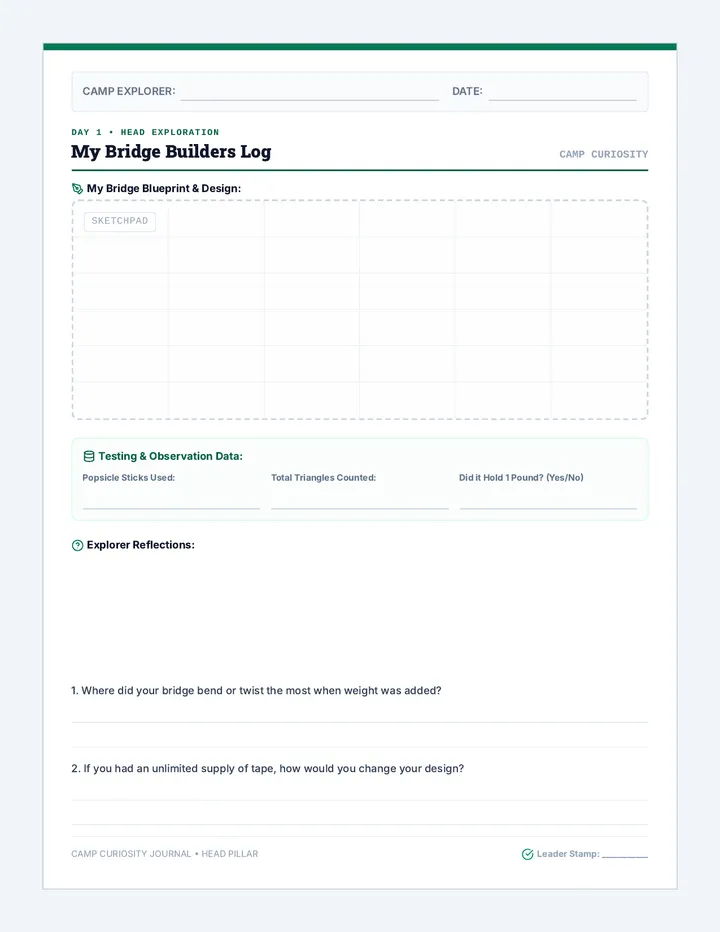
An action-packed, hands-on 8-day 4-H camp program focusing on Head, Heart, Hands, and Health. Students tackle engineering, teamwork, ecology, nutrition, and art challenges through daily active learning.
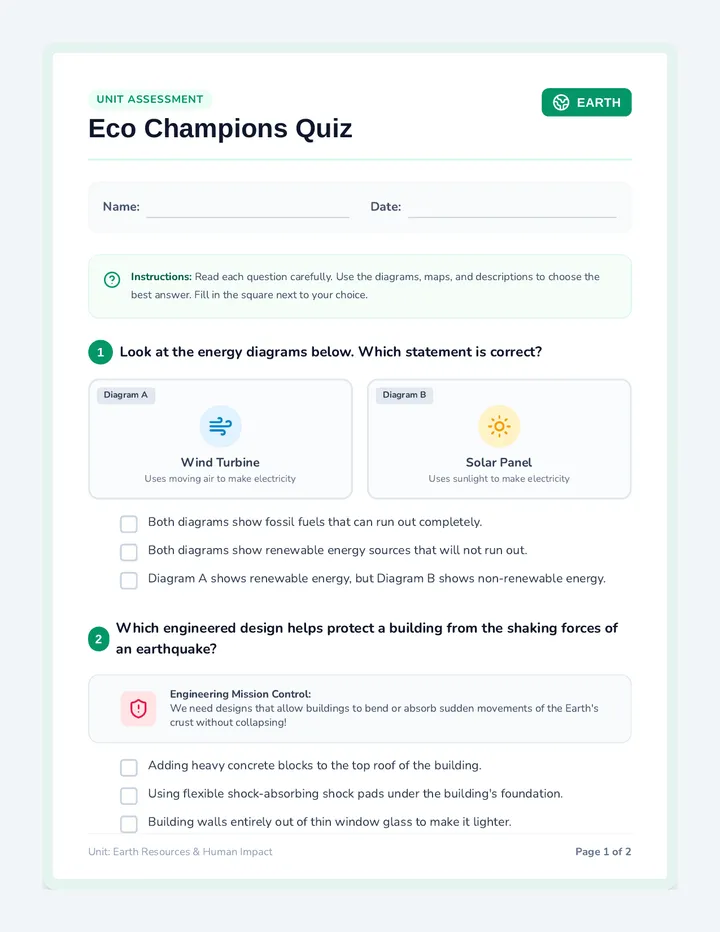
An elementary Earth Science lesson focusing on renewable energy, natural hazards, conservation, and human impact. Includes a highly visual student quiz and a corresponding teacher answer key.
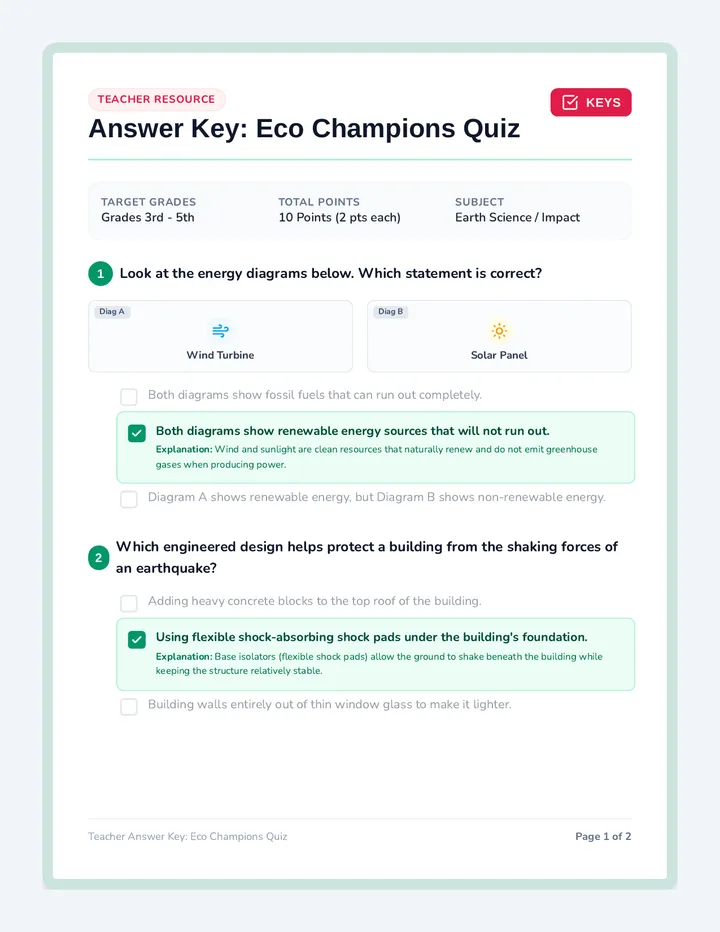
A teacher-facing 2-page Answer Key for the Eco Champions Quiz, providing highlighted correct answers, explanations, and grading criteria for the open-ended action plan question.
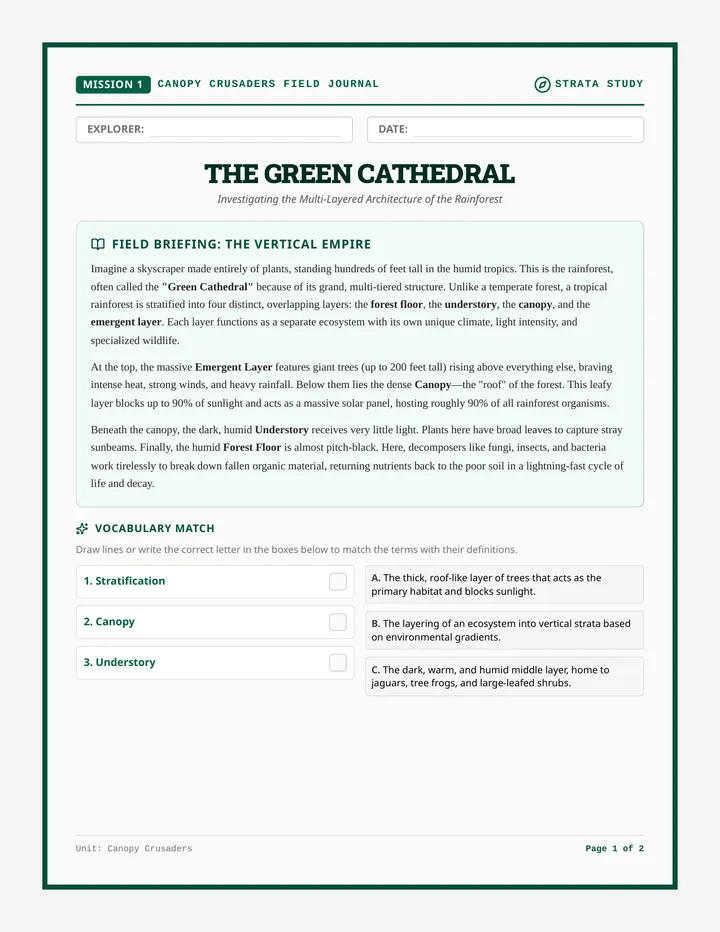
A comprehensive unit on rainforest ecology, climate regulation, and conservation. Students explore the structural layers of the rainforest, their roles as carbon sinks, the threats of deforestation, and collaborative solutions for preservation.
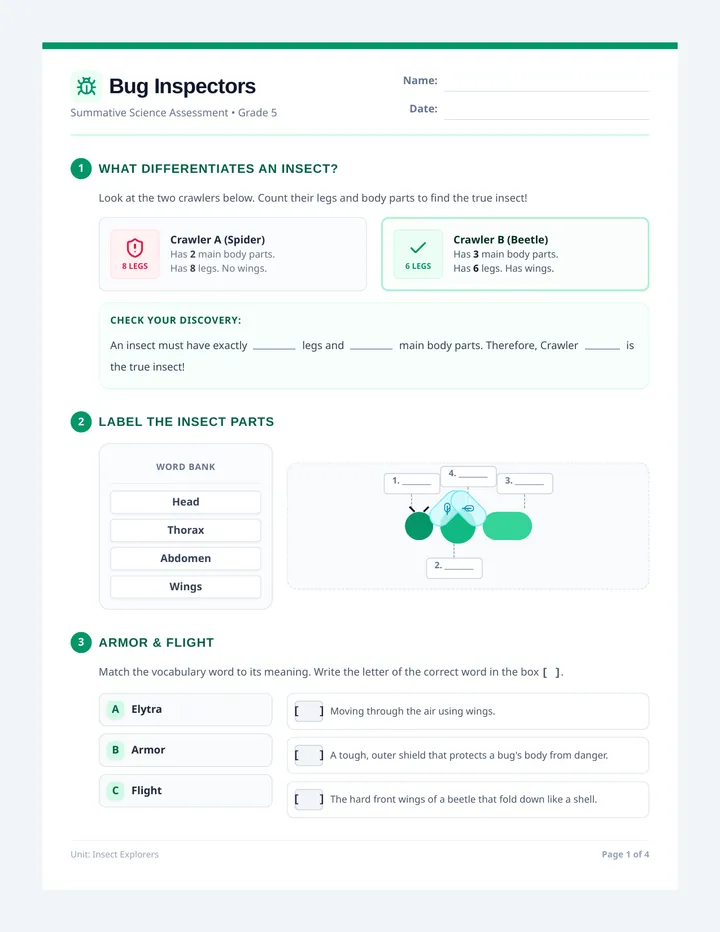
A tailored summative assessment lesson for 5th-grade students with low literacy, focused on insect anatomy, survival, and social behaviors. It includes a highly visual, scaffolded student worksheet and a comprehensive teacher answer key with accommodations.
A visually engaging, 2-page Earth Science quiz designed for grades 3-5, focusing on renewable energy, natural hazards, conservation, and climate change with clean diagram boxes and student writing space.
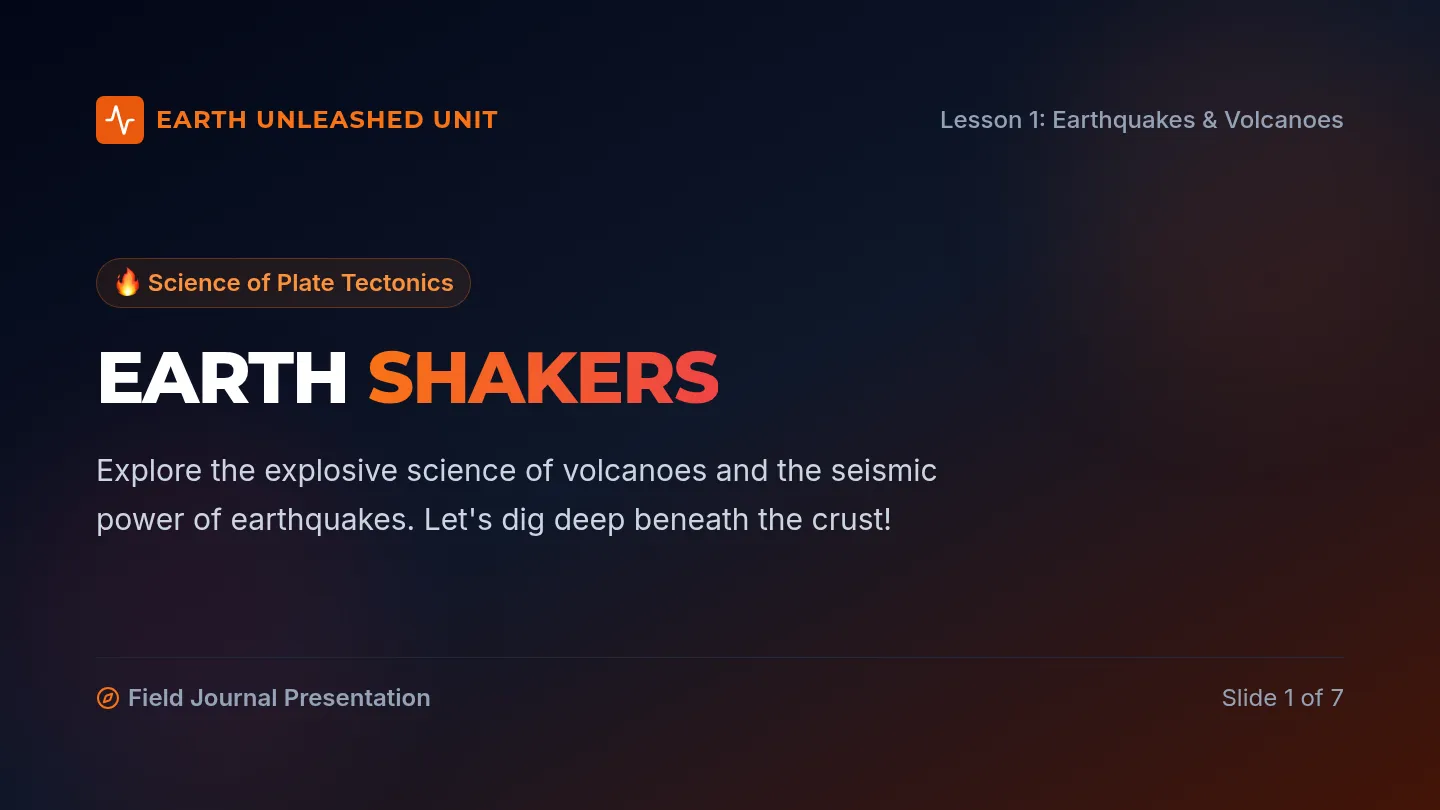
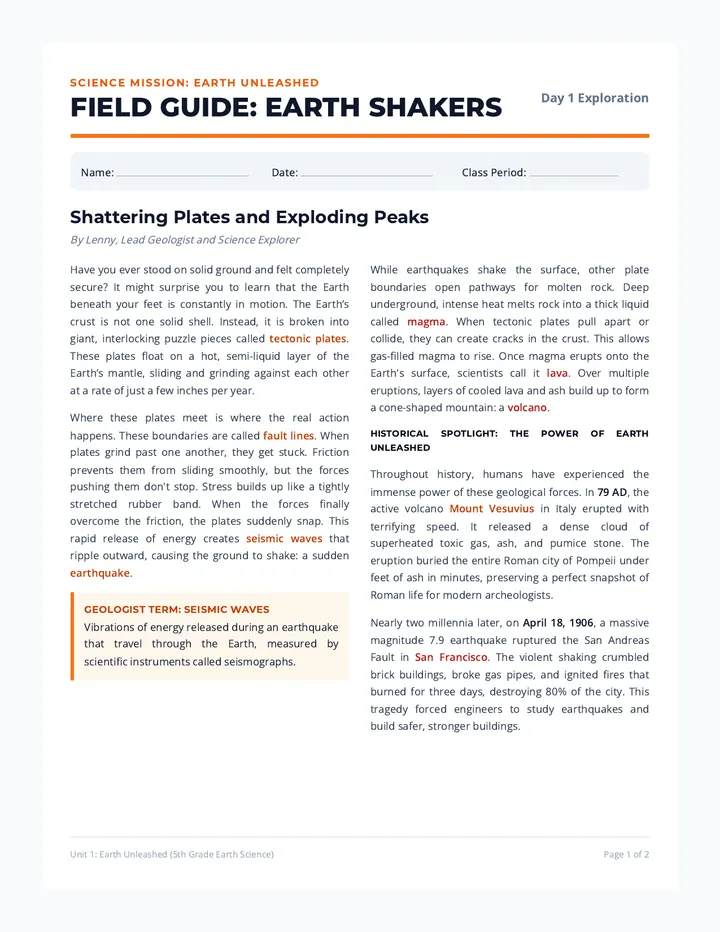
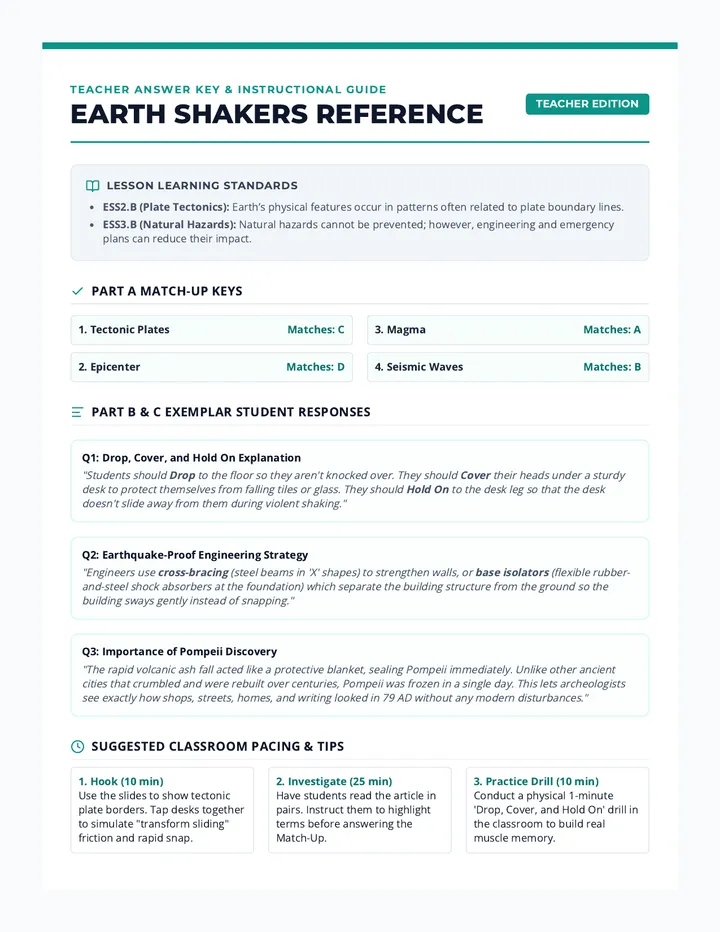
An immersive fifth-grade unit on natural disasters. Students explore the science, history, and safety preparation for earthquakes, volcanoes, hurricanes, tornadoes, wildfires, and floods through interactive slides, reading investigations, and emergency planning projects.
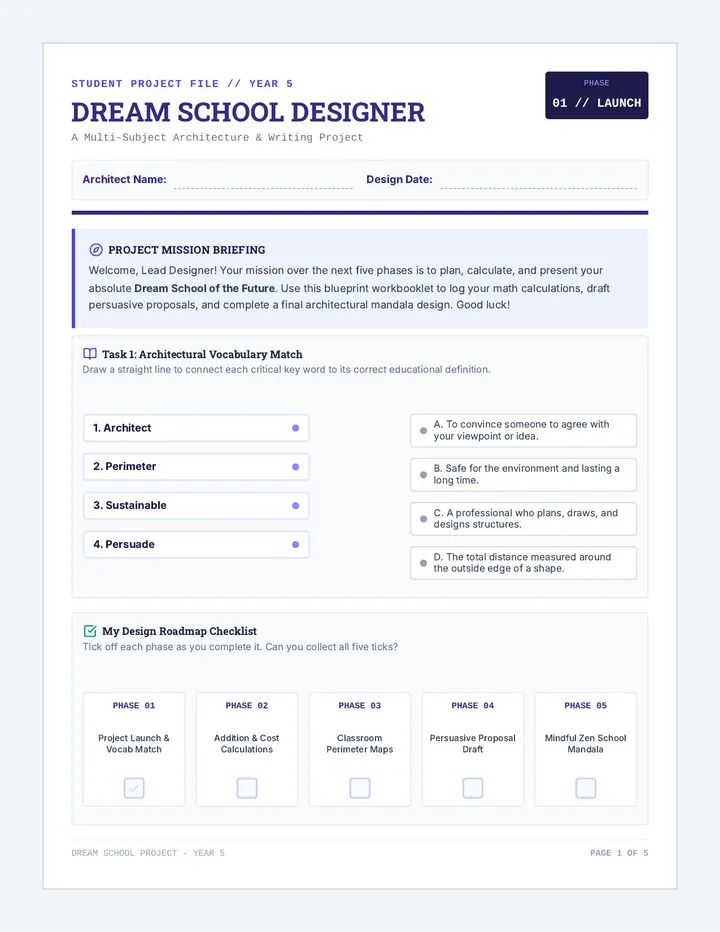
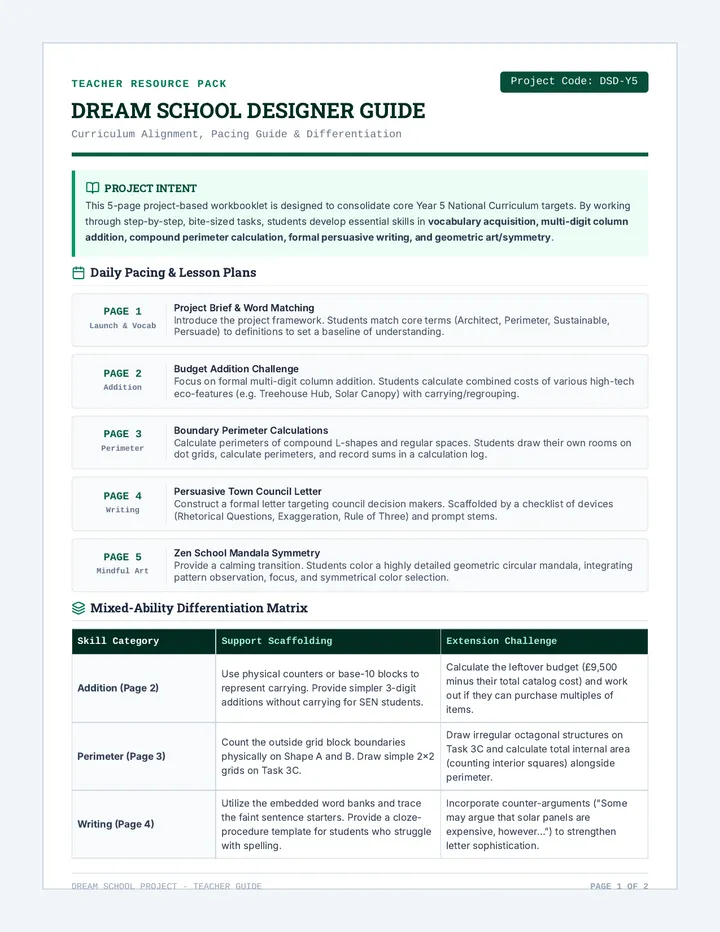
A project-based workbooklet and guide where Year 5 students design their ultimate future school. The project is broken down into structured, bite-sized daily steps integrating English, Maths, Science, Geography, and Art.
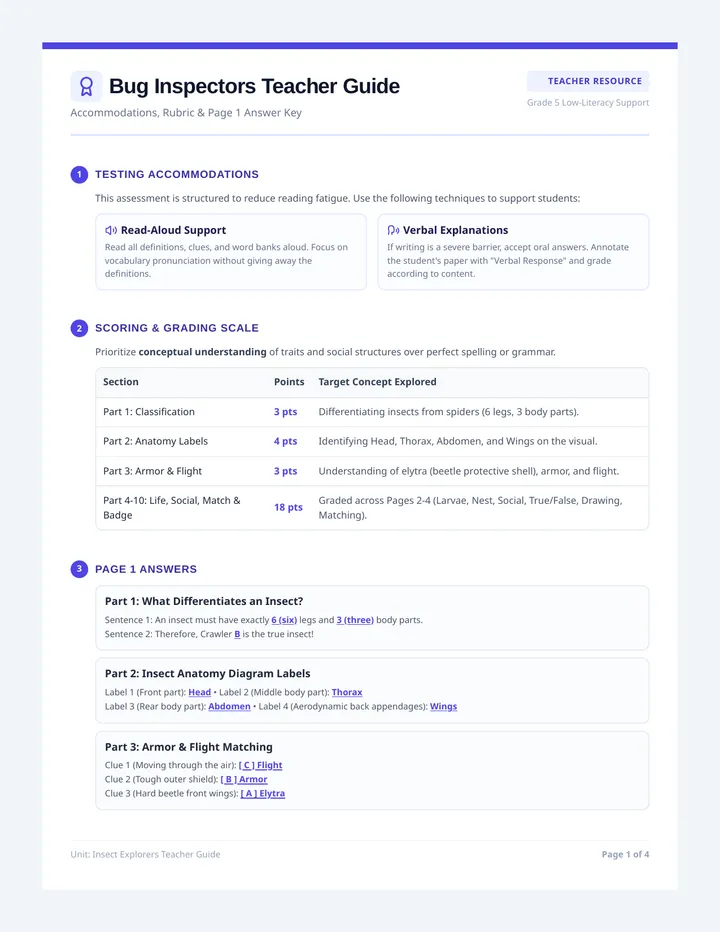
A 4-page teacher resource featuring student accommodations, a low-literacy point rubric, a complete visual answer key, and structured verbal checkout prompts for students who struggle with written output.
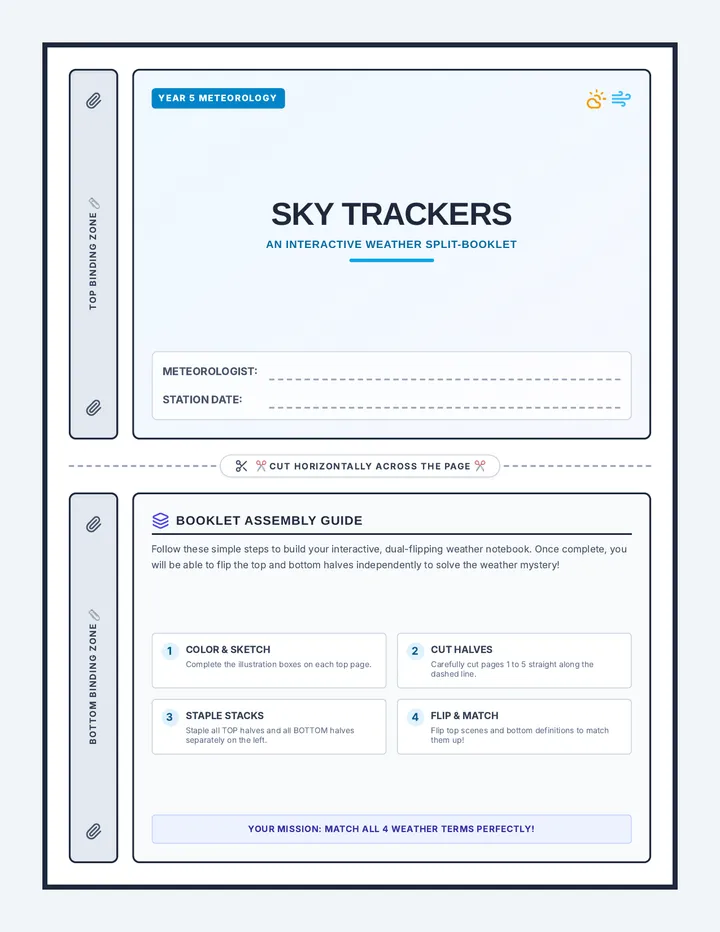
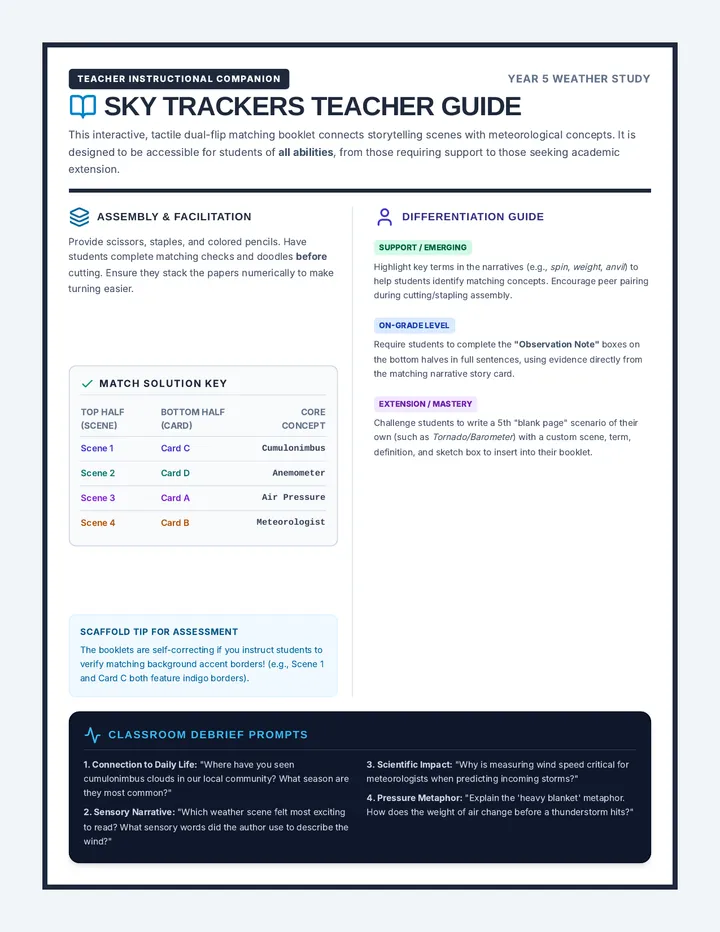
An interactive meteorological study where students construct and solve a dual-flip split booklet to match descriptive weather narratives with scientific terms and definitions.
A highly visual, 4-page summative assessment for 5th-grade low-literacy students covering 14 key insect terms. Includes clear diagrams, structured word banks, letter-matching boxes, guided sentence frames, and a final Student Reflection & Detective Badge page.
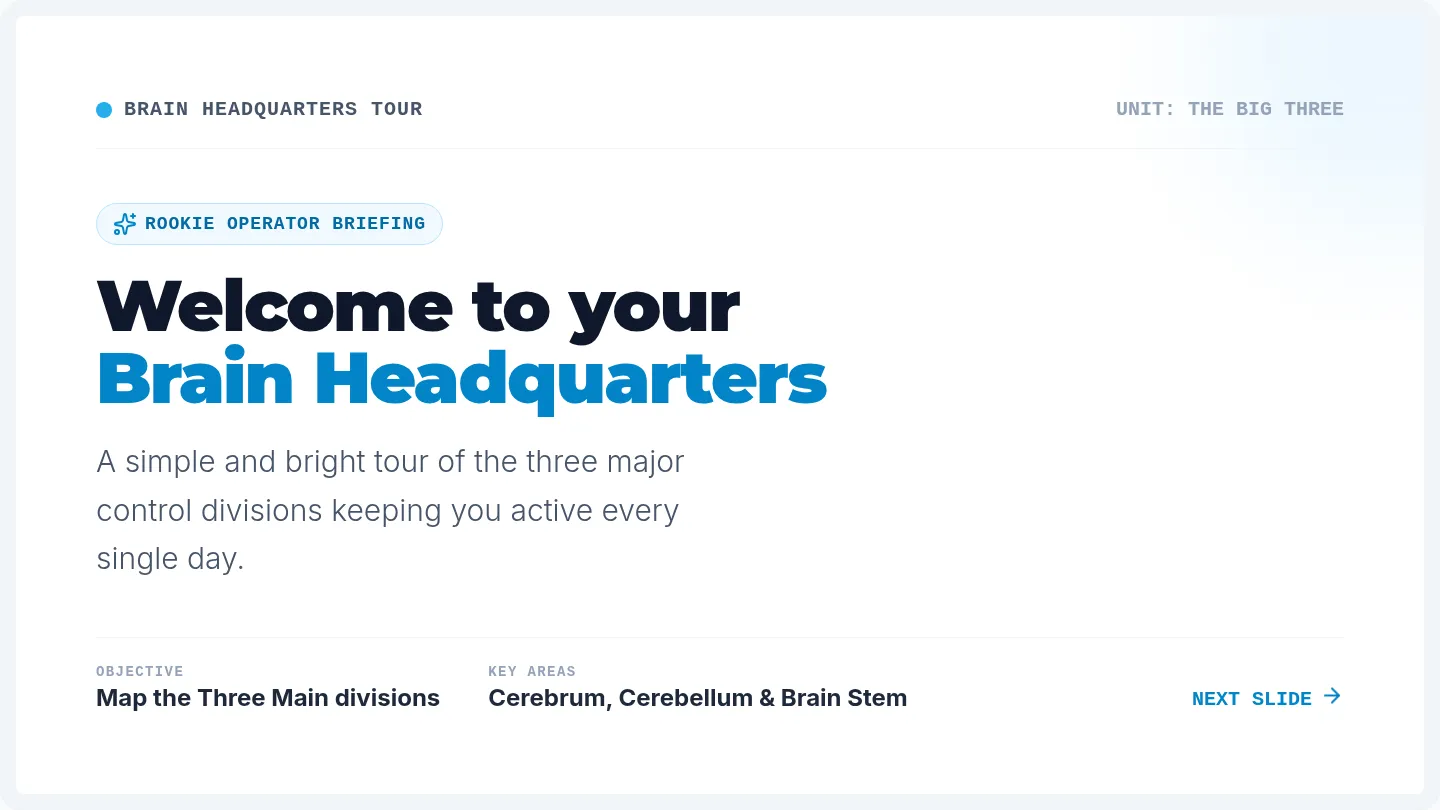
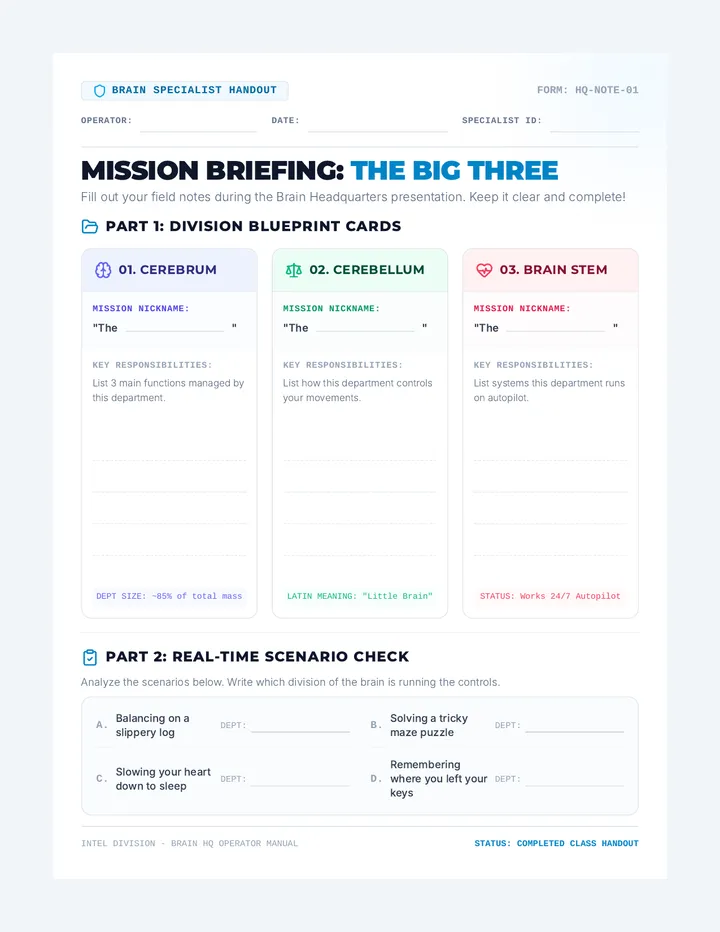
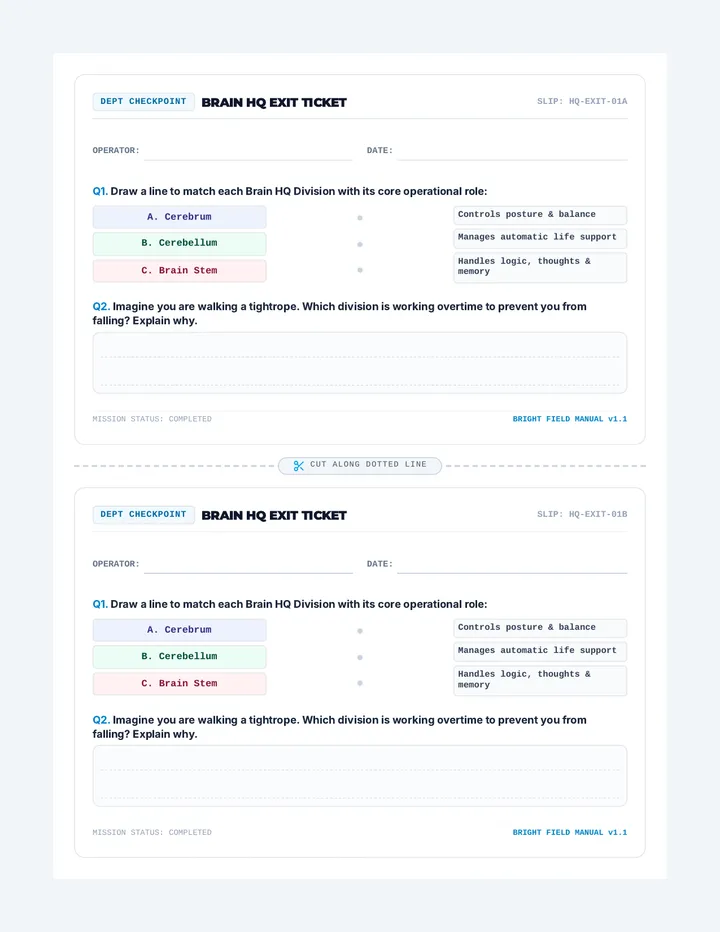
An interactive lesson introducing elementary or middle school students to the three major divisions of the brain: the Cerebrum, Cerebellum, and Brain Stem.