This lesson explores the fundamental structures of life, the mechanisms of reproduction, and the modern impacts of biotechnology on society and health, aligned with NC Essential Standard 8.L.1.
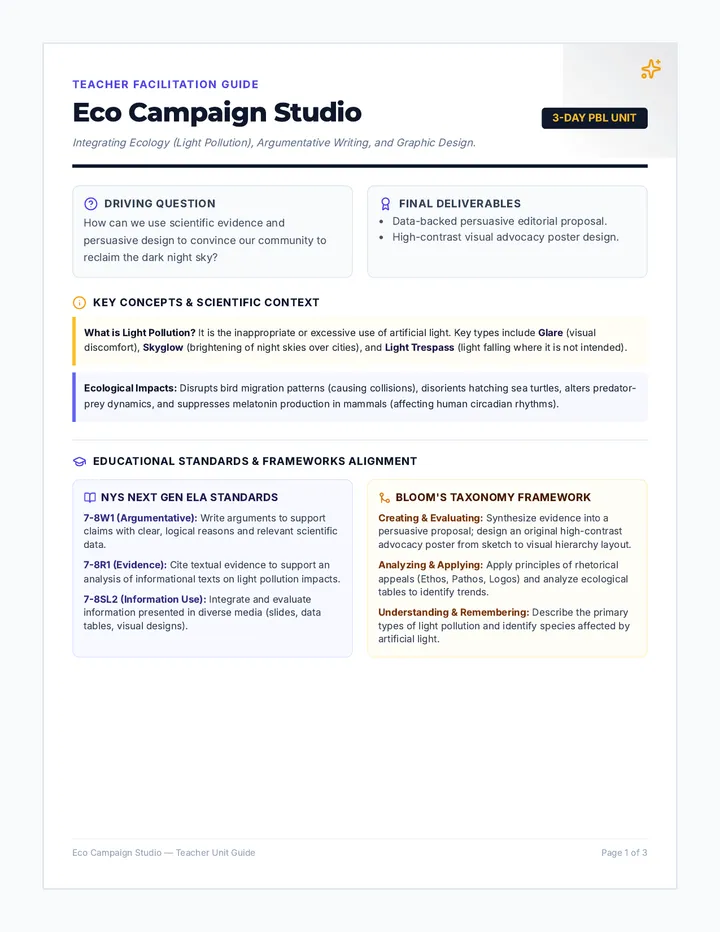
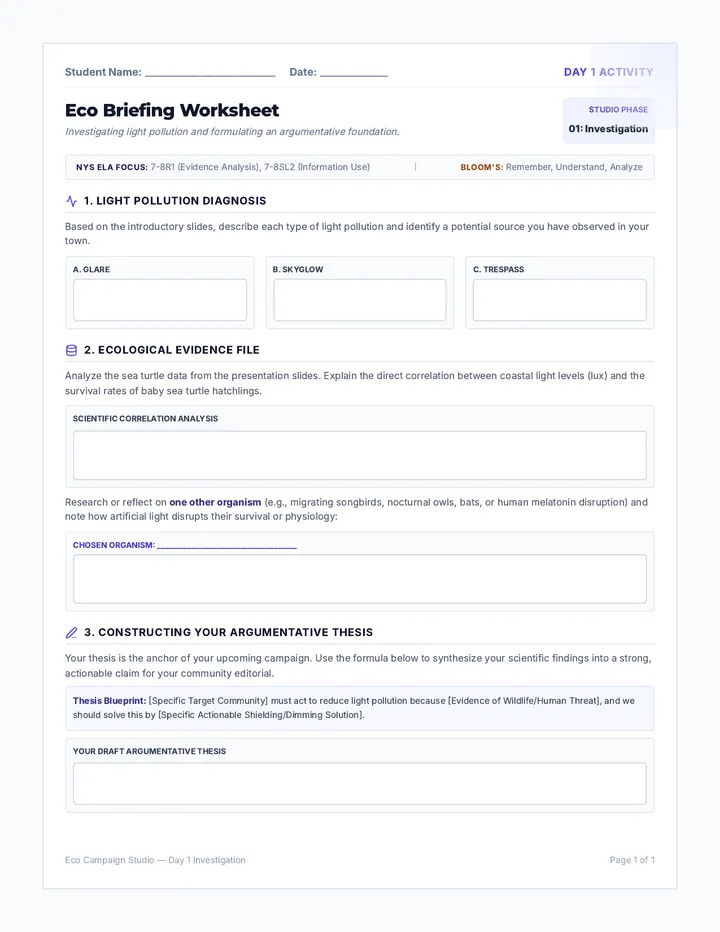
A cross-curricular, 3-day project-based unit combining science, argumentative writing, and graphic design. Students investigate the ecological impacts of light pollution, write a data-driven persuasive proposal, and design a community awareness campaign poster.
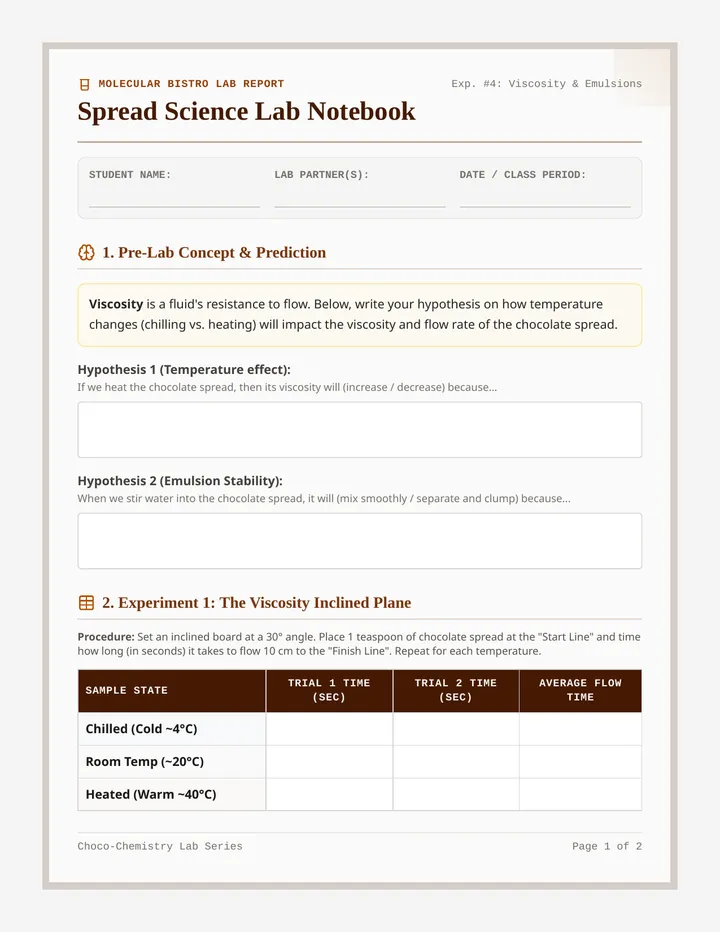
A hands-on food science lesson where students investigate states of matter, viscosity, and emulsions using chocolate spread (Nutella) and other kitchen ingredients. Students will conduct viscosity tests, explore how temperature affects spreadability, and learn about the role of emulsifiers like lecithin in keeping oil and cocoa bonded.
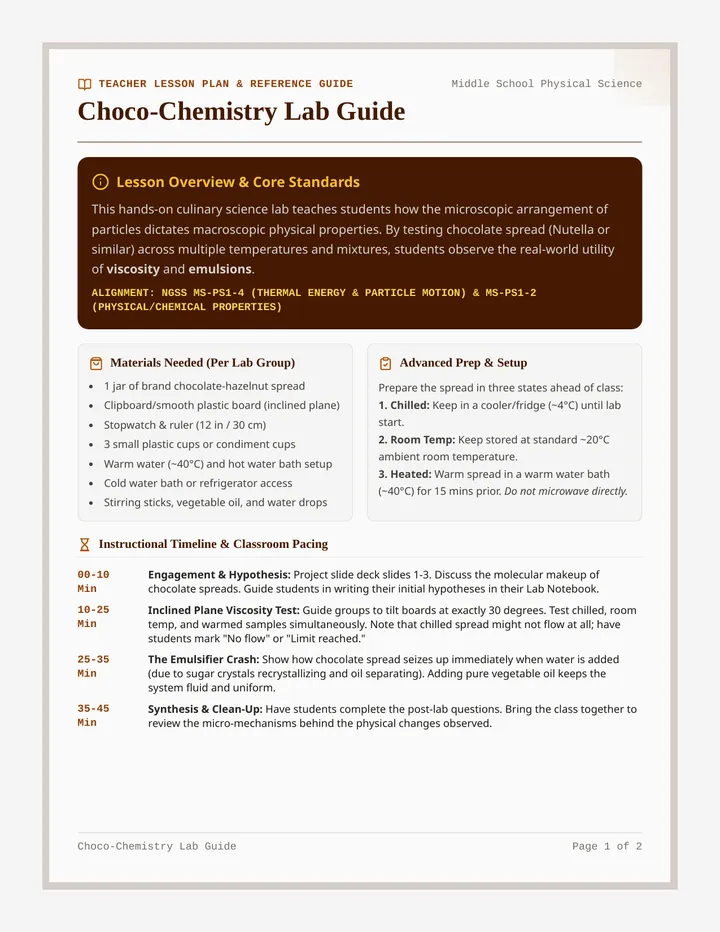
A 2-page teacher reference manual containing material prep lists, safety warnings, instructional pacing, and a complete answer key for the lab notebook.
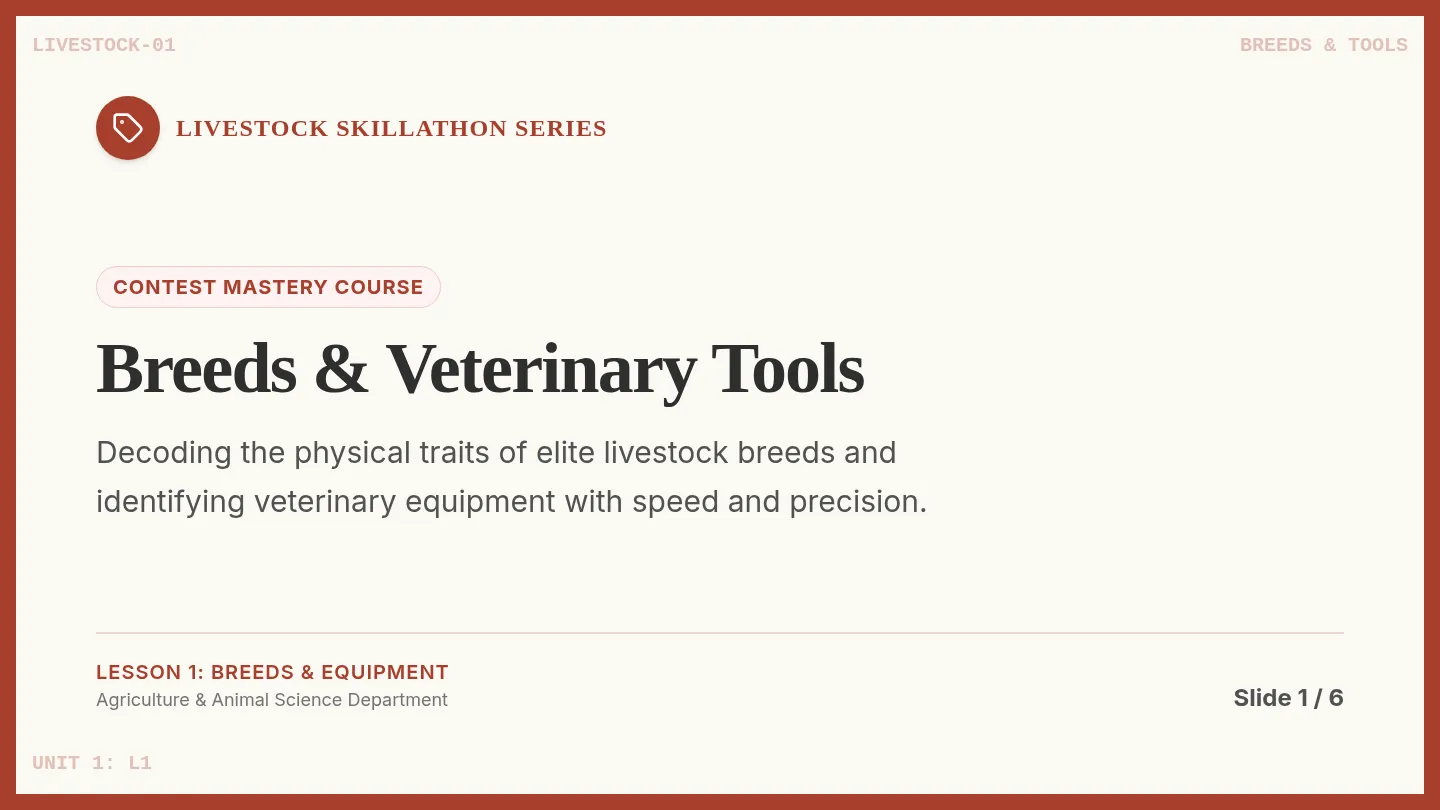
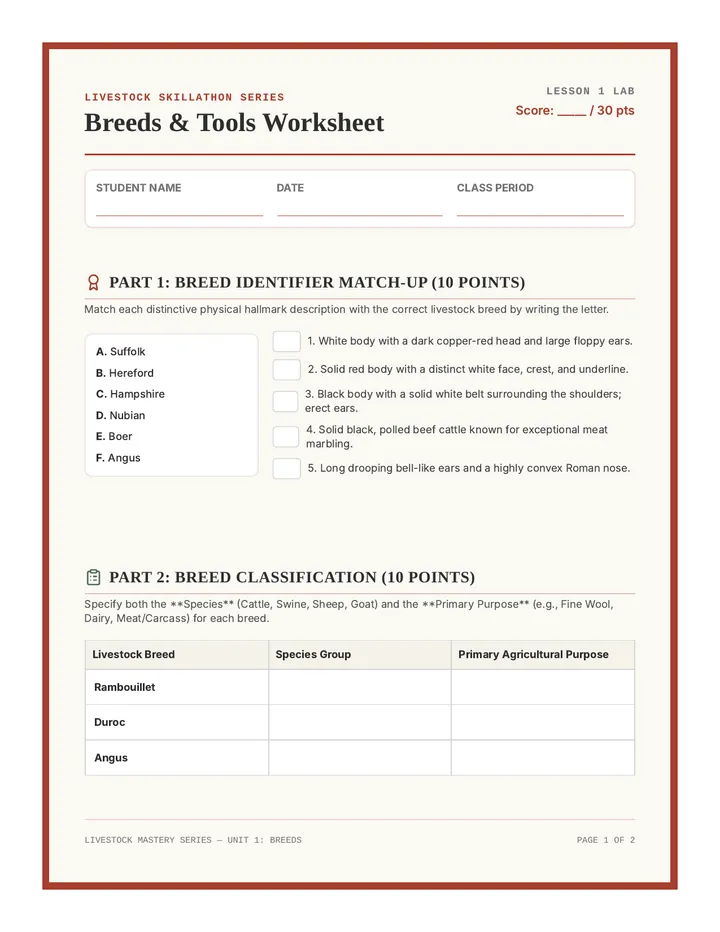
An immersive preparation program that equips agriculture students with the hands-on identification and evaluation skills needed to conquer competitive Livestock Skillathon contests.
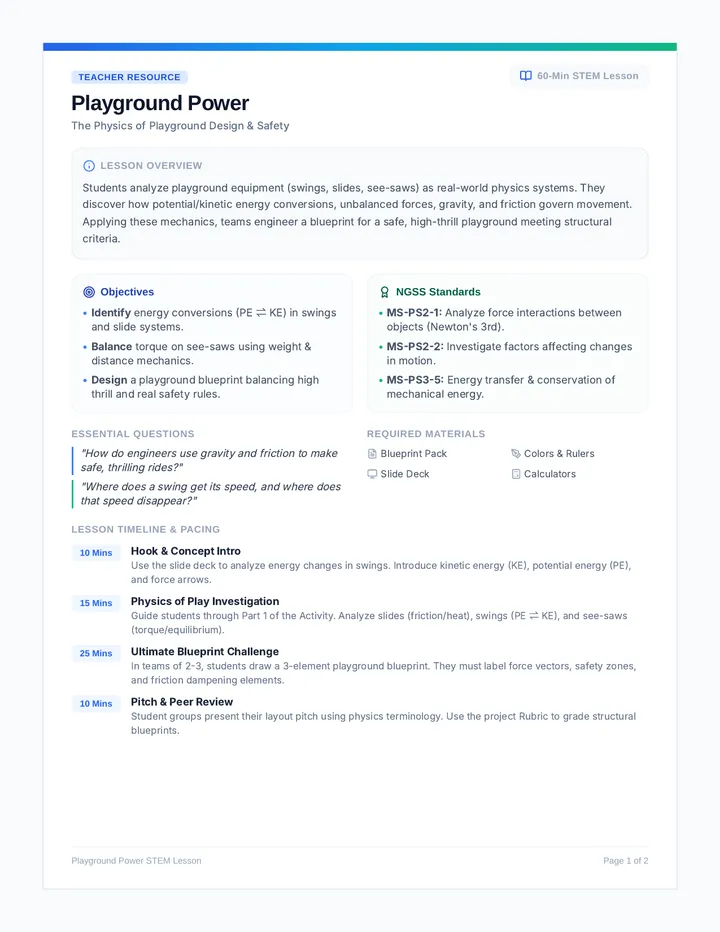
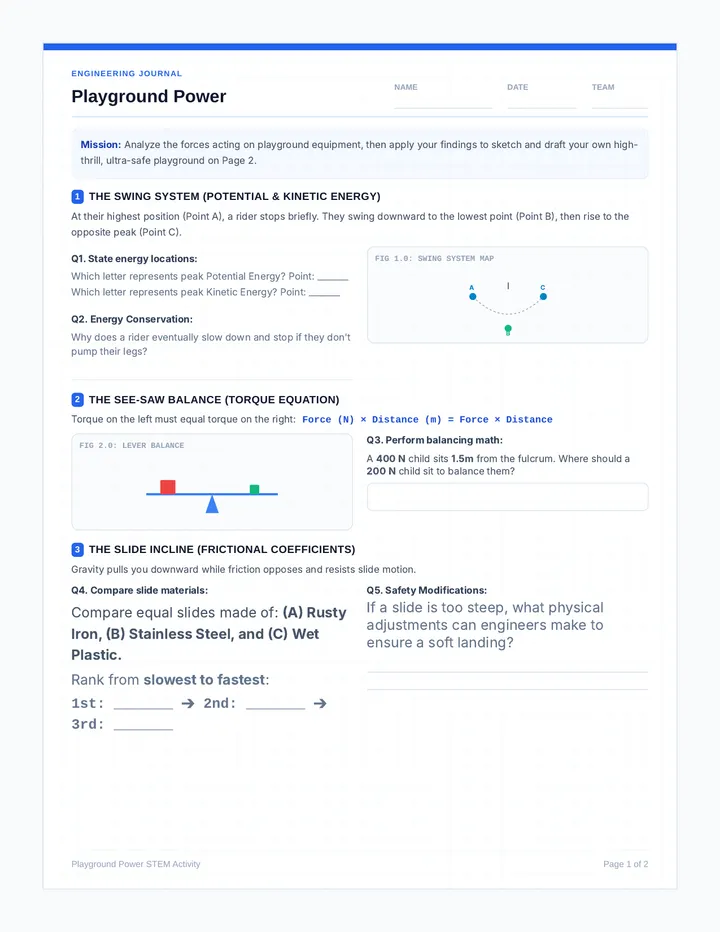
An interactive STEM lesson where students apply concepts of force, motion, gravity, and energy to design their own safe, high-thrill playground. Students analyze playground equipment physics and present their engineered blueprints.
A 2-page hands-on student lab notebook for recording predictions, data from the viscosity tests, drawing microscopic diagrams, and answering post-lab synthesis questions.
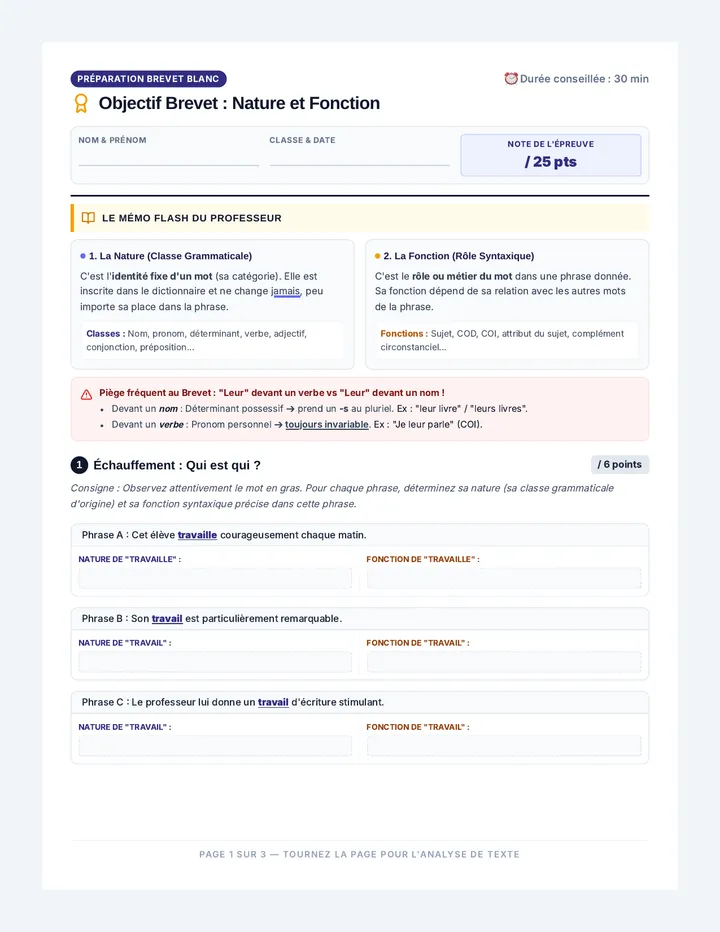
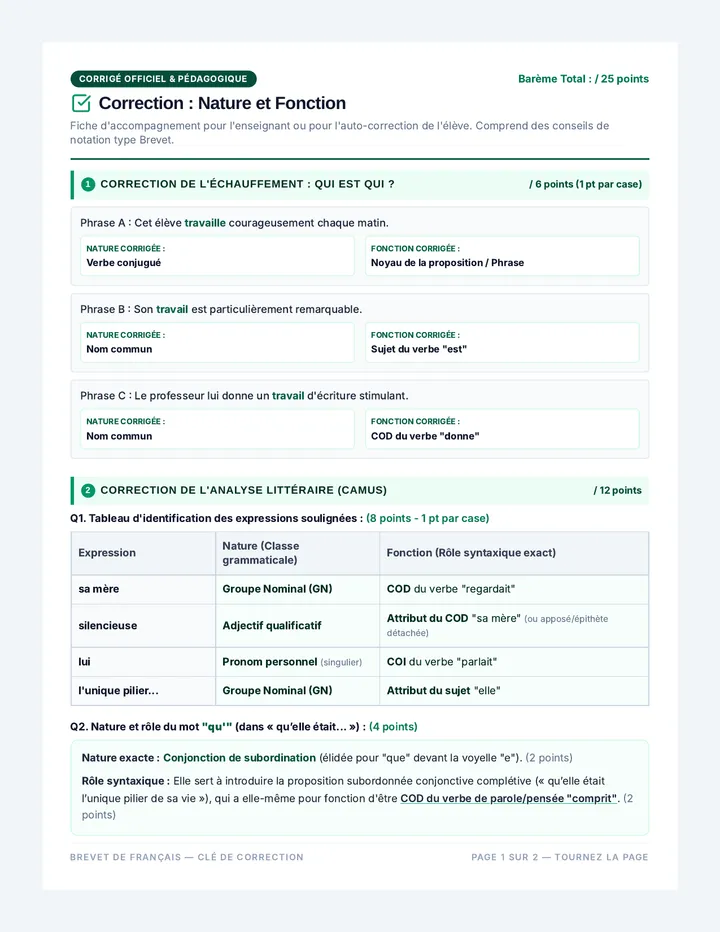
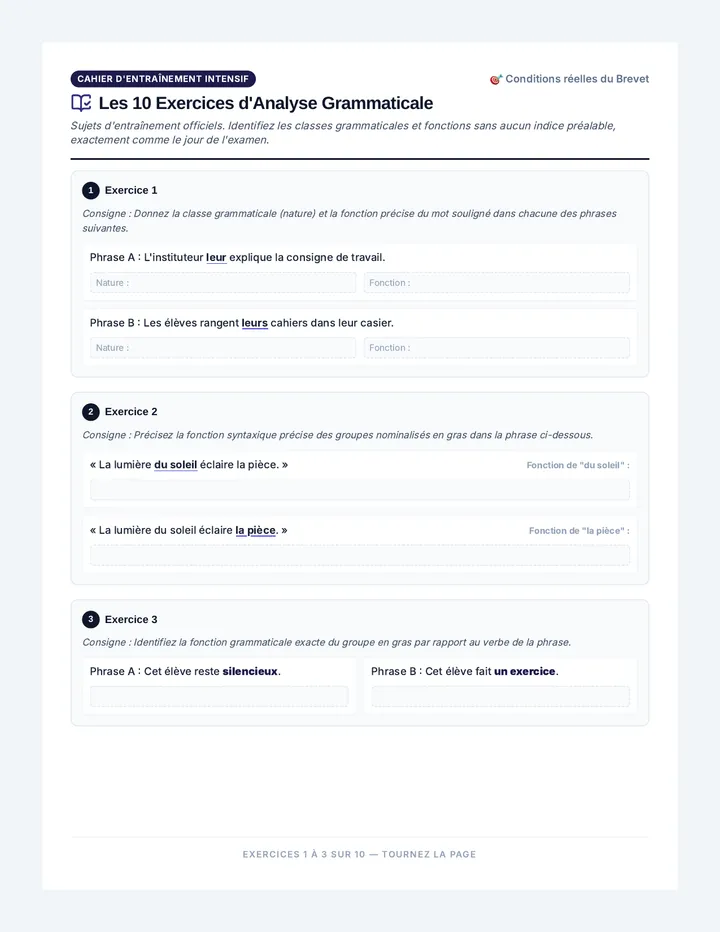
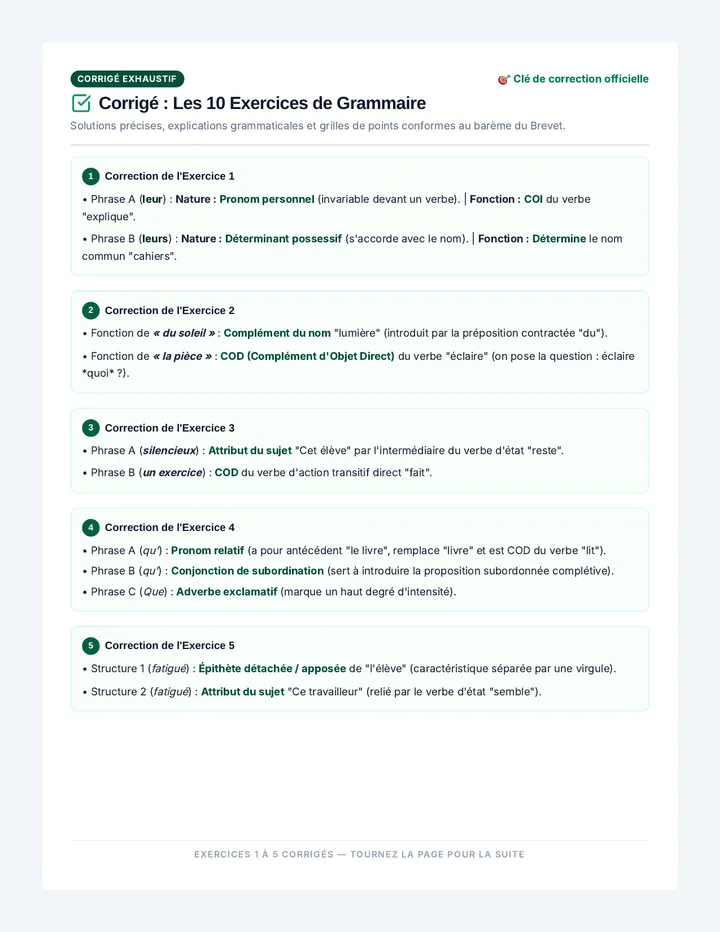
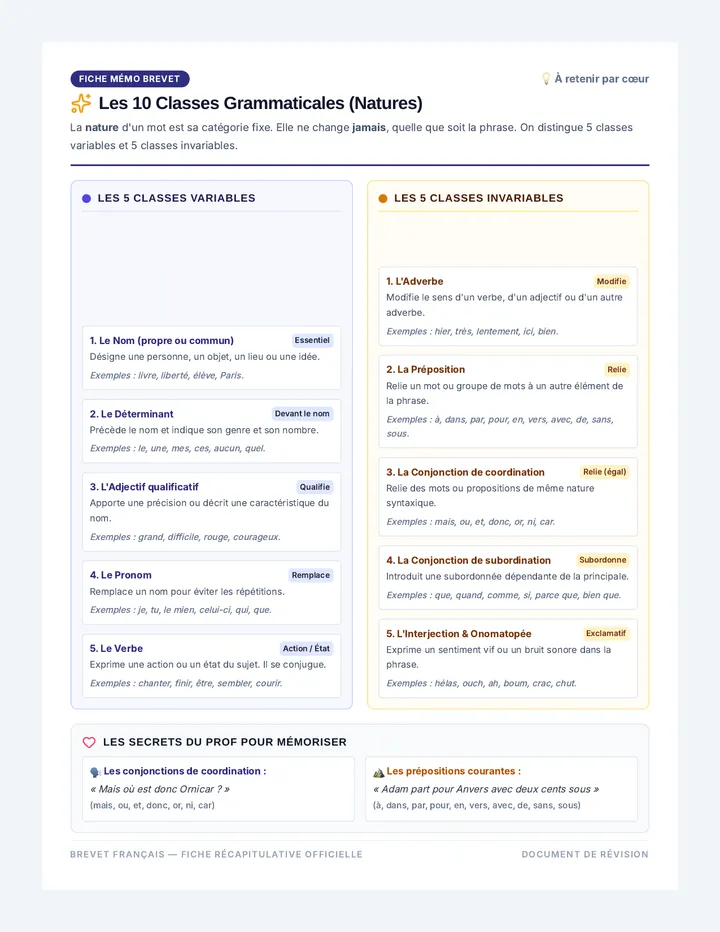
Un programme complet de révision intensive pour le Brevet, regroupant des fiches, exercices et corrigés détaillés en français et en physique-chimie.
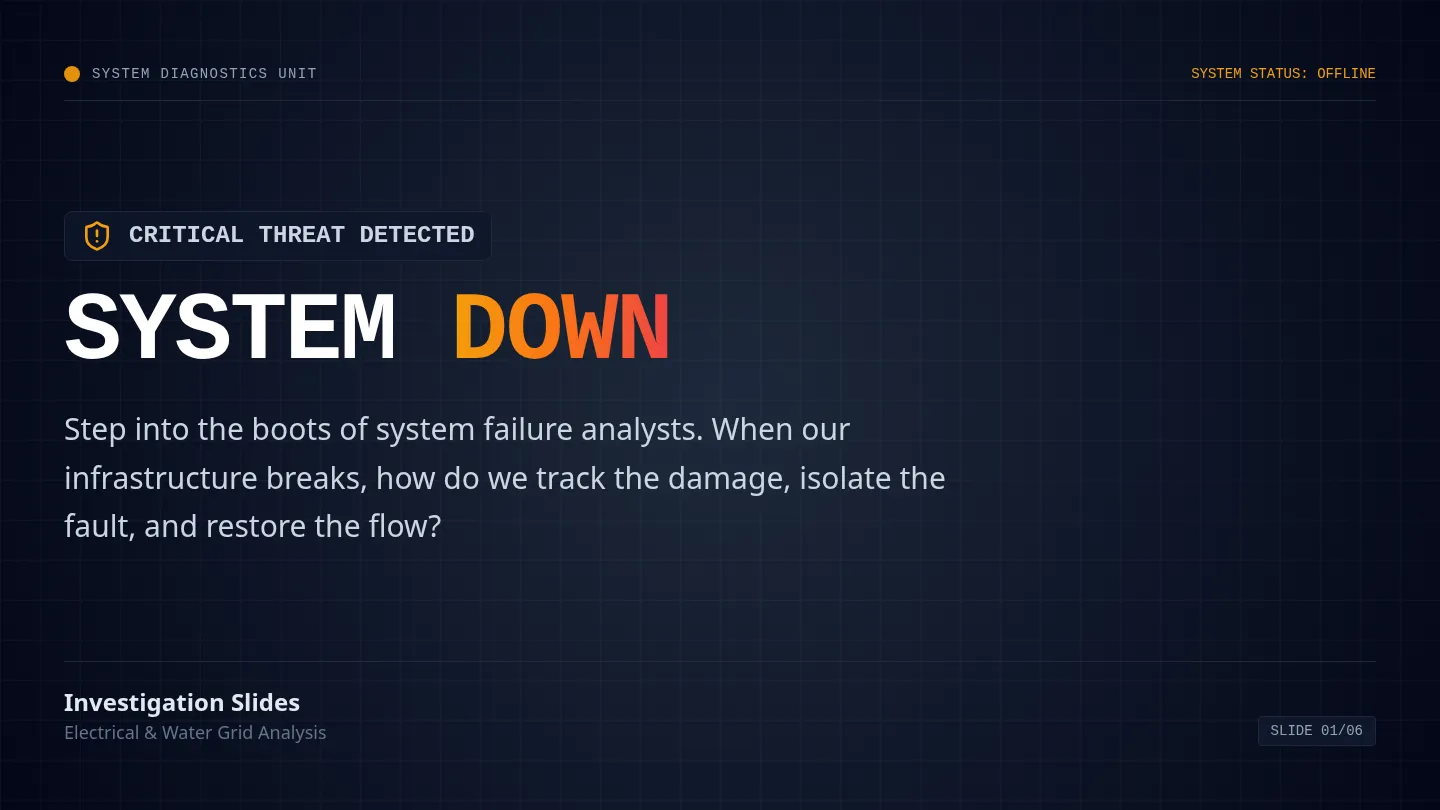
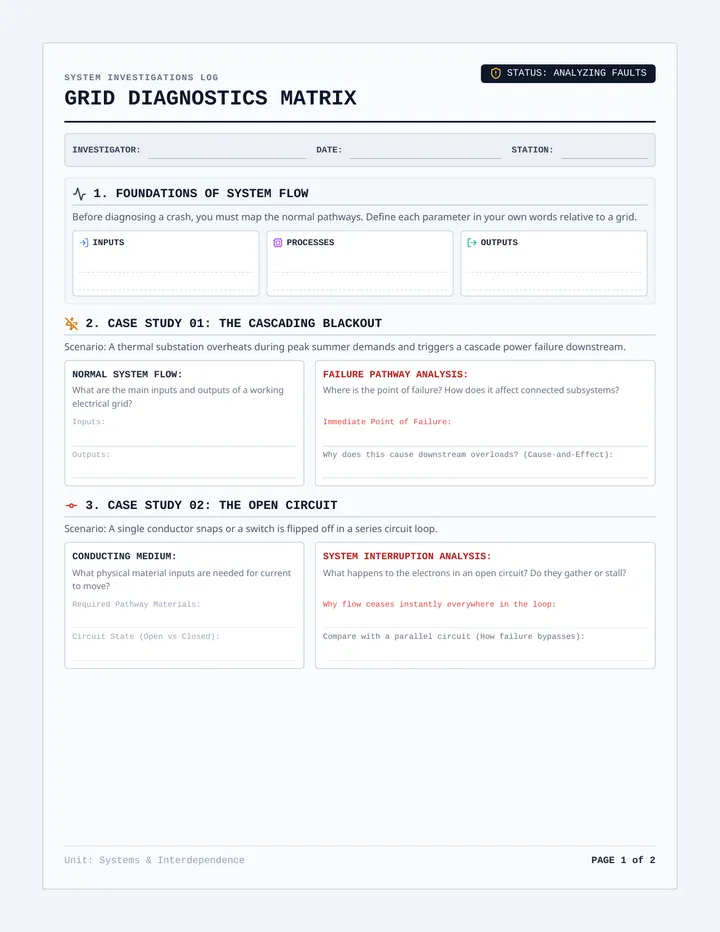
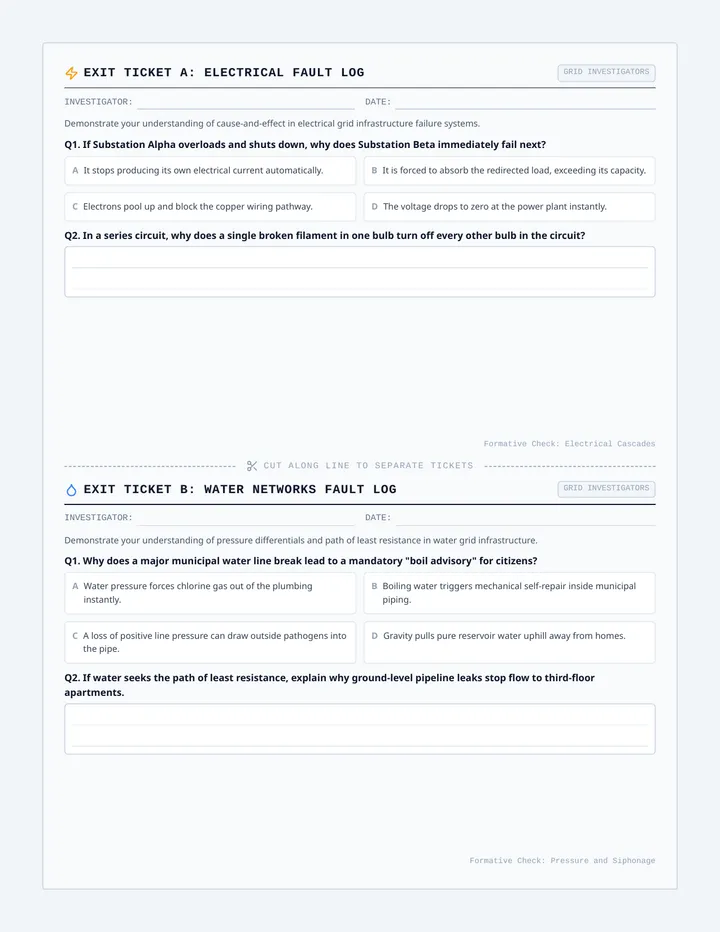
A hands-on science and engineering lesson where students investigate system failures in electrical grids and water networks, tracing inputs, outputs, and points of failure to analyze system interdependence and cause-and-effect relationships.
A 6-slide presentation that guides students through the chemistry of chocolate spreads, explaining viscosity, emulsions, and physical state changes.
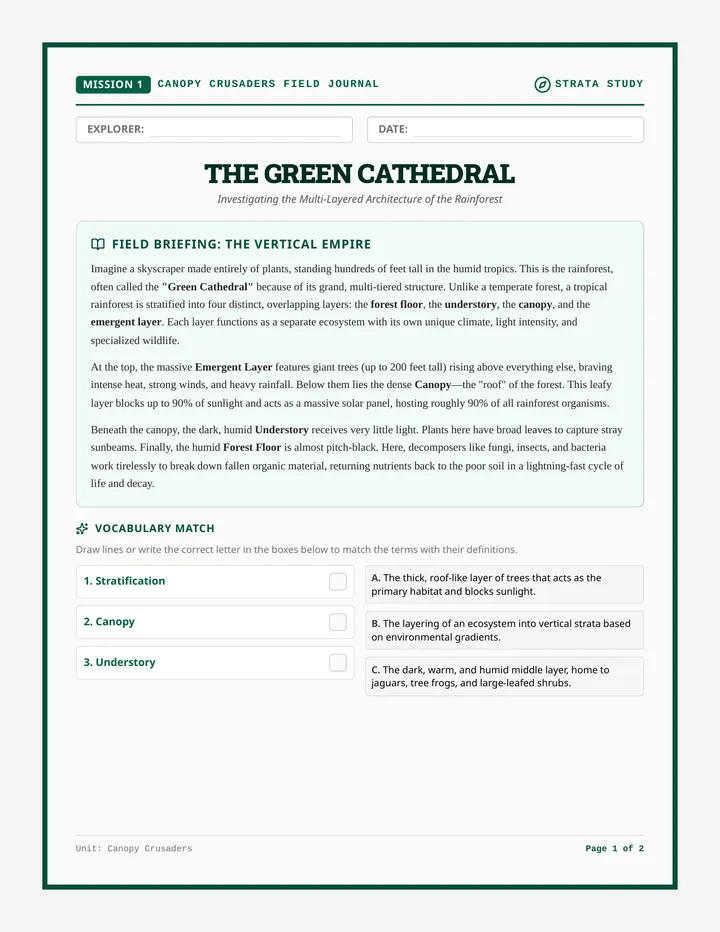
A comprehensive unit on rainforest ecology, climate regulation, and conservation. Students explore the structural layers of the rainforest, their roles as carbon sinks, the threats of deforestation, and collaborative solutions for preservation.
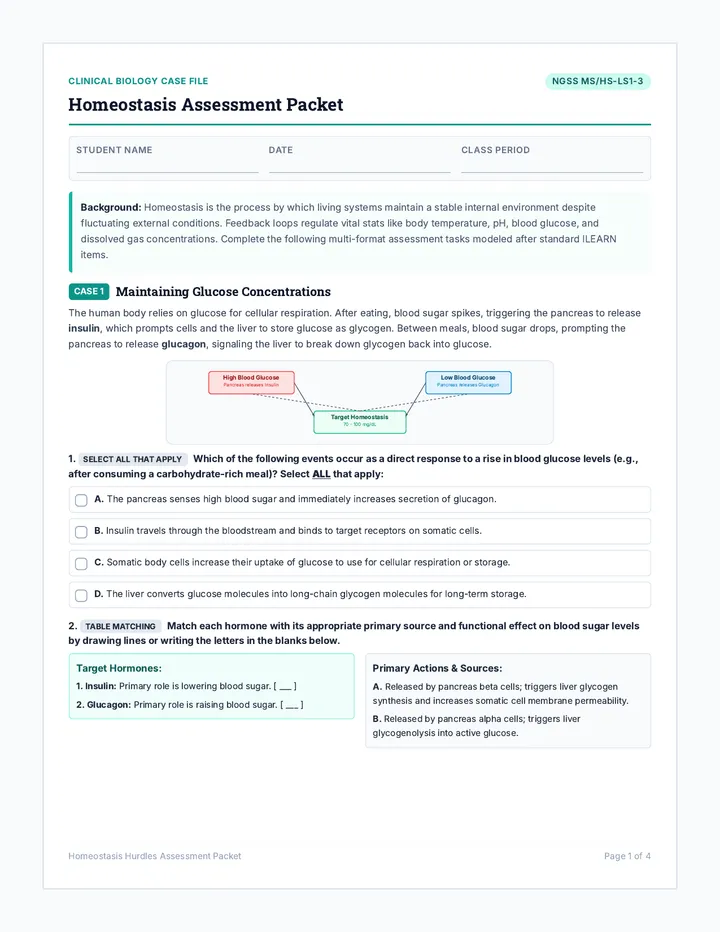
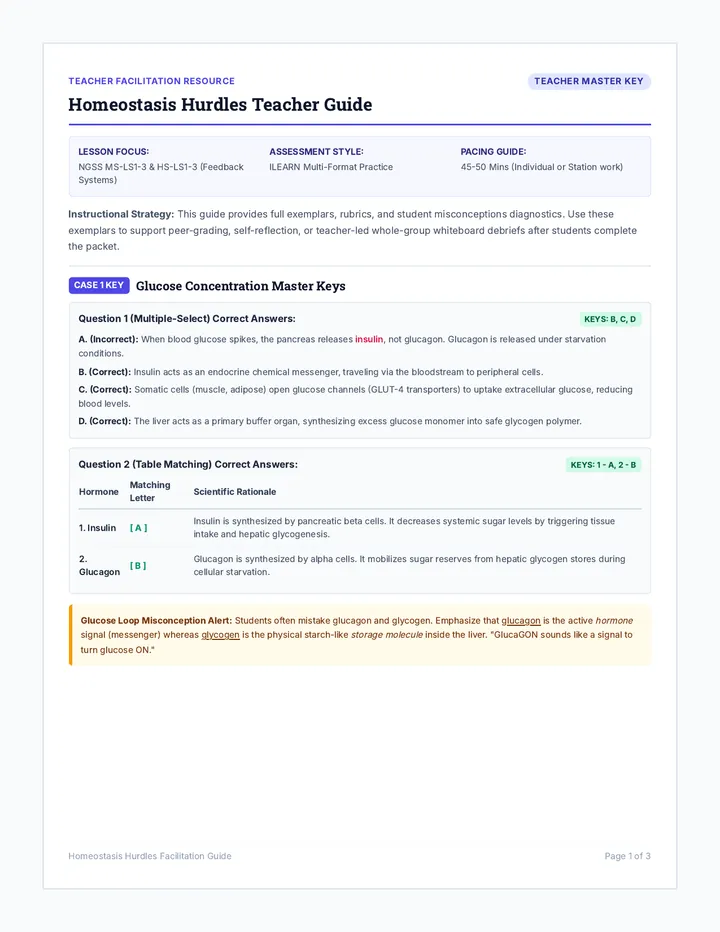
A rigorous, NGSS-aligned lesson focusing on feedback loops, glucose regulation, carbon dioxide exchange, and graph analysis of diabetes. Students tackle multi-format questions modeled after ILEARN state assessments, while teachers utilize detailed exemplars to guide instructional debriefs.
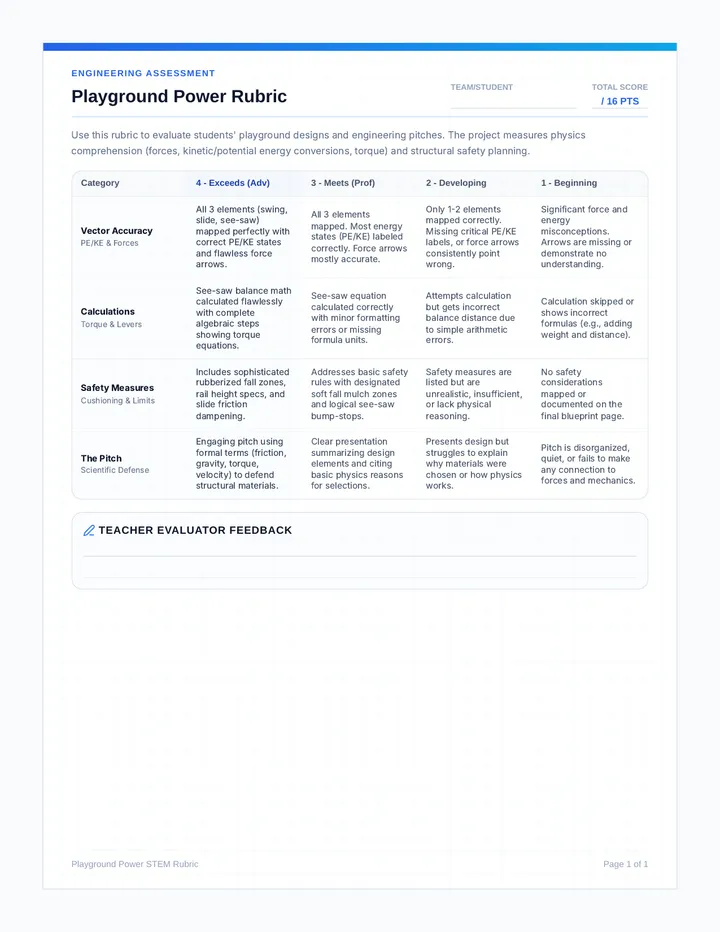
A 1-page structured assessment rubric grading physics concepts, engineering blueprint accuracy, and team pitches.