Decentralized ledger structures, cryptographic hashing, and consensus mechanisms like Proof of Work and Proof of Stake. Examines smart contract development and the architectural principles of peer-to-peer networks.
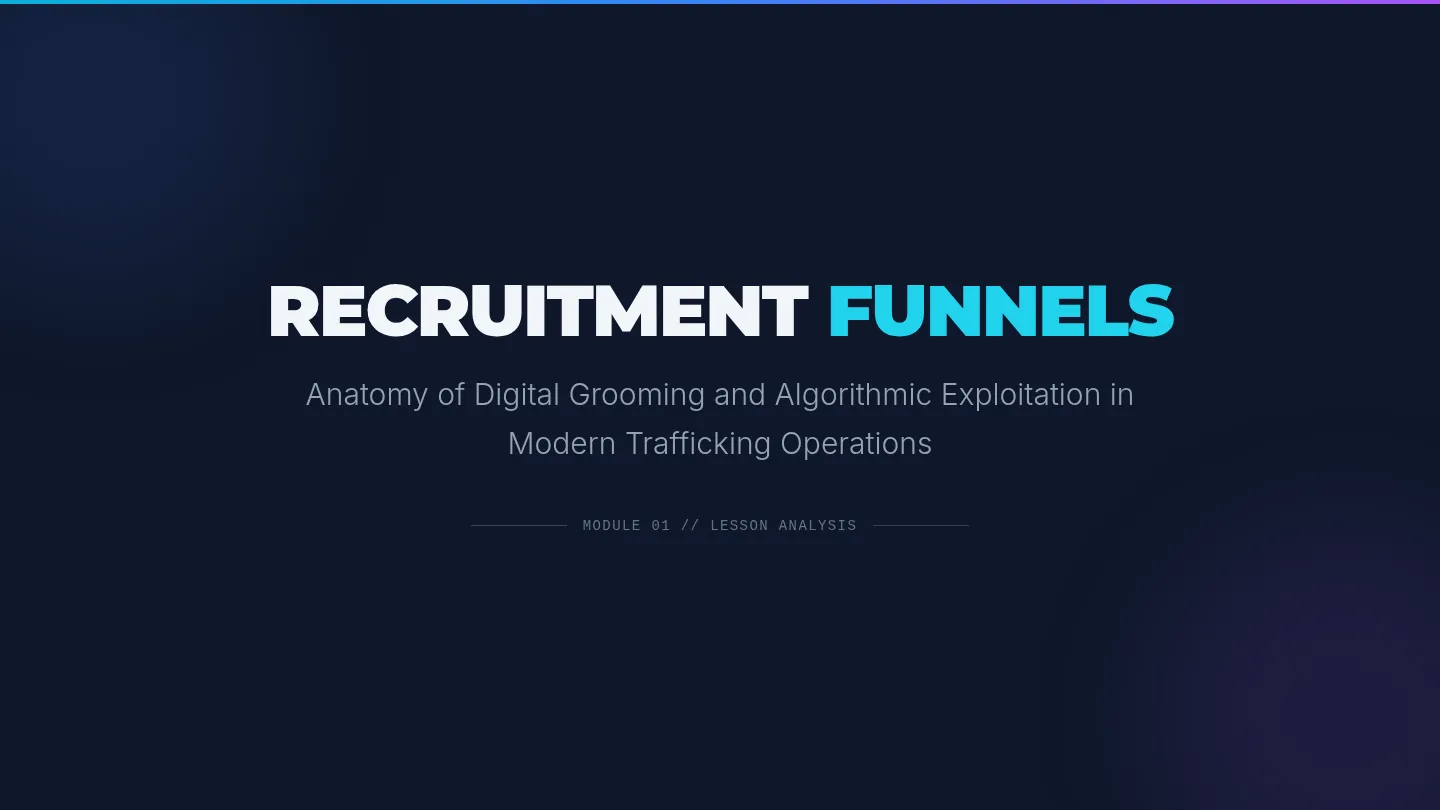
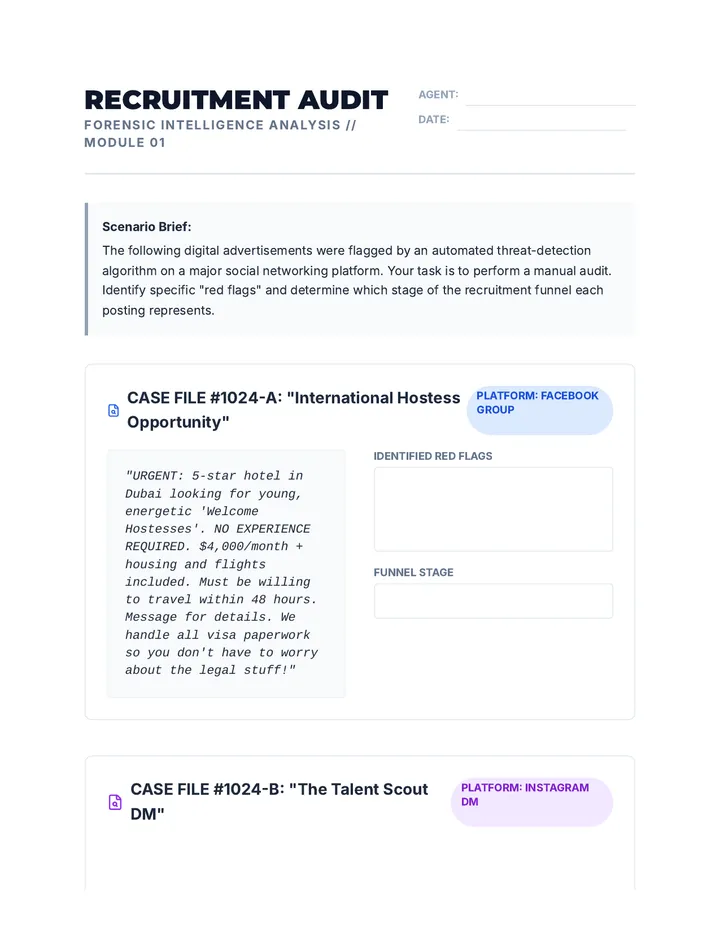
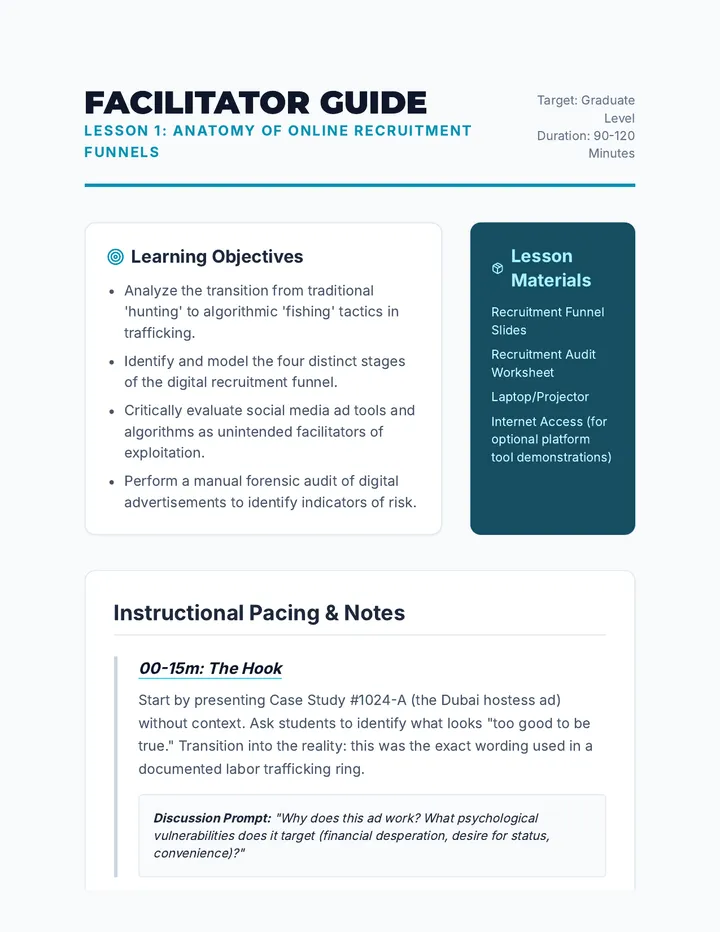
This graduate-level sequence explores the technological infrastructure of modern human trafficking, focusing on digital recruitment funnels, gaming platform vulnerabilities, encrypted communications, and cryptocurrency financial chains to equip professionals with forensic understanding and preventative strategies.
This sequence explores the architectural models that define modern computing, contrasting the traditional Client-Server model with Peer-to-Peer (P2P) systems and Cloud Computing. Students investigate how distributed systems handle scale, storage, and processing power, culminating in an analysis of IoT and Edge Computing.
A comprehensive graduate-level sequence exploring blockchain security, smart contract auditing, MEV dynamics, and advanced privacy technologies like ZK-SNARKs. Students transition from identifying vulnerabilities to mathematically proving correctness and designing privacy-preserving architectures.
A graduate-level exploration of the Ethereum Virtual Machine (EVM), Solidity smart contract development, gas optimization, and DApp integration. Students will transition from high-level code to bytecode analysis and gas-efficient architecture.
This graduate-level sequence explores the engineering challenges of blockchain scalability, covering the Scalability Trilemma, Layer 1 sharding, and Layer 2 solutions like rollups and sidechains. Students will analyze protocol designs, calculate network limits, and evaluate the trade-offs between security, decentralization, and throughput.
This graduate-level sequence explores the theoretical foundations and practical implementations of consensus in distributed systems. Students analyze the CAP theorem, the Byzantine Generals Problem, and various consensus mechanisms including PoW, PoS, and DAG-based models, evaluating their trade-offs in security, scalability, and decentralization.
This sequence provides a rigorous technical foundation in the cryptographic and structural components of blockchain technology for graduate-level students. It covers hashing, ECC, Merkle structures, and chain architecture, culminating in a functional local ledger.
An advanced course focusing on security vulnerabilities in blockchain systems, smart contracts, and decentralized architecture, using a 'Red Team' auditing approach.
This sequence explores the networking layer of blockchain technology, covering P2P topologies, gossip protocols, synchronization challenges, security attacks like Sybil and Eclipse, and scalability solutions. Undergraduate students will gain a deep engineering perspective on how decentralized networks communicate and stay resilient.
This sequence explores the application layer of blockchain technology, specifically the Ethereum Virtual Machine (EVM) and Solidity. Students progress from writing basic state-changing logic to optimizing for gas costs, implementing token standards, and deploying decentralized applications.
An undergraduate-level computer science sequence exploring the theoretical and practical aspects of distributed consensus. Students analyze the Byzantine Generals Problem, Proof of Work, Proof of Stake, and the trade-offs of the Blockchain Trilemma.
A technical, implementation-focused sequence for undergraduate computer science students to build a blockchain from its cryptographic and structural foundations. Students move from raw hashing and signatures to full chain validation and a genesis block implementation.
An introductory overview of blockchain security vulnerabilities, focusing on the mechanics and consequences of a 51% attack on decentralized networks.
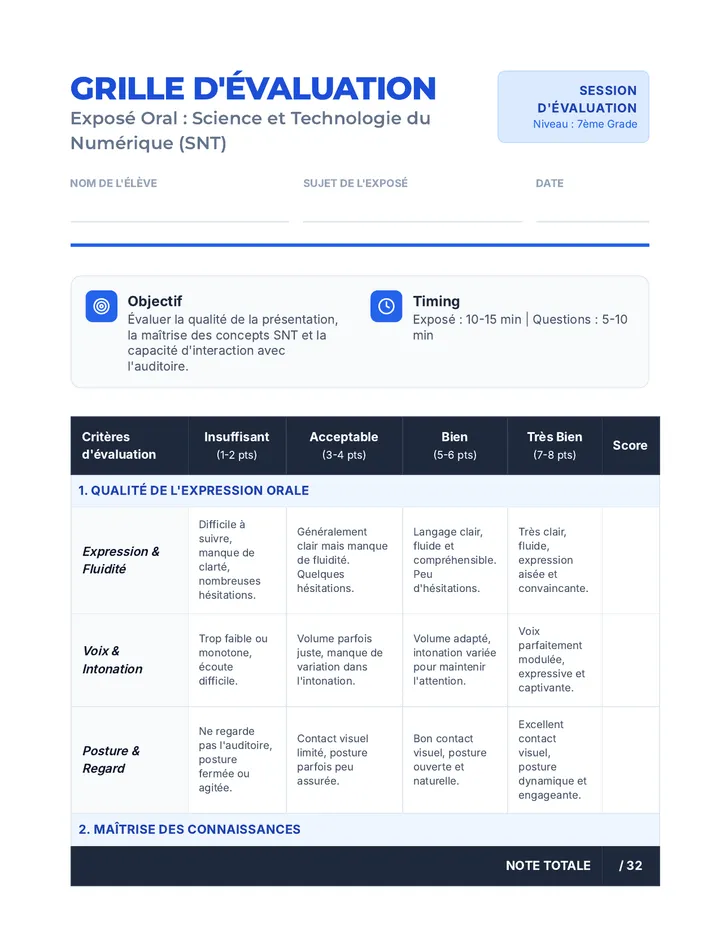
Cette leçon fournit les outils nécessaires pour évaluer et préparer les exposés oraux de SNT (Sciences Numériques et Technologie). Elle comprend une grille d'évaluation détaillée, un guide de présentation visuel et une fiche d'observation pour les pairs.