How Stories Change When Adapted to New Media
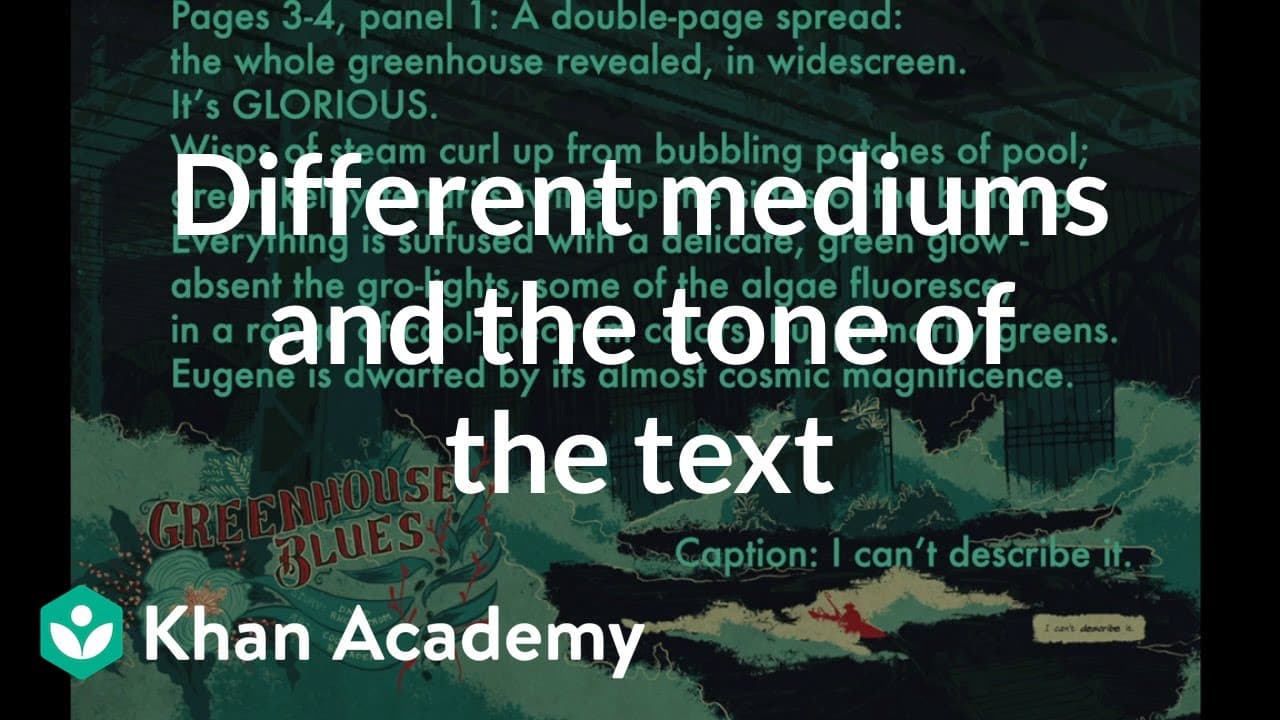
This video explores the fascinating process of adapting written stories into different media forms, such as comics, audio dramas, and films. The narrator begins by sharing a personal example of how a comic book script he wrote was translated into a visual splash page by an illustrator, highlighting the creative gap between written description and visual realization. The lesson then broadens to define "medium" and discusses the common experience of seeing a favorite book adapted into a movie that feels "wrong" because it conflicts with the reader's imagination.
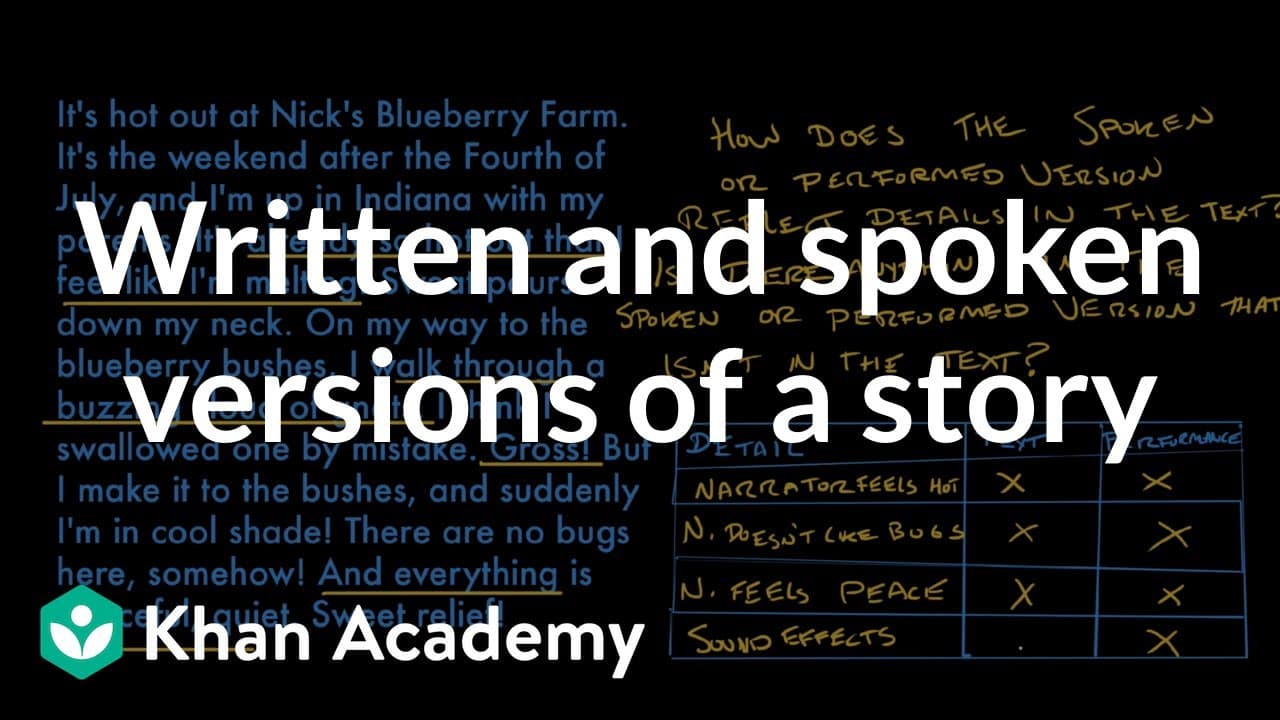
Key themes include the definition of media, the role of interpretation in adaptation, and the specific tools different formats use to tell stories. The video uses a concrete example of a short script titled "Hands Off My Phone," asking viewers to first read the text and then listen to an audio performance. This comparison reveals how voice acting, tone, and sound effects can drastically change the meaning of dialogue—turning what looks like sympathy on the page into sarcasm in the performance.
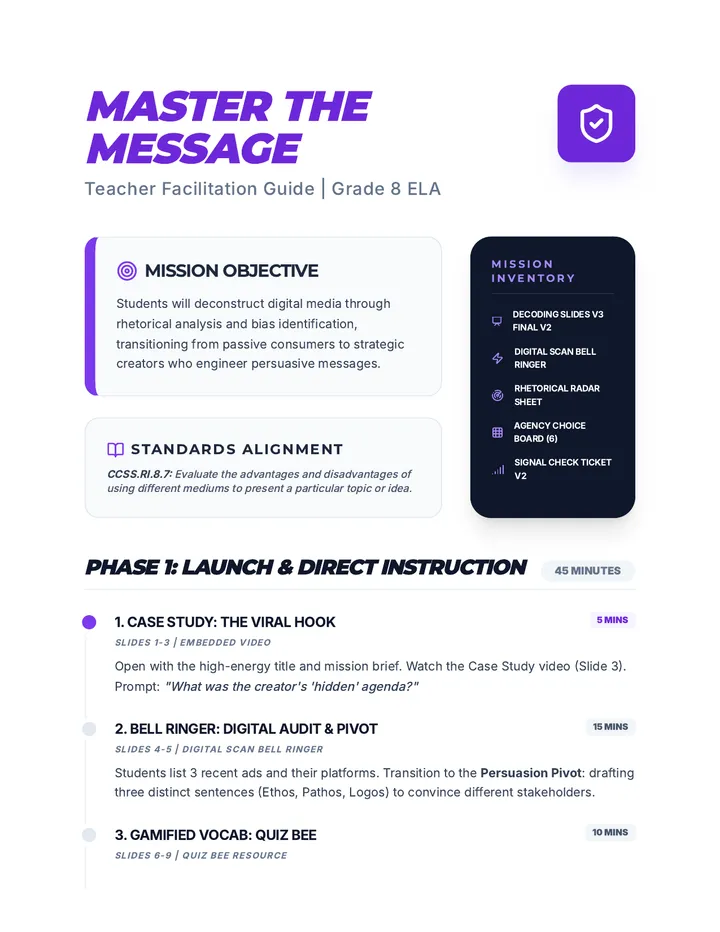
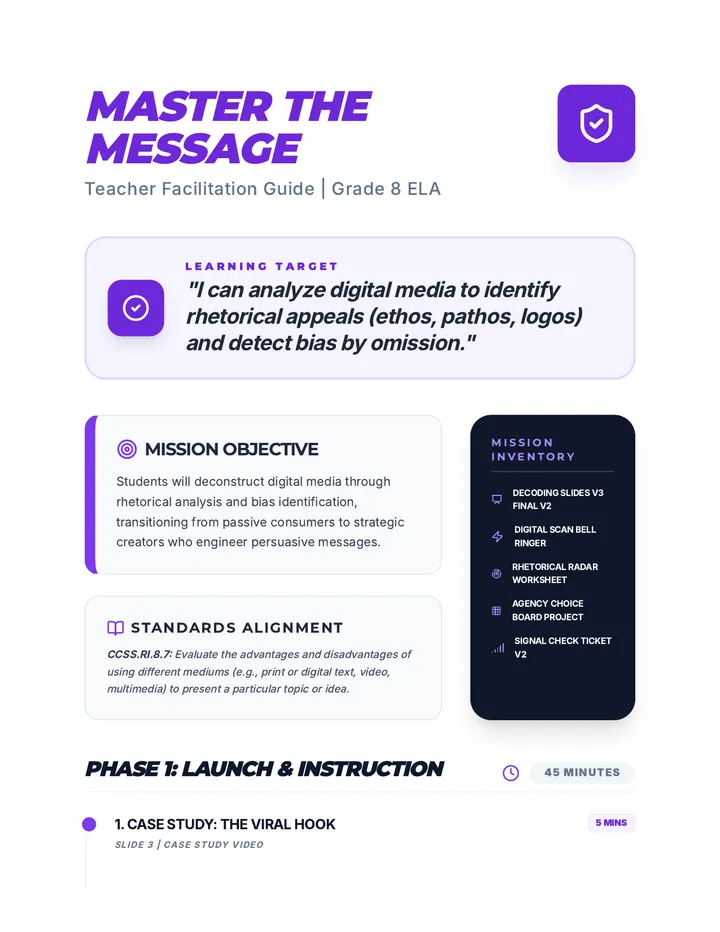
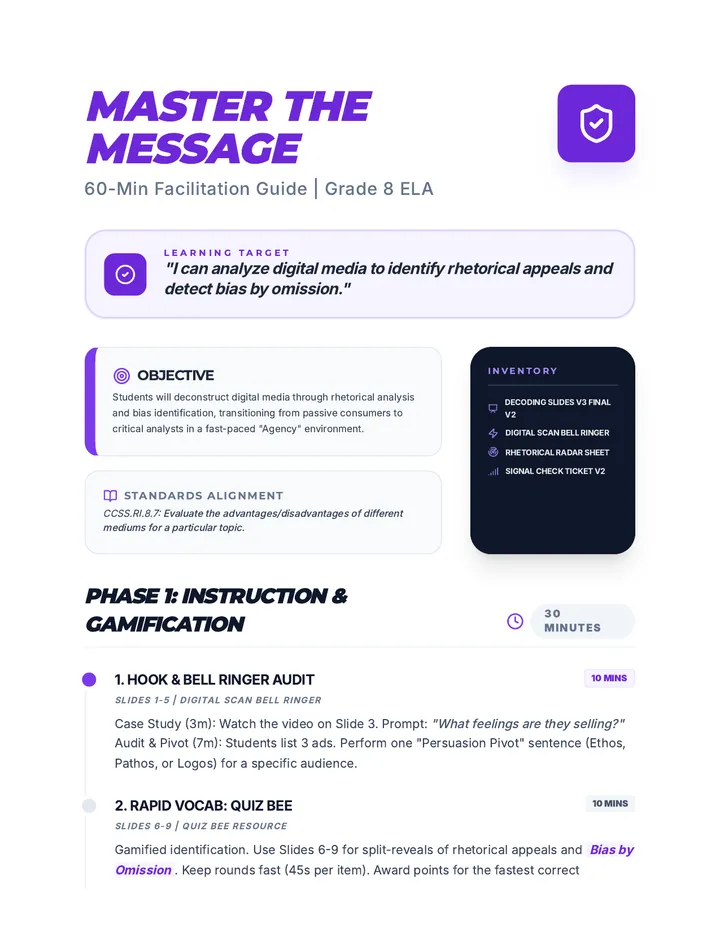
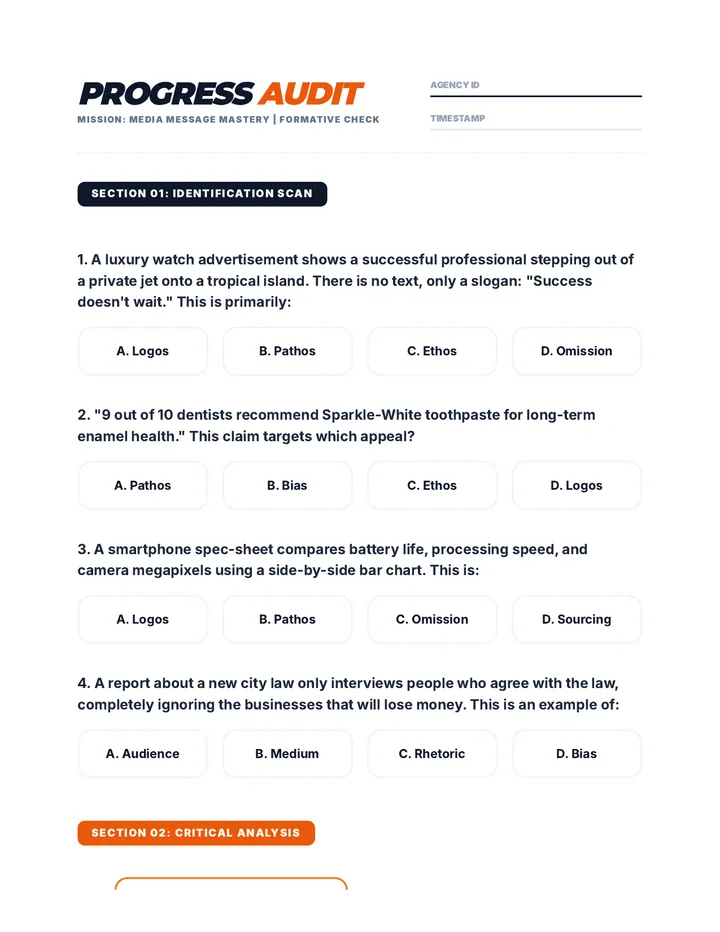
For educators, this video is an excellent tool for teaching media literacy and literary analysis. It provides a framework for students to critique adaptations not just as "good" or "bad," but as a series of artistic choices. It encourages learners to look beyond the plot and analyze how elements like lighting, sound design, acting choices, and camera angles contribute to storytelling, moving them from passive consumers to active critics of multimedia texts.