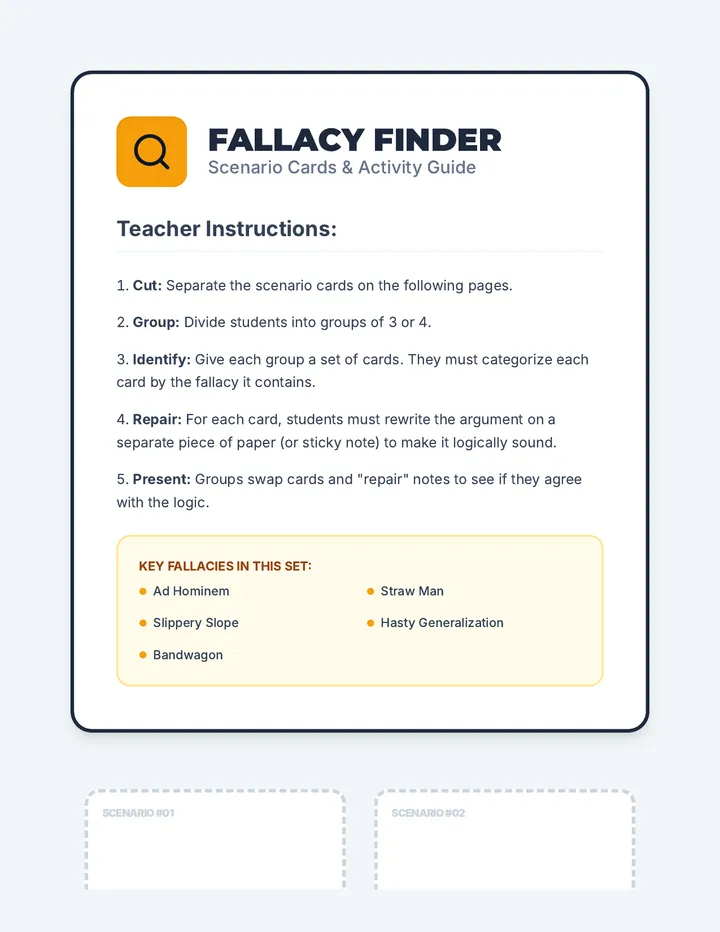
Identification and analysis of flawed reasoning in spoken and written arguments. Categorizes common errors like ad hominem, straw man, and slippery slope to strengthen critical thinking and rhetorical skills.
A comprehensive year-long intervention sequence for 8th-grade literacy, focusing on STAR 360 and OSAS benchmark skills. The sequence follows a 3-day weekly instructional cycle (Instruction, Practice, Application) to supplement 2 days of choice reading.
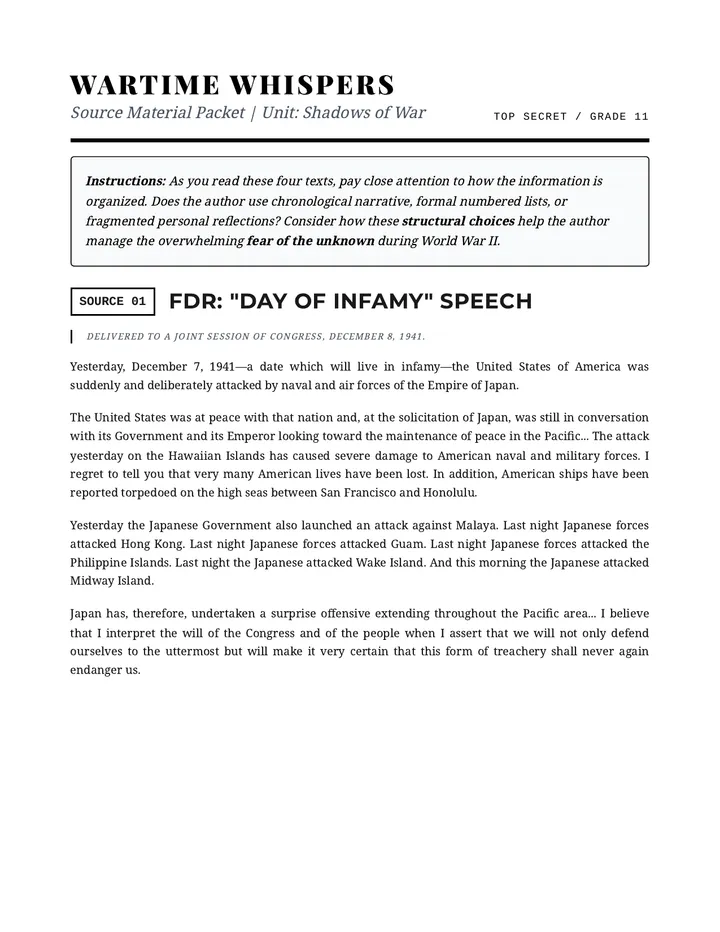
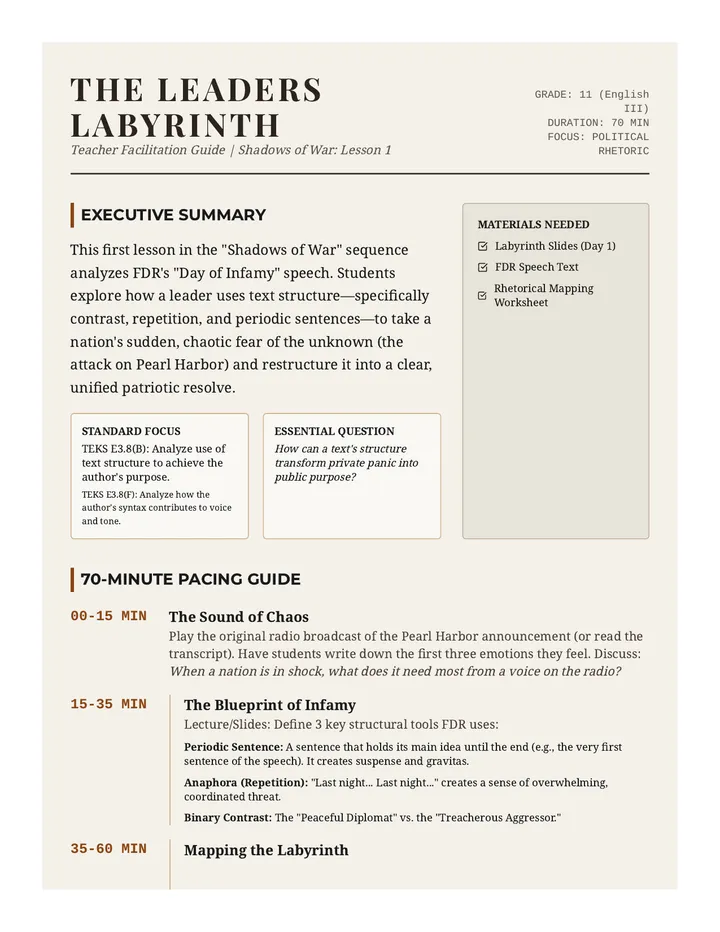
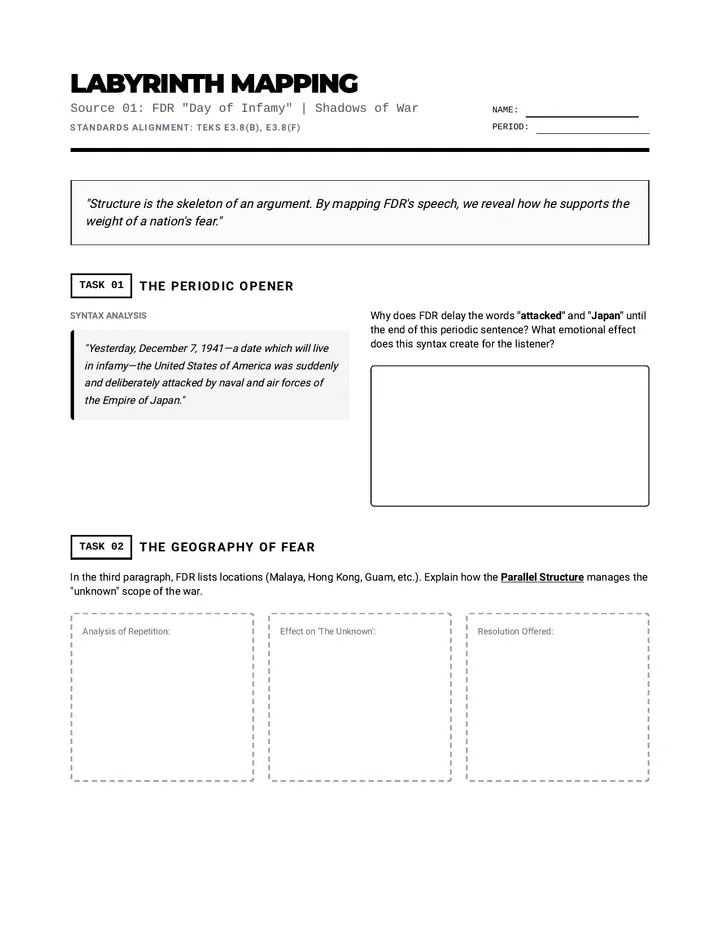
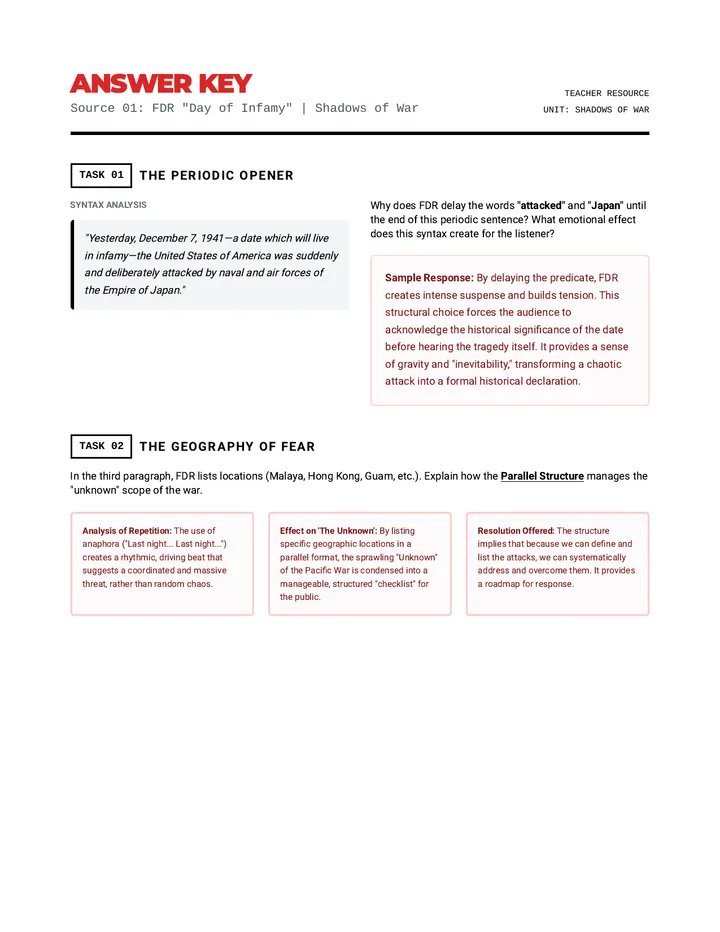
A 4-part unit for 11th-grade English/History analyzing text structure and author's purpose through the lens of fear and the unknown during WWII, examining political rhetoric, legal orders, personal diaries, and wartime superstition.
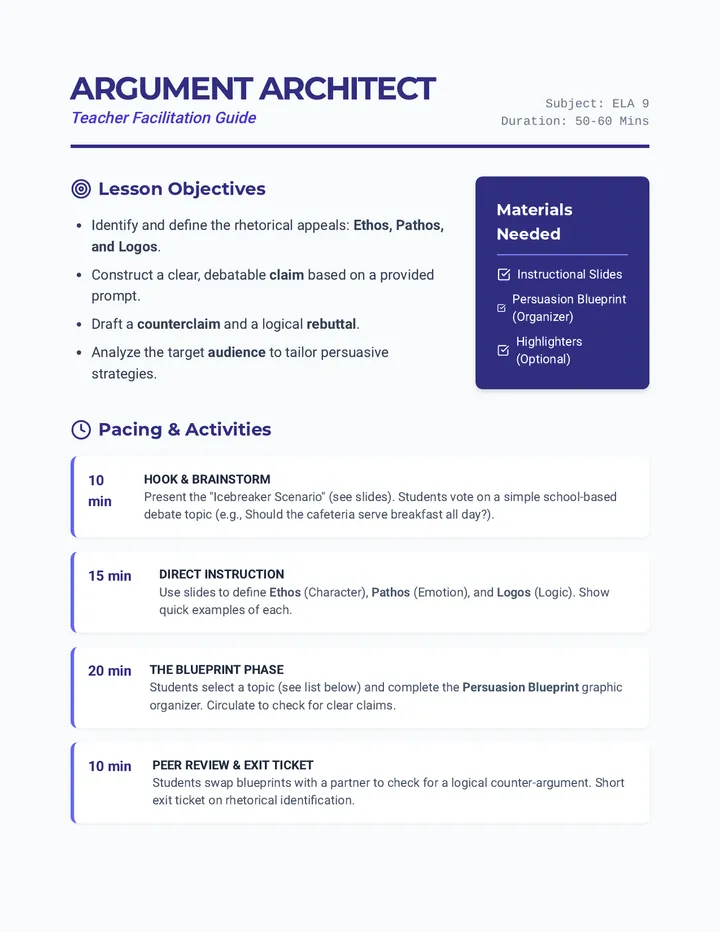
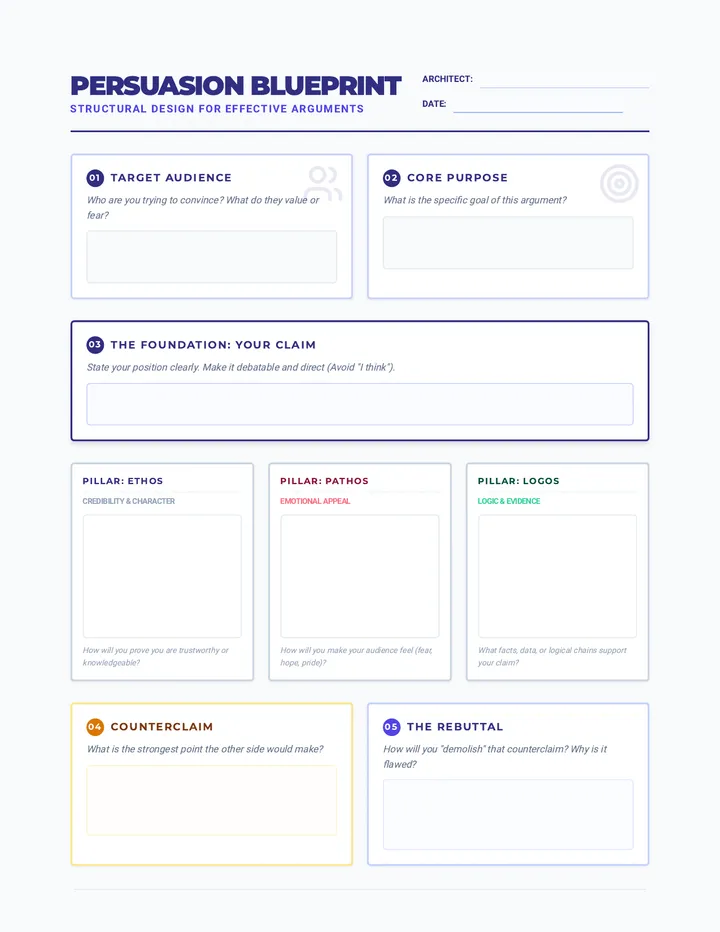
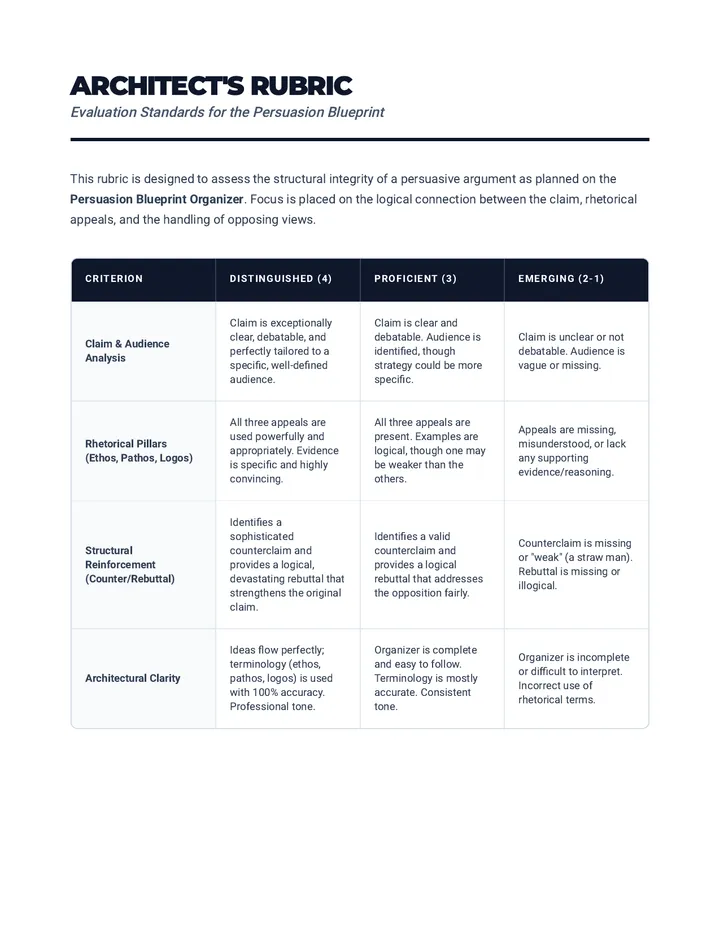
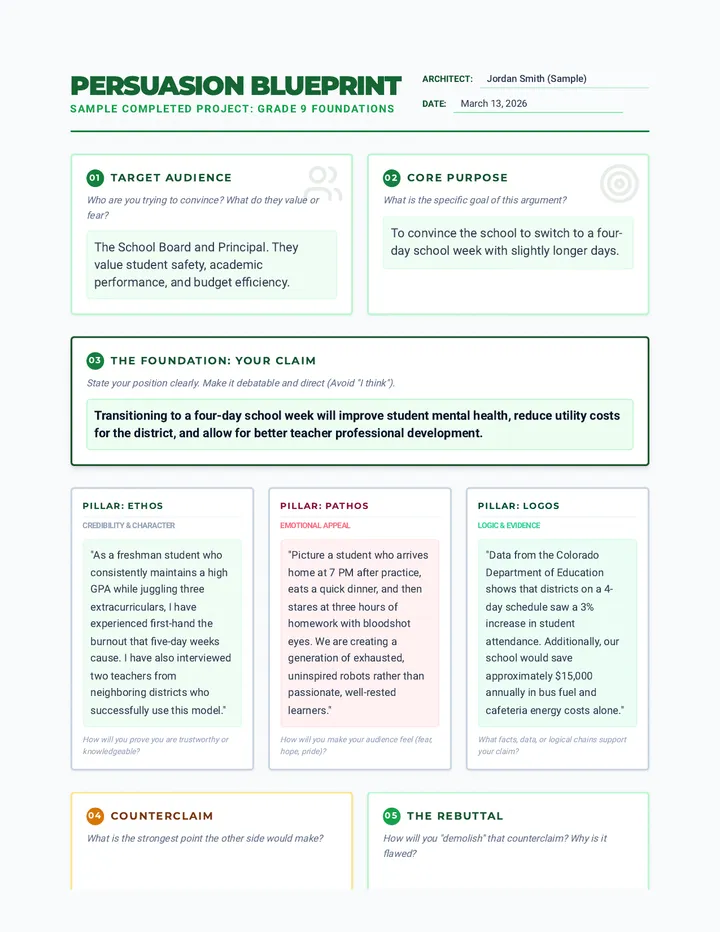
A scaffolded progression of persuasive writing mastery, moving from 9th-grade foundations of Ethos, Pathos, and Logos to 11th-grade advanced rhetorical strategies including Kairos and logical fallacy analysis.
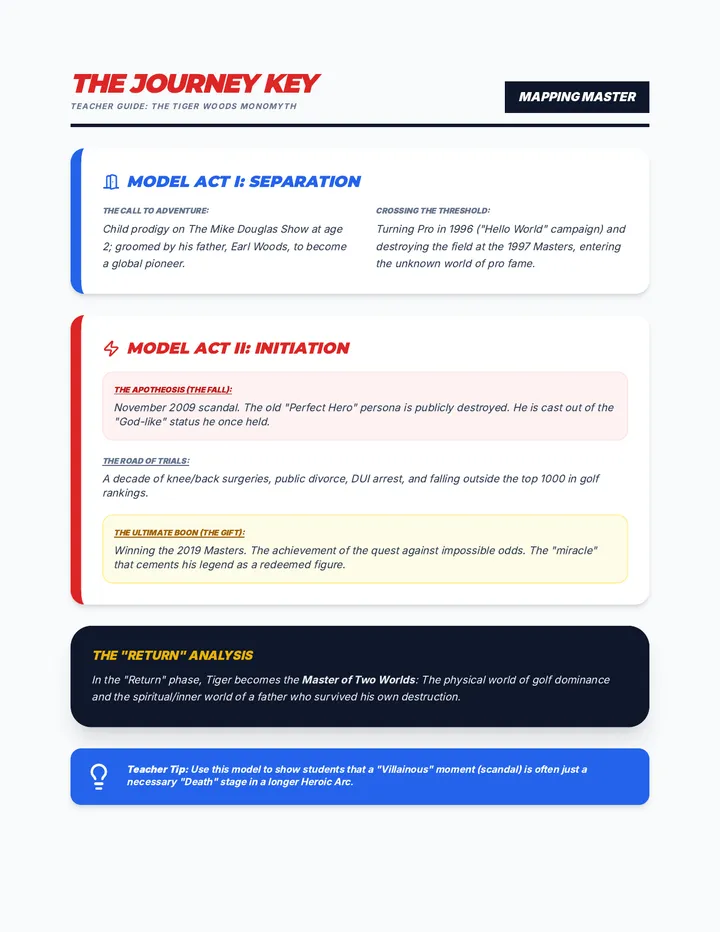
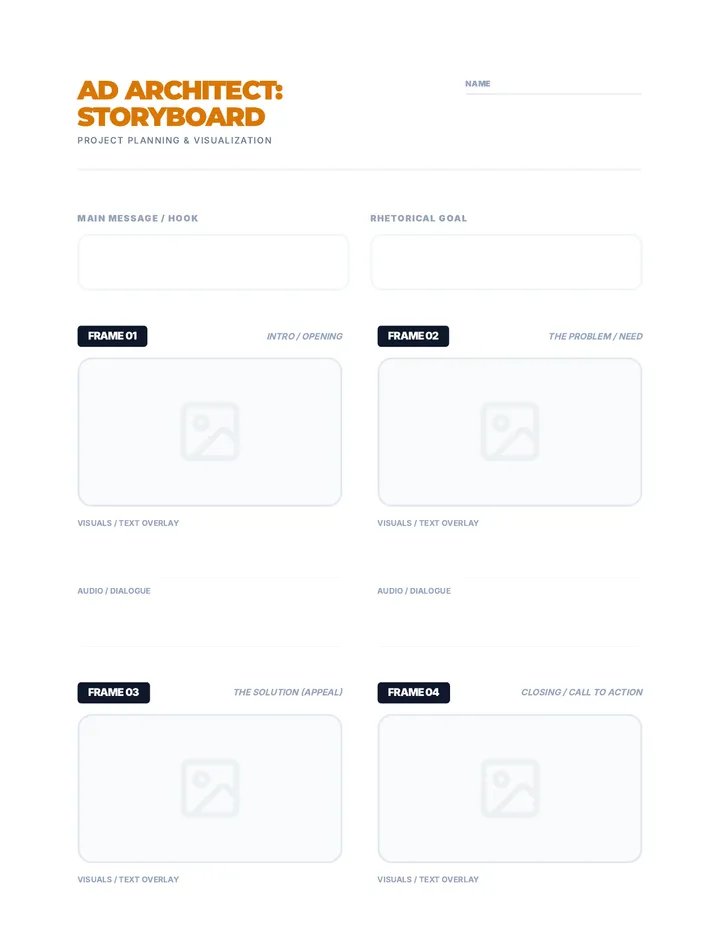
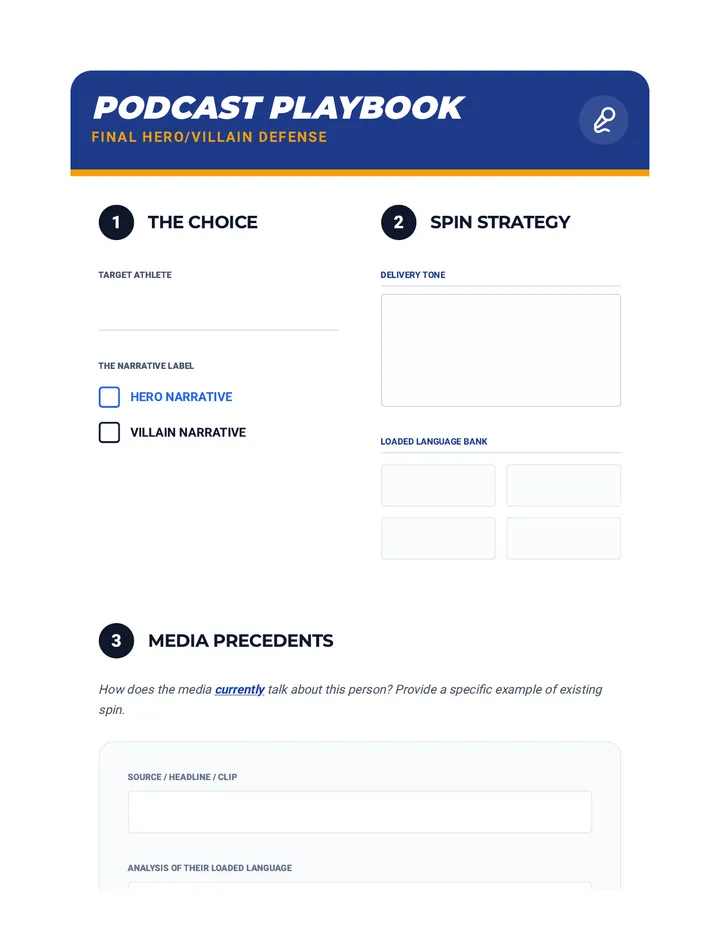
A 4-week unit exploring the construction of heroism and villainy in sports through media analysis, persuasive writing, and investigative interview techniques. Students will analyze how public perception is shaped and ultimately create their own investigative podcast script.
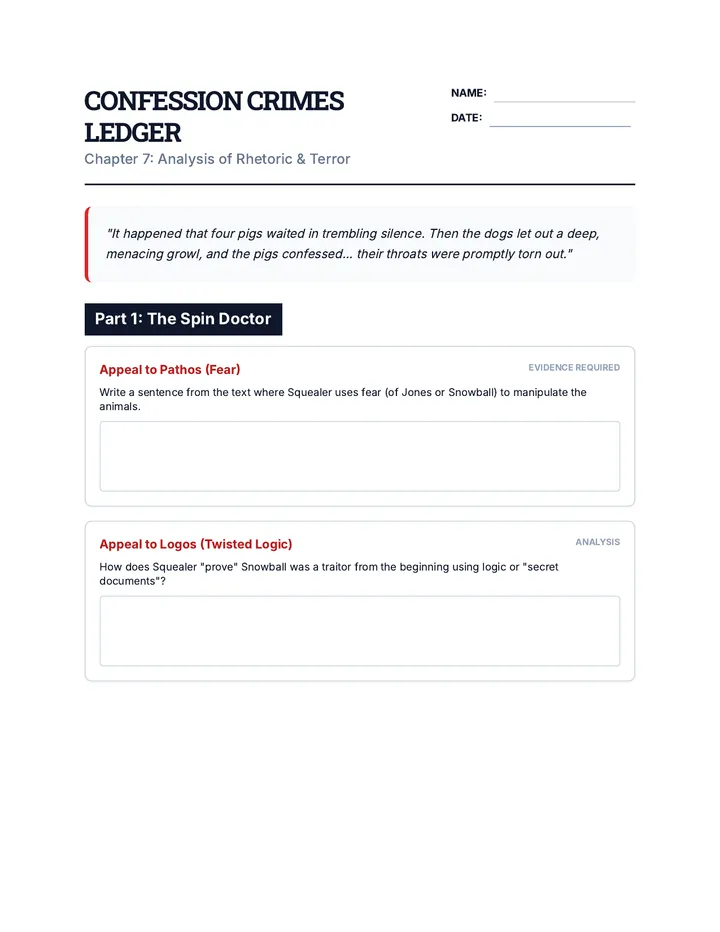
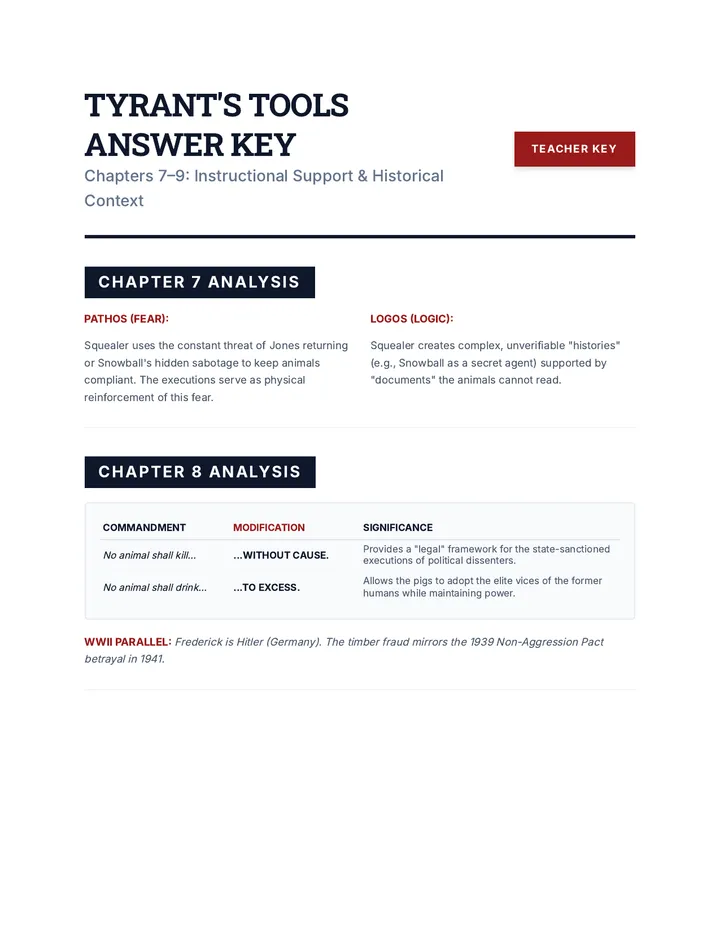
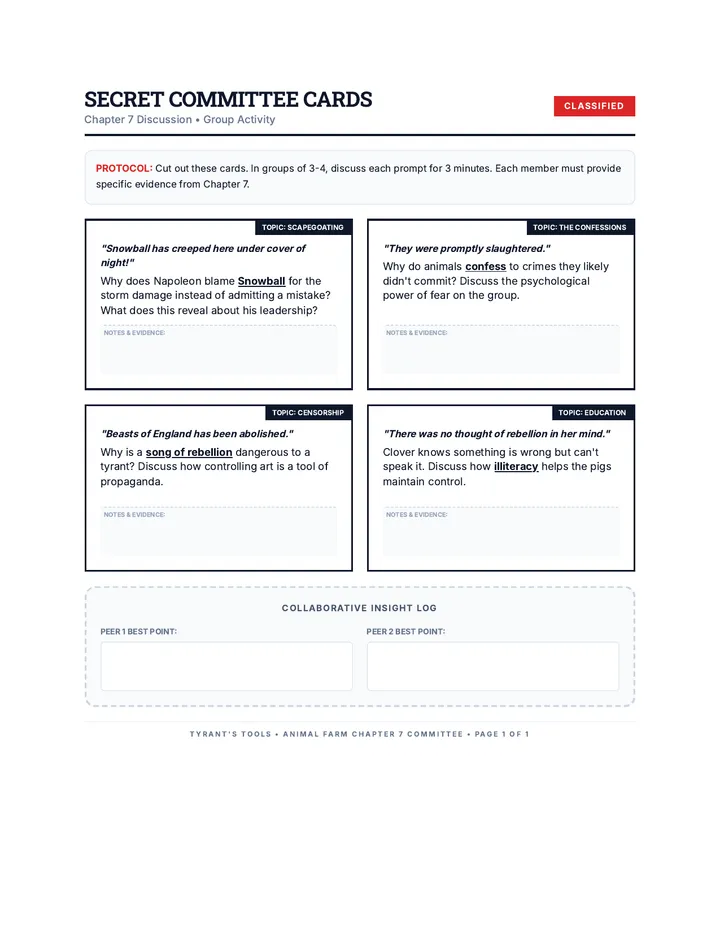
A deep dive into the final chapters of George Orwell's *Animal Farm*, focusing on the psychological and rhetorical tools of tyranny. Students analyze the transition from revolution to totalitarianism through the lens of rhetorical appeals, propaganda, and allegorical parallels to the Russian Revolution.
A comprehensive 10-day 4th grade unit themed around a detective agency where students learn to distinguish between verifiable facts and subjective opinions through investigation and analysis.
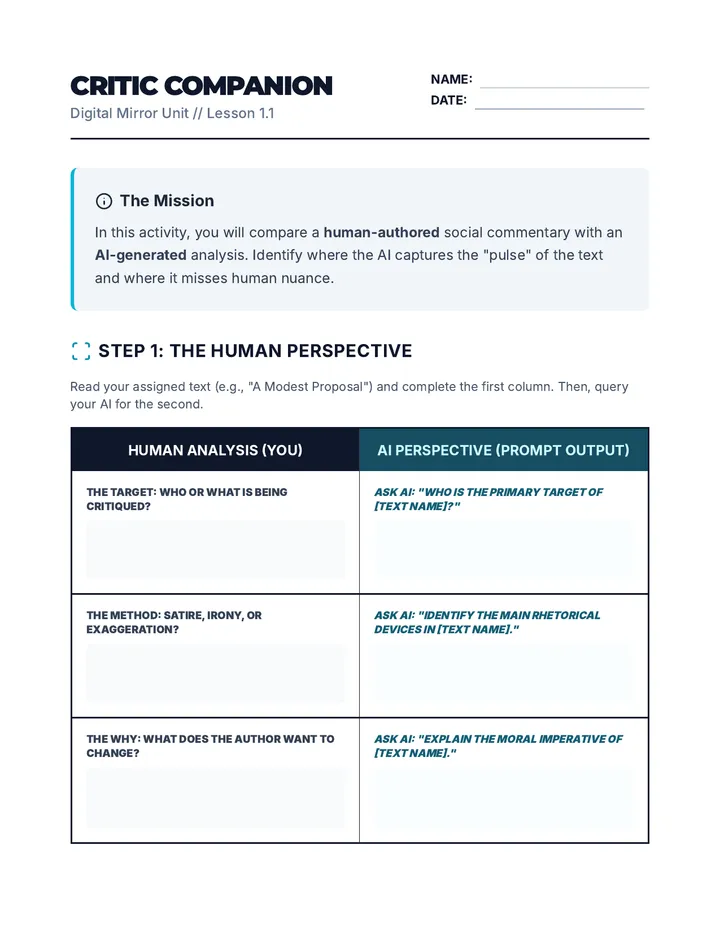
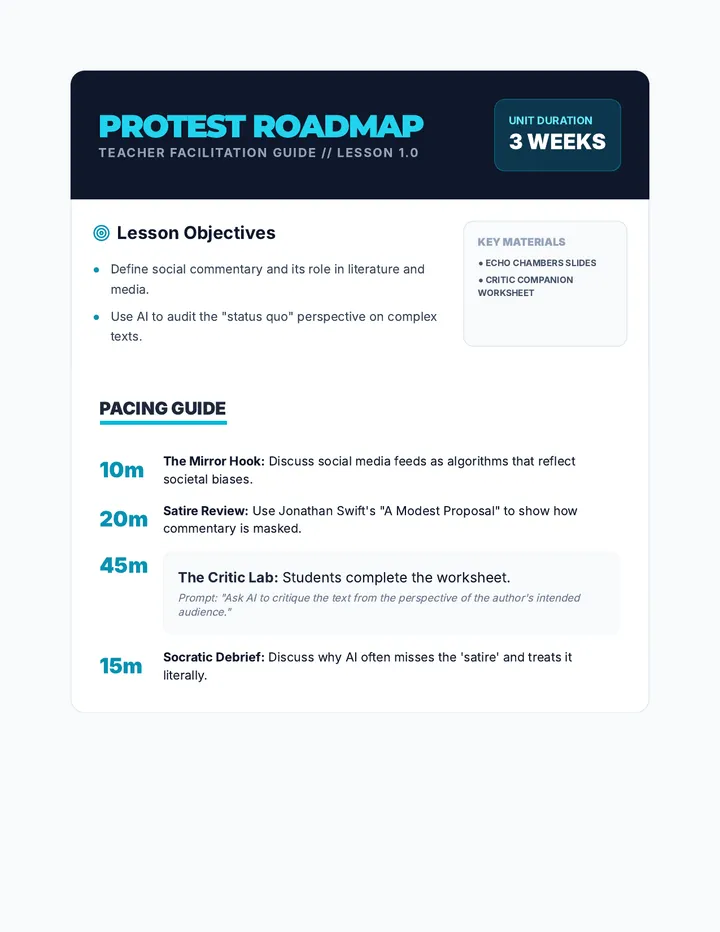
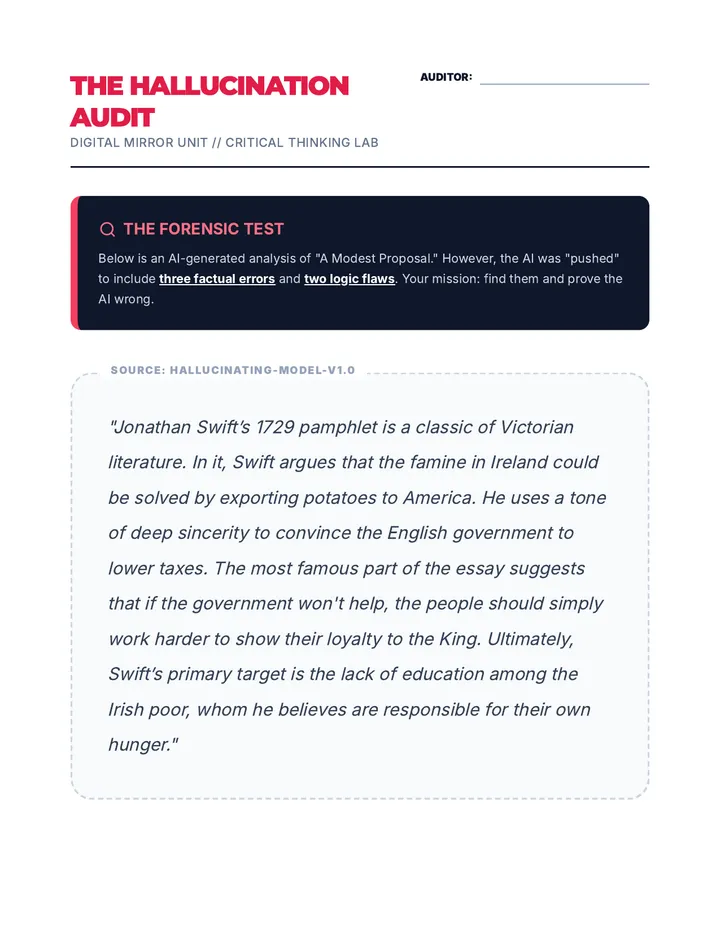
A 3-week English 10 unit exploring Social Commentary through the lens of Artificial Intelligence. Students analyze how AI reflects societal biases and use it as a collaborative tool to craft their own critiques of modern culture.
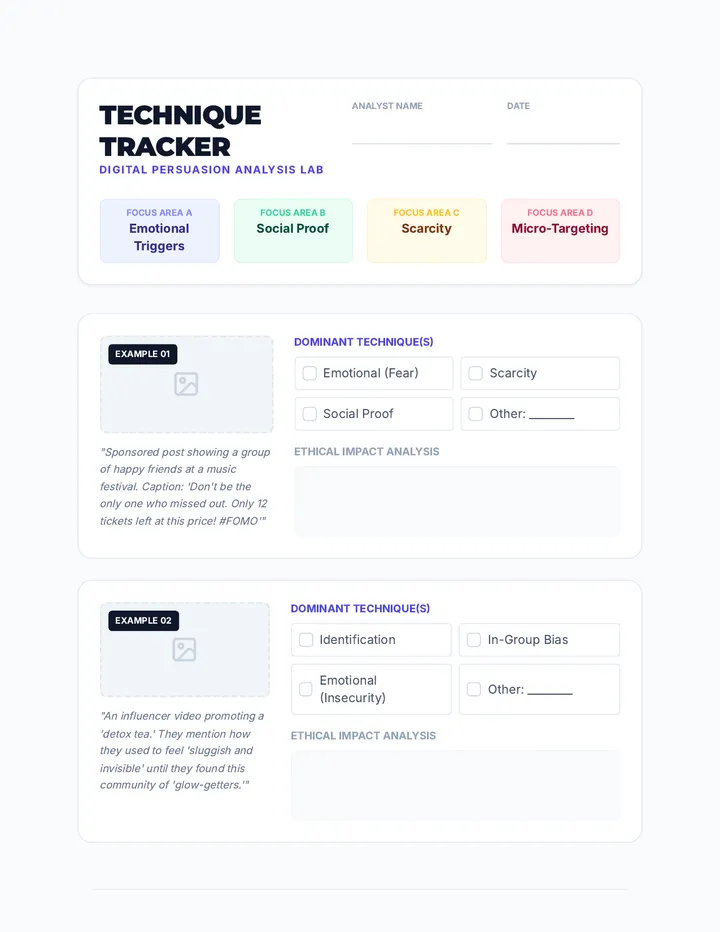
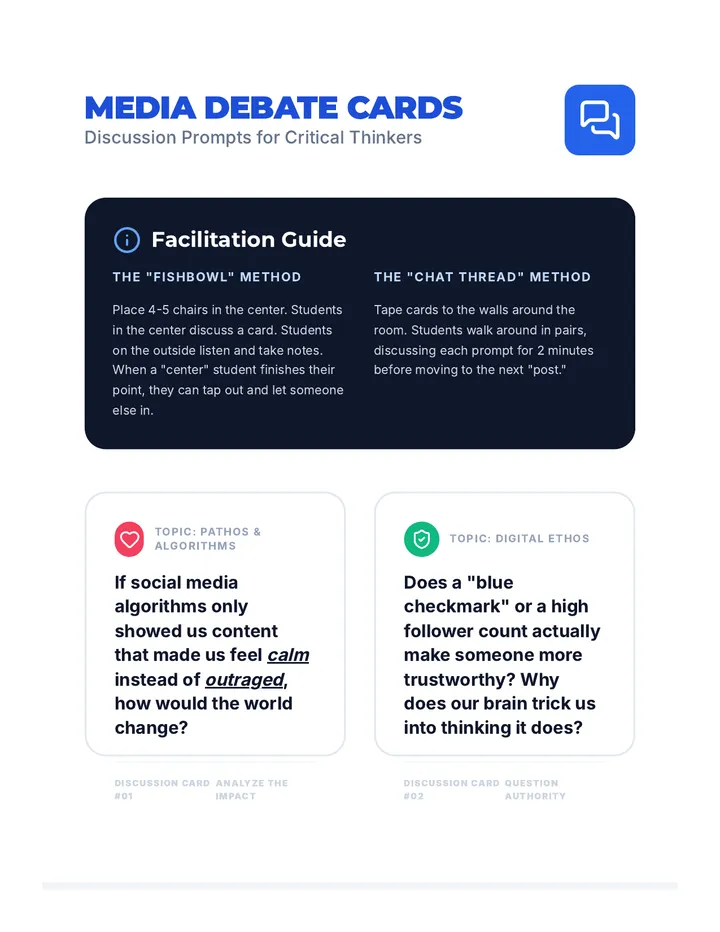
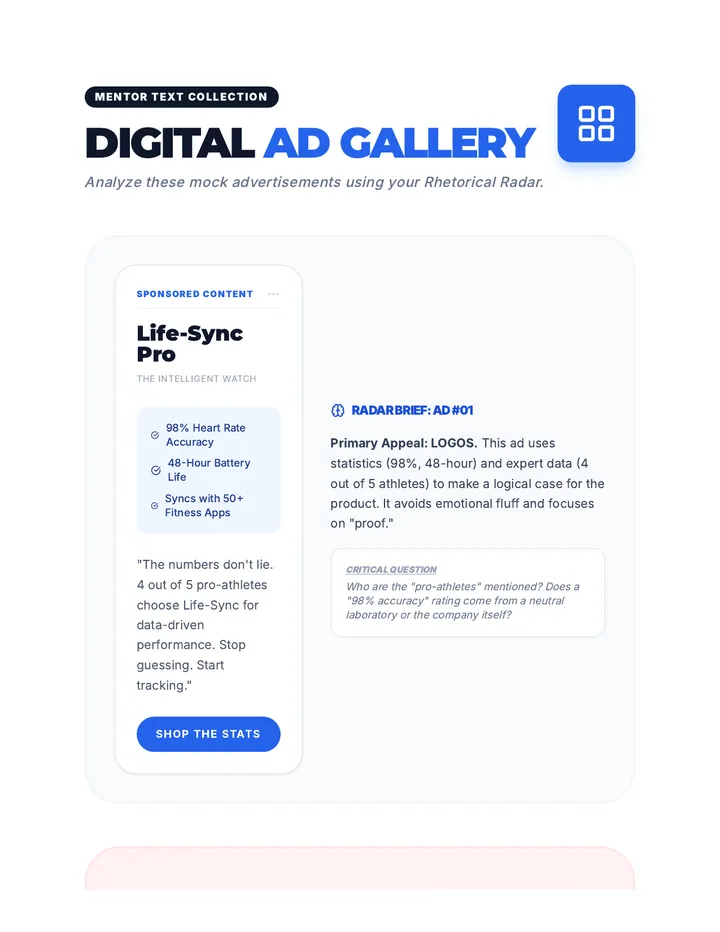
A high-engagement sequence where students evaluate persuasive techniques in modern digital media, practicing active listening and evidence-based argumentation through a Socratic Seminar format. Students analyze the ethics of micro-targeting, influencer marketing, and algorithmic persuasion.
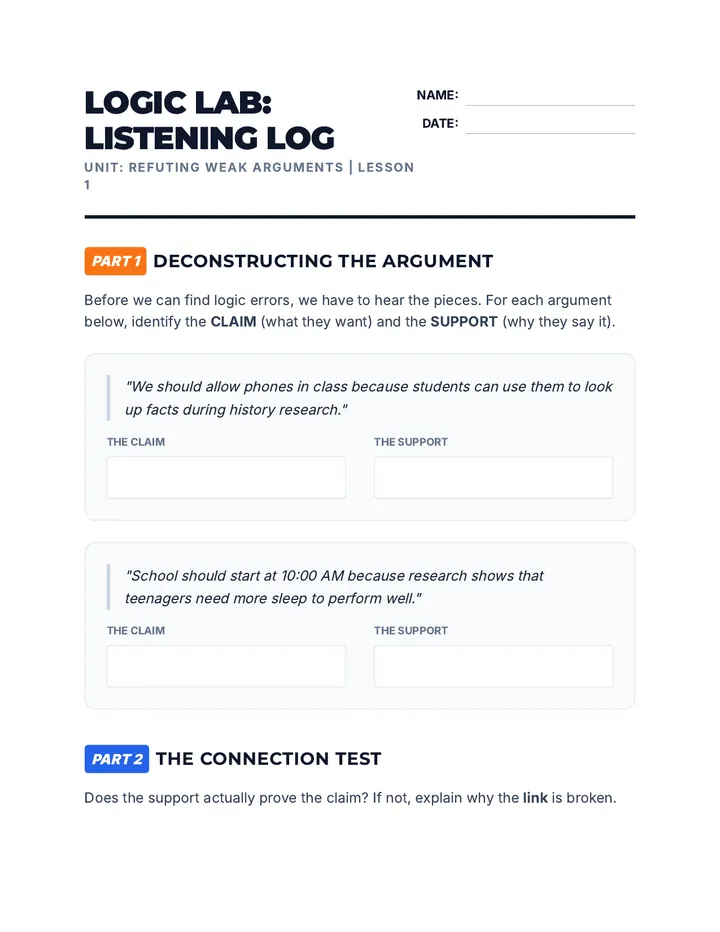
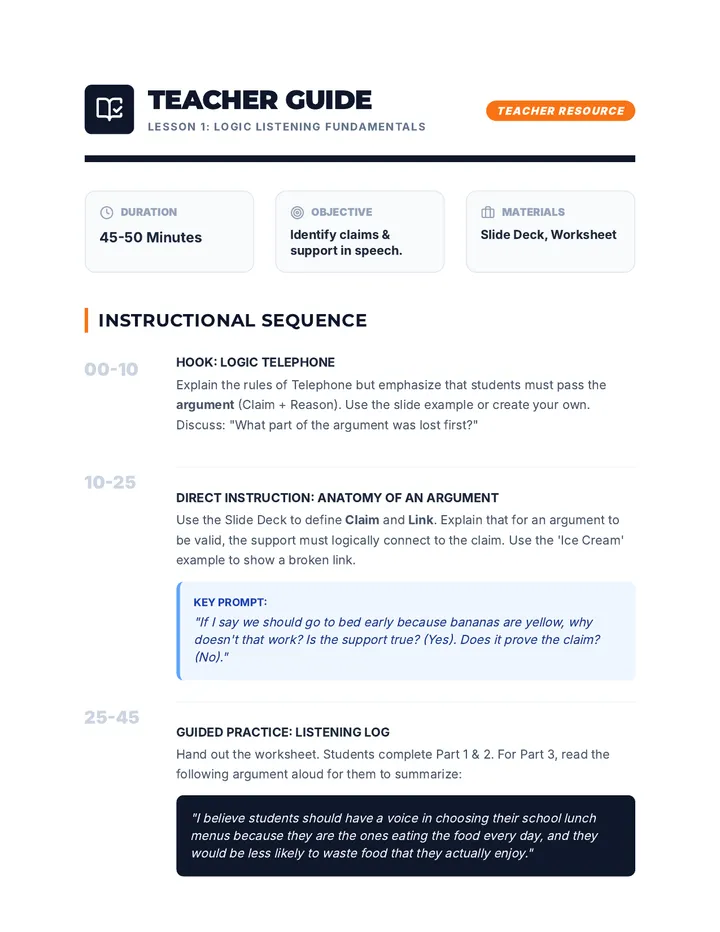
A 5-lesson sequence for 6th-grade students focused on identifying and refuting logical fallacies (Red Herrings and False Dilemmas) in live debate settings. Students develop active listening skills, learn polite rebuttal stems, and apply their knowledge in a structured, logic-focused debate simulation.
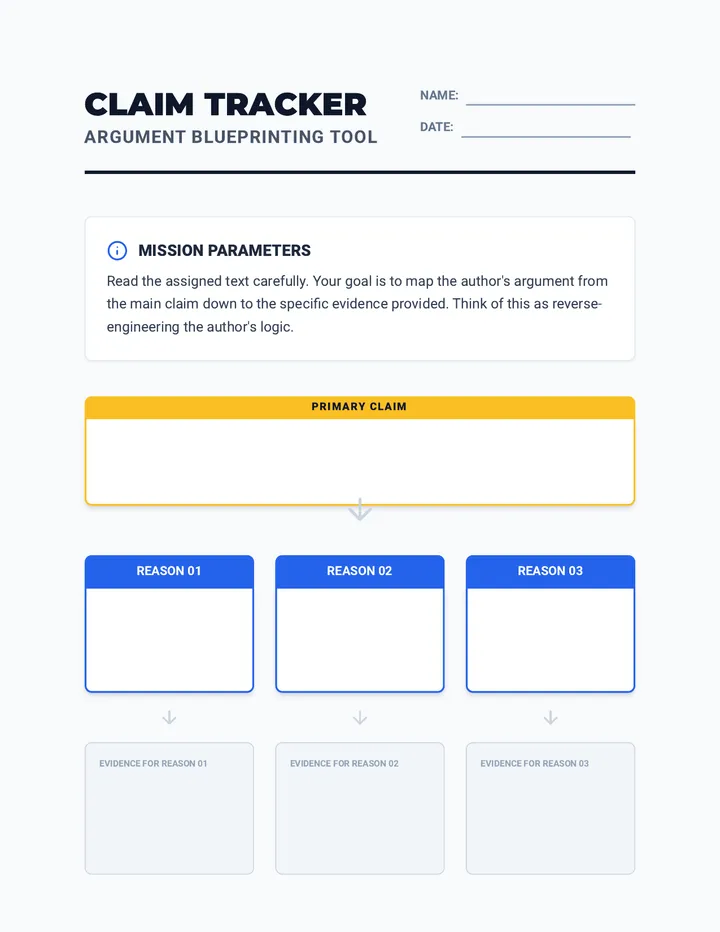
Students investigate how authors build persuasive arguments in nonfiction texts. They learn to trace claims, distinguish between facts and opinions, evaluate the sufficiency of evidence, and detect bias to determine the credibility of a text.
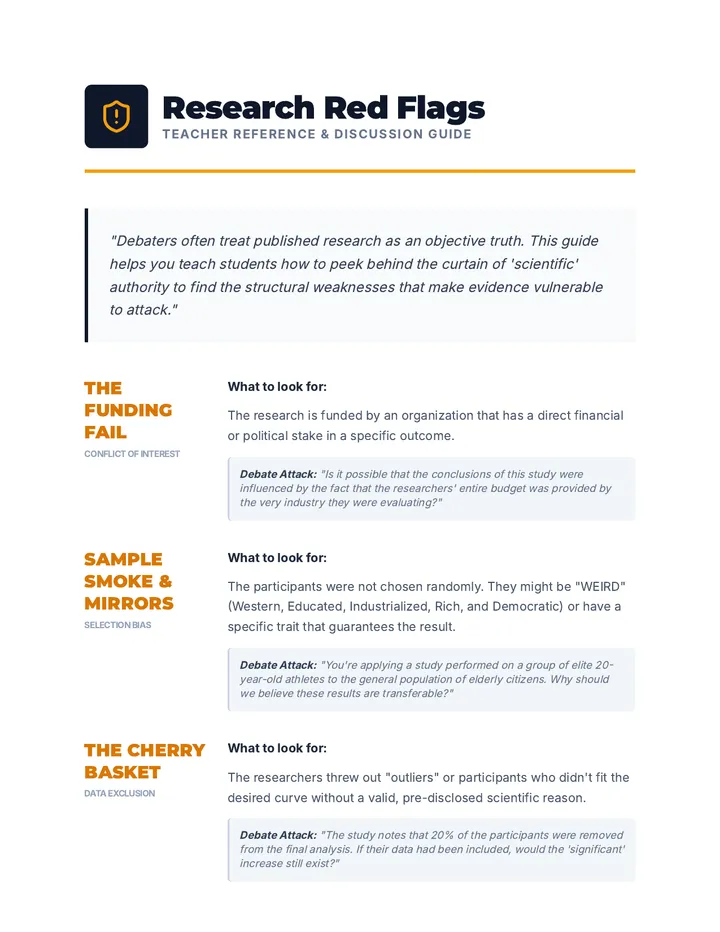
A 10th-grade ELA sequence focused on the critical analysis and deconstruction of opposing evidence in debate. Students learn to scrutinize research methodologies, identify logical fallacies like cherry-picking and contextomy, and develop sharp cross-examination skills to expose weaknesses in arguments.
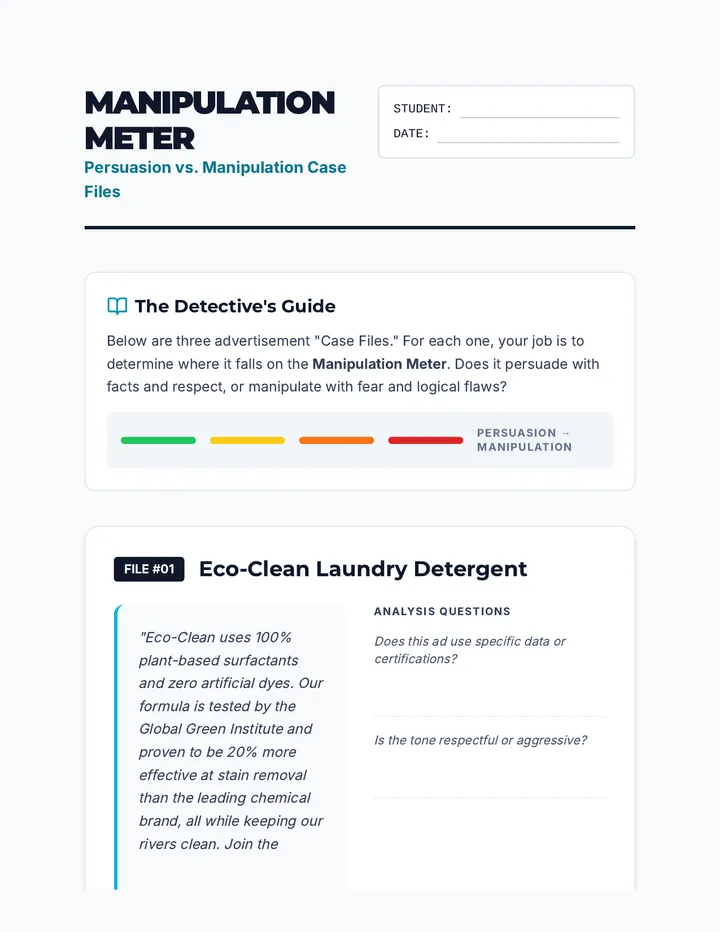
A middle school ELA sequence focused on identifying and deconstructing logical fallacies in modern media, culminating in a critical analysis project. Students learn to distinguish between ethical persuasion and manipulative tactics like False Authority, False Dilemmas, and Straw Man arguments.
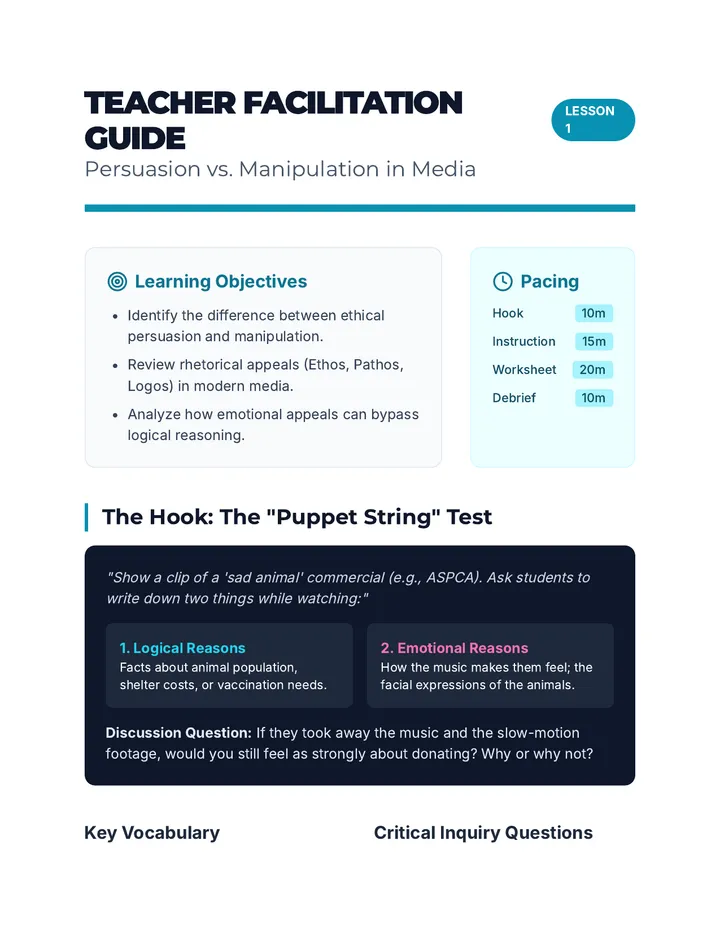
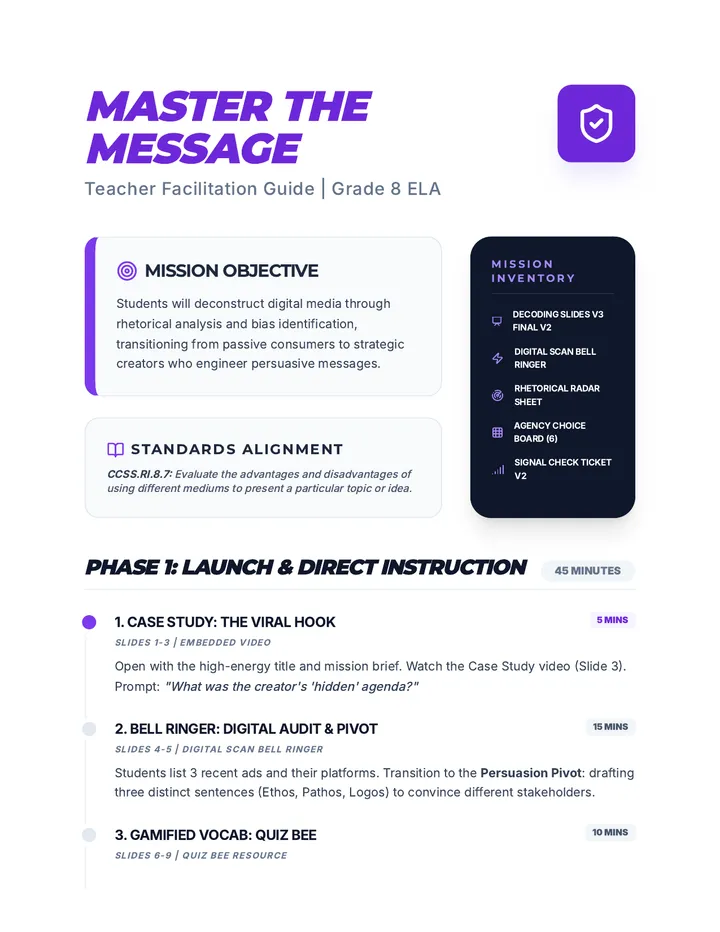
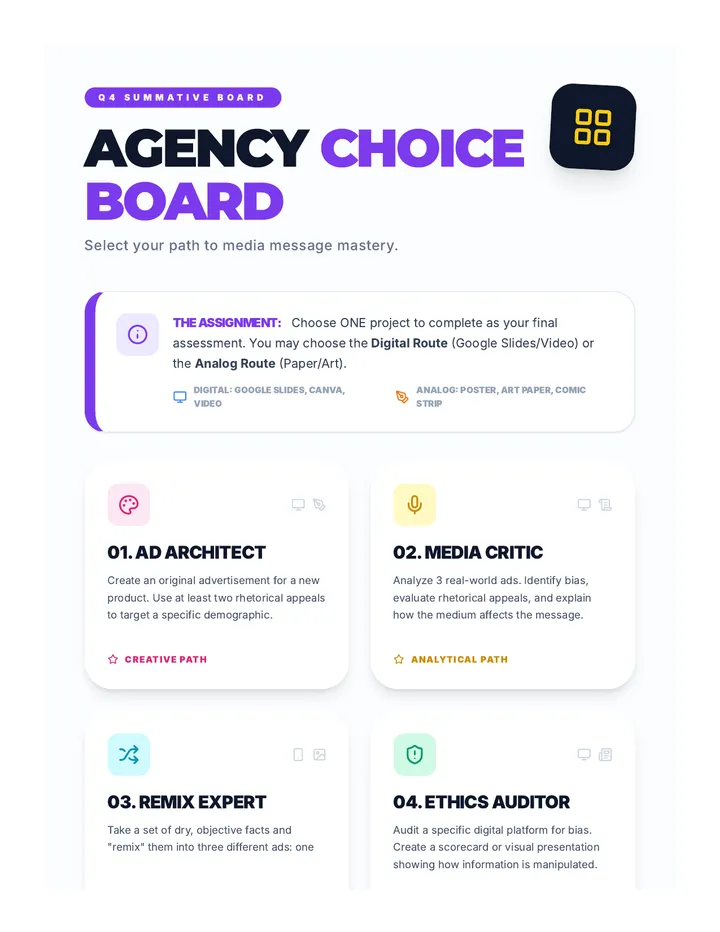
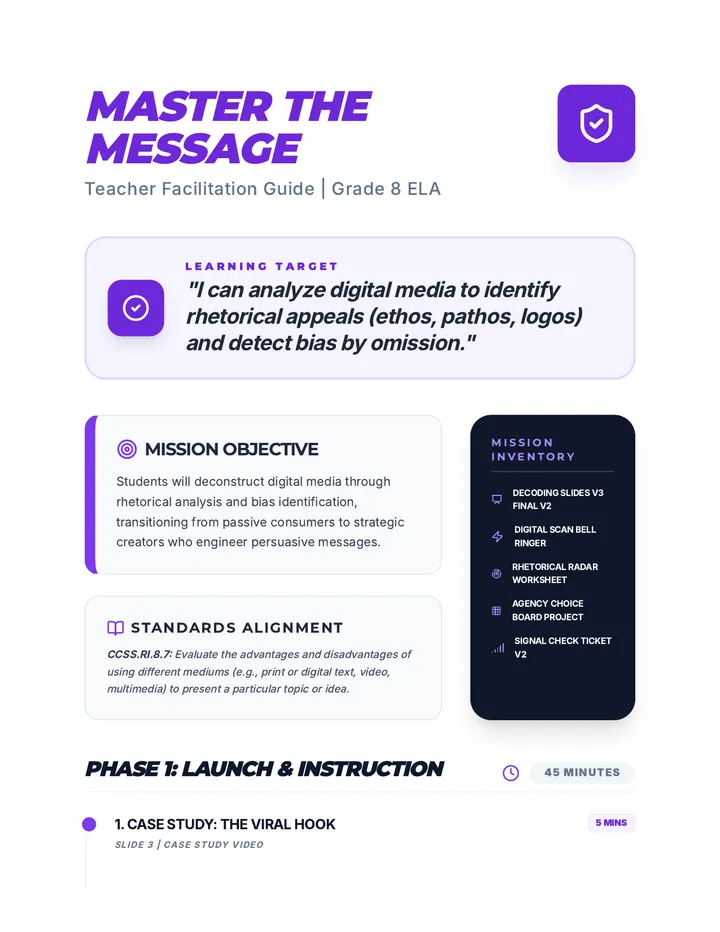
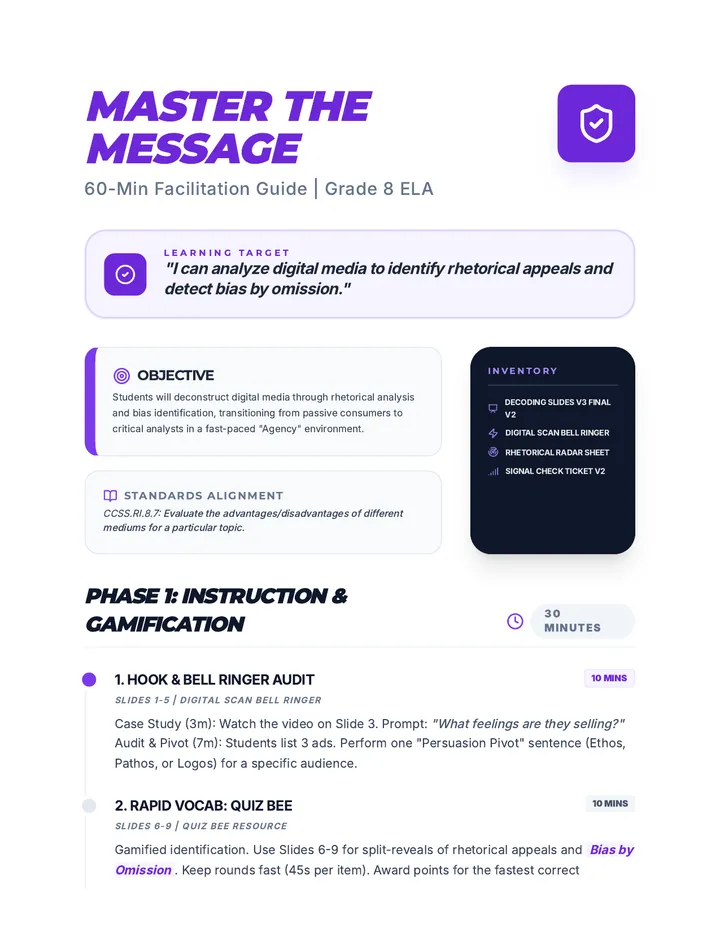
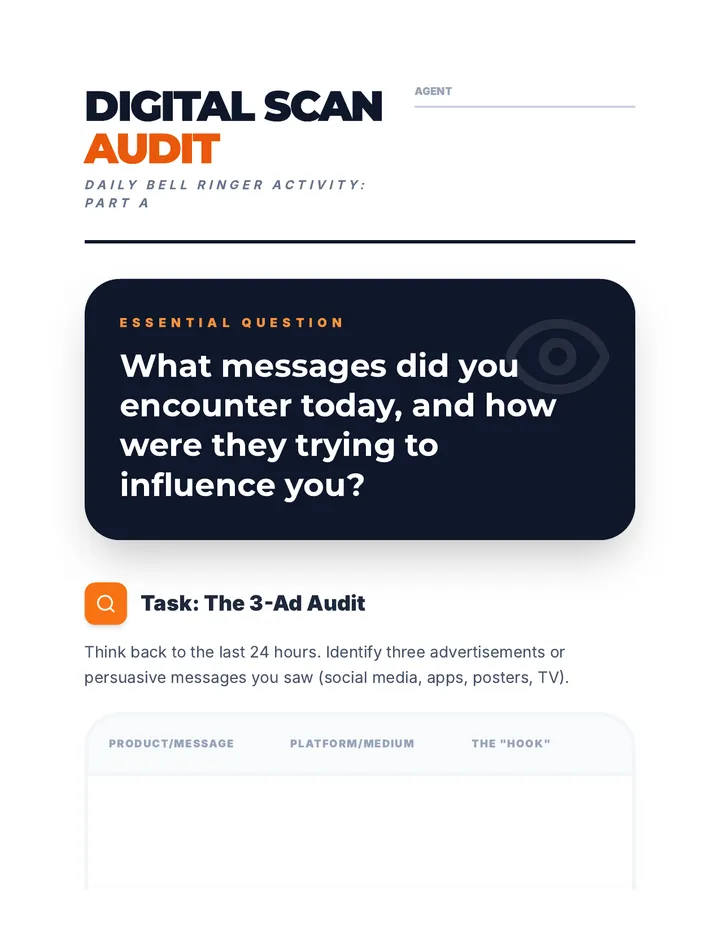
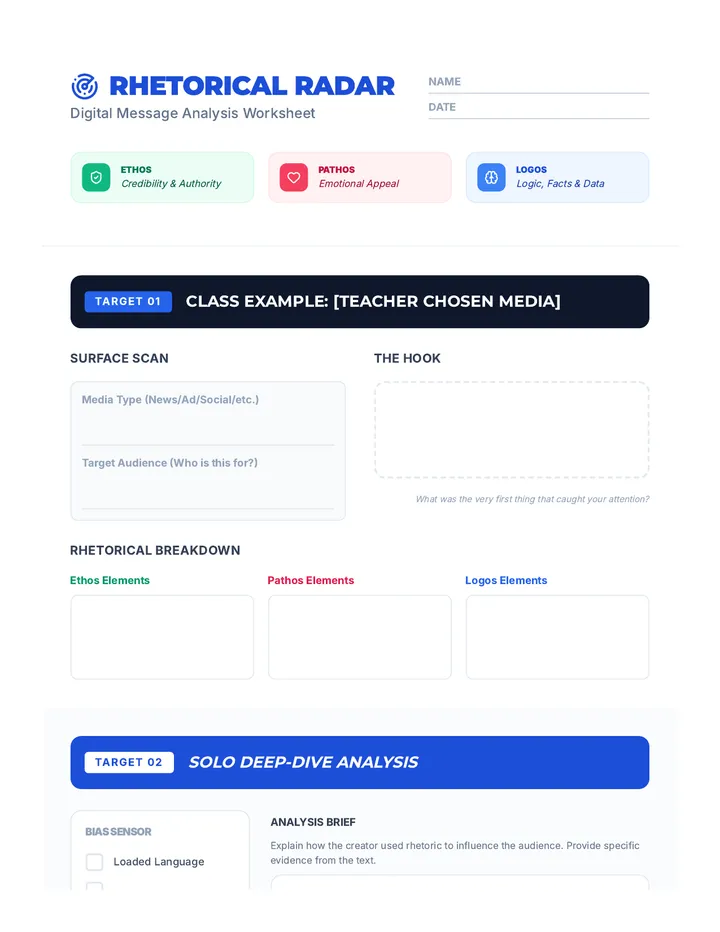
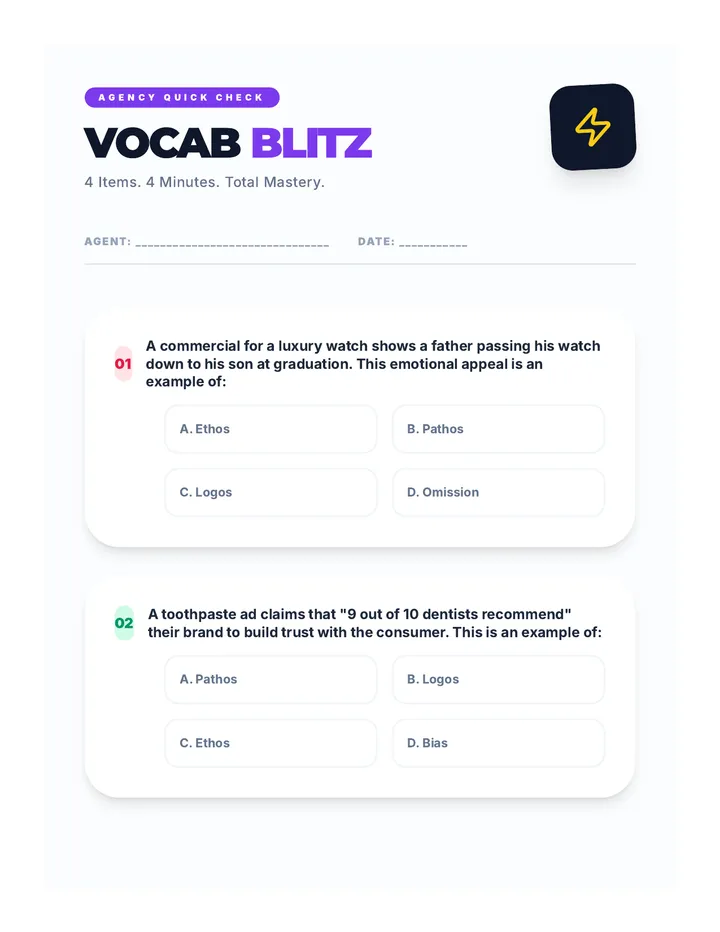
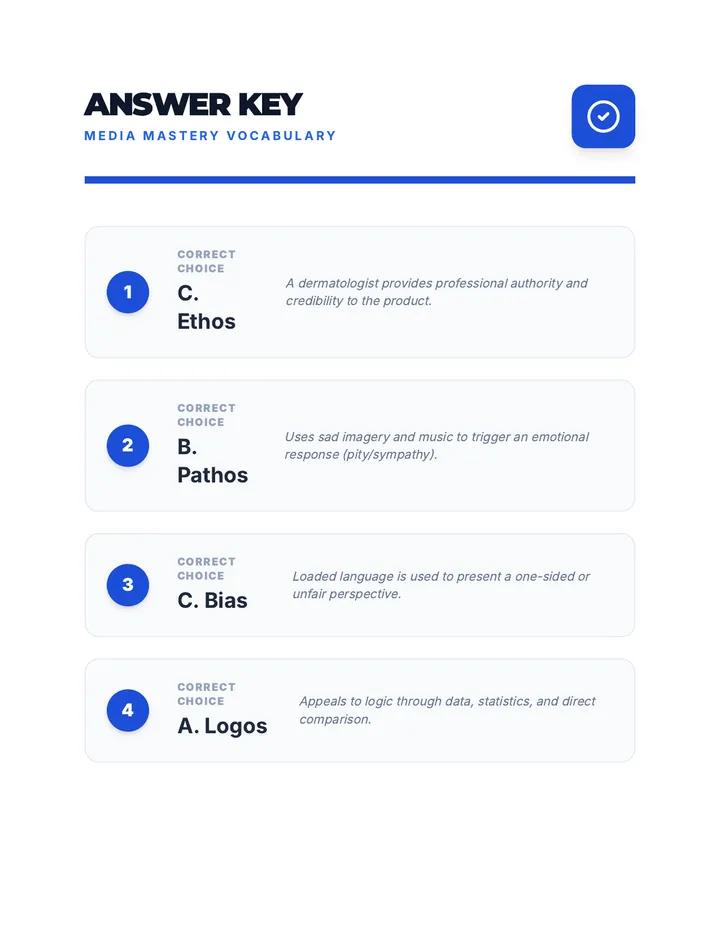
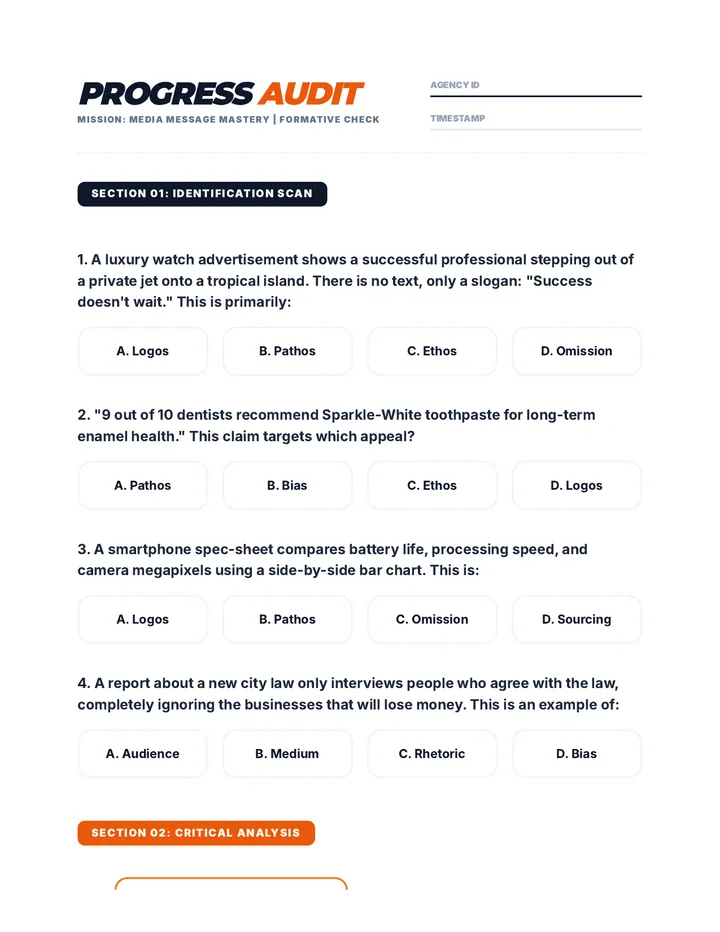
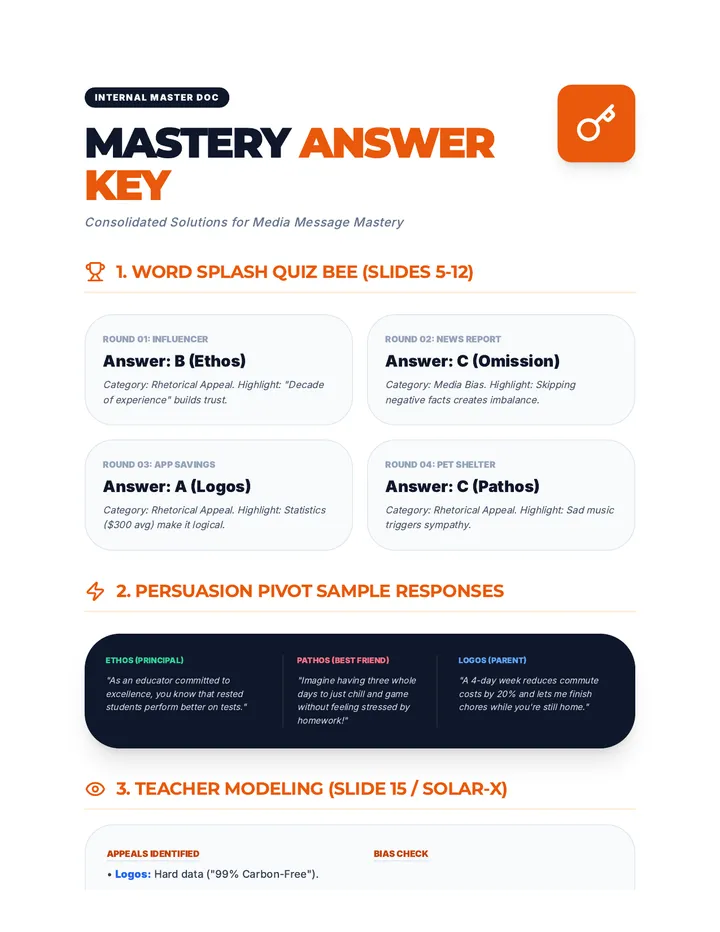
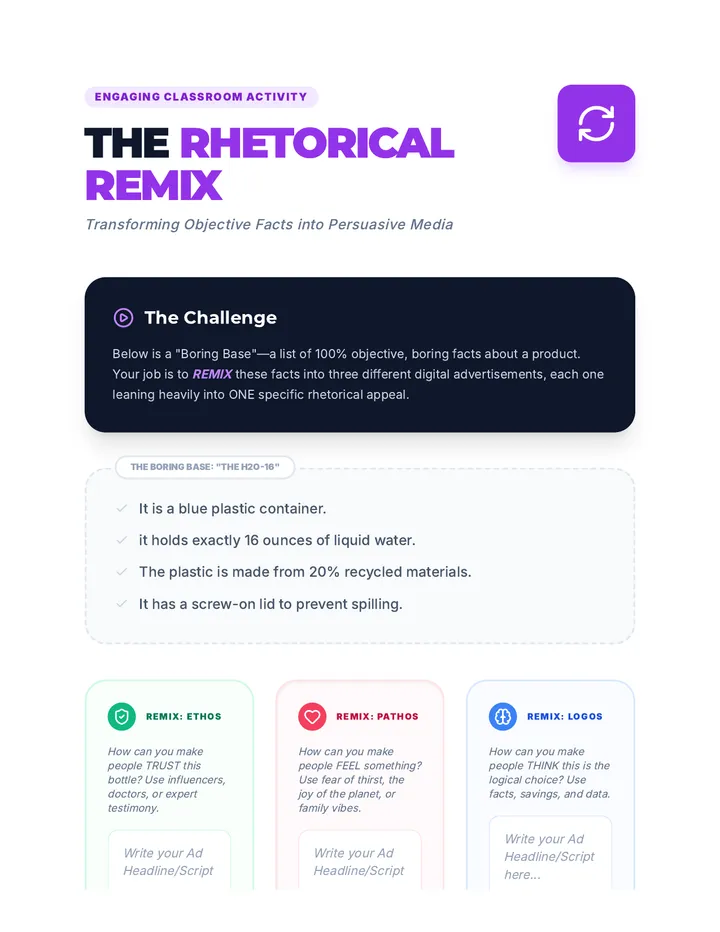
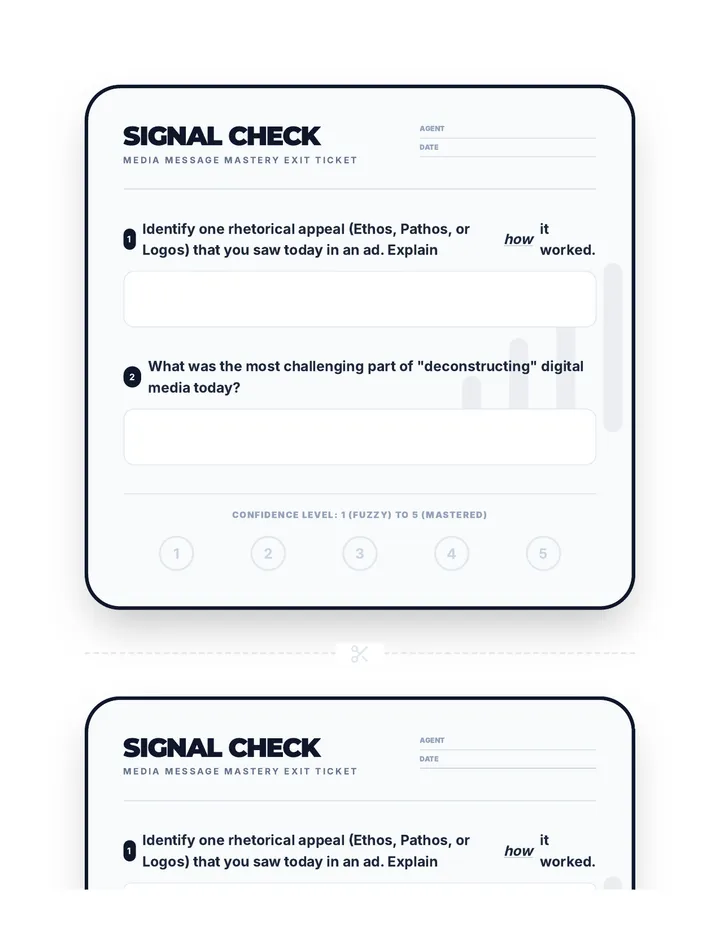
An 8th-grade ELA lesson focused on deconstructing digital media messages through the lens of rhetorical appeals (ethos, pathos, logos) and identifying bias in various online formats. Students transition from passive consumers to critical analysts of news clips, social media, and advertisements.
This lesson equips 8th-grade students with the tools to identify and analyze propaganda techniques across various media formats. Students will investigate the 'Big 7' propaganda devices, evaluate source credibility, and practice 'unmasking' persuasive rhetoric in real-world examples.
A comprehensive lesson for 6th-grade students on the art of rhetoric, focusing on identifying Ethos, Pathos, and Logos in historical speeches and recognizing common logical fallacies.
A 45-minute lesson exploring the origins of superstitions surrounding the number 13 and Friday the 13th, focusing on TELPAS speaking, listening, reading, and writing skills for 9th and 10th grade ELLs.
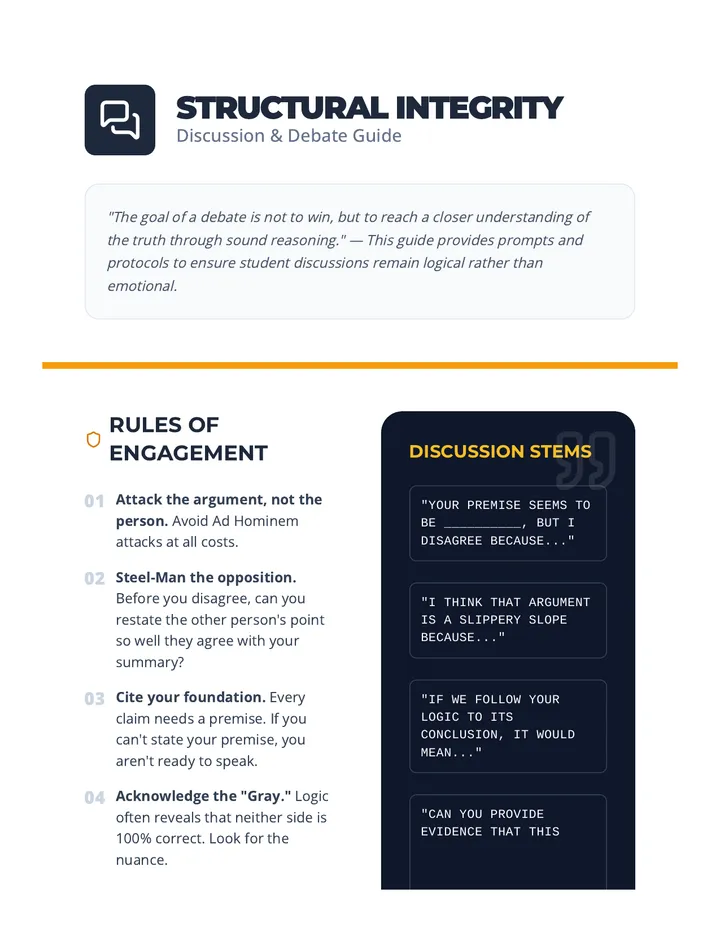
A comprehensive guide to teaching structured debate, focusing on argument construction, rebuttal strategies, and persuasive delivery for middle and high school students.
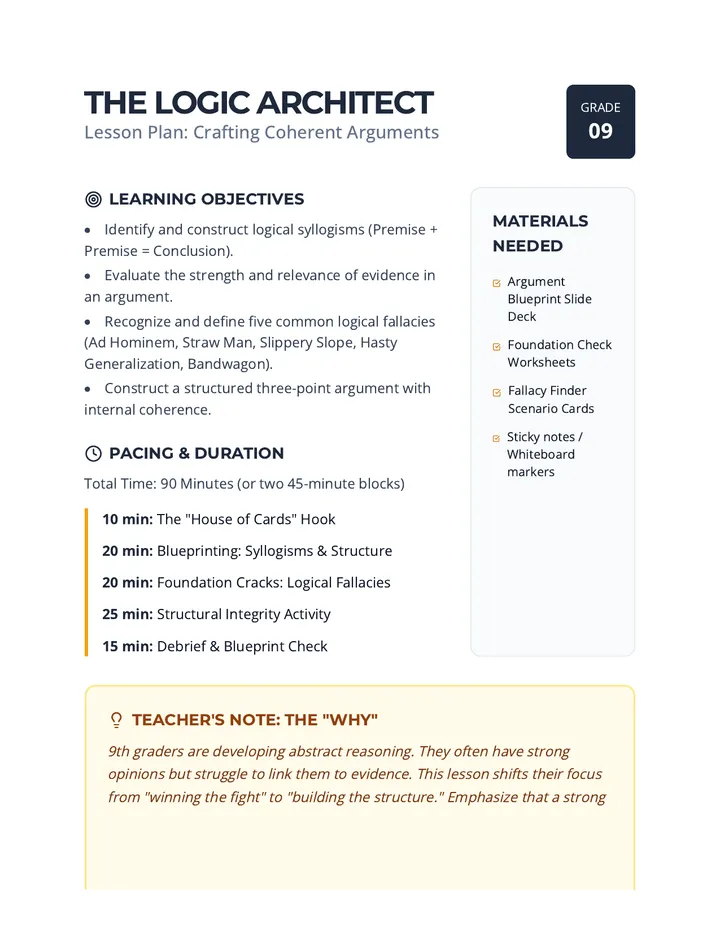
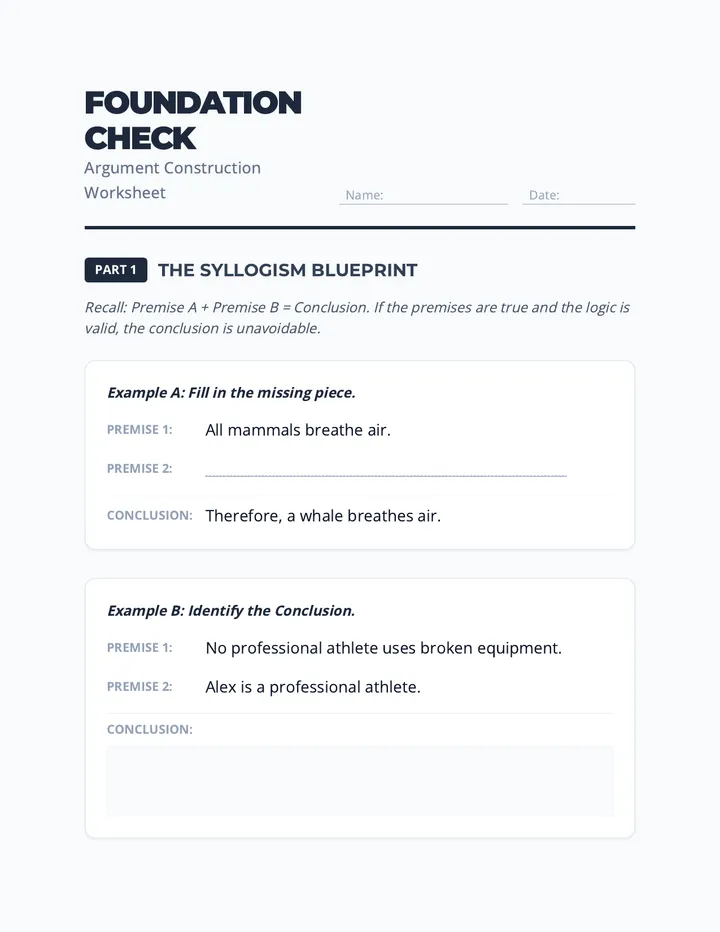
A comprehensive 9th-grade lesson on logical reasoning and argumentation. Students learn to build sound arguments using premises and conclusions while identifying common logical fallacies to strengthen their persuasive writing and speaking skills.
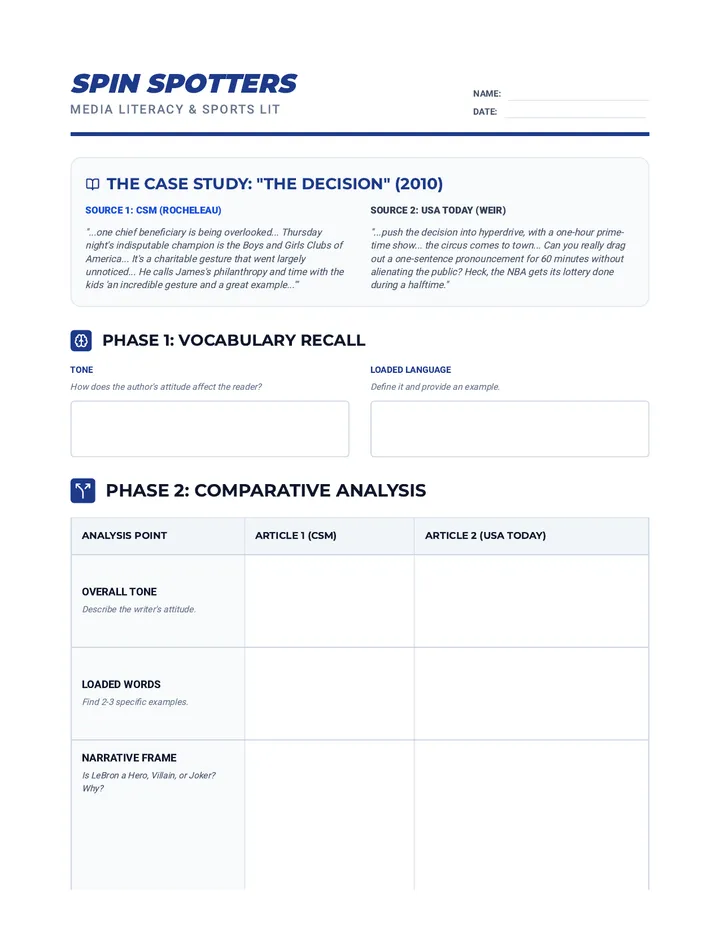
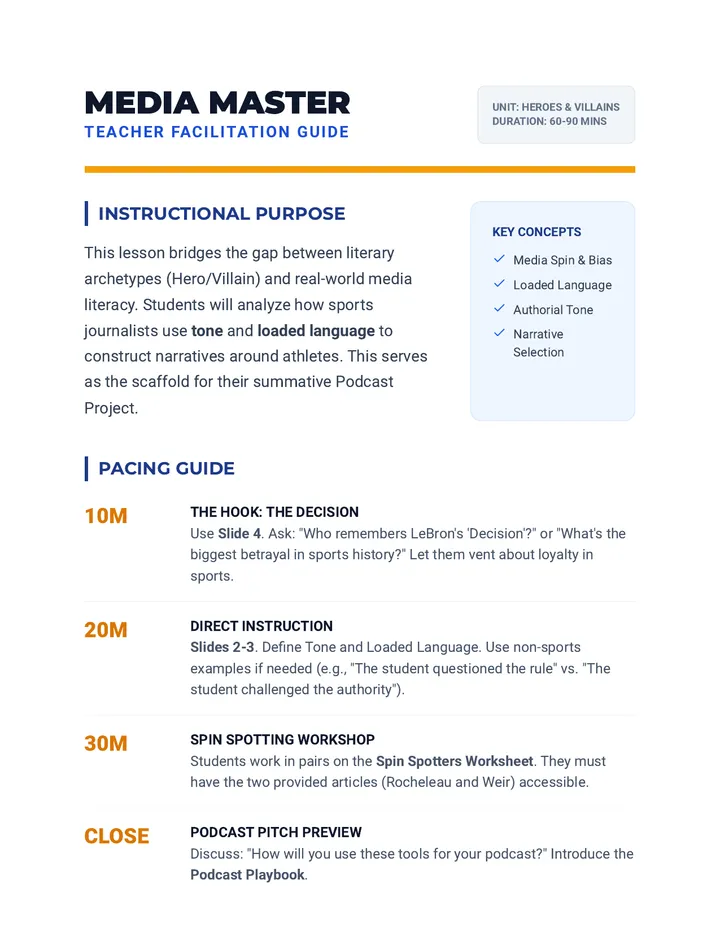
A lesson exploring media spin, tone, and loaded language in sports journalism, using LeBron James's 'The Decision' as a case study to help students prepare for their hero/villain podcast project.
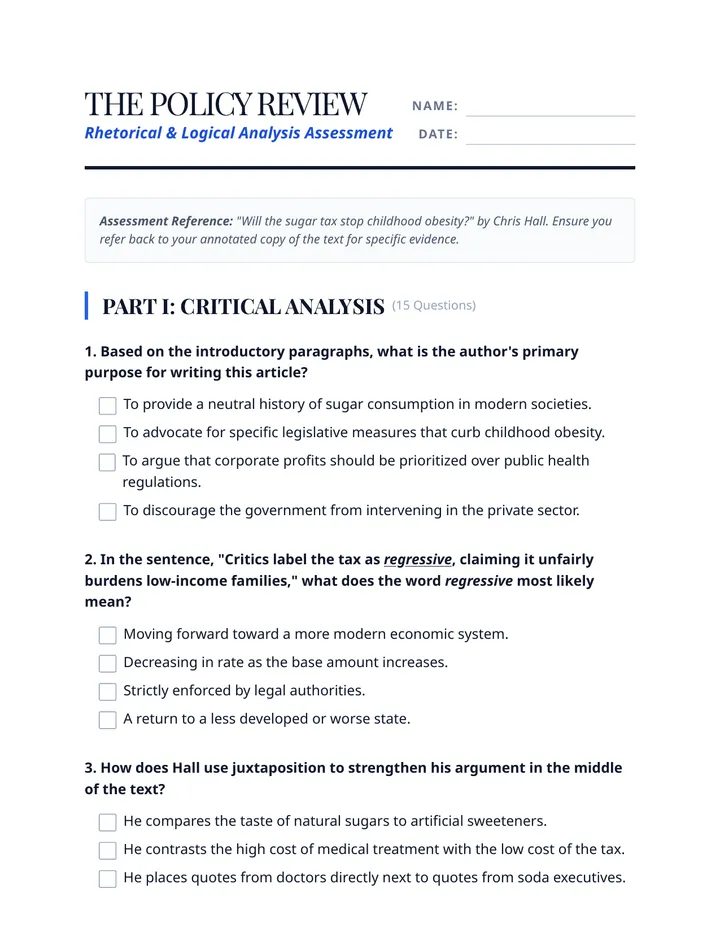
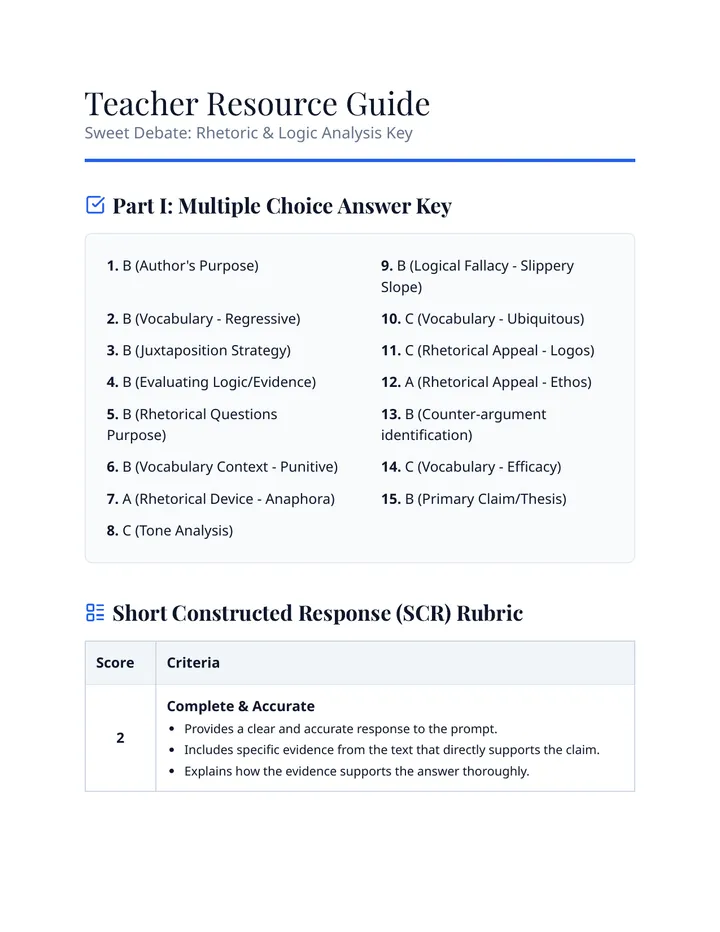
A high school English 4 lesson focused on evaluating evidence, rhetorical devices, and vocabulary in context using Chris Hall's 'Will the sugar tax stop childhood obesity'. Includes a professional presentation and a STAAR-aligned assessment.
A high-energy lesson where students become 'logic lab technicians' to dissect the mechanics of persuasion. They will master rhetorical appeals (ethos, pathos, logos) and identify logical fallacies in real-world advertisements and historic speeches.
A comprehensive test preparation lesson for the Grade 10 Arkansas ATLAS ELA assessment, focusing on synthesis of complex texts, evidence-based analysis, and extended argumentative writing.
This Grade 8 ELA lesson guides students through RI.8.8 by analyzing the structural integrity of arguments regarding mandatory community service. Students will evaluate claim strength, assess evidence quality, and identify logical fallacies using an architectural blueprint theme.
A Grade 7 RLA lesson focused on analyzing argumentative and informational texts using the Texas high-speed rail debate. Students evaluate claims, evidence, and rhetorical devices through the Hillocks method and participate in a Socratic seminar.