A lesson introducing four major biomes (Rainforest, Desert, Grassland, and Ocean) designed for high-interest, low-readability (Hi-Lo) instruction. This lesson bridges 2nd-grade reading levels with content suitable for a 14-year-old student.
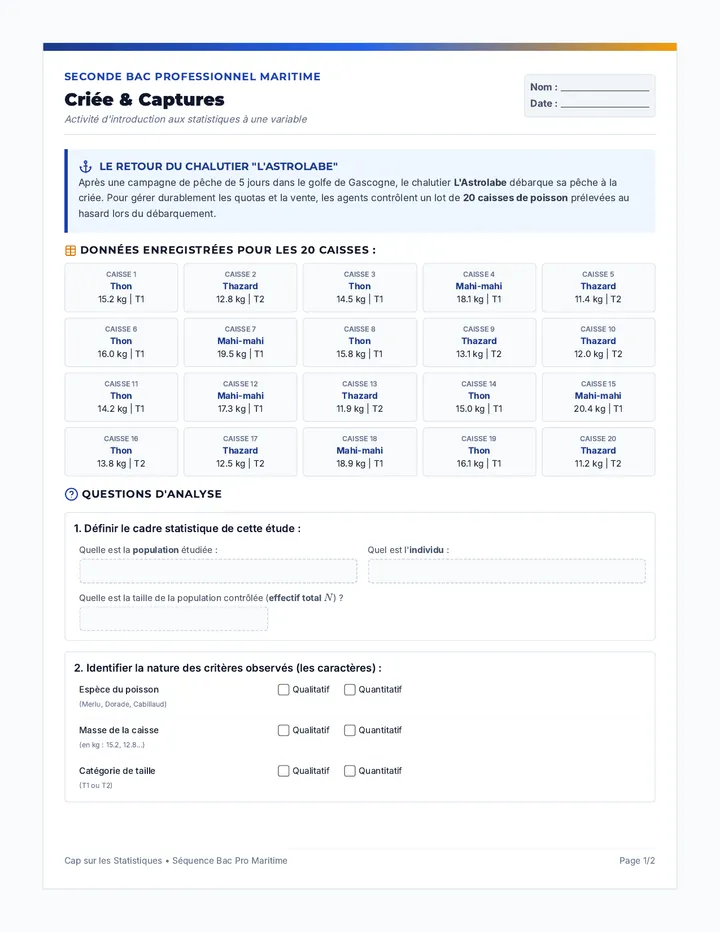
Séquence clé en main sur le module de chimie « Comment caractériser une solution ? » du programme de Seconde Bac Pro, contextualisée dans l'univers de la marine et de l'analyse des eaux.
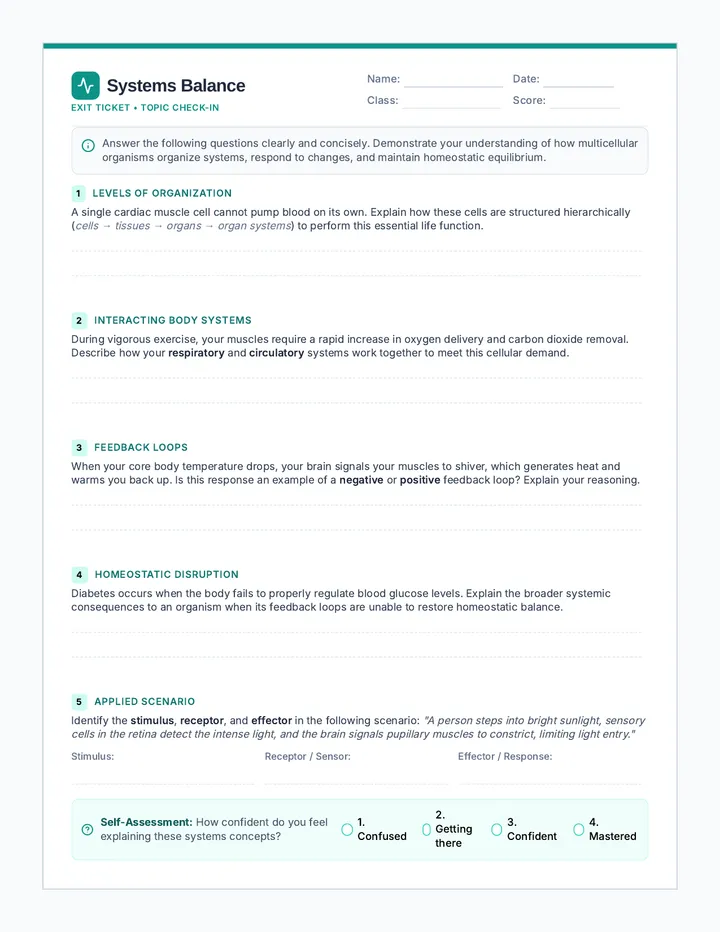
An exploration of how multicellular organisms organize their bodies, coordinate systems, and use feedback loops to maintain homeostatic balance under changing conditions.
A printable 5-question quick exit ticket assessing student comprehension of levels of organization, homeostatic disruption, interacting body systems, and feedback loop mechanisms with student-friendly lined work areas.
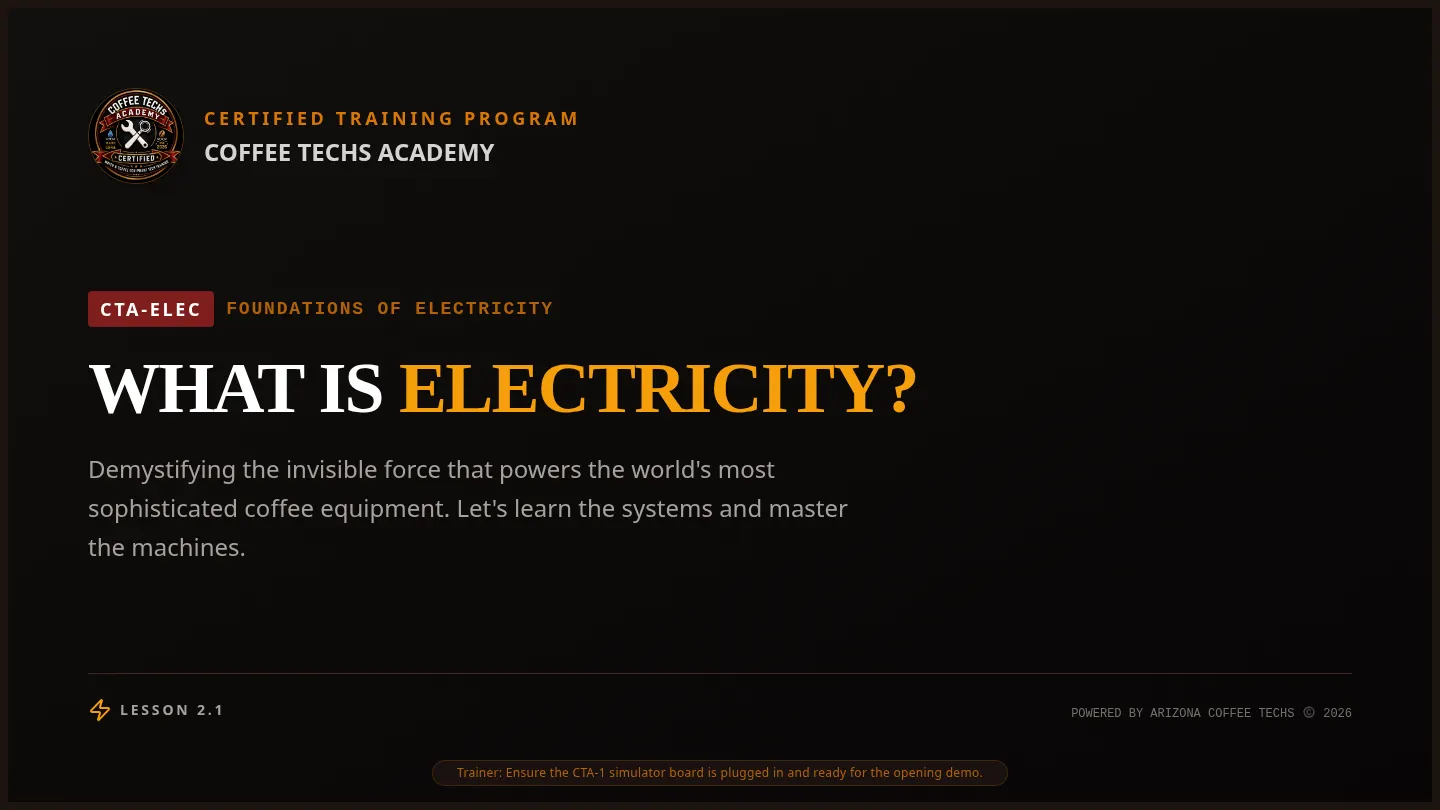
A comprehensive technical certification sequence designed to teach commercial coffee equipment technicians how to demystify electricity, safely troubleshoot components, and master electrical systems.
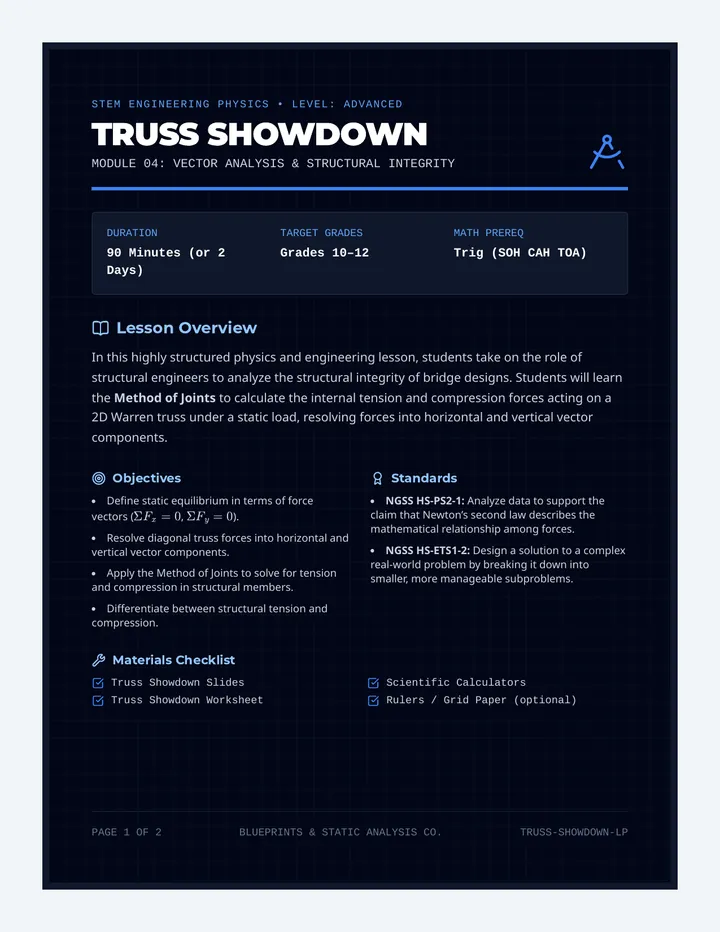
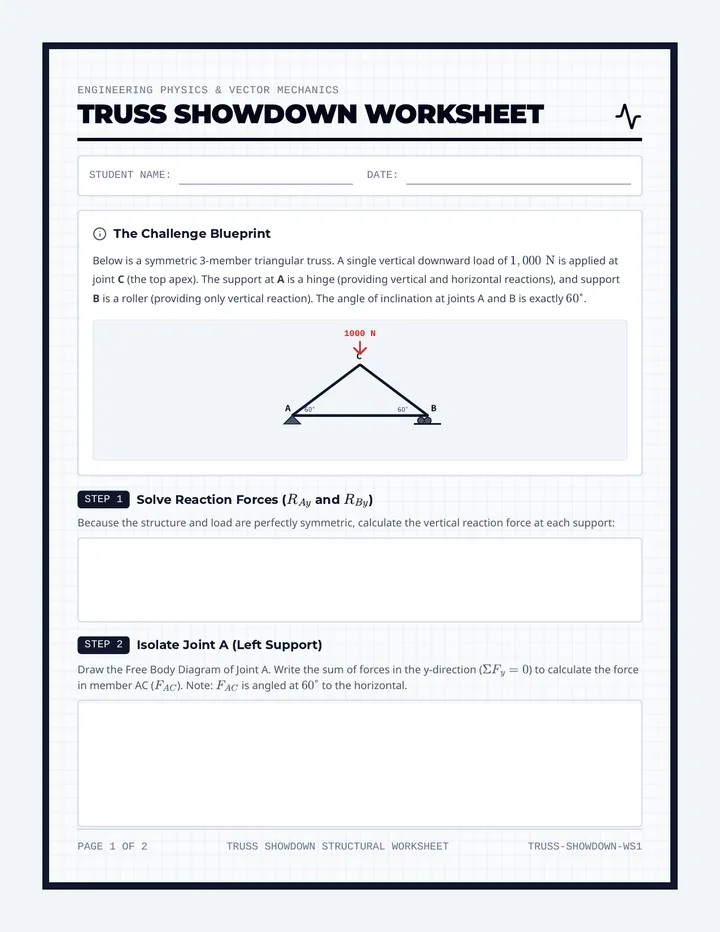
An engineering physics lesson where students analyze the structural integrity of bridge designs by calculating tension and compression using vector math and the Method of Joints.
A structured student-facing worksheet containing vector calculations, static equilibrium challenges, and analysis boxes for Truss calculations.
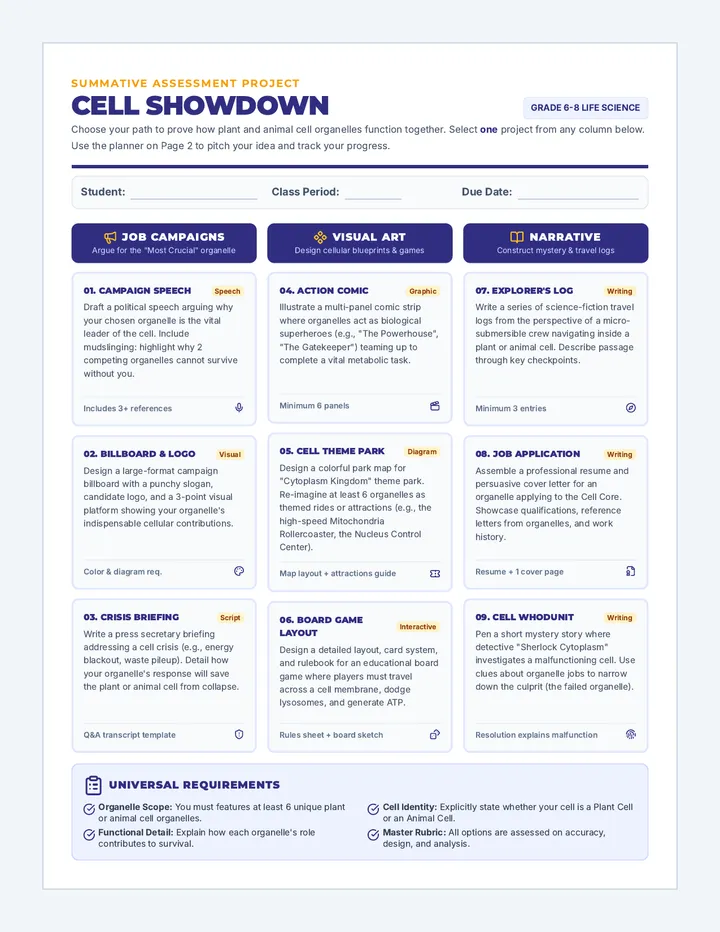
An ecology and life science curriculum sequence exploring the microscopic and macroscopic systems of our planet, from cellular organelles and biological organization to Earth's interconnected spheres.
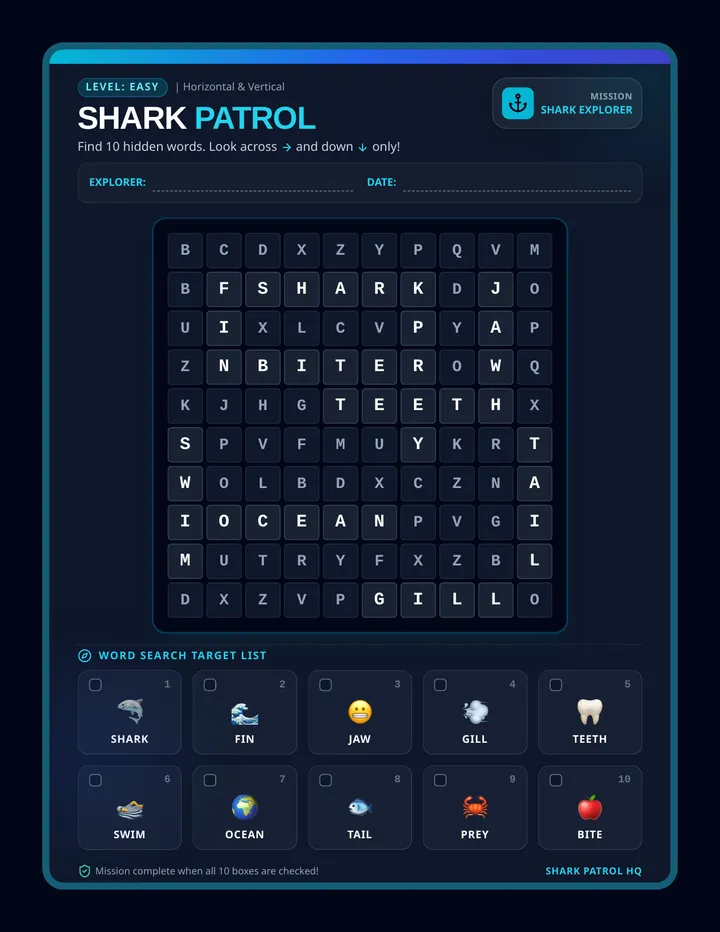
An engaging, highly visual lesson focused on introducing shark anatomy and marine biology vocabulary to young learners through a picture-supported word search and vocabulary flashcards.
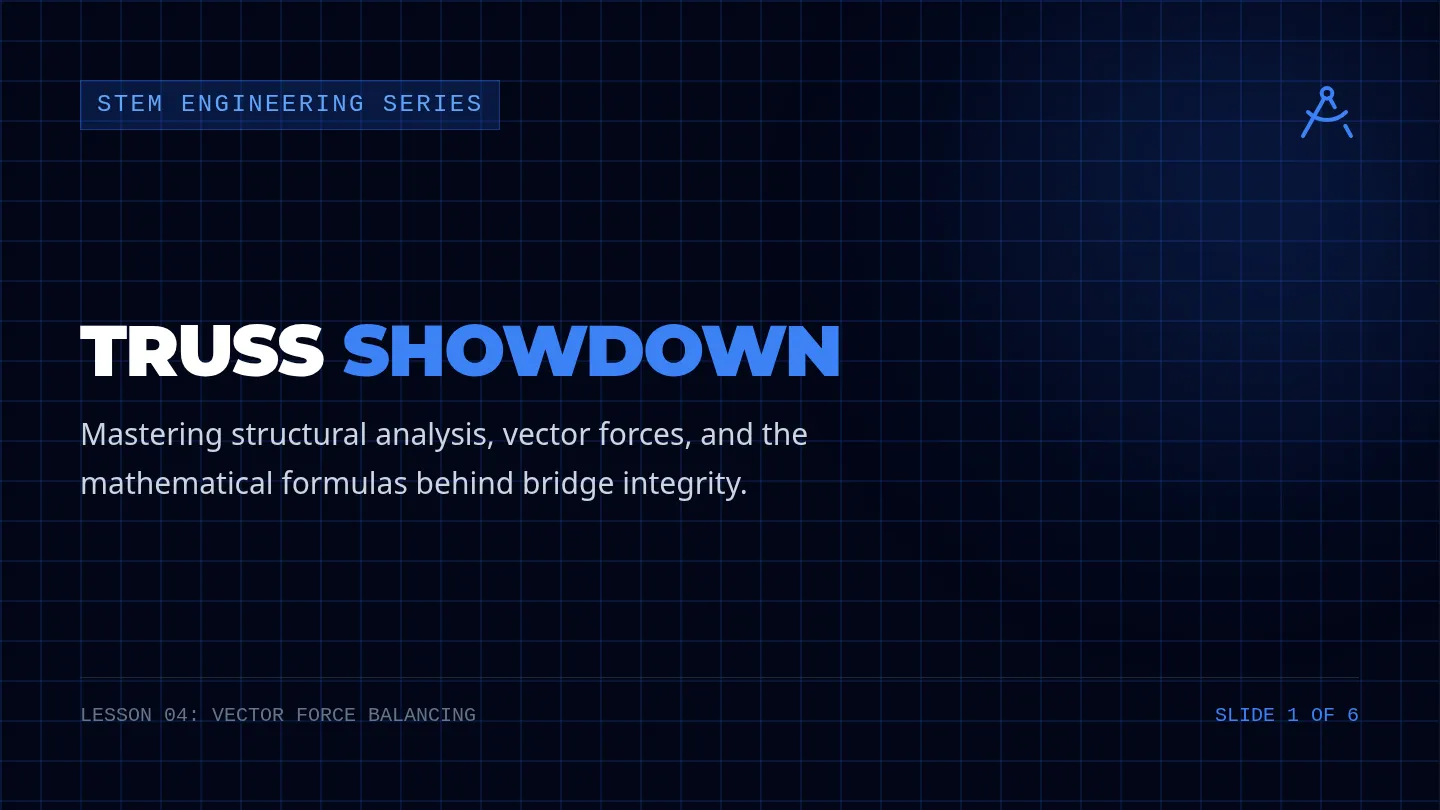
An interactive, visual slide presentation introducing the physics of bridge trusses, vector components, and the Method of Joints.
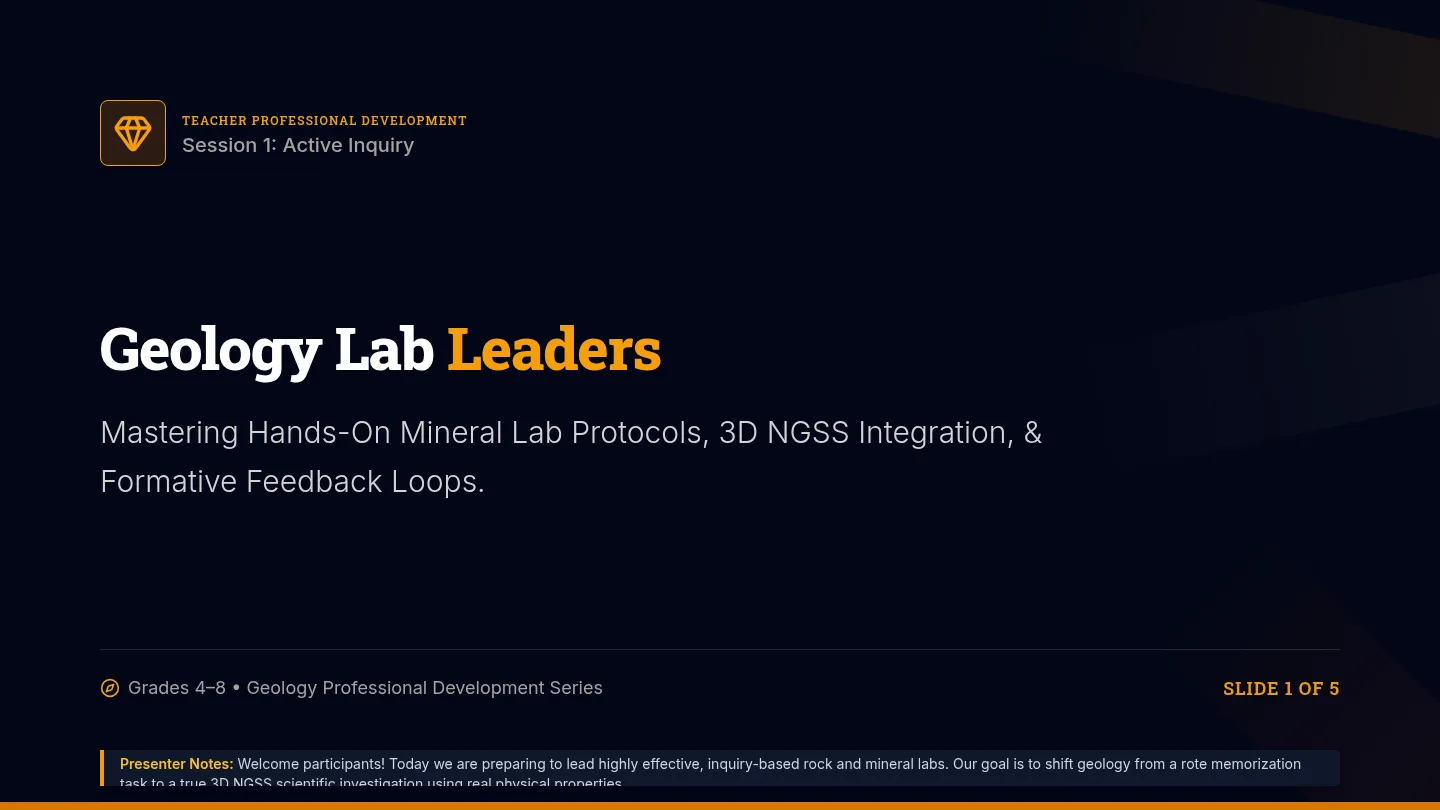
A comprehensive teacher professional development and model lesson plan sequence. It equips educators with hands-on mineral testing protocols, inquiry-based (3D) NGSS teaching strategies, geological vocabulary support, and formative assessment tools for grades 4-8.
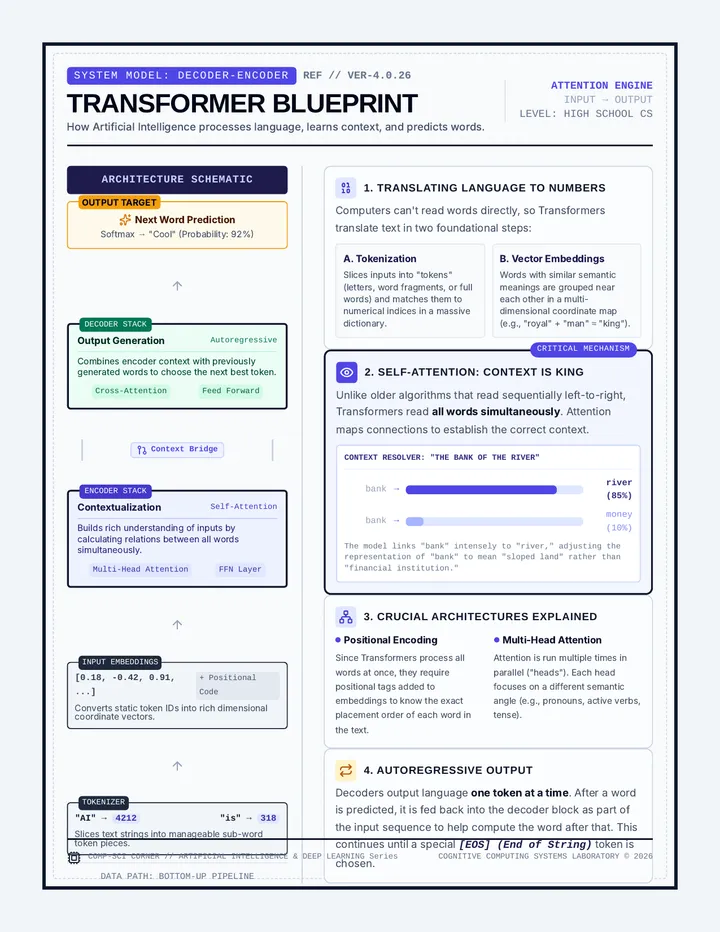
An introductory lesson introducing high school computer science students to the inner workings of AI Transformer models, specifically mapping the Encoder-Decoder architecture, tokenization, embeddings, and attention mechanisms through visual assets.
A comprehensive teacher facilitation guide containing the lesson plan, standards, step-by-step instructional flow, and guidance for teaching truss analysis.