A 6th-grade science lesson focused on identifying independent and dependent variables through a yeast and cellular respiration experiment. Students use a real-world demonstration to distinguish between control and experimental groups.
A lesson focused on the Law of Conservation of Mass through the practice of balancing chemical equations. Students move from basic synthesis reactions to more complex combustion and replacement reactions.
An introductory exploration of the four primary moon phases, helping students identify and understand the lunar cycle through visual observation.
An investigation into North Carolina river basins where students analyze water quality indicators like pH, turbidity, and bio-indicators to audit the health of local aquatic systems.
A comprehensive lesson on graphing and interpreting heating and cooling curves, focusing on phase changes and energy transfers.
Students investigate severe weather patterns in Indiana and apply engineering principles to design and build structures capable of withstanding high-speed winds. This STEM-focused lesson combines earth science with a hands-on engineering challenge.
A hands-on simulation lesson where students act as routers and servers to understand how data packets travel across the internet using IP addresses and physical infrastructure.
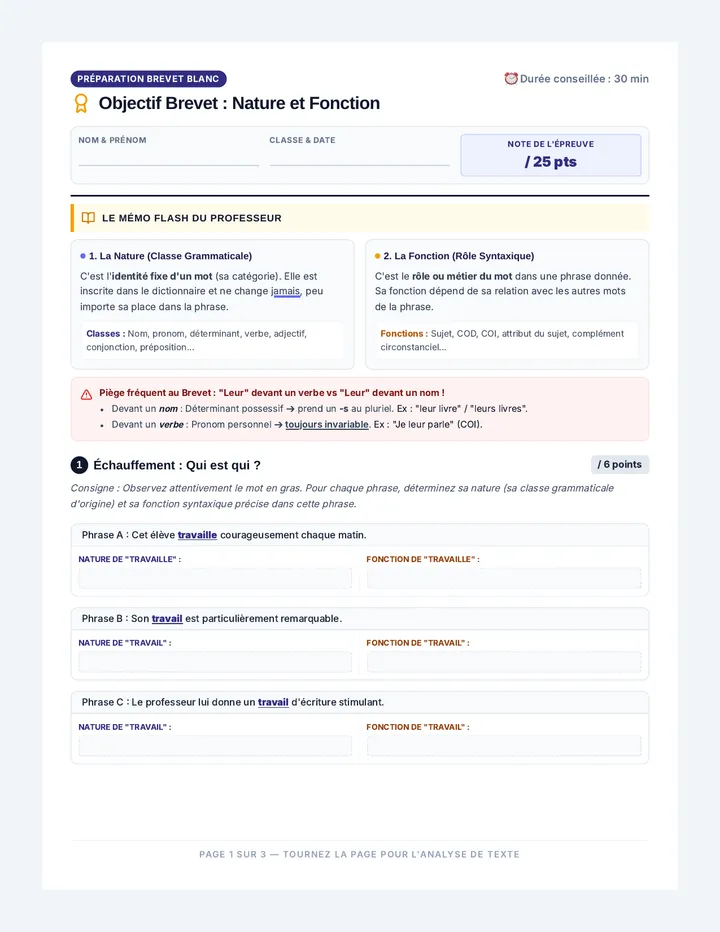
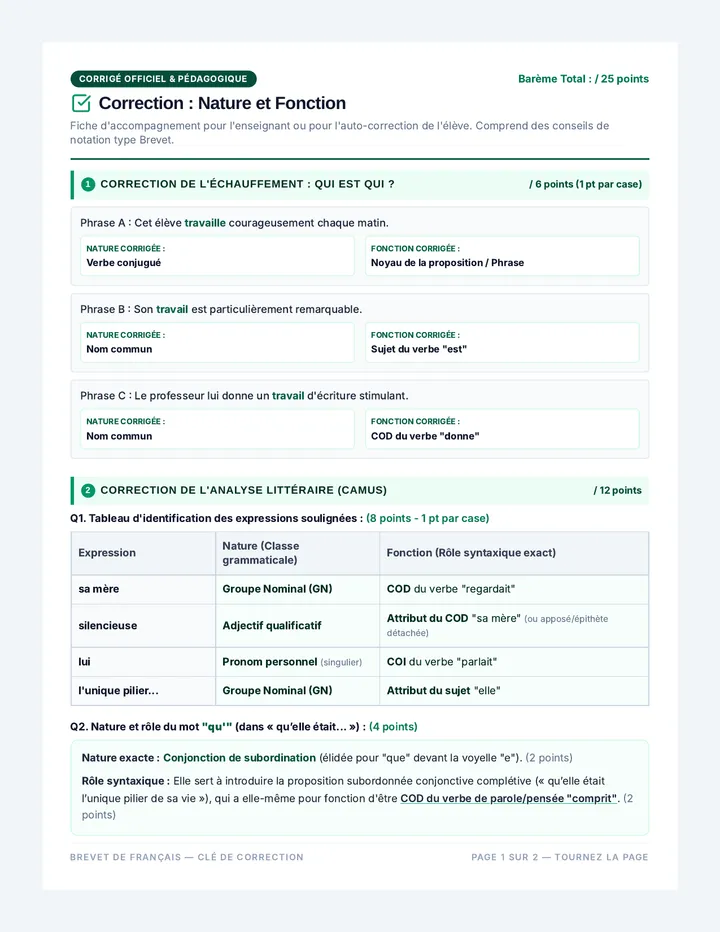
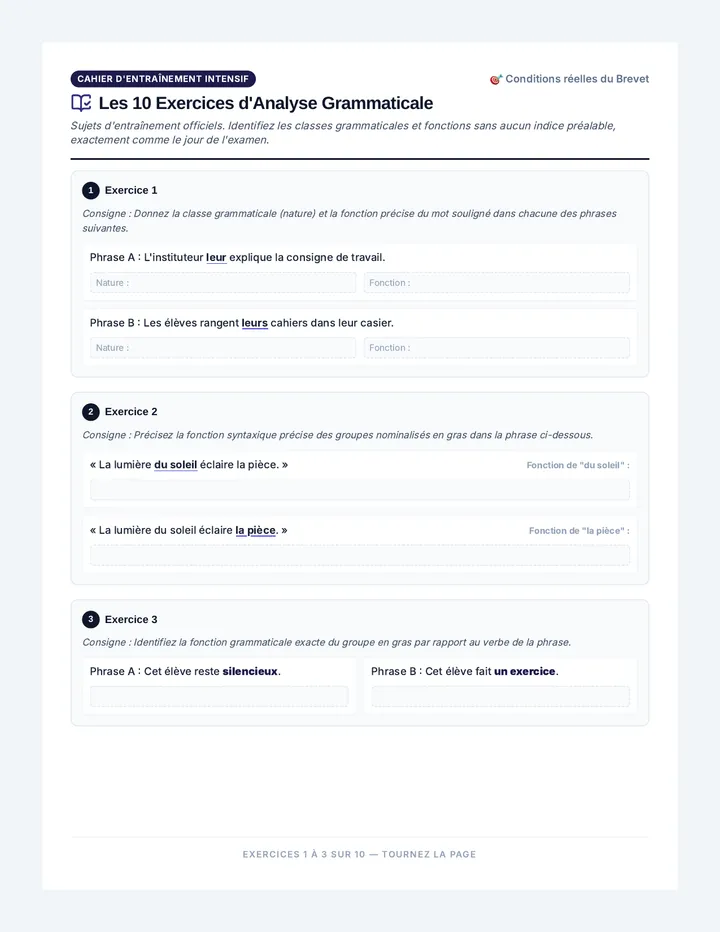
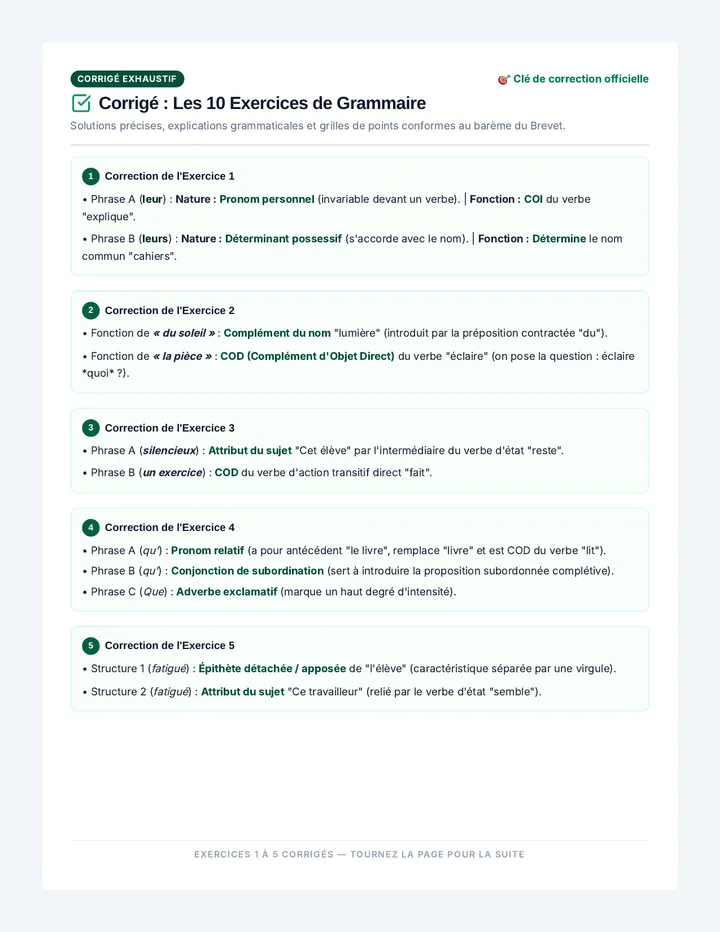
Cette leçon explore le fonctionnement de l'intelligence artificielle appliquée à un distributeur de croquettes intelligent. Les élèves découvrent l'apprentissage supervisé pour distinguer les chiens des chats en utilisant l'interface Vittascience.
Une séquence complète sur l'utilisation des robots dans les missions de sauvetage et de secours, comprenant vocabulaire technique, lecture et atelier d'écriture.
Une évaluation complète sur les interactions et les forces pour le niveau 4ème, incluant des diagrammes objets-interactions et des tracés de vecteurs.
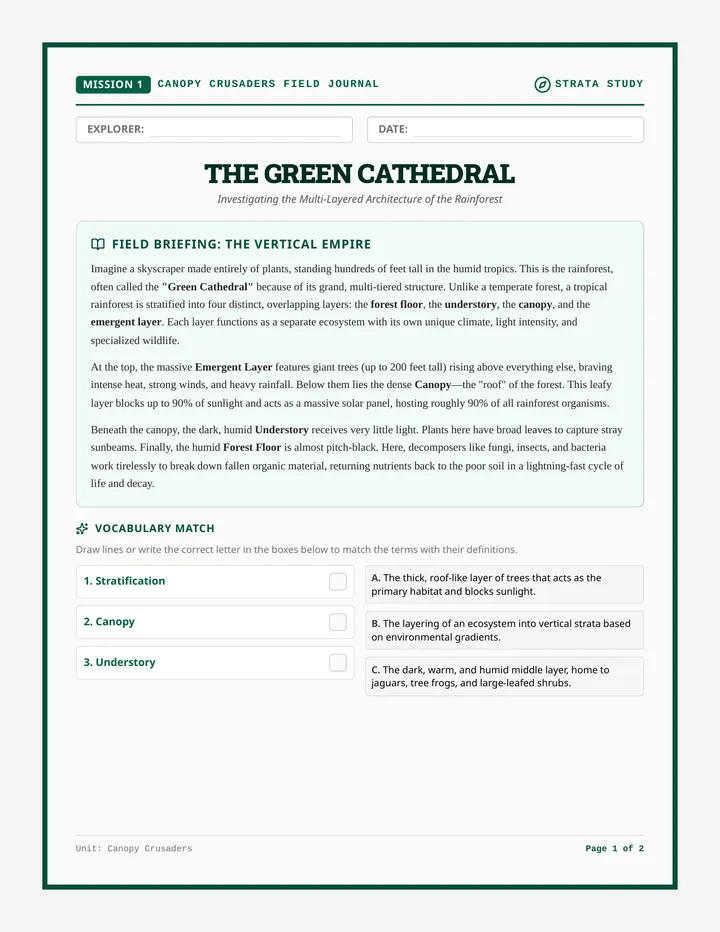
A comprehensive lesson exploring the three primary types of symbiotic relationships: mutualism, commensalism, and parasitism. Students analyze animal interactions through task cards, case studies, and visual organizers.
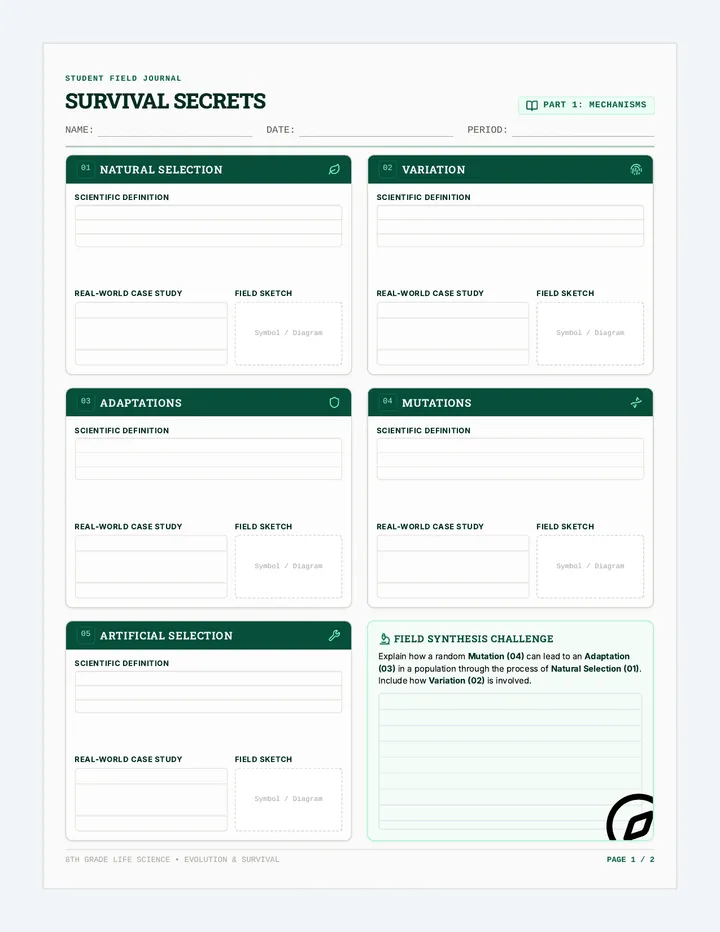
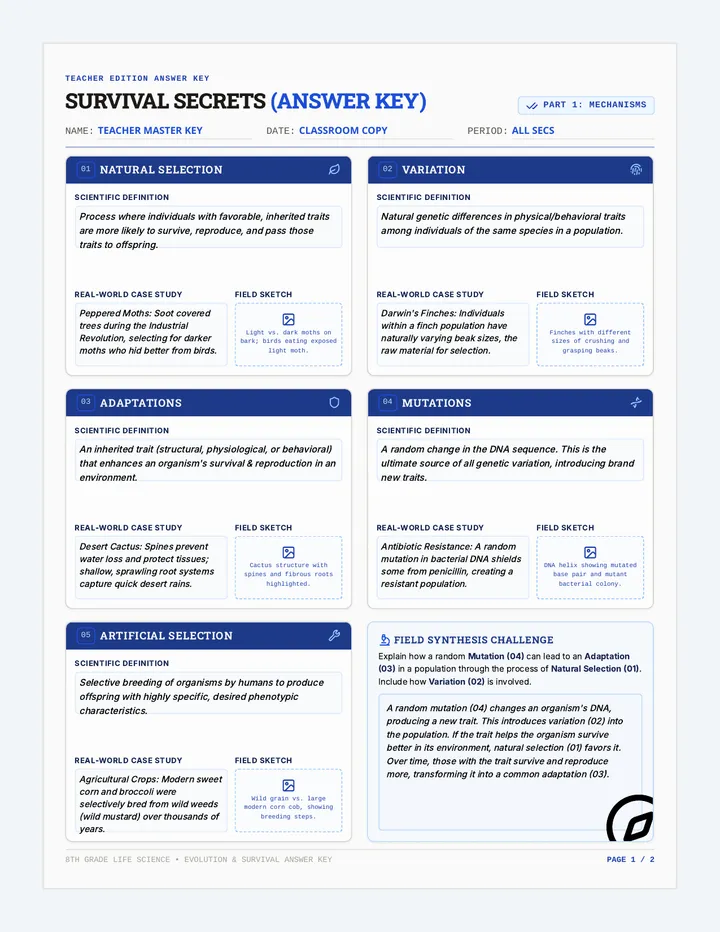
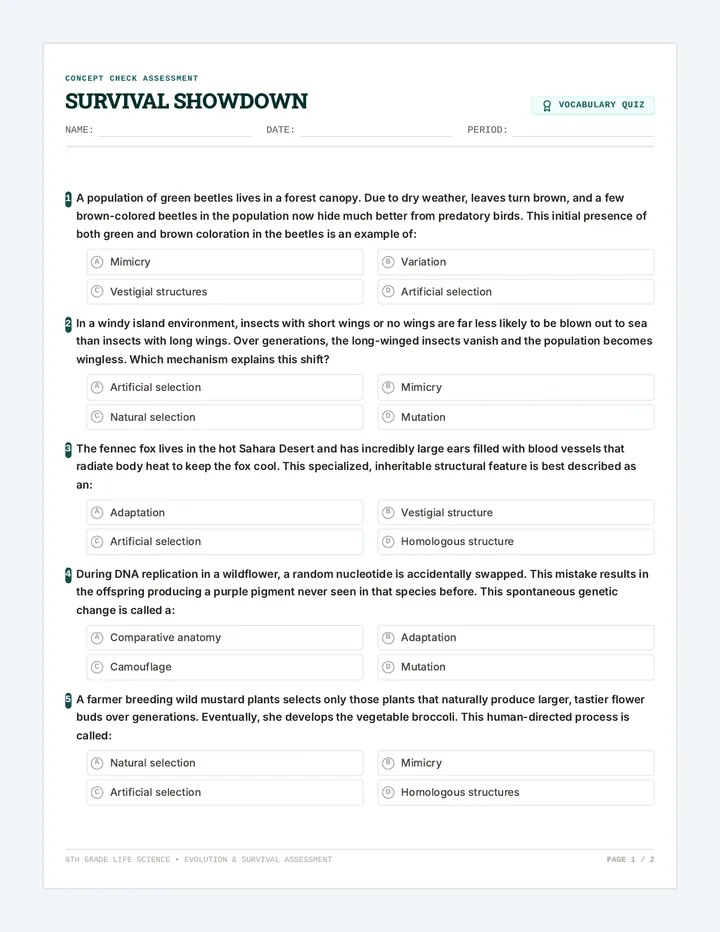
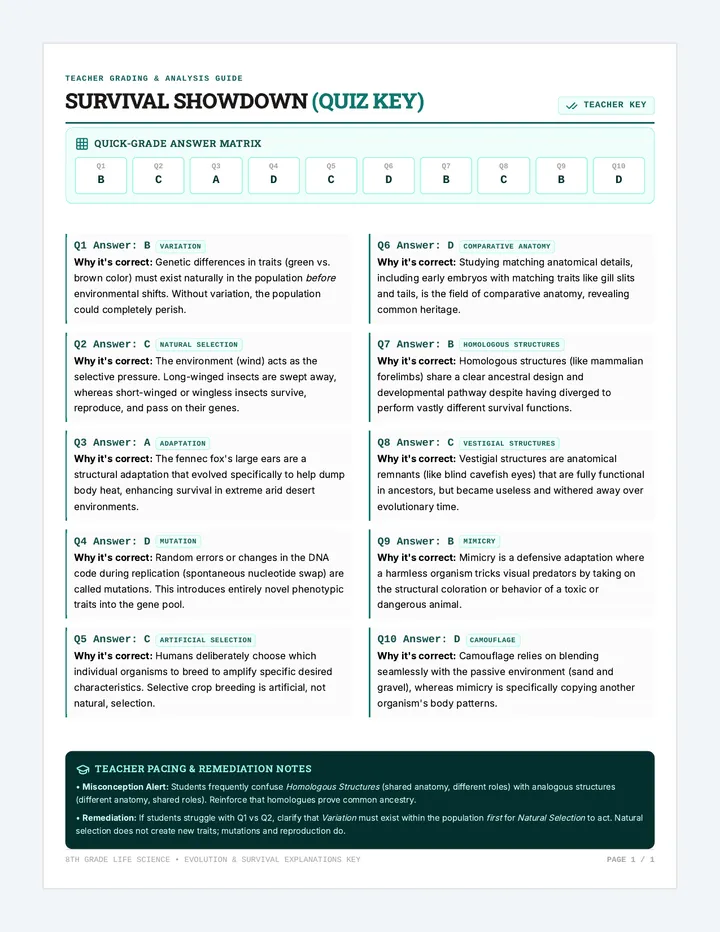
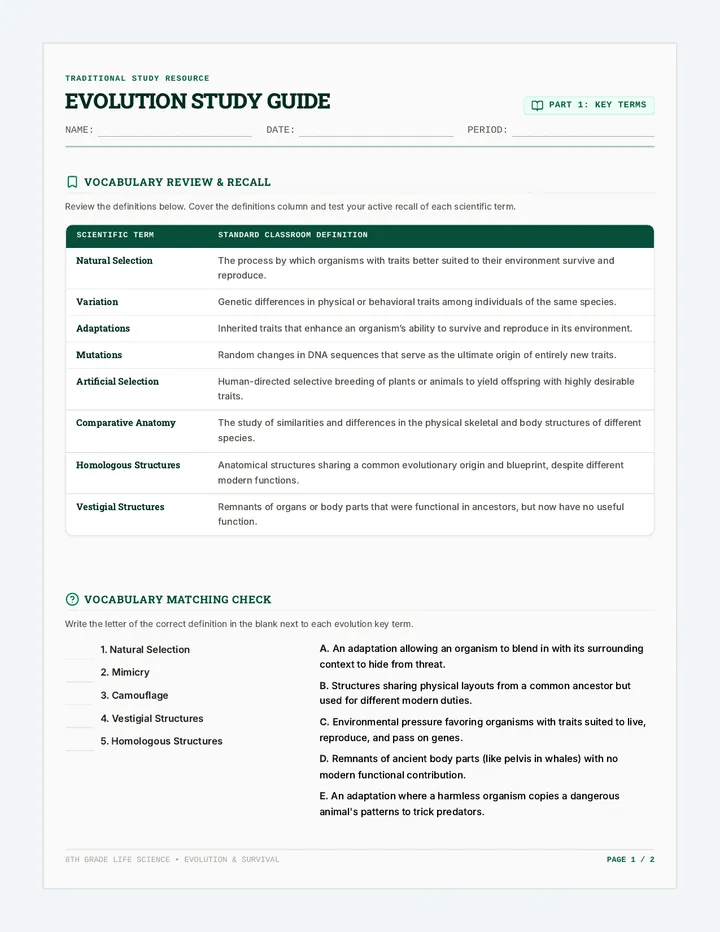
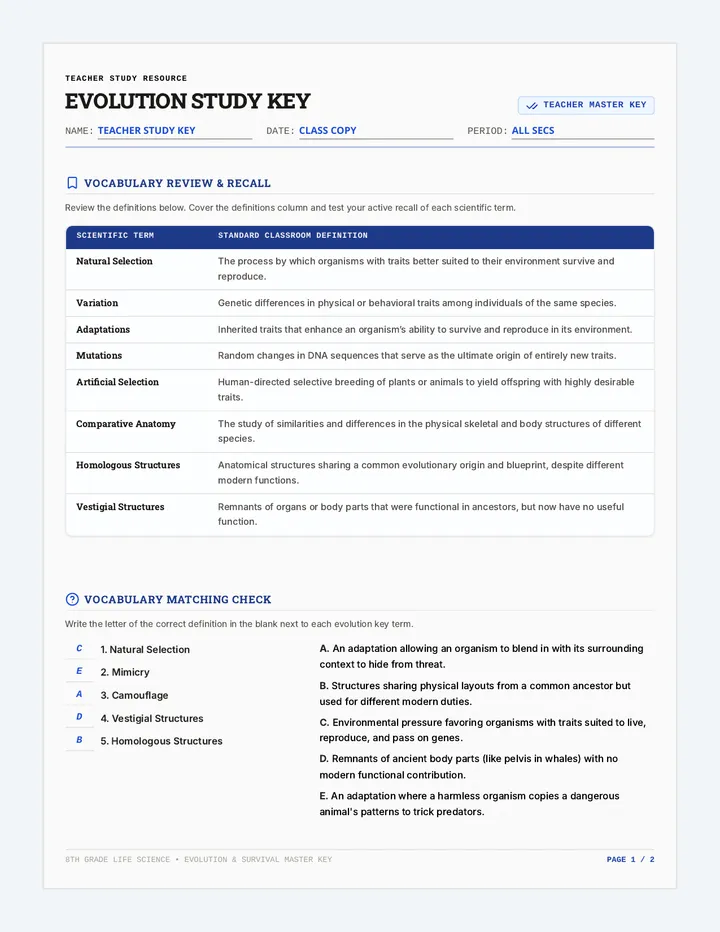
A comprehensive lesson on structural and behavioral adaptations across various biomes, including specialized survival strategies like hibernation, migration, camouflage, and mimicry.
A foundational lesson exploring how energy moves through ecosystems, focusing on trophic levels, the 10% rule, and the complex connections in terrestrial and aquatic food webs.
Teachers learn to break complex tasks into smaller, manageable steps using classroom routines and Iowa Core standards as examples.
An extra credit project challenging students to live plastic-free for two weeks while researching the impacts of bioaccumulation and exploring sustainable alternatives. Students document their journey and findings in a formal scientific lab report.
Students learn to craft compelling marketing messages by developing a Value Proposition using a specific formula and applying visual text hierarchy principles to design website 'Hero Text'.
Students finalize their Unit 3 Portfolio, checking for technical errors and exporting their report as a professional PDF for final submission.
Students synthesize their Unit 3 research by creating a professional Market Analysis Report, integrating personas and charts from previous lessons.
Students learn the fundamentals of financial forecasting, calculating revenue vs. profit, and using absolute cell referencing ($) to project business growth over time.
Students learn to transform raw spreadsheet data into impactful Pie and Bar charts to visualize market trends and customer intent.
Students learn to use sorting, filtering, and conditional formatting in Google Sheets to identify target audience trends and organize large datasets efficiently.
Students transition from data entry to data analysis by learning essential Google Sheets formulas like =SUM, =AVERAGE, and =COUNT, as well as the efficiency of the Fill Handle.
Students gain 'x-ray vision' over large datasets by learning to sort and filter information. They explore conditional formatting to visualize trends and identify specific target segments within their market research data.
Students transition from data entry to data analysis by mastering fundamental spreadsheet formulas. They learn the power of the equals sign, cell referencing, and essential functions like =SUM, =AVERAGE, and =COUNT to automate business calculations.
Students explore the efficiency of automated data collection by linking their market research forms to live spreadsheets. They learn the concept of real-time data syncing and master the 'Freezing Rows' skill to manage large datasets effectively.
Students learn the art of professional survey design to gather market intelligence. They distinguish between quantitative and qualitative data, identify biased questioning, and build a multi-format survey in Google Forms or Microsoft Forms to collect clean data from their target audience.
This lesson introduces students to the fundamental structure of spreadsheet software. They learn about cells, rows, columns, and addresses while performing basic data entry and formatting to align with their brand identity.
Students transition from brand design to market analysis by distinguishing between demographic data (external facts) and psychographic data (internal values). They apply these concepts by building a formal User Persona for their brand, justifying their earlier design choices based on audience data.
Students participate in a professional 'Gallery Walk' to provide and receive constructive feedback on their Brand Style Guides and One-Pagers. They apply the 'Glow and Grow' framework to refine their designs, fulfilling standards for artistic critique and professional communication.
Students master the principle of visual hierarchy to lead a customer's eye through a design. They apply the 'Rule of Three' (Size, Weight, and Contrast) to create a professional brand 'One-Pager' in Canva, ensuring their most important brand assets receive maximum visibility.
Students define their brand's 'personality' by selecting and filtering imagery that aligns with a specific tone. They complete their formal Brand Style Guide by documenting photography standards and brand keywords, focusing on the principles of repetition and unity.
Students transition from brand creation to documentation by building a formal Style Guide. They learn the importance of brand consistency through 'The Brand Police' concept and document their logo usage, hex codes, and typography pairings in Canva using alignment rulers and guides.
Students transition to Canva as a layout tool to assemble their brand assets into a professional Mood Board. They learn to 'break' templates by replacing generic elements with their own custom logos and colors, focusing on brand consistency and visual harmony.
Students refine their logo drafts for professional use, focusing on simplicity, negative space, and contrast. They learn to create multiple versions (Full Color and Solid Black) and understand the technical export requirements for digital vs. print media (PNG vs. PDF).
Students transition from creating isolated assets to building their official brand logo. They learn the anatomy of a logo (Symbol + Logotype), master alignment guides in Google Drawing, and perform the 'Squint Test' to ensure their design is clear and balanced.
Students advance their Google Drawing skills by moving beyond basic geometric shapes to custom paths. They learn to use the Polyline and Curve tools to create original icons, while understanding the technical differences between Vector and Raster images and the importance of PNG transparency.