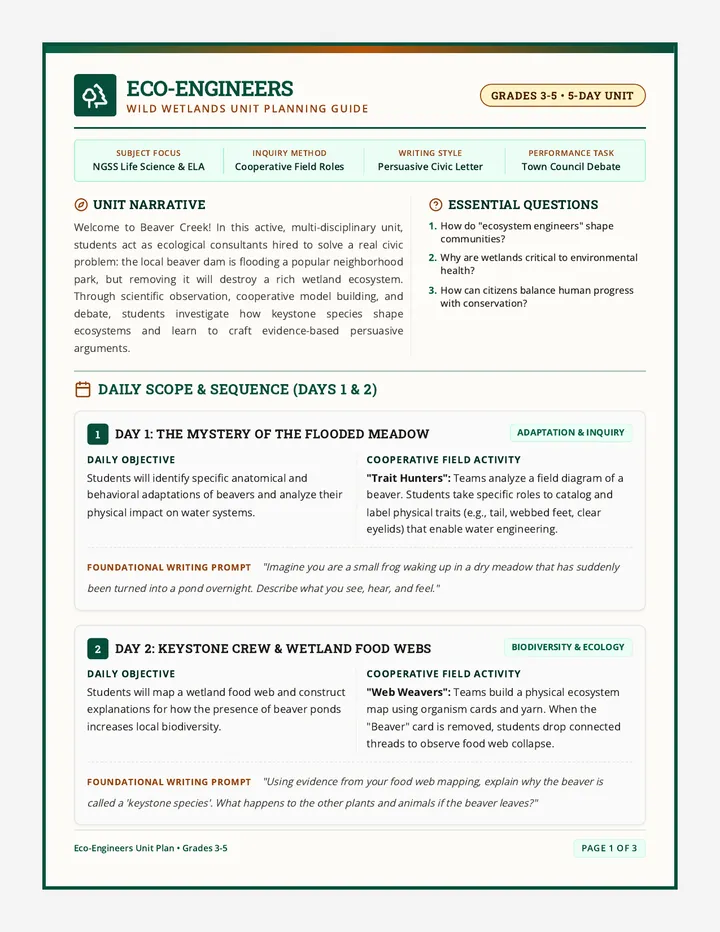
An inquiry-based life science and persuasive writing unit for grades 3-5. Students investigate beavers as ecosystem engineers, build model dams, and advocate for wildlife in a civic-writing performance task.
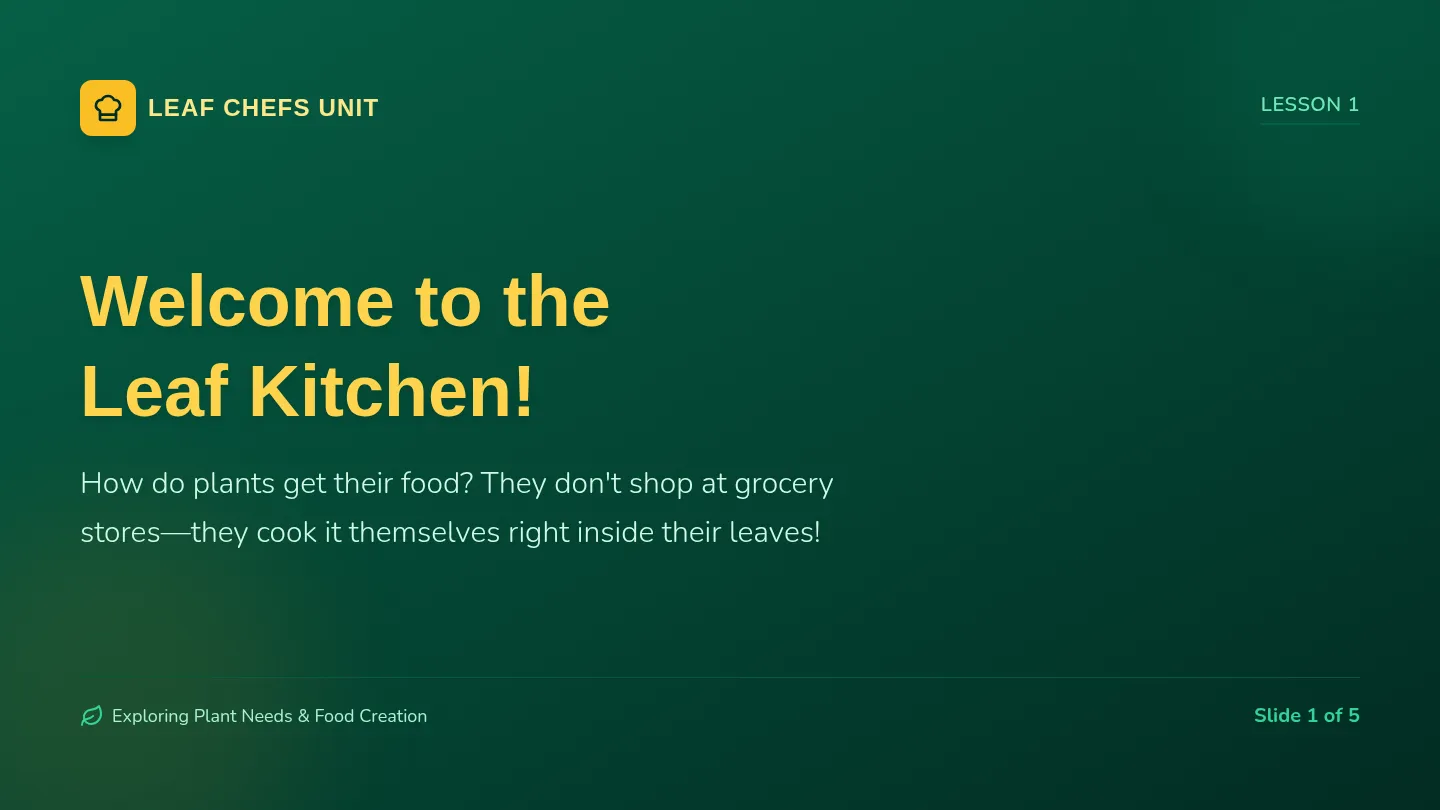
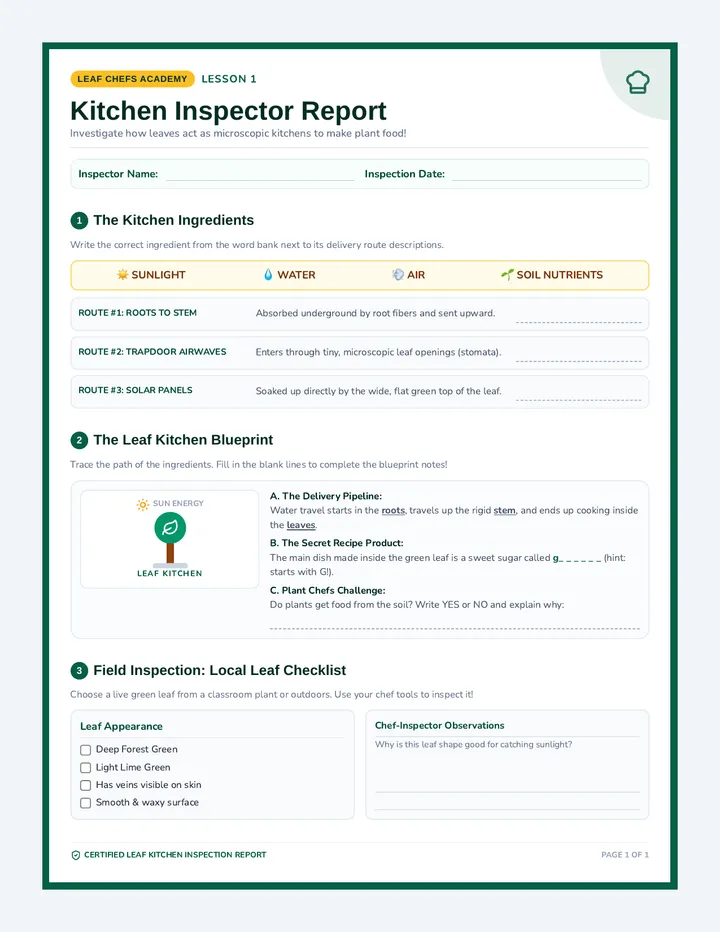
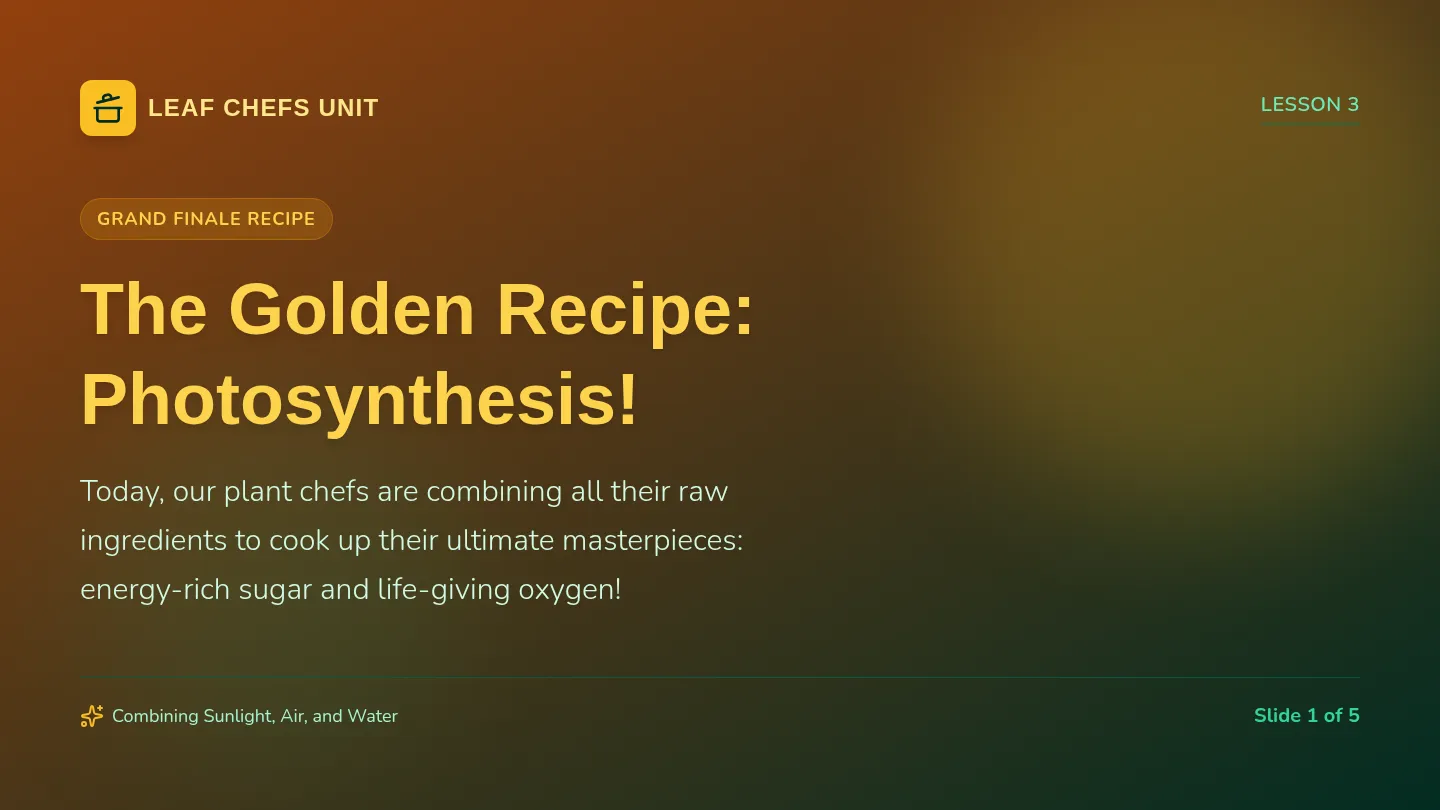
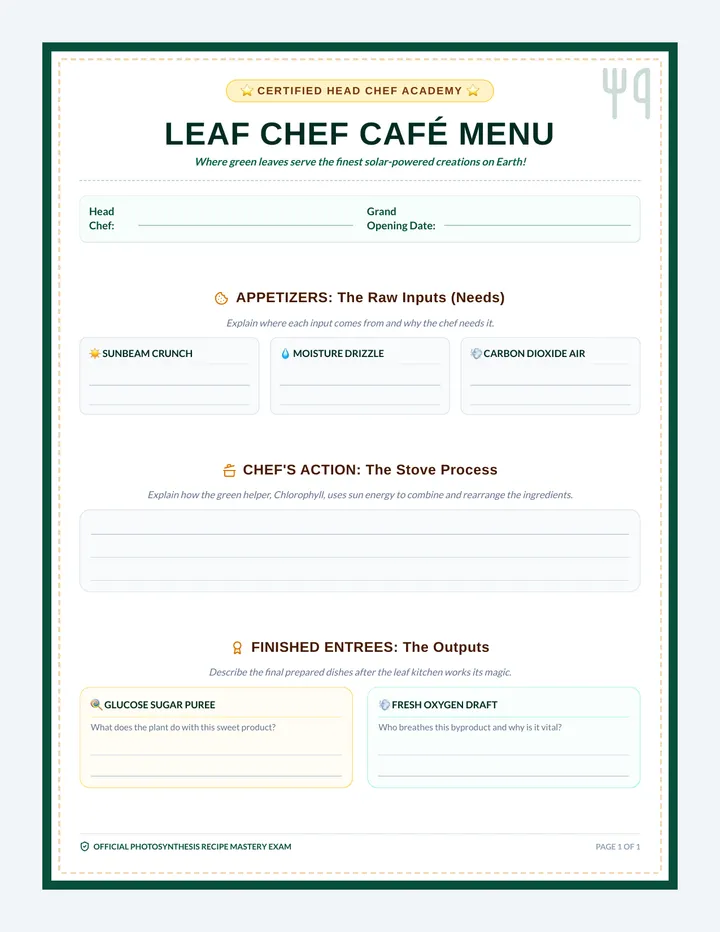
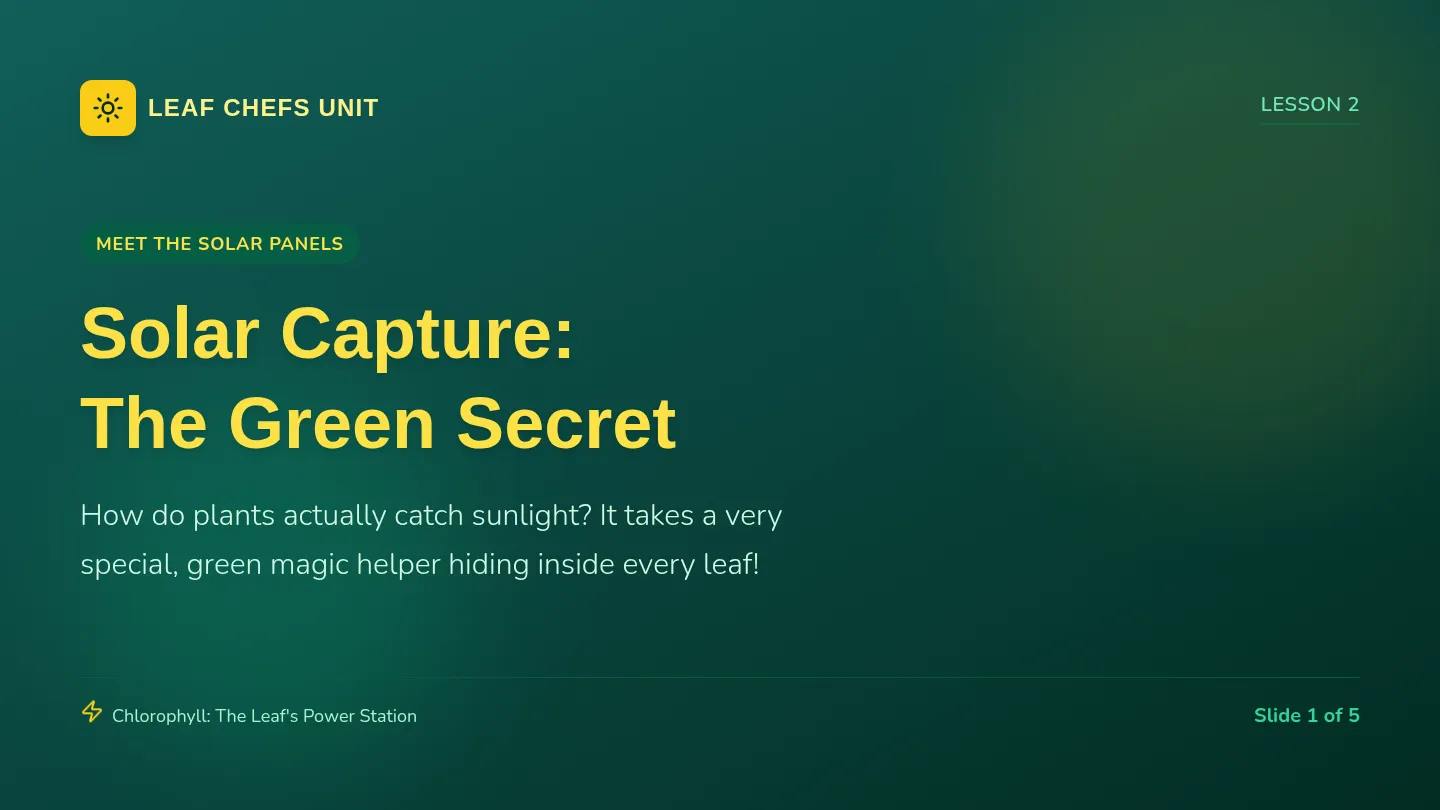
A whimsical, botanical-themed elementary science unit that explores photosynthesis, casting leaves as microscopic kitchens and plants as nature's solar-powered chefs.
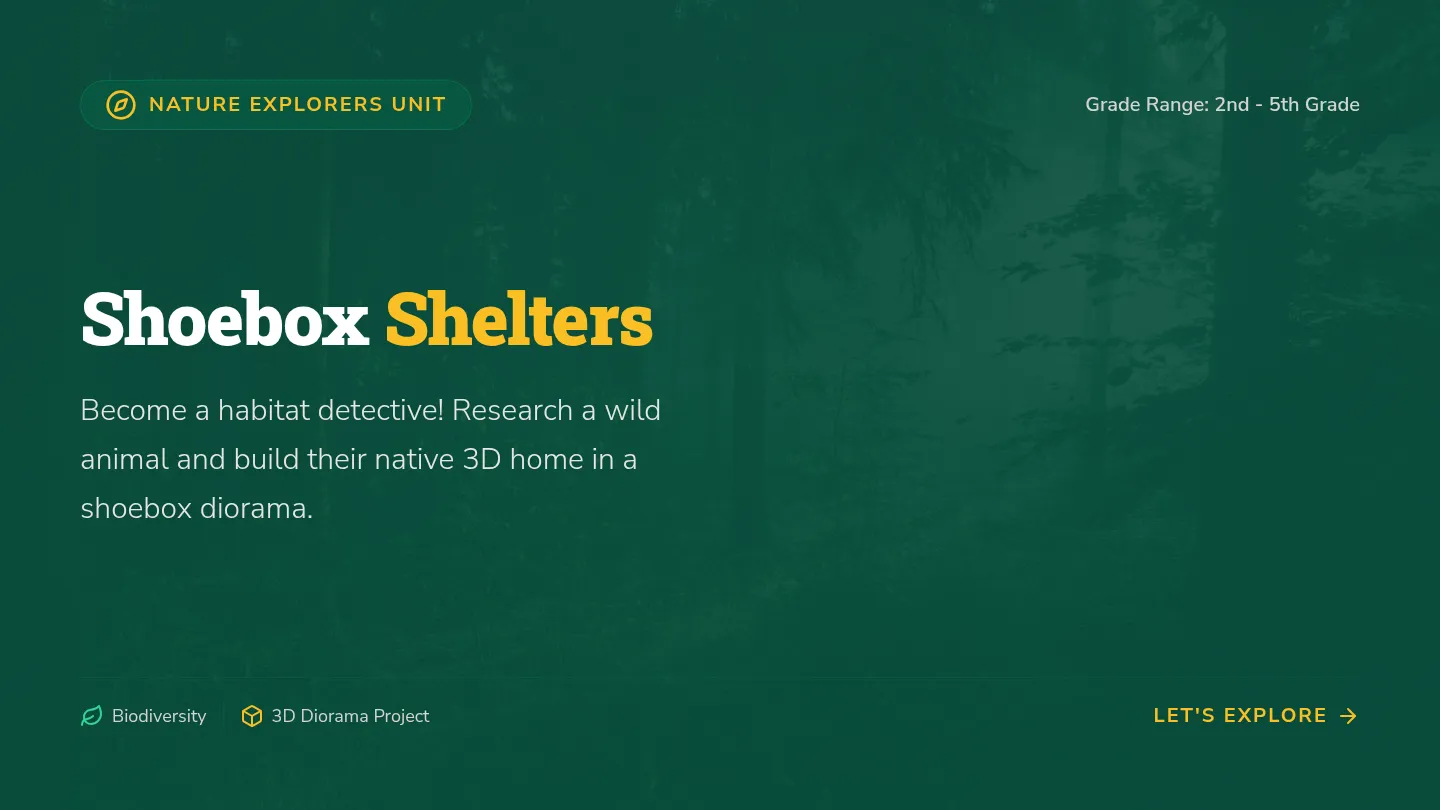
A complete project bundle where students research an animal's habitat and design a detailed shoebox diorama. This lesson includes interactive presentation slides, scaffolded research sheets with visual choice boards, a blueprint planner, and a comprehensive teacher guide with a rubric.
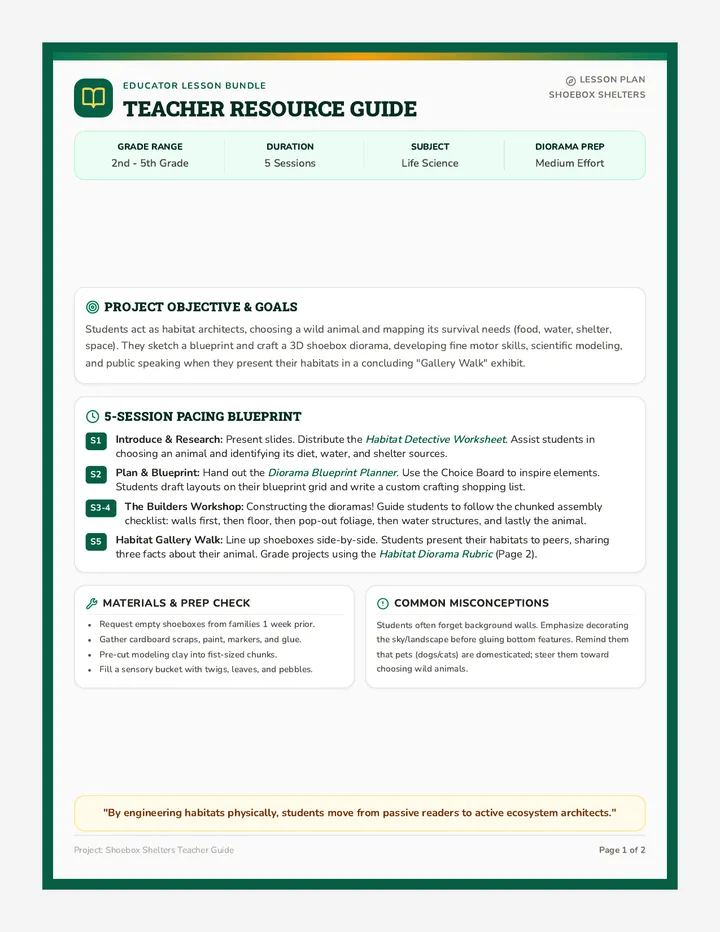
A comprehensive teacher's guide and rubric. Page 1 contains a structured 5-session pacing plan, essential facilitation tips, and prep instructions. Page 2 is a detailed, printable diorama rubric scoring 4 core categories from exceptional to beginning.
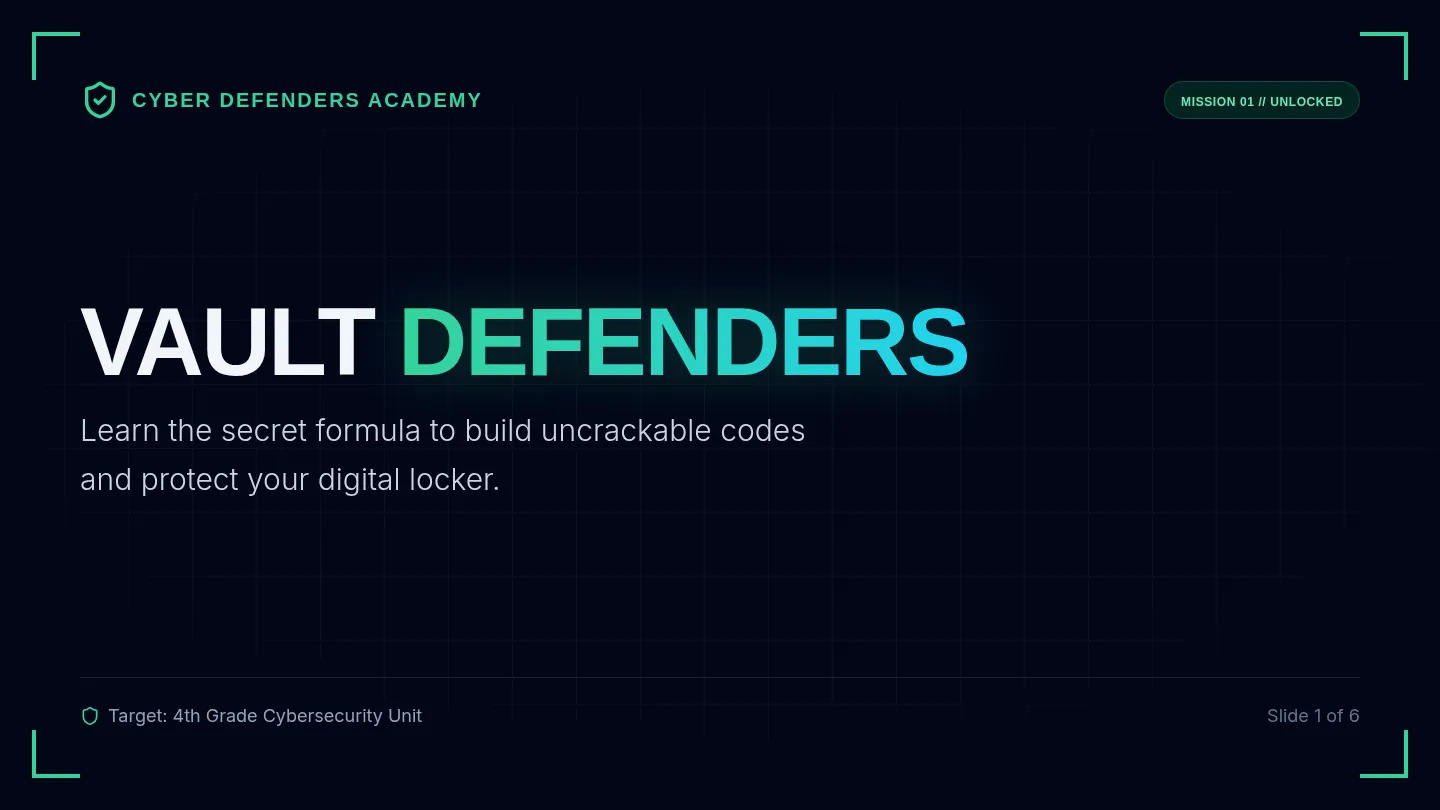
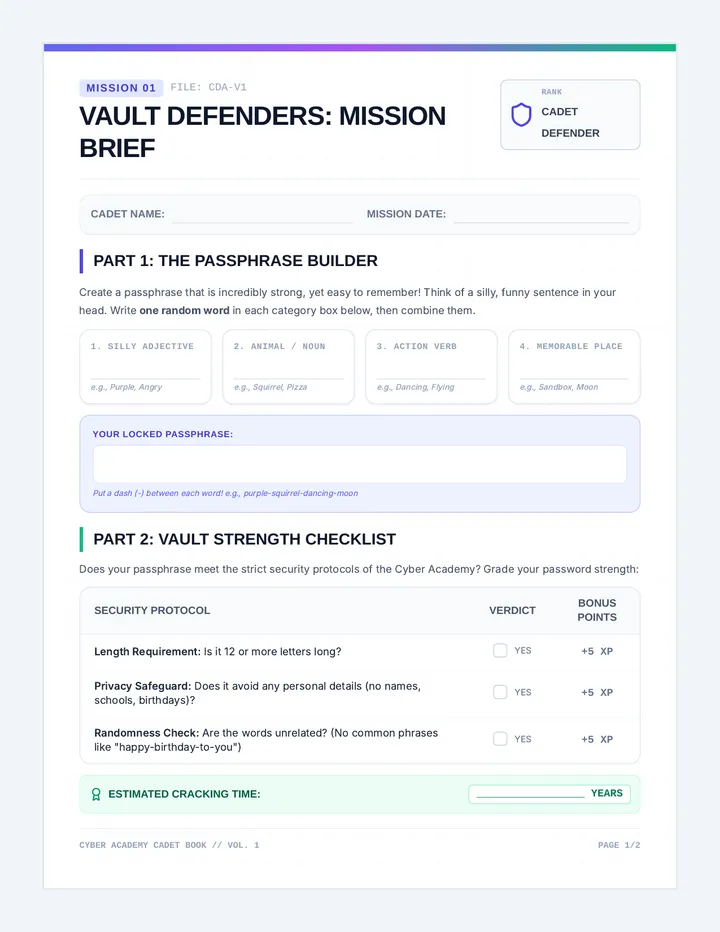
A three-lesson cybersecurity sequence designed for 4th-grade students to learn the fundamentals of protecting personal information online. Through highly visual slides and hands-on, unplugged group activities, students learn to build uncrackable passwords, spot phishing scams, protect private information, and navigate public networks safely.
Foundational unit planning resources, teacher guides, and high-level scope and sequence documents for the Eco-Engineers unit.
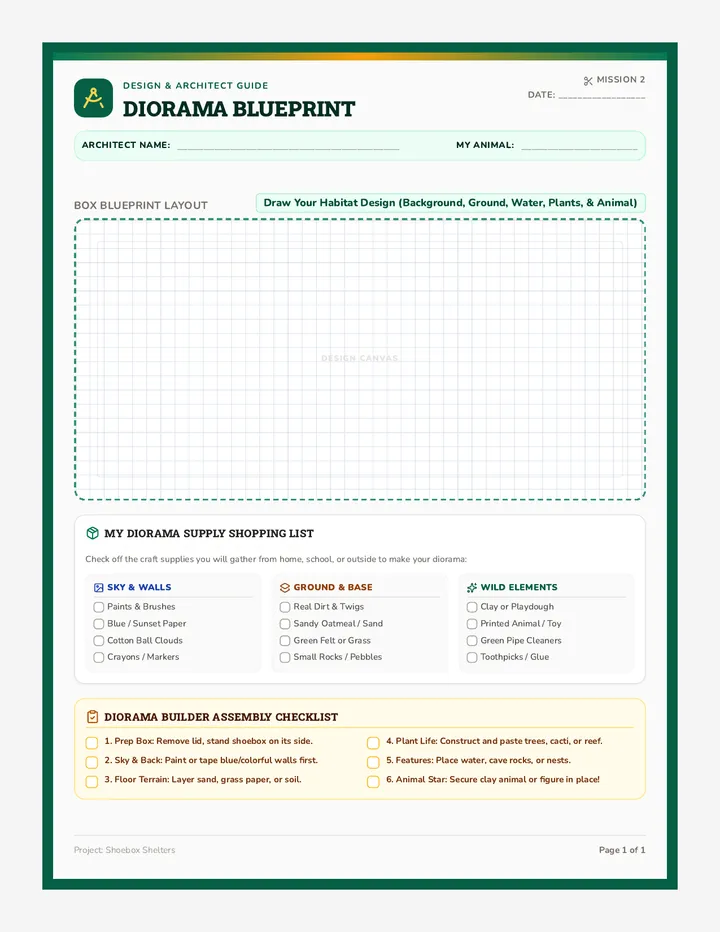
A student-facing 1-page design guide. It includes a large, clean grid sketch block for drawing their diorama layout, a multi-category materials checklist, and a step-by-step assembly checklist to guide their physical construction.
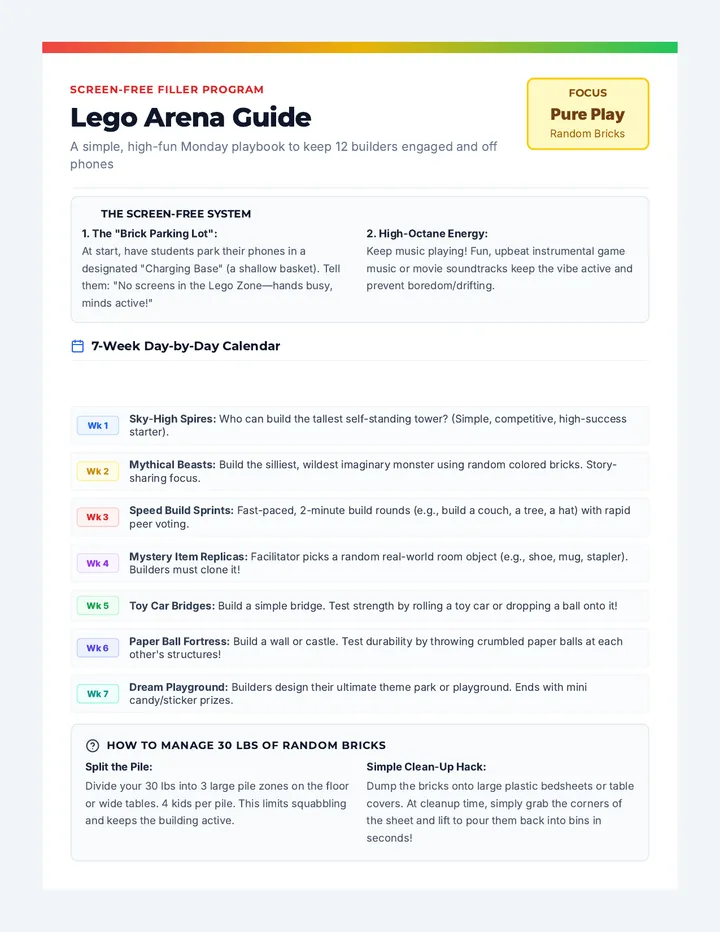
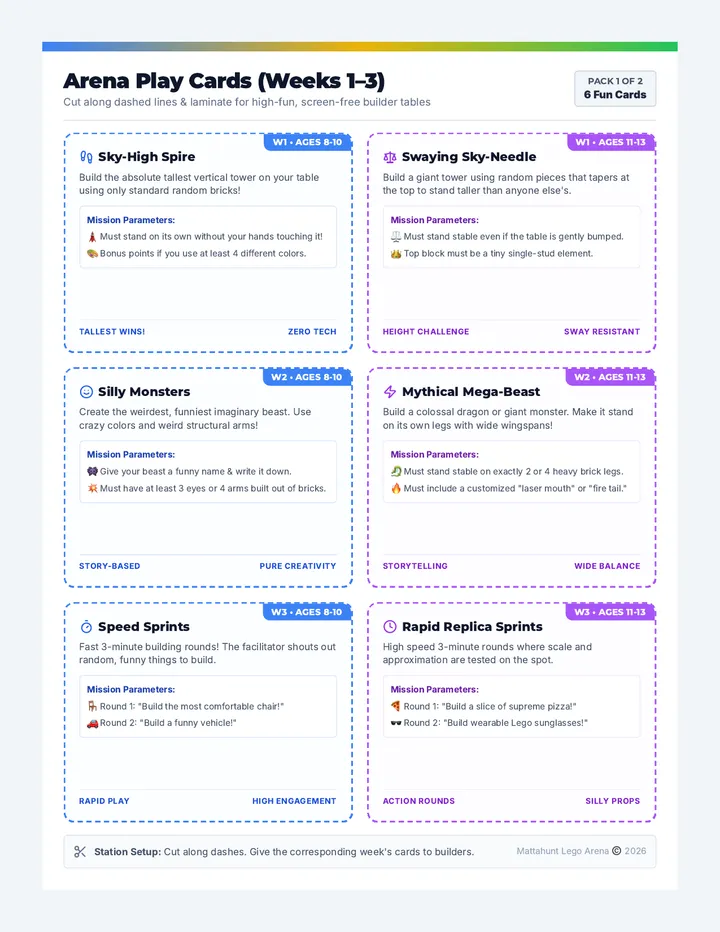
A structured 7-week engineering curriculum for 12 builders, featuring rotating theme-based challenges, team collaborations, and progressive skill challenges for both Elementary and Middle school students.
Students combine all ingredients (carbon dioxide, water, and sunlight) to discover the outputs of photosynthesis: oxygen and sweet sugar (glucose).
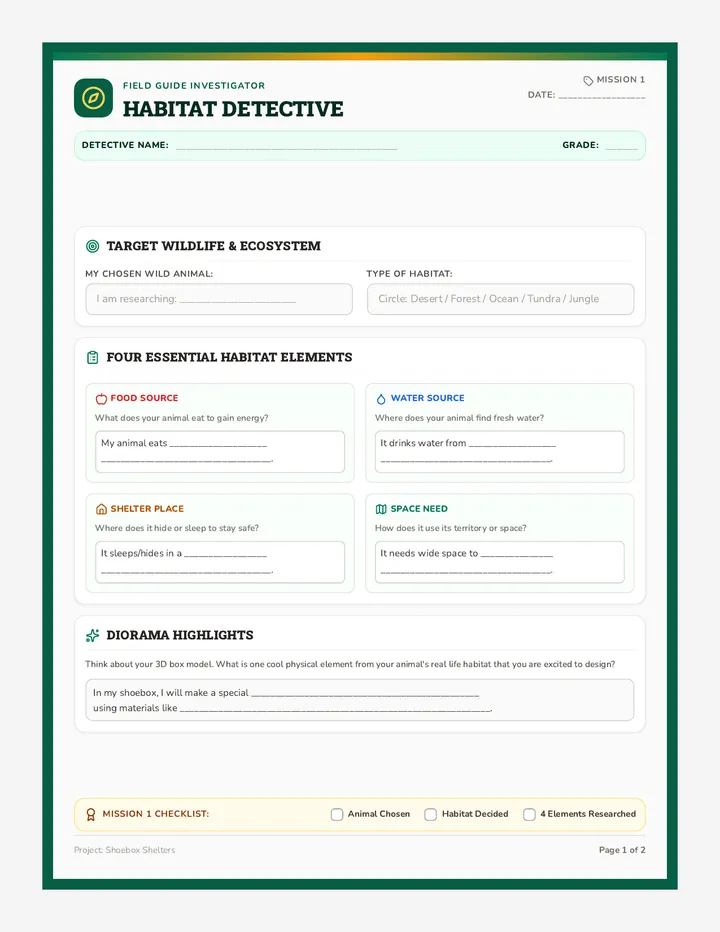
A scaffolded 2-page student worksheet. Page 1 helps students research their chosen animal using supportive sentence frames and structured prompts. Page 2 provides a visual choice board filled with material and design ideas to support non-writers and inspire diorama crafting.
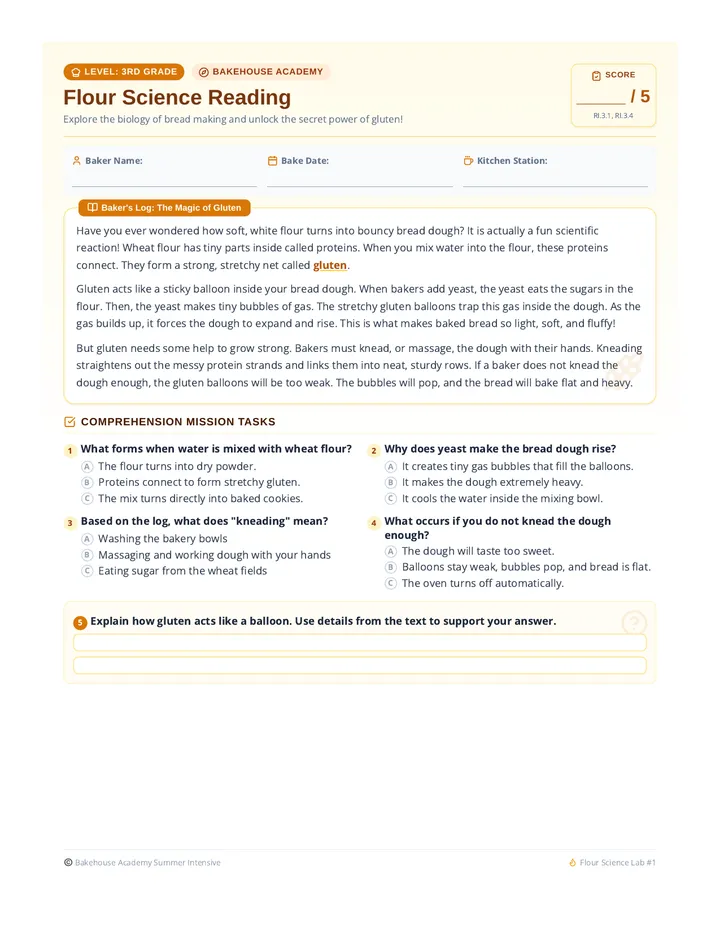
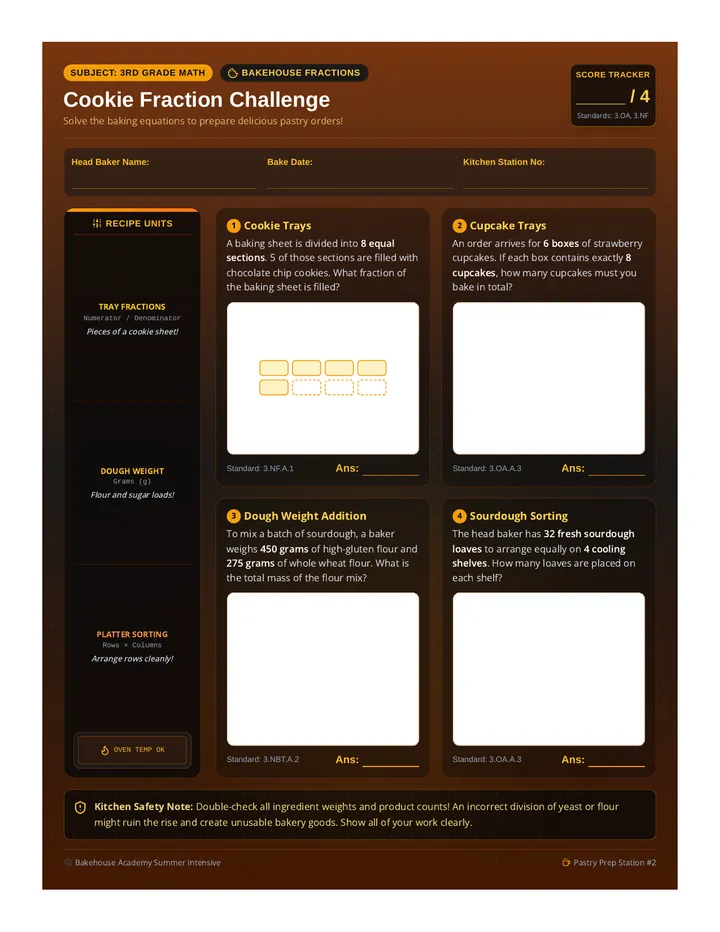
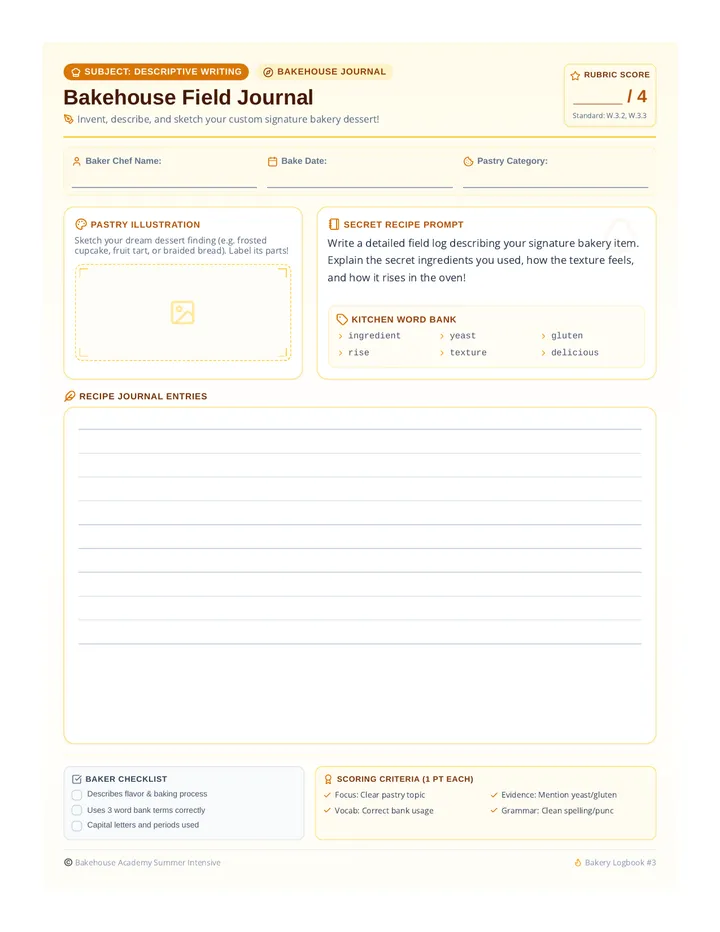
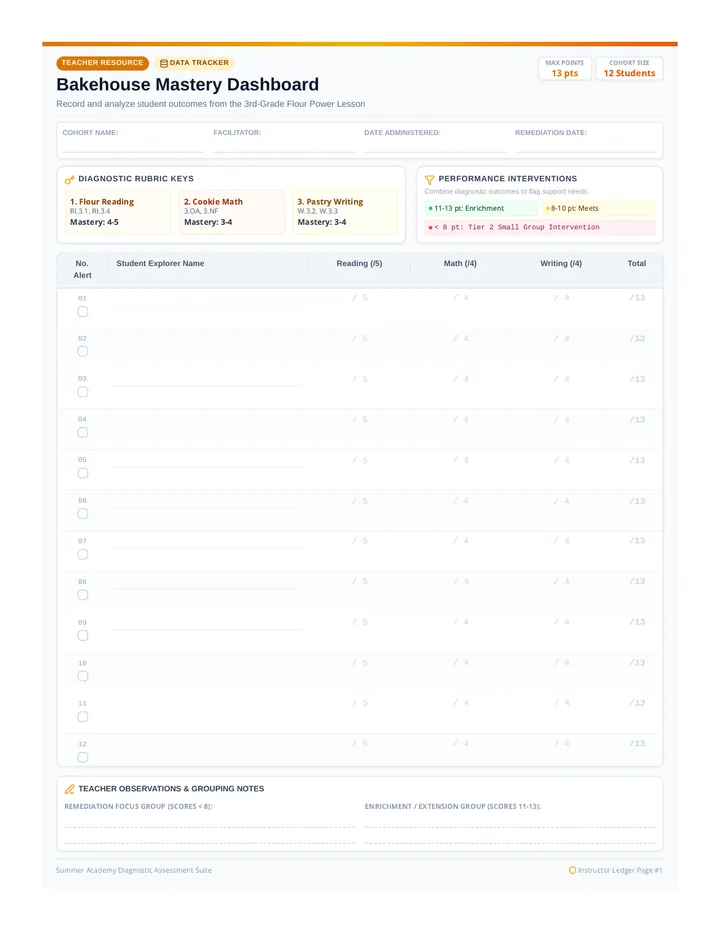
A premium 3rd-grade summer math, reading, and writing sequence themed around managing a successful bakery, complete with recipe conversions, flour science reading, and custom teacher data ledgers.
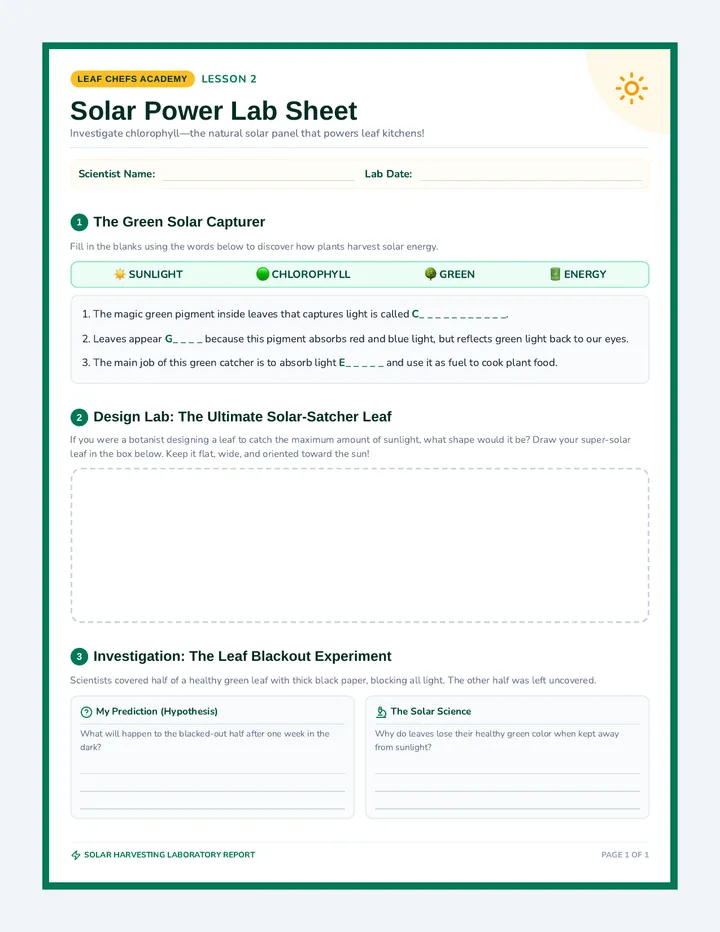
Students investigate chlorophyll, the magical green pigment, and discover how plants capture solar energy to fuel their kitchen.
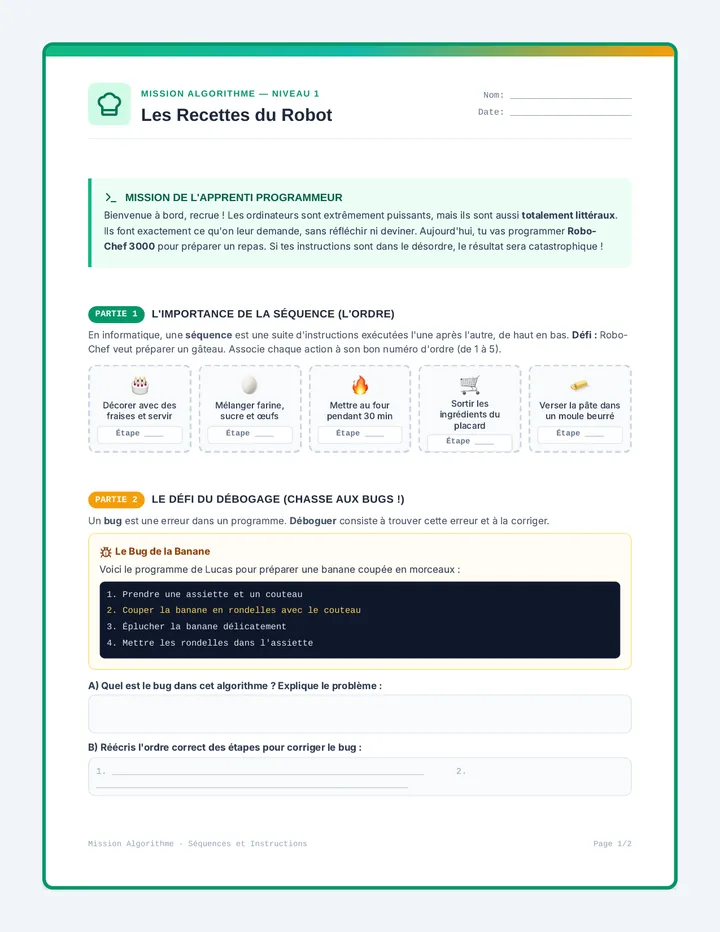
Une séquence d'initiation à l'algorithmique sans code pour débutants absolus. À travers des métaphores concrètes, les apprenants découvrent les trois piliers de la programmation : les séquences d'instructions, les conditions et les boucles.