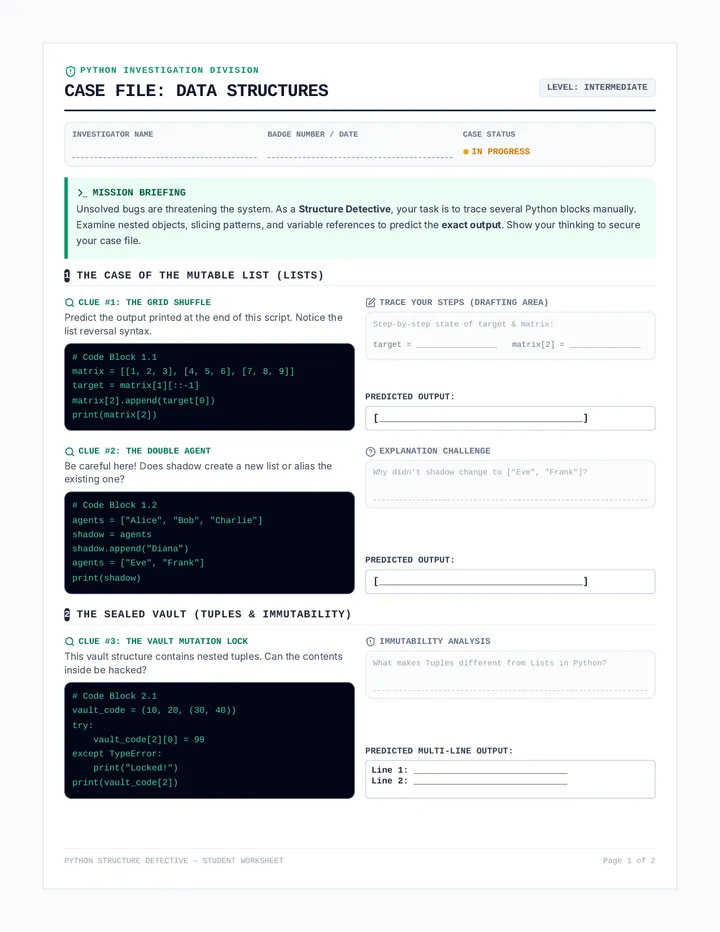
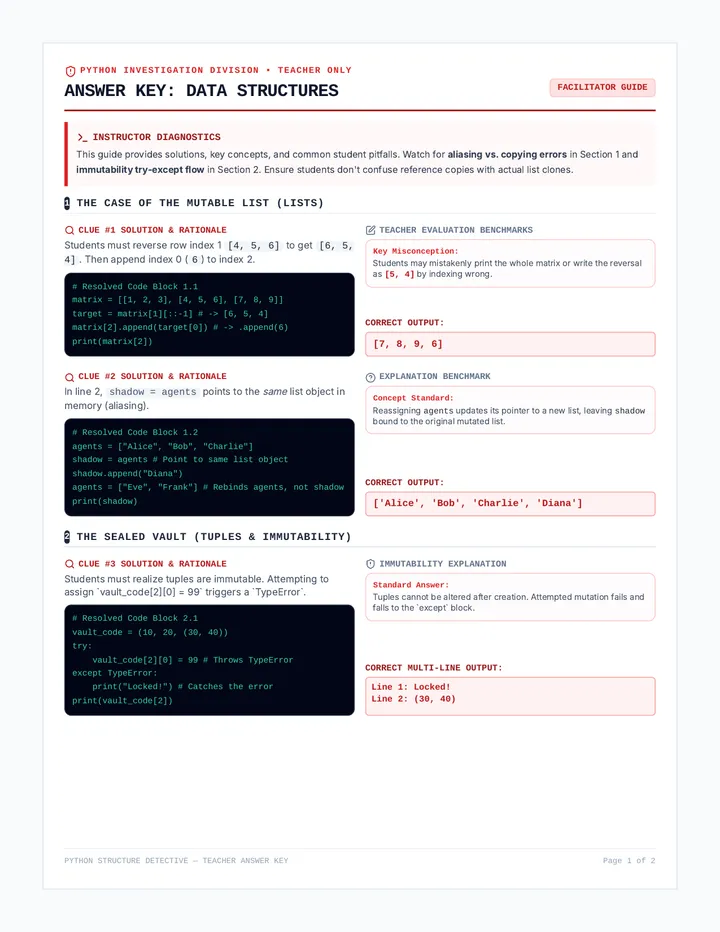
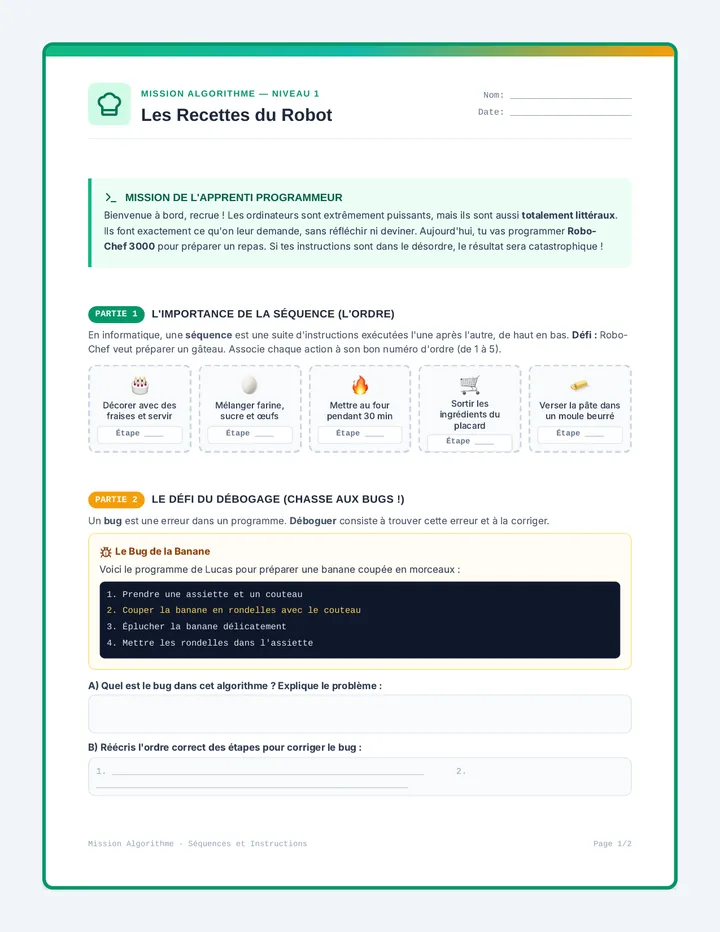
A foundational technology lesson for Primary 4 that challenges the misconception that technology is only electronic. Students identify, sort, and explain the purpose of various tools, machines, and systems.
A science lesson for 2nd graders exploring the life cycle of a frog through reading, identifying main ideas, and interactive discussion. Students will learn the four key stages from egg to adult frog.
A hands-on science lesson exploring density and chemical reactions through the creation of a DIY lava lamp. Students will learn why oil and water don't mix and how gas bubbles transport liquids.
A 3-hour collaborative STEM lesson where students build bridges (literally and figuratively) to get to know one another. Includes stations, a main engineering challenge, and reflection components.
A comprehensive lesson covering the Central Dogma of biology, from the structure of DNA and its replication to the process of protein synthesis through transcription and translation.
This lesson empowers students, including Multilingual Learners, to lead sustainable lives by transforming their daily lunch habits. Through visual aids, scaffolded vocabulary, and collaborative activities, students identify environmental impacts and plan actionable eco-friendly changes.
A culminating interactive lesson where students analyze informational texts about renewable energy using Z-chart graphic organizers to synthesize their learning.
A reading comprehension lesson about the fascinating Costasiella kuroshimae, exploring its unique ability to photosynthesize and its specific coral reef habitat.
A hands-on exploration of external fish anatomy, focusing on the names and functions of fins, gills, and sensory organs. Students will use a detailed diagram to identify key features of a common fish.
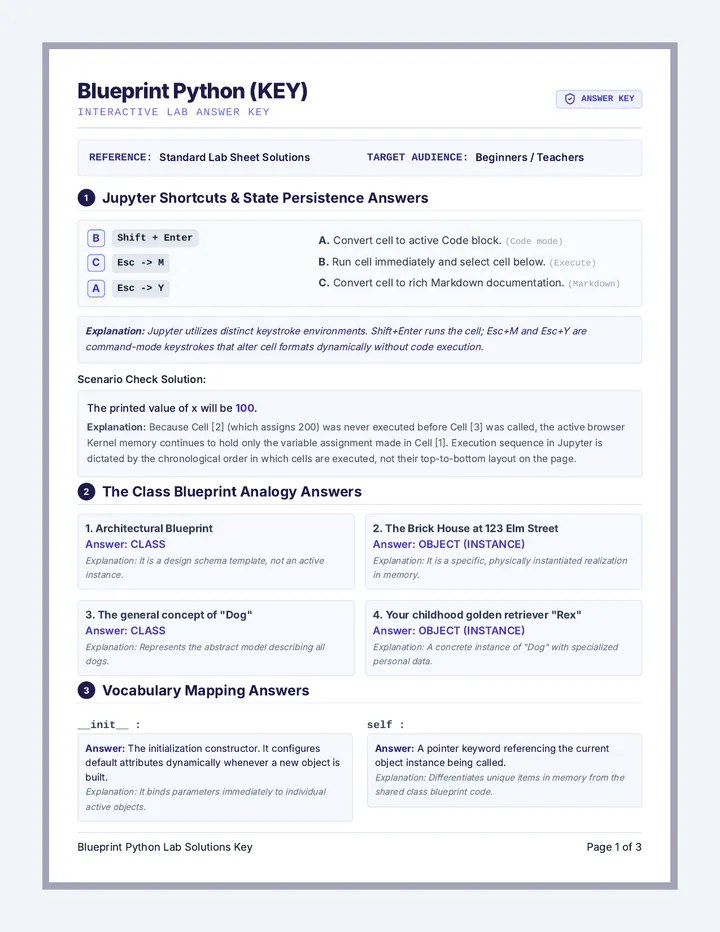
An introductory lesson focused on the fundamental principles of circuits, including component identification and the application of Ohm's Law.
A phonics-based card game lesson where students practice reading words with short vowels, blends, digraphs, vowel teams, and various affixes through an Old Maid style game called Losing Lizard.
A lesson exploring the journey of water through the Earth's systems, focusing on both basic and intermediate processes of the water cycle.
A comprehensive guide to soldering copper pipe with a focus on neatness, precision, and the professional 'wiped' finish. Students learn the step-by-step process from preparation to the final clean joint.
A comprehensive project guide and planning packet for ECE students to design and deliver a 3rd-grade science demonstration. Includes project requirements, a step-by-step planning workspace, and a grading rubric.
An introduction to the four main stages of the water cycle: evaporation, condensation, precipitation, and collection. Students will learn how water moves through our environment in a continuous loop.
A fun, interactive Jeopardy-style review game for the 2nd Grade CKLA Unit 10 on Human Body Systems, covering the skeletal, muscular, digestive, excretory, and circulatory systems.
A primary lesson introducing the concept of technology as tools that help people perform tasks, featuring sorting activities and creative drawing.
A lesson exploring the components of our solar system, focusing on reading comprehension, sequencing, and identifying key details from informational text.
This lesson focuses on sequencing the phases of the water cycle. Students will read an informational text describing the journey of water, identify temporal markers, and use textual evidence to explain the transition between stages.
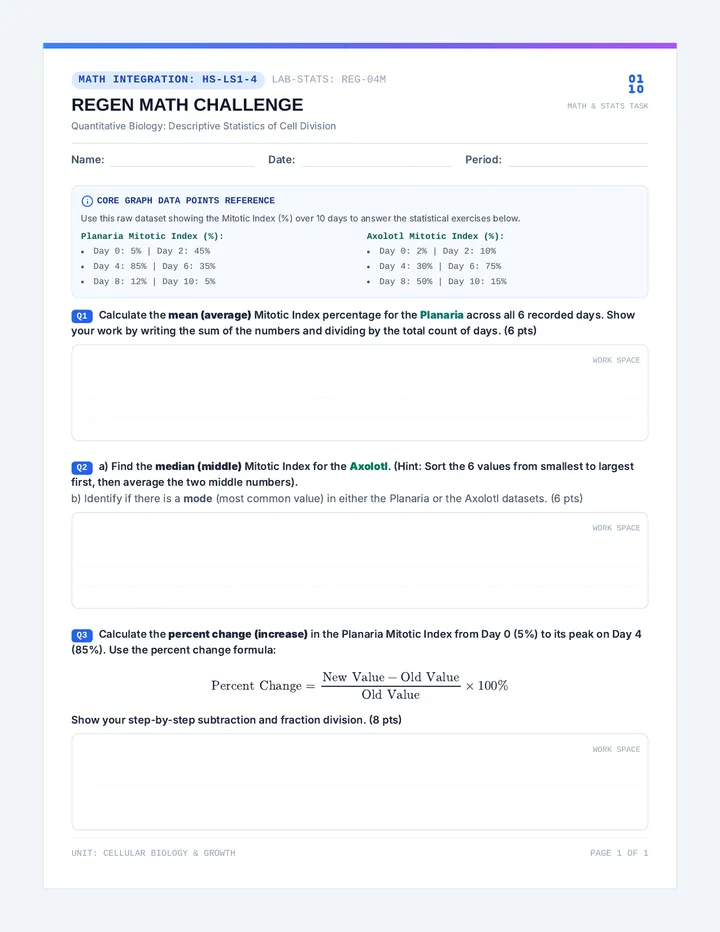
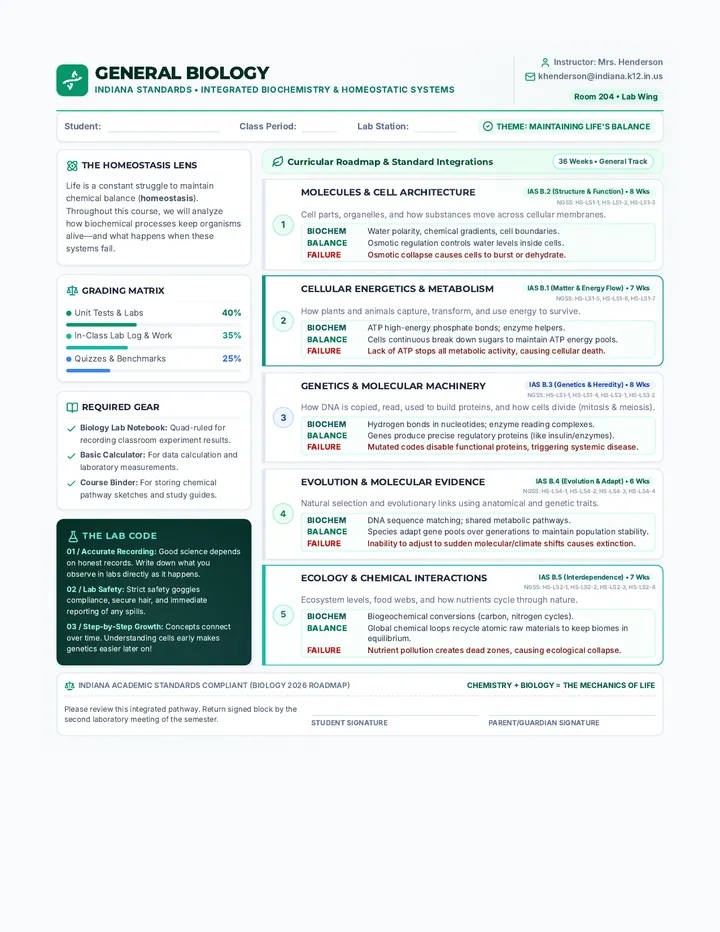
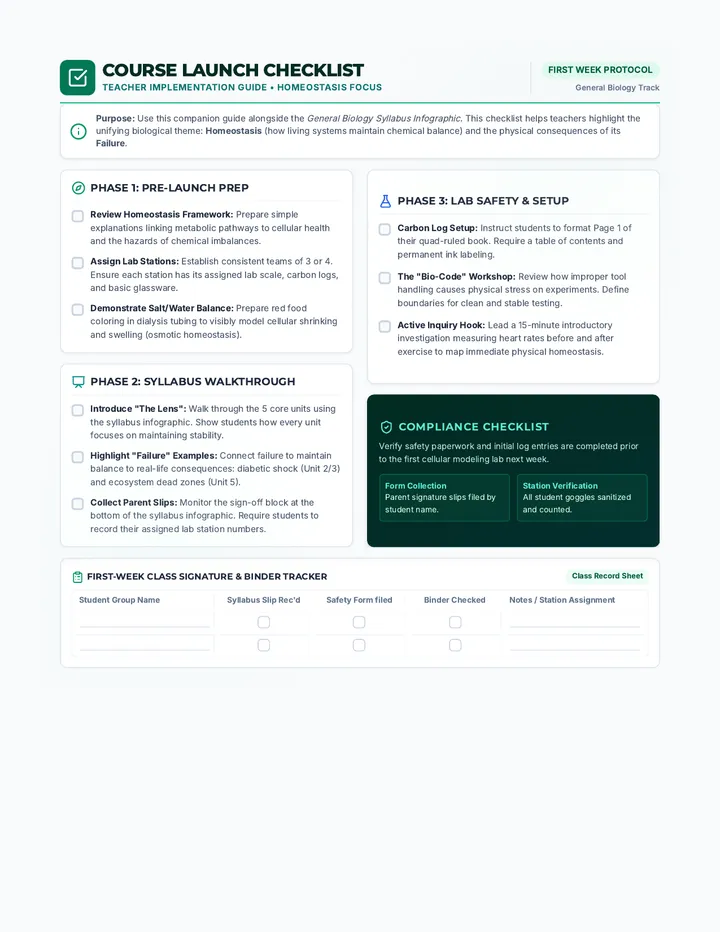
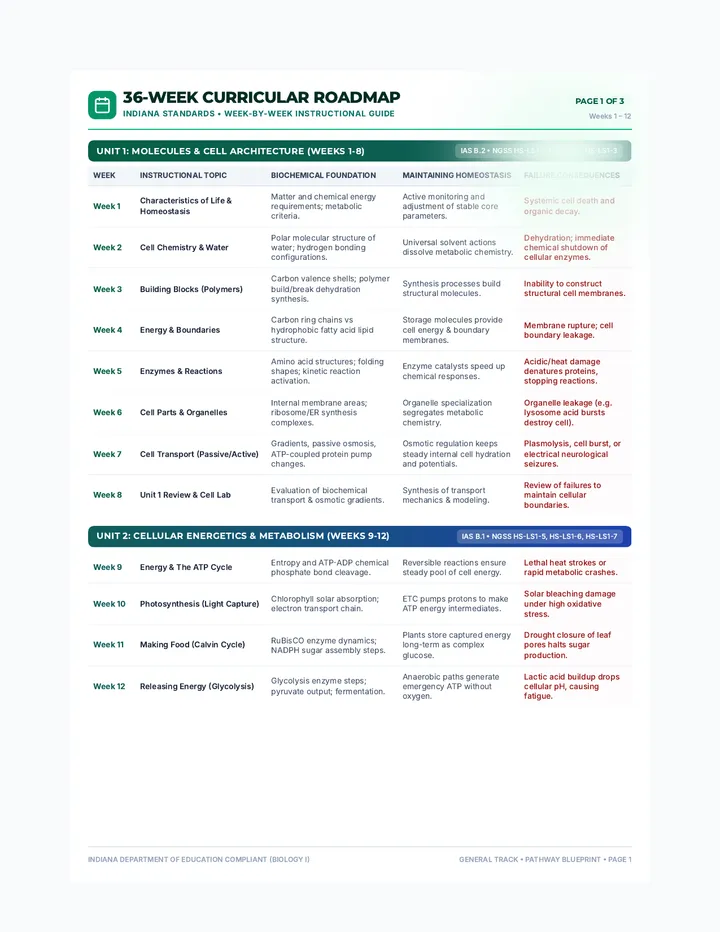
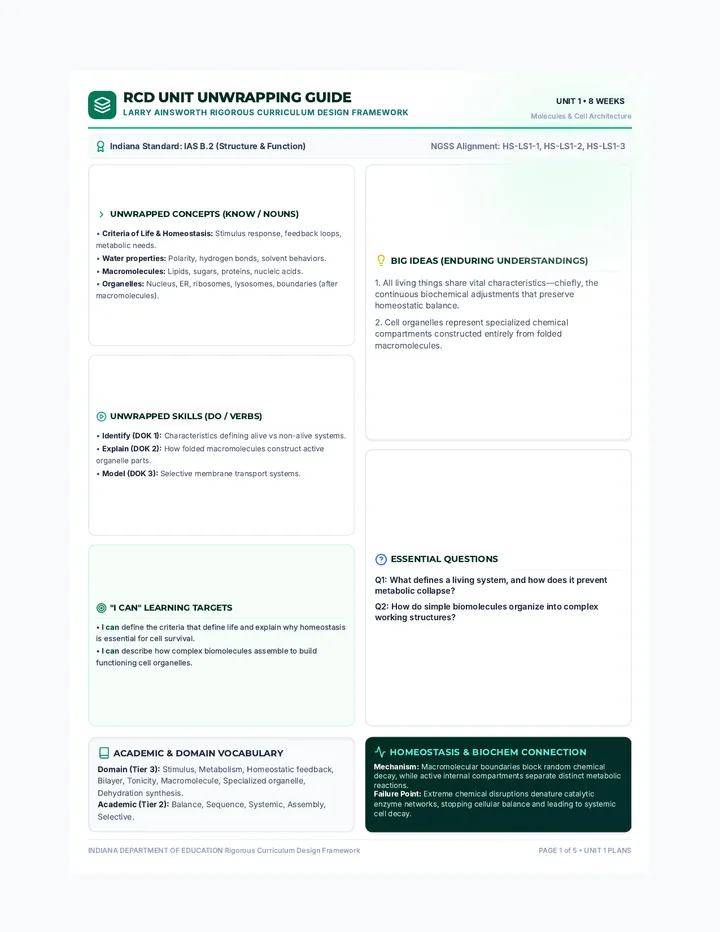
The foundational planning materials for the full-year Biology curriculum, providing a high-level roadmap and detailed unit breakdowns.
Analyze the distinction between the rights granted to citizens and the responsibilities they hold within a community.
Explore the structure of the U.S. government, focusing on the roles and responsibilities of the Legislative, Executive, and Judicial branches.
Investigate the different forms of energy and the transition between potential and kinetic energy through real-world examples.
Discover how energy travels through waves, exploring sound, light, and water ripples through visual observations and hands-on mapping.
A week-long exploration of the night sky, teaching students how to identify major constellations using patterns and pointer stars. Students will combine scientific observation with creative art projects.
A science-focused lesson on sequencing informational text through the lens of fossil formation. Students will learn to identify temporal clues and map out complex natural processes.
A targeted one-day review session covering key NYS Science standards: Space Systems, Ecosystems, Earth's Systems, and Matter. Includes morning work and homework to reinforce essential concepts through practice questions.
A visual-heavy lesson introducing the photosynthesis equation and basic inputs/outputs, specifically designed for emerging level bilingual students (ELLs). The lesson uses a 'Solar Kitchen' metaphor to simplify complex biological processes.
A review of sensation and perception modules, focusing on Gestalt principles in design and real-world scenarios.
A high school-level introduction to photosynthesis for Emerging ELL students, focusing on chloroplast structure, the chemical equation, and the two stages of the process (Light-Dependent and Calvin Cycle) with linguistic scaffolding.
Students will investigate the Earth's rotation on its axis to explain the day/night cycle and the apparent motion of the sun, distinguishing these daily patterns from seasonal changes.
An in-depth look at horse anatomy, vital signs, and health maintenance for aspiring equestrians and young veterinarians.
A deep dive into Faraday's Law and Lenz's Law focusing on the calculus-based derivation of EMF for a rectangular loop moving through a uniform magnetic field.
A deep dive into electromagnetic induction, focusing on the calculus-based derivations of Faraday's Law and the conceptual application of Lenz's Law for AP Physics C students.
Moving beyond mere survival, this lesson covers weapons, combat strategies against various enemies, and the intricacies of building a secure base. Perfect for players ready to dominate the wasteland.
The foundation of any Forsaken player's journey, focusing on UI navigation, essential survival stats, and the first day of gameplay. Students will learn how to scavenge for resources and keep their character alive.