Optimism Lab Worksheet Optimism Lab Simulation
Advanced Neuroscience: Cognitive Control & Belief Updating
Student Name:
Date:
Lab Meeting Simulation Brief
You are members of the Sharot Cognitive Neuroscience Lab . After the success of the initial TMS study targeting the Inferior Frontal Gyrus (IFG) , your team has been tasked with designing a robust follow-up experiment. Your goal is to refine the methodology and address the ethical implications of modulating cognitive biases.

1 Methodology Critique
Based on the video and your knowledge of TMS, what are the primary limitations of the study described? Consider sample size, duration of effect, and control conditions.
2 Follow-up Design
New Research Question/Hypothesis:
Independent/Dependent Variables:
TMS Protocol (Target ROI, Frequency, Duration):
3 Hypothesized Neural Circuit
Sketch or diagram the relationship between the Left IFG , Right IFG , and Belief Updating . Indicate where your TMS intervention occurs.
4 The Ethics of "Removing the Parachute"
Sharot uses the metaphor of an "optimistic penguin with a parachute." If we can biologically reduce the optimism bias, should we? Discuss the potential impact on mental health (e.g., depressive realism) vs. physical safety.

Group Presentation Prep
Summarize your methodology critique in 3 key points.
Explain your "new variable" and why it matters.
Present one "pro" and one "con" for the clinical application of this tech.
Neural Optimism Slides Neural Architecture
of Hope
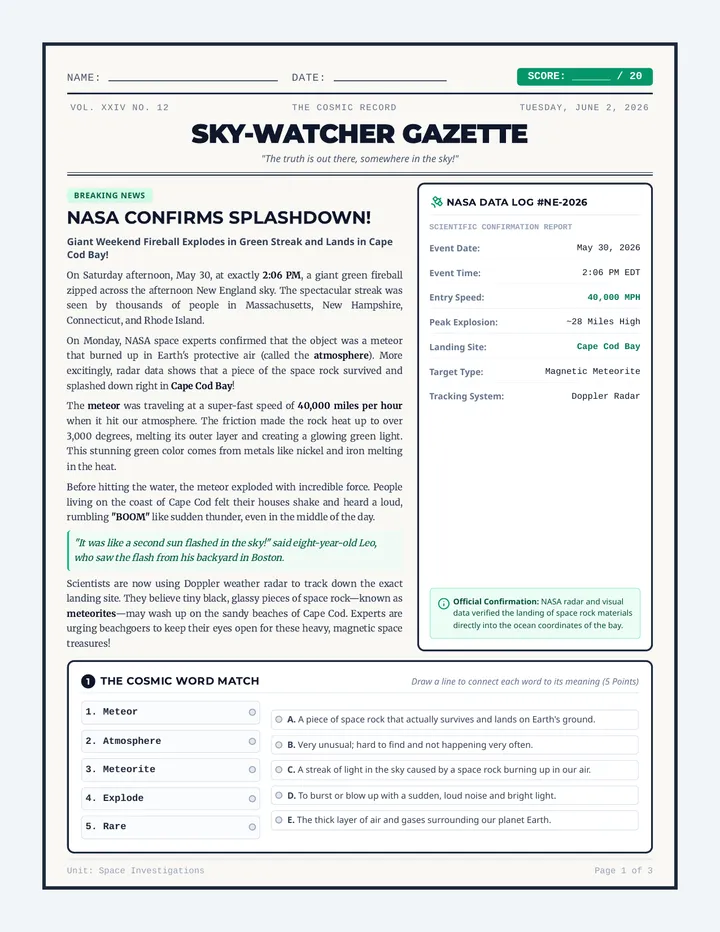
The Neuroscience of the Optimism Bias
Undergraduate Neuroscience Cognitive Lab Series
Warm-Up: The Frontal Lens
Executive Integration
The Frontal Lobes integrate sensory data with internal goals.
Executive Control
Responsible for decision making, error monitoring, and belief updating .
Anatomy Spotlight
Inferior Frontal Gyrus
The Research
Dr. Tali Sharot: The Optimism Bias
11:17 - 14:43
Embedded media
01
How does the Left IFG handle "good news"?
02
Why does the Right IFG "fail" in optimists?
03
What happens when we apply TMS to these regions?
Neurological Evidence
Left IFG
"The Hope Engine"
Encodes "better than expected" updates
Disabling = Eliminates Bias
Right IFG
"The Reality Check"
Encodes "worse than expected" updates
Disabling = Increases Bias
TMS Modulation
Transcranial Magnetic Stimulation allows us to switch off these regions temporarily, proving causality .
Transient Interference
Phase 02: Simulation
Lab Meeting
1. Critique
Analyze the limitations of the original study methodology.
2. Design
Design a follow-up experiment. What variables would you change?
3. Ethics
Just because we can remove a bias, should we?
Break into Lab Groups now.
Final Reflection
"If you are an optimistic penguin who believes they can fly, but then adjusts a parachute to your back... you will soar like an eagle."
Discussion Anchor:
In what professions is the Optimism Bias a dangerous liability vs. an essential survival tool ?
Extension: Read Sharot (2011) Nature Paper
Neural Architects
Research Proposal Rubric Research Proposal Rubric
Lab Meeting Simulation: Optimism Bias & Belief Updating
Max Score: 20
This rubric evaluates the group's ability to critically analyze neuroscientific methodology and design a logically sound follow-up experiment using Transcranial Magnetic Stimulation (TMS) based on the Sharot Lab findings.
Criteria Exemplary (4) Proficient (3) Developing (2) Beginning (1) Methodology Critique
Identification of study limitations (sample, timing, control).
| Identifies 3+ nuanced limitations; discusses impact on internal/external validity. | Identifies 2-3 standard limitations (e.g., sample size, duration of effect). | Identifies 1-2 surface-level limitations without deep analysis. | Fails to identify meaningful limitations or confuses experimental terms. |
|
Experimental Design
Logic of the new hypothesis and TMS protocol.
| Hypothesis is highly specific; protocol includes clear frequency/ROI/control targets. | Hypothesis is logical; protocol includes ROI and basic TMS parameters. | Hypothesis is broad; protocol lacks detail on frequency or specific ROI. | Hypothesis is missing or illogical; protocol is scientifically unsound. |
|
Neural Circuit Logic
Correct application of Left vs. Right IFG functions.
| Flawless explanation of IFG asymmetry in belief updating and information integration. | Correctly identifies roles of L-IFG vs R-IFG with minor terminology errors. | Confuses roles of Left/Right IFG or generalities frontal lobe function. | Demonstrates significant misconceptions about functional neuroanatomy. |
|
Ethical Analysis
Depth of reflection on neuro-intervention ethics.
| Nuanced argument considering both clinical benefit and psychological risk (e.g., depressive realism). | Clearly articulates one "pro" and one "con" regarding bias modulation. | Lists surface-level ethical concerns without substantial reasoning. | Fails to address ethics or provides only a one-sided, uncritical view. |
|
Group Presentation
Clarity, professionalism, and scientific communication.
| Professional delivery; handles Q&A with deep command of the subject matter. | Clear communication of main points; logical flow of the proposal. | Presentation is disorganized; communication of key points is fragmented. | Unable to explain the proposal or demonstrate group consensus. |
Instructor Feedback
Total Score: