A research-based science lesson where students investigate the environmental impact of common materials like plastic, aluminum, and fleece. Students act as eco-detectives to evaluate recyclability, decomposition, and manufacturing footprints.
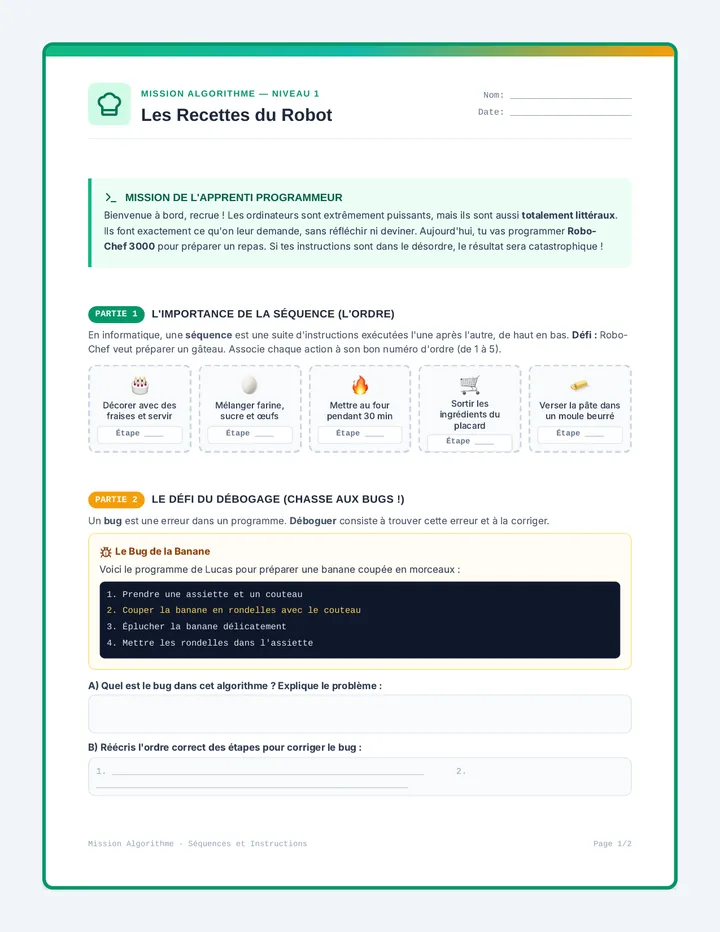
Une séquence d'initiation à l'algorithmique sans code pour débutants absolus. À travers des métaphores concrètes, les apprenants découvrent les trois piliers de la programmation : les séquences d'instructions, les conditions et les boucles.
This lesson explores the hierarchical organization of living organisms from cells to tissues, organs, organ systems, and whole organisms, aligned with NGSS MS/HS-LS1-2 standards.
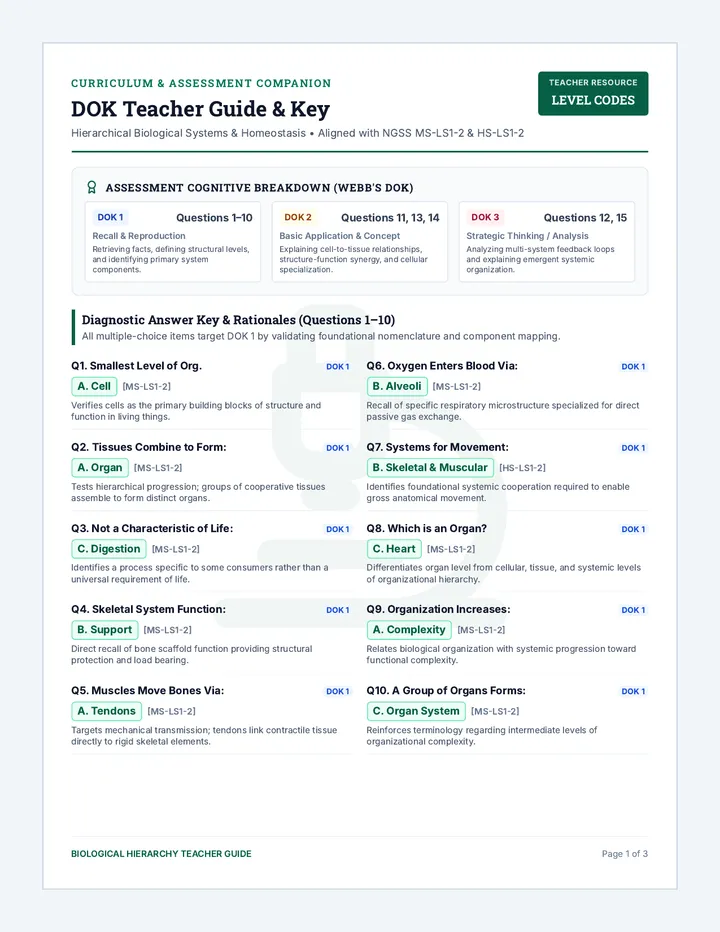
A premium 3-page teacher guide and coded answer key mapping biological hierarchy questions (MS/HS-LS1-2) to Webb's Depth of Knowledge (DOK) levels. Includes detailed rationales, multi-sentence college-bound exemplar responses, granular analytical rubrics, and pedagogical strategies for scaffolding and extension.
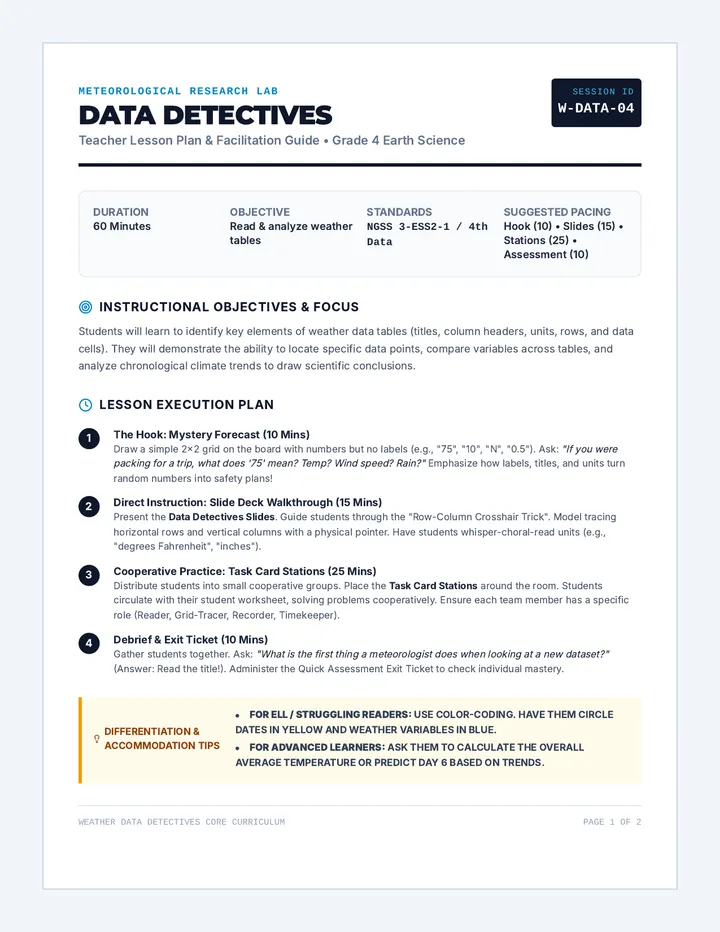
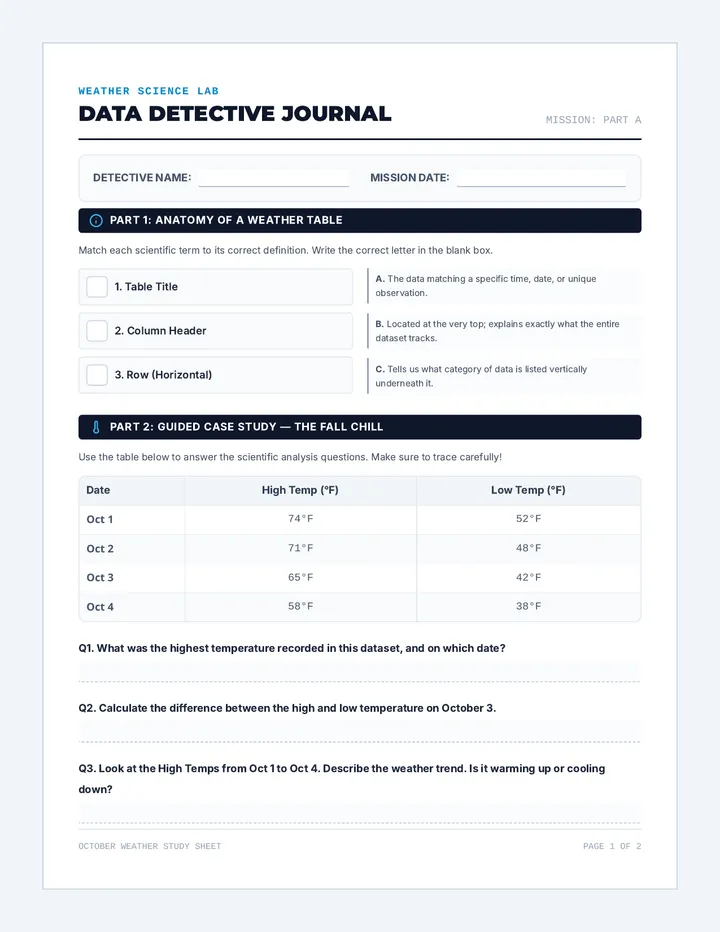
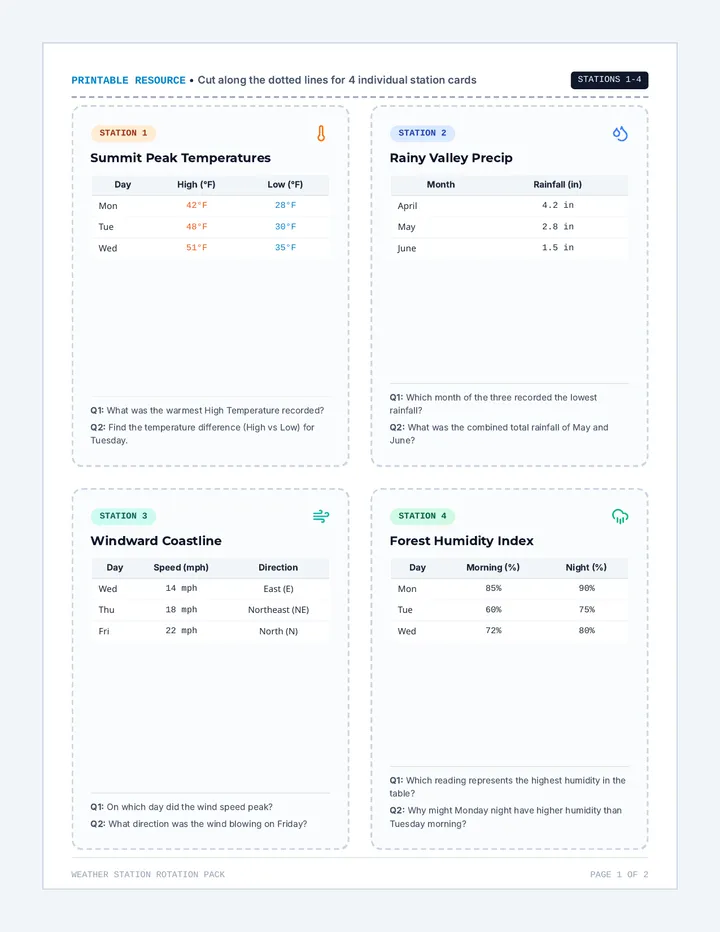
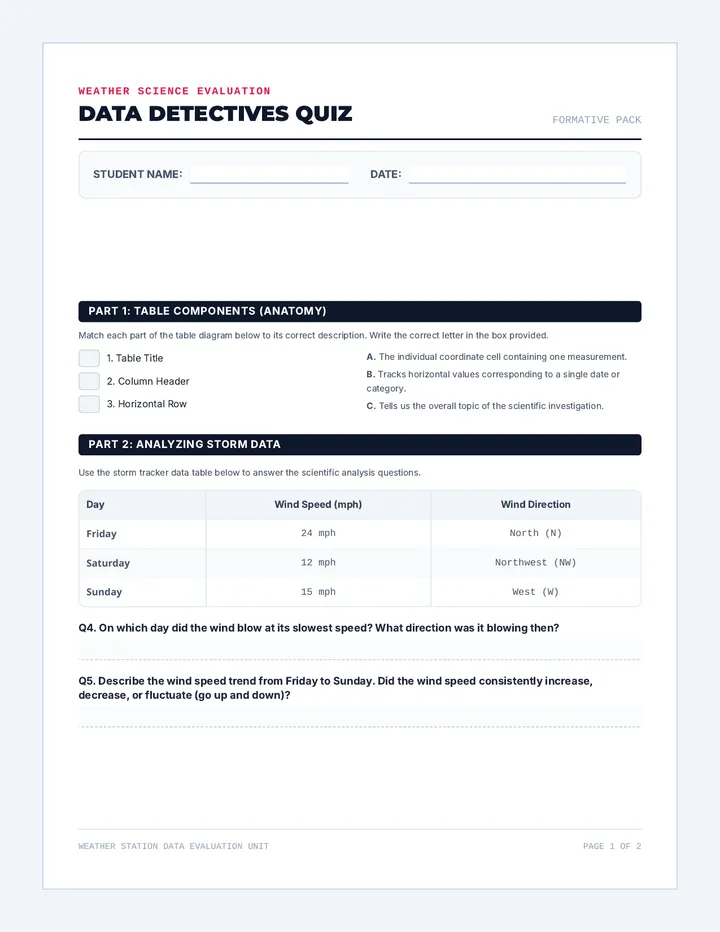
A hands-on 4th-grade science sequence exploring energy transfer, thermal design, and data-driven climate analysis through weather tracking and solar oven engineering.
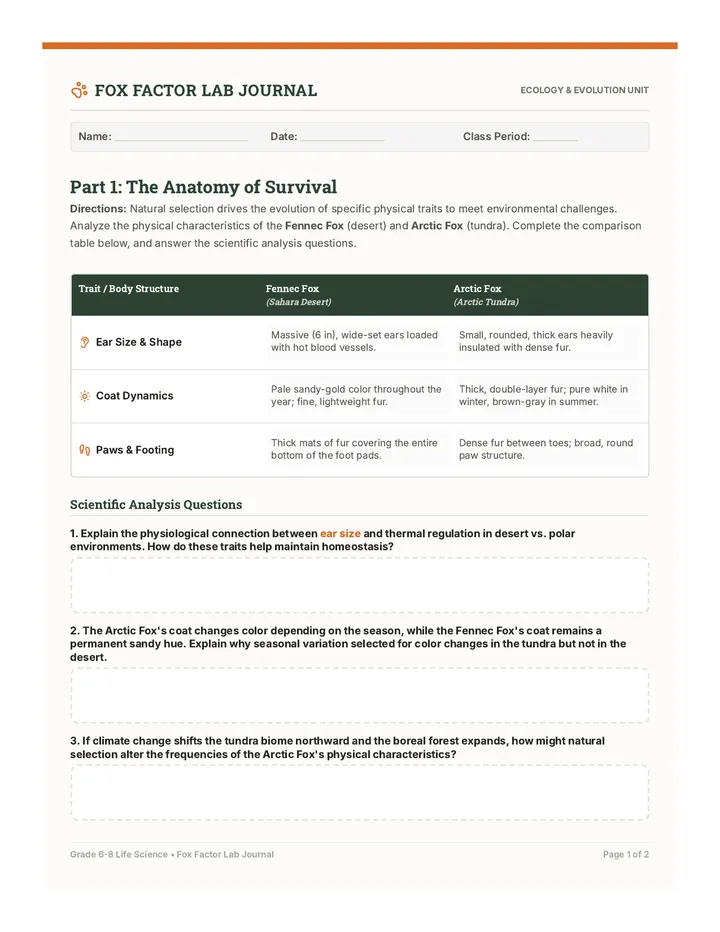
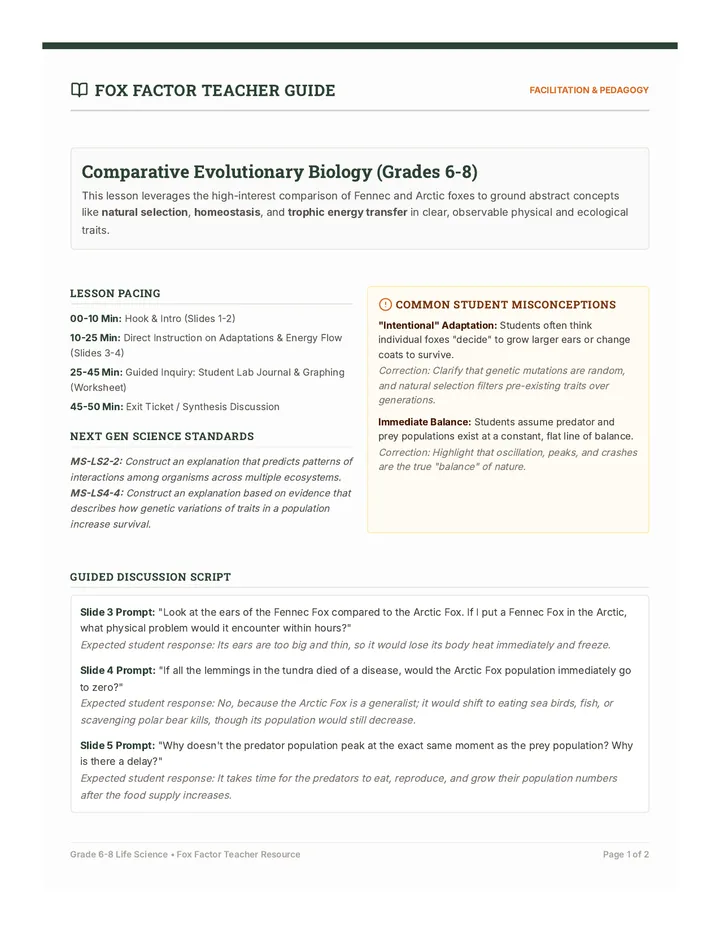
A middle school science lesson exploring evolutionary biology, ecological niches, and predator-prey dynamics through the comparative study of diverse fox species. Students analyze physical adaptations, food webs, and population cycle graphs.
A 2-page teacher facilitation guide containing a complete lesson plan, discussion prompts, lists of common misconceptions, and a comprehensive answer key for the student worksheet.
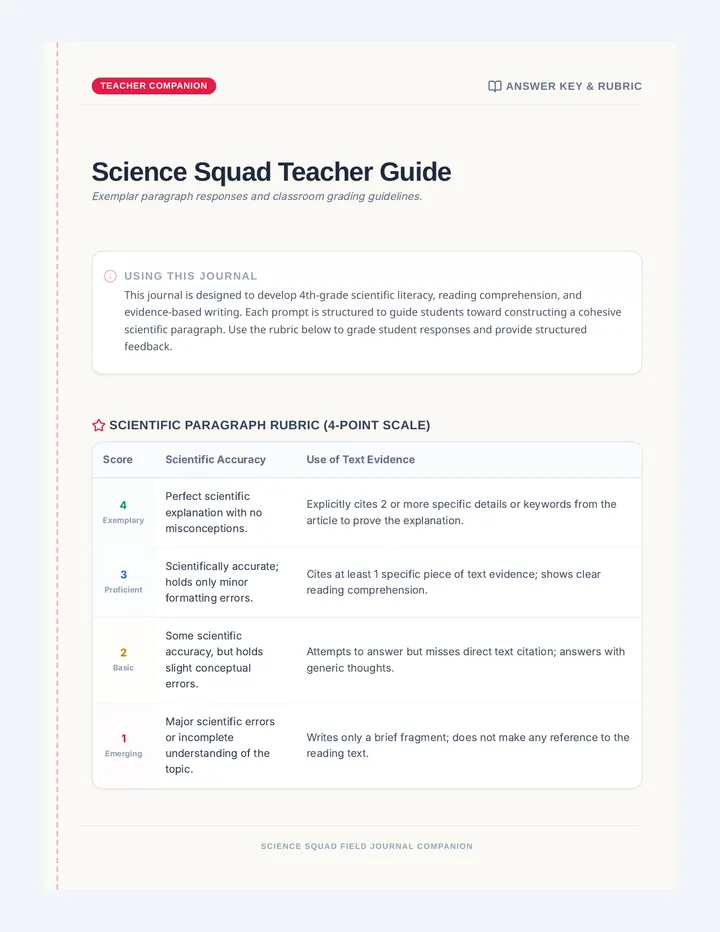
A multi-grade collection of scientific reading comprehension and response booklets designed to build disciplinary literacy in Earth, Life, and Physical sciences across elementary and middle school levels.
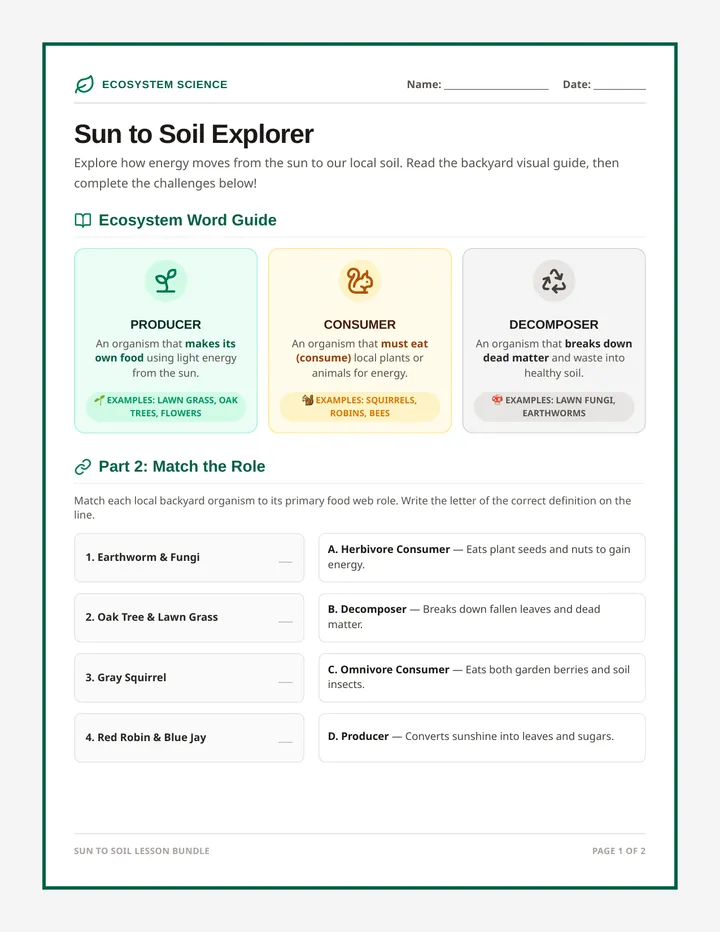
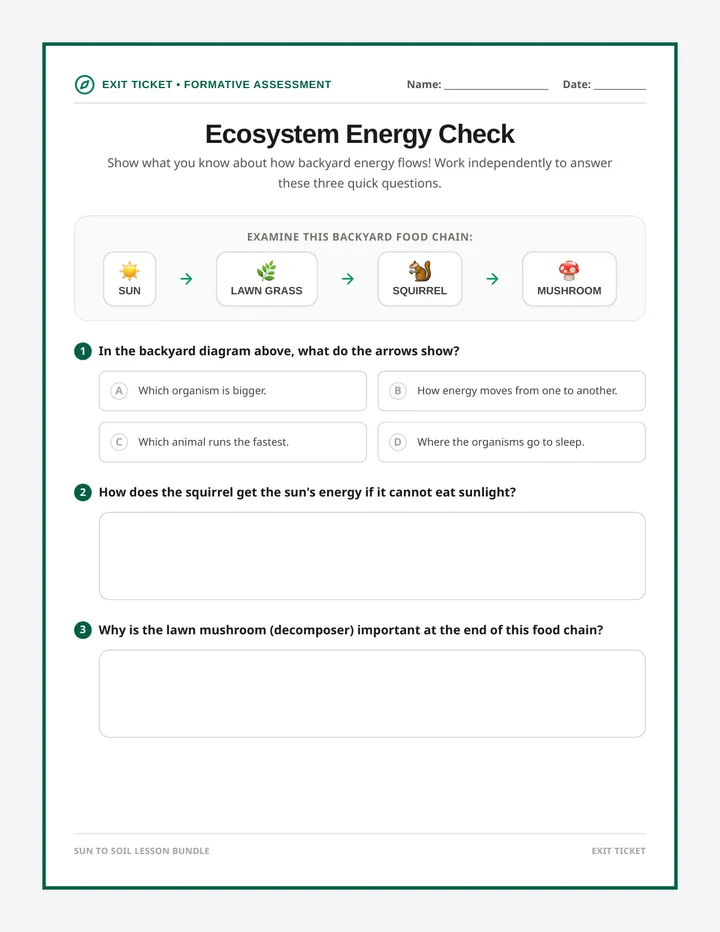
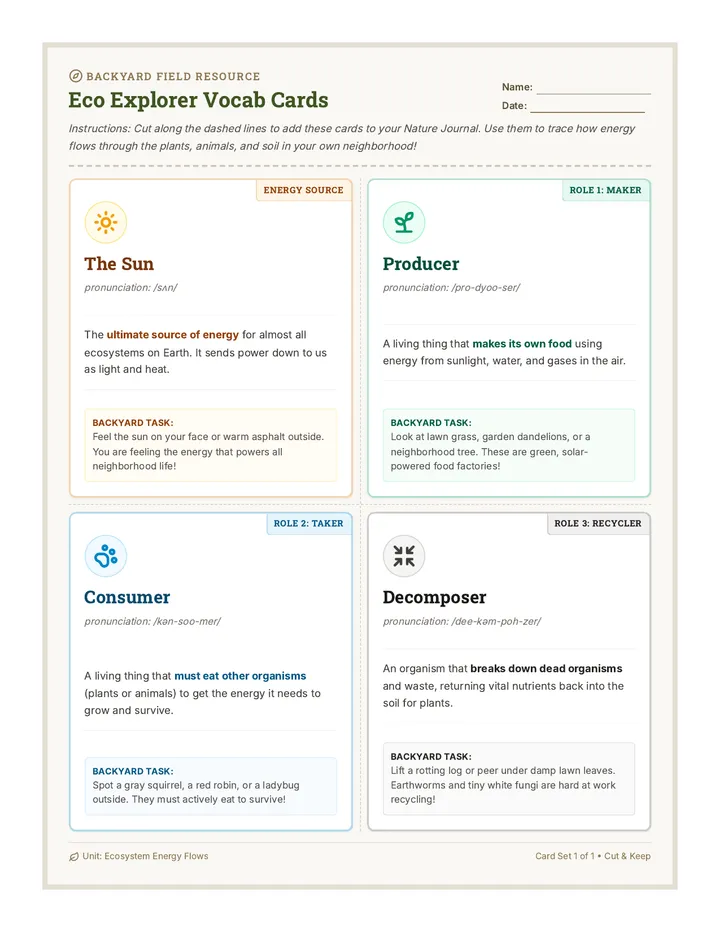
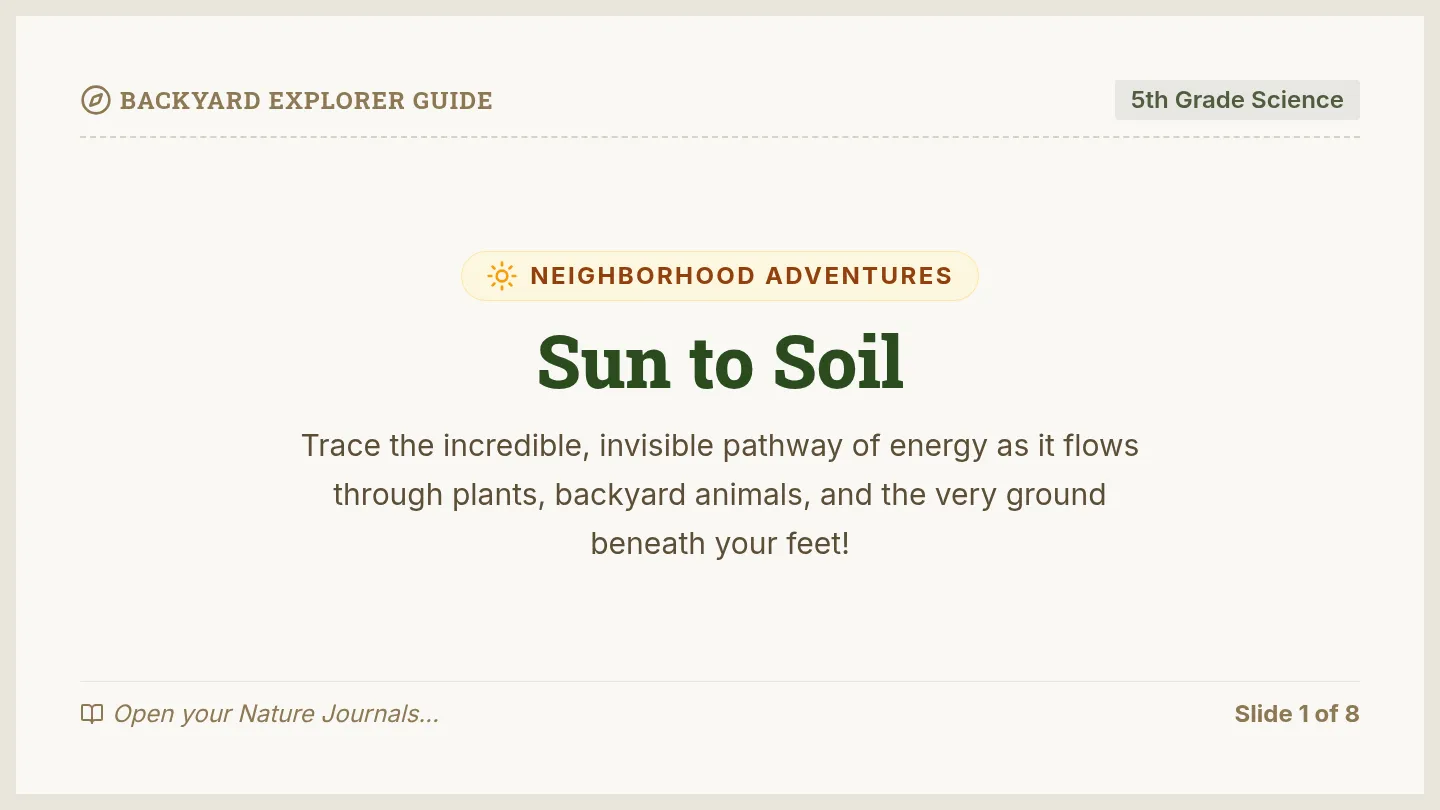
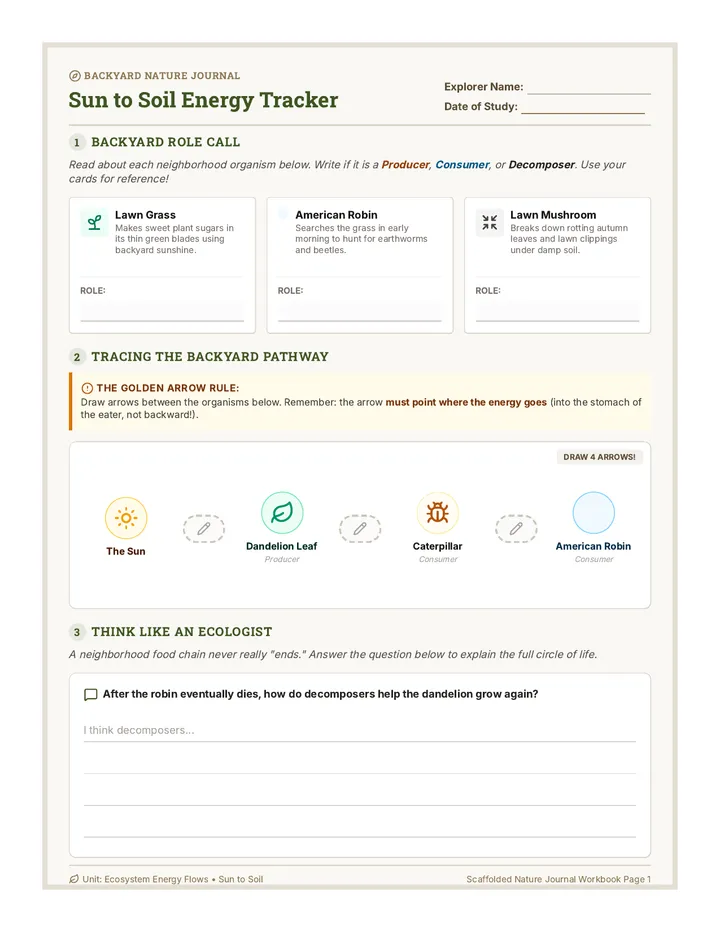
A 5th-grade science lesson exploring how energy flows from the sun through producers, consumers, and decomposers. Includes visually scaffolded slides, a guided practice worksheet, and a quick exit ticket.
A 2-page student worksheet containing physical adaptation matching, food web diagramming, and a real predator-prey dataset graphing analysis.
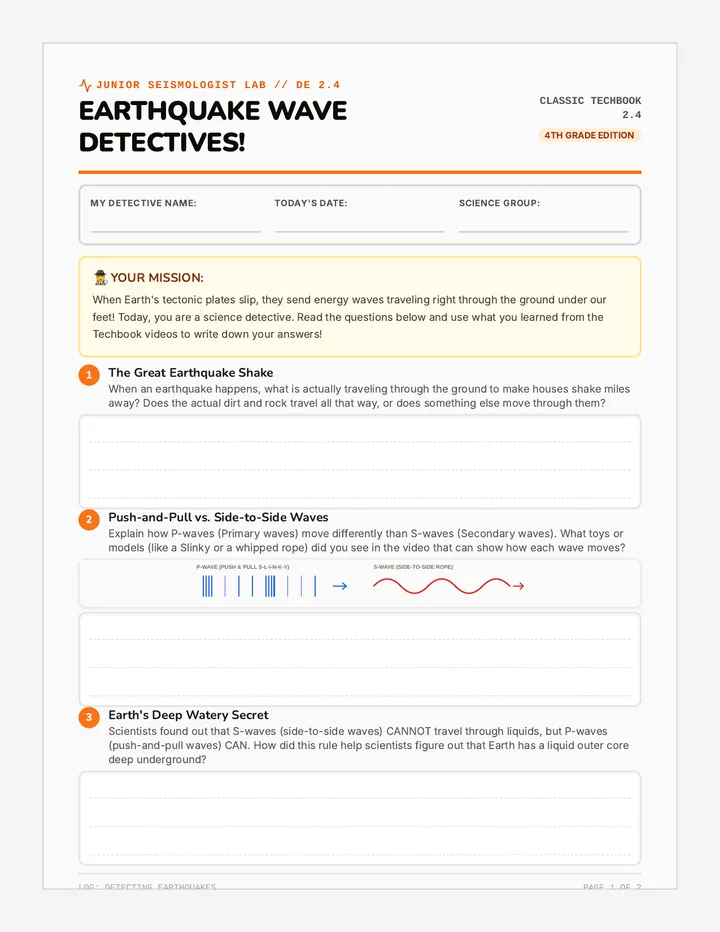
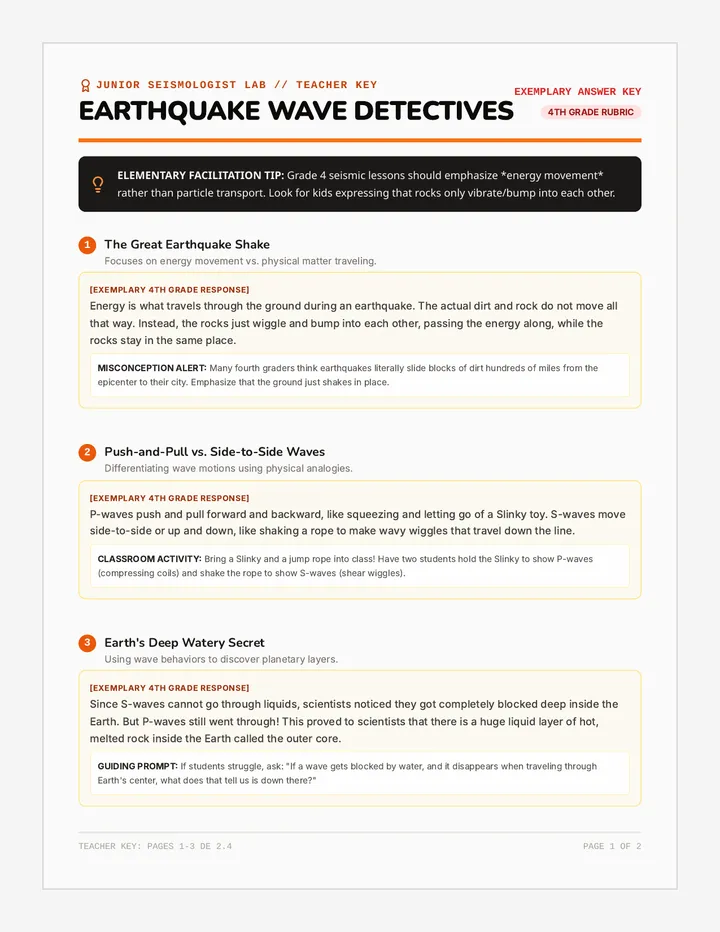
An earth and space science curriculum unit covering dynamic earth processes, earthquake wave mechanics, atmospheric pressure systems, and weather prediction techniques.
A 5th-grade science lesson introducing how energy flows from the sun through producers, consumers, and decomposers. The lesson uses a field guide/nature journal aesthetic and includes interactive slides, visual vocabulary cards, and a hands-on flow activity.
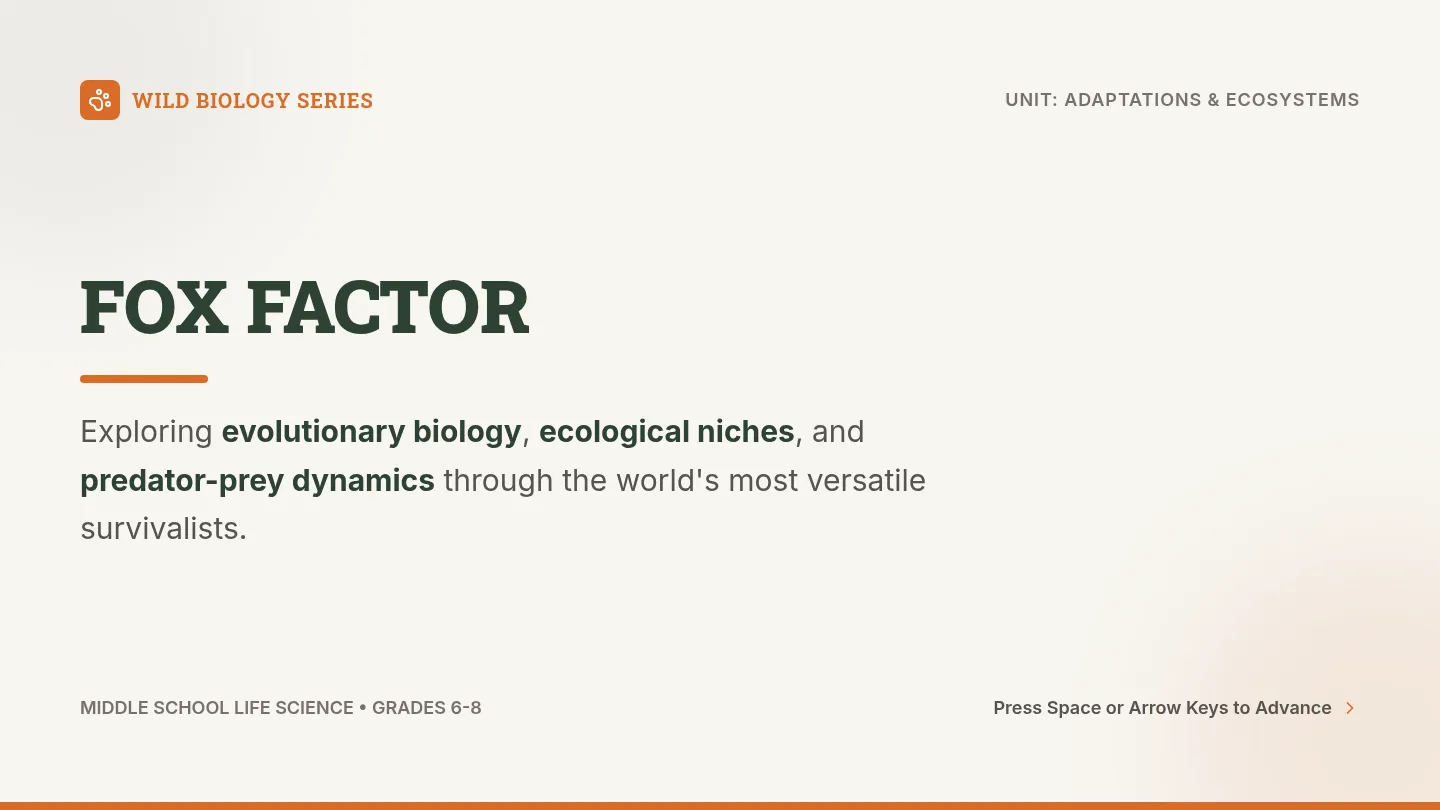
A highly visual slide presentation for direct instruction, introducing students to adaptations, ecological niches, and predator-prey dynamics using Arctic, Fennec, and Red foxes.