A comprehensive 1.5-hour physics lesson covering electrostatic potential energy, electric potential, and potential difference. Students will explore energy transformations and apply equations to solve for potential from multiple point charges.
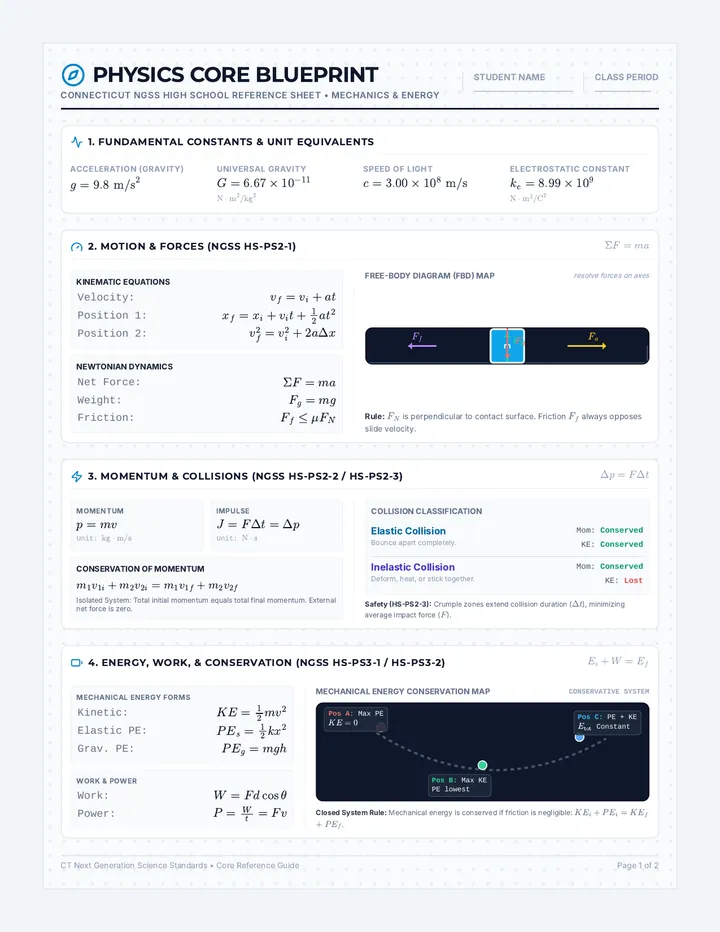
A comprehensive high school physics curriculum sequence aligned with the Connecticut Next Generation Science Standards (CT-NGSS), focusing on core concepts, quantitative problem-solving, and visual models.
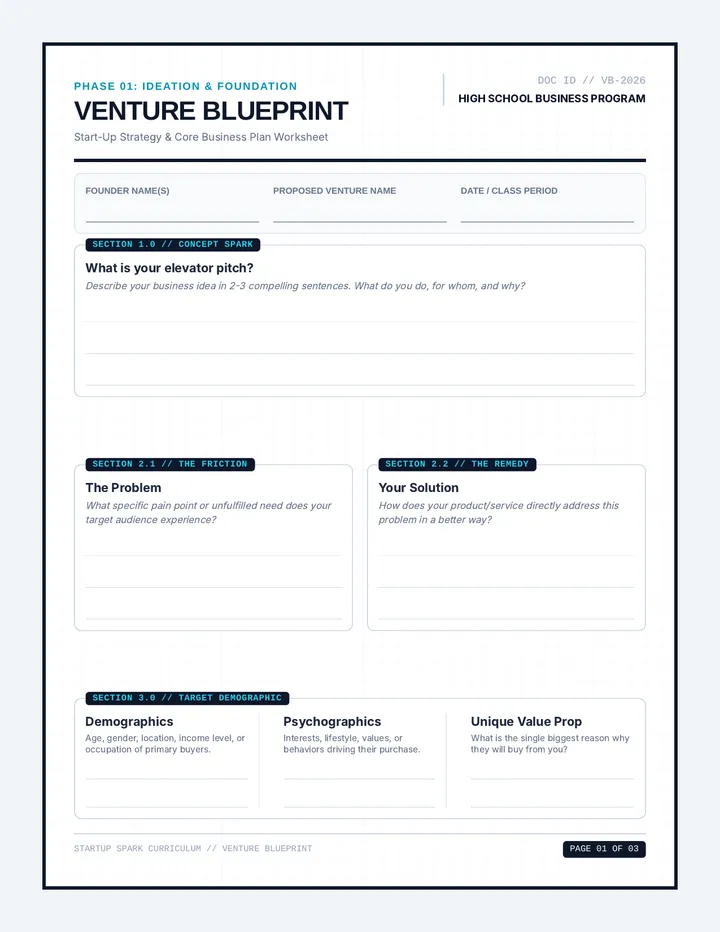
A comprehensive, step-by-step framework for high school students to design, structure, and refine a small business startup concept. Includes guided drafting templates, pacing checklists, and pitch preparation tools.
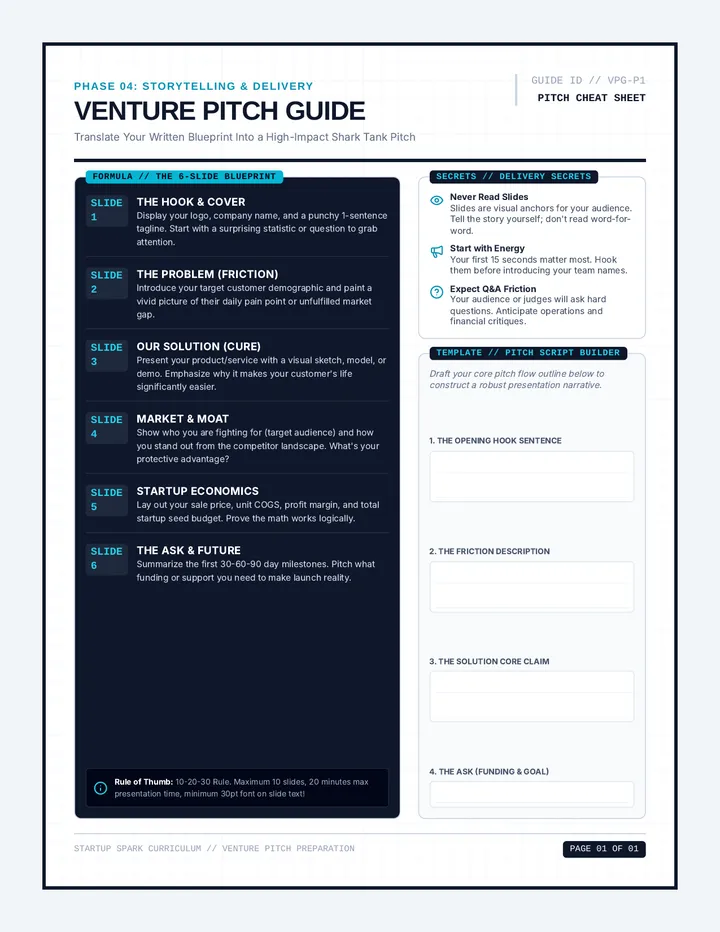
A student-facing companion reference and cheat sheet for building a 3-minute business pitch presentation. This single-page blueprint features a slide-by-slide content guide, executive delivery secrets, and an interactive presentation script builder.
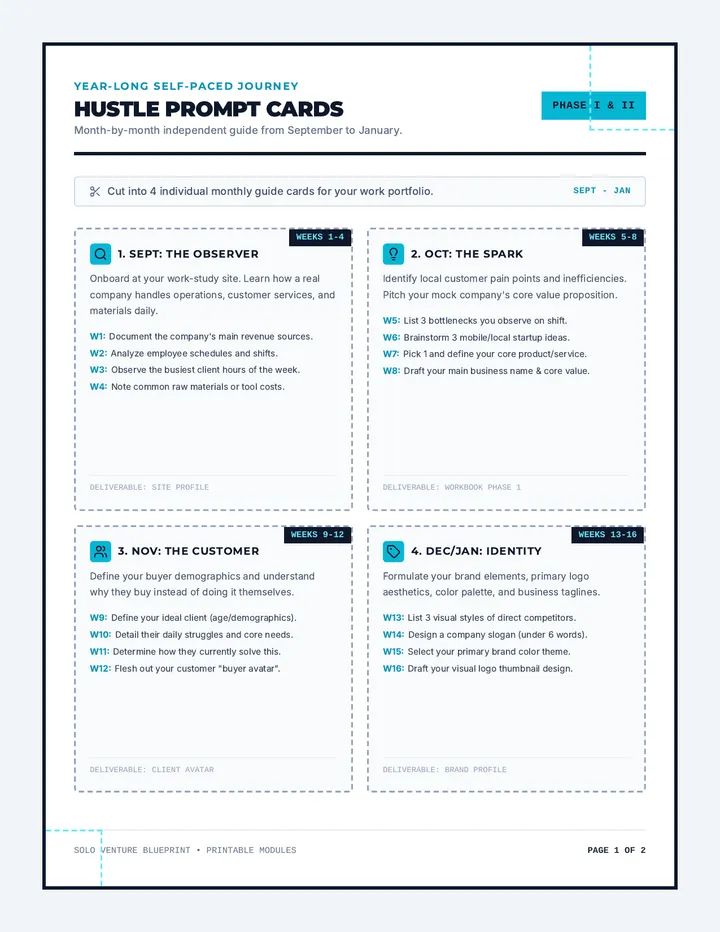
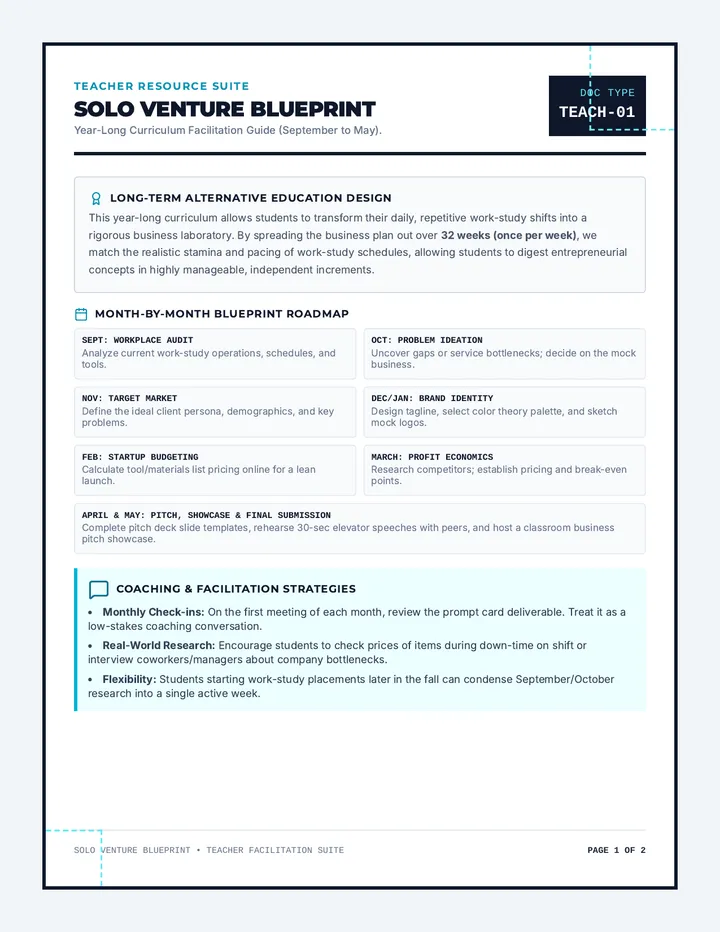
A year-long, self-paced entrepreneurship curriculum spanning September to May for alternative education students in work-study placements. Students transform real-world work experience into a modular business plan and slide presentation.
A collection of foundational reference sheets, formula grids, and problem-solving templates designed to support Connecticut high school physics students across all NGSS units.
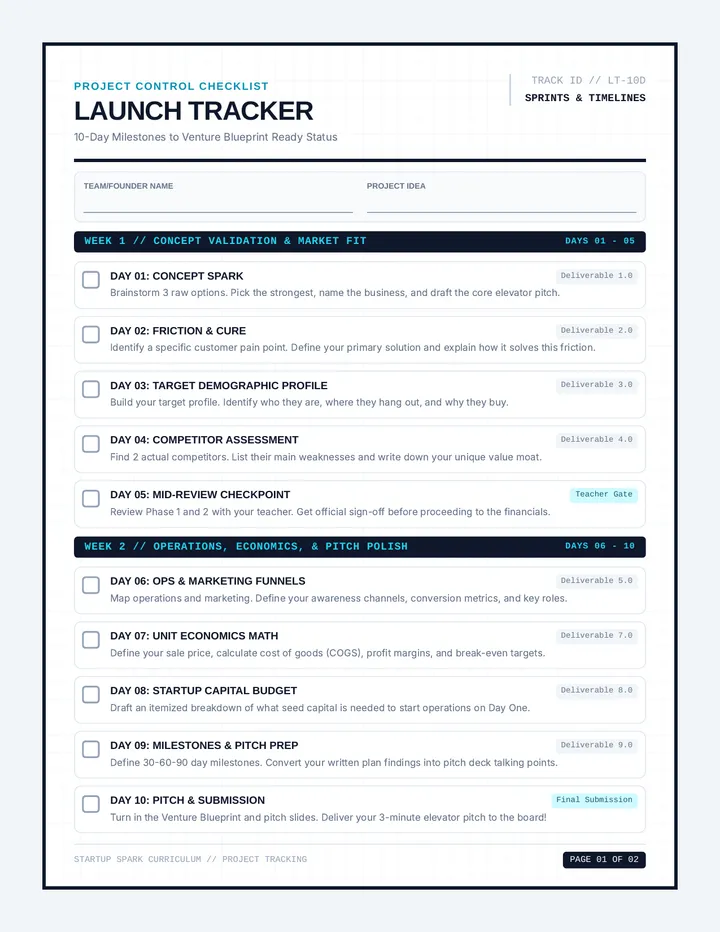
A student-facing daily pacing planner and a detailed teacher grading rubric. Styled with a professional project-tracking timeline grid, this 2-page document includes a 10-day sprint checklist and an analytical 100-point rubric matrix.
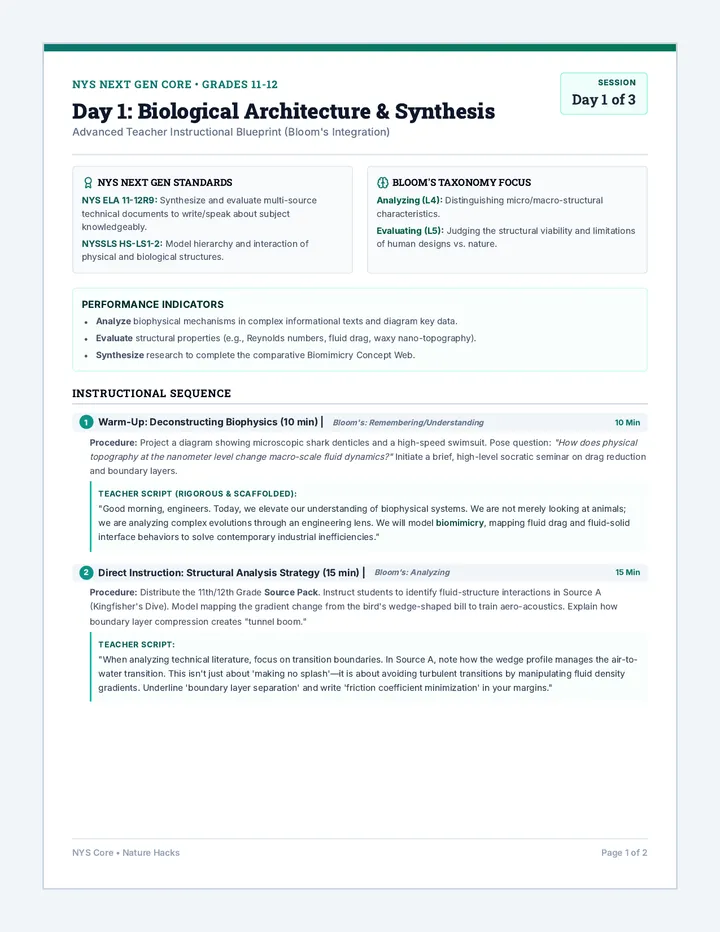
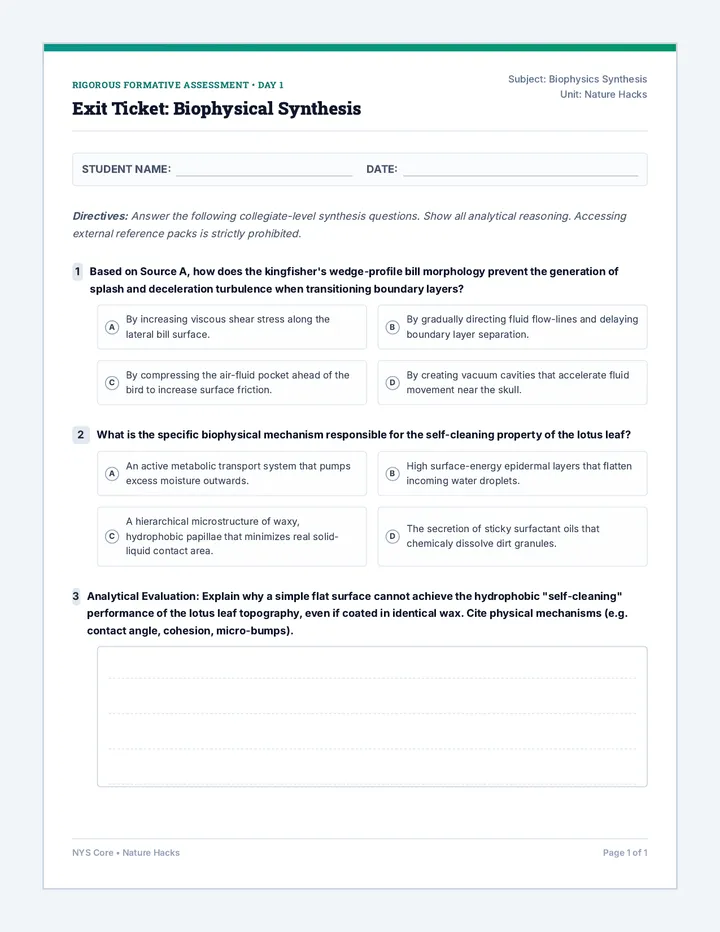
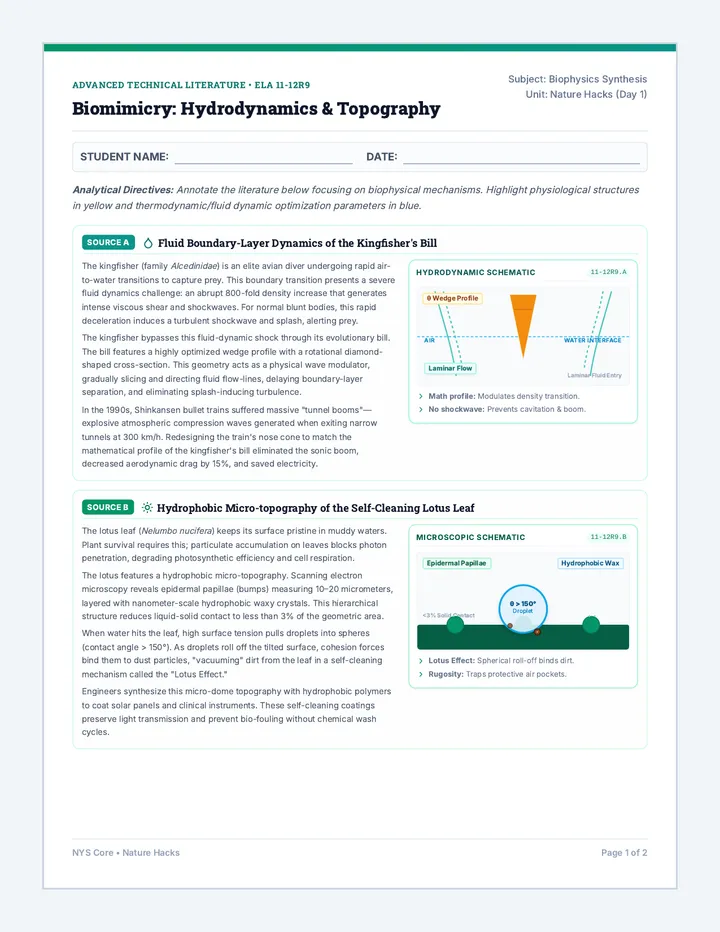
A 3-day cross-curricular STEAM unit where students research biological adaptations, design biomimetic engineering solutions, perform scale calculations, and write a synthesized informational article.
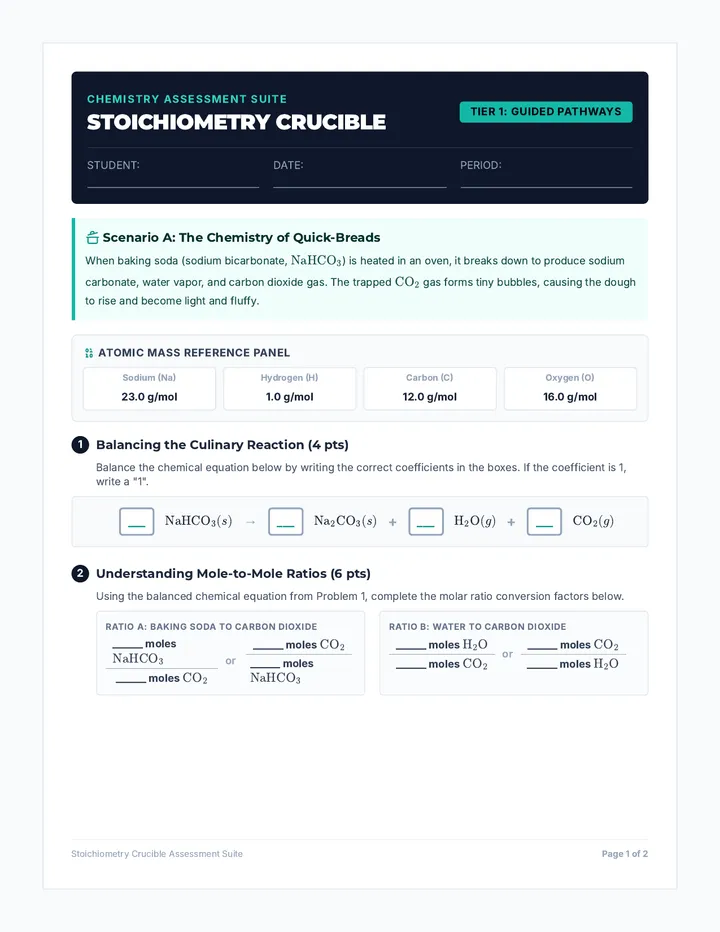
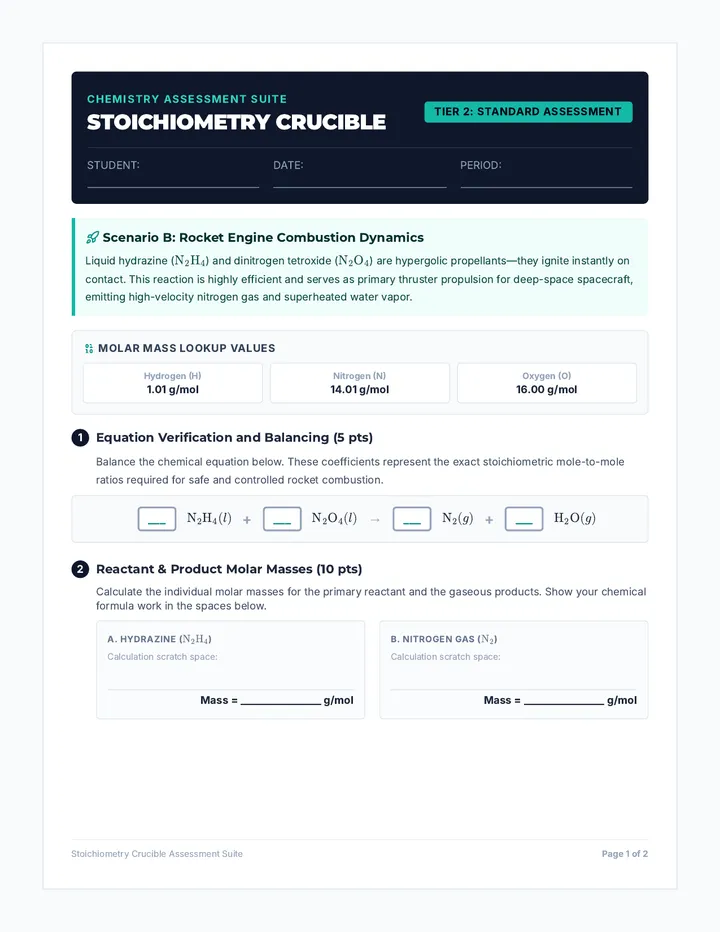
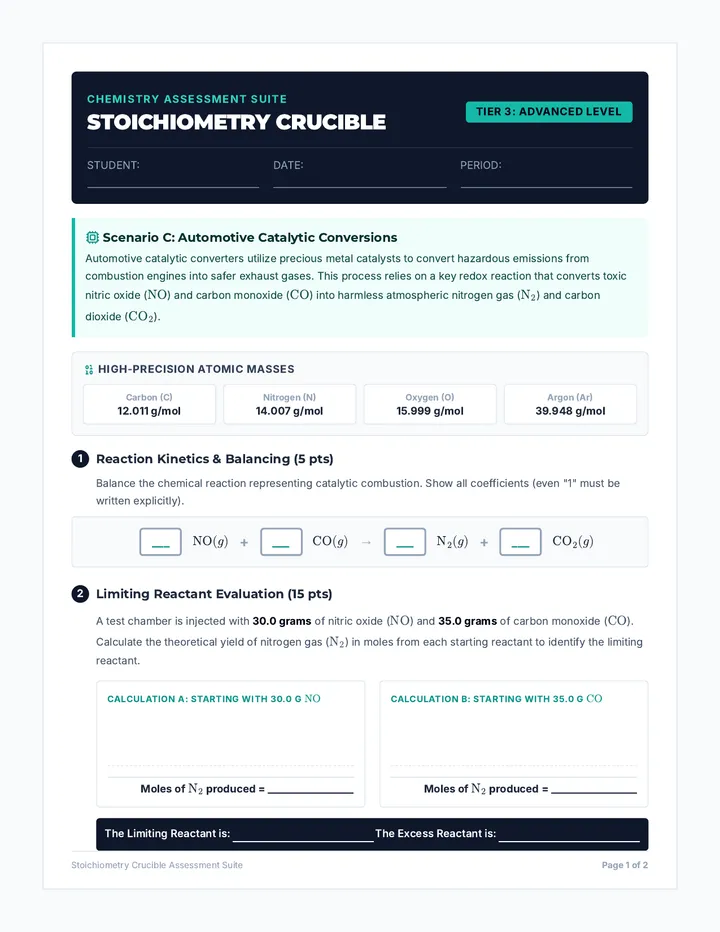
A differentiated stoichiometry assessment suite tiered by mathematical complexity, visual scaffolding, and conceptual depth. Features three distinct, parallel versions of a 2-page quiz centered around unique real-world chemistry applications.
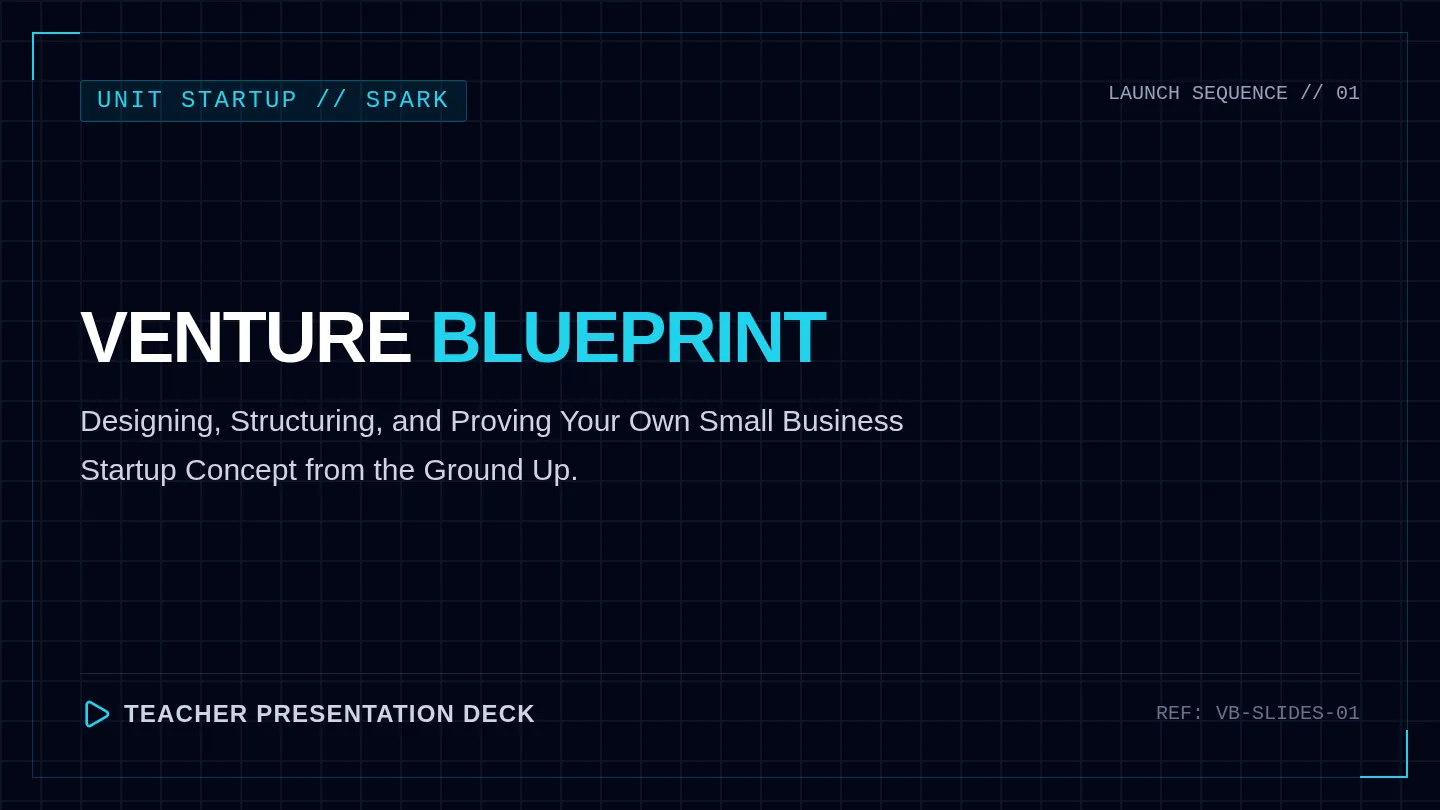
A high-impact, teacher-facing slide deck to introduce students to the Venture Blueprint. This 5-slide deck features big typography, structural blueprint line patterns, and core visual frames detailing startup fundamentals from elevator pitches to unit economics.
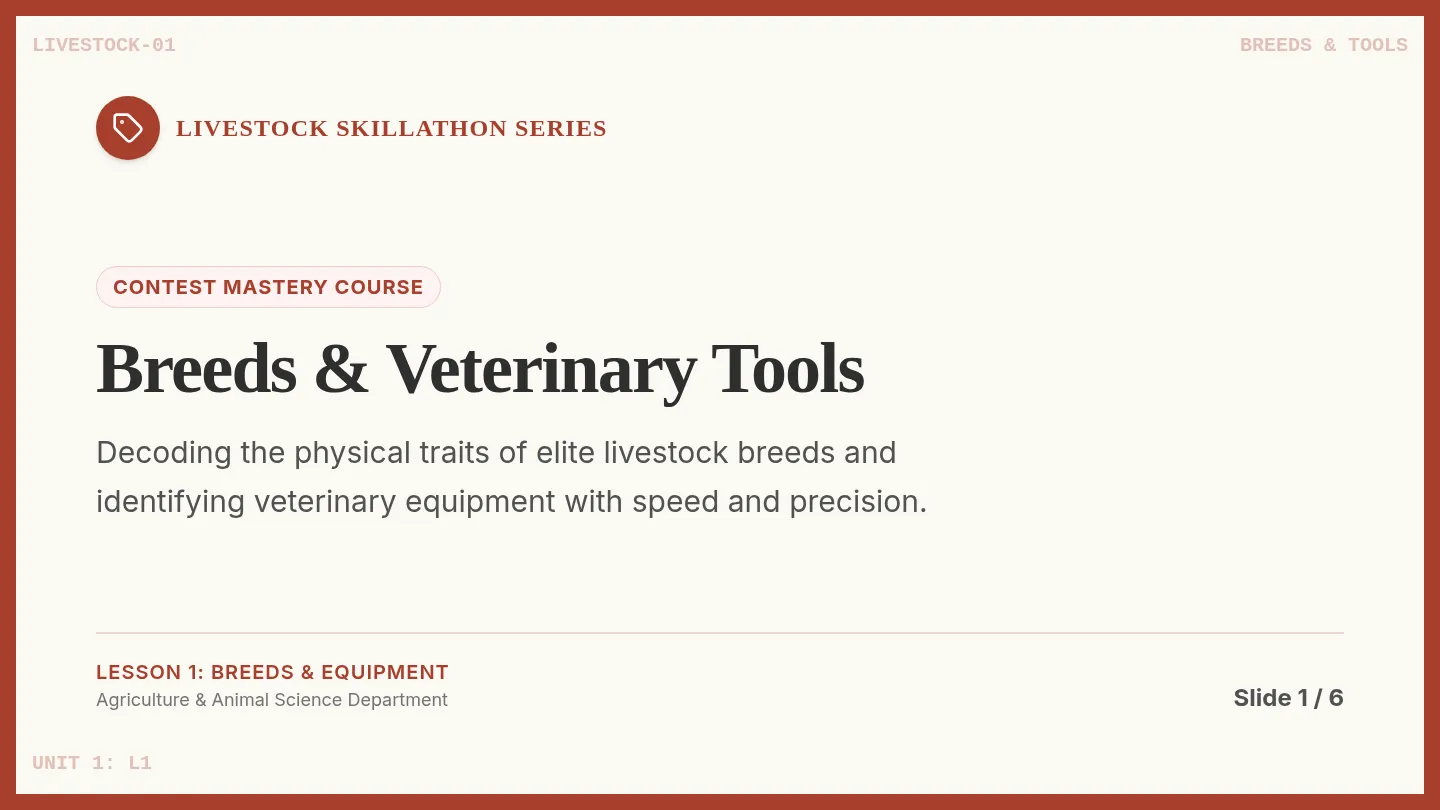
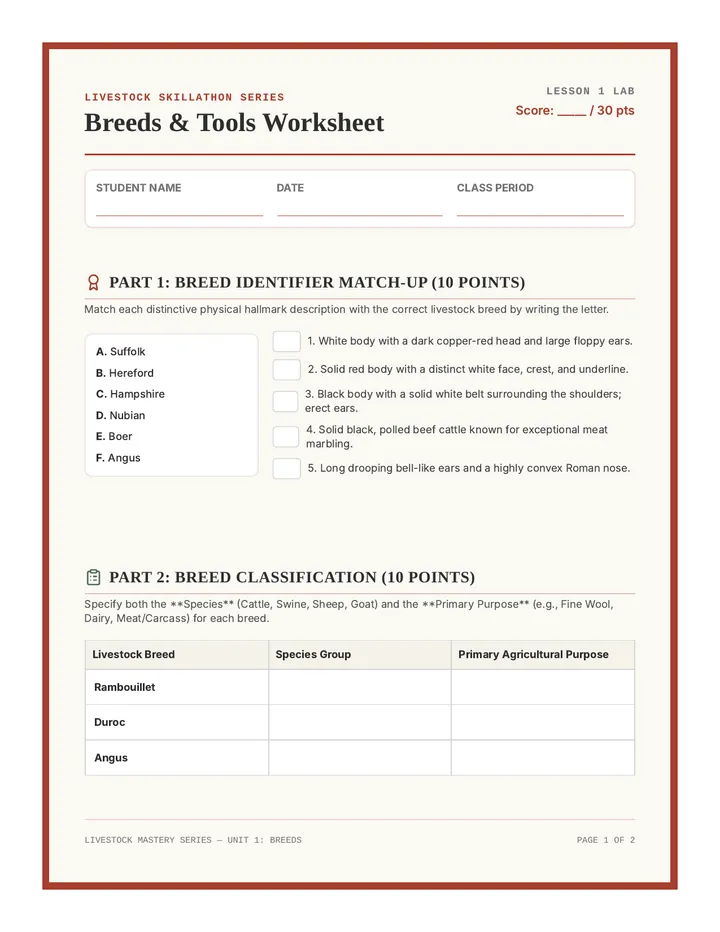
An immersive preparation program that equips agriculture students with the hands-on identification and evaluation skills needed to conquer competitive Livestock Skillathon contests.
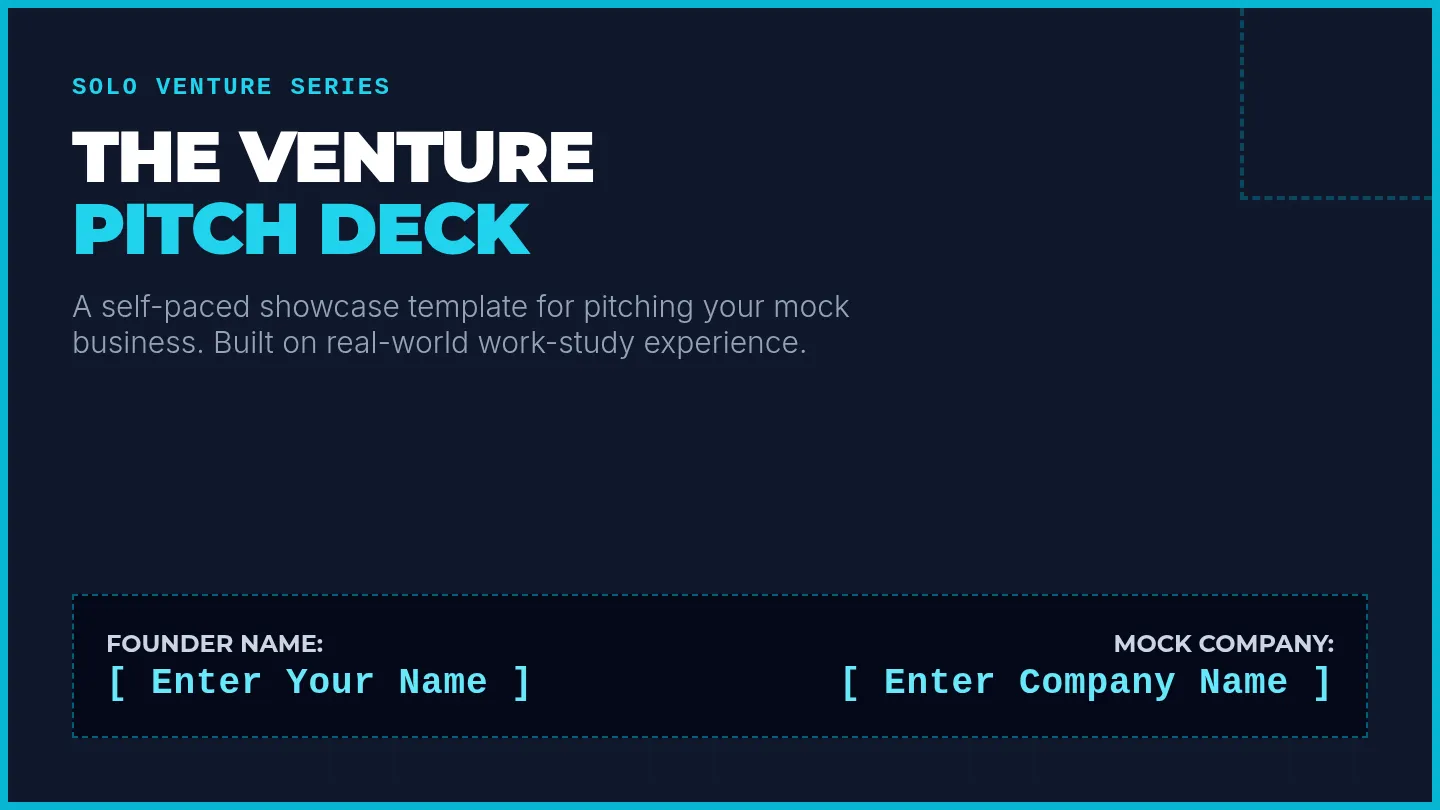
A modular, self-paced entrepreneurship project designed for alternative education students in work-study programs. It bridges real-world work experience with business planning, allowing students to design and pitch their own mock business.
A comprehensive, 3-page student-facing startup planner and guided template. Using a modern blueprint theme, this resource provides scaffolds, questions, and structured writing areas for business profile, market analysis, operations, and financial plans.