A foundational look at robot anatomy, exploring how sensors, actuators, and controllers work together to create a functional machine.
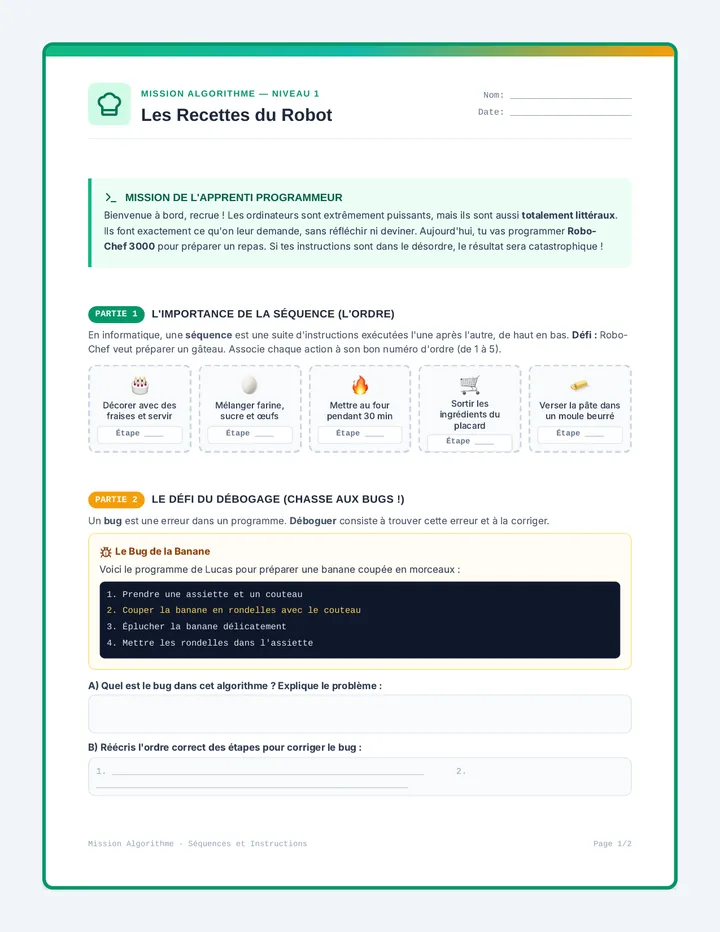
Une séquence d'initiation à l'algorithmique sans code pour débutants absolus. À travers des métaphores concrètes, les apprenants découvrent les trois piliers de la programmation : les séquences d'instructions, les conditions et les boucles.
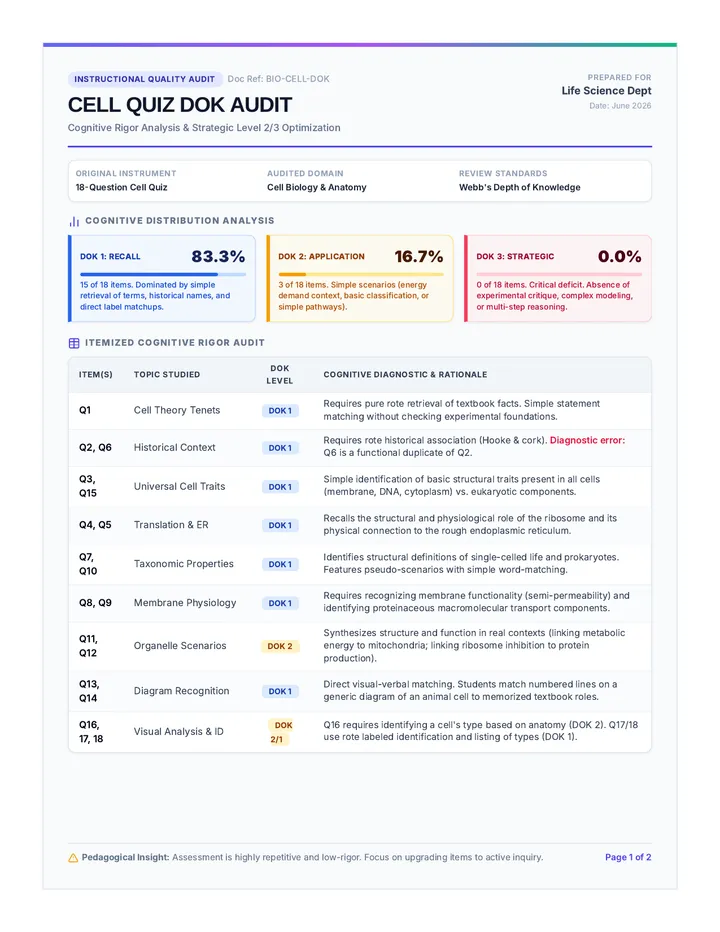
A thorough analysis of a 18-question cell biology quiz, mapping items to Depth of Knowledge (DOK) levels and presenting high-rigor upgrades.
A comprehensive Depth of Knowledge (DOK) audit report analyzing an 18-question cell biology quiz. It features an itemized rigor analysis, diagnostic percentage dashboards, conceptual DOK 2/3 upgrades, and experimental data-analysis scenario questions.
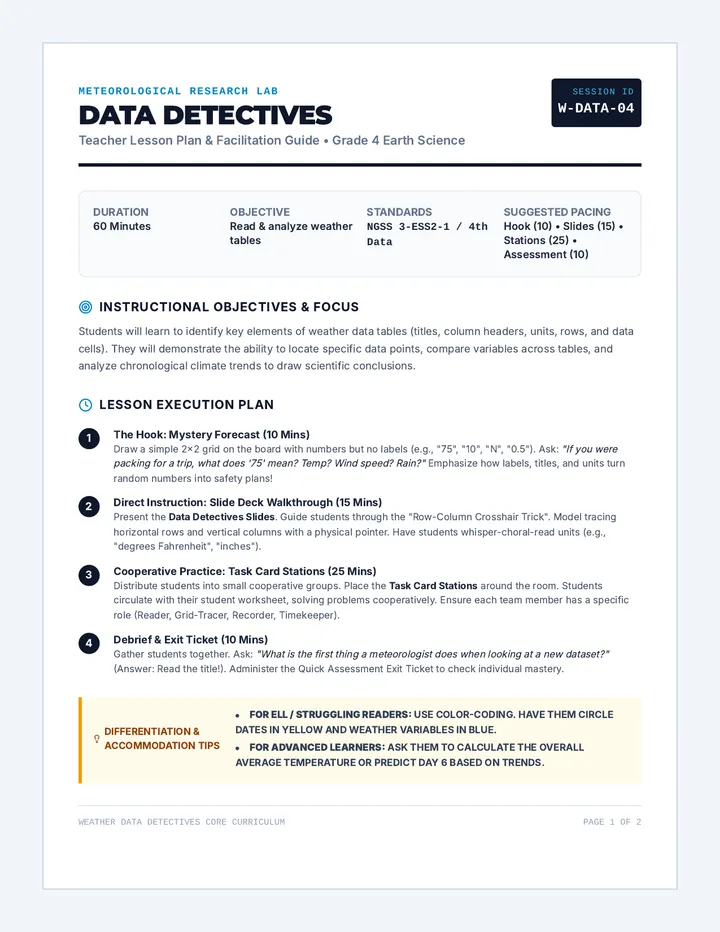
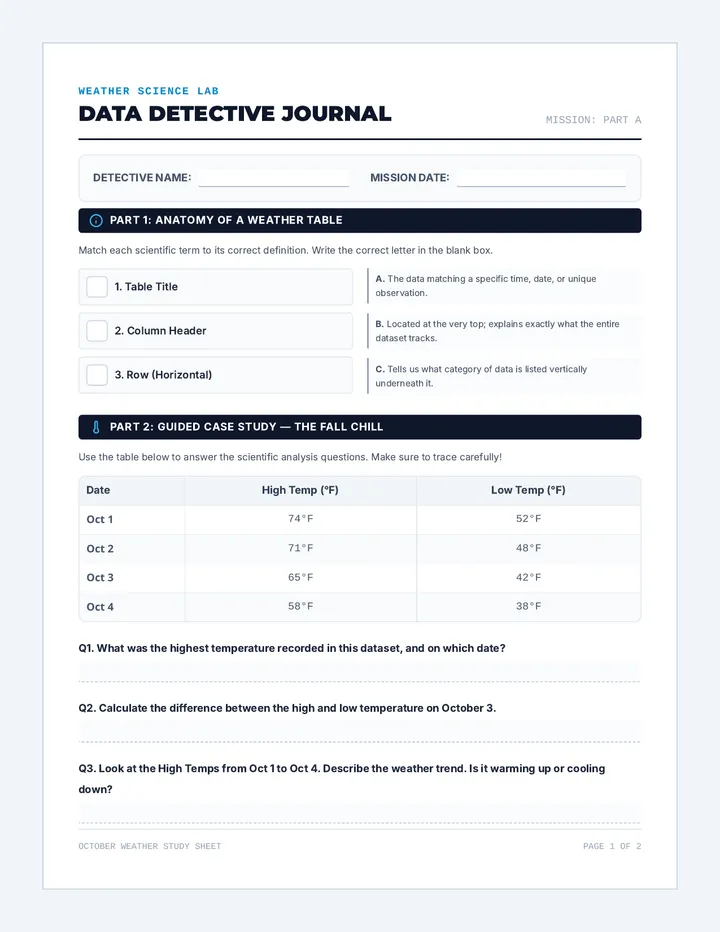
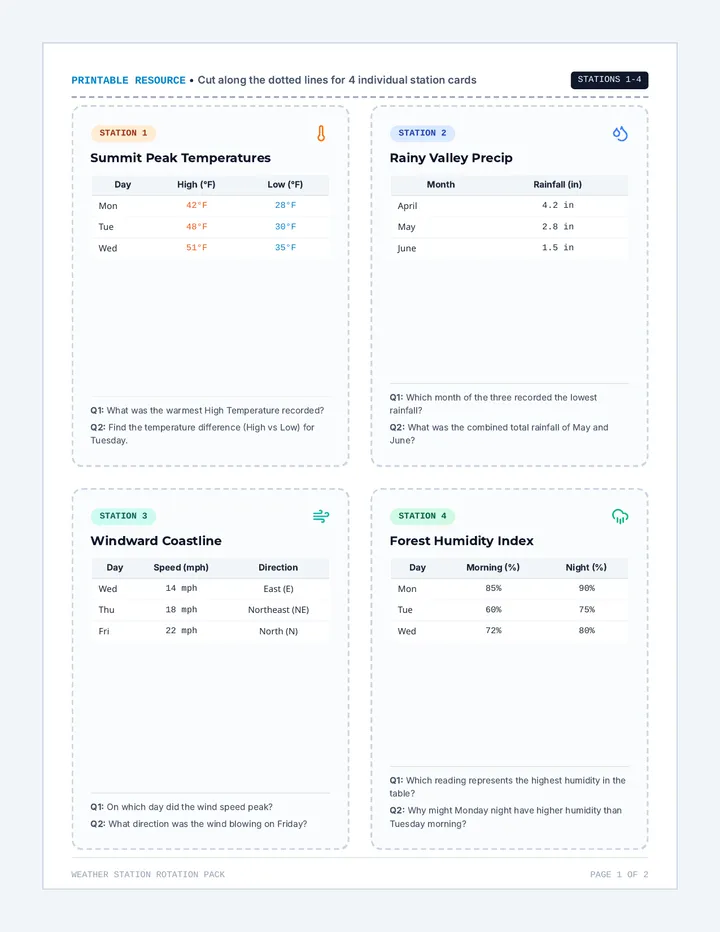
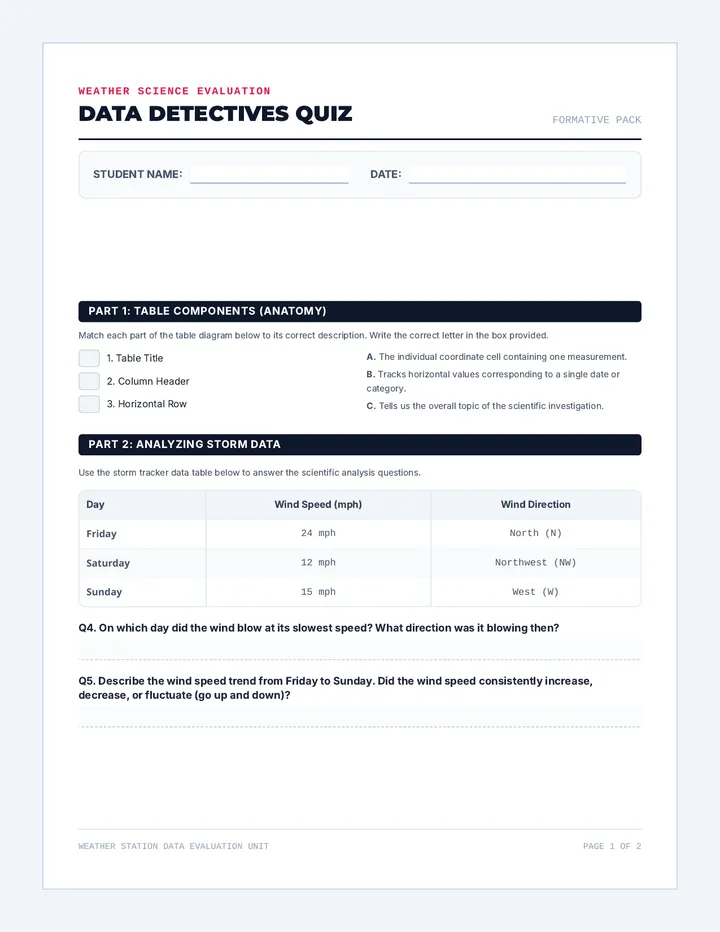
A hands-on 4th-grade science sequence exploring energy transfer, thermal design, and data-driven climate analysis through weather tracking and solar oven engineering.
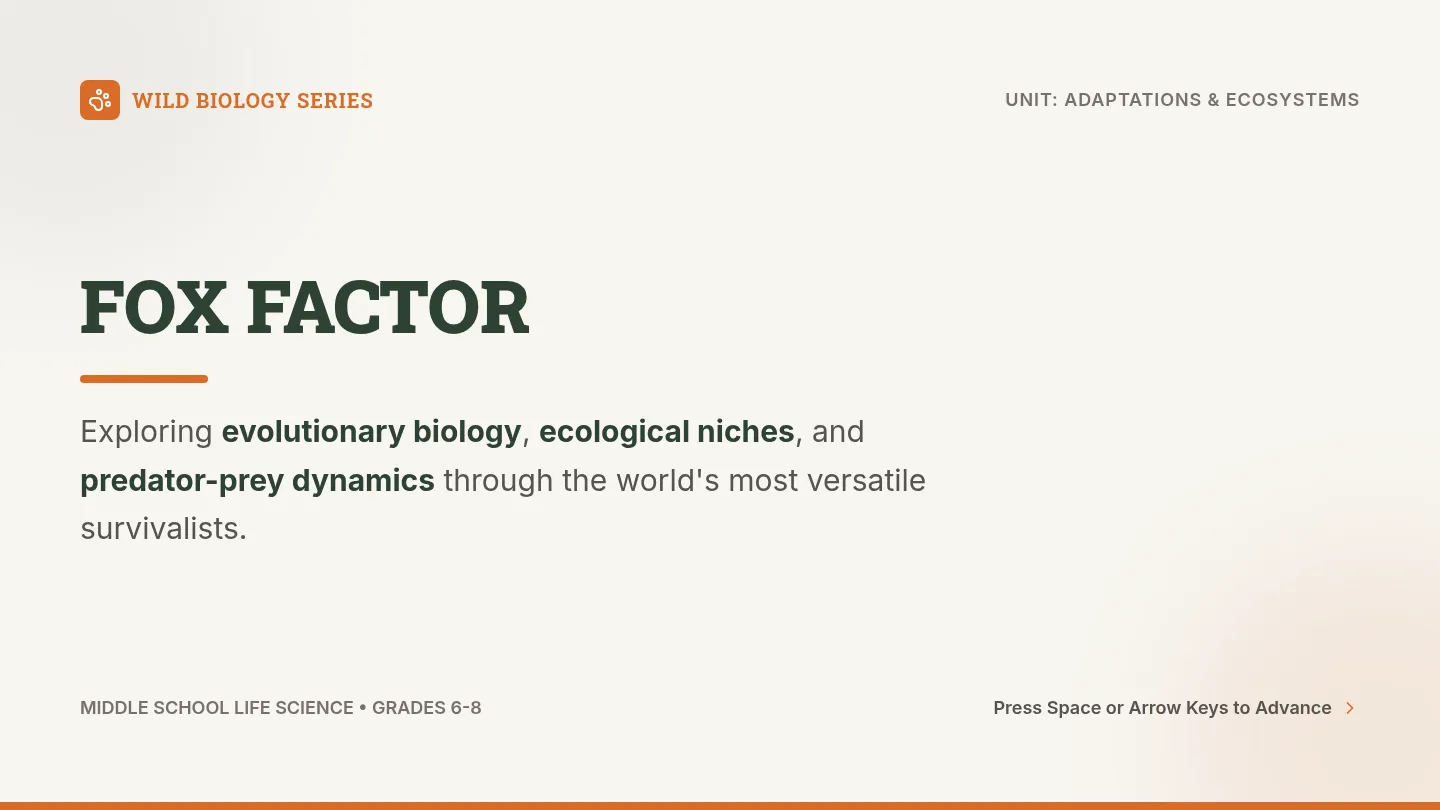
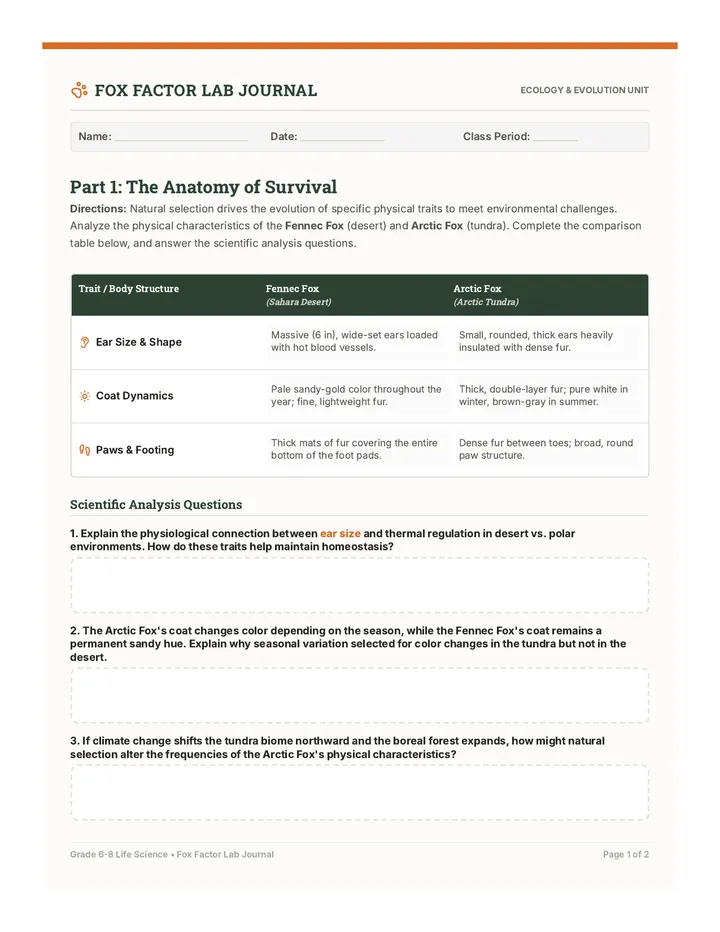
A middle school science lesson exploring evolutionary biology, ecological niches, and predator-prey dynamics through the comparative study of diverse fox species. Students analyze physical adaptations, food webs, and population cycle graphs.
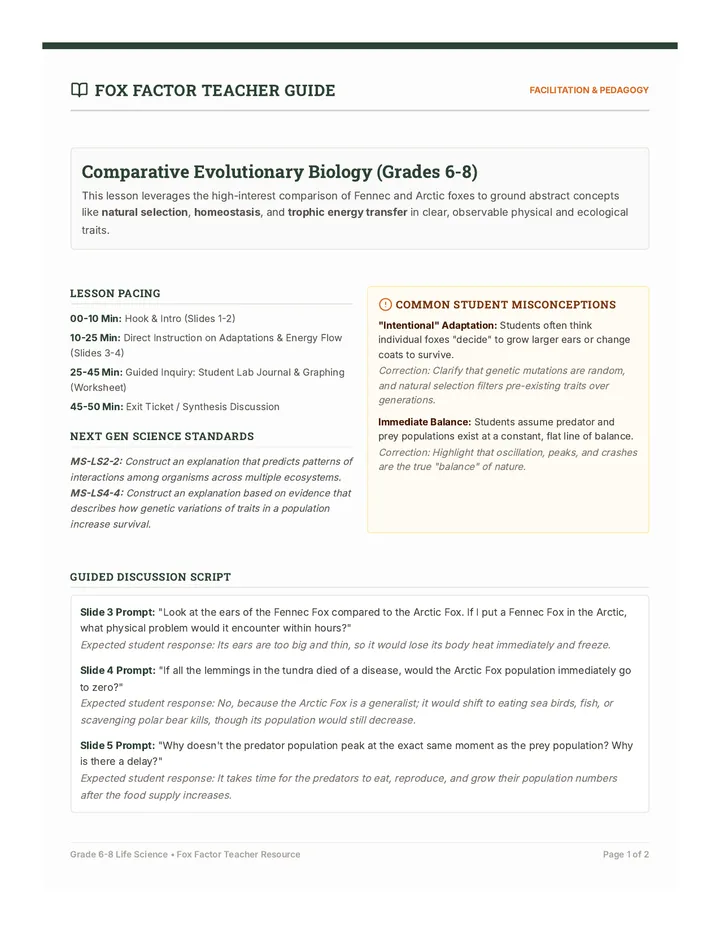
A 2-page teacher facilitation guide containing a complete lesson plan, discussion prompts, lists of common misconceptions, and a comprehensive answer key for the student worksheet.
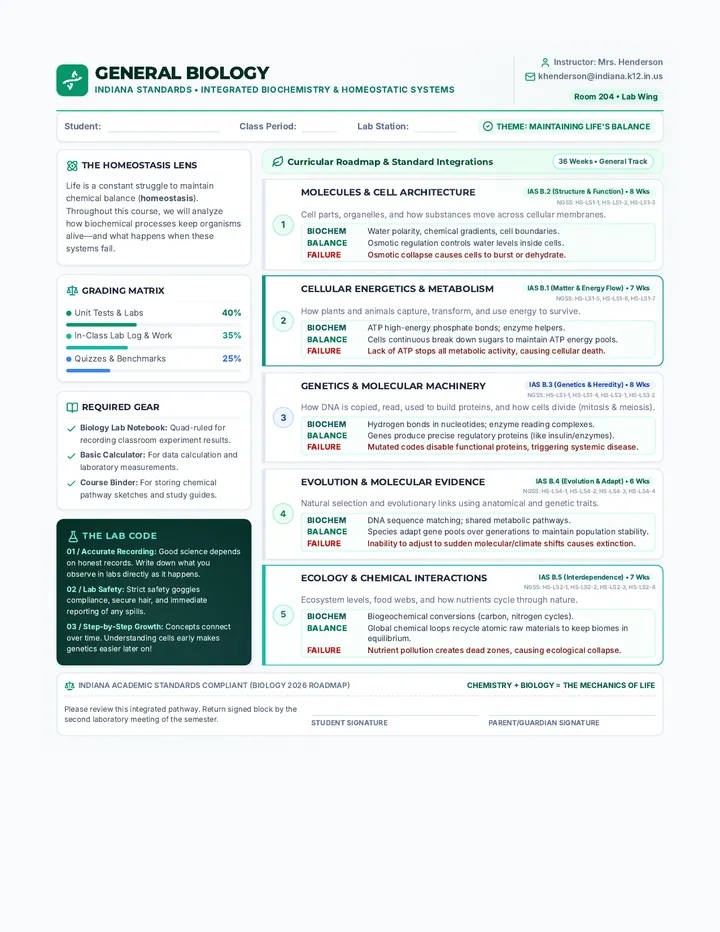
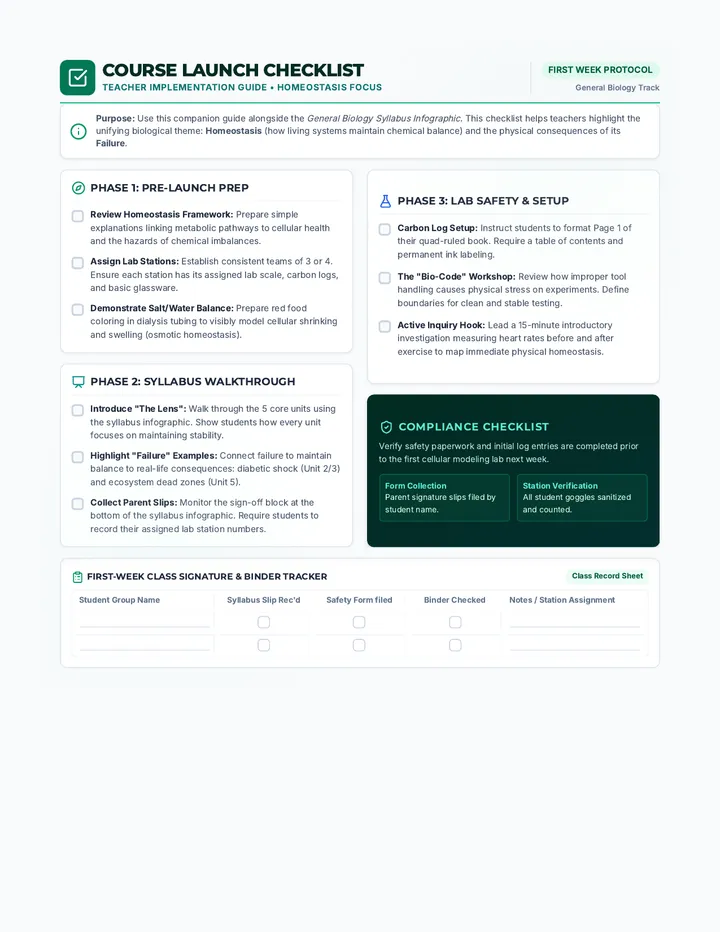
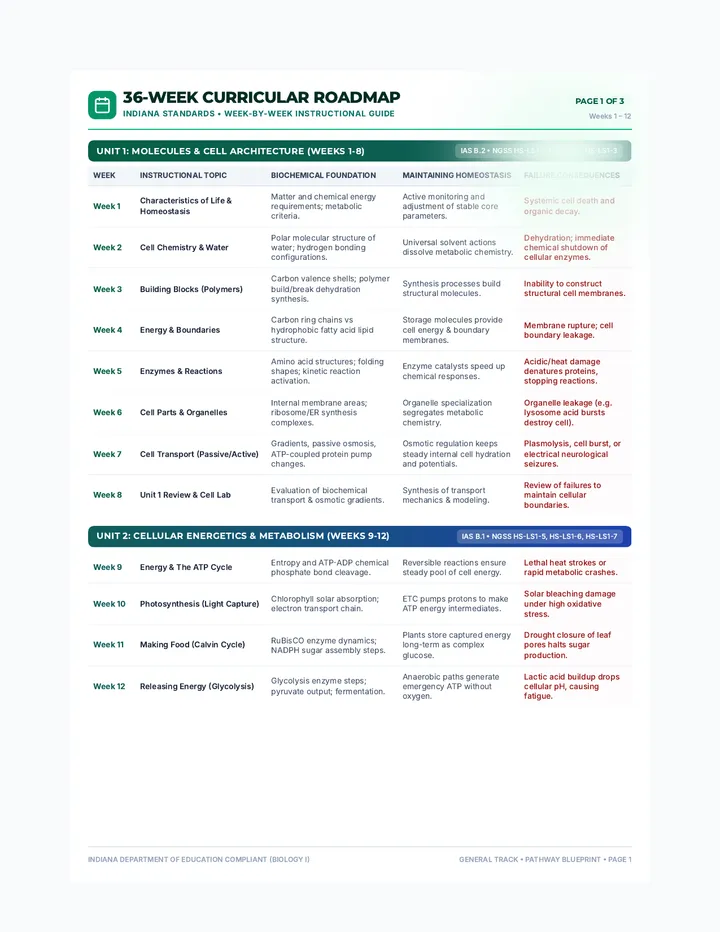
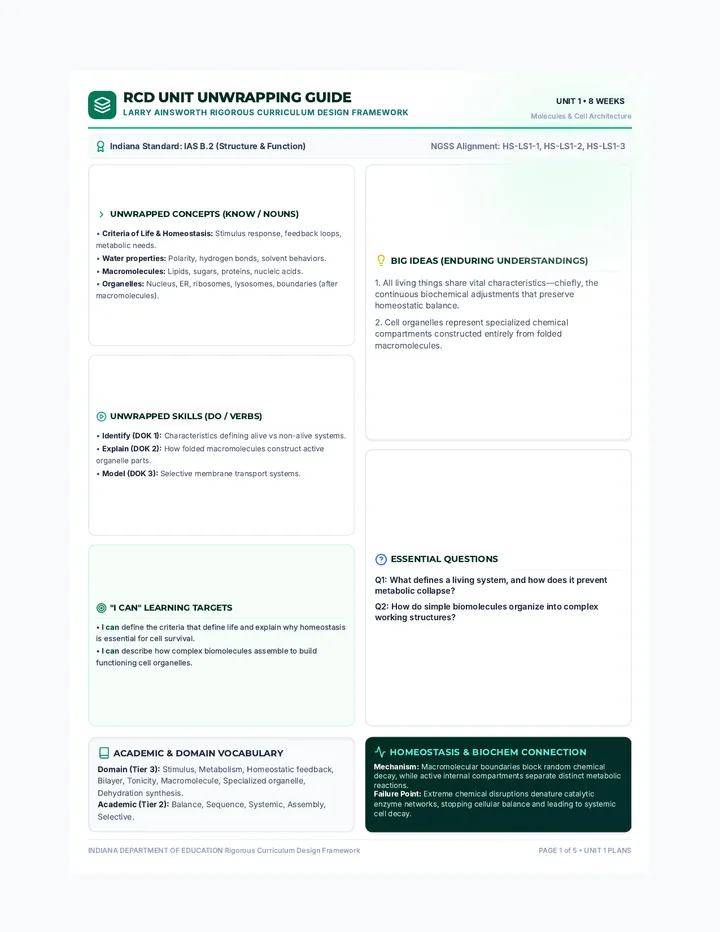
A comprehensive, 36-week General Biology curriculum aligned with Indiana Academic Standards, emphasizing the integration of biochemical foundations and metabolic homeostasis across all units.
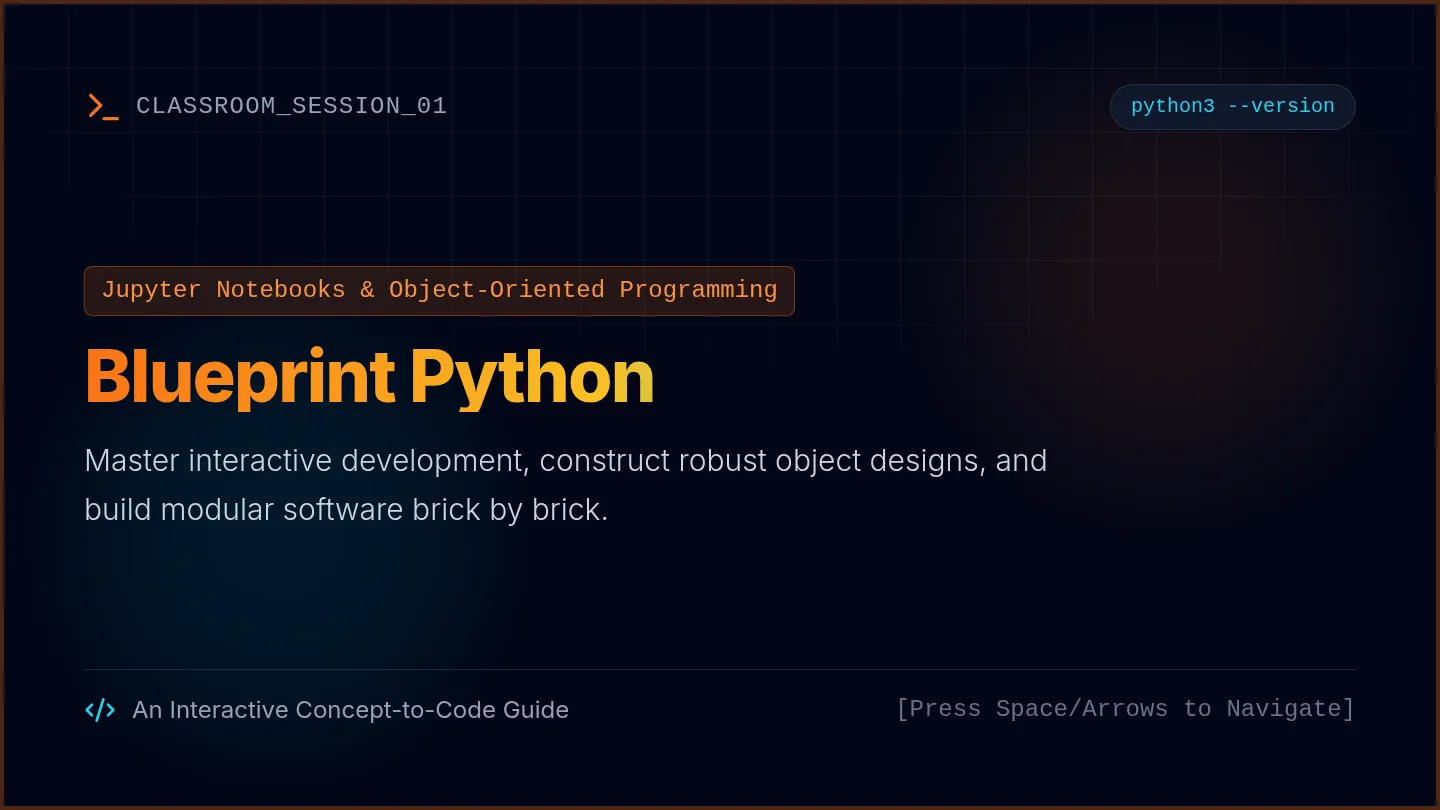
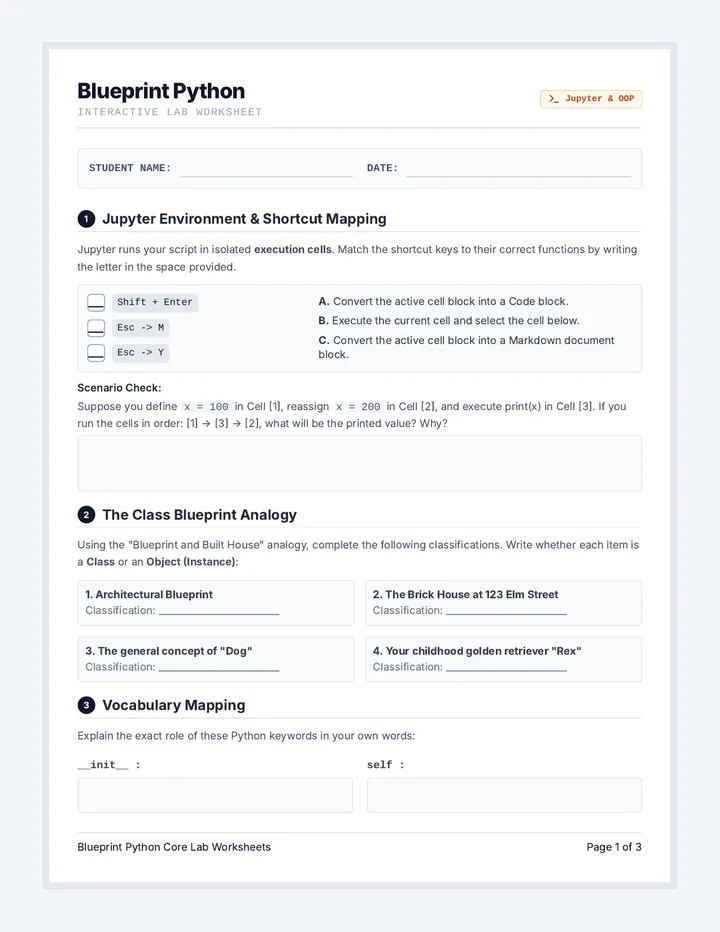
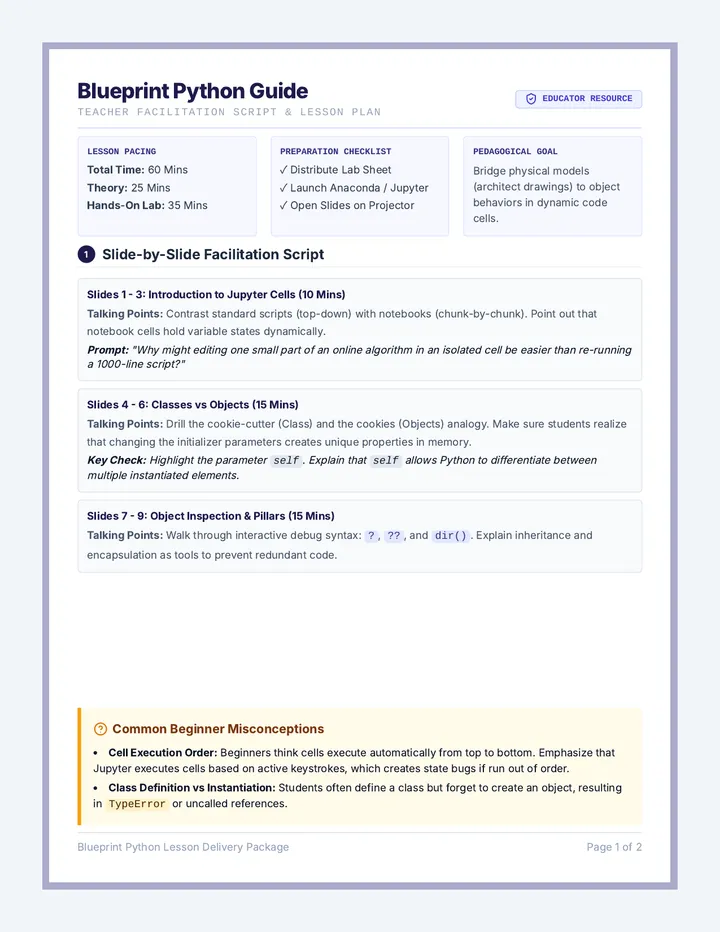
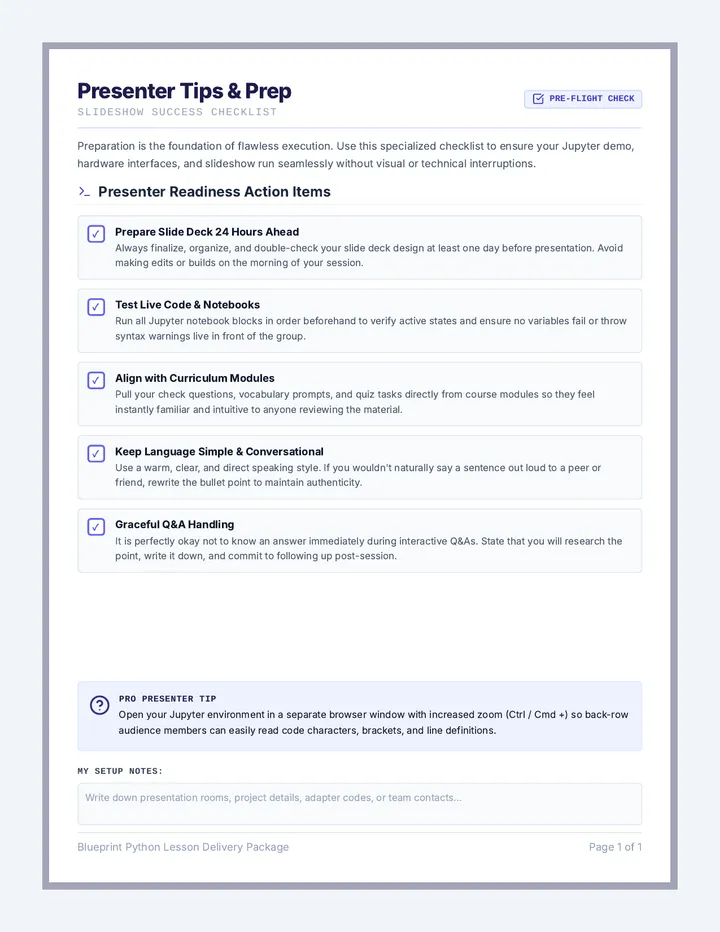
A beginner-to-intermediate lesson introducing Jupyter Notebooks and Object-Oriented Programming (OOP) in Python. Students learn to navigate the Jupyter interface and design structured classes and objects block-by-block.
A 2-page student worksheet containing physical adaptation matching, food web diagramming, and a real predator-prey dataset graphing analysis.
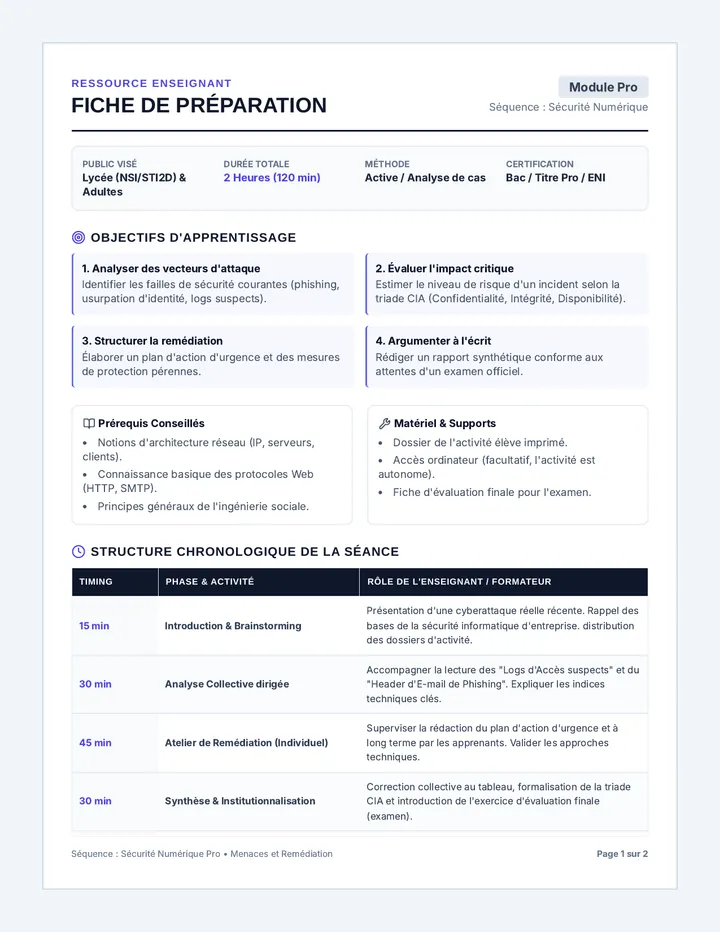
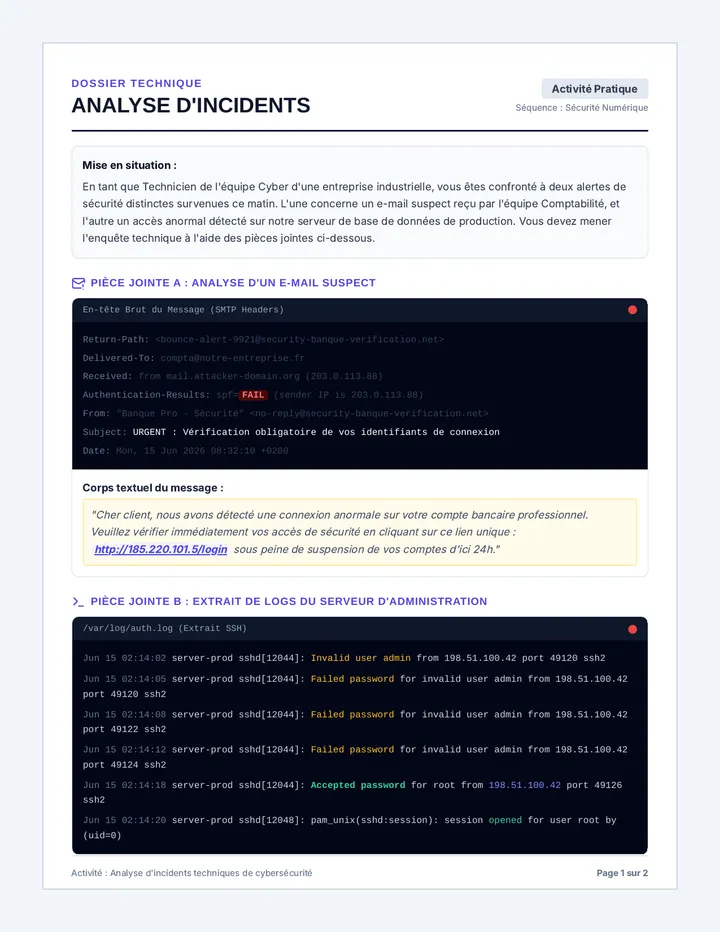
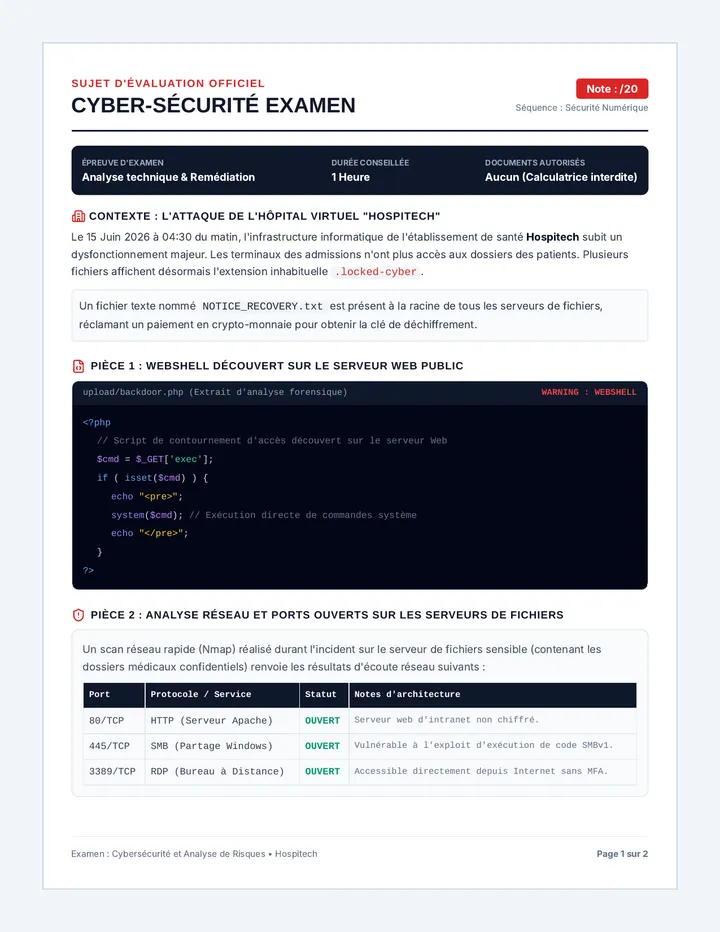
Séquence pédagogique complète sur la cybersécurité en entreprise, axée sur l'analyse technique des risques, la remédiation des failles de sécurité et la préparation aux épreuves d'examen ou de certification.
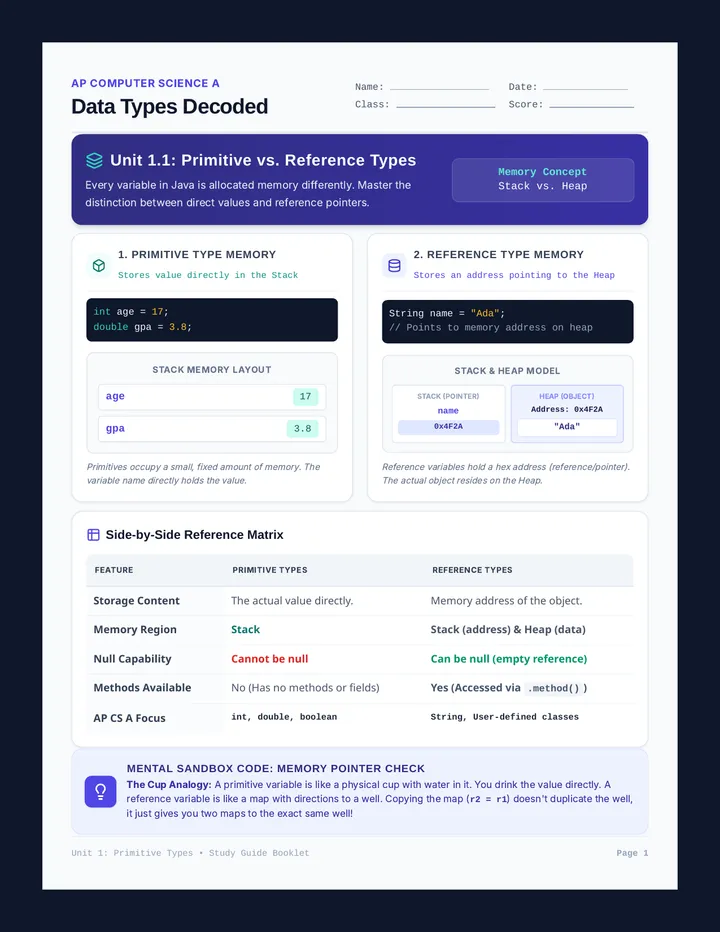
An AP Computer Science A lesson focusing on the differences between primitive and reference data types. It covers memory allocation, stack/heap models, and vocabulary using differentiated approaches for visual, scaffolded, and English Language learners.
A highly visual slide presentation for direct instruction, introducing students to adaptations, ecological niches, and predator-prey dynamics using Arctic, Fennec, and Red foxes.